

Free Northern Plains Travel Guide & Mobile App
Explore Northern Plains with free travel guides. Discover regional history, expert tips, proposed trips, and audio guides on web or mobile app.


Explore India's Northern Plains for sacred rivers, historic cities, Mughal and Sikh heritage, fertile countryside and richly varied regional food.
Read more about Northern Plains
When is the best time to visit Northern Plains?
Best: February–March, November · 18–24°C| Month | High (°C) | Rainfall (mm) |
|---|---|---|
| January | 14 | 15 |
| February (best) | 18 | 20 |
| March (best) | 24 | 30 |
| April | 32 | 40 |
| May | 37 | 50 |
| June | 41 | 60 |
| July | 38 | 70 |
| August | 37 | 60 |
| September | 35 | 50 |
| October | 31 | 40 |
| November (best) | 24 | 30 |
| December | 16 | 20 |
Getting to and around Northern Plains
How to get there
Transportation
Top city travel guides in Northern Plains
The cities of Northern Plains, and the easiest places to base yourself.
-

-

-

-

-

-


Swipe for more cities
Destinations in Northern Plains
Resorts, valleys and scenic spots worth a trip of their own.
-

-

-

-

-

-


Swipe for more destinations
Best attractions in Northern Plains
The Northern Plains offer a dense mixture of religious, historical, architectural and rural attractions. Sacred centres such as Varanasi, Sarnath, Mathura and Amritsar reveal different Hindu, Buddhist and Sikh traditions, while Lucknow's monuments and old quarters reflect the courtly culture of Awadh. Delhi's historic core and the Mughal remains around Agra provide major excursions within the broader plain, although both are best treated as distinct urban destinations rather than representative of the entire region. Across Bihar, Buddhist sites associated with the life and teaching of the Buddha form an important cultural circuit, while Punjab and Haryana offer agricultural landscapes, canal country and surviving sites connected with partition and Sikh history. West Bengal adds colonial Kolkata, former Mughal and nawabi centres such as Murshidabad, terracotta temple districts and the distinctive wetlands and waterways of the Ganges delta. Riverfront walks, heritage rail journeys, food tours, craft visits and seasonal birdwatching complement the principal monuments. The attraction landscape is strongest when approached through separate subregional itineraries, since the plain's scale and varied languages, faiths and foodways cannot be fully understood from one city.
-
Tourist attraction
Guna Cave
Explore the captivating Guna Cave in Kodaikanal, a natural wonder with unique rock formations and lush landscapes, ideal for adventure and tranquility.
-
Fortress
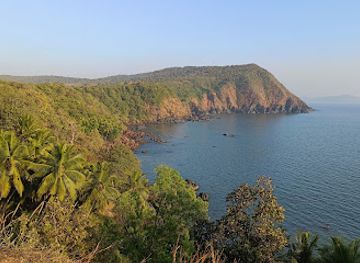
Cabo de Rama Fort
Discover Cabo de Rama Fort in Goa: a captivating blend of history, stunning views, and serene surroundings, perfect for every traveler.
-
Historical landmark
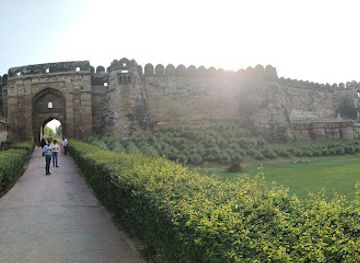
Shahi Fort Jaunpur Fort
Uncover the rich history of India at the Shahi Fort in Jaunpur, a stunning historical landmark that captivates visitors with its architectural beauty.
-
Nature preserve
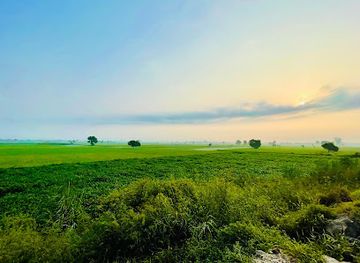
Yamuna Biodiversity Park
Explore the lush landscapes and diverse wildlife at Yamuna Biodiversity Park, an urban oasis in New Delhi dedicated to conservation and biodiversity.

Best landmarks in Northern Plains
The Northern Plains are marked by some of India's most recognisable religious and historic structures. The Golden Temple in Amritsar is the spiritual centre of Sikhism and an important symbol of service and community. Varanasi's long ghats along the Ganges form a distinctive urban riverfront shaped by pilgrimage, cremation traditions, temples and centuries of rebuilding. Sarnath's Dhamek Stupa marks one of the most significant Buddhist sites in the region, associated with the Buddha's first sermon. Lucknow's Bara Imambara and Rumi Darwaza express the architectural confidence of the late eighteenth-century Nawabi capital, while Patna's Kumhrar area preserves archaeological evidence connected with ancient Pataliputra. In the east, Kolkata's Victoria Memorial represents the monumental architecture of the colonial period, and Murshidabad's Hazarduari Palace recalls Bengal's nawabi past. The region's natural landmarks are less dramatic than mountain or coastal scenery but remain important: the broad Ganges, Yamuna and their tributaries define settlement, agriculture, pilgrimage and seasonal flood landscapes.
-
 Monument
India Gate
Explore India Gate, a historical monument in New Delhi that honors the sacrifices of soldiers, surrounded by lush green lawns and vibrant culture.
-
Monument
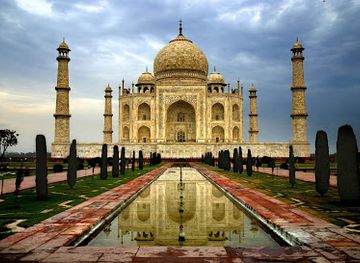
Taj Mahal
Explore the breathtaking beauty and rich history of the Taj Mahal, a UNESCO World Heritage Site and a symbol of love in Agra, India.
-
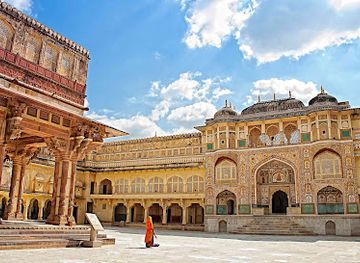
Castle
Amber Palace
Discover the majestic Amber Palace in Jaipur, a stunning blend of history and architecture, set against the backdrop of the Aravalli hills.
-
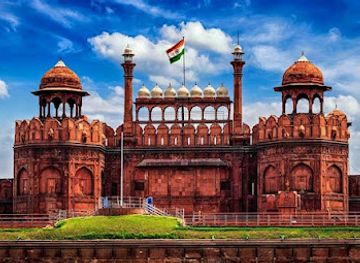
Fortress
Red Fort
Discover the grandeur of the Red Fort in Delhi, a UNESCO World Heritage Site that showcases the rich Mughal history and architectural brilliance of India.
Explore Northern Plains on the map
Plan your trip on one map. See where the top cities, national parks and sights are, and book hotels and experiences in a few clicks.
Best hotels in Northern Plains
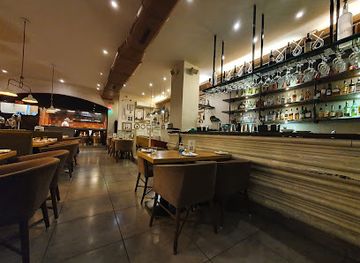
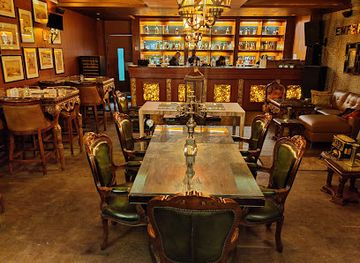
Best restaurants in Northern Plains
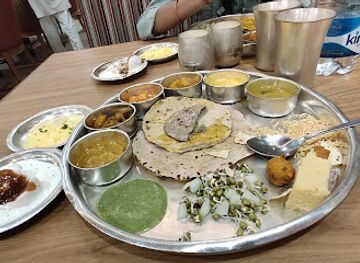
Food in the Northern Plains changes markedly from west to east. Punjab and Haryana are associated with wheat breads, dairy, pulses, tandoor cooking and robust seasonal dishes, while the cuisine of western Uttar Pradesh includes breads, kebabs and sweets shaped by both rural and urban traditions. Lucknow is particularly known for the refined cooking of Awadh, including slow-cooked meat dishes, aromatic rice preparations and delicate breads, although its culinary identity extends well beyond restaurant versions of royal dishes. In the middle Ganges plain, visitors find chaat, kachori, samosa, jalebi and a wide range of vegetarian food, with local variations from town to town. Bihar has distinctive snacks and breads such as litti with chokha, while Bengal places greater emphasis on rice, fish, vegetables, mustard and sweets including sandesh and rasgulla. Markets, family-run eateries, cafés, roadside stalls and traditional restaurants all contribute to the region's dining culture; choose busy premises, drink treated water and introduce unfamiliar foods gradually.
-
Vegetarian
Manohar Dairy & Restaurant - MP Nagar
Explore the rich flavors of India at Manohar Dairy & Restaurant - your ultimate vegetarian dining destination in Bhopal.
-
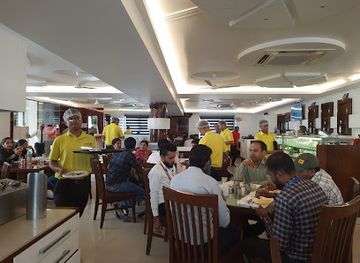
Family-friendly
Haldiram's Thaat Baat Restaurant
Experience the rich flavors of India at Haldiram's Thaat Baat Restaurant in Nagpur – a family-friendly haven for food lovers!
-
Indian
Mirchi & Mime
Experience exquisite Indian cuisine at Mirchi & Mime in Mumbai—where every meal tells a story of inclusion and culinary excellence.
-
Fine Dining
Dramz Delhi
Experience luxury dining at Dramz Delhi, where exquisite cuisine meets stunning views near the historic Qutub Minar.
Best bars in Northern Plains
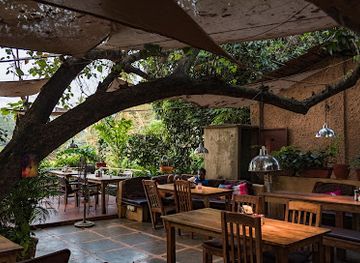
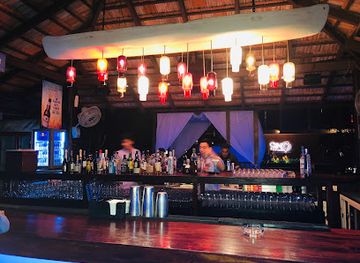
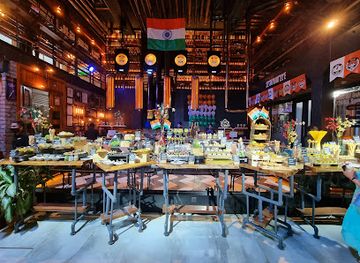
Evening life across the Northern Plains is varied and closely shaped by local laws, religious customs and the size of each settlement. Delhi and Kolkata have the region's broadest range of cocktail bars, breweries, live music venues, restaurants and late-night entertainment, while Lucknow, Chandigarh and other major urban centres offer more modest but developing scenes. In Amritsar, Varanasi, Patna and smaller cities, evenings are more often centred on restaurants, cafés, cultural performances, illuminated heritage areas and traditional markets than on large clubs. Rural districts generally rely on local restaurants, dhabas, tea stalls and community gatherings, with licensed alcohol service subject to state regulations and dry-day restrictions. Check current rules before planning an evening around alcohol, and remember that many religious or historic areas become quiet early even when nearby commercial districts remain active.
-
Bar
Baba Au Rhum, Anjuna
Experience the perfect blend of flavors at Baba Au Rhum, Anjuna’s beloved bar and bakery, offering delightful dishes and a cozy atmosphere.
-
Bar
Sinq Night Club
Discover the ultimate nightlife experience at Sinq Night Club, where vibrant music, chic ambiance, and endless dancing await in Goa.
-
Pub
Refinery 091
Discover the culinary delights of Kolkata at Refinery 091, a vibrant pub and restaurant offering a fusion of flavors and a lively atmosphere.
-
Lounge
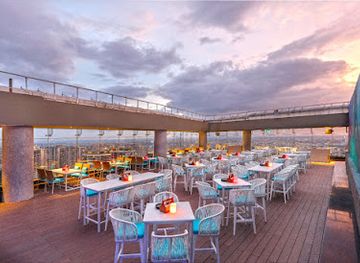
High Ultra Lounge
Experience luxury dining and breathtaking views at High Ultra Lounge, Bengaluru's premier rooftop destination for unforgettable evenings.
Best nightclubs in Northern Plains
Evening life across the Northern Plains is varied and closely shaped by local laws, religious customs and the size of each settlement. Delhi and Kolkata have the region's broadest range of cocktail bars, breweries, live music venues, restaurants and late-night entertainment, while Lucknow, Chandigarh and other major urban centres offer more modest but developing scenes. In Amritsar, Varanasi, Patna and smaller cities, evenings are more often centred on restaurants, cafés, cultural performances, illuminated heritage areas and traditional markets than on large clubs. Rural districts generally rely on local restaurants, dhabas, tea stalls and community gatherings, with licensed alcohol service subject to state regulations and dry-day restrictions. Check current rules before planning an evening around alcohol, and remember that many religious or historic areas become quiet early even when nearby commercial districts remain active.
-
Night club
Club Titos
Dive into the electrifying nightlife of Goa at Club Titos, where music, dance, and unforgettable memories await in a vibrant atmosphere.
-
Disco club
Sinq Night Club
Experience the ultimate nightlife at Sinq Night Club, Candolim, Goa - where music, dance, and vibrant energy converge.
-
Night club
Hammerzz Nightclub
Immerse yourself in the electrifying nightlife of Hammerzz Nightclub in Baga, Goa - where music, dance, and excitement collide.
-
Night club
Prism Club & Kitchen
Discover the vibrant nightlife of Hyderabad at Prism Club & Kitchen, where exquisite dining meets dynamic entertainment in a stunning setting.




Best shops in Northern Plains
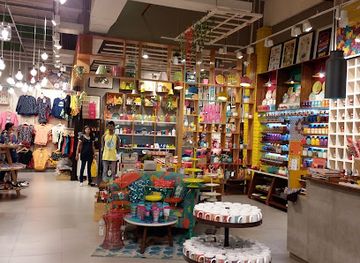
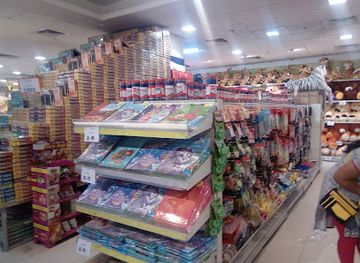
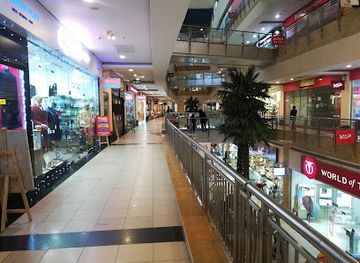
Shopping in the Northern Plains is best experienced through the contrasting markets of its historic cities and agricultural towns. Amritsar is known for textiles, Punjabi clothing, embroidered goods and foods associated with the region, while Lucknow is an important centre for chikankari embroidery and zardozi work. Varanasi is strongly associated with silk weaving, though buyers should compare quality, ask about fibre and weaving methods, and seek transparent pricing. Delhi and Kolkata provide the widest range of books, crafts, textiles, antiques, contemporary design and regional foods, but their large retail scenes are metropolitan rather than representative of the whole plain. Bihar and eastern Uttar Pradesh offer local sweets, handicrafts and market produce, while Bengal is noted for cotton and silk textiles, terracotta work and sweets. Farmers' markets, haats and traditional bazaars can be rewarding, but bargaining should remain courteous and visitors should check airline and customs rules before buying antiques, wildlife products or objects claimed to be historically old.
-
Shopping mall
LuLu International Shopping Mall
Discover shopping, dining, and entertainment at LuLu International Shopping Mall, the ultimate retail destination in Kochi, Kerala.
-
Shopping mall
Phoenix Marketcity
Discover the ultimate shopping experience at Phoenix Marketcity, Bengaluru's top destination for retail therapy, dining, and entertainment.
-
Shopping mall
DLF Mall of India
Explore the grandeur of DLF Mall of India, the largest shopping mall in India, offering an unparalleled shopping and entertainment experience.
-
Shopping mall
The Great India Place
Experience shopping, dining, and entertainment at The Great India Place, Noida's ultimate destination for leisure and fun.

Get your free copy of our complete guide to Northern Plains, delivered straight to you.
Everything on this page, from attractions and restaurants to essentials and local phrases, in one PDF you can read offline, print or share.
Already have an account? Sign in
Your Northern Plains guide is ready.
We'll send it to · Not you? Sign out

Getting your guide ready…
We are putting together a fresh copy of the Northern Plains guide. This can take up to a minute.
This can take a few moments. If your browser asks, choose Allow so the download can start. You'll find the guide in your Downloads folder.
Nothing happened? Download it again
Sorry, the guide is taking longer than usual. Please try again in a minute, or get it by email instead.
Northern Plains essentials
Currency and Payment
Safety
Emergency Situations
Do's and Don'ts
Local Tips
From Eve
Local phrases worth knowing
You don't need to get them perfect. A few words go a long way, and locals appreciate the effort.
Basics
| English | Local | Say it |
|---|---|---|
| Hello | नमस्ते | [Namaste] |
| Goodbye | अलविदा | [Alvida] |
| Yes | हाँ | [Haan] |
| No | नहीं | [Nahin] |
| Please/You're welcome | कृपया/आपका स्वागत है | [Kripya/Aapka Swagat Hai] |
| Thank you | धन्यवाद | [Dhanyavaad] |
| Excuse me/Sorry | माफ कीजिए/क्षमा करें | [Maaf Kijiye/Kshama Karen] |
| How are you? | आप कैसे हैं? | [Aap Kaise Hain?] |
| Fine. And you? | बिल्कुल ठीक। और आप? | [Bilkul Theek. Aur Aap?] |
| Do you speak English? | क्या आप अंग्रेज़ी बोलते हैं? | [Kya Aap Angrezi Bolte Hain?] |
| I don't understand | मुझे समझ में नहीं आता | [Mujhe Samajh Mein Nahin Aata] |
Eating & Drinking
| English | Local | Say it |
|---|---|---|
| I'd like to see the menu, please | कृपया मुझे मेनू दिखाएँ | [Kripya Mujhe Menu Dikhaye] |
| I don't eat meat | मैं मांस नहीं खाता | [Main Maas Nahin Khata] |
| Cheers! | चियर्स! | [Cheers!] |
| I would like to pay, please | कृपया मुझे भुगतान करने दें | [Kripya Mujhe Bhugtan Karne Den] |
Emergencies
| English | Local | Say it |
|---|---|---|
| Help! | मदद करो! | [Madad Karo!] |
| Go away! | जाओ यहाँ से! | [Jao Yahan Se!] |
| Call the Police! | पुलिस को बुलाओ! | [Police Ko Bulao!] |
| Call a doctor! | डॉक्टर को बुलाओ! | [Doctor Ko Bulao!] |
| I'm lost | मैं खो गया हूँ | [Main Kho Gaya Hoon] |
| I'm ill | मैं बीमार हूँ | [Main Bimar Hoon] |
Shopping
| English | Local | Say it |
|---|---|---|
| I'd like to buy... | मैं ... खरीदना चाहता हूँ | [Main ... Kharidna Chahta Hoon] |
| I'm just looking | मैं बस देख रहा हूँ | [Main Bas Dekh Raha Hoon] |
| How much is it? | यह कितने का है? | [Yah Kitne Ka Hai?] |
| That's too expensive | यह बहुत महंगा है | [Yah Bahut Mehnga Hai] |
| Can you lower the price? | क्या आप कीमत कम कर सकते हैं? | [Kya Aap Keemat Kam Kar Sakte Hain?] |
Time & Numbers
| English | Local | Say it |
|---|---|---|
| What time is it? | क्या समय हुआ है? | [Kya Samay Hua Hai?] |
| It's one o'clock | यह एक बजे है | [Yah Ek Baje Hai] |
| Half past (10) | डेढ़ (10) | [Deirh (10)] |
| Morning | सुबह | [Subah] |
| Afternoon | दोपहर | [Dopahar] |
| Evening | शाम | [Shaam] |
| Yesterday | कल | [Kal] |
| Today | आज | [Aaj] |
| Tomorrow | कल | [Kal] |
| 1 | १ | [1] |
| 2 | २ | [2] |
| 3 | ३ | [3] |
| 4 | ४ | [4] |
| 5 | ५ | [5] |
| 6 | ६ | [6] |
| 7 | ७ | [7] |
| 8 | ८ | [8] |
| 9 | ९ | [9] |
| 10 | १० | [10] |
Transport & Directions
| English | Local | Say it |
|---|---|---|
| Where's a/the...? | कहाँ है ...? | [Kahan Hai ...?] |
| What's the address? | पता क्या है? | [Pata Kya Hai?] |
| Can you show me (on the map)? | क्या आप मुझे दिखा सकते हैं (नक्शे पर)? | [Kya Aap Mujhe Dikha Sakte Hain (Nakshay Par)?] |
| When's the next (bus)? | अगली (बस) कब है? | [Agli (Bus) Kab Hai?] |
| A ticket (to ....) | एक टिकट (के लिए ...) | [Ek Ticket (Ke Liye ...)] |
History of Northern Plains
Indus and Ganges Civilisations
The Northern Plains preserve evidence of some of South Asia's earliest urban and agricultural societies. Sites associated with the Indus civilisation lay in and around the north-western plains, while later settlements developed along the Ganges and its tributaries. Archaeological discoveries show changing patterns of farming, craft production, trade and town building, although the region's historical development was not uniform. Rivers provided fertile soil and transport routes, but they also shifted course and created recurring flood landscapes. This long relationship between settled cultivation and river systems remains fundamental to the region's geography.
The Ganges Plain in the Vedic and Early Historic Ages
From the first millennium BCE, the middle and eastern Ganges plain became a major zone of political and cultural change. Iron tools, expanding agriculture and the growth of towns supported powerful kingdoms such as Kosala, Vatsa and Magadha. Buddhism and Jainism emerged within this wider intellectual environment, and places including Sarnath, near Varanasi, became important centres of religious teaching. The rise of more centralised states laid foundations for the Mauryan Empire and made the Ganges basin one of the principal political cores of ancient South Asia.
Mauryan and Gupta Imperial Landscapes
The Mauryan Empire, especially under Ashoka in the third century BCE, brought much of the Northern Plains within a large administrative and political system. Ashokan inscriptions and Buddhist sites remain important evidence of imperial communication and religious patronage. Several centuries later, the Gupta period saw major developments in classical Sanskrit culture, mathematics, astronomy, sculpture and temple traditions, with the Ganges basin again serving as a significant centre. Neither empire controlled every locality continuously, but both left durable political and cultural legacies across the plains.
Medieval Sultanates and the Mughal Age
From the Delhi Sultanate onwards, the Northern Plains became central to Islamic dynasties that governed large parts of the subcontinent. Delhi, Agra and numerous towns in the Ganges basin developed mosques, forts, gardens, caravan routes and administrative institutions. Under the Mughals, revenue systems and extensive cultivation linked rural production to imperial cities, while Persianate court culture interacted with established Indian languages and traditions. Mughal influence is visible in surviving architecture, gardens, crafts and urban forms across the western and central Gangetic plain.
Awadh, Sikh Power and Regional Courts
The eighteenth century brought political fragmentation and the strengthening of regional powers. Lucknow became the capital of Awadh and developed a distinctive court culture expressed through architecture, music, poetry and cuisine. In the north-western plains, Sikh political power expanded under Maharaja Ranjit Singh, with Lahore as its capital and Amritsar as a major religious centre. Bengal, Bihar and other areas were shaped by competing regional rulers, European trading interests and changing military alliances. These developments created regional identities that remain important in contemporary food, language, religion and architecture.
Company Rule and the British Raj
The East India Company's victory at Plassey in 1757 and subsequent territorial expansion transformed Bengal, Bihar and much of the Northern Plains. Revenue collection, commercial agriculture and new legal institutions altered relationships between villages, landlords and the state. After the 1857 uprising, which involved major centres including Delhi, Meerut, Kanpur and Lucknow, governance passed to the British Crown. Railways, canals, roads and colonial administrative cities connected the plains more closely, but these systems primarily served imperial economic and political priorities.
Nationalism, Partition and Independence
The plains were central to India's nationalist movement, with major political activity in cities such as Allahabad, Lucknow, Calcutta and Delhi. The 1947 Partition divided Punjab and Bengal, causing enormous population displacement, communal violence and the reshaping of cities and communities. Delhi became the capital of independent India, while Kolkata, Lucknow, Patna, Varanasi and other centres continued to influence national politics and culture. Partition remains a powerful part of the region's modern memory, particularly in Punjab and Bengal.
Agricultural Change and Contemporary Urban Growth
After independence, irrigation, new seeds, fertilisers and mechanisation transformed farming, especially in Punjab, Haryana and western Uttar Pradesh during the Green Revolution. These changes increased food production but also contributed to groundwater depletion, soil pressures and regional disparities. Meanwhile, Delhi and other major cities expanded rapidly, while industrial corridors, universities, religious tourism and service industries changed the economic map. The Northern Plains today combines densely populated rural landscapes with some of India's fastest-growing urban regions.
Northern Plains in Photos
Browse through our photo collection highlighting the charm and character of the destination.
Neighbouring regions of Northern Plains
The closest regions to Northern Plains, if you have time for more than one.
-

-

-

-

-


Swipe for more regions
Explore more

Explore more of India
Discover the magic of India, where diverse landscapes, rich heritage, and vibrant culture come together to create an unforgettable travel experience.
Explore India