

Colva (Goa) Travel Guide - Free
Explore Colva in Goa with Evendo's free guide. Find the best shops, historic streets, restaurants, and gems on web or mobile.


Colva in Goa pairs a broad Arabian Sea beach with Salcete village life, Portuguese-era heritage, seafood, sunset walks and relaxed coastal evenings near Margao.
Beach, Village and Sea
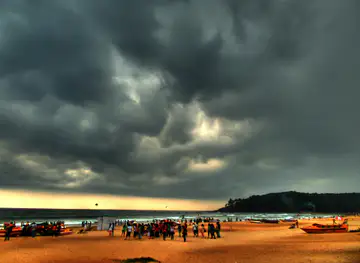
Colva occupies a long stretch of South Goa’s Arabian Sea coast, where a broad sandy beach meets the low-rise lanes of an old Salcete village. The beach is the area’s defining landscape: its open shoreline is used for swimming, walking, seasonal watersports and watching fishing boats move offshore, while the inland streets lead through palms, family homes, small guesthouses, cafés and local shops. Colva is more developed than many nearby coastal villages, yet it retains a distinctly local rhythm beyond the main beach road.Read more about Colva
Salcete’s Catholic Heritage
Coastal Evenings
Best attractions in Colva
Colva Beach is the principal attraction, offering a wide Arabian Sea shoreline for swimming where conditions permit, walking, sunset viewing and observing the changing relationship between visitors and local coastal activity. The beach is most interesting when explored beyond its central access area, where the scale of the sand and the presence of fishing boats become more apparent. Inland, Our Lady of Mercy Church provides a very different experience, with a long-established parish setting and a strong connection to Salcete’s Catholic heritage. The lanes around the church reveal traditional houses, palms, shrines and everyday village life rather than a concentrated sightseeing circuit. Colva also works as a starting point for short excursions along South Goa’s coast, although neighbouring beaches and villages should be treated as separate places. Seasonal shacks, small roadside cafés and local transport points add texture to the visit without turning the village into a conventional attraction district.
-
Tourist attraction
Colva Beach, Goa
Discover Colva Beach: South Goa's serene escape with white sands, water sports, and a touch of Portuguese history.
10 min walk · 0.8 km from neighbourhood centre
-
Tourist attraction
Sernabatim Beach, Colva
Discover Sernabatim Beach: A serene escape in South Goa with golden sands, tranquil waters, and breathtaking sunsets.
5 min drive · 1.7 km from neighbourhood centre
-
Tourist attraction
Our Lady of Merces Church
Discover the historic Our Lady of Merces Church in Colva, Goa, a beacon of faith and architectural beauty since 1630.
3 min walk · 0.2 km from neighbourhood centre
-
Tourist attraction
Sunset View Point Colva
Experience breathtaking sunsets and tranquil beauty at Sunset View Point Colva, a must-visit Goan attraction for every traveler.
11 min walk · 0.9 km from neighbourhood centre


Best landmarks in Colva
Our Lady of Mercy Church, commonly called Colva Church, is Colva’s clearest architectural and symbolic landmark, anchoring the village’s Catholic community and providing a point of reference away from the beach. Its importance lies not only in its religious function but also in the way it reflects the historical development of Salcete under Portuguese rule and the continuing strength of parish life in South Goa. The surrounding lanes contain traditional houses, boundary walls, palms and small roadside shrines that form a broader vernacular landscape, even where individual buildings are not formally presented as monuments. Colva Beach is another defining landmark in the geographical sense: its broad open edge explains the settlement’s modern tourism identity and remains connected to fishing and coastal work. The beach shacks and access roads are changeable, whereas the church and village layout provide more enduring markers of place.
-
Beach
Colva Beach
Experience the enchanting beauty and vibrant culture of Colva Beach, Goa's premier destination for sun, sand, and sea adventures.
12 min walk · 0.9 km from neighbourhood centre
-
Beach pavillion
Colva Beach, Goa
Experience the bliss of Colva Beach, Goa – a perfect blend of relaxation, adventure, and vibrant local culture.
10 min walk · 0.8 km from neighbourhood centre
-
Public beach
Sernabatim Beach, Colva
Discover tranquility at Sernabatim Beach, a serene escape in Goa with golden sands, delicious local cuisine, and breathtaking sunsets.
5 min drive · 1.7 km from neighbourhood centre
-
Catholic church
Our Lady of Merces Church
Explore the spiritual heart of Goa at Our Lady of Merces Church, a historical gem offering tranquility and stunning architecture.
3 min walk · 0.2 km from neighbourhood centre


Explore Colva on the map
A handpicked selection of must-see spots in Colva, mapped for you.
Best hotels in Colva
Best restaurants in Colva
Colva’s dining scene is shaped by its beach setting and South Goa’s home-style culinary traditions. Seasonal shacks and restaurants near the shore commonly focus on seafood, with fish, prawns and other coastal dishes appearing alongside rice, breads and Goan preparations influenced by Konkani and Portuguese culinary history. In the village and along the connecting roads, cafés and casual eateries broaden the choice with breakfasts, vegetarian food, snacks and familiar international dishes for a mixed visitor clientele. Menus and opening patterns can change with the season, particularly at beachside establishments, so the most useful approach is to read current menus and ask about the day’s catch rather than rely on fixed expectations. Colva is not primarily a destination for formal fine dining; its appeal lies in relaxed meals close to the sand, modest local eateries and the opportunity to encounter regional flavours amid ordinary village life.
-
Family-friendly
Praia Da Colva kitchen & Bar Multicuisine
Discover Goa's vibrant culinary scene at Praia Da Colva Kitchen & Bar - a family-friendly haven serving exquisite seafood and diverse cuisine.
5 min walk · 0.4 km from neighbourhood centre
-
Seafood
Kentuckee Seafood Restaurant
Discover exquisite seafood dining at Kentuckee Seafood Restaurant in Kolve, Goa – where local flavors meet vibrant atmosphere and live entertainment.
9 min walk · 0.7 km from neighbourhood centre
-
Pan Asian
The Red Ginger
Experience the vibrant flavors of Thailand at The Red Ginger, Goa's premier Pan Asian restaurant known for its exquisite dishes and inviting ambiance.
6 min walk · 0.5 km from neighbourhood centre
-
Restaurant
Viva Goa Restaurant Colva
Discover authentic Goan cuisine at Viva Goa Restaurant Colva - where vibrant flavors meet warm hospitality.
4 min walk · 0.3 km from neighbourhood centre


Best bars in Colva
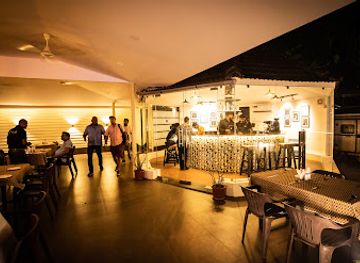
Evenings in Colva are generally low-key and coastal rather than centred on large nightclubs. Beach shacks and casual bars provide places for a drink after sunset, and some offer music or informal entertainment during the busier tourism season. The main beach approach and nearby restaurant roads are livelier than the residential lanes, where the atmosphere becomes quiet once local businesses have closed. Visitors seeking a substantial club scene usually need to travel elsewhere in Goa, while Colva suits those who prefer seafood dinners, drinks overlooking the shore and unhurried evening walks. Seasonal programming varies considerably, so advertised music, performances and opening arrangements should be checked locally. Noise matters in a settled village environment: accommodation areas and parish surroundings are not appropriate places for late-night outdoor gatherings.
-
Seafood
Boomerang Beach Bar & Restaurant
Experience the best of Goan seafood at Boomerang Beach Bar & Restaurant, where fresh flavors meet stunning ocean views.
10 min walk · 0.8 km from neighbourhood centre
-
Bar
49ers Restaurant & Pub
Discover the vibrant flavors and lively ambiance of 49ers Restaurant & Pub, a top dining destination in Goa for seafood and cocktails.
10 min walk · 0.8 km from neighbourhood centre
-
Lounge
D'Aggies - Lounge & Disc for Couples & Families
Discover the perfect blend of entertainment, exquisite cuisine, and refreshing drinks at D'Aggies - the ultimate lounge experience in Goa.
8 min walk · 0.6 km from neighbourhood centre
-
Grill
Goodman Restaurant & Bar
Experience the flavorful delights of Goodman Restaurant & Bar, a premier grill and breakfast spot near Colva Beach, Goa.
6 min walk · 0.5 km from neighbourhood centre


Best nightclubs in Colva
Evenings in Colva are generally low-key and coastal rather than centred on large nightclubs. Beach shacks and casual bars provide places for a drink after sunset, and some offer music or informal entertainment during the busier tourism season. The main beach approach and nearby restaurant roads are livelier than the residential lanes, where the atmosphere becomes quiet once local businesses have closed. Visitors seeking a substantial club scene usually need to travel elsewhere in Goa, while Colva suits those who prefer seafood dinners, drinks overlooking the shore and unhurried evening walks. Seasonal programming varies considerably, so advertised music, performances and opening arrangements should be checked locally. Noise matters in a settled village environment: accommodation areas and parish surroundings are not appropriate places for late-night outdoor gatherings.
-
Seafood
Boomerang Beach Bar & Restaurant
Discover the culinary delight of seafood at Boomerang Beach Bar & Restaurant, a coastal haven in Colva, Goa.
10 min walk · 0.8 km from neighbourhood centre
-
Bar
49ers Restaurant & Pub
Discover the vibrant flavors of Goa at 49ers Restaurant & Pub, offering delicious seafood and breakfast in a lively atmosphere.
10 min walk · 0.8 km from neighbourhood centre
-
Disco club
Club Margarita
Discover the vibrant nightlife at Club Margarita, a must-visit disco club in Kolve, Goa, where music, dancing, and great drinks await every visitor.
3 min walk · 0.2 km from neighbourhood centre
-
Lounge
D'Aggies - Lounge & Disc for Couples & Families
Discover the lively atmosphere at D'Aggies, Goa's top lounge and disc for couples and families, where fantastic food meets unforgettable nightlife.
8 min walk · 0.6 km from neighbourhood centre


Best shops in Colva
Shopping in Colva is modest and practical, concentrated around the main approach to the beach, village roads and seasonal market-style stalls rather than a formal retail district. Visitors find beachwear, casual clothing, sandals, souvenirs, craft items and travel essentials, while small local shops serve residents with groceries and everyday goods. Stalls may also offer shell-based ornaments and other coastal-themed products, but stock, quality and trading patterns vary. The neighbourhood is not known for a specialised craft market or a large concentration of independent boutiques; Margao is the more useful destination for extensive shopping and regional produce. Bargaining may be possible at informal stalls, though it should be conducted courteously and without treating small-scale sellers as tourist attractions. A walk inland from the beach gives a clearer sense of the difference between visitor-oriented retail and the ordinary commercial life of the village.
-
Clothing store
Green Market
Explore the Green Market in Goa – a vibrant hub of local fashion, culture, and artistry that captures the spirit of this enchanting region.
5 min walk · 0.4 km from neighbourhood centre
-
Shopping mall
Goa souvenir Handicraft
Explore the finest collection of authentic handicrafts and souvenirs at Goa Souvenir Handicraft, capturing the essence of Goa's vibrant culture.
6 min walk · 0.4 km from neighbourhood centre
-
Clothing store
Om Collection
Explore stylish apparel and local craftsmanship at Om Collection, a unique clothing store nestled in the heart of Goa's vibrant culture.
6 min walk · 0.5 km from neighbourhood centre
-
Gift shop
Goa Souvenir and sea shells
Explore a delightful selection of unique gifts and exquisite sea shells at Goa Souvenir and Sea Shells, a must-visit shop in Kolve, Goa.
8 min walk · 0.6 km from neighbourhood centre


Colva essentials
Getting There
Getting Around
Safety
Emergency Situations
Do's and Don'ts
Local Tips

From Eve
Local phrases worth knowing
You don't need to get them perfect. A few words go a long way, and locals appreciate the effort.
Basics
| English | Local | Say it |
|---|---|---|
| Hello | नमस्कार | [namaskāra] |
| Goodbye | विदाय | [vidāya] |
| Yes | हो | [ho] |
| No | नाही | [nāhī] |
| Please/You're welcome | कृपया/स्वागत आहे | [kr̥payā/svāgat āhe] |
| Thank you | धन्यवाद | [dhanyavāda] |
| Excuse me/Sorry | क्षमा करा/माफ करा | [kṣamā karā/māpha karā] |
| How are you? | तुम्ही कसे आहात? | [tumhī kase āhāta?] |
| Fine. And you? | चांगले. तुम्ही कसे? | [cāṅgale. tumhī kase?] |
| Do you speak English? | तुम्हाला इंग्रजी बोलायची आहे का? | [tumhālā iṅgrajī bolāyacī āhe kā?] |
| I don't understand | मला समजत नाही | [malā samajata nāhī] |
Eating & Drinking
| English | Local | Say it |
|---|---|---|
| I'd like to see the menu, please | कृपया मेन्यू पहा | [kr̥payā mēnyū pahā] |
| I don't eat meat | मी मांस खात नाही | [mī mānsa khāta nāhī] |
| Cheers! | उल्लास! | [ullāsa!] |
| I would like to pay, please | कृपया पैसे द्या | [kr̥payā paisē dyā] |
Emergencies
| English | Local | Say it |
|---|---|---|
| Help! | मदत करा! | [madata karā!] |
| Go away! | दूर जा! | [dūra jā!] |
| Call the Police! | पोलिसला कॉल करा! | [pōlisalā kŏla karā!] |
| Call a doctor! | डॉक्टरला कॉल करा! | [ḍŏkṭaralā kŏla karā!] |
| I'm lost | मी हरलेला आहे | [mī haralēlā āhē] |
| I'm ill | माझं आरोग्य खराब आहे | [mājhaṁ ārōgya kharāba āhē] |
Shopping
| English | Local | Say it |
|---|---|---|
| I'd like to buy... | मला विकत घेण्याची आहे ... | [malā vikata ghēṇyācī āhē ...] |
| I'm just looking | मी फक्त बघत आहे | [mī fakt baghata āhē] |
| How much is it? | आणि किती आहे? | [āṇi kitī āhē?] |
| That's too expensive | हा खूप महाग आहे | [hā khūpa mahāga āhē] |
| Can you lower the price? | किंमत कमी करू शकता का? | [kiṁmata kamī karū śaktā kā?] |
Time & Numbers
| English | Local | Say it |
|---|---|---|
| What time is it? | किती वाजलं आहे? | [kitī vājalaṁ āhē?] |
| It's one o'clock | एक वाजलं आहे | [ēka vājalaṁ āhē] |
| Half past (10) | दहा वाजलं | [dahā vājalaṁ] |
| Morning | सकाळ | [sakāḷa] |
| Afternoon | दुपार | [dupāra] |
| Evening | संध्याकाळ | [saṁdhyākāḷa] |
| Yesterday | काल | [kāla] |
| Today | आज | [āja] |
| Tomorrow | उद्या | [udyā] |
| 1 | एक | [ēka] |
| 2 | दोन | [dōna] |
| 3 | तीन | [tīna] |
| 4 | चार | [cāra] |
| 5 | पाच | [pāca] |
| 6 | सहा | [sahā] |
| 7 | सात | [sāta] |
| 8 | आठ | [āṭha] |
| 9 | नऊ | [nau] |
| 10 | दहा | [dahā] |
Transport & Directions
| English | Local | Say it |
|---|---|---|
| Where's a/the...? | ... कुठे आहे? | [... kuṭhē āhē?] |
| What's the address? | पत्ता काय आहे? | [pattā kāya āhē?] |
| Can you show me (on the map)? | तुम्हाला दाखवून दाखवता येईल का? | [tumhālā dākhavūna dākhavatā yē'īla kā?] |
| When's the next (bus)? | पुढच्या (बस) तास किती वाजता येतील? | [puḍhac'yā (basa) tāsa kitī vājatā yētīla?] |
| A ticket (to ....) | तिकिट (.... ला) | [tikiṭa (.... lā)] |
History of Colva
A Salcete Coastal Settlement
Colva developed within Salcete, a fertile and heavily settled part of Goa whose communities combined rice cultivation, coconut growing, fishing and village-based trade. The coast was not simply a leisure landscape: the beach and nearby waters supported fishing activity, while inland landholdings and palms shaped the settlement’s economy. Colva’s name is commonly linked to local Konkani usage, although explanations of individual Goan place names can vary. Its early identity was therefore that of a village connected to the sea and to the agricultural hinterland rather than an isolated resort.
Portuguese Rule and Catholic Institutions
Portuguese colonial rule transformed the religious and administrative landscape of Salcete, and Colva became part of the Catholic cultural world that still marks much of South Goa. Our Lady of Mercy Church emerged as the village’s principal religious institution, anchoring worship, festivals and community life. Portuguese influence also survives in the region’s domestic architecture, parish traditions and surnames, although Colva’s culture remains rooted in Konkani society rather than being reducible to a colonial legacy. The church and surrounding village streets preserve this layered history more clearly than the modern beach frontage.
From Fishing Coast to Beach Destination
During the twentieth century, improvements in roads, the growth of Goa’s tourism economy and Colva’s proximity to Margao brought increasing numbers of visitors to the coast. Guesthouses, restaurants, seasonal beach shacks and transport services expanded around the village, gradually changing parts of the local economy from agriculture and fishing towards hospitality. Unlike purpose-built resort enclaves, Colva grew through the adaptation of an existing settlement, leaving residential lanes, parish life and working coastal activity alongside tourist businesses. This mixture explains the area’s continuing contrast between an internationally oriented beach strip and a recognisable South Goan village.
Contemporary Colva
Colva now forms part of South Goa’s established coastal tourism belt, with a visitor economy that is particularly active during the drier season. Development has brought more accommodation, dining and transport options, while also placing pressure on the beach environment and village infrastructure. The area remains closely tied to Salcete’s wider social and commercial network, especially Margao, rather than functioning as a completely separate resort town. Its contemporary identity rests on the coexistence of a widely visited beach, seasonal tourism, Catholic and Konkani heritage, local residential life and the continuing presence of the sea as both landscape and livelihood.
Colva in Photos
Browse through our photo collection highlighting the charm and character of the destination.
Neighbourhoods near Colva
The closest neighbourhoods to Colva, if you have time for more than one stop.
-

-

-
-

-


Swipe for more neighbourhoods
Explore more

Explore more of Goa
Goa blends Portuguese heritage, Konkani culture, golden beaches and coastal cuisine, with historic churches, lively markets and memorable Indian sightseeing.
Explore Goa