

Free Ladakh Travel Guide & Mobile App
Explore Ladakh with free travel guides. Discover regional history, expert tips, proposed trips, and audio guides on web or mobile app.


Explore Ladakh: A stunning blend of high-altitude deserts, ancient monasteries, and thrilling adventures in the heart of the Himalayas.
Read more about Ladakh
When is the best time to visit Ladakh?
Best: June–August · 22–25°C| Month | High (°C) | Rainfall (mm) |
|---|---|---|
| January | -1 | 10 |
| February | 2 | 10 |
| March | 7 | 10 |
| April | 12 | 10 |
| May | 17 | 10 |
| June (best) | 22 | 10 |
| July (best) | 25 | 10 |
| August (best) | 24 | 10 |
| September | 18 | 10 |
| October | 10 | 10 |
| November | 4 | 10 |
| December | 0 | 10 |
Getting to and around Ladakh
How to get there
Transportation
Top city travel guides in Ladakh
The cities of Ladakh, and the easiest places to base yourself.
-

-


Swipe for more cities
Destinations in Ladakh
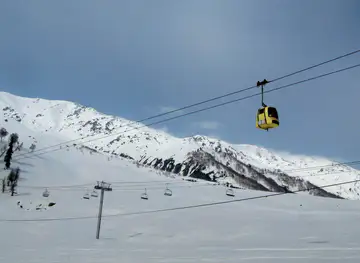
Resorts, valleys and scenic spots worth a trip of their own.
-
-

-

-

-


Swipe for more destinations
Best attractions in Ladakh
Nestled in the high altitudes of the Indian Himalayas, Ladakh offers an alluring blend of natural beauty and cultural richness that captivates every visitor. Imagine breathtaking landscapes of rugged mountains, serene lakes like Pangong Tso and Tso Moriri, and mystical valleys such as Nubra, where sand dunes meet snow-capped peaks. The ancient monasteries like Hemis, Thiksey, and Diskit stand as timeless guardians of Buddhist traditions, their fluttering prayer flags and tranquil chants creating an aura of spiritual serenity. Adventure enthusiasts can indulge in thrilling activities such as trekking through the Zanskar and Markha Valleys, river rafting in the Indus and Zanskar rivers, and biking along the iconic Manali-Leh highway. The vibrant Leh market, with its array of traditional handicrafts, and the annual festivals, such as the Hemis Festival, offer a glimpse into the region's rich heritage and vibrant local life. Wildlife lovers can explore the high-altitude deserts, home to rare species like snow leopards and Tibetan wild asses. Ladakh is not just a destination; it's an experience that leaves you enchanted by its stark beauty and profound cultural depth.
-
Museum
Hall of Fame, Leh
Discover the valor of Indian soldiers at the Hall of Fame in Leh, a museum celebrating bravery amidst breathtaking Himalayan beauty.
-
Tourist attraction
Leh Palace
Explore the historic Leh Palace, a stunning blend of Tibetan architecture and breathtaking Himalayan views in the heart of Ladakh.
-
Buddhist temple
Shanti Stupa
Discover the tranquil beauty of Shanti Stupa, a stunning Buddhist temple offering panoramic views and a peaceful retreat in Leh, Jammu and Kashmir.
-
Buddhist temple
Thiksey Monastery
Experience the spiritual tranquility and stunning architecture of Thiksey Monastery, a must-visit Buddhist temple in the heart of Ladakh.


Best landmarks in Ladakh
Ladakh, a mesmerizing high-altitude desert in India, offers an array of breathtaking landmarks that captivate every traveler. From the serene Pangong Lake with its ever-changing hues of blue, to the ancient monasteries like Hemis and Thiksey that stand as testaments to the region’s rich Buddhist heritage, every corner of Ladakh is steeped in history and natural beauty. The rugged landscapes of Nubra Valley, adorned with sand dunes and double-humped Bactrian camels, contrast with the stark, snow-capped peaks of the Himalayas. Visitors can explore the mystical Magnetic Hill, where vehicles appear to defy gravity, and marvel at the engineering marvel of the Khardung La Pass, one of the highest motorable roads in the world. The tranquil Tso Moriri Lake, surrounded by towering mountains, offers a serene escape, while the vibrant culture of Leh town, with its bustling bazaars and historic Leh Palace, provides a glimpse into the life of this remote yet enchanting region.
-
Museum
Hall of Fame, Leh
Explore the Hall of Fame in Leh, a poignant museum honoring the valor of Indian soldiers amidst breathtaking landscapes.
-
Tourist attraction
Leh Palace
Discover the enchanting Leh Palace, a historic treasure of Ladakh, offering stunning views and a glimpse into the region's royal past.
-
Buddhist temple
Shanti Stupa
Discover the tranquil beauty of Shanti Stupa in Leh, a stunning Buddhist temple offering breathtaking views and spiritual serenity.
-
Buddhist temple
Thiksey Monastery
Discover the spiritual essence of Ladakh at Thiksey Monastery, a stunning Buddhist temple offering breathtaking views and rich cultural heritage.


Explore Ladakh on the map
Plan your trip on one map. See where the top cities, national parks and sights are, and book hotels and experiences in a few clicks.
Best hotels in Ladakh
Best restaurants in Ladakh
The dining scene in Ladakh is a tantalizing fusion of traditional Tibetan flavors and Indian culinary delights, offering visitors an exotic gastronomic adventure set against awe-inspiring landscapes. Expect to savor steaming bowls of thukpa, a hearty noodle soup, and momos, delicious dumplings filled with meat or vegetables. Local eateries, known as 'dhabas,' serve up simple yet flavorful Ladakhi dishes like skyu, a comforting pasta stew, and tingmo, a fluffy steamed bread that pairs perfectly with spicy curries. For the more adventurous palate, butter tea and chang, a local barley beer, provide a unique taste of Ladakh's heritage. Amidst the rustic charm of traditional kitchens, you'll also find charming cafes and bakeries offering everything from freshly baked goods to international cuisines, ensuring that every meal becomes a memorable part of your Ladakh journey.
-
Restaurant
The Tibetan Kitchen
Experience authentic Tibetan flavors in Leh at The Tibetan Kitchen - a culinary journey you won't forget!
-
Pizza
Gesmo Restaurant-Italian Pizza/Indian Food/Western Food/Chinese Food/Special Burger
Experience a culinary journey at Gesmo Restaurant - where Italian flavors meet Indian spices amidst the beauty of Leh.
-
Chinese
SKY WOK RESTAURANT
Discover a culinary paradise at Sky Wok Restaurant in Leh - where Tibetan flavors meet Chinese delights and North Indian classics.
-
Restaurant
Salt And Pepper Family Restaurant-Indo European/Family Restaurant
Discover the delightful fusion of Indo-European flavors at Salt And Pepper Family Restaurant in Leh – perfect for families and food lovers alike.


Best bars in Ladakh
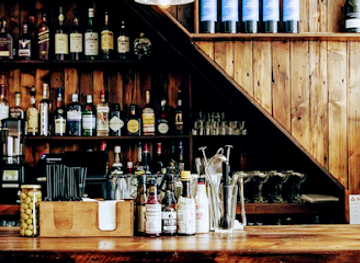
Ladakh's nightlife scene offers a unique blend of tranquility and cultural immersion, distinct from the bustling urban club scenes found elsewhere. As the sun sets behind the majestic Himalayas, the night comes alive with cozy cafes and bars in Leh, where you can enjoy local brews and traditional Ladakhi chang, a barley-based alcoholic beverage. These establishments often feature live music performances, showcasing traditional Ladakhi music and dance, or even spontaneous jam sessions with travelers from around the world. For a more relaxed evening, visitors can join a stargazing session, taking advantage of Ladakh's crystal-clear skies to marvel at the Milky Way, or attend a cultural show that highlights the region's rich heritage through folk dances and storytelling. The serene yet vibrant nightlife in Ladakh promises an unforgettable experience, steeped in local culture and natural beauty.
-
Restaurant
The Tibetan Kitchen
Experience the flavors of Tibet at The Tibetan Kitchen in Leh, where authentic dishes and a warm atmosphere invite you to savor the essence of Himalayan cuisine.
-
Restaurant
Bon Appetit
Discover the flavors of Ladakh at Bon Appetit, a cozy restaurant offering a delightful blend of local and international cuisine in the heart of Leh.
-
Indian
SKY WOK RESTAURANT
Experience the vibrant flavors of Indian, Tibetan, and Thai cuisine at SKY WOK RESTAURANT in the heart of Leh.
-
Restaurant
Hoppipolar
Experience the fusion of local and international cuisines at Hoppipolar, a culinary gem in Leh, perfect for food lovers and travelers alike.


Best nightclubs in Ladakh
Ladakh's nightlife scene offers a unique blend of tranquility and cultural immersion, distinct from the bustling urban club scenes found elsewhere. As the sun sets behind the majestic Himalayas, the night comes alive with cozy cafes and bars in Leh, where you can enjoy local brews and traditional Ladakhi chang, a barley-based alcoholic beverage. These establishments often feature live music performances, showcasing traditional Ladakhi music and dance, or even spontaneous jam sessions with travelers from around the world. For a more relaxed evening, visitors can join a stargazing session, taking advantage of Ladakh's crystal-clear skies to marvel at the Milky Way, or attend a cultural show that highlights the region's rich heritage through folk dances and storytelling. The serene yet vibrant nightlife in Ladakh promises an unforgettable experience, steeped in local culture and natural beauty.
-
Cafe
Offside cafe
Experience the charm of Ladakh at Offside Cafe, a serene retreat in Leh with stunning views and local flavors that captivate every traveler.
-
Resort hotel
The Driftwood Ladakh Leh
Discover the tranquil charm of The Driftwood Ladakh, a serene resort hotel in the heart of picturesque Ladakh offering comfort and local flavors.
-
Bar
Downtown Cafe & Bar
Discover the perfect blend of relaxation and excitement at Downtown Cafe & Bar in Leh, where delicious food and live music await you.
-
Grill
Sindh Bar
Discover the authentic taste of grilled delights at Sindh Bar, Leh – where flavors meet breathtaking views in the heart of Jammu and Kashmir.


Best shops in Ladakh
The shopping scene in Ladakh is an eclectic blend of traditional and contemporary, offering visitors an array of unique souvenirs and handicrafts. Wander through the bustling markets of Leh, where you can find intricately woven pashmina shawls, vibrant Thangka paintings, and exquisitely crafted silver jewelry. The region's rich Buddhist heritage is reflected in the numerous shops selling prayer wheels, colorful prayer flags, and handmade wooden masks. For those with a taste for the exotic, Ladakh's bazaars also feature an assortment of Tibetan artifacts, apricot-based products, and local spices. Each purchase not only brings home a piece of Ladakh's rich culture but also supports the local artisans who have honed their crafts over generations.
-
Market
Leh market
Explore the colorful Leh Market, where local craftsmanship meets delicious street food in the heart of Ladakh's cultural hub.
-
Souvenir store
Zanskar Arts | pashmina-Showroom | Shopping In Ladakh | Himalayan shawl Shops In Leh
Discover the exquisite artistry of Ladakh at Zanskar Arts, your go-to destination for authentic pashmina, handicrafts, and souvenirs in Leh.
-
 Clothing Accessories Store
Looms Of Ladakh | Pashmina Yak Camel Wool Women Cooperative
Explore the exquisite craftsmanship of Pashmina and Yak wool at Looms of Ladakh, a women-led cooperative in the heart of Leh's Main Market.
-
Market
Moti Market Leh
Discover the vibrant Moti Market in Leh, where local crafts, delicious food, and the spirit of Ladakh come together.


Get your free copy of our complete guide to Ladakh, delivered straight to you.
Everything on this page, from attractions and restaurants to essentials and local phrases, in one PDF you can read offline, print or share.
Already have an account? Sign in
Your Ladakh guide is ready.
We'll send it to · Not you? Sign out

Getting your guide ready…
We are putting together a fresh copy of the Ladakh guide. This can take up to a minute.
This can take a few moments. If your browser asks, choose Allow so the download can start. You'll find the guide in your Downloads folder.
Nothing happened? Download it again
Sorry, the guide is taking longer than usual. Please try again in a minute, or get it by email instead.
Ladakh essentials
Currency and Payment
Safety
Emergency Situations
Do's and Don'ts
Local Tips
From Eve
Local phrases worth knowing
You don't need to get them perfect. A few words go a long way, and locals appreciate the effort.
Basics
| English | Local | Say it |
|---|---|---|
| Hello | नमस्ते | [Namaste] |
| Goodbye | अलविदा | [Alvida] |
| Yes | हाँ | [Haan] |
| No | नहीं | [Nahin] |
| Please/You're welcome | कृपया/स्वागत है | [Kripya/Swagat hai] |
| Thank you | धन्यवाद | [Dhanyavad] |
| Excuse me/Sorry | माफ कीजिए | [Maaf kijiye] |
| How are you? | आप कैसे हैं? | [Aap kaise hain?] |
| Fine. And you? | ठीक है। और आप? | [Theek hai. Aur aap?] |
| Do you speak English? | क्या आप अंग्रेज़ी बोलते हैं? | [Kya aap Angrezi bolte hain?] |
| I don't understand | मुझे समझ नहीं आया | [Mujhe samajh nahin aaya] |
Eating & Drinking
| English | Local | Say it |
|---|---|---|
| I'd like to see the menu, please | कृपया, मैं मेनू देखना चाहूँगा | [Kripya, main menu dekhna chahunga] |
| I don't eat meat | मैं मांस नहीं खाता | [Main maans nahin khata] |
| Cheers! | सर्वे! | [Sarve!] |
| I would like to pay, please | कृपया, मैं भुगतान करना चाहूँगा | [Kripya, main bhugtaan karna chahunga] |
Emergencies
| English | Local | Say it |
|---|---|---|
| Help! | बचाओ! | [Bachao!] |
| Go away! | जाओ यहाँ से! | [Jaao yahaan se!] |
| Call the Police! | पुलिस को बुलाओ! | [Police ko bulaao!] |
| Call a doctor! | डॉक्टर को बुलाओ! | [Doctor ko bulaao!] |
| I'm lost | मैं खो गया हूँ | [Main kho gaya hun] |
| I'm ill | मैं बीमार हूँ | [Main beemar hun] |
Shopping
| English | Local | Say it |
|---|---|---|
| I'd like to buy... | मैं खरीदना चाहूँगा... | [Main kharidna chahunga...] |
| I'm just looking | मैं बस देख रहा हूँ | [Main bas dekh raha hun] |
| How much is it? | यह कितना है? | [Yah kitna hai?] |
| That's too expensive | यह बहुत महँगा है | [Yah bahut mahanga hai] |
| Can you lower the price? | क्या आप कीमत कम कर सकते हैं? | [Kya aap keemat kam kar sakte hain?] |
Time & Numbers
| English | Local | Say it |
|---|---|---|
| What time is it? | क्या समय हुआ है? | [Kya samay hua hai?] |
| It's one o'clock | यह एक बजा है | [Yah ek baja hai] |
| Half past (10) | साढ़े (10) | [Saade (10)] |
| Morning | सुबह | [Subah] |
| Afternoon | दोपहर | [Dopahar] |
| Evening | शाम | [Shaam] |
| Yesterday | कल | [Kal] |
| Today | आज | [Aaj] |
| Tomorrow | कल | [Kal] |
| 1 | १ | [1] |
| 2 | २ | [2] |
| 3 | ३ | [3] |
| 4 | ४ | [4] |
| 5 | ५ | [5] |
| 6 | ६ | [6] |
| 7 | ७ | [7] |
| 8 | ८ | [8] |
| 9 | ९ | [9] |
| 10 | १० | [10] |
Transport & Directions
| English | Local | Say it |
|---|---|---|
| Where's a/the...? | कहाँ है ...? | [Kahaan hai...?] |
| What's the address? | पता क्या है? | [Pata kya hai?] |
| Can you show me (on the map)? | क्या आप मुझे (नक्शे पर) दिखा सकते हैं? | [Kya aap mujhe (nakshye par) dikha sakte hain?] |
| When's the next (bus)? | अगली (बस) कब है? | [Agli (bus) kab hai?] |
| A ticket (to ....) | एक टिकट (.... के लिए) | [Ek ticket (.... ke liye)] |
History of Ladakh
The Ancient Silk Route
Ladakh has been a significant part of the ancient Silk Route, serving as a major trading hub connecting Central Asia with South Asia. Merchants from China, Persia, and India would traverse this rugged terrain, exchanging goods such as silk, spices, and precious stones. This exchange not only facilitated trade but also cultural and religious intermingling, leaving a lasting impact on the region.
Buddhist Heritage and Monasteries
Ladakh is home to some of the most ancient and well-preserved Buddhist monasteries, known as gompas. These include Hemis, Thiksey, and Alchi monasteries, which date back to the 11th century. These monasteries are rich in mural paintings, sculptures, and thangka art, reflecting the deep-rooted Buddhist traditions that continue to thrive in this region.
The Reign of the Namgyal Dynasty
The Namgyal dynasty ruled Ladakh from the 10th century until the mid-19th century. The most illustrious ruler, Sengge Namgyal, known as the 'Lion King', expanded the kingdom's borders and initiated the construction of several palaces and monasteries, including the Leh Palace, which was inspired by the Potala Palace in Lhasa, Tibet.
The Influence of Tibetan Culture
Ladakh shares a deep cultural and religious affinity with Tibet. This is evident in its language, customs, and religious practices. The Tibetan script is used for the Ladakhi language, and the annual festivals, such as the Hemis Festival, are celebrated with traditional Tibetan music, dance, and rituals.
The Great Game and British Influence
During the 19th century, Ladakh became a focal point in the geopolitical struggle between the British Empire and Tsarist Russia, known as the Great Game. The region's strategic importance led to increased British interest, resulting in several exploratory missions and the establishment of trade relations with the British Indian Empire.
Indian Independence and Partition
Post-1947, Ladakh became a part of the newly independent India. The region faced challenges during the Partition of India, with its strategic location leading to military and political maneuvering. Ladakh was incorporated into the state of Jammu and Kashmir, and later became a Union Territory in 2019, reflecting its unique cultural and geographical identity.
The Sino-Indian War of 1962
Ladakh was a significant battleground during the Sino-Indian War of 1962. The conflict resulted in the Chinese occupation of the Aksai Chin region, a part of Ladakh. This war had a lasting impact on the geopolitics of the region, leading to heightened military presence and infrastructural developments along the Line of Actual Control (LAC).
Modern-Day Ladakh
Today, Ladakh is a vibrant region known for its stunning landscapes, rich cultural heritage, and warm hospitality. The annual Ladakh Festival showcases traditional music, dance, and handicrafts, drawing visitors from around the world. Adventure tourism, including trekking, river rafting, and mountaineering, has also flourished, making Ladakh a sought-after destination for thrill-seekers.
Ladakh in Photos
Browse through our photo collection highlighting the charm and character of the destination.
Neighbouring regions of Ladakh
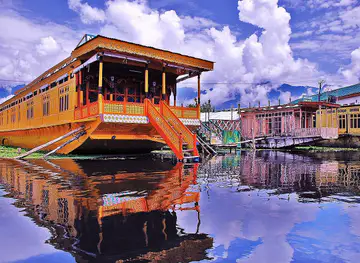
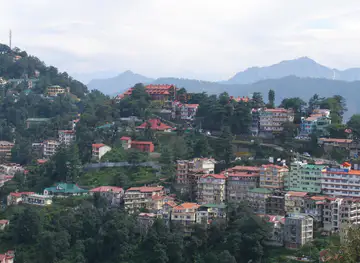
The closest regions to Ladakh, if you have time for more than one.
-
-
-

-
-


Swipe for more regions
Explore more

Explore more of India
Discover the magic of India, where diverse landscapes, rich heritage, and vibrant culture come together to create an unforgettable travel experience.
Explore India