
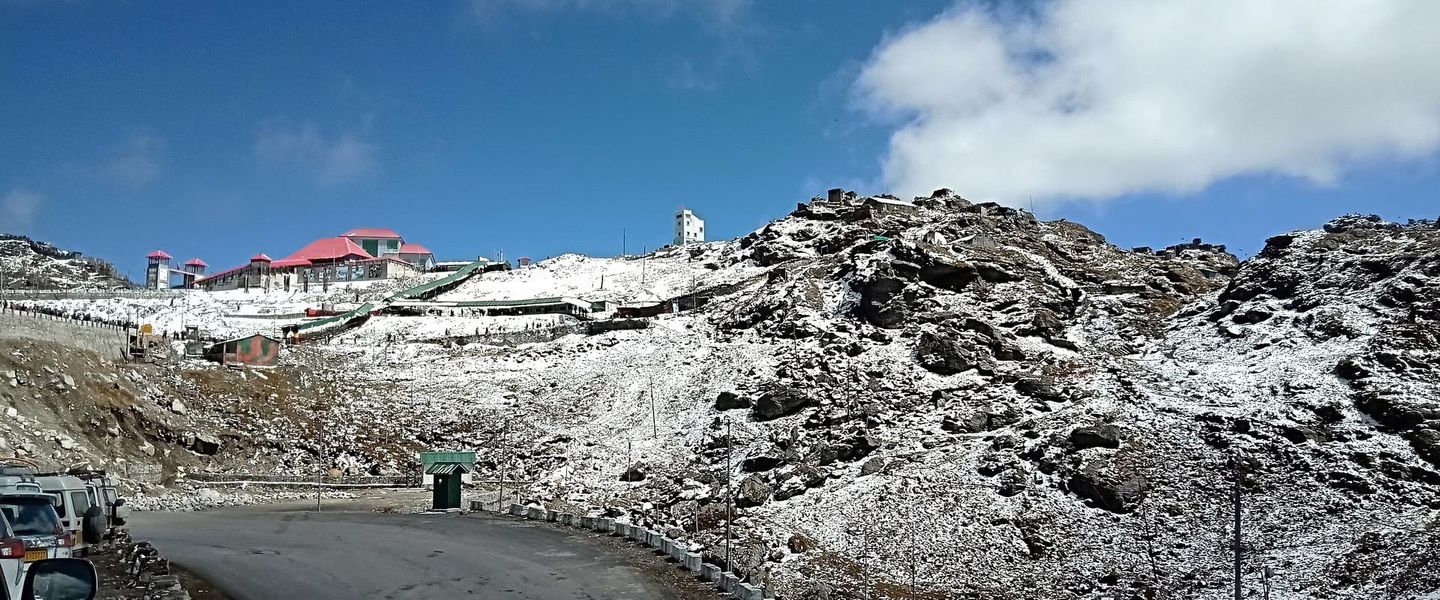
Sikkim, India Travel Guide
Explore Sikkim: A blend of natural beauty, adventure, and rich cultural heritage in the heart of the Eastern Himalayas.
Nestled in the lap of the Eastern Himalayas, Sikkim is a haven for nature lovers and adventure enthusiasts. With its snow-capped mountains, lush green valleys, and vibrant Buddhist monasteries, this small Indian state promises an unforgettable experience. The capital city, Gangtok, offers a unique blend of modernity and tradition, with bustling markets, tranquil temples, and stunning viewpoints like Tashi Viewpoint and Hanuman Tok. For those seeking adventure, Sikkim is a gateway to thrilling activities such as trekking, river rafting, and paragliding. The famous Goecha La trek offers breathtaking views of Mt. Kanchenjunga, the third highest peak in the world. The pristine Tsomgo Lake and the serene Yumthang Valley, also known as the Valley of Flowers, are must-visit spots for their unparalleled natural beauty. Sikkim is also a cultural treasure trove. The state hosts numerous festivals throughout the year, such as Losar, Saga Dawa, and the colorful Pang Lhabsol. The ancient Rumtek Monastery and the Enchey Monastery give a glimpse into the rich spiritual heritage of the region. Don't miss the chance to savor local delicacies like momos, thukpa, and the traditional millet beer, chhang.

Know before you go
Hi, I'm Eve. Here are a few practical things to know before exploring Sikkim.
- Best time to visit is from March to June and September to December to avoid monsoon rains.
- Carry warm clothing as temperatures can drop, especially in higher altitudes.
- Permits are required for certain areas such as Tsomgo Lake and Nathu La Pass; arrange them in advance.
- Try to acclimatize if traveling to high altitude areas to avoid altitude sickness.
- Local taxis are the best way to explore; consider hiring a vehicle for flexibility.
- Respect local customs and traditions, especially when visiting monasteries.
- Cash is preferred in many places, so carry enough as ATMs can be scarce in remote areas.
Top City Travel Guides in Sikkim
The cities of Sikkim, and the easiest places to base yourself.

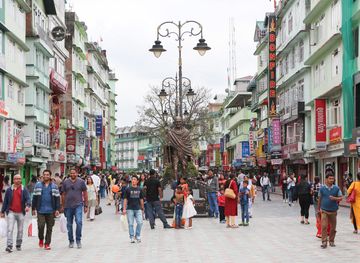
Explore Sikkim: Things to Do, Places to Eat, Hotels & More
Handpicked recommendations for top attractions, local dining, accommodations, and more

Top Attractions & Sightseeing in Sikkim
Top-rated picks
Best Attractions

Siddheshwar Dham (Char Dham)
Experience spiritual bliss at Siddheshwar Dham in Namchi, Sikkim, with its towering Shiva statue and replicas of sacred Hindu temples.

Buddha Park
Discover tranquility at Buddha Park, a stunning Buddhist temple in Ravangla, Sikkim, featuring a 130-foot Buddha statue and serene gardens.
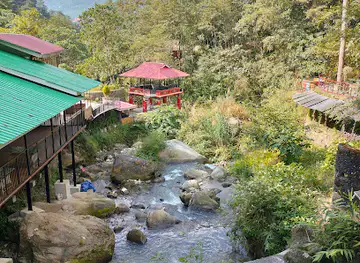
Ban Jhakri Falls Park
Experience the natural beauty and cultural richness of Ban Jhakri Falls Park in Gangtok, Sikkim, where stunning waterfalls and folklore come together.

Flower Exhibition Centre - Ridge Park.
Discover the vibrant floral diversity of Sikkim at the Flower Exhibition Centre in Ridge Park, a serene oasis in the heart of Gangtok.

Best landmarks in Sikkim
Top-rated picks
Best Landmarks

Zero Point
Discover the breathtaking beauty of Zero Point in Sikkim, the highest accessible point in India, where adventure meets tranquility in the Himalayas.

Sky Walk Pelling Sikkim
Discover the breathtaking beauty of the Himalayas at Sky Walk Pelling, a thrilling glass walkway experience in Sikkim, India.

Rumtek Dharma Chakra Centre
Discover the serene beauty and spiritual heritage of Rumtek Dharma Chakra Centre, the heart of Tibetan Buddhism in Sikkim.

Nathula
Discover the breathtaking beauty of Nathula Pass, a stunning mountain pass in the Himalayas connecting India and Tibet, rich in culture and natural wonders.

Best restaurants in Sikkim
Top-rated picks
Best Restaurants

Osm Restro & Lounge
Discover the flavors of India and China at Osm Restro & Lounge in Gangtok - where every meal is a celebration of taste.

Taste Of Tibet
Experience authentic Tibetan cuisine at Taste Of Tibet in Gangtok - where every dish tells a story.

The Square Family Restaurant and Bar
Experience authentic Indian cuisine at The Square Family Restaurant and Bar in Gangtok - where tradition meets taste.

Hotlix Food & Drink(Mg margh)
Experience authentic North Indian cuisine at Hotlix Food & Drink in Gangtok – where every dish tells a story.

Best bars in Sikkim
Top-rated picks
Best Bars

Gangtok Groove
Experience the best of Asian fusion cuisine and live music at Gangtok Groove, a vibrant bar and restaurant in the heart of Gangtok.
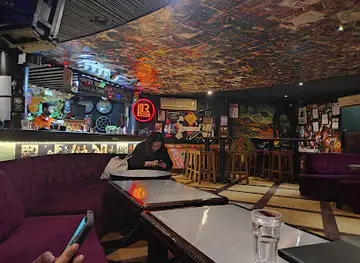
Cafe Live & Loud
Discover the vibrant atmosphere of Cafe Live & Loud in Gangtok, where live music meets delicious food and drinks for an unforgettable experience.

Lounge 31A
Unwind at Lounge 31A in Gangtok: a lively bar with delicious food, refreshing drinks, and captivating live music for a perfect evening out.

Lyric Karaoke Restaurant & Bar
Experience the vibrant nightlife of Gangtok at Lyric Karaoke Restaurant & Bar, where delicious food meets unforgettable karaoke fun.

Best nightclubs in Sikkim
Top-rated picks
Best Nightclubs

Maple Leisure, Night Club
Discover the vibrant nightlife of Gangtok at Maple Leisure Night Club, where local culture meets electrifying entertainment for an unforgettable experience.

After Darkk Discotheque & Lounge Hospital Dara
Discover the electrifying nightlife of Gangtok at After Darkk Discotheque & Lounge, where vibrant beats and unforgettable moments await.

Basement 2.0
Discover the vibrant nightlife at Basement 2.0, Gangtok's premier night club, where great music and memorable nights await.

Gravity
Dive into the vibrant nightlife of Gangtok at Gravity Night Club, where great music, cocktails, and a lively atmosphere await you.

Best shops in Sikkim
Top-rated picks
Best Shops

Darjeeling Mall
Discover the vibrant Darjeeling Mall, where shopping, culture, and stunning mountain views converge in the heart of West Bengal's iconic hill station.

MUMUSO - GANGTOK
Experience the vibrant shopping scene at MUMUSO - Gangtok, where unique treasures await every traveler in the heart of Sikkim.

anytype
Explore the finest shopping experience in Gangtok with a mix of local crafts, trendy fashion, and diverse culinary delights.

Fashion Factory
Discover stylish clothing and accessories for men, women, and sportswear at Fashion Factory in Gangtok, a must-visit for fashion enthusiasts.

Explore Sikkim on the Map
A handpicked selection of must-see spots in Sikkim, mapped for you.
Sikkim Essentials
-
Sikkim is located in the northeastern part of India. The closest airport is Bagdogra International Airport, located approximately 124 kilometers from the capital city, Gangtok. From Bagdogra, you can hire a taxi or take a shared jeep to reach Gangtok, which typically takes around 4 to 5 hours by road. Alternatively, you can fly to Pakyong Airport, which is situated around 35 kilometers from Gangtok, though flights to this airport are limited. For those preferring rail travel, the nearest railway station is New Jalpaiguri in West Bengal, around 148 kilometers from Gangtok.
-
Within Sikkim, local transportation options include taxis, shared jeeps, and buses. Taxis are widely available and can be hired for both short and long distances. Shared jeeps are a popular and economical option for traveling between towns and villages. Public buses operated by Sikkim Nationalised Transport (SNT) connect various parts of the state but may not be as frequent or as comfortable as taxis or jeeps. Renting a car with a driver is another convenient option for exploring remote areas.
-
The official currency in Sikkim, like the rest of India, is the Indian Rupee (INR). Credit and debit cards are accepted in most hotels, restaurants, and larger shops in towns like Gangtok. However, it is advisable to carry cash, especially when traveling to rural areas and smaller establishments where card payments may not be accepted. ATMs are available in major towns, but it is wise to withdraw sufficient cash before heading to remote areas.
-
Sikkim is generally a safe destination for tourists. However, standard precautions should be taken, such as avoiding isolated areas at night and keeping an eye on your belongings in crowded places. There are no specific high-crime areas targeting tourists, but it is always best to remain vigilant. Petty theft can occur, so it is advisable to use hotel safes for valuables and to be cautious with your personal belongings.
-
In case of emergency, dial 112 for immediate assistance, which is the pan-India emergency response number. The local police stations and medical facilities are available in major towns like Gangtok. It is recommended to have travel insurance that covers medical emergencies. For minor health issues, there are pharmacies in most towns where over-the-counter medications can be purchased. The nearest major hospital is in Gangtok, providing comprehensive medical services.
-
Fashion: Do dress modestly, especially when visiting religious sites. Avoid wearing revealing clothing. Religion: Do respect local customs and traditions. Always remove your shoes and cover your head when entering monasteries and temples. Public Transport: Do be respectful and give up your seat to elderly passengers. Don't eat or drink on public transport. Greetings: Do greet people with a friendly 'Namaste' or a slight bow. Shaking hands is also acceptable. Eating & Drinking: Do try local delicacies and accept food offerings graciously. Don't refuse hospitality, as it is considered impolite.
-
To experience Sikkim like a local, visit local markets and try traditional Sikkimese dishes such as momos, thukpa, and gundruk. Engage with locals, as they are often friendly and willing to share insights about their culture and way of life. Attend local festivals like Losar, Saga Dawa, and Pang Lhabsol to witness vibrant cultural celebrations. For a unique experience, consider staying in a homestay to get a deeper understanding of local life and customs.
When is the best time to visit Sikkim?
Useful Local Phrases for Sikkim
You don't need to speak the language perfectly. Even learning a few simple words can make conversations warmer—and locals usually appreciate the effort.
— Eve

Here are the phrases I use most often in Sikkim. Try a few—you'll be surprised how far they go! 😊
❤️
-
- Helloनमस्ते
[Namaste] - Goodbyeअलविदा
[Alvida] - Yesहो
[Ho] - Noनहीं
[Nahin] - Please/You're welcomeकृपया / आपका स्वागत है
[Kripaya / Aapka Swagat Hai] - Thank youधन्यवाद
[Dhanyavad] - Excuse me/Sorryमुझे माफ करें
[Mujhe Maaf Karein] - How are you?आप कैसे हैं?
[Aap Kaise Hain?] - Fine. And you?ठीक। और आप?
[Theek. Aur Aap?] - Do you speak English?क्या आप अंग्रेजी बोलते हैं?
[Kya Aap Angrezi Bolte Hain?] - I don't understandमुझे समझ में नहीं आता
[Mujhe Samajh Mein Nahin Aata]
- Helloनमस्ते
-
- I'd like to see the menu, pleaseमैं मेनू देखना चाहूँगा, कृपया
[Main Menu Dekhna Chahunga, Kripaya] - I don't eat meatमैं मांस नहीं खाता
[Main Maas Nahin Khata] - Cheers!स्लामत!
[Salamat!] - I would like to pay, pleaseमैं भुगतान करना चाहूँगा, कृपया
[Main Bhugtan Karna Chahunga, Kripaya]
- I'd like to see the menu, pleaseमैं मेनू देखना चाहूँगा, कृपया
-
- Help!मदद करो!
[Madad Karo!] - Go away!दूर जाओ!
[Door Jao!] - Call the Police!पुलिस को बुलाओ!
[Police Ko Bulao!] - Call a doctor!डॉक्टर को बुलाओ!
[Doctor Ko Bulao!] - I'm lostमैं खो गया हूँ
[Main Kho Gaya Hoon] - I'm illमैं बीमार हूँ
[Main Beemar Hoon]
- Help!मदद करो!
-
- I'd like to buy...मैं ... खरीदना चाहूँगा
[Main ... Kharidna Chahunga] - I'm just lookingमैं बस देख रहा हूँ
[Main Bas Dekh Raha Hoon] - How much is it?यह कितने का है?
[Yah Kitne Ka Hai?] - That's too expensiveयह बहुत महँगा है
[Yah Bahut Mehnga Hai] - Can you lower the price?क्या आप कीमत कम कर सकते हैं?
[Kya Aap Keemat Kam Kar Sakte Hain?]
- I'd like to buy...मैं ... खरीदना चाहूँगा
-
- What time is it?कितने बजे हैं?
[Kitne Baje Hain?] - It's one o'clockयह एक बजे हैं
[Yah Ek Baje Hain] - Half past (10)साढ़े (10)
[Saade (10)] - Morningसुबह
[Subah] - Afternoonदोपहर
[Dopahar] - Eveningशाम
[Shaam] - Yesterdayकल
[Kal] - Todayआज
[Aaj] - Tomorrowकल
[Kal] - 11
[1] - 22
[2] - 33
[3] - 44
[4] - 55
[5] - 66
[6] - 77
[7] - 88
[8] - 99
[9] - 1010
[10]
- What time is it?कितने बजे हैं?
-
- Where's a/the...?एक/दूसरा ... कहाँ है?
[Ek/Dusra ... Kahan Hai?] - What's the address?पता क्या है?
[Pata Kya Hai?] - Can you show me (on the map)?क्या आप मुझे (नक्शे पर) दिखा सकते हैं?
[Kya Aap Mujhe (Nakshye Par) Dikha Sakte Hain?] - When's the next (bus)?अगली (बस) कब है?
[Agli (Bus) Kab Hai?] - A ticket (to ....)एक टिकट (.... के लिए)
[Ek Ticket (.... Ke Liye)]
- Where's a/the...?एक/दूसरा ... कहाँ है?
History of Sikkim
-
Sikkim's history traces back to ancient times when the region was inhabited by the Lepchas, also known as the Rongpa. They are believed to be the original inhabitants of Sikkim. The Lepchas practiced animism and later adopted Buddhism. They lived in harmony with nature, worshipping the Kanchenjunga mountain as their guardian deity.
-
The Namgyal dynasty was established in 1642 by Phuntsog Namgyal, the first Chogyal (king) of Sikkim. He was consecrated by three revered Tibetan lamas, which marked the beginning of Sikkim as a Buddhist kingdom. The Namgyal dynasty ruled Sikkim for over 300 years, during which Buddhism flourished and many monasteries were built.
-
Tibetan Buddhism had a significant impact on Sikkim's culture and history. The introduction of Buddhism by Guru Rinpoche (Padmasambhava) in the 8th century laid the foundation for Sikkim's spiritual heritage. Monasteries like Rumtek, Pemayangtse, and Tashiding became centers of learning and culture, shaping the religious and cultural landscape of the region.
-
Sikkim's strategic location attracted the attention of the British during the 19th century. In 1817, the Treaty of Titalia was signed between the British East India Company and the Chogyal of Sikkim, establishing Sikkim as a British protectorate. This period saw the introduction of modern education, infrastructure, and administrative reforms.
-
Sikkim remained a protectorate of India after British colonial rule ended. In 1975, following a democratic movement and a referendum, Sikkim became the 22nd state of India. The monarchy was abolished, and Sikkim was fully integrated into the Indian Union. This marked a significant turning point in Sikkim's political history.
-
Sikkim is a melting pot of diverse cultures, with communities such as the Lepchas, Bhutias, and Nepalis coexisting harmoniously. The state celebrates a plethora of festivals, including Losar, Bumchu, and Saga Dawa, reflecting its rich cultural heritage. These festivals are marked by vibrant dances, music, and religious rituals, showcasing the unique traditions of Sikkim.
-
Monasteries play a crucial role in Sikkim’s cultural and spiritual life. The Rumtek Monastery, established by the 16th Karmapa, is one of the most significant centers of Tibetan Buddhism outside Tibet. The Pemayangtse Monastery, associated with the Nyingma order, is another important religious site, known for its intricate architecture and annual Cham dance festival.
-
Sikkim has a strong tradition of environmental conservation, deeply rooted in its cultural and spiritual beliefs. The state has been at the forefront of sustainable development and eco-tourism. In 2016, Sikkim was declared India's first fully organic state, banning the use of chemical fertilizers and pesticides. The state's commitment to preserving its natural heritage is reflected in its numerous national parks and wildlife sanctuaries.
Neighbouring Regions of Sikkim
The closest regions to Sikkim, if you have time for more than one.


Your all‑in‑one travel companion app
Explore expert travel guides, compare and book tours, experiences, hotels, and more—all from the palm of your hand. Download now for seamless trip planning wherever your wanderlust takes you.


Explore More of India

Looking beyond Sikkim? Discover India for broader travel guides, local hot-spots, and regional highlights.
Explore IndiaSikkim in Photos
Browse through our photo collection highlighting the charm and character of the destination.
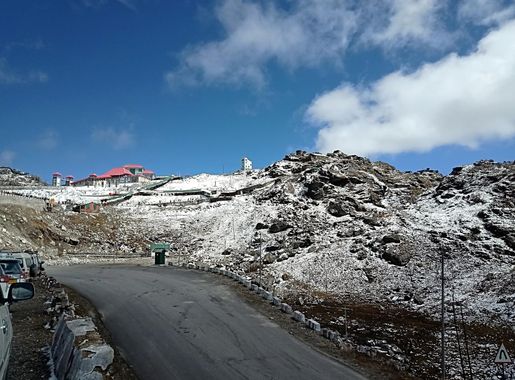


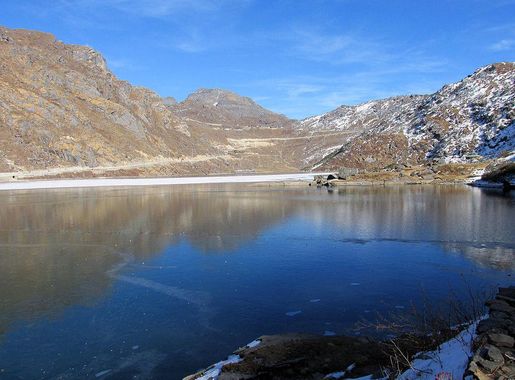

Sikkim: The Gem of the Eastern Himalayas
Nestled in the lap of the Eastern Himalayas, Sikkim is a haven for nature lovers and adventure enthusiasts. With its snow-capped mountains, lush green valleys, and vibrant Buddhist monasteries, this small Indian state promises an unforgettable experience. The capital city, Gangtok, offers a unique blend of modernity and tradition, with bustling markets, tranquil temples, and stunning viewpoints like Tashi Viewpoint and Hanuman Tok. For those seeking adventure, Sikkim is a gateway to thrilling activities such as trekking, river rafting, and paragliding. The famous Goecha La trek offers breathtaking views of Mt. Kanchenjunga, the third highest peak in the world. The pristine Tsomgo Lake and the serene Yumthang Valley, also known as the Valley of Flowers, are must-visit spots for their unparalleled natural beauty. Sikkim is also a cultural treasure trove. The state hosts numerous festivals throughout the year, such as Losar, Saga Dawa, and the colorful Pang Lhabsol. The ancient Rumtek Monastery and the Enchey Monastery give a glimpse into the rich spiritual heritage of the region. Don't miss the chance to savor local delicacies like momos, thukpa, and the traditional millet beer, chhang.