

Free West Bengal Travel Guide & Mobile App
Explore West Bengal with free travel guides. Discover regional history, expert tips, proposed trips, and audio guides on web or mobile app.


Explore West Bengal for Kolkata’s culture, Himalayan tea country, terracotta heritage, river landscapes, Bengali cuisine and the Sundarbans.
Read more about West Bengal
When is the best time to visit West Bengal?
Best: December–February · 24–28°C| Month | High (°C) | Rainfall (mm) |
|---|---|---|
| January (best) | 24 | 10 |
| February (best) | 28 | 15 |
| March | 33 | 20 |
| April | 36 | 30 |
| May | 36 | 50 |
| June | 34 | 70 |
| July | 32 | 90 |
| August | 33 | 100 |
| September | 32 | 80 |
| October | 32 | 50 |
| November | 28 | 30 |
| December (best) | 25 | 20 |
Getting to and around West Bengal
How to get there
Transportation
Top city travel guides in West Bengal
The cities of West Bengal, and the easiest places to base yourself.
-

-

-

-

-


Swipe for more cities
Destinations in West Bengal
Resorts, valleys and scenic spots worth a trip of their own.

Swipe for more destinations
Best attractions in West Bengal
West Bengal’s attractions range from Kolkata’s museums, galleries, theatres, markets and riverfront buildings to the tea gardens and hill walks of Darjeeling and Kalimpong. The state’s historical depth is especially visible at Murshidabad, where Nawabi palaces, mosques and cemeteries line the Bhagirathi, and around Malda, where the ruins of Gaur and Pandua reveal the scale of medieval Bengal. Santiniketan offers museums, archives and an arts-and-education tradition associated with Rabindranath Tagore, while Bishnupur is known for terracotta temples, local music and craft. Nature experiences vary sharply: the Sundarbans provide guided boat journeys through mangrove waterways, the northern hills offer scenic walks and tea-country landscapes, and the coast around Digha and Bakkhali provides beaches and seaside recreation. These experiences are widely dispersed, so the most rewarding itineraries use several bases and account for seasonal travel conditions.
-
 Museum
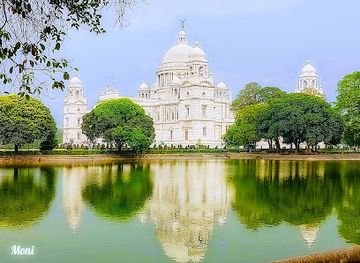
Victoria Memorial
Explore the majestic Victoria Memorial in Kolkata, a museum that beautifully captures India's rich history and artistic heritage amidst serene gardens.
-
Nature preserve
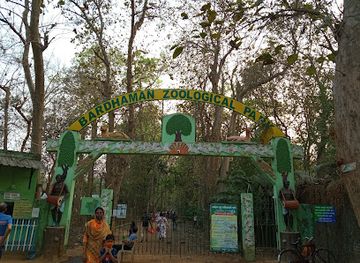
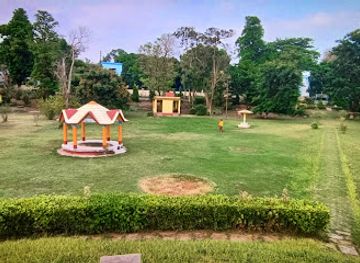
Ramnabagan Wildlife Sanctuary
Experience the serene beauty and rich biodiversity of Ramnabagan Wildlife Sanctuary in Bardhaman, West Bengal, a perfect getaway for nature lovers.
-
Memorial park
Gandhi Ghat
Discover the serenity and historical significance of Gandhi Ghat in Barrackpore, a memorial park dedicated to the legacy of Mahatma Gandhi.
-
Historical landmark
Itachuna Raj Bari
Explore the grandeur of Itachuna Raj Bari, a historical landmark that embodies the rich heritage and culture of West Bengal, India.
Best landmarks in West Bengal
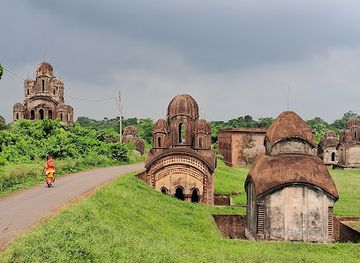
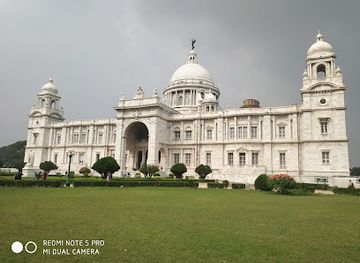
The Victoria Memorial in Kolkata is one of West Bengal’s most recognisable buildings, but the city’s historic identity also appears in the Writers’ Building precinct, St Paul’s Cathedral, the Indian Museum and the layered streets around the Hooghly. In Murshidabad, Hazarduari Palace, Katra Mosque and the Nizamat Imambara represent the political and religious world of the Nawabi capital. The brick temples of Bishnupur, including the Rasmancha and the Jor-Bangla Temple, are distinctive expressions of Bengal’s terracotta architecture. Malda’s Adina Mosque and the gateways and shrines of Gaur belong to an earlier Islamic architectural landscape now surrounded by countryside. In the north, Darjeeling Himalayan Railway infrastructure and the hill town’s steep setting are central to its visual character, while the Sundarbans’ mangrove channels and tidal islands form a natural landmark system rather than a single monument. These places reflect the state’s combination of riverine geography, courtly history, religious architecture and living urban culture.
-
Bridge
Howrah Bridge
Discover the majestic Howrah Bridge, an engineering marvel and cultural icon of Kolkata, offering breathtaking views and a vibrant local atmosphere.
-
Museum
Victoria Memorial
Explore the grandeur of the Victoria Memorial in Kolkata, a breathtaking museum that reflects the era of British India amidst serene gardens.
-
Fortress
Fort William, India
Discover the grandeur of Fort William, a historical fortress in Kolkata that encapsulates India's colonial legacy and offers a unique travel experience.
-
Museum
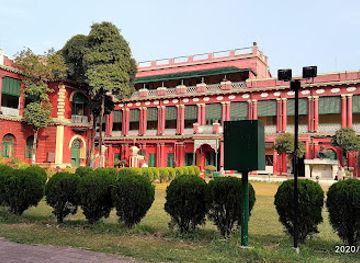
Jorasanko Thakurbari
Explore Jorasanko Thakurbari, the ancestral home of Rabindranath Tagore, and immerse yourself in Kolkata's rich cultural and literary heritage.
Explore West Bengal on the map
Plan your trip on one map. See where the top cities, national parks and sights are, and book hotels and experiences in a few clicks.
Best hotels in West Bengal
Best restaurants in West Bengal
Bengali cooking is built around rice, freshwater fish, vegetables, lentils, mustard, poppy seed and carefully balanced spice, with dishes such as machher jhol, shorshe preparations, chingri dishes and seasonal vegetable recipes appearing in restaurants and home-style eateries. Kolkata is the state’s broadest dining centre, offering traditional Bengali meals alongside colonial-influenced bakeries, Chinese-Indian cuisine, street snacks and contemporary restaurants. Sweets including rasgulla, sandesh and mishti doi are important across Bengal, though recipes and textures vary between shops and districts. Murshidabad is associated with rich courtly and silk-trade-era food traditions, while the hills add Tibetan and Nepalese influences such as momos and thukpa. Coastal areas feature fish and seafood, and rural markets provide seasonal produce. In smaller towns, simple hotels, tea shops and roadside eateries may offer the most direct introduction to local eating habits.
-
Continental restaurant
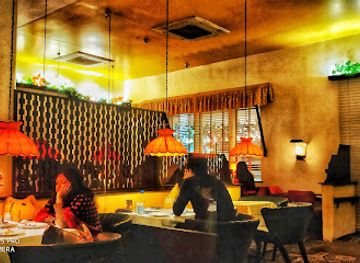
Mocambo Restaurant and Bar
Experience the best of continental cuisine at Mocambo Restaurant and Bar in Kolkata - where every meal is a celebration.
-
Indian
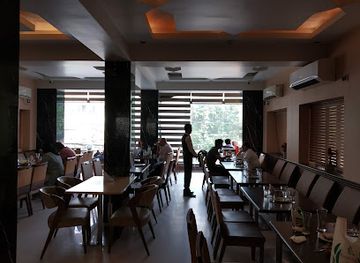
Royal Indian Restaurant
Experience authentic Indian flavors at Royal Indian Restaurant in Kolkata – home of exquisite biryani and traditional delicacies.
-
Vegetarian
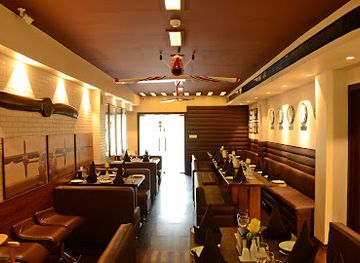
Fly Kouzina
Discover Fly Kouzina in Kolkata: India's first airplane-themed restaurant offering exquisite vegetarian cuisine across Indian, Chinese, Italian & Continental styles.
-
Indian
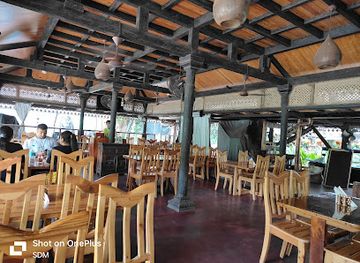
Kitchen Sutra
Discover the essence of Indian culinary traditions at Kitchen Sutra in Chinsurah - where every dish tells a story.
Best bars in West Bengal
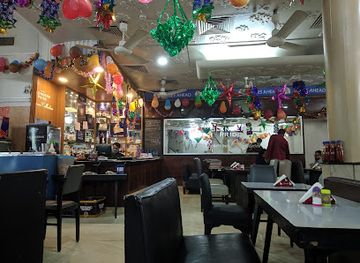
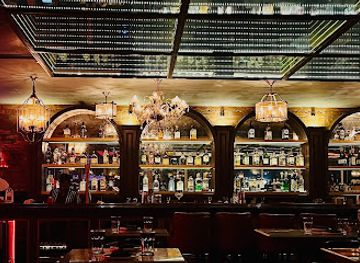
Kolkata has West Bengal’s most varied evening scene, with restaurants, traditional bars, cocktail venues, live music, cultural performances and late-night areas concentrated in central and southern parts of the city. Its nightlife is more closely connected to theatre, music, food and conversation than to a single club district. Darjeeling and Kalimpong offer a quieter evening culture centred on restaurants, cafés, hotel bars and occasional live music, while coastal resorts can become livelier during holiday periods. In smaller towns and rural districts, evenings generally revolve around family restaurants, tea stalls, local gatherings and traditional pubs or bars rather than nightclubs. Alcohol licensing and opening arrangements vary, so visitors should follow local regulations and avoid assuming that venues operate late. Cultural programmes and seasonal festivals may provide a more locally rooted alternative to commercial nightlife.
-
Bar
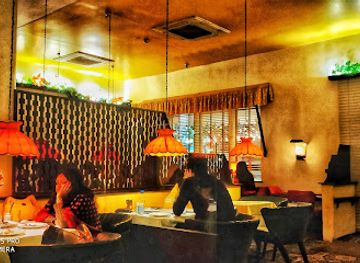
Mocambo Restaurant and Bar
Discover the vibrant flavors of Continental cuisine at Mocambo Restaurant and Bar, a must-visit culinary delight in bustling Kolkata.
-
Bar
Olypub
Discover the lively spirit of Kolkata at Olypub, a vibrant bar and restaurant known for its diverse menu and welcoming atmosphere.
-
Pub
10 Downing Street
Explore the vibrant nightlife of Kolkata at 10 Downing Street, where exquisite drinks, delicious food, and live entertainment await.
-
Asian
Monkey Bar & The Fatty Bao
Experience the vibrant taste of Asian cuisine at Monkey Bar & The Fatty Bao, where unique decor and live music enhance your dining journey.

Best nightclubs in West Bengal
Kolkata has West Bengal’s most varied evening scene, with restaurants, traditional bars, cocktail venues, live music, cultural performances and late-night areas concentrated in central and southern parts of the city. Its nightlife is more closely connected to theatre, music, food and conversation than to a single club district. Darjeeling and Kalimpong offer a quieter evening culture centred on restaurants, cafés, hotel bars and occasional live music, while coastal resorts can become livelier during holiday periods. In smaller towns and rural districts, evenings generally revolve around family restaurants, tea stalls, local gatherings and traditional pubs or bars rather than nightclubs. Alcohol licensing and opening arrangements vary, so visitors should follow local regulations and avoid assuming that venues operate late. Cultural programmes and seasonal festivals may provide a more locally rooted alternative to commercial nightlife.
-
Disco club
Tantra
Immerse yourself in Kolkata's vibrant nightlife at Tantra, the iconic disco club on Park Street, where music and culture converge for an unforgettable experience.
-
Night club
Nocturne
Experience the vibrant nightlife of Kolkata at Nocturne, where eclectic music and exquisite ambiance create unforgettable moments.
-
Night club
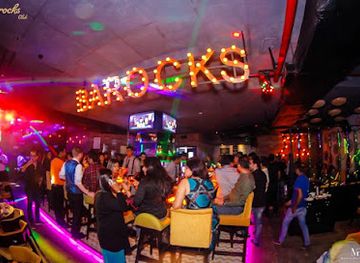
Club Barocks
Experience the vibrant nightlife of Kolkata at Club Barocks, where music, food, and fun create unforgettable memories for every visitor.
-
Night club
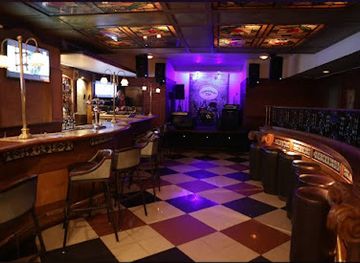
Phoenix Bar/ Club
Experience the vibrant nightlife of Kolkata at Phoenix Bar/Club, a unique fusion of a stylish night club and a welcoming pub.


Best shops in West Bengal
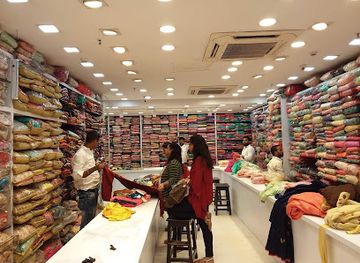
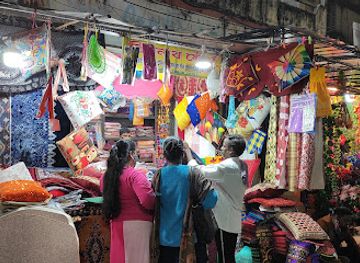
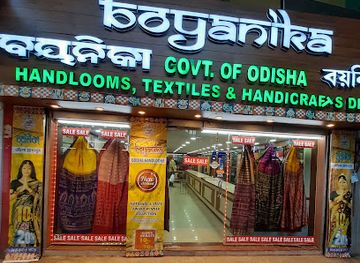
Kolkata offers the widest range of shopping, from bookshops and independent design stores to markets, sari retailers, handicraft outlets and established commercial centres. New Market and surrounding central districts are associated with food, clothing and household goods, while areas such as College Street are particularly important for books and academic culture. Regional textiles include Bengal cottons, handloom saris and kantha embroidery, and shoppers can find terracotta work and traditional craft products in and around Bishnupur. Santiniketan is associated with artistic and handmade goods, though visitors should distinguish genuinely local craft from mass-produced souvenirs. Darjeeling is a useful place to look for tea, woollens and hill produce, while rural markets across the state sell seasonal fruit, sweets and everyday goods rather than tourist merchandise. Bargaining may be expected in some informal markets but not in fixed-price shops; inspect fabric, tea and craft quality carefully before buying.
-
Shopping mall
Acropolis Mall
Explore Acropolis Mall in Kolkata for a delightful blend of shopping, dining, and entertainment in a vibrant atmosphere.
-
Market
New Market Kolkata
Discover the heart of Kolkata at New Market, a vibrant shopping destination filled with culture, cuisine, and unique finds. Experience the essence of India.
-
Market
Hatibagan Market
Discover the lively Hatibagan Market in Kolkata, where vibrant shops and delicious street food come together to offer an unforgettable local experience.
-
Shopping mall
Dakshinapan Shopping Complex
Explore the vibrant Dakshinapan Shopping Complex in Kolkata for unique handicrafts, local cuisine, and a rich cultural experience.

Get your free copy of our complete guide to West Bengal, delivered straight to you.
Everything on this page, from attractions and restaurants to essentials and local phrases, in one PDF you can read offline, print or share.
Already have an account? Sign in
Your West Bengal guide is ready.
We'll send it to · Not you? Sign out

Getting your guide ready…
We are putting together a fresh copy of the West Bengal guide. This can take up to a minute.
This can take a few moments. If your browser asks, choose Allow so the download can start. You'll find the guide in your Downloads folder.
Nothing happened? Download it again
Sorry, the guide is taking longer than usual. Please try again in a minute, or get it by email instead.
West Bengal essentials
Currency and Payment
Safety
Emergency Situations
Do's and Don'ts
Local Tips
From Eve
Local phrases worth knowing
You don't need to get them perfect. A few words go a long way, and locals appreciate the effort.
Basics
| English | Local | Say it |
|---|---|---|
| Hello | হ্যালো | [Hælo] |
| Goodbye | বিদায় | [Bidāẏ] |
| Yes | হ্যাঁ | [Hyā̃] |
| No | না | [Nā] |
| Please/You're welcome | দয়া করে/স্বাগতম | [Doyā kare/Swāgatam] |
| Thank you | ধন্যবাদ | [Dhan'yabād] |
| Excuse me/Sorry | মাফ করবেন/দুঃখিত | [Māph karben/Dukhito] |
| How are you? | আপনি কেমন আছেন? | [Āpni kēman āchhen?] |
| Fine. And you? | ভাল। আর আপনি? | [Bhāl. Ār āpni?] |
| Do you speak English? | আপনি কি ইংরেজি বলবেন? | [Āpni ki iṅrēji balben?] |
| I don't understand | আমি বুঝতে পারছি না | [Āmi bujh'te pārchhi nā] |
Eating & Drinking
| English | Local | Say it |
|---|---|---|
| I'd like to see the menu, please | দয়া করে মেনুটি দেখাবেন | [Doyā kare menūṭi dekhāben] |
| I don't eat meat | আমি মাংস খাই না | [Āmi māṅs khāi nā] |
| Cheers! | চিয়ার্স! | [Chiyārs!] |
| I would like to pay, please | দয়া করে আমি টাকা দেব | [Doyā kare āmi ṭākā deb] |
Emergencies
| English | Local | Say it |
|---|---|---|
| Help! | সাহায্য করুন! | [Sāhāyya karun!] |
| Go away! | যাও! | [Jāo!] |
| Call the Police! | পুলিশকে ডাকুন! | [Puliṣkē ḍākun!] |
| Call a doctor! | ডাক্তার ডাকুন! | [Ḍāktār ḍākun!] |
| I'm lost | আমি হারিয়ে গেছি | [Āmi hāriẏē gēchi] |
| I'm ill | আমি অসুস্থ | [Āmi asuṣṭha] |
Shopping
| English | Local | Say it |
|---|---|---|
| I'd like to buy... | আমি কিনতে চাই... | [Āmi kinte chāi...] |
| I'm just looking | আমি শুধু দেখছি | [Āmi sudhu dekhchhi] |
| How much is it? | এটার দাম কত? | [Ēṭār dām kôtô?] |
| That's too expensive | এটা খুব দামি | [Ēṭā khub dāmī] |
| Can you lower the price? | আপনি কি দাম কমাতে পারেন? | [Āpni ki dām kamāte pārēn?] |
Time & Numbers
| English | Local | Say it |
|---|---|---|
| What time is it? | এখন কত বাজে? | [Ēkhon kôta bājē?] |
| It's one o'clock | এখন একটা বাজে | [Ēkhon ēkṭā bājē] |
| Half past (10) | সাড়ে (১০) | [Sārē (10)] |
| Morning | সকাল | [Sakal] |
| Afternoon | বিকেল | [Bikēl] |
| Evening | সন্ধ্যা | [Sandhyā] |
| Yesterday | গতকাল | [Gatakāl] |
| Today | আজ | [Āj] |
| Tomorrow | কাল | [Kāl] |
| 1 | ১ | [1] |
| 2 | ২ | [2] |
| 3 | ৩ | [3] |
| 4 | ৪ | [4] |
| 5 | ৫ | [5] |
| 6 | ৬ | [6] |
| 7 | ৭ | [7] |
| 8 | ৮ | [8] |
| 9 | ৯ | [9] |
| 10 | ১০ | [10] |
Transport & Directions
| English | Local | Say it |
|---|---|---|
| Where's a/the...? | একটা/দেয়ার কোথায়? | [Ēkṭā/Dēyār kothāy?] |
| What's the address? | ঠিকানা কী? | [ṭhikānā kī?] |
| Can you show me (on the map)? | আপনি কি আমাকে দেখাতে পারেন (মানচিত্রে)? | [Āpni ki āmākē dekhātē pārēn (mānchitrē)?] |
| When's the next (bus)? | পরবর্তী (বাস) কখন আসবে? | [Parabartī (bās) kakhon āsbē?] |
| A ticket (to ....) | একটি টিকিট (....) | [Ēkṭi ṭikiṭ (....)] |
History of West Bengal
Early Bengal and the Pala-Sena Legacy
West Bengal contains archaeological evidence of long settlement along the Ganges and its tributaries, while the ancient and early medieval kingdoms of Bengal shaped religion, art and political geography across the region. The Pala rulers, prominent from the eighth to the twelfth centuries, supported major Buddhist institutions and influenced sculpture and learning well beyond Bengal. The later Sena dynasty strengthened Hindu court culture. Although political boundaries changed repeatedly, surviving archaeological remains, sculptures, manuscripts and temple traditions help explain why Bengal developed a distinctive blend of Buddhist, Hindu and later Islamic influences.
Gaur, Pandua and Medieval Sultanate Bengal
The medieval cities of Gaur and Pandua, near present-day Malda, were among the most important capitals of the Bengal Sultanate. Their mosques, gateways, tombs and monumental brick structures reveal a regional architectural language adapted to Bengal’s heavy rainfall and limited availability of building stone. Political power shifted between these centres and other sites as ruling dynasties competed for control of the delta and river routes. Today, the ruins stand in a largely rural landscape, where brickwork, carved stone and remnants of old urban planning provide a sense of Bengal’s medieval importance.
Murshidabad and the Nawabs of Bengal
Murshidabad became the capital of Bengal under Murshid Quli Khan in the early eighteenth century and developed into a wealthy centre of administration, banking, silk production and river trade. The city remained the seat of the Nawabs of Bengal until British power expanded decisively after the Battle of Plassey in 1757, fought near present-day Palashi in Nadia district. The later decline of political authority did not erase Murshidabad’s cultural importance. Hazarduari Palace, mosques, cemeteries and surviving craft traditions reflect the city’s eighteenth- and nineteenth-century history.
European Commerce and the Rise of Calcutta
European trading settlements grew along the Hooghly River, with the English East India Company developing Calcutta from the late seventeenth century. The city became the capital of British India in 1772 and a major centre of administration, commerce, education and print culture. Colonial expansion transformed landholding, trade and urban society across Bengal, while Calcutta’s institutions contributed to new debates about social reform, literature, science and politics. The city’s European and Bengali architectural districts, riverfront history and major cultural institutions still reflect this layered past.
Bengal Renaissance and Literary Modernity
Nineteenth- and early twentieth-century Bengal saw major intellectual and cultural movements associated with figures such as Raja Rammohan Roy, Ishwar Chandra Vidyasagar, Bankim Chandra Chattopadhyay and Rabindranath Tagore. Reformist debates, new forms of Bengali literature, theatre, education, journalism and visual art developed particularly strongly in and around Calcutta. Tagore’s foundation of an experimental school at Santiniketan, later associated with Visva-Bharati, gave Birbhum an enduring role in international education and the arts. These movements influenced Indian nationalism as well as regional cultural life.
Partition, Independence and Refugee Settlement
The partition of Bengal in 1947 divided the province between India and Pakistan, with West Bengal becoming part of India and East Bengal becoming East Pakistan, later Bangladesh. The division caused large-scale migration, displacement and economic disruption, especially around Calcutta and border districts. Refugee communities reshaped suburbs, politics, education, food culture and patterns of work across the state. The legacy remains visible in family histories, neighbourhood identities and the cultural connections that continue across the international border.
Industrial Change and Contemporary West Bengal
After independence, West Bengal remained an important centre of manufacturing, engineering, jute processing, coal mining, tea production, education and cultural industries. The Hooghly industrial belt and the coalfields around Asansol and Durgapur became significant parts of the state’s economy, while Darjeeling tea gained global recognition as a specialised hill product. Economic restructuring reduced or altered some traditional industries, but Kolkata’s role in publishing, arts, higher education and services continued. Today, the state combines dense urban development with agricultural plains, forest reserves, tea districts and vulnerable delta environments.
West Bengal in Photos
Browse through our photo collection highlighting the charm and character of the destination.
Neighbouring regions of West Bengal
The closest regions to West Bengal, if you have time for more than one.
-

-

-

-

-


Swipe for more regions
Explore more

Explore more of India
Discover the magic of India, where diverse landscapes, rich heritage, and vibrant culture come together to create an unforgettable travel experience.
Explore India