
Wabash Valley, Indiana Travel Guide
Discover the Wabash Valley in Indiana - A charming region offering rich history, scenic parks, vibrant culture, and outdoor adventures along the beautiful Wabash River.
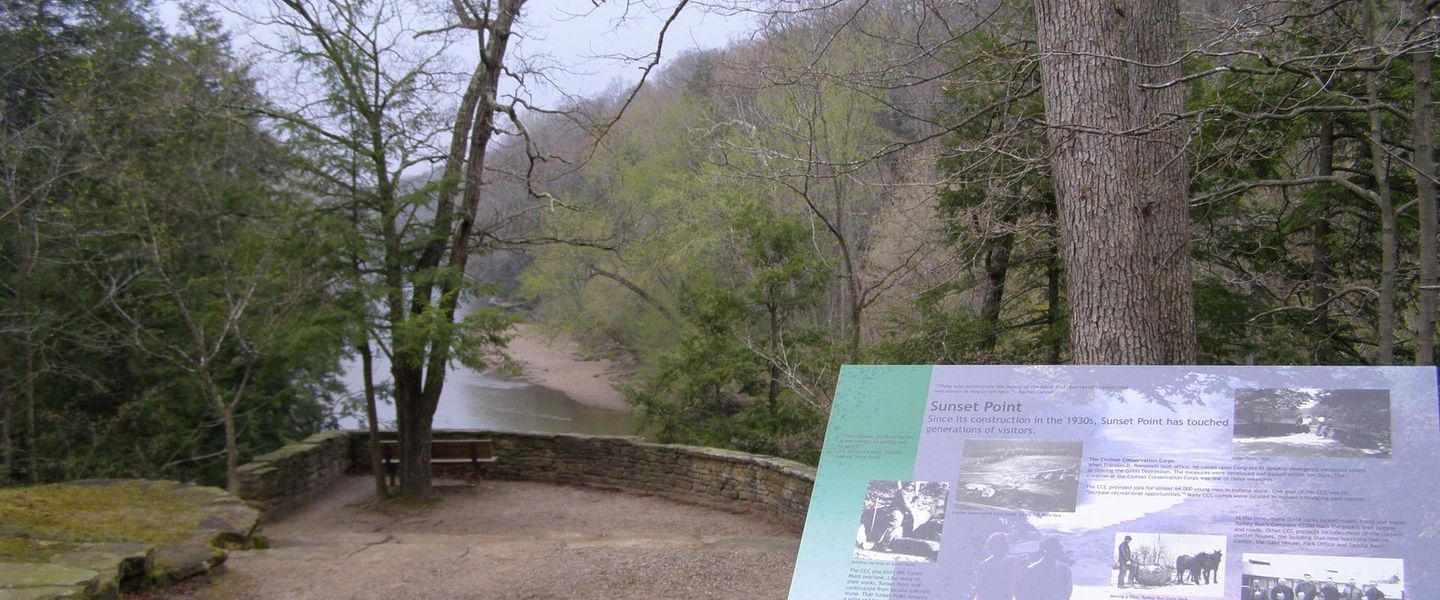
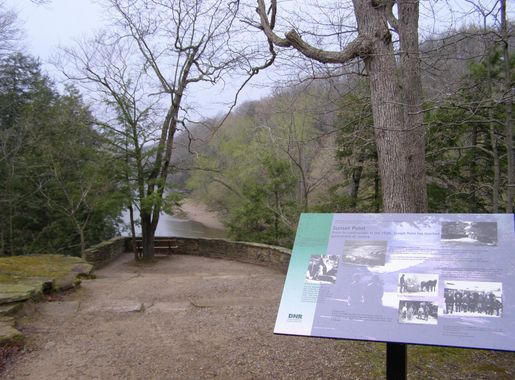
Nestled in the heart of Indiana, the Wabash Valley is a captivating region that offers a blend of rich history, natural beauty, and vibrant culture. This charming valley is named after the Wabash River, which meanders through the landscape, providing stunning views and recreational opportunities. Visitors to the Wabash Valley can explore a variety of attractions, from historic sites and museums to scenic parks and trails. The region is home to several charming towns, each with its own unique character and heritage. Terre Haute, often considered the cultural hub of the valley, boasts a lively arts scene, numerous festivals, and a range of dining and shopping options. Nature enthusiasts will find plenty to love in the Wabash Valley. The area is dotted with beautiful state parks, such as Turkey Run State Park and Shades State Park, where visitors can hike, camp, and enjoy the great outdoors. The Wabash River itself is perfect for fishing, kayaking, and canoeing, offering a peaceful escape from the hustle and bustle of daily life. Whether you're a history buff, nature lover, or simply looking for a relaxing getaway, the Wabash Valley in Indiana has something to offer every traveler. Its charming towns, scenic landscapes, and welcoming community make it a destination worth exploring.

Know before you go
Hi, I'm Eve. Here are a few practical things to know before exploring Wabash Valley.
- Visit in the fall to experience the stunning autumn foliage in the valley's parks and along the river.
- Check out the local festivals in Terre Haute, such as the Banks of the Wabash Festival and the Terre Haute Air Show.
- Explore the Wabashiki Fish and Wildlife Area for bird watching and wildlife photography opportunities.
- Stop by the Vigo County Historical Museum to learn about the region's rich history and heritage.
- Don't miss the chance to hike the rugged trails of Turkey Run State Park, known for its deep canyons and sandstone cliffs.
Top City Travel Guides in Wabash Valley
The cities of Wabash Valley, and the easiest places to base yourself.


Destinations in Wabash Valley
Resorts, valleys and scenic spots worth a trip of their own.


Explore Wabash Valley: Things to Do, Places to Eat, Hotels & More
Handpicked recommendations for top attractions, local dining, accommodations, and more

Top Attractions & Sightseeing in Wabash Valley
Top-rated picks
Best Attractions

Malibu Jack's Lafayette
Discover the excitement of Malibu Jack's Lafayette, an amusement park filled with thrilling rides, fun games, and delicious dining options for the whole family.

Prophetstown State Park
Experience the breathtaking landscapes and rich heritage at Prophetstown State Park, a premier destination for nature lovers and outdoor enthusiasts in Indiana.

Wolf Park
Explore the enchanting world of wolves, foxes, and bison at Wolf Park in Battle Ground, Indiana - a unique wildlife sanctuary focused on conservation and education.

Wildcat Creek Park
Experience the tranquility and beauty of Wildcat Creek Park, a natural haven in Lafayette, Indiana, perfect for outdoor adventures and relaxation.

Best landmarks in Wabash Valley
Top-rated picks
Best Landmarks

Jewel-Osco
Experience the best of Chicago's grocery scene at Jewel-Osco in the South Loop, where fresh produce, baked goods, and local flavors await.

Charlie's Pub & Grub
Experience the warmth of local hospitality at Charlie's Pub & Grub in Terre Haute, where delicious food and a vibrant atmosphere await every visitor.

Deming Park
Discover the serene beauty and recreational opportunities at Deming Park, Terre Haute's premier urban oasis for relaxation and outdoor fun.

Prophetstown State Park
Discover the beauty and cultural heritage of Prophetstown State Park, a scenic retreat for outdoor lovers and history enthusiasts in Indiana.

Best restaurants in Wabash Valley
Top-rated picks
Best Restaurants

The Fried Egg
Experience the best breakfast in Wabash at The Fried Egg, where delicious flavors meet cozy ambiance for an unforgettable start to your day.

Harry's Old Kettle Pub & Grill
Discover delectable dishes and vibrant nightlife at Harry's Old Kettle Pub & Grill in Wabash, Indiana – where every meal feels like a celebration.

Market Street Grill
Discover culinary delights at Market Street Grill - where unique flavors meet warm hospitality in Wabash, Indiana.

The Terminal Public House
Discover flavorful American cuisine at The Terminal Public House in downtown Terre Haute – where great food meets a vibrant atmosphere.

Best bars in Wabash Valley
Top-rated picks
Best Bars

Charlie's Pub & Grub
Savor the flavors of Terre Haute at Charlie's Pub & Grub, where hearty dishes and local brews create a perfect dining experience.

Olive Garden Italian Restaurant
Enjoy a delicious Italian meal at Olive Garden in Terre Haute, offering a family-friendly atmosphere and a wide variety of authentic dishes.

Outback Steakhouse
Experience the taste of Australia in Terre Haute with mouthwatering steaks and a vibrant atmosphere at Outback Steakhouse, perfect for any occasion.

M. Moggers Restaurant & Pub
Discover M. Moggers Restaurant & Pub, Terre Haute's favorite brewpub with delicious food, craft beers, and a unique atmosphere.

Best nightclubs in Wabash Valley
Top-rated picks
Best Nightclubs

The Copper Bar
Discover The Copper Bar in Terre Haute, where delicious food meets a lively nightlife experience in a welcoming atmosphere.

T's Lounge
Discover the vibrant atmosphere and diverse drink selection at T's Lounge, the heart of Terre Haute's social scene, for an unforgettable night out.

Bar_Botics
Discover the fusion of classic arcade gaming and modern nightlife at Bar_Botics in Terre Haute, Indiana.

Zimmarss Showbar
Discover the lively atmosphere of Zimmarss Showbar in Terre Haute, where vibrant shows and a friendly ambiance create unforgettable nightlife experiences.

Best shops in Wabash Valley
Top-rated picks
Best Shops

Haute City Center
Explore the vibrant Haute City Center, Terre Haute's premier shopping destination with diverse stores and delightful dining options.

Walmart Supercenter
Explore Walmart Supercenter in Monticello, Indiana, for a diverse shopping experience with everything from groceries to electronics all in one place.

Kohl's
Explore the diverse shopping experience at Kohl's in Terre Haute, where quality meets affordability for every traveler.

Meadows Shopping Center
Experience the vibrant shopping and dining scene at Meadows Shopping Center in Terre Haute, Indiana - a must-visit for every traveler.

Explore Wabash Valley on the Map
A handpicked selection of must-see spots in Wabash Valley, mapped for you.
Wabash Valley Essentials
-
Wabash Valley is located in the western part of Indiana. The nearest major airport is Indianapolis International Airport (IND), approximately 90 miles away. From Indianapolis, you can rent a car or use a shuttle service to reach the Wabash Valley. Alternatively, Amtrak train services and Greyhound bus lines run through nearby cities such as Terre Haute, providing convenient options for travelers.
-
Once in Wabash Valley, you can navigate the area by car, which is the most convenient option. Rental cars are available at the Indianapolis International Airport and in Terre Haute. Public transportation is limited, but local bus services like the Terre Haute Transit Utility offer routes within the city. Taxis and rideshare services like Uber and Lyft are also available. Biking is another viable option, with several bike-friendly routes and trails.
-
The official currency is the United States Dollar (USD). Credit and debit cards are widely accepted in most hotels, restaurants, and shops. ATMs are plentiful, especially in larger towns like Terre Haute. However, it is advisable to carry some cash for smaller establishments and rural areas where card payments may not be accepted.
-
Wabash Valley is generally a safe destination for tourists. However, standard safety precautions should be taken. Avoid walking alone at night in unfamiliar areas and keep your belongings secure. Certain neighborhoods in Terre Haute may have higher crime rates; it is advisable to stay in well-populated and well-lit areas. Always be aware of your surroundings and exercise common sense.
-
In case of an emergency, dial 911 for immediate assistance. Terre Haute has several medical facilities including Union Hospital and Terre Haute Regional Hospital. Pharmacies are available for minor health issues. It is recommended to have travel insurance that covers medical emergencies. For non-emergency issues, local police stations and visitor centers can provide assistance and information.
-
Fashion: Do dress comfortably and appropriately for the weather. Casual attire is generally acceptable, but consider dressing modestly when visiting religious sites. Religion: Do respect local customs and traditions. If visiting places of worship, dress modestly and behave respectfully. Public Transport: Do be courteous to fellow passengers and give up your seat to elderly or disabled individuals. Don’t eat or drink on public transportation. Greetings: Do greet people with a smile and a handshake. Saying 'hello' or 'hi' is common. Eating & Drinking: Do try local specialties and accept food offerings graciously. Don’t refuse hospitality, as it is considered impolite.
-
To experience Wabash Valley like a local, visit the local farmers' markets where you can buy fresh produce and artisanal goods. Engage with locals—they are often friendly and willing to share stories about the area's history and culture. Don’t miss the annual Covered Bridge Festival or a visit to the historic downtown areas of cities like Terre Haute. For a unique experience, take a scenic drive along the Wabash River and explore the numerous parks and nature reserves.
When is the best time to visit Wabash Valley?
Useful Local Phrases for Wabash Valley
You don't need to speak the language perfectly. Even learning a few simple words can make conversations warmer—and locals usually appreciate the effort.
— Eve

Here are the phrases I use most often in Wabash Valley. Try a few—you'll be surprised how far they go! 😊
❤️
-
- HelloHowdy
[hau-dee] - GoodbyeSee ya later
[see yah lay-ter] - YesYep
[yep] - NoNope
[nohp] - Please/You're welcomePlease/No problem
[pleez/no prob-lum] - Thank youThanks
[thanks] - Excuse me/SorryExcuse me/Sorry
[ex-cuze mee/sor-ree] - How are you?How ya doin'?
[how yah doin?] - Fine. And you?Good. And you?
[gud. and you?] - Do you speak English?Do ya speak English?
[doo yah speek ing-glish?] - I don't understandI don't get it
[I dont get it]
- HelloHowdy
-
- I'd like to see the menu, pleaseCan I see the menu, please?
[can I see thuh men-yoo, pleez?] - I don't eat meatI ain't eatin' meat
[I aint eatin meet] - Cheers!Cheers!
[cheers] - I would like to pay, pleaseCan I get the check, please?
[can I get thuh chek, pleez?]
- I'd like to see the menu, pleaseCan I see the menu, please?
-
- Help!Help!
[help] - Go away!Get lost!
[get lost] - Call the Police!Call the cops!
[call thuh cops] - Call a doctor!Get a doctor!
[get a doc-tor] - I'm lostI can't find my way
[I cant find my way] - I'm illI ain't feelin' too good
[I aint feelin too gud]
- Help!Help!
-
- I'd like to buy...I wanna buy...
[I wanna buy...] - I'm just lookingJust lookin'
[just lookin] - How much is it?How much is this?
[how much is this?] - That's too expensiveThat's too pricey
[thats too pry-see] - Can you lower the price?Can ya bring down the price?
[can yah bring down thuh pryce?]
- I'd like to buy...I wanna buy...
-
- What time is it?What time is it?
[what time is it?] - It's one o'clockIt's one
[its wun] - Half past (10)Half past ten
[half past ten] - MorningMornin'
[mornin] - AfternoonAfternoon
[af-ter-noon] - EveningEvenin'
[evenin] - YesterdayYesterday
[yes-ter-day] - TodayToday
[to-day] - TomorrowTomorrow
[to-mor-row] - 1One
[wun] - 2Two
[too] - 3Three
[three] - 4Four
[for] - 5Five
[five] - 6Six
[six] - 7Seven
[sev-en] - 8Eight
[eight] - 9Nine
[nine] - 10Ten
[ten]
- What time is it?What time is it?
-
- Where's a/the...?Where's the...?
[where's thuh...?] - What's the address?What's the address?
[what's thuh ad-dress?] - Can you show me (on the map)?Can you point it out on the map?
[can you point it out on thuh map?] - When's the next (bus)?When's the next bus?
[when's thuh next bus?] - A ticket (to ....)A ticket to...
[a tik-it to...]
- Where's a/the...?Where's the...?
History of Wabash Valley
-
Before European settlers arrived, the Wabash Valley was home to various Native American tribes, including the Miami, Shawnee, and Potawatomi. These tribes thrived along the fertile banks of the Wabash River, utilizing the waterway for transportation, trade, and sustenance. Artifacts and burial mounds found in the region provide a glimpse into their rich cultural heritage.
-
In the late 17th century, French explorers, including René-Robert Cavelier, Sieur de La Salle, navigated the Wabash River, establishing fur trade routes and missions. Vincennes, the oldest European settlement in Indiana, was founded by French-Canadian trader François-Marie Bissot, Sieur de Vincennes, in 1732. This settlement became a crucial trading post and military outpost for the French.
-
During the American Revolution, the Wabash Valley gained strategic importance. In 1778, George Rogers Clark led a daring expedition to capture the British-held Fort Sackville in Vincennes. His victory secured the Northwest Territory for the fledgling United States, significantly impacting the course of the war and the future expansion of the nation.
-
The construction of the Wabash and Erie Canal in the mid-19th century revolutionized transportation and commerce in the Wabash Valley. Stretching from the Ohio River to Lake Erie, the canal facilitated the movement of goods and people, spurring economic growth and the development of towns along its route. However, the advent of railroads eventually led to the canal's decline.
-
In 1811, the Battle of Tippecanoe took place near present-day Lafayette, Indiana. American forces led by Governor William Henry Harrison clashed with Native American warriors associated with Shawnee leader Tecumseh and his brother Tenskwatawa, the Prophet. The battle was a pivotal moment in the resistance against American expansion and had lasting repercussions for Native American tribes in the region.
-
Throughout the 19th and early 20th centuries, the Wabash Valley evolved into an agricultural and industrial hub. Fertile lands along the river supported thriving farms, while towns like Terre Haute became centers of manufacturing and transportation. The area's rich natural resources, including coal and limestone, fueled industrial growth and attracted a diverse workforce.
-
The Wabash Valley is home to several notable educational and cultural institutions. Indiana State University, founded in 1865 in Terre Haute, has played a significant role in the region's educational development. The Eugene V. Debs Museum, dedicated to the labor leader and social activist, and the Swope Art Museum, showcasing American art, are among the cultural landmarks that enrich the area's heritage.
Neighbouring Regions of Wabash Valley
The closest regions to Wabash Valley, if you have time for more than one.


Your all‑in‑one travel companion app
Explore expert travel guides, compare and book tours, experiences, hotels, and more—all from the palm of your hand. Download now for seamless trip planning wherever your wanderlust takes you.


Explore More of Indiana

Looking beyond Wabash Valley? Discover Indiana for broader travel guides, local hot-spots, and regional highlights.
Explore IndianaWabash Valley in Photos
Browse through our photo collection highlighting the charm and character of the destination.





The Enchanting Wabash Valley: A Hidden Gem in Indiana
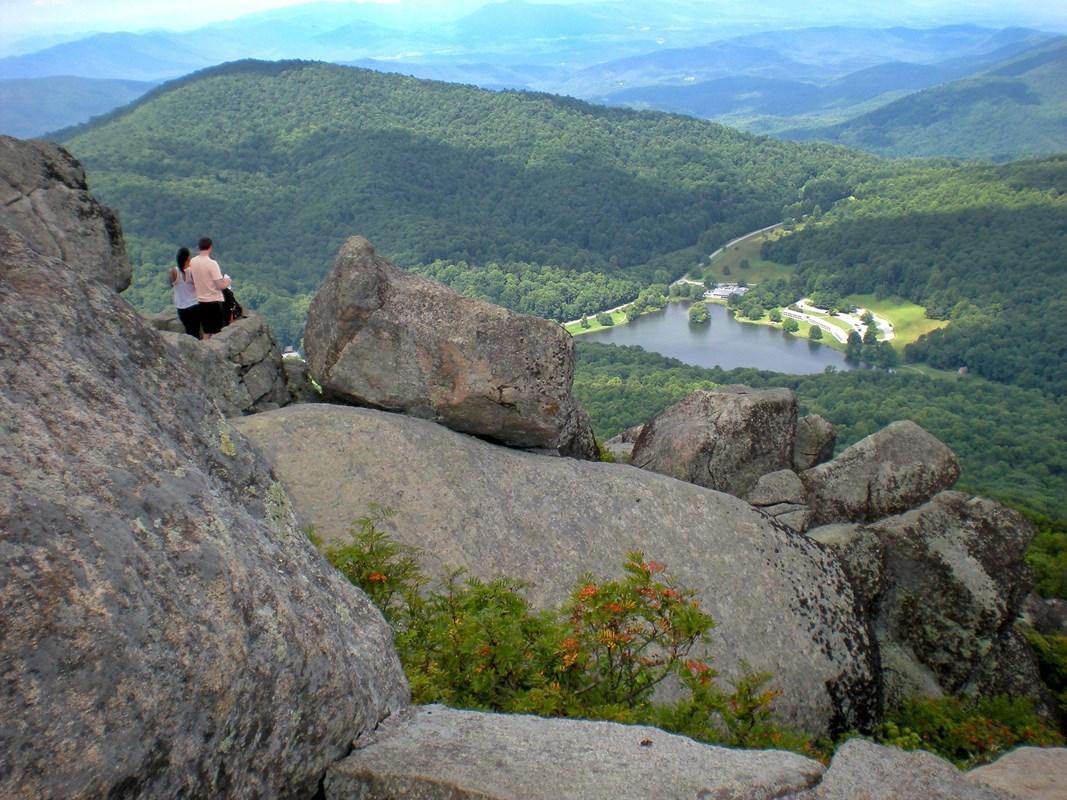
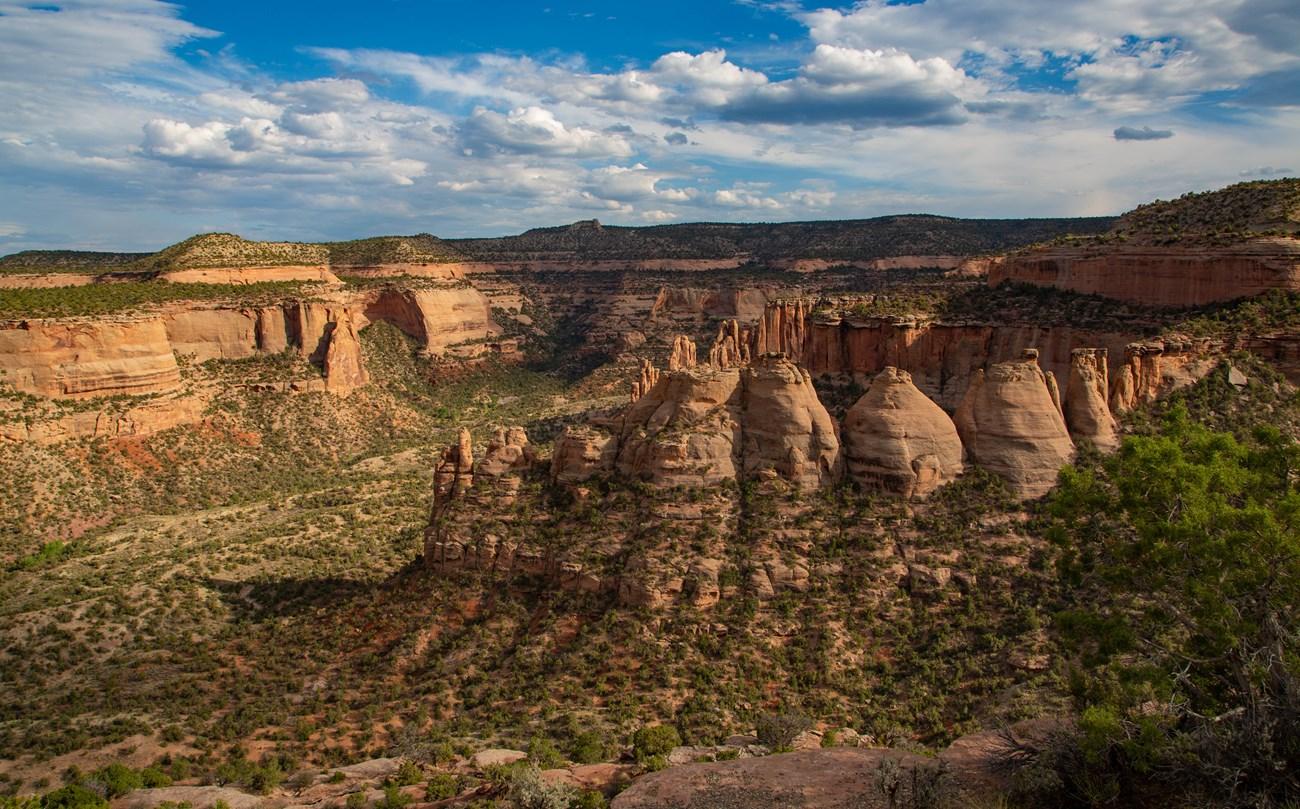
Nestled in the heart of Indiana, the Wabash Valley is a captivating region that offers a blend of rich history, natural beauty, and vibrant culture. This charming valley is named after the Wabash River, which meanders through the landscape, providing stunning views and recreational opportunities. Visitors to the Wabash Valley can explore a variety of attractions, from historic sites and museums to scenic parks and trails. The region is home to several charming towns, each with its own unique character and heritage. Terre Haute, often considered the cultural hub of the valley, boasts a lively arts scene, numerous festivals, and a range of dining and shopping options. Nature enthusiasts will find plenty to love in the Wabash Valley. The area is dotted with beautiful state parks, such as Turkey Run State Park and Shades State Park, where visitors can hike, camp, and enjoy the great outdoors. The Wabash River itself is perfect for fishing, kayaking, and canoeing, offering a peaceful escape from the hustle and bustle of daily life. Whether you're a history buff, nature lover, or simply looking for a relaxing getaway, the Wabash Valley in Indiana has something to offer every traveler. Its charming towns, scenic landscapes, and welcoming community make it a destination worth exploring.