

Turkey Run State Park Travel Guide - Free Web & App
Your ultimate guide to Turkey Run State Park. Discover top landmarks, proposed trips, and local tips. Free on the web or via the Evendo companion app.


Turkey Run State Park in Indiana offers sandstone canyons, Sugar Creek, forest trails, historic bridges, camping and rugged walks near Parke County.
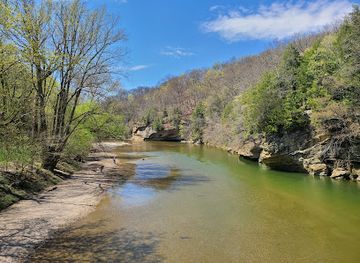
Ravines, Rock and Sugar Creek
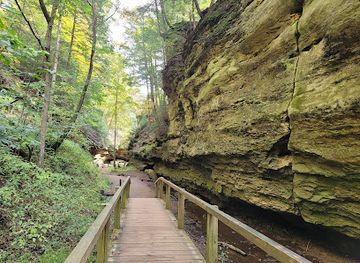
Turkey Run State Park occupies a rugged landscape in west-central Indiana, where Sugar Creek cuts through Mansfield sandstone and narrow ravines lead into mature hardwood forest. Instead of broad mountain scenery, the park offers a concentrated landscape of deeply shaded hollows, mossy rock faces, creek crossings, boulder-strewn channels and sandstone formations shaped by water and weather. Several trails pass through the ravines, with ladders, uneven ground and rocky streambeds adding a more adventurous character than the gentle woodland paths found elsewhere in the state.Read more about Turkey Run State Park
A Historic Park Landscape
Exploring the Park
When is the best time to visit Turkey Run State Park?
Best: May, September–October · 19–26°C| Month | High (°C) | Rainfall (mm) |
|---|---|---|
| January | 3 | 74 |
| February | 7 | 66 |
| March | 13 | 89 |
| April | 19 | 104 |
| May (best) | 24 | 125 |
| June | 29 | 117 |
| July | 31 | 120 |
| August | 29 | 104 |
| September (best) | 26 | 97 |
| October (best) | 19 | 89 |
| November | 11 | 84 |
| December | 4 | 79 |
Getting to and around Turkey Run State Park
How to get there
Transportation
Best attractions in Turkey Run State Park
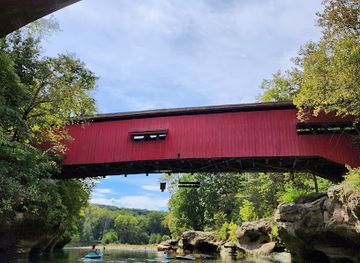
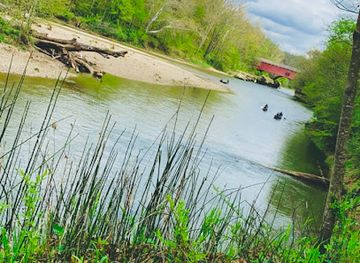
Turkey Run State Park’s principal attractions are its sandstone ravines and the wooded valley of Sugar Creek. Trails lead through formations and hollows with names such as Rocky Hollow, Boulder Canyon, the Punch Bowl and Ice Box, where narrow passages, rock walls and seasonal water create the park’s characteristic scenery. The longer and more rugged routes include ladders, streambeds and uneven sandstone, while easier woodland sections provide a gentler introduction to the landscape. The Turkey Run Nature Center interprets the park’s geology, habitats and wildlife, and the historic area around the Turkey Run Inn adds built heritage to the natural setting. Sugar Creek is central to the park’s recreational identity, supporting fishing and, under suitable conditions and regulations, canoeing or kayaking. The nearby Narrows Covered Bridge is another notable feature, while Marshall and the wider Parke County countryside provide access to additional covered bridges and rural heritage outside the park boundary.
-
Visitor center
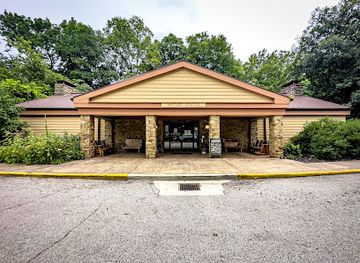
Turkey Run State Park Nature Center
Explore the beauty of Turkey Run State Park Nature Center, a haven for nature lovers and adventurers in the heart of Indiana.
-
American
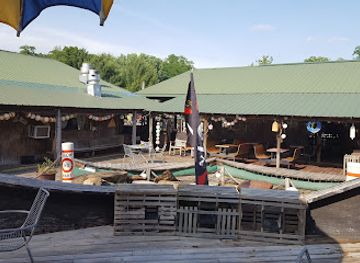
Up the Creek Boat-ique
Explore Up the Creek Boat-ique in Marshall, Indiana, where American cuisine meets outdoor adventure, perfect for families and nature lovers.
-
Campground
Turkey Run State Park Campground
Discover Turkey Run State Park Campground: A serene escape into nature filled with adventure, stunning landscapes, and memorable outdoor experiences.
-
Tourist attraction
Narrows Covered Bridge
Experience the beauty and history of the Narrows Covered Bridge in Bloomingdale, Indiana, a picturesque landmark perfect for exploration and photography.
Best landmarks in Turkey Run State Park
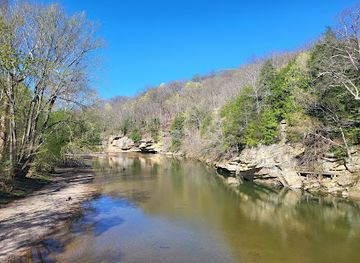
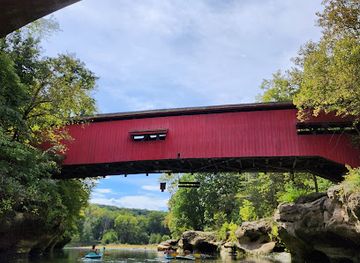
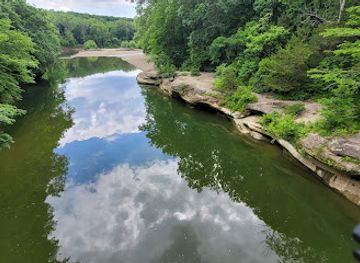
The defining landmarks of Turkey Run are natural: the sandstone walls, narrow ravines and boulder-filled channels carved by Sugar Creek and its tributaries. Rocky Hollow, Boulder Canyon, the Punch Bowl and Ice Box are named formations that express the park’s varied geology and the way water has worked through the Mansfield sandstone. Sugar Creek itself is both a physical landmark and the organising feature of the valley, linking recreation, wildlife habitat and the history of local transport. Human landmarks include the Turkey Run Inn, the park’s historic bridges and the Narrows Covered Bridge, which represents the covered-bridge tradition of Parke County. Together, these features show how the area’s geology influenced movement, settlement and later conservation, while the surrounding forest preserves the visual relationship between the built structures and the ravines.
-
Visitor center
Turkey Run State Park Nature Center
Discover the wonders of Indiana's natural beauty at Turkey Run State Park Nature Center, a perfect blend of education and outdoor adventure.
-
Campground
Turkey Run State Park Campground
Discover the beauty of nature at Turkey Run State Park Campground, a perfect getaway for outdoor enthusiasts and families in Indiana.
-
Hiking area
Trail #3 at Turkey Run State Park
Explore Trail #3 at Turkey Run State Park, a stunning hiking area in Indiana known for its breathtaking landscapes and outdoor adventures.
Explore Turkey Run State Park on the map
Plan your trip on one map. See where the top attractions, landmarks, restaurants and hotels are, and book hotels and experiences in a few clicks.
Best hotels in Turkey Run State Park
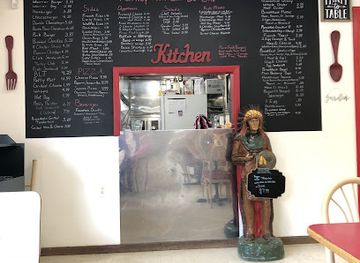
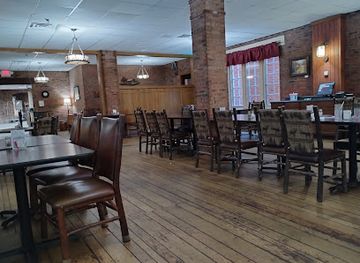
Best restaurants in Turkey Run State Park
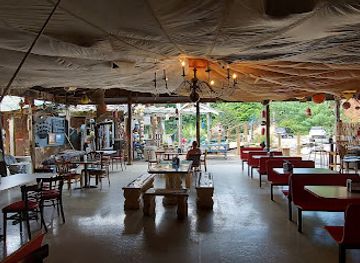
Dining at Turkey Run is centred on the Turkey Run Inn and the limited food services associated with a state-park setting rather than a large restaurant district. The inn’s dining facilities provide a convenient option for visitors staying inside the park or spending a full day on the trails, while picnicking is a practical choice for those exploring the ravines. Additional meals, groceries and casual refreshments are generally found in nearby communities, particularly Marshall and Rockville, where options reflect the needs of a rural county rather than a resort centre. Visitors planning long hikes should carry water and suitable food, since the park’s natural attractions are spread through woodland and canyon terrain and should not be approached with the expectation of frequent cafés or shops. Local farm products and simple Midwestern fare are more characteristic of the surrounding region than a specialised destination cuisine.
-
American
Up the Creek Boat-ique
Discover Up the Creek Boat-ique: A perfect blend of American cuisine, camping adventures, and delightful ice cream in scenic Indiana.
-
Convenience store
Turkey Run Gas & Grill
Discover the charm of Turkey Run Gas & Grill – where convenience meets delicious local cuisine in Indiana.
-
American
The Narrows Restaurant
Experience authentic American cuisine amidst scenic views at The Narrows Restaurant in Marshall, Indiana.
Best bars in Turkey Run State Park
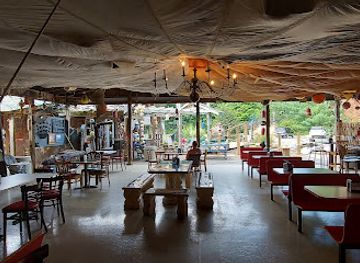
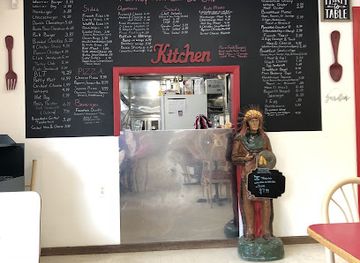
Turkey Run State Park is a quiet outdoor destination with little conventional nightlife. Evenings are more likely to centre on the Turkey Run Inn, a campsite or a private cottage, with conversation, stargazing and the sounds of the forest replacing bars and clubs. Traditional pubs and casual evening venues may be found in nearby rural communities such as Rockville, but they are outside the park and should not be confused with an entertainment district. Visitor numbers, weather and season influence the atmosphere, and many facilities become quieter after daylight hours. Anyone planning an evening meal or drinks away from their accommodation should check local opening arrangements in advance and avoid assuming that a small town or park facility operates late.
-
 Hotel
HotelTurkey Run Inn
Discover the beauty and adventure at Turkey Run Inn, your gateway to Indiana's stunning Turkey Run State Park.
-
American
Up the Creek Boat-ique
Discover the perfect blend of American cuisine, camping essentials, and sweet treats at Up the Creek Boat-ique in Indiana.
-
Restaurant
Turkey Run Gas & Grill
Discover the unique blend of flavor and convenience at Turkey Run Gas & Grill in Indiana, where hearty meals meet essential travel services.
-
Gas station
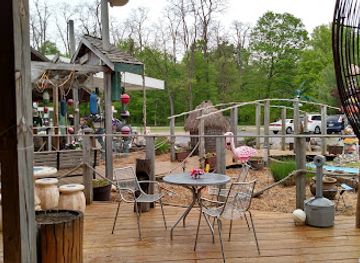
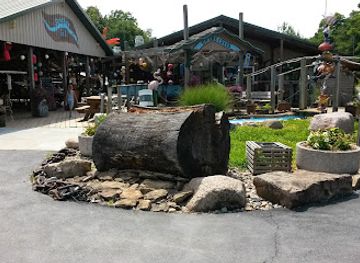
Up the Creek
Discover the whimsical charm of Up the Creek, a unique gas station that combines convenience with a fun atmosphere in Indiana.
Best shops in Turkey Run State Park
Shopping inside Turkey Run State Park is limited and primarily connected with visitor needs, park interpretation and accommodation rather than a permanent retail district. The Nature Center and park facilities may provide locally relevant educational material or souvenirs, subject to current arrangements, while basic supplies are more reliably found in nearby towns. Marshall is the closest small service community, and Rockville offers broader everyday shopping for food, outdoor necessities and other provisions. The wider Parke County area is known for its covered bridges and rural heritage, with local producers, craft businesses and seasonal community events appearing across the county rather than in one concentrated market. Visitors should buy substantial supplies before heading into the park and treat any small on-site retail selection as a convenience, not as a comprehensive shopping opportunity.
-
State park
Turkey Run State Park
Discover the breathtaking landscapes and outdoor adventures at Turkey Run State Park, Indiana's gem for nature lovers and outdoor enthusiasts.
-
Visitor center
Turkey Run State Park Nature Center
Explore the natural wonders of Turkey Run State Park Nature Center, a rich hub of adventure, education, and relaxation in Indiana.
-
Canoe & kayak rental service
Sugar Valley Canoe Trip Ltd
Explore the serene waterways of Indiana with Sugar Valley Canoe Trip Ltd, your go-to for unforgettable canoe and kayak adventures.
-
American
Up the Creek Boat-ique
Discover the charm of Up the Creek Boat-ique, where American cuisine meets camping adventures in the heart of Indiana.
Get your free copy of our complete guide to Turkey Run State Park, delivered straight to you.
Everything on this page, from attractions and restaurants to essentials and local phrases, in one PDF you can read offline, print or share.
Already have an account? Sign in
Your Turkey Run State Park guide is ready.
We'll send it to · Not you? Sign out

Getting your guide ready…
We are putting together a fresh copy of the Turkey Run State Park guide. This can take up to a minute.
This can take a few moments. If your browser asks, choose Allow so the download can start. You'll find the guide in your Downloads folder.
Nothing happened? Download it again
Sorry, the guide is taking longer than usual. Please try again in a minute, or get it by email instead.
Turkey Run State Park essentials
Currency and Payment
Safety
Emergency Situations
Do's and Don'ts
Local Tips
From Eve
Local phrases worth knowing
You don't need to get them perfect. A few words go a long way, and locals appreciate the effort.
Basics
| English | Local | Say it |
|---|---|---|
| Hello | Merhaba | [mer-ha-ba] |
| Goodbye | Hoşçakal | [hosh-cha-kal] |
| Yes | Evet | [e-vet] |
| No | Hayır | [ha-yur] |
| Please/You're welcome | Lütfen | [lut-fen] |
| Thank you | Teşekkür ederim | [te-shek-kur e-de-rim] |
| Excuse me/Sorry | Özür dilerim | [o-zur di-le-rim] |
| How are you? | Nasılsınız? | [na-sul-sin-uz] |
| Fine. And you? | İyi. Siz? | [i-yi. siz] |
| Do you speak English? | İngilizce konuşuyor musunuz? | [in-gi-liz-je ko-nu-shu-yor mus-un-uz] |
| I don't understand | Anlamıyorum | [an-la-mi-yo-rum] |
Eating & Drinking
| English | Local | Say it |
|---|---|---|
| I'd like to see the menu, please | Menüyü görmek istiyorum, lütfen | [me-nu-yu gur-mek is-ti-yo-rum, lut-fen] |
| I don't eat meat | Ben et yemem | [ben et ye-mem] |
| Cheers! | Şerefe! | [she-re-fe] |
| I would like to pay, please | Ödemek istiyorum, lütfen | [o-de-mek is-ti-yo-rum, lut-fen] |
Emergencies
| English | Local | Say it |
|---|---|---|
| Help! | Yardım edin! | [yar-dum e-din] |
| Go away! | Uzaklaşın! | [u-zak-la-shin] |
| Call the Police! | Polisi arayın! | [po-li-si a-ra-yun] |
| Call a doctor! | Doktor çağırın! | [dok-tor cha-ir-uhn] |
| I'm lost | Kayboldum | [kay-bol-dum] |
| I'm ill | Hasta'yım | [has-ta-yum] |
Shopping
| English | Local | Say it |
|---|---|---|
| I'd like to buy... | Satın almak istiyorum... | [sa-tun al-mak is-ti-yo-rum] |
| I'm just looking | Sadece bakıyorum | [sa-de-je ba-ku-yo-rum] |
| How much is it? | Kaç lira? | [kach li-ra] |
| That's too expensive | Bu çok pahalı | [bu choch pa-ha-lu] |
| Can you lower the price? | Fiyatı indirebilir misiniz? | [fi-ya-tu in-di-re-bi-lir mi-si-niz] |
Time & Numbers
| English | Local | Say it |
|---|---|---|
| What time is it? | Saat kaç? | [sa-at kach] |
| It's one o'clock | Saat bir | [sa-at beer] |
| Half past (10) | On buçuk | [on boo-chuk] |
| Morning | Sabah | [sa-bah] |
| Afternoon | Öğleden sonra | [o-le-den af-te-ruh] |
| Evening | Akşam | [ak-sham] |
| Yesterday | Dün | [doon] |
| Today | Bugün | [boo-goon] |
| Tomorrow | Yarın | [ya-run] |
| 1 | Bir | [beer] |
| 2 | İki | [ee-kee] |
| 3 | Üç | [ooch] |
| 4 | Dört | [dort] |
| 5 | Beş | [besh] |
| 6 | Altı | [al-tuh] |
| 7 | Yedi | [ye-di] |
| 8 | Sekiz | [se-keez] |
| 9 | Dokuz | [do-kooz] |
| 10 | On | [on] |
Transport & Directions
| English | Local | Say it |
|---|---|---|
| Where's a/the...? | ...nerede? | [ne-re-de] |
| What's the address? | Adres nedir? | [a-dres ne-dir] |
| Can you show me (on the map)? | (Haritada) gösterebilir misiniz? | [(ha-ree-ta-da) gur-ste-re-bi-lir mi-si-niz] |
| When's the next (bus)? | Bir sonraki (otobüs) ne zaman? | [beer son-ra-ki (o-to-bus) ne za-man] |
| A ticket (to ....) | Bir bilet (....'ya) | [beer bee-let (ya)] |
History of Turkey Run State Park
Sandstone Ravines and a Shaped Landscape
The physical setting of Turkey Run is rooted in the sandstone geology of west-central Indiana. Sugar Creek and its tributaries have cut into resistant layers of Mansfield sandstone, forming narrow ravines, rock shelters, cliffs and winding channels. Later weathering, erosion and seasonal water flow continued to reshape the hollows, producing the irregular terrain that distinguishes Turkey Run from the flatter agricultural landscapes surrounding it. The geological story is much older than human settlement, but remains visible in the park’s canyon walls, boulders and exposed ledges.
Indigenous Landscapes and Early Settlement
The Sugar Creek valley was used by Indigenous peoples long before the creation of the state park, and the wider region retains a history of Native American movement, hunting and settlement. During the nineteenth century, Euro-American settlement expanded through Parke County, bringing farms, mills, roads and bridges to the creek country. Sugar Creek became both a landscape feature and a practical route through an area where steep ravines and wooded slopes made travel more difficult. The surviving terrain helps explain why settlement remained dispersed around the park rather than developing into a dense town.
The Covered-Bridge Era
Nineteenth-century transport improvements connected the settlements around Turkey Run with markets and neighbouring communities. Covered bridges became a characteristic response to the region’s waterways, protecting timber structures from weather while allowing roads to cross creeks and rivers. The Narrows Covered Bridge, associated with the park, reflects this period of local bridge building, while other Parke County covered bridges form part of the surrounding cultural landscape rather than the state park itself. These structures provide a tangible link between the park’s wooded ravines and the agricultural communities that grew around them.
Creation of Indiana’s Second State Park
Turkey Run State Park was established in 1916 as Indiana’s second state park, during a period when the state began protecting representative landscapes for public recreation. Conservationist Richard Lieber played an important role in the development of Indiana’s early state-park system, and Turkey Run became an early example of preserving a distinctive natural setting while providing carefully planned visitor facilities. Roads, trails, bridges, lodging and interpretive services gradually made the ravines accessible without removing their rugged character.
Recreation and Conservation Today
During the twentieth century, Turkey Run developed into a major destination for hiking, camping, picnicking and water-based recreation on Sugar Creek. Historic buildings, park infrastructure and trails were maintained alongside efforts to protect the forest, ravines and creek corridor from excessive wear. Modern management balances public access with changing water levels, erosion, habitat protection and visitor safety. The park’s identity now rests on this combination of geological character, historic structures and accessible outdoor recreation within a protected landscape.
Turkey Run State Park in Photos
Browse through our photo collection highlighting the charm and character of the destination.
Neighbouring destination travel guides
The closest destinations to Turkey Run State Park, if you have time for more than one.
-
-

-

-

-


Swipe for more destinations
Explore more

Explore more of West Central Indiana
Explore West Central Indiana for Terre Haute culture, Wabash Valley scenery, covered bridges, sandstone ravines and welcoming small-town food.
Explore West Central Indiana
Explore more of Indiana
Explore Indiana: From the bustling streets of Indianapolis to the serene beauty of Indiana Dunes, discover the diverse experiences that make Indiana the Crossroads of America.
Explore Indiana