
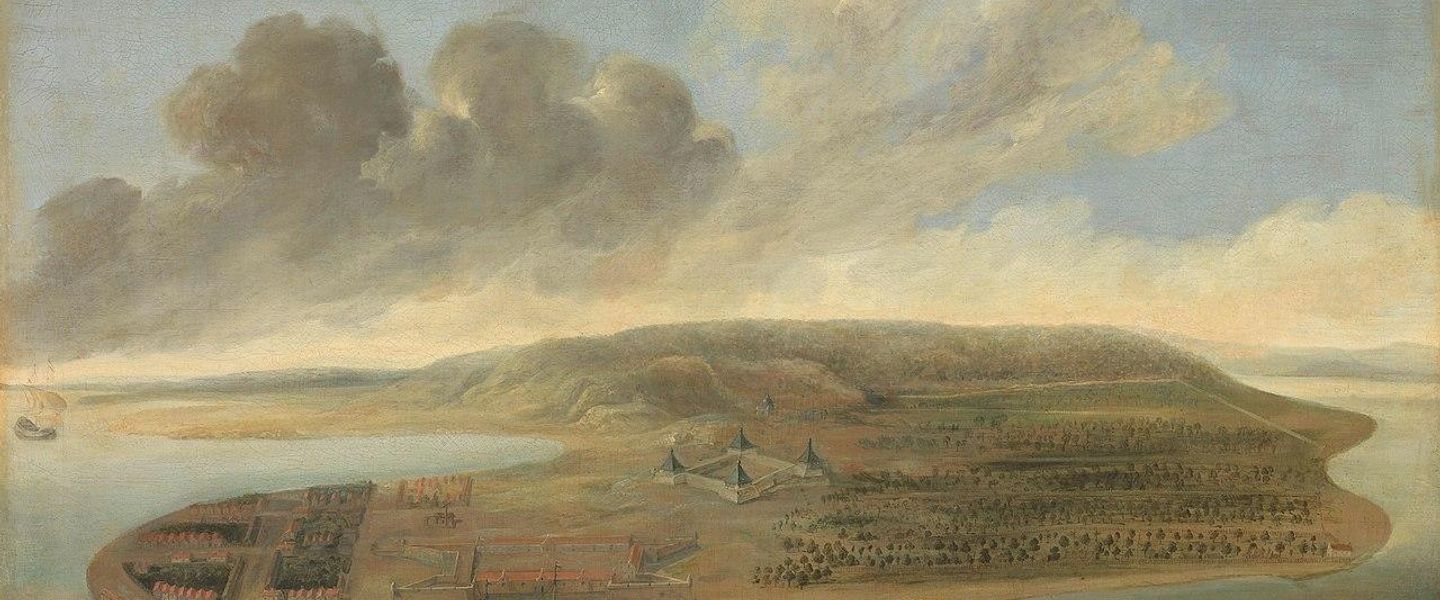
Banda Islands, Indonesia Travel Guide
Discover the Banda Islands: Indonesia's historic Spice Islands, known for stunning coral reefs, colonial heritage, and serene beaches.
The Banda Islands, located in the Maluku province of Indonesia, are a cluster of ten small volcanic islands. They are a paradise for travelers seeking pristine nature, rich history, and vibrant marine life. Known as the original Spice Islands, they were once the world's only source of nutmeg and mace, making them a coveted destination for European explorers in the 16th and 17th centuries. The islands' spice heritage can still be felt today, with nutmeg plantations and historic forts scattered throughout the archipelago. The crystal-clear waters surrounding the Banda Islands are a diver's dream. Coral reefs teeming with colorful fish, sea turtles, and even hammerhead sharks await beneath the surface. The waters offer excellent visibility, making it an ideal spot for snorkeling and scuba diving. For those who prefer to stay above water, sailing and fishing are popular activities. The islands also have beautiful white sandy beaches where visitors can relax and soak up the sun. On land, the Banda Islands offer a glimpse into their colonial past with well-preserved Dutch architecture. Fort Belgica, a pentagonal fortress built by the Dutch in the 17th century, provides panoramic views of the islands and the surrounding sea. The town of Bandaneira, the main hub, is charming with its mix of colonial buildings, local markets, and friendly residents. Don't miss the opportunity to hike Gunung Api, an active volcano that offers breathtaking views of the entire archipelago from its summit.

Know before you go
Hi, I'm Eve. Here are a few practical things to know before exploring Banda Islands.
- Visit between September and November for the best weather and diving conditions.
- Bring cash, as ATMs are scarce on the islands.
- Hire a local guide to explore the nutmeg plantations and learn about the islands' spice history.
- Pack reef-safe sunscreen to protect the coral reefs while snorkeling and diving.
- Stay in a homestay to experience local hospitality and cuisine.
Explore Banda Islands: Things to Do, Places to Eat, Hotels & More
Handpicked recommendations for top attractions, local dining, accommodations, and more

Best attractions in Banda Islands
Top-rated picks
Best Attractions

Fort Belgica
Explore the historic Fort Belgica in Banda, a majestic fortress with stunning views and rich tales from the spice trade era.

Benteng Holandia
Discover the historical significance and breathtaking beauty of Benteng Holandia, a must-visit fortress on the Banda Islands.

Sumur Pusaka Lonthoir
Experience the serene beauty and rich cultural heritage of Sumur Pusaka Lonthoir in Central Maluku, Indonesia - a hidden gem for all nature lovers.

Parigi rante
Explore Parigi Rante, a breathtaking tourist attraction in Central Maluku, where nature, culture, and adventure converge in perfect harmony.

Best landmarks in Banda Islands
Top-rated picks
Best Landmarks

Banda Neira
Discover Banda Neira, an enchanting island in the Maluku archipelago, where rich history meets stunning natural beauty and vibrant culture.

Fort Belgica
Explore Fort Belgica: A Historic Fortress in the Banda Islands, Indonesia - A Journey Through Time and Culture Awaits You.
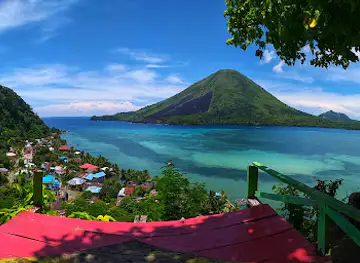
Banda Island
Discover the pristine beauty, rich history, and vibrant culture of Banda Island, a hidden gem in the Maluku archipelago perfect for adventure and relaxation.

Naira Island
Experience the serene beauty of Naira Island in Maluku, Indonesia - a tropical paradise for beach lovers and adventure seekers.

Best restaurants in Banda Islands
Top-rated picks
Best Restaurants

Ribka's Hotel Restaurant Swiming Pool Banda Neira
Experience tranquility at Ribka's Hotel Restaurant Swimming Pool in Banda Neira – where relaxation meets delicious Maluku cuisine.
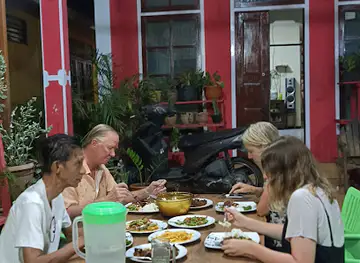
Rumah Makan Nusantara
Experience authentic Indonesian cuisine at Rumah Makan Nusantara - a culinary treasure in Banda with vibrant flavors and warm hospitality.

Wallang Pasir Putih Malole
Experience authentic Indonesian cuisine at Wallang Pasir Putih Malole in Central Maluku - where every dish tells a story.

RM BADAR
Savor authentic Minangkabau flavors at RM Badar - Central Maluku's premier Padang restaurant offering exquisite dishes in a warm setting.

Best bars in Banda Islands
Top-rated picks
Best Bars

Ribka's Hotel Restaurant Swiming Pool Banda Neira
Experience the ultimate relaxation at Ribka's Hotel Restaurant Swimming Pool in Banda Neira, where comfort meets culinary delight amidst stunning surroundings.

Rumah Makan Nusantara
Discover the rich culinary heritage of Indonesia at Rumah Makan Nusantara, where traditional flavors come alive in a warm and inviting atmosphere.
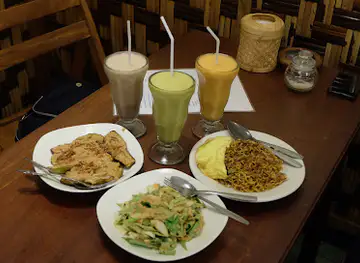
Spice Island Cafe
Discover an unforgettable dining experience at Spice Island Cafe in Banda, serving delicious local and international cuisine in a cozy atmosphere.
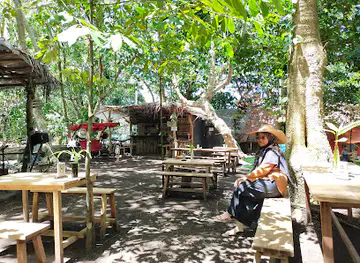
Wallang Pasir Putih Malole
Experience the best of Indonesian cuisine at Wallang Pasir Putih Malole, where stunning views meet rich flavors in the heart of Central Maluku.

Best nightclubs in Banda Islands
Top-rated picks
Best Nightclubs

Fort Belgica
Discover the architectural marvel and historical significance of Fort Belgica in Banda, Maluku, Indonesia.
Cilu Bintang Estate
Experience the serene beauty of Cilu Bintang Estate, a tranquil hotel in Central Maluku, Indonesia, surrounded by lush landscapes and rich history.

Banda Island
Explore Banda Island, a tropical paradise with pristine beaches, rich history, and vibrant marine life in Central Maluku, Indonesia.

Banda Naira Airport
Experience the charm of Banda Naira Airport, your gateway to the breathtaking Banda Islands in Indonesia, rich in history and natural beauty.

Best shops in Banda Islands
Top-rated picks
Best Shops
Cilu Bintang Estate
Explore the beauty of Banda Neira while enjoying luxurious comfort at Cilu Bintang Estate, your perfect island getaway.

Dive Bluemotion
Experience the breathtaking underwater world at Dive Bluemotion in Banda Neira, a top-rated diving center renowned for its vibrant marine life and expert instructors.

Benteng Holandia
Explore the historical depths of Benteng Holandia, a 17th-century fortress in Banda, and witness the stunning beauty of the Maluku Islands.

Spice Island Cafe
Savor the rich flavors of Indonesian cuisine in the heart of Banda at Spice Island Cafe, where every meal is a taste of the local culture.

Explore Banda Islands on the Map
A handpicked selection of must-see spots in Banda Islands, mapped for you.
Banda Islands Essentials
-
The Banda Islands are located in the Maluku province of Indonesia. The nearest major transport hub is Ambon, which can be reached by direct flights from Jakarta, Surabaya, and Makassar. From Ambon, you can take a small plane or a ferry to Bandaneira, the main town in the Banda Islands. Flights are less frequent and may be subject to weather conditions, so it's advisable to check schedules in advance. Ferries operate a few times a week and offer a more budget-friendly option, though the journey can take up to 12 hours.
-
Transportation within the Banda Islands is relatively limited. In Bandaneira, you can get around on foot or by using a becak (a type of cycle rickshaw). For travel between islands, small boats are available and can be hired for a reasonable fee. It’s common to arrange trips through your accommodation. There are no car rentals or public buses, so plan accordingly.
-
The official currency in Indonesia is the Indonesian Rupiah (IDR). Credit cards are rarely accepted in the Banda Islands, so it's essential to carry enough cash. There are no ATMs in the Banda Islands, so it's crucial to withdraw sufficient funds in Ambon or another major city before your arrival.
-
The Banda Islands are generally safe for tourists. Petty crimes such as pickpocketing are rare but can occur, so it's advisable to keep your belongings secure. Avoid isolated areas after dark and always stay aware of your surroundings. There are no specific high-crime areas targeting tourists.
-
In case of emergency, the local police and medical facilities are available in Bandaneira. The emergency phone number for police assistance is 110, and for medical emergencies, it is 118. However, medical facilities are basic, so it's advisable to have travel insurance that covers medical evacuation. For minor health issues, there are a few pharmacies where you can purchase over-the-counter medications.
-
Fashion: Do dress modestly, especially when visiting religious sites. Avoid wearing revealing clothing. Religion: Do respect local customs and traditions. Always remove your shoes when entering homes and mosques. Public Transport: Do be respectful and give up your seat to elderly passengers. Don’t eat or drink on public transport. Greetings: Do greet people with a smile and a handshake. A slight bow of the head is also a sign of respect. Eating & Drinking: Do try local delicacies and accept food offerings graciously. Don’t refuse hospitality, as it is considered impolite.
-
To experience Banda Islands like a local, visit the local markets where you can buy fresh produce and traditional Maluku goods. Engage with locals, as they are often friendly and willing to share stories about the islands' history and culture. Don’t miss visiting the nutmeg plantations and the historic Fort Belgica. For a unique experience, take a snorkeling or diving trip to explore the vibrant coral reefs and marine life surrounding the islands.
When is the best time to visit Banda Islands?
Useful Local Phrases for Banda Islands
You don't need to speak the language perfectly. Even learning a few simple words can make conversations warmer—and locals usually appreciate the effort.
— Eve

Here are the phrases I use most often in Banda Islands. Try a few—you'll be surprised how far they go! 😊
❤️
-
- HelloHalo
[ha-lo] - GoodbyeSampai jumpa
[sam-pai jum-pa] - YesYa
[ya] - NoTidak
[ti-dak] - Please/You're welcomeSilakan
[si-la-kan] - Thank youTerima kasih
[te-ri-ma ka-sih] - Excuse me/SorryMaaf
[ma-af] - How are you?Apa kabar?
[a-pa ka-bar] - Fine. And you?Baik. Dan kamu?
[ba-ik. dan ka-mu] - Do you speak English?Apakah kamu bisa berbahasa Inggris?
[a-pa-kah ka-mu bi-sa ber-ba-ha-sa ing-gris] - I don't understandSaya tidak mengerti
[sa-ya ti-dak men-ger-ti]
- HelloHalo
-
- I'd like to see the menu, pleaseSaya ingin melihat menu, tolong
[sa-ya in-gin me-li-hat me-nu, to-long] - I don't eat meatSaya tidak makan daging
[sa-ya ti-dak ma-kan da-ging] - Cheers!Selamat minum!
[se-la-mat mi-num] - I would like to pay, pleaseSaya ingin membayar, tolong
[sa-ya in-gin mem-ba-yar, to-long]
- I'd like to see the menu, pleaseSaya ingin melihat menu, tolong
-
- Help!Tolong!
[to-long] - Go away!Pergi!
[per-gi] - Call the Police!Panggil polisi!
[pang-gil po-li-si] - Call a doctor!Panggil dokter!
[pang-gil dok-ter] - I'm lostSaya tersesat
[sa-ya ter-se-sat] - I'm illSaya sakit
[sa-ya sa-kit]
- Help!Tolong!
-
- I'd like to buy...Saya ingin membeli...
[sa-ya in-gin mem-be-li...] - I'm just lookingSaya hanya melihat-lihat
[sa-ya ha-nya me-li-hat-li-hat] - How much is it?Berapa harganya?
[be-ra-pa har-ga-nya] - That's too expensiveItu terlalu mahal
[i-tu ter-la-lu ma-hal] - Can you lower the price?Bisa kurangi harganya?
[bi-sa ku-ran-gi har-ga-nya]
- I'd like to buy...Saya ingin membeli...
-
- What time is it?Sekarang jam berapa?
[se-ka-rang jam be-ra-pa] - It's one o'clockJam satu
[jam sa-tu] - Half past (10)Setengah (sepuluh)
[se-ten-gah (se-pu-luh)] - MorningPagi
[pa-gi] - AfternoonSiang
[si-ang] - EveningMalam
[ma-lam] - YesterdayKemarin
[ke-ma-rin] - TodayHari ini
[ha-ri i-ni] - TomorrowBesok
[be-sok] - 1Satu
[sa-tu] - 2Dua
[du-a] - 3Tiga
[ti-ga] - 4Empat
[em-pat] - 5Lima
[li-ma] - 6Enam
[e-nam] - 7Tujuh
[tu-juh] - 8Delapan
[de-la-pan] - 9Sembilan
[sem-bi-lan] - 10Sepuluh
[se-pu-luh]
- What time is it?Sekarang jam berapa?
-
- Where's a/the...?Dimana ada/ada...
[di-ma-na a-da/a-da...] - What's the address?Alamatnya apa?
[a-la-mat-nya a-pa] - Can you show me (on the map)?Bisa tunjukkan saya (di peta)?
[bi-sa tun-juk-kan sa-ya (di pe-ta)] - When's the next (bus)?Kapan yang berikutnya (bus)?
[ka-pan yang be-ru-tu-nya (bus)] - A ticket (to ....)Selembar tiket (ke ....)
[se-lem-bar ti-ket (ke)]
- Where's a/the...?Dimana ada/ada...
History of Banda Islands
-
The Banda Islands, often referred to as the Spice Islands, were once the epicenter of the global spice trade. Known for their abundance of nutmeg, mace, and cloves, these remote islands attracted European colonial powers in the 16th and 17th centuries. The value of these spices, which were worth more than their weight in gold, led to fierce competition among the Portuguese, Dutch, and English for control of the islands.
-
The first European contact with the Banda Islands occurred in 1512, when Portuguese explorers arrived in search of valuable spices. The Portuguese established a foothold and began trading with the local Bandanese people. However, their control was relatively short-lived due to increasing competition and resistance from both local inhabitants and other European powers.
-
In 1602, the Dutch East India Company (VOC) began its campaign to dominate the spice trade. By 1621, the Dutch had succeeded in taking control of the Banda Islands, employing brutal tactics including the infamous Banda Massacre, where thousands of Bandanese were killed or enslaved. The Dutch established a monopoly on nutmeg and mace, solidifying their economic dominance in the region.
-
One of the darkest chapters in the history of the Banda Islands is the Banda Massacre of 1621. Under the leadership of Jan Pieterszoon Coen, the Dutch East India Company conducted a violent campaign to subjugate the local population. Thousands of Bandanese were killed, enslaved, or driven from their homeland, allowing the Dutch to control the spice trade unchallenged.
-
The Treaty of Breda was signed in 1667 between the Dutch and the English, marking a significant moment in the history of the Banda Islands. As part of the treaty, the English ceded control of Run Island, one of the Banda Islands, to the Dutch in exchange for New Amsterdam, which would later become New York. This agreement solidified Dutch control over the Banda Islands and their lucrative spice trade.
-
Throughout the 17th and 18th centuries, the Banda Islands were the focal point of the Nutmeg Wars, a series of conflicts between European colonial powers vying for control of the lucrative spice trade. The Dutch maintained their dominance through a combination of military strength and strategic alliances, ensuring their monopoly on the production and trade of nutmeg and mace.
-
Despite the tumultuous history marked by conflict and colonial exploitation, the Banda Islands retain a rich cultural heritage. The remnants of Dutch forts, colonial buildings, and nutmeg plantations offer a glimpse into the past. The Bandanese people, with their unique traditions, language, and customs, continue to preserve their cultural identity amidst the historical scars left by centuries of foreign domination.
-
Today, the Banda Islands are a serene and picturesque destination, attracting travelers with their pristine beaches, crystal-clear waters, and vibrant marine life. The islands are also a living testament to a complex history that shaped global trade and colonial dynamics. Visitors can explore historical sites, enjoy local cuisine, and immerse themselves in the cultural tapestry that defines the Banda Islands.
Neighbouring destination travel guides
Browse our curated selection of top destinations, scenic points, and must-visit spots in the area.


Your all‑in‑one travel companion app
Explore expert travel guides, compare and book tours, experiences, hotels, and more—all from the palm of your hand. Download now for seamless trip planning wherever your wanderlust takes you.


Explore More of Maluku Islands

Looking beyond Banda Islands? Discover Maluku Islands for broader travel guides, local hot-spots, and regional highlights.
Explore Maluku IslandsExplore More of Indonesia

Looking beyond Banda Islands? Discover Indonesia for broader travel guides, local hot-spots, and regional highlights.
Explore IndonesiaBanda Islands in Photos
Browse through our photo collection highlighting the charm and character of the destination.
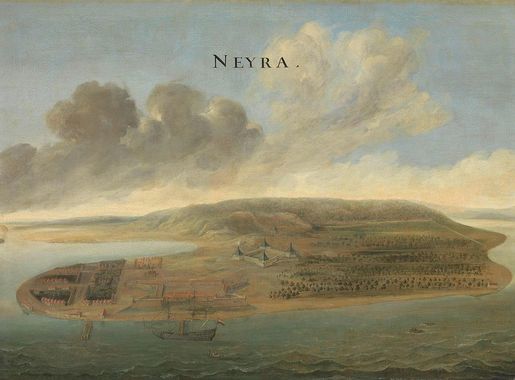
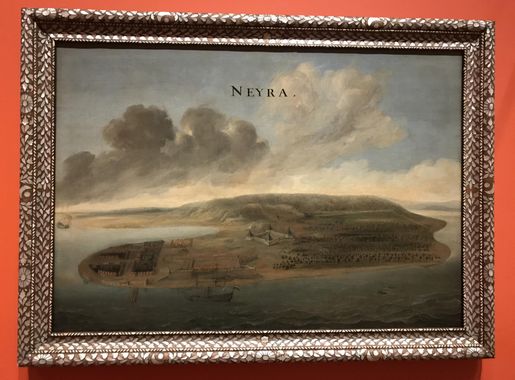


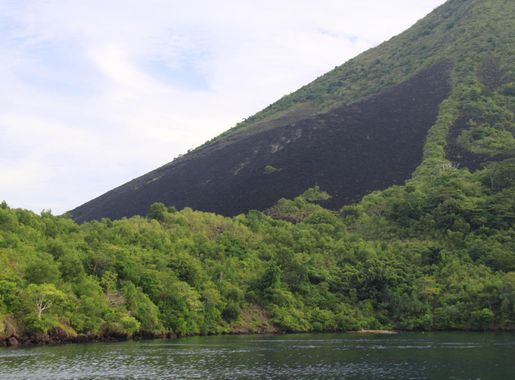


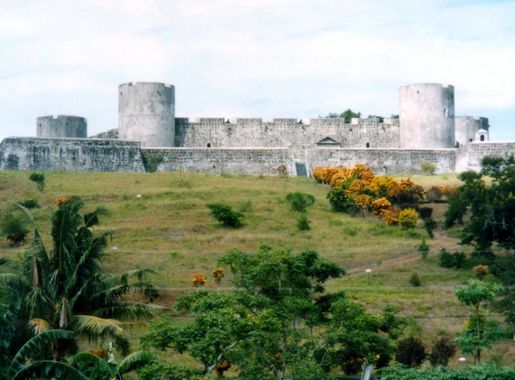


The Enchanting Banda Islands: A Hidden Gem in Indonesia
The Banda Islands, located in the Maluku province of Indonesia, are a cluster of ten small volcanic islands. They are a paradise for travelers seeking pristine nature, rich history, and vibrant marine life. Known as the original Spice Islands, they were once the world's only source of nutmeg and mace, making them a coveted destination for European explorers in the 16th and 17th centuries. The islands' spice heritage can still be felt today, with nutmeg plantations and historic forts scattered throughout the archipelago. The crystal-clear waters surrounding the Banda Islands are a diver's dream. Coral reefs teeming with colorful fish, sea turtles, and even hammerhead sharks await beneath the surface. The waters offer excellent visibility, making it an ideal spot for snorkeling and scuba diving. For those who prefer to stay above water, sailing and fishing are popular activities. The islands also have beautiful white sandy beaches where visitors can relax and soak up the sun. On land, the Banda Islands offer a glimpse into their colonial past with well-preserved Dutch architecture. Fort Belgica, a pentagonal fortress built by the Dutch in the 17th century, provides panoramic views of the islands and the surrounding sea. The town of Bandaneira, the main hub, is charming with its mix of colonial buildings, local markets, and friendly residents. Don't miss the opportunity to hike Gunung Api, an active volcano that offers breathtaking views of the entire archipelago from its summit.