

Free North Kalimantan Travel Guide & Mobile App
Explore North Kalimantan with free travel guides. Discover regional history, expert tips, proposed trips, and audio guides on web or mobile app.


Explore North Kalimantan for rainforest journeys, Bulungan heritage, island coasts, indigenous cultures and Indonesia’s remote Bornean borderlands.
Read more about North Kalimantan
When is the best time to visit North Kalimantan?
Best: February–April · 29–30°C| Month | High (°C) | Rainfall (mm) |
|---|---|---|
| January | 29 | 200 |
| February (best) | 29 | 180 |
| March (best) | 30 | 170 |
| April (best) | 30 | 180 |
| May | 30 | 190 |
| June | 30 | 200 |
| July | 30 | 210 |
| August | 30 | 200 |
| September | 30 | 190 |
| October | 30 | 180 |
| November | 30 | 190 |
| December | 29 | 200 |
Getting to and around North Kalimantan
How to get there
Transportation
Destinations in North Kalimantan
Resorts, valleys and scenic spots worth a trip of their own.

Swipe for more destinations
Best attractions in North Kalimantan
North Kalimantan’s attractions are defined by scale and setting. Tarakan offers the most accessible combination of urban facilities, wartime history, former oil-industry heritage, mangrove environments and coastal excursions. Around Tanjung Selor and Tanjung Palas, visitors can explore the historical landscape of Bulungan, including royal associations, river settlements and the surrounding countryside. Nunukan provides access to borderland communities, coastal scenery and island environments, while Malinau is the practical staging point for journeys towards the interior. The principal natural attraction is Kayan Mentarang National Park, where extensive rainforest, mountain rivers and wildlife habitats form the setting for demanding, guide-led expeditions rather than conventional sightseeing. The Krayan highlands offer cooler conditions, rice-growing landscapes, forest walks and opportunities to learn about Lundayeh culture. Mangrove trips, river travel, birdwatching, fishing and small-scale community tourism are often more rewarding here than tightly scheduled tours. Conditions, permits and transport should be arranged well in advance, since many of the province’s most significant landscapes have limited visitor infrastructure.
-
Tourist attraction
Melawai Beach
Discover the tranquil beauty of Melawai Beach in Balikpapan, where golden sands meet stunning sunsets and local flavors await.
-
Tourist attraction
Mahakam Lampion Garden
Discover the enchanting Mahakam Lampion Garden, a theme park filled with vibrant lanterns, delightful food, and magical experiences in Samarinda, East Kalimantan.
-
Historical place museum
Istana Kuning
Discover the royal heritage of Central Kalimantan at Istana Kuning, a historical museum showcasing the region's regal past and cultural significance.
-
Tourist attraction
Bukit Matang Kaladan
Discover Bukit Matang Kaladan, a breathtaking hiking destination in South Kalimantan, rich in natural beauty and cultural experiences.


Best landmarks in North Kalimantan
The most important historic landmark area is Tanjung Palas, associated with the former Bulungan Sultanate and situated across the river from Tanjung Selor. Its royal and religious heritage gives the lower Kayan landscape a significance that extends beyond individual buildings. Tarakan’s Second World War memorials, bunkers and military remains mark the island’s importance during the 1942 occupation and the Allied campaign of 1945; they are best understood alongside the city’s petroleum history. The Kayan River is itself a defining geographical landmark, linking the provincial capital and Bulungan’s historic heart with the interior. Farther inland, the forested mountains and river valleys of Kayan Mentarang National Park form North Kalimantan’s great natural landmark, although access is an expedition rather than a casual excursion. The Krayan highlands provide another distinctive landscape, where cultivated valleys, upland ridges and villages reveal the relationship between Lundayeh communities and their environment. Along the coast, mangrove channels and island horizons around Tarakan and Nunukan complete a landmark landscape shaped as much by waterways as by roads.
-
Tourist attraction
Melawai Beach
Experience the breathtaking beauty of Melawai Beach in Balikpapan — where stunning sunsets and rich local culture await every traveler.
-
Recreation center
Khatulistiwa Park
Explore Khatulistiwa Park: A serene recreation center where nature, culture, and the Equator converge in Pontianak, Indonesia.
-
Island
Borneo
Discover the breathtaking landscapes, diverse wildlife, and rich cultural heritage of Borneo, an island paradise in Southeast Asia.
-
Scenic spot
Titik Nol IKN Nusantara
Explore Titik Nol IKN Nusantara, the visionary heart of Indonesia's new capital, surrounded by stunning landscapes and rich cultural significance.
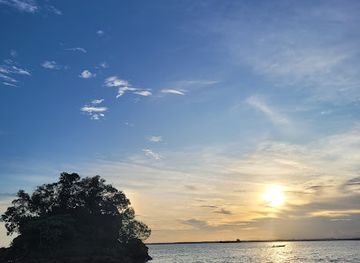


Explore North Kalimantan on the map
Plan your trip on one map. See where the top cities, national parks and sights are, and book hotels and experiences in a few clicks.
Best hotels in North Kalimantan
Best restaurants in North Kalimantan
Dining in North Kalimantan reflects its coast, rivers, forests and connections with other parts of Borneo. Tarakan is the strongest centre for restaurants and markets, with seafood particularly prominent: prawns, crab, fish and squid appear in grilled, fried and spiced dishes, while local eateries also serve Indonesian staples such as nasi campur, noodles and soto. Visitors may encounter nasi subut, a colourful rice dish associated with northern Kalimantan, as well as regional preparations of freshwater fish and preserved seafood. In Nunukan and other coastal settlements, markets reveal influences from maritime trade and neighbouring Bornean communities. Inland meals are more closely tied to rice, vegetables, forest produce and locally raised meat, although availability varies considerably between villages. Food stalls, simple warungs, cafés and family-run restaurants are more common than formal dining rooms, and opening times can be irregular outside urban areas. Carry snacks for long journeys and request a level of chilli suited to your preference.
-
Restaurant
Lemakan Samudra
Experience exquisite seafood dining at Lemakan Samudra in Tarakan – where flavor meets stunning ocean views.
-
Family-friendly
Pusat Kuliner Seluwing
Discover authentic Javanese cuisine at Pusat Kuliner Seluwing – a vibrant family-friendly dining experience in Malinau Kota.
-
Ikan bakar restaurant
RM. CELEBES
Experience authentic Indonesian cuisine at RM. Celebes in Berau—home to mouthwatering grilled fish and warm hospitality.
-
Bakso restaurant
Bakso Enggal Rasa
Experience authentic Indonesian cuisine at Bakso Enggal Rasa - a top destination for bakso lovers in Tanjung Selor.


Best bars in North Kalimantan
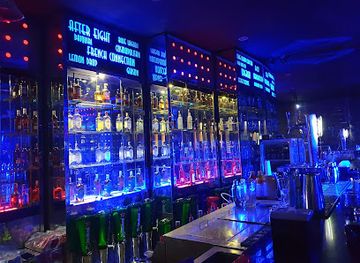
North Kalimantan has a modest evening scene rather than a concentrated nightlife industry. In Tarakan, evenings centre on casual restaurants, coffee shops, food stalls and a limited selection of hotel or city bars, with activity often focused on eating and socialising rather than late-night clubbing. Tanjung Selor and other district towns have smaller scenes built around cafés, karaoke venues and informal gathering places, while coastal towns may become busier around waterfront food areas. In rural and interior communities, nights are generally quiet, and the pleasures are conversation, local food, music and the river or forest setting rather than nightclubs. Visitors should respect local regulations and community expectations around alcohol, especially in villages and near religious sites. Seasonal events and public celebrations can add evening entertainment, but arrangements change, so local noticeboards and accommodation providers are more reliable than assuming a permanent programme.
-
Karaoke bar
INUL VIZTA TARAKAN
Experience the joy of singing at INUL VIZTA TARAKAN, a lively karaoke bar offering a diverse music selection and vibrant atmosphere in Kalimantan.
-
Karaoke bar
MR Fuji Karaoke & Cafe
Experience the joy of singing and savoring delicious food at MR Fuji Karaoke & Cafe in Tarakan City, a perfect blend of fun and flavor.
-
Grill
Oo Moo Grill!
Experience the vibrant flavors of Tarakan at Oo Moo Grill, where every grilled dish is a celebration of local culinary traditions.
-
Cafe
Milkyway Coffee and Milk
Discover the delightful flavors of Milkyway Coffee and Milk, where every cup is crafted with passion in the heart of Tanjung Redeb.


Best nightclubs in North Kalimantan
North Kalimantan has a modest evening scene rather than a concentrated nightlife industry. In Tarakan, evenings centre on casual restaurants, coffee shops, food stalls and a limited selection of hotel or city bars, with activity often focused on eating and socialising rather than late-night clubbing. Tanjung Selor and other district towns have smaller scenes built around cafés, karaoke venues and informal gathering places, while coastal towns may become busier around waterfront food areas. In rural and interior communities, nights are generally quiet, and the pleasures are conversation, local food, music and the river or forest setting rather than nightclubs. Visitors should respect local regulations and community expectations around alcohol, especially in villages and near religious sites. Seasonal events and public celebrations can add evening entertainment, but arrangements change, so local noticeboards and accommodation providers are more reliable than assuming a permanent programme.
-
Night club
Celcius Club.Lounge & KTV
Experience the electrifying nightlife of Samarinda at Celcius Club.Lounge & KTV, where music, drinks, and fun come together for an unforgettable evening.
-
Karaoke bar
Cafe Rindu Malam
Experience the vibrant nightlife of Tarakan City at Cafe Rindu Malam, where karaoke meets delicious local cuisine in a welcoming atmosphere.
-
Karaoke bar
Laguna Karaoke
Experience the vibrant nightlife of Tarakan at Laguna Karaoke, where music, fun, and unforgettable moments await every night.
-
Night club
ICON Indonesia
Discover the ultimate nightlife experience at ICON Indonesia, where vibrant music and karaoke come together in Tarakan City.


Best shops in North Kalimantan
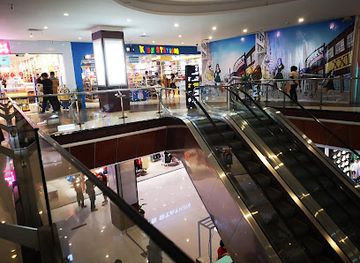
Shopping in North Kalimantan is concentrated in Tarakan, Tanjung Selor, Nunukan and other district centres, where traditional markets are the best places to see the region’s everyday commerce. Expect fresh and dried seafood, tropical produce, spices, snacks, textiles and household goods rather than a large luxury-retail scene. Tarakan offers the broadest choice of modern shops and food products, while smaller towns provide practical markets and locally made items. In areas associated with indigenous communities, visitors may find woven products, beadwork, carved objects or textiles, but these should be bought respectfully and with attention to whether materials are sustainably and legally sourced. Regional food gifts such as packaged snacks, coffee and preserved seafood are easier to transport than fresh produce. Bargaining may be customary in some markets but is not appropriate everywhere; begin politely and accept a fair price. Cash is especially important outside the principal urban areas, where card facilities can be limited.
-
Shopping mall
Duta Mall Banjarmasin
Discover shopping, dining, and entertainment at Duta Mall Banjarmasin, a vibrant hub for tourists in South Kalimantan.
-
Shopping mall
Ayani Megamal
Explore Ayani Megamal in Pontianak: A vibrant shopping mall with diverse retail, dining, and entertainment options for the ultimate experience.
-
Shopping mall
Singkawang Grand Mall
Experience shopping, dining, and entertainment at Singkawang Grand Mall, the premier shopping destination in West Kalimantan.
-
Shopping mall
Toko Kalimantan Souvenir (Oleh - Oleh Tarakan)
Explore a treasure trove of authentic Kalimantan souvenirs at Toko Kalimantan Souvenir, Tarakan's premier shopping destination.



Get your free copy of our complete guide to North Kalimantan, delivered straight to you.
Everything on this page, from attractions and restaurants to essentials and local phrases, in one PDF you can read offline, print or share.
Already have an account? Sign in
Your North Kalimantan guide is ready.
We'll send it to · Not you? Sign out

Getting your guide ready…
We are putting together a fresh copy of the North Kalimantan guide. This can take up to a minute.
This can take a few moments. If your browser asks, choose Allow so the download can start. You'll find the guide in your Downloads folder.
Nothing happened? Download it again
Sorry, the guide is taking longer than usual. Please try again in a minute, or get it by email instead.
North Kalimantan essentials
Currency and Payment
Safety
Emergency Situations
Do's and Don'ts
Local Tips
From Eve
Local phrases worth knowing
You don't need to get them perfect. A few words go a long way, and locals appreciate the effort.
Basics
| English | Local | Say it |
|---|---|---|
| Hello | Halo | [ha-lo] |
| Goodbye | Selamat tinggal | [sə-lə-mat ting-gal] |
| Yes | Iya | [ee-ya] |
| No | Tidak | [tee-dak] |
| Please/You're welcome | Silakan | [see-la-kan] |
| Thank you | Terima kasih | [tə-ree-ma ka-see] |
| Excuse me/Sorry | Maaf | [ma-af] |
| How are you? | Apa kabar? | [a-pa ka-bar] |
| Fine. And you? | Baik. Dan kamu? | [ba-eek. dan ka-moo] |
| Do you speak English? | Apakah kamu bisa berbahasa Inggris? | [a-pa-ka kamu bi-sa ber-ba-ha-sa ing-gris] |
| I don't understand | Saya tidak mengerti | [sa-ya tee-dak meng-er-ti] |
Eating & Drinking
| English | Local | Say it |
|---|---|---|
| I'd like to see the menu, please | Saya ingin melihat menu, silakan | [sa-ya in-gin me-li-hat me-nu, see-la-kan] |
| I don't eat meat | Saya tidak makan daging | [sa-ya tee-dak ma-kan da-ging] |
| Cheers! | Selamat menikmati! | [se-la-mat menik-ma-ti] |
| I would like to pay, please | Saya ingin membayar, silakan | [sa-ya in-gin mem-ba-yar, see-la-kan] |
Emergencies
| English | Local | Say it |
|---|---|---|
| Help! | Tolong! | [to-long] |
| Go away! | Pergi jauh! | [per-gi ja-oh] |
| Call the Police! | Panggil polisi! | [pang-gil po-li-si] |
| Call a doctor! | Panggil dokter! | [pang-gil dok-ter] |
| I'm lost | Saya tersesat | [sa-ya ter-se-sat] |
| I'm ill | Saya sakit | [sa-ya sa-kit] |
Shopping
| English | Local | Say it |
|---|---|---|
| I'd like to buy... | Saya ingin membeli... | [sa-ya in-gin mem-be-li...] |
| I'm just looking | Saya hanya melihat | [sa-ya han-ya me-li-hat] |
| How much is it? | Berapa harganya? | [be-ra-pa har-ga-nya] |
| That's too expensive | Itu terlalu mahal | [ee-tu ter-la-loo ma-hal] |
| Can you lower the price? | Bisakah kamu menurunkan harga? | [bi-sa-kah ka-mu me-nu-run-kan har-ga] |
Time & Numbers
| English | Local | Say it |
|---|---|---|
| What time is it? | Jam berapa? | [jam be-ra-pa] |
| It's one o'clock | Jam satu | [jam sa-tu] |
| Half past (10) | Setengah sebelas | [se-ten-gah se-be-las] |
| Morning | Pagi | [pa-gee] |
| Afternoon | Siang | [si-ang] |
| Evening | Sore | [so-re] |
| Yesterday | Kemarin | [ke-ma-rin] |
| Today | Hari ini | [ha-ri ee-nee] |
| Tomorrow | Besok | [be-sok] |
| 1 | Satu | [sa-tu] |
| 2 | Dua | [du-a] |
| 3 | Tiga | [ti-ga] |
| 4 | Empat | [em-pat] |
| 5 | Lima | [lee-ma] |
| 6 | Enam | [e-nam] |
| 7 | Tujuh | [tu-juh] |
| 8 | Delapan | [de-la-pan] |
| 9 | Sembilan | [sem-bi-lan] |
| 10 | Sepuluh | [se-pu-luh] |
Transport & Directions
| English | Local | Say it |
|---|---|---|
| Where's a/the...? | Di mana ...? | [di ma-na ...?] |
| What's the address? | Apa alamatnya? | [a-pa a-la-mat-nya] |
| Can you show me (on the map)? | Bisakah kamu tunjukkan (di peta)? | [bi-sa-kah ka-mu tun-juk-kan (di pe-ta)?] |
| When's the next (bus)? | Kapan bus berikutnya? | [ka-pan bus be-ri-kut-nya] |
| A ticket (to ....) | Sebuah tiket (ke ....) | [se-buah ti-ket (ke ....)] |
History of North Kalimantan
Early Bornean Communities and River Networks
Long before the modern provincial boundary existed, North Kalimantan was shaped by communities living along rivers, coasts and upland valleys. Archaeological evidence and living cultural traditions point to long-established movement between the interior and the sea, with forest products, rice, salt and other goods exchanged through river systems. Dayak peoples, including Lundayeh and related communities, developed diverse forms of agriculture, settlement and customary law. These networks connected remote areas to wider Bornean trading worlds without creating a single unified political authority across the region.
The Bulungan Sultanate
The Bulungan Sultanate emerged as an important political power in the lower Kayan River region, with its centre at Tanjung Palas. Its influence developed through relationships with inland communities and maritime traders, and Islam became established at the court while local customs continued to shape everyday life. Tanjung Palas remains important for understanding the province’s historical identity, with surviving royal and religious associations near the former sultanate’s centre. Bulungan history demonstrates how coastal politics and interior societies were linked through rivers, kinship and trade.
Colonial Rule and the Petroleum Economy
In the early twentieth century, Dutch colonial interests expanded around Bulungan and Tarakan, whose petroleum resources became economically significant. Oil production transformed Tarakan’s strategic importance, bringing new infrastructure, labour movements and military attention to the island. The industry also connected this remote corner of Borneo to international markets and colonial administration. Although petroleum no longer defines the whole regional economy, Tarakan’s industrial past remains visible in heritage sites, former installations and the city’s place in the history of Borneo’s resource frontier.
Tarakan and the Second World War
Tarakan was occupied by Japan in 1942 because of its oilfields and strategic position. The island became a major battlefield in 1945 when Australian forces, supported by other Allied personnel, fought to remove Japanese troops and regain control of the petroleum facilities. The campaign caused extensive destruction and civilian suffering. Military remains and memorial sites in and around Tarakan provide a tangible, though sometimes understated, reminder of the island’s wartime role. The conflict also altered the settlement, industrial and political landscape of the region.
Post-war Administration and Indonesian Integration
After Indonesian independence, the territory around Bulungan, Tarakan and the northern border was administered within larger political units before gradually receiving more local administrative structures. Its position beside Malaysia gave the area continuing importance in national security, trade and cross-border movement. Development was uneven: coastal towns gained stronger transport links while many interior communities remained dependent on rivers, small airstrips and local economies. The province’s history since independence has therefore involved both state-building and the negotiation of access across a very large, forested territory.
The Formation of North Kalimantan Province
North Kalimantan became Indonesia’s 34th province in 2012, formed from five districts previously administered within East Kalimantan: Bulungan, Malinau, Nunukan, Tana Tidung and the city of Tarakan. Tanjung Selor was designated the provincial capital, while Tarakan retained its role as the principal urban gateway. The new province was intended to bring government and development closer to its northern borderlands, but the distances remain considerable. Its contemporary identity combines indigenous landscapes, maritime trade, border connections and the practical challenges of governing remote Borneo.
North Kalimantan in Photos
Browse through our photo collection highlighting the charm and character of the destination.
Neighbouring regions of North Kalimantan
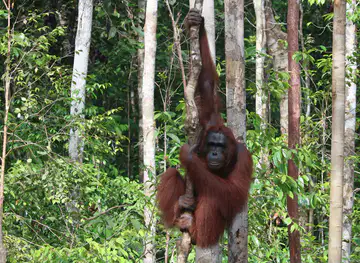
The closest regions to North Kalimantan, if you have time for more than one.
-

-
-

-

-


Swipe for more regions
Explore more

Explore more of Indonesia
Explore Indonesia: An archipelago of diverse cultures, stunning landscapes, and endless adventures from bustling cities to serene beaches.
Explore Indonesia