

West Kalimantan, Indonesia Travel Guide
Discover West Kalimantan: A land of ancient rainforests, rich cultural heritage, and vibrant waterways on the island of Borneo.
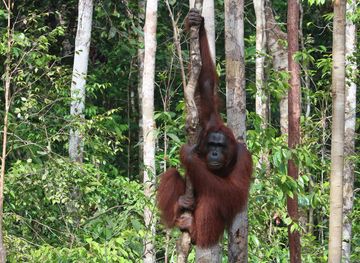
West Kalimantan, located on the island of Borneo, is a treasure trove of natural beauty and cultural heritage. The region is renowned for its dense rainforests, which are home to diverse flora and fauna. These forests offer visitors a chance to experience nature in its purest form, with opportunities for jungle trekking, wildlife spotting, and exploring unique ecosystems. The area is particularly famous for its orangutan populations, and several conservation centers allow tourists to observe these magnificent creatures up close. The cultural tapestry of West Kalimantan is equally captivating. The indigenous Dayak tribes, known for their rich traditions and vibrant festivals, offer a glimpse into a way of life that has remained largely unchanged for centuries. Visitors can explore traditional longhouses, participate in local ceremonies, and purchase intricate handicrafts directly from artisans. The blend of Malay, Chinese, and indigenous influences creates a unique cultural mosaic that is evident in the region's cuisine, architecture, and daily life. Apart from its natural and cultural attractions, West Kalimantan is also known for its waterways. The Kapuas River, the longest river in Indonesia, flows through the heart of the region and is a vital part of local life. River cruises provide a relaxing way to see the landscape and visit remote villages. The region's capital, Pontianak, straddles the equator and features a monument marking this unique geographical location. Pontianak also offers a range of urban attractions, including bustling markets, historic sites, and delicious street food.

Know before you go
Hi, I'm Eve. Here are a few practical things to know before exploring West Kalimantan.
- Visit in the dry season (June to September) for the best weather conditions.
- Bring insect repellent and long sleeves for jungle treks to protect against mosquitoes.
- Try local dishes like ayam penyet and soto Pontianak for an authentic culinary experience.
- Respect local customs and traditions, especially when visiting Dayak villages.
- Hire a local guide for a deeper understanding of the area's natural and cultural attractions.
Destinations in West Kalimantan
Resorts, valleys and scenic spots worth a trip of their own.

Explore West Kalimantan: Things to Do, Places to Eat, Hotels & More
Handpicked recommendations for top attractions, local dining, accommodations, and more

Top Attractions & Sightseeing in West Kalimantan
Top-rated picks
Best Attractions

Catedral Church of St. Joseph
Explore the exquisite Catedral Church of St. Joseph in Pontianak, a stunning blend of spiritual serenity and architectural beauty.

Dayang Resort & Hotel
Experience the ultimate tropical getaway at Dayang Resort & Hotel in Singkawang, where relaxation meets adventure amidst stunning natural beauty.

Waterpark Paradis Q
Dive into adventure at Waterpark Paradis Q, the ultimate waterpark experience in Kubu Raya, where fun awaits for all ages.

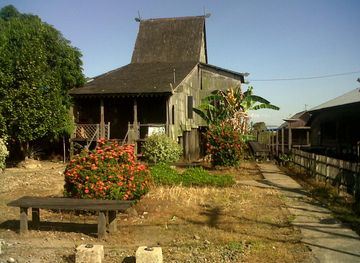
Rumah Adat Melayu
Discover the architectural beauty and cultural richness of Rumah Adat Melayu, a key landmark in Pontianak showcasing Malay heritage.

Best landmarks in West Kalimantan
Top-rated picks
Best Landmarks

Khatulistiwa Park
Experience the unique charm of Khatulistiwa Park, where the equator meets culture in the heart of Pontianak, Indonesia.

Supadio International Airport
Supadio International Airport: Your gateway to the breathtaking landscapes and rich culture of West Kalimantan.

West Kalimantan Radakng House
Explore the vibrant culture and traditions of West Kalimantan at Radakng House, a captivating cultural center in Pontianak.

Borneo
Discover the breathtaking beauty of Borneo, where lush rainforests, diverse wildlife, and rich cultures await every adventurer.

Best restaurants in West Kalimantan
Top-rated picks
Best Restaurants
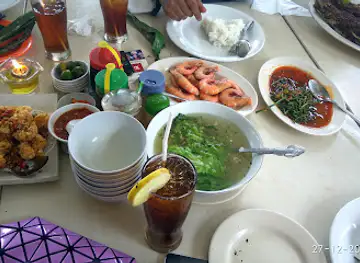
Restoran Pondok Kakap
Experience exquisite seafood dining at Restoran Pondok Kakap in Pontianak—where fresh ingredients meet authentic Indonesian flavors.

Gleam Chaikue & Resto
Experience authentic Indonesian flavors at Gleam Chaikue & Resto in Pontianak – where every dish tells a story.
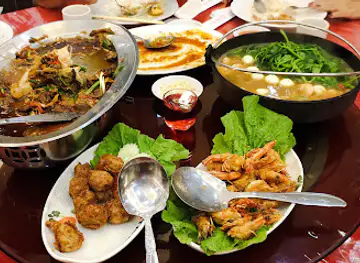
Restaurant Gajah Mada
Discover authentic Indonesian flavors at Restaurant Gajah Mada in Pontianak – a must-visit for culinary enthusiasts.

The Urban Garden Resto
Discover exquisite seafood dining at The Urban Garden Resto in Pontianak – where nature meets culinary excellence.

Best bars in West Kalimantan
Top-rated picks
Best Bars

Happy Puppy Karaoke Keluarga
Experience the joy of singing at Happy Puppy Karaoke Keluarga in Pontianak, the ultimate karaoke destination for family fun and entertainment.

Terrazza Steak House Pontianak
Discover the exquisite flavors of Terrazza Steak House in Pontianak, where every bite is a celebration of Western culinary traditions.

KLUWILAND -PTK
Experience the best of Pontianak's nightlife at KLUWILAND -PTK, where vibrant cocktails and live music await every visitor.

Eight Sky Cafe & Lounge
Experience the perfect blend of relaxation and culinary delight at Eight Sky Cafe & Lounge in Pontianak, where stunning views meet exceptional cuisine.

Best nightclubs in West Kalimantan
Top-rated picks
Best Nightclubs

Eight Sky Cafe & Lounge
Discover the perfect blend of ambiance, cuisine, and views at Eight Sky Cafe & Lounge in Pontianak, where every meal is a feast for the senses.

Rain Luxury KTV & Lounge Pontianak
Unleash your inner star at Rain Luxury KTV & Lounge in Pontianak - where luxury meets unforgettable karaoke nights.

Discotheque Lounge ASTON HOTEL
Discover the vibrant nightlife at Discotheque Lounge ASTON HOTEL, where music, dance, and excitement converge in Ketapang Regency.

Ibizza Club
Discover the vibrant nightlife of Pontianak at Ibizza Club, where electrifying music and an energetic atmosphere await every night.

Best shops in West Kalimantan
Top-rated picks
Best Shops

Ayani Megamal
Discover Ayani Megamal in Pontianak, a vibrant shopping mall with diverse stores, delicious dining options, and exciting entertainment for the whole family.

Singkawang Grand Mall
Experience shopping and entertainment at Singkawang Grand Mall, a vibrant hub in West Kalimantan offering diverse retail and dining options.

Gaia Bumi Raya City
Discover the vibrant shopping and dining experience at Gaia Bumi Raya City, the ultimate destination in West Kalimantan for tourists and locals alike.

Kaisar Supermarket And Department Store
Discover the vibrant shopping experience at Kaisar Supermarket and Department Store in Pontianak, where local culture meets global goods.

Explore West Kalimantan on the Map
A handpicked selection of must-see spots in West Kalimantan, mapped for you.
West Kalimantan Essentials
-
West Kalimantan can be accessed primarily through the Supadio International Airport (PNK) in Pontianak, the province's capital. The airport is well connected with several major Indonesian cities like Jakarta, Surabaya, and Batam. There are also some international flights from neighboring countries. From the airport, you can take a taxi or use ride-hailing apps to reach your destination within Pontianak or other parts of West Kalimantan.
-
In West Kalimantan, public transportation options include buses, angkot (shared minivans), and becak (pedicabs). For longer distances, you can use intercity buses or rent a car. Motorbike rentals are also popular for short distances. Ride-hailing services like Gojek and Grab are available in Pontianak and other major towns. For more remote areas, river transport via traditional boats is often used.
-
The official currency in Indonesia is the Indonesian Rupiah (IDR). Credit cards are accepted in larger hotels, restaurants, and malls, but cash is still king in smaller establishments and rural areas. ATMs are widely available in cities and towns, but it's advisable to carry enough cash when traveling to remote areas. Currency exchange services can be found at the airport and in major cities.
-
West Kalimantan is generally safe for tourists, but like any travel destination, it's important to remain cautious. Avoid walking alone at night, particularly in less populated areas. Petty crimes like pickpocketing can occur in crowded places such as markets and bus terminals, so keep an eye on your belongings. Some neighborhoods in Pontianak may have higher crime rates, so it's best to consult locals or your accommodation for advice on which areas to avoid.
-
In case of an emergency, dial 112 for police assistance or 113 for medical emergencies. Major hospitals and clinics are available in Pontianak and other large towns. It’s advisable to carry a basic first aid kit and any necessary medications. Having travel insurance that covers medical emergencies is highly recommended. Pharmacies are available in towns for minor health issues.
-
Fashion: Do dress modestly, especially when visiting religious sites. Avoid wearing overly revealing clothing. Religion: Do respect local customs and traditions. Remove your shoes before entering homes or mosques. Public Transport: Do be respectful and give up your seat to elderly or disabled passengers. Don't eat or drink on public transport. Greetings: Do greet people with a friendly 'Selamat pagi' (Good morning) or 'Selamat siang' (Good afternoon). A slight bow of the head is also a sign of respect. Eating & Drinking: Do try local delicacies like 'soto' and 'ikan bakar'. Don't refuse food or drink offerings, as it is considered impolite.
-
To experience West Kalimantan like a local, visit traditional markets such as Pasar Pagi and Pasar Tengah in Pontianak. Engage in conversations with locals; they are generally friendly and eager to share their culture. Don't miss the chance to take a river cruise along the Kapuas River, the longest river in Indonesia. Visiting the Equator Monument and trying out local coffee shops are also highly recommended.
When is the best time to visit West Kalimantan?
Useful Local Phrases for West Kalimantan
You don't need to speak the language perfectly. Even learning a few simple words can make conversations warmer—and locals usually appreciate the effort.
— Eve

Here are the phrases I use most often in West Kalimantan. Try a few—you'll be surprised how far they go! 😊
❤️
-
- HelloHalo
[ha-lo] - GoodbyeSelamat tinggal
[se-la-mat ting-gal] - YesIya
[ee-ya] - NoTidak
[ti-dak] - Please/You’re welcomeSilakan/Sama-sama
[si-la-kan/sa-ma sa-ma] - Thank youTerima kasih
[te-ri-ma ka-sih] - Excuse me/SorryMaaf
[ma-af] - How are you?Apa kabar?
[a-pa ka-bar] - Fine. And you?Baik. Dan kamu?
[ba-ik. dan ka-mu] - Do you speak English?Apakah kamu bisa berbahasa Inggris?
[a-pa-kah ka-mu bi-sa ber-ba-ha-sa ing-gris] - I don't understandSaya tidak mengerti
[sa-ya ti-dak meng-er-ti]
- HelloHalo
-
- I’d like to see the menu, pleaseSaya ingin melihat menu, silakan
[sa-ya in-gin me-li-hat me-nu, si-la-kan] - I don't eat meatSaya tidak makan daging
[sa-ya ti-dak ma-kan da-ging] - Cheers!Bersulang!
[ber-su-lang] - I would like to pay, pleaseSaya ingin membayar, silakan
[sa-ya in-gin mem-ba-yar, si-la-kan]
- I’d like to see the menu, pleaseSaya ingin melihat menu, silakan
-
- Help!Tolong!
[to-long] - Go away!Pergi jauh!
[per-gi ja-uh] - Call the Police!Panggil Polisi!
[pang-gil po-li-si] - Call a doctor!Panggil dokter!
[pang-gil dok-ter] - I’m lostSaya tersesat
[sa-ya ter-se-sat] - I’m illSaya sakit
[sa-ya sa-kit]
- Help!Tolong!
-
- I’d like to buy...Saya ingin membeli...
[sa-ya in-gin mem-be-li] - I’m just lookingSaya hanya melihat
[sa-ya han-ya me-li-hat] - How much is it?Berapa harganya?
[be-ra-pa har-ga-nya] - That’s too expensiveItu terlalu mahal
[i-tu ter-la-lu ma-hal] - Can you lower the price?Bisakah Anda menurunkan harga?
[bi-sa-kah an-da me-nu-run-kan har-ga]
- I’d like to buy...Saya ingin membeli...
-
- What time is it?Jam berapa?
[jam be-ra-pa] - It’s one o’clockJam satu
[jam sa-tu] - Half past (10)Setengah (10)
[se-ten-gah (10)] - MorningPagi
[pa-gi] - AfternoonSore
[so-re] - EveningMalam
[ma-lam] - YesterdayKemarin
[ke-ma-rin] - TodayHari ini
[ha-ri i-ni] - TomorrowBesok
[be-sok] - 1Satu
[sa-tu] - 2Dua
[du-a] - 3Tiga
[ti-ga] - 4Empat
[em-pat] - 5Lima
[li-ma] - 6Enam
[e-nam] - 7Tujuh
[tu-juh] - 8Delapan
[de-la-pan] - 9Sembilan
[sem-bi-lan] - 10Sepuluh
[se-pu-luh]
- What time is it?Jam berapa?
-
- Where's a/the...?Di mana...?
[di ma-na] - What's the address?Apa alamatnya?
[a-pa a-la-mat-nya] - Can you show me (on the map)?Bisakah kamu menunjukkan (di peta)?
[bi-sa-kah ka-mu me-nun-juk-kan (di pe-ta)] - When's the next (bus)?Kapan bus berikutnya?
[ka-pan bus be-ri-kut-nya] - A ticket (to ....)Tiket (ke ....)
[ti-ket (ke ....)]
- Where's a/the...?Di mana...?
History of West Kalimantan
-
Pontianak, the capital of West Kalimantan, was founded in 1771 by Sultan Syarif Abdurrahman Alkadrie. Legend has it that the city was established on the site of a former ghostly apparition, or 'pontianak,' which haunted the area. The Sultan overcame these supernatural forces and established a thriving trading port that became a melting pot of various cultures, including Malay, Chinese, and Dayak communities.
-
In the 14th and 15th centuries, the powerful Majapahit Empire extended its influence over parts of West Kalimantan. This period saw the introduction of Hindu-Buddhist culture, which left a lasting impact on the region's architecture, art, and local customs. Temples and artifacts from this era can still be found, showcasing the region's rich historical tapestry.
-
The Dayak tribes are the indigenous people of West Kalimantan, known for their deep connection with the land and their intricate knowledge of the rainforests. They have maintained their unique cultural heritage, including traditional longhouses, elaborate tattoos, and vibrant festivals like the Naik Dango, which celebrates the rice harvest. Their history is a testament to their resilience and adaptability in the face of external pressures.
-
West Kalimantan's strategic location along the Spice Route attracted European colonial powers in the 17th century. The Dutch East India Company (VOC) established a presence in the region, leading to the development of plantations and the exploitation of natural resources. This period was marked by conflicts and negotiations between the Dutch, local sultans, and indigenous tribes, forever altering the social and economic landscape of West Kalimantan.
-
During World War II, West Kalimantan fell under Japanese occupation from 1942 to 1945. The Japanese military administration imposed harsh conditions, forced labor, and significant suffering on the local population. This period also saw the emergence of local resistance movements, which played a crucial role in the eventual liberation and the fight for Indonesian independence.
-
After Indonesia gained independence in 1949, West Kalimantan underwent significant changes. Efforts were made to integrate the region into the newly formed Republic of Indonesia, leading to infrastructural development, economic diversification, and social reforms. The Trans-Kalimantan Highway, for instance, improved connectivity and fostered economic growth, while educational and healthcare initiatives aimed to uplift the local communities.
-
West Kalimantan is known for its vibrant cultural festivals that reflect its diverse heritage. The Cap Go Meh festival in Singkawang is one of the most spectacular events, featuring dragon dances, Tatung rituals, and an array of traditional performances. Similarly, the Gawai Dayak festival celebrates the rich traditions of the Dayak people with music, dance, and traditional ceremonies, highlighting the region's cultural richness and communal spirit.
-
In recent decades, there has been a growing emphasis on conservation and sustainable tourism in West Kalimantan. Efforts to protect the region's unique biodiversity, such as the Gunung Palung National Park and Danau Sentarum National Park, have gained momentum. These initiatives aim to preserve the natural habitat of endangered species like orangutans and promote ecotourism, providing visitors with an opportunity to experience the pristine beauty of West Kalimantan's rainforests while supporting local conservation efforts.
Neighbouring Regions of West Kalimantan
The closest regions to West Kalimantan, if you have time for more than one.


Your all‑in‑one travel companion app
Explore expert travel guides, compare and book tours, experiences, hotels, and more—all from the palm of your hand. Download now for seamless trip planning wherever your wanderlust takes you.


Explore More of Indonesia

Looking beyond West Kalimantan? Discover Indonesia for broader travel guides, local hot-spots, and regional highlights.
Explore IndonesiaWest Kalimantan in Photos
Browse through our photo collection highlighting the charm and character of the destination.


The Enchanting Wilderness of West Kalimantan
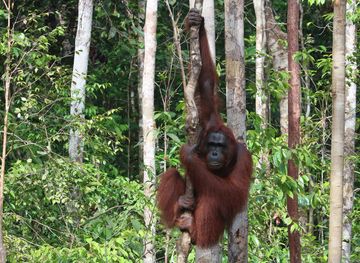
West Kalimantan, located on the island of Borneo, is a treasure trove of natural beauty and cultural heritage. The region is renowned for its dense rainforests, which are home to diverse flora and fauna. These forests offer visitors a chance to experience nature in its purest form, with opportunities for jungle trekking, wildlife spotting, and exploring unique ecosystems. The area is particularly famous for its orangutan populations, and several conservation centers allow tourists to observe these magnificent creatures up close. The cultural tapestry of West Kalimantan is equally captivating. The indigenous Dayak tribes, known for their rich traditions and vibrant festivals, offer a glimpse into a way of life that has remained largely unchanged for centuries. Visitors can explore traditional longhouses, participate in local ceremonies, and purchase intricate handicrafts directly from artisans. The blend of Malay, Chinese, and indigenous influences creates a unique cultural mosaic that is evident in the region's cuisine, architecture, and daily life. Apart from its natural and cultural attractions, West Kalimantan is also known for its waterways. The Kapuas River, the longest river in Indonesia, flows through the heart of the region and is a vital part of local life. River cruises provide a relaxing way to see the landscape and visit remote villages. The region's capital, Pontianak, straddles the equator and features a monument marking this unique geographical location. Pontianak also offers a range of urban attractions, including bustling markets, historic sites, and delicious street food.