

Free Eastern Iowa Travel Guide & Mobile App
Explore Eastern Iowa with free travel guides. Discover regional history, expert tips, proposed trips, and audio guides on web or mobile app.


Explore Eastern Iowa for Mississippi River bluffs, historic towns, university culture, museums, cycling trails and farm-to-table Midwestern food.
Read more about Eastern Iowa
Getting to and around Eastern Iowa
How to get there
Transportation
Top city travel guides in Eastern Iowa
The cities of Eastern Iowa, and the easiest places to base yourself.
-

-

-

-
-

-


Swipe for more cities
Destinations in Eastern Iowa
Resorts, valleys and scenic spots worth a trip of their own.
-

-

-

-

-

-


Swipe for more destinations
Best attractions in Eastern Iowa
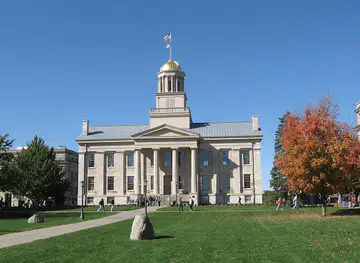
Eastern Iowa's attractions range from urban museums and university collections to river landscapes, historic settlements and outdoor recreation. Dubuque offers a concentrated mix of Mississippi waterfront heritage, cultural institutions, scenic parks and access to the bluffs of the Driftless Area. The National Mississippi River Museum & Aquarium interprets the river's ecology and working history, while nearby trails and overlooks reveal the landscape beyond the city. Cedar Rapids is known for the National Czech & Slovak Museum & Library, the Cedar Rapids Museum of Art and the reconstructed history associated with the city's long industrial and immigrant story. Iowa City combines the Old Capitol, university museums, literary culture and walkable central streets. Around the Quad Cities, visitors can explore riverfront trails, museums, historic districts and local arts venues. Rural eastern Iowa adds state parks, wildlife areas, cycling routes, farm landscapes and small-town courthouses, with the hillier northeast offering especially rewarding drives and hikes. The Amana Colonies, west of the main eastern corridor, provide a nearby heritage excursion centred on communal German settlement, historic buildings, food and craft traditions.
-
State park
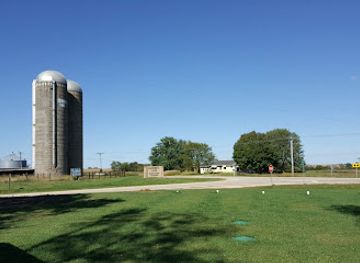
Maquoketa Caves State Park
Experience the natural beauty and adventure of Maquoketa Caves State Park, a top destination for outdoor enthusiasts in Iowa.
-
Tourist attraction
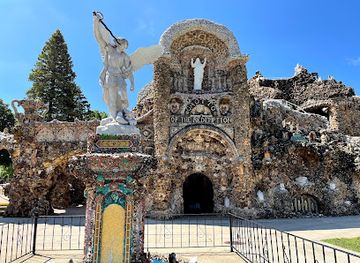
Shrine of the Grotto of the Redemption
Discover the breathtaking Shrine of the Grotto of the Redemption in West Bend, Iowa, an artistic masterpiece blending faith and nature.
-
State park
Pikes Peak State Park
Experience breathtaking views, diverse hiking trails, and serene picnic spots at Pikes Peak State Park in Iowa - a natural gem for outdoor lovers.
-
Historical landmark
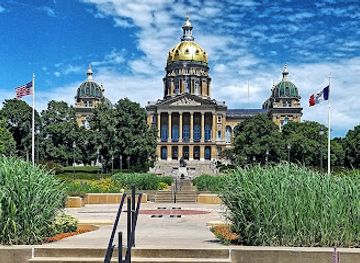
Iowa State Capitol
Discover the architectural beauty and rich history of the Iowa State Capitol, a must-see landmark in Des Moines, Iowa.

Best landmarks in Eastern Iowa
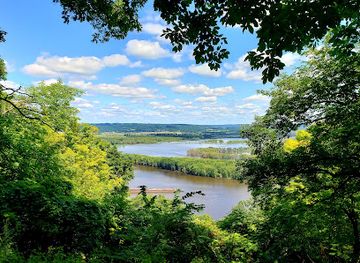
The Mississippi River is Eastern Iowa's defining natural landmark, particularly where it passes the limestone bluffs and wooded valleys around Dubuque and the northeastern river communities. Dubuque's historic downtown, with its nineteenth-century commercial architecture rising from the riverfront towards the hills, reflects the city's origins in mining, trade and shipping. Iowa City's Old Capitol is one of the region's most recognisable civic buildings and represents the city's early role as Iowa's first capital; the surrounding university campus adds an important institutional layer. Cedar Rapids' National Czech & Slovak Museum & Library is a prominent cultural landmark whose exhibitions and architecture express the area's Central European heritage. The historic villages of the Amana Colonies, west of the main river corridor, preserve communal-era churches, homes, workshops and public buildings. Along the wider Mississippi corridor, bridges, levees, industrial remnants and riverfront parks show how transport, flood management and commerce shaped settlement. The region's bluffs and broad river views are landmarks in their own right, offering a visual contrast to the flatter farmland that dominates much of inland Iowa.
-
 Sculpture museum
Pappajohn Sculpture Park
Explore the artistic brilliance of Pappajohn Sculpture Park, a premier outdoor art gallery in Des Moines showcasing contemporary masterpieces.
-
State park
Maquoketa Caves State Park
Discover the magical beauty of Maquoketa Caves State Park in Iowa, where stunning caves and scenic trails await your adventure.
-
State park
Pikes Peak State Park
Discover the breathtaking views and outdoor adventures at Pikes Peak State Park, Iowa's premier destination for nature lovers and outdoor enthusiasts.
-
Historical landmark
Iowa State Capitol
Explore the stunning Iowa State Capitol, a historical landmark in Des Moines, where art, architecture, and democracy come together in a breathtaking setting.

Explore Eastern Iowa on the map
Plan your trip on one map. See where the top cities, national parks and sights are, and book hotels and experiences in a few clicks.
Best hotels in Eastern Iowa
Best restaurants in Eastern Iowa
Dining in Eastern Iowa reflects both its agricultural setting and its river-and-immigration history. Menus commonly feature Iowa pork, beef, sweet corn, apples, seasonal vegetables and locally made baked goods, while farm stands and farmers' markets provide a more direct connection with regional producers. Cedar Rapids has a visible Czech and Slovak culinary heritage, including kolaches and other Central European-influenced baking, alongside contemporary restaurants and international food. Iowa City supports a broad restaurant scene shaped by the university, with independent cafés, casual dining and cuisines from around the world. Dubuque and the Quad Cities combine traditional American restaurants, river-town establishments, breweries and more modern kitchens. Rural communities are well suited to family restaurants, cafés, bakeries and country inns, while the Amana Colonies are associated with German-influenced dishes and communal-settlement heritage. Local craft beer and cider are increasingly common, but the region's food identity is best understood through its seasonal produce, immigrant traditions and practical Midwestern cooking rather than a single signature dish.
-
Hamburger
Zombie Burger + Drink Lab
Experience the unique flavors of Zombie Burger + Drink Lab in Des Moines, where creative burgers meet an electrifying atmosphere.
-
Barbecue
Jethro’s ‘n Jakes Smokehouse Steaks
Experience mouthwatering barbecue and succulent steaks at Jethro's 'n Jakes Smokehouse Steaks in Altoona - a must-visit for food lovers.
-
Restaurant
The Iowa Taproom
Discover The Iowa Taproom: Your ultimate destination for craft beer and delicious American cuisine in Des Moines.
-
Grill
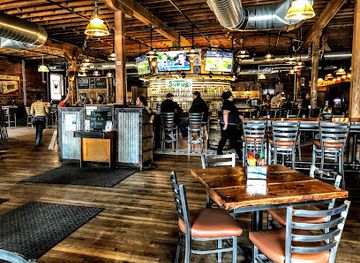
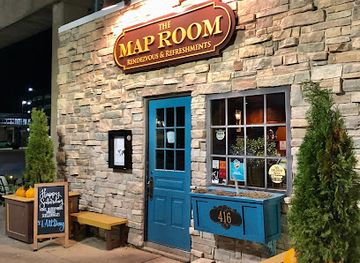
The Map Room
Savor unique burgers and craft beers at The Map Room, Cedar Rapids' top grill for food lovers seeking flavor and fun.
Best bars in Eastern Iowa
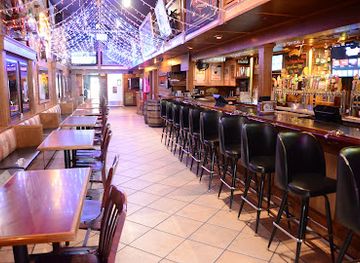
Evening life in Eastern Iowa is concentrated in Iowa City, Cedar Rapids, Dubuque and the Quad Cities, with smaller communities relying more heavily on pubs, restaurants, breweries and occasional live-music events. Iowa City has the largest student-oriented nightlife, including bars, music venues and late-evening cafés around the central and university districts. Cedar Rapids and Dubuque offer a mix of neighbourhood bars, historic drinking places, breweries, cocktail-focused venues, theatres and local music. The Quad Cities provide a wider spread of evening entertainment across the Iowa and Illinois sides, although individual venues are outside Eastern Iowa when they lie across the state line. In rural towns, evenings tend to centre on community events, taverns, seasonal festivals and dining rather than nightclubs. Check current arrangements before travelling, as smaller venues and performance schedules can change, and remember that alcohol is only one part of the region's cultural life.
-
Restaurant
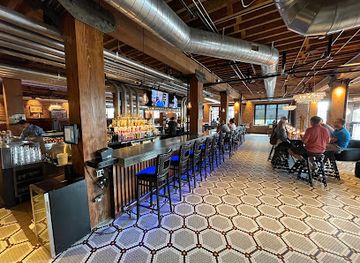
Black Sheep Social Club
Experience the vibrant culinary scene at Black Sheep Social Club, where delicious dishes and craft beverages await in Cedar Rapids.
-
Seafood
Bluff Lake Catfish Farm
Discover the tranquil charm and delicious seafood offerings at Bluff Lake Catfish Farm in Maquoketa, Iowa, a perfect family-friendly dining experience.
-
Grill
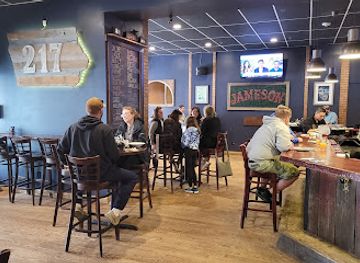
Pub 217
Discover Cedar Rapids' vibrant dining scene at Pub 217, where delicious grilled dishes and a lively atmosphere await you.
-
Grill
Bricks Bar & Grill
Experience the vibrant flavors and welcoming atmosphere of Bricks Bar & Grill, a culinary hotspot in Cedar Rapids, Iowa.

Best nightclubs in Eastern Iowa
Evening life in Eastern Iowa is concentrated in Iowa City, Cedar Rapids, Dubuque and the Quad Cities, with smaller communities relying more heavily on pubs, restaurants, breweries and occasional live-music events. Iowa City has the largest student-oriented nightlife, including bars, music venues and late-evening cafés around the central and university districts. Cedar Rapids and Dubuque offer a mix of neighbourhood bars, historic drinking places, breweries, cocktail-focused venues, theatres and local music. The Quad Cities provide a wider spread of evening entertainment across the Iowa and Illinois sides, although individual venues are outside Eastern Iowa when they lie across the state line. In rural towns, evenings tend to centre on community events, taverns, seasonal festivals and dining rather than nightclubs. Check current arrangements before travelling, as smaller venues and performance schedules can change, and remember that alcohol is only one part of the region's cultural life.
-
Lounge
Blue Room
Discover the vibrant atmosphere of Blue Room Lounge in Cedar Falls, Iowa, offering a delightful selection of drinks and live entertainment.
-
Night club
El Señor Tequila Night Club
Discover the pulse of Waterloo's nightlife at El Señor Tequila Night Club, where music, dance, and vibrant energy come together for unforgettable nights.


Best shops in Eastern Iowa
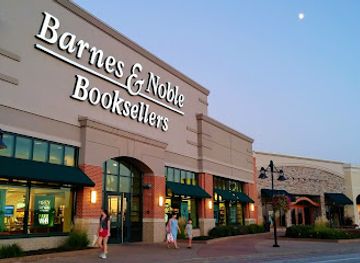
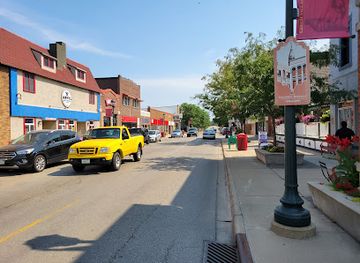
Shopping in Eastern Iowa ranges from independent city districts and university-area bookstores to small-town main streets, antique shops, galleries and seasonal markets. Iowa City is the region's strongest centre for books, arts-related retail, independent clothing and locally oriented food shops, with a customer base influenced by the university. Cedar Rapids offers galleries, specialist stores, central-city shopping and products connected with its Czech and Slovak heritage. Dubuque's historic downtown combines locally owned shops, antiques, art and gifts with cafés and river-town architecture, while the Quad Cities provide broader retail choice across several urban centres. Farmers' markets and farm stands are useful for sweet corn, apples, preserves, baked goods, honey, seasonal vegetables and locally made treats; availability varies by season. The Amana Colonies are associated with crafts, textiles, food products and heritage-oriented shops, making them a practical stop for regionally themed gifts. In smaller towns, browsing the courthouse square and main street is often more rewarding than seeking a large shopping centre, particularly when looking for handmade goods, local art or agricultural products.
-
Shopping mall
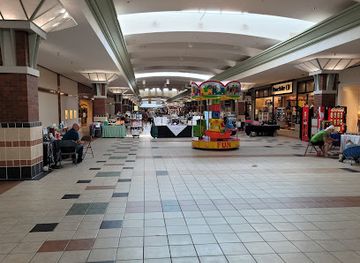
Coral Ridge Mall
Discover endless shopping, dining, and entertainment at Coral Ridge Mall in Coralville, Iowa—a must-visit for every traveler.
-
Market
The District: Czech Village & New Bohemia
Explore The District: Czech Village & New Bohemia, a vibrant market in Cedar Rapids, Iowa, rich in culture, shops, dining, and local events.
-
Shopping mall
Lindale Mall
Explore Lindale Mall in Cedar Rapids: Your ultimate shopping destination with diverse stores, dining options, and family-friendly activities.
-
Car dealer
Brad Deery Motors
Explore Brad Deery Motors in Maquoketa, Iowa, where exceptional vehicles and outstanding service meet Midwestern hospitality.

Get your free copy of our complete guide to Eastern Iowa, delivered straight to you.
Everything on this page, from attractions and restaurants to essentials and local phrases, in one PDF you can read offline, print or share.
Already have an account? Sign in
Your Eastern Iowa guide is ready.
We'll send it to · Not you? Sign out

Getting your guide ready…
We are putting together a fresh copy of the Eastern Iowa guide. This can take up to a minute.
This can take a few moments. If your browser asks, choose Allow so the download can start. You'll find the guide in your Downloads folder.
Nothing happened? Download it again
Sorry, the guide is taking longer than usual. Please try again in a minute, or get it by email instead.
Eastern Iowa essentials
Currency and Payment
Safety
Emergency Situations
Do's and Don'ts
Local Tips
From Eve
Local phrases worth knowing
You don't need to get them perfect. A few words go a long way, and locals appreciate the effort.
Basics
| English | Local | Say it |
|---|---|---|
| Hello | Hi | [hai] |
| Goodbye | See ya | [si yah] |
| Yes | Yep | [yehp] |
| No | Nah | [nah] |
| Please/You're welcome | Please/No problem | [pleez/no prob-lum] |
| Thank you | Thanks | [thangs] |
| Excuse me/Sorry | Excuse me/Sorry | [eks-kyoos mee/sor-ee] |
| How are you? | How's it going? | [howz it goin?] |
| Fine. And you? | Good. And you? | [gud. and you?] |
| Do you speak English? | You speak English? | [you speak ing-glish?] |
| I don't understand | I don't get it | [I don’t get it] |
Eating & Drinking
| English | Local | Say it |
|---|---|---|
| I'd like to see the menu, please | Can I see the menu? | [kan I see the men-yoo?] |
| I don't eat meat | I'm a vegetarian | [I’m a veh-juh-ter-ee-uhn] |
| Cheers! | Cheers! | [cheerz] |
| I would like to pay, please | Can I get the check? | [kan I get the chek?] |
Emergencies
| English | Local | Say it |
|---|---|---|
| Help! | Help! | [help] |
| Go away! | Leave me alone! | [leev mee uh-lone] |
| Call the Police! | Call the cops! | [call the kops] |
| Call a doctor! | Get a doctor! | [get a dok-tor] |
| I'm lost | I'm turned around | [I'm turnd uh-round] |
| I'm ill | I'm not feeling well | [I'm not feel-ing wel] |
Shopping
| English | Local | Say it |
|---|---|---|
| I'd like to buy... | I want to buy... | [I want to buy...] |
| I'm just looking | Just browsing | [just brows-ing] |
| How much is it? | What’s the price? | [what’s the price?] |
| That's too expensive | That's pricey | [that's pry-see] |
| Can you lower the price? | Can you make it cheaper? | [kan you make it chee-per?] |
Time & Numbers
| English | Local | Say it |
|---|---|---|
| What time is it? | What time? | [what time?] |
| It's one o'clock | It's one | [it's wun] |
| Half past (10) | Half past ten | [half past ten] |
| Morning | Morning | [mor-ning] |
| Afternoon | Afternoon | [af-ter-noon] |
| Evening | Evening | [eev-ning] |
| Yesterday | Yesterday | [yes-ter-day] |
| Today | Today | [to-day] |
| Tomorrow | Tomorrow | [to-mor-row] |
| 1 | One | [wun] |
| 2 | Two | [too] |
| 3 | Three | [three] |
| 4 | Four | [for] |
| 5 | Five | [fiv] |
| 6 | Six | [siks] |
| 7 | Seven | [sev-en] |
| 8 | Eight | [ate] |
| 9 | Nine | [nyn] |
| 10 | Ten | [ten] |
Transport & Directions
| English | Local | Say it |
|---|---|---|
| Where's a/the...? | Where's the...? | [where's the...?] |
| What's the address? | What’s the address? | [what’s the ad-dress?] |
| Can you show me (on the map)? | Can you point it out? | [kan you point it out?] |
| When's the next (bus)? | When's the next bus? | [when's the next bus?] |
| A ticket (to ....) | One ticket to... | [wun tik-it to...] |
History of Eastern Iowa
Indigenous homelands and river cultures
Eastern Iowa has long been shaped by Indigenous peoples, particularly through the Mississippi and Cedar river systems. The region lies within the wider homelands and historical spheres of peoples including the Meskwaki, Ho-Chunk, Ioway, Sauk and Fox, and Dakota communities, although their histories and present-day identities should not be reduced to a single regional narrative. Villages, travel routes, hunting grounds and trade connected the river valleys with the interior prairie. Contemporary museums, cultural programmes and archaeological interpretation provide important reminders that Iowa's history began long before Euro-American settlement.
French, Spanish and American frontier eras
European exploration and later imperial administration introduced new political and commercial structures to the Upper Mississippi. Julien Dubuque's late-eighteenth-century lead-mining settlement near present-day Dubuque became an important early focus of European activity, first under Spanish authority and later within the United States. Lead ore, river transport and trade encouraged further settlement, although these developments also displaced Indigenous communities and transformed established patterns of land use. The Mississippi corridor subsequently became a major route for steamboats, migrants and commercial goods.
Lead mining, mills and river commerce
During the nineteenth century, communities along the Mississippi grew through mining, milling, timber distribution, boat traffic and regional trade. Dubuque's early prosperity was closely associated with lead mining and river shipping, while other towns developed around flour mills, agricultural processing and transport connections. Historic warehouses, commercial blocks and industrial sites preserve fragments of this era. The river was both a source of opportunity and a transportation challenge, with floods, seasonal conditions and changing technologies influencing the growth of settlements on its banks.
Iowa City and the state's early government
Iowa City served as Iowa's first capital from 1846 until the seat of government moved to Des Moines in 1857. The town's early civic role left a significant architectural and institutional legacy, including the Old Capitol and the continuing presence of the University of Iowa. The university, established in the nineteenth century, became a major educational and cultural force in eastern Iowa. Its libraries, museums, medical institutions, writing programmes and performing arts have helped give Iowa City an influence extending well beyond its size.
German communal settlement at Amana
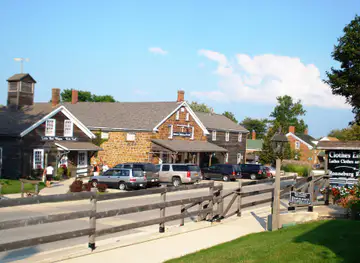
The Amana Colonies were established in the 1850s by German-speaking Inspirationists, a religious community that had migrated from Europe seeking to practise communal life. Located west of the principal Mississippi corridor but commonly included in wider eastern Iowa travel itineraries, the colonies developed a network of villages, workshops, farms and communal buildings. The community moved towards a more individual economic system in the twentieth century, yet many historic structures, museums and craft traditions remain. Amana offers a distinctive perspective on migration, religion and settlement in Iowa.
Czech and Slovak migration in Cedar Rapids
Cedar Rapids became an important centre for Czech and Slovak immigration from the late nineteenth century, with newcomers contributing to manufacturing, food production, commerce, churches and neighbourhood life. The National Czech & Slovak Museum & Library documents this heritage and its continuing cultural significance. Cedar Rapids also illustrates how immigrant traditions adapted within an industrial Midwestern city: language and religious institutions changed over time, while food, music, family history and annual cultural observances helped maintain a visible connection with Central European origins.
Industrialisation, agriculture and modern river cities
The twentieth century brought expanded railways, food processing, farm machinery, manufacturing and public infrastructure to eastern Iowa. Cedar Rapids developed as a major processing and industrial centre, while Davenport and the other Quad Cities grew through manufacturing, metalworking and river commerce. Floods, including major events in the Mississippi and Cedar valleys, periodically reshaped civic planning and waterfronts. Today the region combines agriculture and logistics with healthcare, universities, advanced manufacturing, arts organisations and heritage tourism, reflecting a continuing transition from river-and-rail economies to a more diversified regional system.
Eastern Iowa in Photos
Browse through our photo collection highlighting the charm and character of the destination.
Neighbouring regions of Eastern Iowa
The closest regions to Eastern Iowa, if you have time for more than one.
-

-
-

-

-


Swipe for more regions
Explore more

Explore more of Iowa
Explore Iowa: The American Heartland with its blend of rural charm, vibrant cities, rich cultural experiences, and natural beauty, perfect for nature lovers and cultural enthusiasts.
Explore Iowa