

Loess Hills, Iowa Travel Guide
Discover the rare and enchanting Loess Hills of Iowa, a natural wonder offering breathtaking landscapes, diverse wildlife, and rich cultural history.
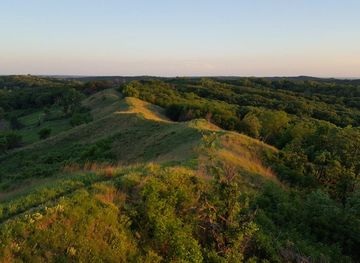
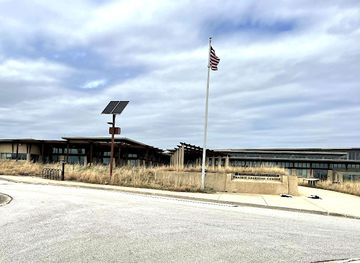
The Loess Hills in Iowa is a unique natural wonder stretching along the western edge of the state. These hills, formed by wind-blown silt over thousands of years, create a stunning landscape that is as rare as it is beautiful. The Loess Hills are only found in a few places around the world, making it a must-visit destination for nature enthusiasts and curious explorers alike. Visitors to the Loess Hills can enjoy a variety of outdoor activities. Hiking trails wind through the hills, offering breathtaking views of the rolling terrain and native prairie grasses. The area is also popular for bird watching, with many species of birds making their home in the diverse habitats of the hills. During the warmer months, wildflowers bloom in abundance, adding a splash of color to the already picturesque scenery. In addition to its natural beauty, the Loess Hills region is rich in cultural history. Explore charming small towns and historical sites that tell the story of the area's past. Local museums and visitor centers provide insights into the geological and human history of the hills. Whether you're interested in outdoor adventure, photography, or simply enjoying the tranquility of nature, the Loess Hills offers a unique and memorable experience.

Know before you go
Hi, I'm Eve. Here are a few practical things to know before exploring Loess Hills.
- Visit in spring or fall for the best weather and to see wildflowers in bloom.
- Wear sturdy hiking shoes as some trails can be steep and rugged.
- Bring binoculars for bird watching and spotting wildlife.
- Stop by local museums and visitor centers to learn about the area's history and geology.
- Pack a picnic and enjoy a meal with a view at one of the scenic overlooks.
Destinations in Loess Hills
Resorts, valleys and scenic spots worth a trip of their own.

Explore Loess Hills: Things to Do, Places to Eat, Hotels & More
Handpicked recommendations for top attractions, local dining, accommodations, and more

Top Attractions & Sightseeing in Loess Hills
Top-rated picks
Best Attractions

Union Pacific Railroad Museum
Discover the fascinating legacy of railroads at the Union Pacific Railroad Museum - a must-visit for history lovers and travelers alike.

Loess Hills Scenic Overlook
Explore the stunning vistas and serene landscapes at Loess Hills Scenic Overlook, an Iowa treasure for nature lovers and photographers alike.

Best landmarks in Loess Hills
Top-rated picks
Best Landmarks

Mormon Trail Center at Winter Quarters
Explore the inspiring history and legacy of the Mormon pioneers at the Mormon Trail Center at Winter Quarters, a significant historical landmark in Omaha, Nebraska.

Union Pacific Railroad Museum
Discover the legacy of America's railroads at the Union Pacific Railroad Museum, where history comes alive through engaging exhibits and fascinating artifacts.

Dodge House-Historic General
Discover the rich history of the Dodge House, a captivating museum showcasing 19th-century life in Council Bluffs, Iowa.

Hitchcock House
Experience the rich history and charm of Hitchcock House, a captivating tourist attraction and historical society in Lewis, Iowa.

Best restaurants in Loess Hills
Top-rated picks
Best Restaurants

Cracker Barrel Old Country Store
Experience traditional Southern hospitality at Cracker Barrel Old Country Store in Council Bluffs - where comfort food meets charm.

Quaker Steak & Lube
Experience the unique blend of flavorful dishes and vibrant decor at Quaker Steak & Lube in Council Bluffs - a must-visit culinary destination.

Golden Corral Buffet & Grill
Experience the ultimate buffet dining at Golden Corral Buffet & Grill with diverse American dishes perfect for families and travelers alike.

The Salty Dog Bar & Grill
Experience coastal charm at The Salty Dog Bar & Grill in Council Bluffs - where delicious seafood meets vibrant atmosphere.

Best bars in Loess Hills
Top-rated picks
Best Bars

The Salty Dog Bar & Grill
Discover The Salty Dog Bar & Grill in Council Bluffs, where delicious grilled dishes meet a vibrant bar atmosphere, perfect for every traveler.

Twisted Fork
Experience the vibrant flavors of American cuisine at Twisted Fork, a top grill and wine bar in Downtown Omaha, perfect for every occasion.

Penny's Diner
Savor the nostalgia at Penny's Diner, your go-to breakfast spot in Missouri Valley, Iowa, with delicious food and a cozy atmosphere.

Pickles Pub
Discover the best pizza and bar & grill experience at Pickles Pub in Kamrar, where fresh flavors and a welcoming atmosphere await you.

Best shops in Loess Hills
Top-rated picks
Best Shops

Barn Swallow Gift Shop
Explore Barn Swallow Gift Shop in Okoboji, Iowa, for unique gifts, books, and toys in a charming, welcoming atmosphere.

Taylor Quik Pik
Discover the convenience of Taylor Quik Pik, where delicious pizza, fuel, and friendly service await travelers in Missouri Valley, Iowa.

Food Land
Explore the vibrant offerings of Food Land, a must-visit supermarket in Missouri Valley, showcasing local and international culinary delights.

Bomgaars
Explore Bomgaars in Blair, Nebraska - your ultimate destination for department store finds, garden supplies, pet products, and more!

Explore Loess Hills on the Map
A handpicked selection of must-see spots in Loess Hills, mapped for you.
Loess Hills Essentials
-
Loess Hills is located in western Iowa, United States. The nearest major airport is Eppley Airfield in Omaha, Nebraska, which is about 60 miles from the southern end of the Loess Hills. From the airport, you can rent a car or take a shuttle service to reach the area. If you're driving, Interstate 29 runs parallel to the Loess Hills Scenic Byway, making it convenient for road trips. Amtrak also operates a train service to Omaha, from where you can rent a car to explore the Loess Hills.
-
The best way to explore Loess Hills is by car, as public transportation options are limited. Renting a car allows you to navigate the scenic byways and access various hiking trails, parks, and small towns along the route. Bicycling is another popular way to explore the area, especially for those keen on adventure and fitness. Local taxi services are available but can be sparse, so it's advisable to plan your transportation in advance.
-
The official currency is the United States Dollar (USD). Credit cards are widely accepted in most establishments, including restaurants, hotels, and shops. However, it's advisable to carry some cash, especially if you plan to visit rural areas or smaller towns where card payment options might be limited. ATMs are available in most towns along the Loess Hills Scenic Byway.
-
Loess Hills is generally a safe destination for tourists. However, standard safety precautions should be taken. Avoid leaving valuables in your car when hiking or exploring remote areas. Stay on marked trails to avoid getting lost. There are no specific high-crime areas targeting tourists, but it's always best to stay vigilant and aware of your surroundings, particularly in more isolated locations.
-
In case of an emergency, dial 911 for immediate assistance. Local police stations and medical facilities are available in nearby towns such as Council Bluffs and Sioux City. It's recommended to have travel insurance that covers medical emergencies. For minor health issues, pharmacies are available in larger towns where you can purchase over-the-counter medications.
-
Fashion: Do wear comfortable and sturdy footwear suitable for hiking and outdoor activities. Dress in layers, as weather can change rapidly. Religion: There are no specific religious customs to follow, but always be respectful of local traditions and landmarks. Public Transport: Do plan your transportation ahead, as public transport options are limited. Consider renting a car for convenience. Greetings: Do greet locals with a friendly 'hello' or a handshake. Midwesterners are known for their hospitality. Eating & Drinking: Do try local cuisine, including regional specialties. Don't leave litter behind; practice Leave No Trace principles to preserve the natural beauty of the area.
-
To experience Loess Hills like a local, visit during the annual Loess Hills Prairie Seminar for a deep dive into the area's natural history and ecology. Take a scenic drive along the Loess Hills National Scenic Byway for breathtaking views and photo opportunities. Don't miss the Hitchcock Nature Center for hiking, bird-watching, and educational programs. Engage with locals at farmers' markets and small-town diners to learn more about the region's culture and history. For a unique experience, visit the Preparation Canyon State Park, which offers stunning vistas and tranquil hiking trails.
When is the best time to visit Loess Hills?
Useful Local Phrases for Loess Hills
You don't need to speak the language perfectly. Even learning a few simple words can make conversations warmer—and locals usually appreciate the effort.
— Eve

Here are the phrases I use most often in Loess Hills. Try a few—you'll be surprised how far they go! 😊
❤️
-
- HelloHowdy
[How-dee] - GoodbyeSee ya later
[See ya lay-ter] - YesYep
[Yep] - NoNah
[Nah] - Please/You're welcomeSure thing
[Shur thing] - Thank youThanks a lot
[Thanks a lot] - Excuse me/SorryPardon me
[Pardon me] - How are you?How's it goin'?
[How's it goin'?] - Fine. And you?Good. And you?
[Good. And you?] - Do you speak English?Do ya speak English?
[Do ya speak English?] - I don't understandI ain't got it
[I ain't got it]
- HelloHowdy
-
- I'd like to see the menu, pleaseCan I see the menu?
[Can I see the menu?] - I don't eat meatI don't do meat
[I don't do meat] - Cheers!Bottoms up!
[Bottoms up!] - I would like to pay, pleaseCan I get the check?
[Can I get the check?]
- I'd like to see the menu, pleaseCan I see the menu?
-
- Help!Help me!
[Help me!] - Go away!Leave me alone!
[Leave me alone!] - Call the Police!Call the cops!
[Call the cops!] - Call a doctor!Get a doctor!
[Get a doctor!] - I'm lostI can't find my way
[I can't find my way] - I'm illI'm not feelin' well
[I'm not feelin' well]
- Help!Help me!
-
- I'd like to buy...I wanna buy...
[I wanna buy...] - I'm just lookingJust browsin'
[Just browsin'] - How much is it?What’s the price?
[What’s the price?] - That's too expensiveThat costs too much
[That costs too much] - Can you lower the price?Can ya cut me a deal?
[Can ya cut me a deal?]
- I'd like to buy...I wanna buy...
-
- What time is it?What's the time?
[What's the time?] - It's one o'clockIt's one
[It's one] - Half past (10)Half past ten
[Half past ten] - MorningMornin'
[Mornin'] - AfternoonAfternoon
[Afternoon] - EveningEvenin'
[Evenin'] - YesterdayYest'day
[Yest'day] - TodayToday
[Today] - TomorrowTomor'ow
[Tomor'ow] - 1One
[One] - 2Two
[Two] - 3Three
[Three] - 4Four
[Four] - 5Five
[Five] - 6Six
[Six] - 7Seven
[Seven] - 8Eight
[Eight] - 9Nine
[Nine] - 10Ten
[Ten]
- What time is it?What's the time?
-
- Where's a/the...?Where's the...?
[Where's the...?] - What's the address?What's the address?
[What's the address?] - Can you show me (on the map)?Can ya point it out?
[Can ya point it out?] - When's the next (bus)?When's the next bus?
[When's the next bus?] - A ticket (to ....)A ticket to...
[A ticket to...]
- Where's a/the...?Where's the...?
History of Loess Hills
-
The Loess Hills are a unique geological formation created at the end of the last Ice Age, approximately 12,000 to 20,000 years ago. Windblown silt, known as loess, accumulated in towering bluffs along the eastern edge of the Missouri River Valley. The hills stretch about 200 miles from north to south, primarily in western Iowa but also extending into Missouri and South Dakota. This rare geological phenomenon is one of only two such formations in the world, the other being in China.
-
The Loess Hills region has been home to various Native American tribes for thousands of years. The Omaha, Missouria, Otoe, and Ioway tribes utilized the rich natural resources of the hills for hunting, gathering, and agriculture. The hills provided strategic vantage points and were seen as sacred grounds. Numerous artifacts, including pottery, tools, and burial mounds, have been discovered in the area, offering a glimpse into the rich cultural heritage of the indigenous peoples.
-
In 1804, the Lewis and Clark Expedition passed through the Loess Hills during their journey to explore the newly acquired Louisiana Territory. The expedition members documented the unique topography and plentiful wildlife of the region. Their observations and journals provide valuable historical insights into the landscape and its significance during the early 19th century.
-
During the mid-19th century, European-American settlers began to establish homesteads in the Loess Hills. The fertile soil and abundant natural resources attracted farmers, who transformed the landscape with agriculture. Settlements grew, and small towns emerged along the hills, contributing to the development of the region. The hills also served as a backdrop for the pioneers' struggles and triumphs as they adapted to the new frontier.
-
In the late 20th and early 21st centuries, conservationists recognized the ecological and historical significance of the Loess Hills. Efforts to preserve the unique landscape led to the establishment of several state parks, wildlife reserves, and conservation areas. The Loess Hills National Scenic Byway was created to promote tourism and educate the public about the region's natural beauty and historical importance. These conservation efforts ensure that the Loess Hills remain a cherished and protected area for future generations.
-
The Loess Hills continue to hold cultural significance for local communities and visitors. Annual events such as the Loess Hills Prairie Seminar and the Loess Hills and Heritage Week celebrate the region's natural and historical heritage. Local artisans, farmers, and historians actively participate in preserving and promoting the unique identity of the Loess Hills. The area has become a destination for outdoor enthusiasts, history buffs, and nature lovers, offering a rich tapestry of experiences that reflect its storied past.
Neighbouring Regions of Loess Hills
The closest regions to Loess Hills, if you have time for more than one.



Your all‑in‑one travel companion app
Explore expert travel guides, compare and book tours, experiences, hotels, and more—all from the palm of your hand. Download now for seamless trip planning wherever your wanderlust takes you.


Explore More of Iowa

Looking beyond Loess Hills? Discover Iowa for broader travel guides, local hot-spots, and regional highlights.
Explore IowaLoess Hills in Photos
Browse through our photo collection highlighting the charm and character of the destination.





The Enchanting Loess Hills of Iowa
The Loess Hills in Iowa is a unique natural wonder stretching along the western edge of the state. These hills, formed by wind-blown silt over thousands of years, create a stunning landscape that is as rare as it is beautiful. The Loess Hills are only found in a few places around the world, making it a must-visit destination for nature enthusiasts and curious explorers alike. Visitors to the Loess Hills can enjoy a variety of outdoor activities. Hiking trails wind through the hills, offering breathtaking views of the rolling terrain and native prairie grasses. The area is also popular for bird watching, with many species of birds making their home in the diverse habitats of the hills. During the warmer months, wildflowers bloom in abundance, adding a splash of color to the already picturesque scenery. In addition to its natural beauty, the Loess Hills region is rich in cultural history. Explore charming small towns and historical sites that tell the story of the area's past. Local museums and visitor centers provide insights into the geological and human history of the hills. Whether you're interested in outdoor adventure, photography, or simply enjoying the tranquility of nature, the Loess Hills offers a unique and memorable experience.