

Hogback Covered Bridge, Southeast Iowa Travel Guide
Step back in time at the Hogback Covered Bridge, a picturesque 1884 landmark in Madison County, Iowa, offering a glimpse into the past.
The Hogback Covered Bridge, built in 1884, is a historic landmark near Winterset, Iowa, and a testament to a bygone era of timber bridge construction. Named for a nearby limestone ridge, it's one of the few remaining covered bridges in Madison County, offering visitors a glimpse into the past and a picturesque scene of rural Iowa.
A brief summary to Hogback Covered Bridge
- 1879 Hogback Bridge Rd, Winterset, Iowa, 50273, US

Know before you go
Hi, I'm Eve. Here are a few practical things to know before exploring Hogback Covered Bridge.
- Visit during the early morning or late afternoon for the best lighting for photographs.
- Take a leisurely walk along the river near the bridge for a peaceful experience.
- Check out the other covered bridges in Madison County for a complete historical tour.
Do you manage this location?
Take control to get all the benefits, like improved information, better appearance, and stronger visibility across AI-powered discovery. Learn more about listing your business on Evendo
Activate your presenceOther nearby places you may find interesting
The closest places of the same kind, if this one is not quite what you had in mind.


Explore Hogback Covered Bridge on the Map
A handpicked selection of must-see spots near Hogback Covered Bridge, mapped for you.
Getting There
-
Driving
To reach the Hogback Covered Bridge, navigate to 1879 Hogback Bridge Rd, Winterset, IA 50273. From Winterset's town square, take North 1st Avenue and head east on East Court Avenue. After approximately 1 mile, turn left onto County Road G14 (Hogback Bridge Rd). Follow Hogback Bridge Road for about 2 miles; the bridge will be on your right. Parking is typically available near the bridge free of charge.
-
Ride Share
For those relying on ride-sharing services like Uber or Lyft, input 'Hogback Covered Bridge' as your destination. Be aware that pickup times in Winterset may be longer than in larger cities, so consider scheduling your ride in advance. A one-way trip from Winterset's town square to the bridge will cost approximately $15-$25.
Discover more about Hogback Covered Bridge













Your all‑in‑one travel companion app
Explore expert travel guides, compare and book tours, experiences, hotels, and more—all from the palm of your hand. Download now for seamless trip planning wherever your wanderlust takes you.


Explore More of Southeast Iowa
Looking beyond Hogback Covered Bridge? Discover Southeast Iowa for broader travel guides, local hot-spots, and regional highlights.
Explore Southeast Iowa
Experience high-flying fun for all ages at Urbandale's premier trampoline park, featuring trampolines, foam pits, and exciting attractions!
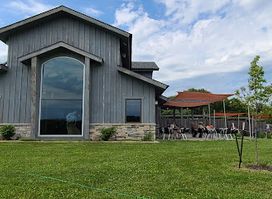
Discover the charm of Covered Bridges Winery, where exquisite wines meet the scenic beauty of Iowa's countryside for a perfect getaway.
