From Eve
Know before you go
Hi, I'm Eve. Here are a few practical things to know before exploring Mosul Museum.
Local know-how to help you travel smarter and make the most of every moment.

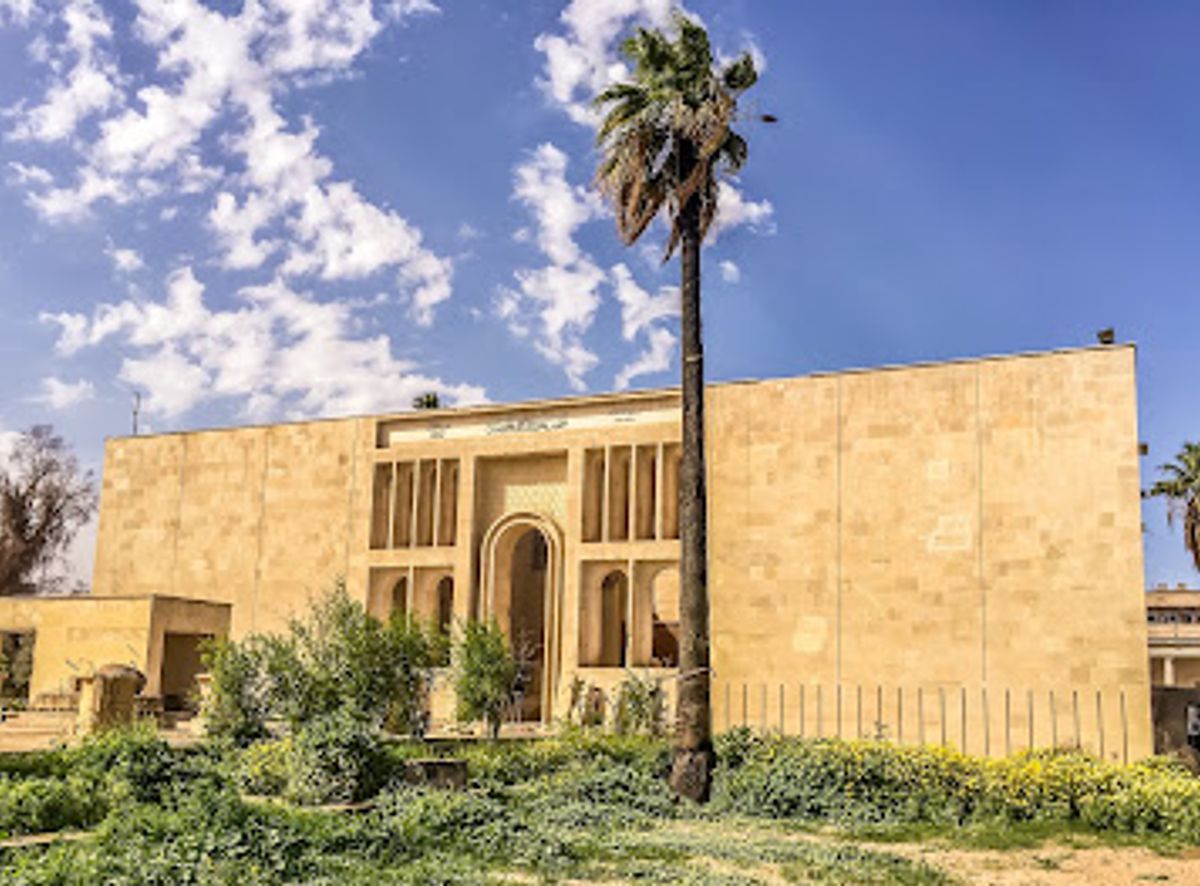
Explore millennia of Mesopotamian history at the Mosul Museum, a symbol of resilience and cultural heritage in Nineveh Governorate.
The Mosul Museum, the second-largest in Iraq, showcases artifacts from Assyrian and Hellenistic periods. Founded in 1952, it faced looting and destruction but stands as a symbol of Mosul's rich cultural history and ongoing recovery.
Opening times, essentials, and a few local tips gathered into one calmer, easier-to-scan planning section.
Hi, I'm Eve. Here are a few practical things to know before exploring Mosul Museum.
Local know-how to help you travel smarter and make the most of every moment.
Taxi
From anywhere in Mosul, a taxi is a convenient way to reach the Mosul Museum, located near the Freedom Bridge (Jisr al-Huriya) on the Right Coast. Taxis are readily available throughout the city. A typical short taxi ride within Mosul costs approximately 10 USD. Be sure to confirm the fare with the driver before starting your journey.
Walking
If you are already in the Right Coast area, walking to the Mosul Museum is a viable option. Use landmarks such as the Freedom Bridge (Jisr al-Huriya) as a guide. The museum is located near the bridge. Ensure you are aware of your surroundings and local conditions.
Use Mosul Museum as your starting point for nearby food, family ideas, nightlife, and more local discoveries.

Explore expert travel guides, compare and book tours, experiences, hotels, and more—all from the palm of your hand. Download now for seamless trip planning wherever your wanderlust takes you.
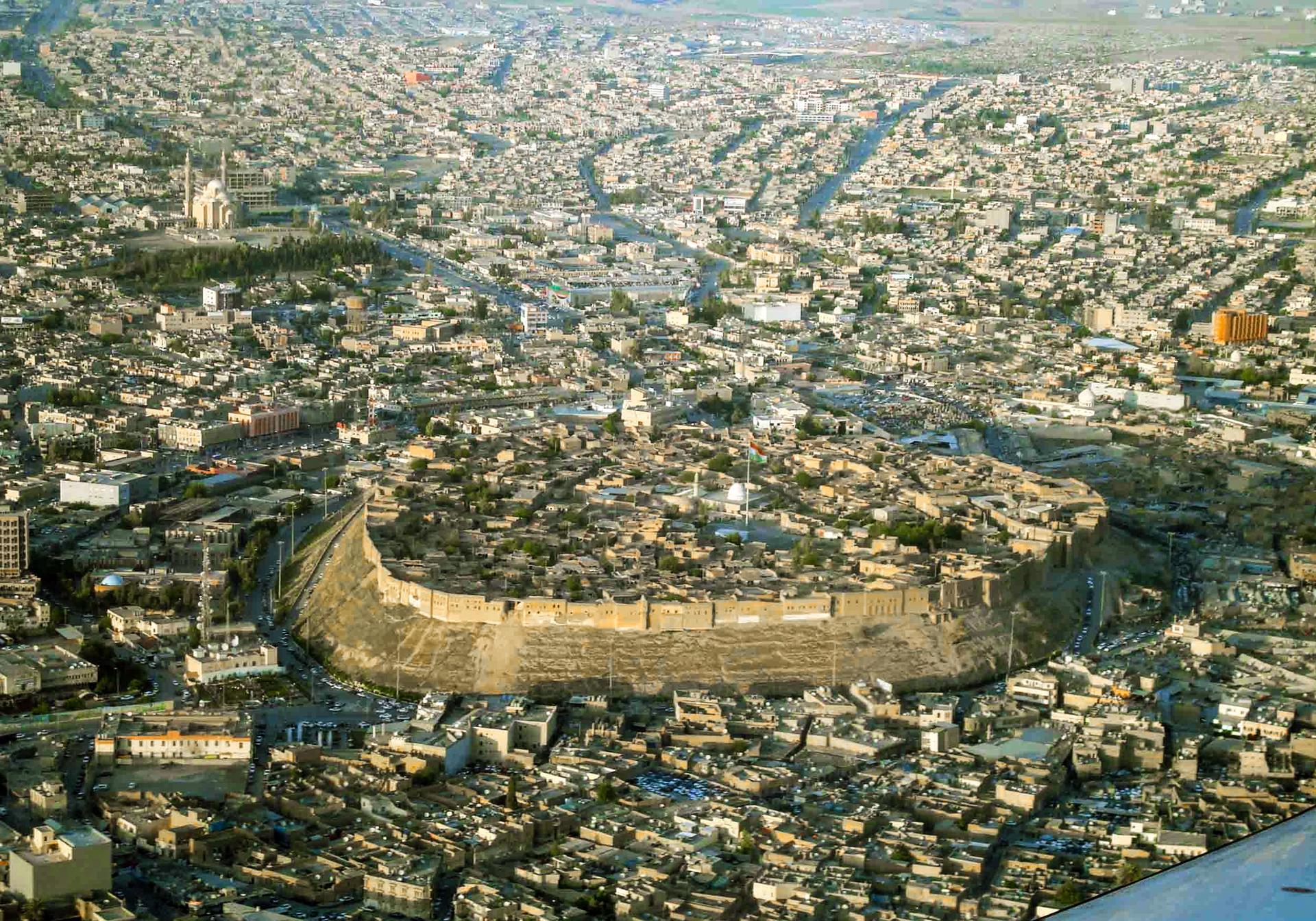
Discover Hawler: A blend of ancient history, vibrant culture, and modern attractions in the heart of Northern Iraq.
Tell me more about Hawler