

Free Baghdad Belts Travel Guide & Mobile App
Explore Baghdad Belts with free travel guides. Discover regional history, expert tips, proposed trips, and audio guides on web or mobile app.


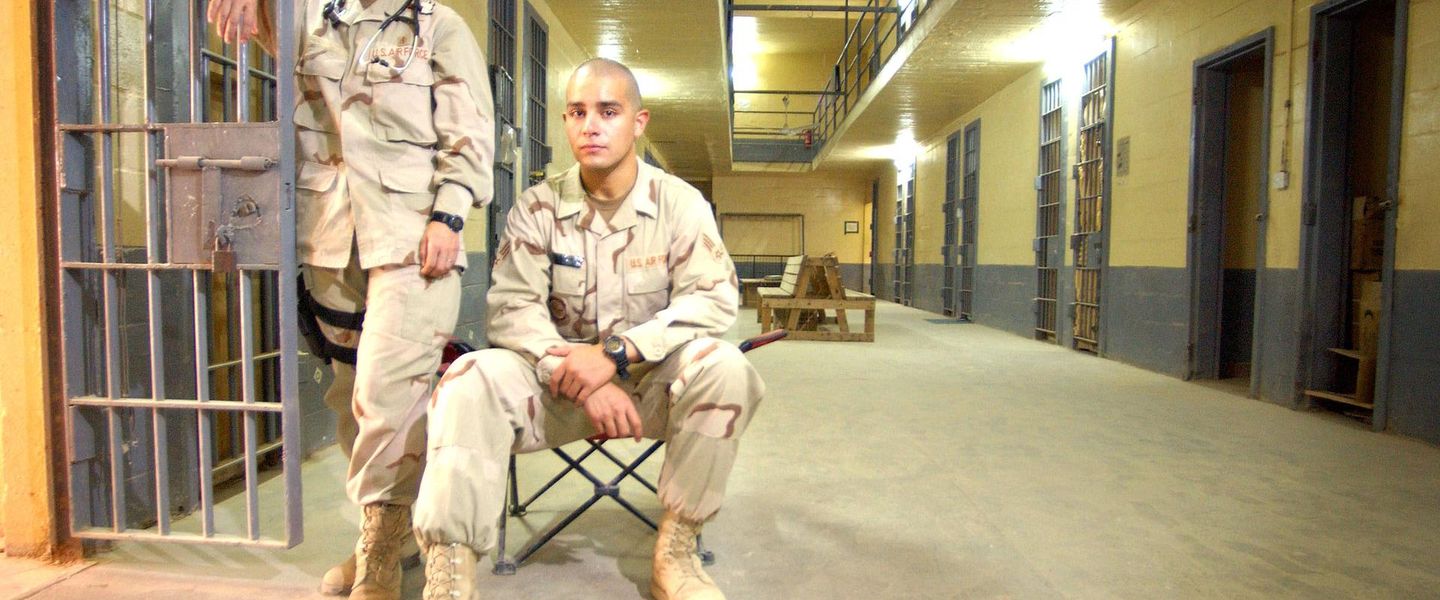


Explore the ancient sites and irrigated landscapes of Iraq's Baghdad Belts only with current security advice and experienced local arrangements.
Read more about Baghdad Belts
When is the best time to visit Baghdad Belts?
Best: March–April, November · 22–28°C| Month | High (°C) | Rainfall (mm) |
|---|---|---|
| January | 15 | 10 |
| February | 17 | 8 |
| March (best) | 22 | 7 |
| April (best) | 28 | 5 |
| May | 36 | 3 |
| June | 42 | 1 |
| July | 45 | 0 |
| August | 44 | 0 |
| September | 40 | 1 |
| October | 33 | 3 |
| November (best) | 24 | 5 |
| December | 18 | 7 |
Getting to and around Baghdad Belts
How to get there
Transportation
Top city travel guides in Baghdad Belts
The cities of Baghdad Belts, and the easiest places to base yourself.
-

-

-

-

-

-


Swipe for more cities
Destinations in Baghdad Belts
Resorts, valleys and scenic spots worth a trip of their own.
-

-

-

-

-

-


Swipe for more destinations
Best attractions in Baghdad Belts
The Baghdad Belts offer a small but historically weighty group of attractions rather than a dense tourism circuit. At Aqar Quf, west of Baghdad near Abu Ghraib, the great mud-brick ziggurat of Dur-Kurigalzu rises from the plain and provides one of the clearest encounters with ancient Mesopotamian architecture in the capital's hinterland. South-east of Baghdad, Salman Pak contains the remains of Ctesiphon and the monumental Sasanian vaulted hall known as Taq Kasra. The Tigris corridor around the site adds a geographical dimension, showing why imperial capitals and river transport flourished here. Elsewhere, the belts are characterised by agricultural landscapes, canals, date palms, market settlements and roads connecting Baghdad with central Iraq rather than by conventional visitor facilities. Archaeological travel should be arranged in advance, as access, conservation work, permissions and security conditions may vary. The region is not suited to casual exploration, and visitors should not treat apparently open fields, ruins or secondary roads as freely accessible attractions.
-
Maridi market
Experience the vibrant culture of Baghdad at Maridi Market, a sensory delight of local crafts, textiles, and delicious street food.
-
Dijlah Village
Experience modern Baghdad at Dijlah Village: shopping, dining, and entertainment on the Tigris River.
-
Sindbad Park
Escape to Baghdad's green heart: Sindbad Park offers gardens, recreation, and a taste of Iraqi culture for a perfect urban retreat.
-
Kahramana statue
A symbol of courage and Iraqi folklore in the heart of Baghdad, the Kahramana statue brings the tale of Ali Baba to life.
Best landmarks in Baghdad Belts
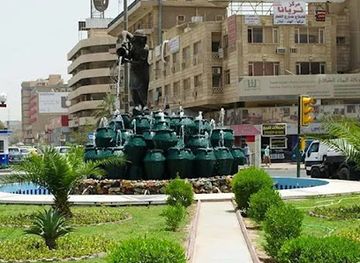
The defining landmark of the Baghdad Belts is Taq Kasra at Salman Pak, the surviving brick vault of the great Sasanian palace complex at Ctesiphon. Its immense pointed arch expresses the architectural ambition of an imperial capital that once stood on the Tigris and competed with Rome for influence in the Near East. At Aqar Quf, the ziggurat of Dur-Kurigalzu is the region's other major visual landmark. Built from mud brick for a Kassite royal city, its elevated remains are visible across the flat agricultural plain and demonstrate the scale of ancient Mesopotamian religious architecture. The Tigris itself is a geographical landmark throughout the eastern and south-eastern approaches, shaping settlement, irrigation and transport. These places have greater historical than visitor-infrastructure value: facilities may be basic, surfaces uneven and access controlled. They should be visited only through arrangements that have checked current permission and security conditions.
-
State park
Al-Zawraa Park
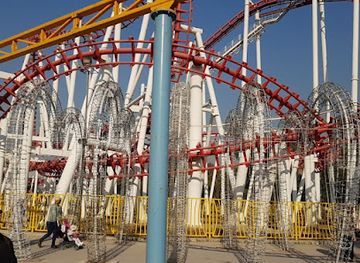
Escape to Baghdad's largest green space: Al-Zawraa Park, offering gardens, a zoo, amusement rides, and cultural events for all ages.
-
Park
Baghdad Island Park
Escape to Baghdad Island Park, a green oasis in the heart of the city, offering relaxation, recreation, and a glimpse into Iraqi culture.
-
Zoo
Zoo - Zawraa Park
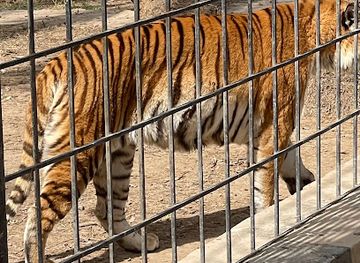
Discover diverse wildlife within Baghdad's largest park, a revitalized green space offering a family-friendly escape in the heart of the city.
-
Shopping mall
Dijlah Village
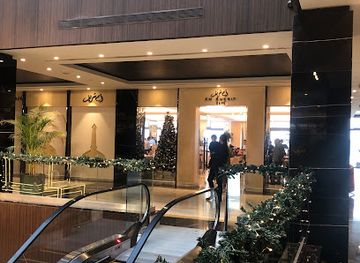
Experience Baghdad's modern lifestyle at Dijlah Village: shopping, dining, and entertainment in a vibrant, contemporary setting.

Explore Baghdad Belts on the map
Plan your trip on one map. See where the top cities, national parks and sights are, and book hotels and experiences in a few clicks.
Best hotels in Baghdad Belts
Best restaurants in Baghdad Belts
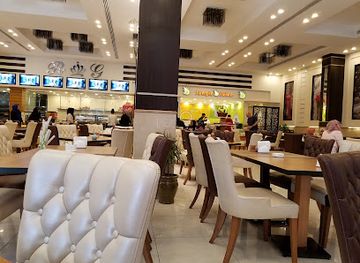
Dining in the Baghdad Belts is shaped by central Iraqi home cooking, roadside hospitality and the food markets supplying the capital. Rice served with stews, grilled meat, flatbreads, dates, yoghurt, tea and freshwater fish are familiar features of the wider Baghdad area. In agricultural districts, dates and seasonal produce are especially relevant, while fish from the Tigris and local canals may appear where reputable cooking facilities are available. Eating options outside Baghdad are generally simpler and less predictable than those in the capital, ranging from tea shops and small restaurants to family-run venues serving kebab, rice dishes and soups. Visitors should rely on trusted local recommendations, choose busy establishments with good food turnover and carry drinking water. The region does not have a separate cuisine neatly bounded from Baghdad; its culinary character is best understood as the rural and peri-urban expression of central Iraqi food traditions.
-
Restaurant
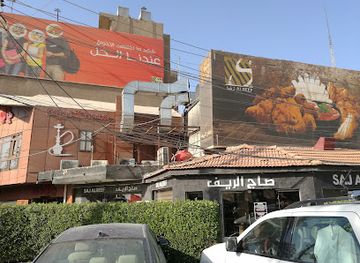
Saj Alreef Restaurant - Karada
Experience authentic Iraqi cuisine at Saj Alreef Restaurant in Karada – a must-visit dining destination in Baghdad.
-
Italian
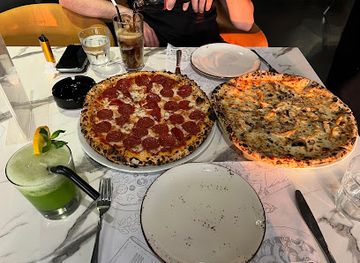
Pachi Pizza and Pasta
Discover authentic Italian cuisine at Pachi Pizza and Pasta in Baghdad – where every bite takes you on a flavorful journey.
-
Restaurant
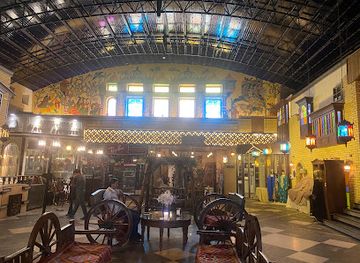
Royal Galaxy Restaurant
Discover the taste of Iraq at Royal Galaxy Restaurant – where authentic flavors meet warm hospitality.
-
Restaurant
Oyoon Baghdad Restaurants
Experience authentic Iraqi cuisine at Oyoon Baghdad, where tradition and flavor come together in a warm and inviting atmosphere.

Best bars in Baghdad Belts
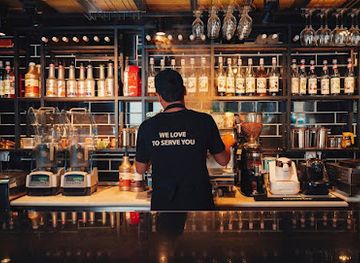
The Baghdad Belts do not have a developed nightlife scene for visitors. Evening life generally centres on family gatherings, tea houses, cafés, local restaurants and informal social spaces rather than nightclubs or entertainment districts. Alcohol is not an appropriate focus outside the capital's limited licensed venues, and public drinking is particularly unsuitable in rural or conservative communities. Most historical journeys should finish well before dark because road conditions, checkpoints and security arrangements become more difficult after evening. Visitors seeking theatres, contemporary cafés or a broader choice of restaurants will find those options in Baghdad rather than in the surrounding belt districts, but travel between the city and outlying areas should be planned with local security advice rather than late-night spontaneity.
-
Supermarket
Mr. Milk
Explore Mr. Milk in Baghdad for a delightful fusion of supermarket convenience and authentic Iraqi fast food, perfect for every traveler.
-
Restaurant
Royal Galaxy Restaurant
Experience the authentic taste of Iraq at Royal Galaxy Restaurant, where tradition meets culinary excellence in Baghdad.
-
Cafe
Al Reef Cafe - Baghdad
Experience the flavors of Baghdad at Al Reef Cafe, where delicious food meets a welcoming atmosphere in the heart of the city.
-
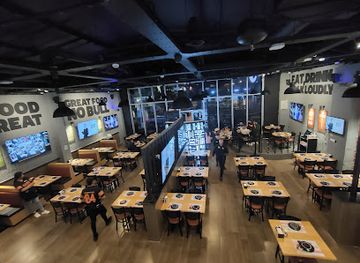
Buffalo Wings & Rings - Baghdad
Discover the vibrant flavors of Buffalo Wings & Rings in Baghdad, where delicious wings meet a lively atmosphere, perfect for every taste.
Best nightclubs in Baghdad Belts
The Baghdad Belts do not have a developed nightlife scene for visitors. Evening life generally centres on family gatherings, tea houses, cafés, local restaurants and informal social spaces rather than nightclubs or entertainment districts. Alcohol is not an appropriate focus outside the capital's limited licensed venues, and public drinking is particularly unsuitable in rural or conservative communities. Most historical journeys should finish well before dark because road conditions, checkpoints and security arrangements become more difficult after evening. Visitors seeking theatres, contemporary cafés or a broader choice of restaurants will find those options in Baghdad rather than in the surrounding belt districts, but travel between the city and outlying areas should be planned with local security advice rather than late-night spontaneity.
-
Social club
Alalawya Club
Discover the rich cultural heritage of Baghdad at Alalawya Club, a historic social hub offering authentic Iraqi cuisine and vibrant entertainment.
-
Night club
ديسكو ابو نؤاس
Discover the pulsating nightlife of Baghdad at ديسكو ابو نؤاس, where music and culture come alive until dawn.
-
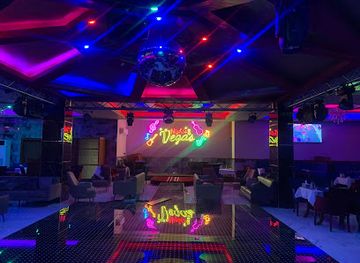
Night club
Vegas Nights club
Discover the vibrant nightlife of Baghdad at Vegas Nights Club, where music and excitement come alive in a stunning atmosphere.
-
Night club
نادي سرجنار
Experience the lively nightlife of Baghdad at نادي سرجنار, where music and culture come together for an unforgettable evening.


Best shops in Baghdad Belts
Shopping in the Baghdad Belts is primarily practical and local, with small market streets, roadside stalls and general shops serving nearby communities rather than purpose-built visitor retail. Fresh dates, tea, spices, bread, seasonal produce and other foodstuffs reflect the agricultural relationship between the belt districts and Baghdad. In larger settlements, modest craft and household goods may be available, but selection and opening arrangements are inconsistent. Visitors looking for a broader choice of Iraqi handicrafts, books, jewellery or packaged regional foods will generally find more reliable options in Baghdad's established markets and shops, outside the belt itself. When buying food or small souvenirs in rural areas, ask the seller about prices beforehand, carry Iraqi dinars and avoid photographing stalls or customers without permission. Do not remove pottery, bricks or other material from archaeological areas; antiquities belong to Iraq's cultural heritage and must remain undisturbed.
-
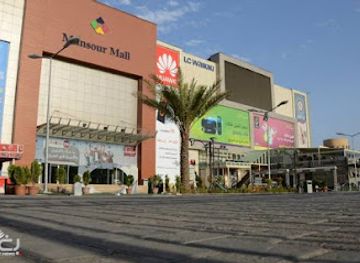
Shopping mall
Mansour Mall
Discover Mansour Mall in Baghdad: Your ultimate shopping destination for fashion, food, and fun!
-
Shopping mall
Baghdad Mall
Experience the vibrant mix of shopping, dining, and entertainment at Baghdad Mall, a must-visit destination for every tourist.
-
Store
Babylon Mall
Discover shopping, dining, and entertainment in Baghdad's premier destination, Babylon Mall, where modern retail meets Iraqi culture.
-
Shopping mall
Bab al-Derwaza Market
Discover the vibrant Bab al-Derwaza Market in Baghdad, where culture, shopping, and delicious food come together in an unforgettable experience.
Get your free copy of our complete guide to Baghdad Belts, delivered straight to you.
Everything on this page, from attractions and restaurants to essentials and local phrases, in one PDF you can read offline, print or share.
Already have an account? Sign in
Your Baghdad Belts guide is ready.
We'll send it to · Not you? Sign out

Getting your guide ready…
We are putting together a fresh copy of the Baghdad Belts guide. This can take up to a minute.
This can take a few moments. If your browser asks, choose Allow so the download can start. You'll find the guide in your Downloads folder.
Nothing happened? Download it again
Sorry, the guide is taking longer than usual. Please try again in a minute, or get it by email instead.
Baghdad Belts essentials
Currency and Payment
Safety
Emergency Situations
Do's and Don'ts
Local Tips
From Eve
Local phrases worth knowing
You don't need to get them perfect. A few words go a long way, and locals appreciate the effort.
Basics
| English | Local | Say it |
|---|---|---|
| Hello | مرحبا | [Marhaban] |
| Goodbye | مع السلامة | [Ma'a as-salama] |
| Yes | نعم | [Na'am] |
| No | لا | [La] |
| Please/You're welcome | من فضلك | [Min fadlik] |
| Thank you | شكرا | [Shukran] |
| Excuse me/Sorry | عفوا | [Afwan] |
| How are you? | كيف حالك؟ | [Kayfa halak?] |
| Fine. And you? | بخير. وأنت؟ | [Bikhayr. Wa anta?] |
| Do you speak English? | هل تتحدث الإنجليزية؟ | [Hal tatahaddath al-ingliziyya?] |
| I don't understand | لا أفهم | [La afham] |
Eating & Drinking
| English | Local | Say it |
|---|---|---|
| I'd like to see the menu, please | أود رؤية القائمة، من فضلك | [Awad ru'yat al-qa'ima, min fadlik] |
| I don't eat meat | أنا لا آكل اللحم | [Ana la akul al-lahm] |
| Cheers! | في صحتك! | [Fi sihtak!] |
| I would like to pay, please | أود الدفع، من فضلك | [Awad ad-da'f, min fadlik] |
Emergencies
| English | Local | Say it |
|---|---|---|
| Help! | نجدة! | [Najda!] |
| Go away! | اذهب بعيدا! | [Idhhab ba'idan!] |
| Call the Police! | اتصل بالشرطة! | [Ittasil bil-shurta!] |
| Call a doctor! | اتصل بطبيب! | [Ittasil bi-tabib!] |
| I'm lost | أنا ضائع | [Ana da'i'] |
| I'm ill | أنا مريض | [Ana marid] |
Shopping
| English | Local | Say it |
|---|---|---|
| I'd like to buy... | أود شراء... | [Awad shirā...] |
| I'm just looking | أنا فقط أنظر | [Ana faqat anzur] |
| How much is it? | كم سعره؟ | [Kam si'ru?] |
| That's too expensive | هذا غالي جدا | [Hatha ghali jiddan] |
| Can you lower the price? | هل يمكنك خفض السعر؟ | [Hal yumkinuka khafdh as-si'r?] |
Time & Numbers
| English | Local | Say it |
|---|---|---|
| What time is it? | كم الساعة؟ | [Kam as-sa'ah?] |
| It's one o'clock | الساعة الواحدة | [Al-sa'ah al-wahidah] |
| Half past (10) | نصف (10) | [Nisf (10)] |
| Morning | صباحا | [Sabahan] |
| Afternoon | ظهرا | [Zahran] |
| Evening | مساء | [Masa'an] |
| Yesterday | أمس | [Ams] |
| Today | اليوم | [Al-yawm] |
| Tomorrow | غدا | [Ghadan] |
| 1 | 1 | [Wahid] |
| 2 | 2 | [Ithnayn] |
| 3 | 3 | [Thalatha] |
| 4 | 4 | [Arba'a] |
| 5 | 5 | [Khamsa] |
| 6 | 6 | [Sitta] |
| 7 | 7 | [Sab'a] |
| 8 | 8 | [Thamaniya] |
| 9 | 9 | [Tis'a] |
| 10 | 10 | [Ashara] |
Transport & Directions
| English | Local | Say it |
|---|---|---|
| Where's a/the...? | أين هو/هي ...؟ | [Ayna huwa/hiya ...?] |
| What's the address? | ما هو العنوان؟ | [Ma huwa al-'unwan?] |
| Can you show me (on the map)? | هل يمكنك أن تريني (على الخريطة)؟ | [Hal yumkinuka an turini (ala al-kharita)?] |
| When's the next (bus)? | متى يأتي (الباص) التالي؟ | [Mata ya'ti (al-bas) at-tali?] |
| A ticket (to ....) | تذكرة (إلى ....) | [Tadhkarah (ila ....)] |
History of Baghdad Belts
Early Mesopotamian Settlement and Irrigation
The Baghdad Belts occupy part of the alluvial plain created by the Tigris and Euphrates systems, one of the world's great early zones of urban agriculture. Communities developed through irrigation, canal maintenance and cultivation of cereals, dates and other crops. Although many ancient centres in the surrounding plain have been altered or buried by later settlement, the enduring pattern of canals, palms and intensively farmed land reflects a system with roots reaching back to the earliest states of southern Mesopotamia.
Kassite Dur-Kurigalzu
The ziggurat at Aqar Quf, west of Baghdad, belonged to Dur-Kurigalzu, a royal city founded by the Kassite dynasty during the second millennium BCE. The Kassites ruled Babylonia for several centuries and developed a political centre connected to the wider canal and agricultural network of the plain. The surviving mud-brick monument is the most visible remnant of that settlement and illustrates how major Mesopotamian cities combined religious architecture, royal authority and engineered landscapes.
Ctesiphon and the Sasanian Tigris Corridor
Near Salman Pak, south-east of Baghdad, Ctesiphon became a major imperial capital of the Parthian and Sasanian worlds. Its location on the Tigris placed it at the centre of trade, administration and conflict between the Iranian empires and Rome. Taq Kasra, the enormous vaulted audience hall associated with the Sasanian complex, survives as a powerful reminder of that era. The surrounding city was extensive, although much of it now survives as archaeological remains beneath and around later settlement.
The Arab-Islamic Conquest and the Rise of Baghdad
The seventh-century Arab-Islamic conquest transformed the political order of Iraq and connected the region to the expanding caliphate. In the eighth century, the Abbasid foundation of Baghdad north-west of Ctesiphon shifted the centre of power towards the capital that still dominates the surrounding plain. The belts became part of the agricultural, canal and transport hinterland supporting Baghdad, while older settlements and imperial routes remained embedded in the wider landscape.
Ottoman Rule and Provincial Agriculture
Under the Ottoman Empire, the Baghdad area was administered through a provincial system shaped by the Tigris, tribal relationships, farming and caravan movement. Irrigation remained essential but was vulnerable to neglect, flooding and political instability. Villages and market settlements around the capital supplied food and labour, while routes along the river connected Baghdad with central and southern Iraq. Ottoman administrative patterns and later landholding arrangements influenced the rural geography encountered around the modern city.
Twentieth-Century State Building and Urban Expansion
The creation of the modern Iraqi state brought new roads, military installations, schools, industrial projects and agricultural schemes to the Baghdad hinterland. Population growth in the capital steadily extended settlement into former farmland, while the surrounding districts retained important rural and logistical functions. The term Baghdad Belts later acquired a strong security meaning because these approaches linked the capital with major roads, towns and conflict zones.
War, Displacement and the Contemporary Security Landscape
The Iran–Iraq War, the 1991 conflict, the 2003 invasion and the violence that followed profoundly affected communities around Baghdad. Several belt districts became associated with military operations, checkpoints, displacement and sectarian conflict, leaving damaged infrastructure and a lasting sensitivity around photography and movement. Conditions have improved in many places compared with the most violent periods, but the region remains security-sensitive, and its contemporary history continues to shape access, local trust and travel planning.
Baghdad Belts in Photos
Browse through our photo collection highlighting the charm and character of the destination.
Neighbouring regions of Baghdad Belts
The closest regions to Baghdad Belts, if you have time for more than one.
-

-

-

-

-


Swipe for more regions
Explore more

Explore more of Iraq
Explore the cradle of civilization in Iraq, where ancient history, rich culture, and diverse landscapes create an unforgettable travel experience.
Explore Iraq