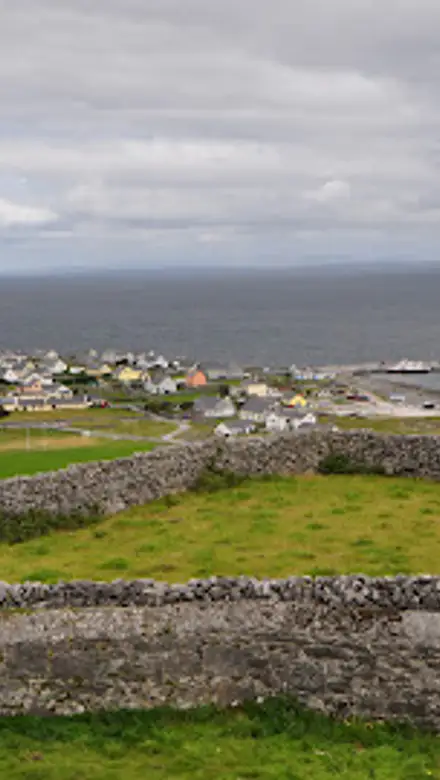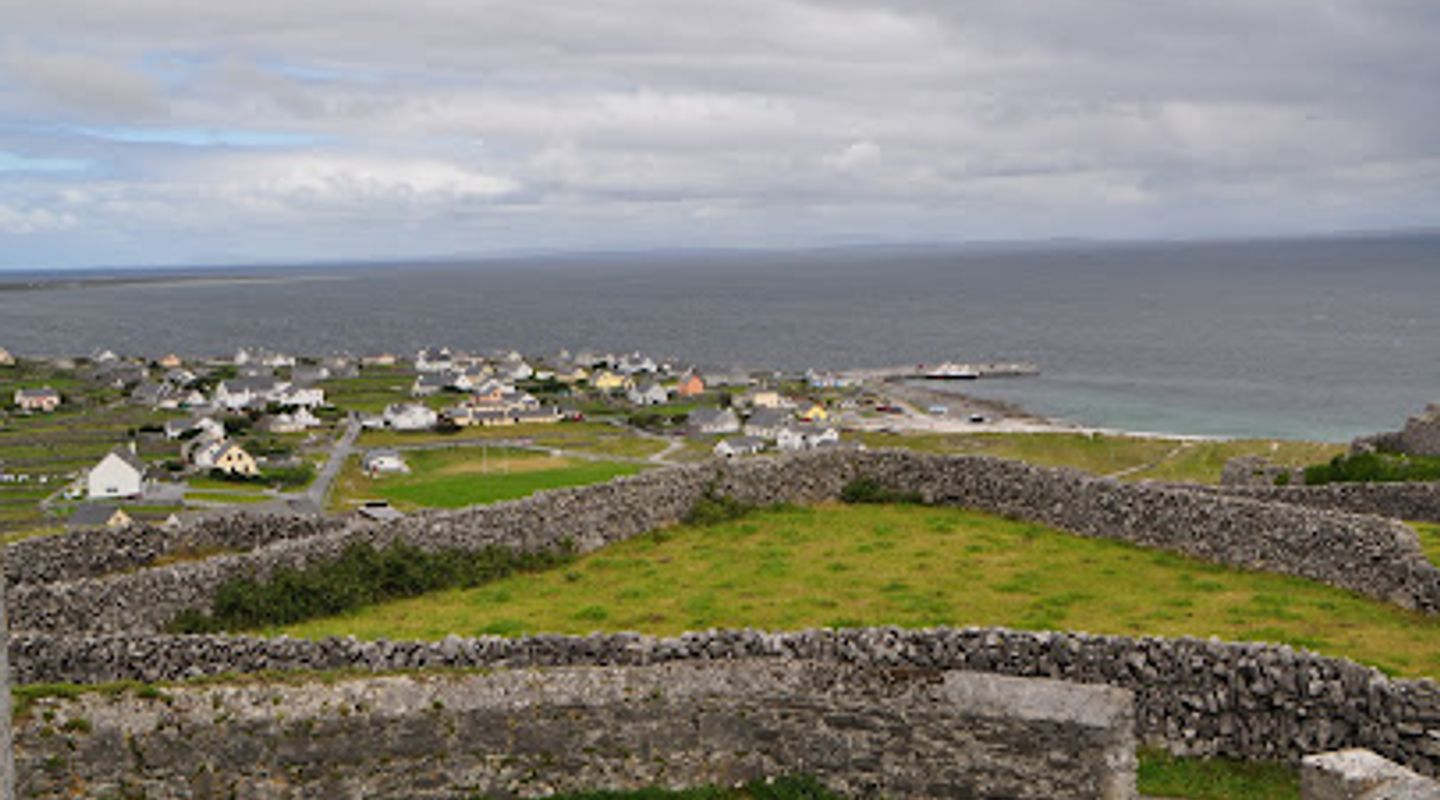
Cnoc Raithní, Aran Islands Travel Guide
Explore Cnoc Raithní on Inisheer: a Bronze Age burial mound offering a glimpse into Ireland's ancient past and stunning island views.
Cnoc Raithní, a Bronze Age burial mound on Inisheer, dates back to 1500 BC, marking it as one of the island's earliest settlements. Rediscovered after a storm in 1885, this historical landmark offers a glimpse into Ireland's ancient past.
A brief summary to Cnoc Raithní
- Unnamed Road, Inisheer, Inisheer, Co. Galway, IE
- Click to display

Know before you go
Hi, I'm Eve. Here are a few practical things to know before exploring Cnoc Raithní.
- Wear comfortable shoes, as the terrain around Cnoc Raithní is uneven.
- Bring a camera to capture the panoramic views from the top of the mound.
- Check the ferry schedule in advance, as they can vary depending on the season.
- Consider renting a bike from the pier to explore more of Inisheer.
Do you manage this location?
Take control to get all the benefits, like improved information, better appearance, and stronger visibility across AI-powered discovery. Learn more about listing your business on Evendo
Activate your presenceOther nearby places you may find interesting
The closest places of the same kind, if this one is not quite what you had in mind.
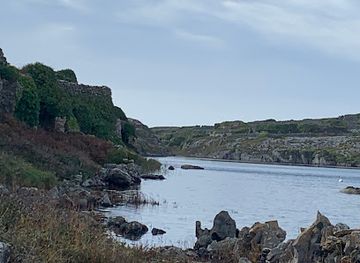
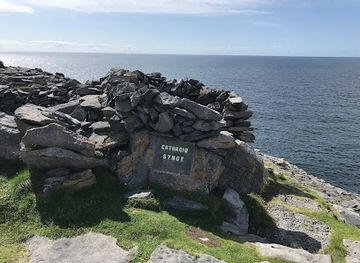
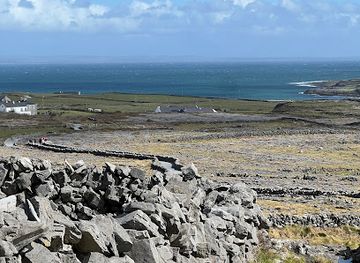
Explore Cnoc Raithní on the Map
A handpicked selection of must-see spots near Cnoc Raithní, mapped for you.
Getting There
-
Ferry
To reach Cnoc Raithní, you must first take a ferry to Inisheer. Ferries operate from Doolin and Rossaveal. From Doolin, the ferry takes about 15-30 minutes. A round-trip ticket from Doolin costs approximately €32 for adults. From Rossaveal, the ferry takes about 55 minutes. Check the ferry schedules as they vary.
-
Walking
From the Inisheer pier, Cnoc Raithní is about 3 kilometers away. Head east from the pier towards the village. Follow the road signs for about 30-40 minutes; the terrain is relatively flat. Alternatively, consider a horse-drawn cart from the pier for around €10-€15 per person.
Discover more about Cnoc Raithní













Your all‑in‑one travel companion app
Explore expert travel guides, compare and book tours, experiences, hotels, and more—all from the palm of your hand. Download now for seamless trip planning wherever your wanderlust takes you.


Explore More of Aran Islands
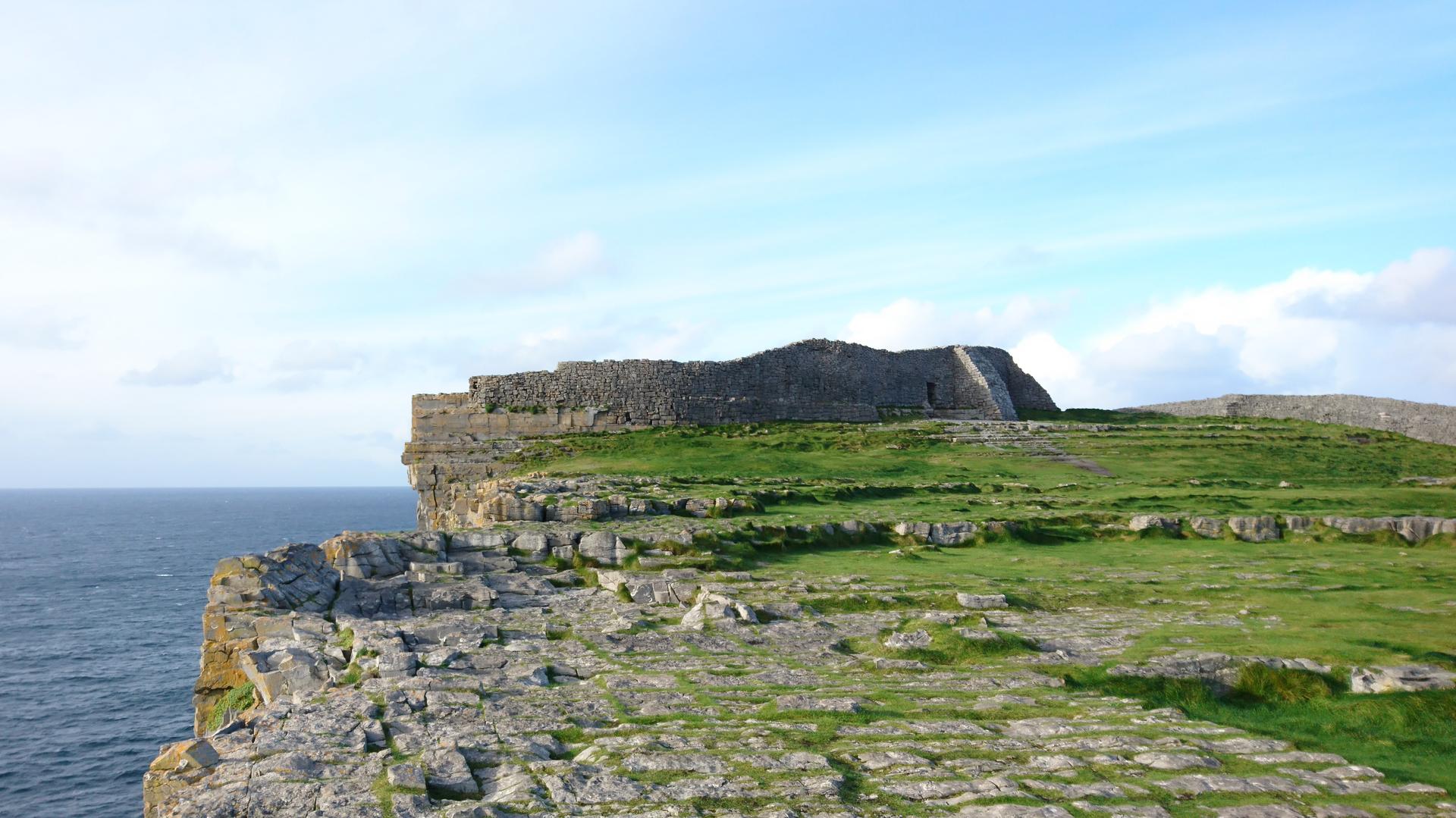
Looking beyond Cnoc Raithní? Discover Aran Islands for broader travel guides, local hot-spots, and regional highlights.
Explore Aran Islands
Discover the charm of rural island life at Chris' Orchard on Inisheer, a unique gem in the Aran Islands.

Discover the beauty and history of Inis Oírr at the Wild Atlantic Way Discovery Point, offering stunning coastal views and a glimpse into island life.