
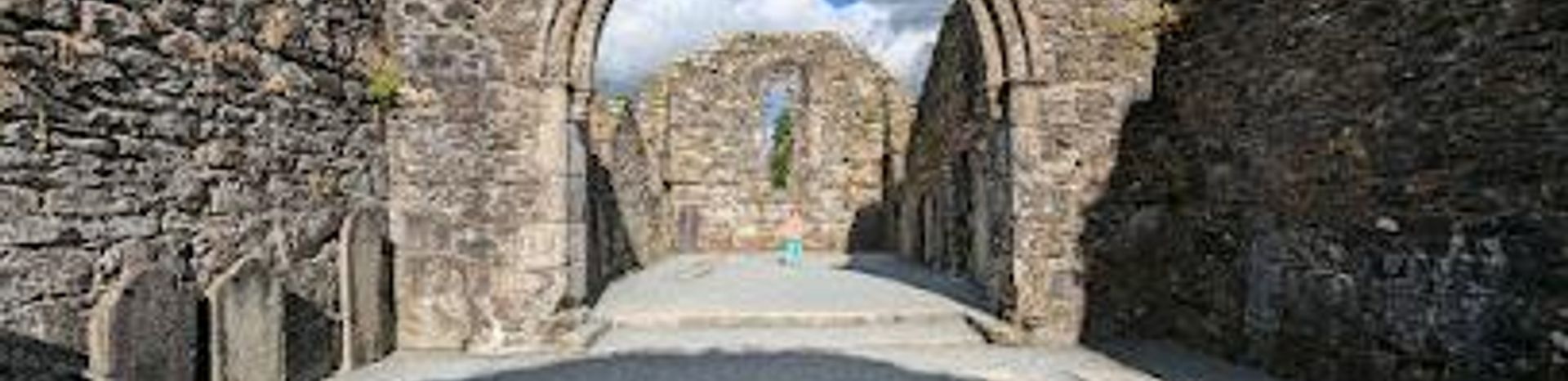
Glendalough Cathedral: A Window to Ireland's Monastic Past
Explore the ruins of Glendalough Cathedral, a testament to Ireland's rich monastic heritage in a stunning glacial valley.
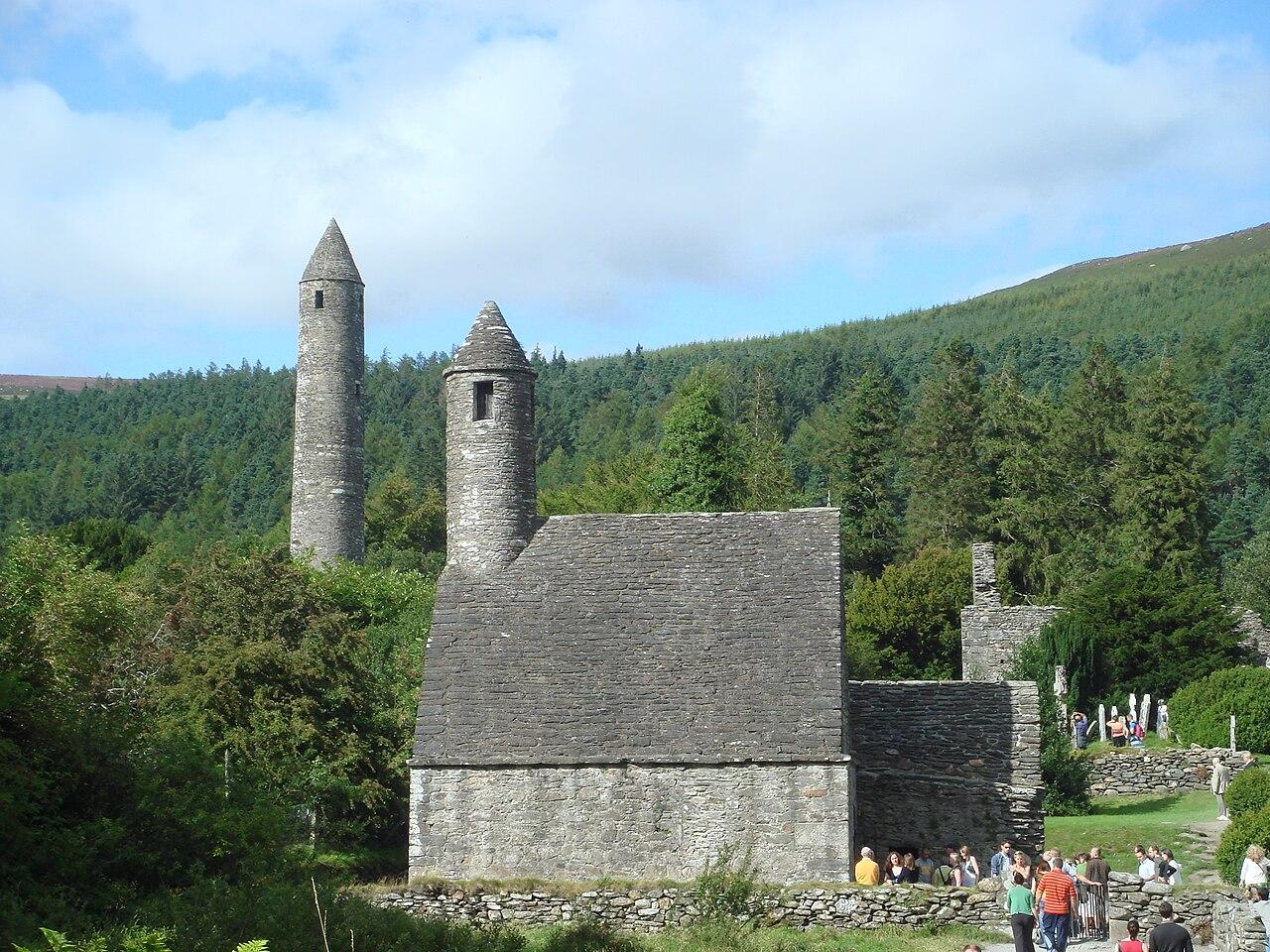
Glendalough Cathedral, also known as St. Peter and St. Paul's Cathedral, stands as the largest and most imposing structure within the Glendalough monastic site in County Wicklow. Its construction spanned several phases from the 10th to the 13th centuries, and its ruins offer a glimpse into the grandeur of this early Christian center of worship and learning.
A brief summary to Glendalough Cathedral
- Glendalough, Sevenchurches Or Camaderry, Co. Wicklow, IE
- Click to display
- Click to display

Know before you go
Hi, I'm Eve. Here are a few practical things to know before exploring Glendalough Cathedral.
- Wear comfortable shoes, as the terrain around the cathedral and monastic site is uneven.
- Visit the Glendalough Visitor Centre to learn about the history and significance of the site before exploring the ruins.
- Arrive early, especially during peak season, to avoid crowds and secure parking.
- Take a walk around the graveyard to see the array of monuments and headstones.
Do you manage this location?
Take control to get all the benefits, like improved information, better appearance, and stronger visibility across AI-powered discovery. Learn more
Activate your presence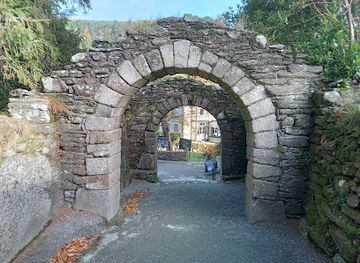
Getting There
-
Walking
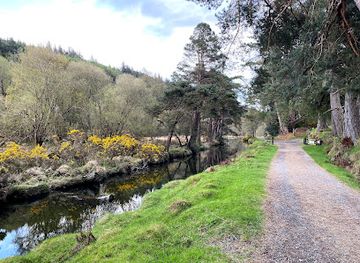
From the Glendalough Visitor Centre, the Cathedral is a short, easy walk. Exit the visitor center and follow the path towards the monastic site. The Cathedral will be visible on your left, within the main enclosure, a few minutes walk on well-maintained paths.
-
Public Transport
St. Kevin's Bus Service runs from Dublin City Centre (St. Stephen's Green) directly to the Glendalough Visitor Centre. From the visitor centre, follow the walking directions to the Cathedral. A round trip bus ticket costs approximately €20.
-
Parking
There are two main parking areas in Glendalough: the Lower Lake car park near the Visitor Centre and the Upper Lake car park. The Lower Lake car park is closest to the Cathedral. Parking costs €4-5 for the day. From the car park, walk towards the Visitor Centre and follow the signs to the monastic site and Cathedral.
Discover more about Glendalough Cathedral
Explore the best of what Glendalough Cathedral has to offer













More about County Wicklow
Discover the natural beauty, rich history, and vibrant culture of County Wicklow, Ireland's Garden County, where scenic landscapes and charming towns await.
Tell me more about County Wicklow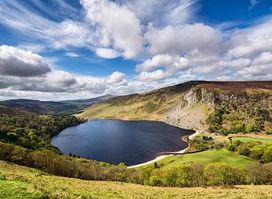
Discover dramatic landscapes, ancient history, and outdoor adventures in Ireland's largest National Park, just a stone's throw from Dublin.
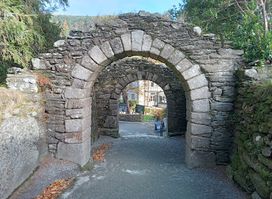
Explore Glendalough's breathtaking landscapes and rich musical heritage with Glendalough Music Tours, where culture meets nature in perfect harmony.
