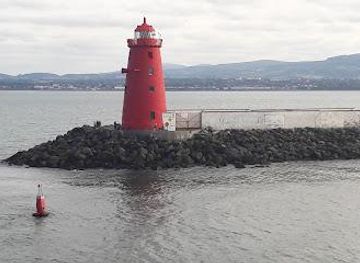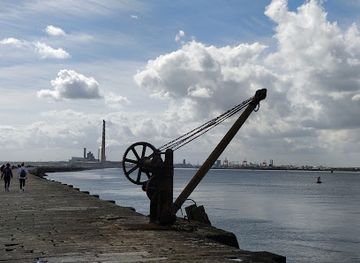
Poolbeg Lighthouse
Beacon of History: Poolbeg Lighthouse

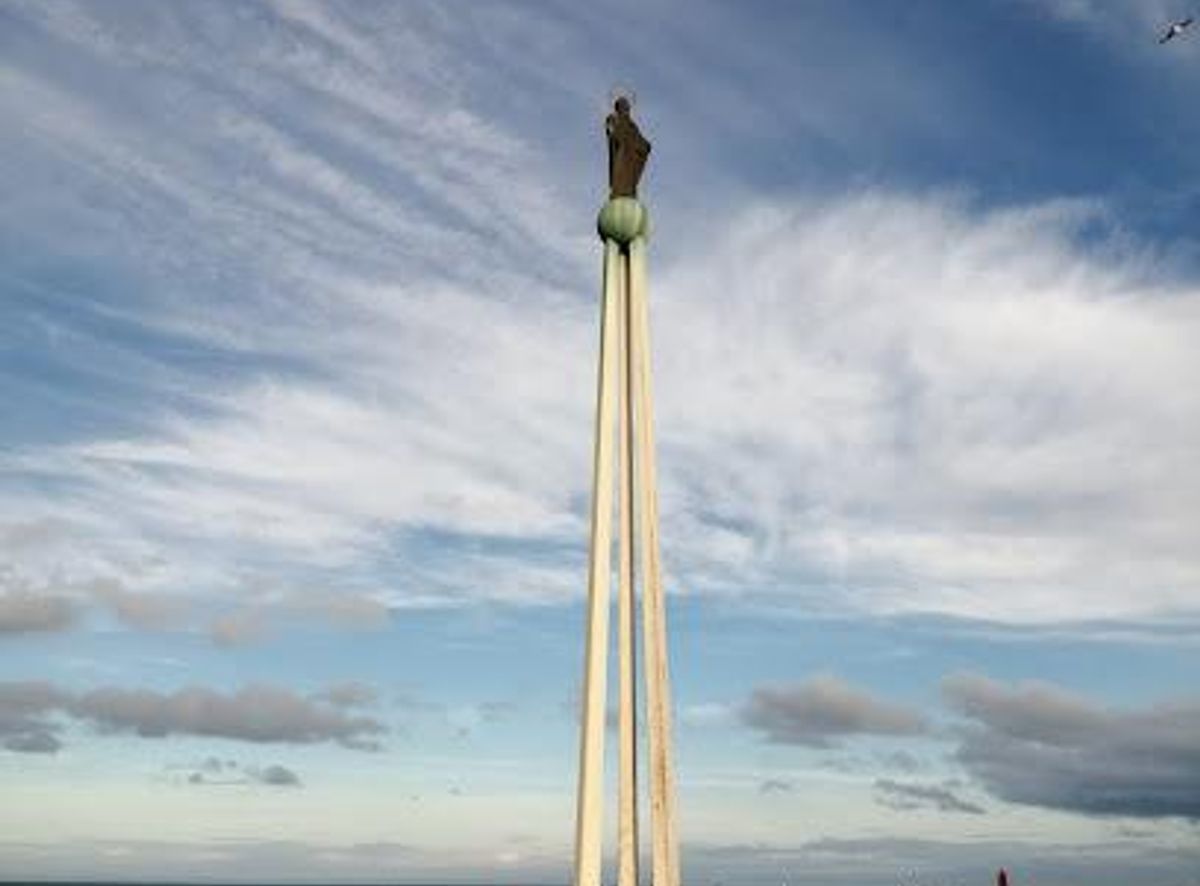
Explore Dublin's iconic Bull Wall: where engineering meets nature, offering stunning views and a gateway to North Bull Island's beauty.
The Bull Wall, also known as the North Bull Wall, is a nearly 3 km long sea wall extending into Dublin Bay from Clontarf. Built in the early 19th century to prevent silting in Dublin Port, it now protects North Bull Island, a UNESCO Biosphere Reserve, and offers stunning views and recreational opportunities.
Opening times, essentials, and a few local tips gathered into one calmer, easier-to-scan planning section.
Public Transport
From Dublin city center, take the Dublin Bus route 130 towards the Bull Wall. The bus departs from Busáras (central bus station) every 20-30 minutes. The journey to the 'Bull Island' stop takes approximately 20 minutes. From there, it's a short walk to the Bull Wall via the Wooden Bridge. A single journey TFI 90 Minute Fare is approximately €2.00 with a Leap Card.
Walking
If starting from Clontarf, follow the Clontarf Road northeast towards the coast. Continue along the coastal path, crossing the Wooden Bridge, which will lead you directly to the Bull Wall and Dollymount Strand. The walk from the center of Clontarf is approximately 15-20 minutes.
Car
From Dublin city center, head northeast on the R105 towards Clontarf. Continue onto the Clontarf Road. As you approach the coast, look for signs for Dollymount Strand and Bull Island. Limited free parking is available along the Bull Wall on a first-come, first-served basis. Be mindful not to block access to the path. Alternatively, paid parking may be available at St. Anne's Park car park on Clontarf Road, a short walk from the island.
Use Bull Wall as your starting point for nearby food, family ideas, nightlife, and more local discoveries.

Explore expert travel guides, compare and book tours, experiences, hotels, and more—all from the palm of your hand. Download now for seamless trip planning wherever your wanderlust takes you.
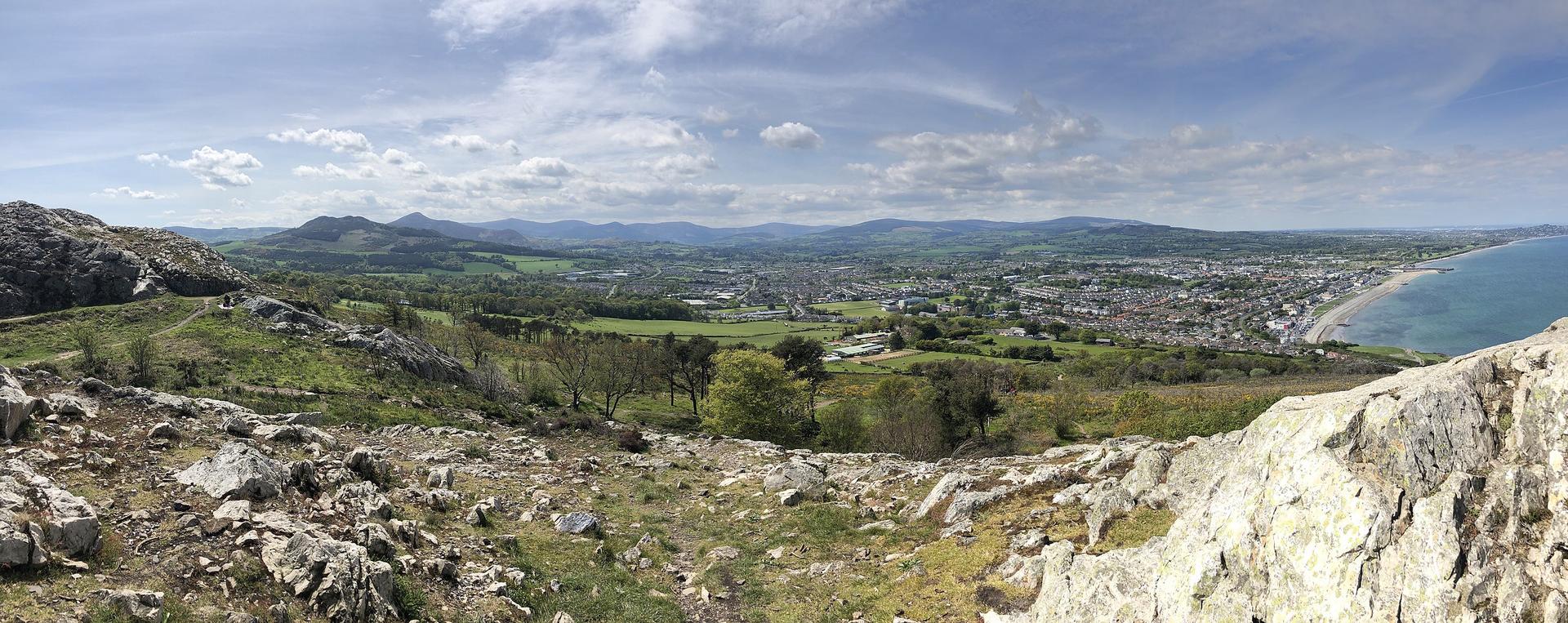
Discover Bray, Ireland's picturesque seaside town, with its scenic promenade, historic landmarks, and vibrant arts scene. Perfect for nature lovers and culture enthusiasts alike.
Tell me more about Bray