

Free County Limerick Travel Guide & Mobile App
Explore County Limerick with free travel guides. Discover regional history, expert tips, proposed trips, and audio guides on web or mobile app.


County Limerick combines a historic riverside city with prehistoric sites, medieval villages, estuary heritage, rich farmland and Ballyhoura outdoor activities.
Read more about County Limerick
When is the best time to visit County Limerick?
Best: June–August · 18–20°C| Month | High (°C) | Rainfall (mm) |
|---|---|---|
| January | 8 | 100 |
| February | 8 | 90 |
| March | 11 | 80 |
| April | 12 | 70 |
| May | 16 | 60 |
| June (best) | 18 | 60 |
| July (best) | 20 | 60 |
| August (best) | 20 | 70 |
| September | 17 | 80 |
| October | 14 | 100 |
| November | 10 | 90 |
| December | 8 | 100 |
Getting to and around County Limerick
How to get there
Transportation
Top city travel guides in County Limerick
The cities of County Limerick, and the easiest places to base yourself.
-

-


Swipe for more cities
Best attractions in County Limerick
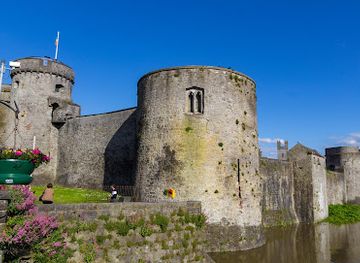
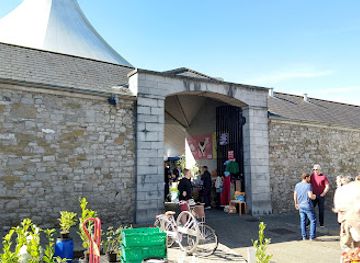
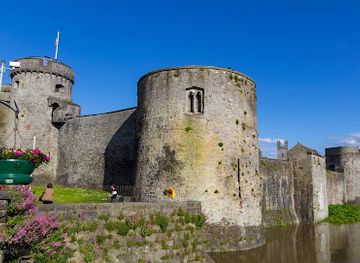
County Limerick’s attractions range from the medieval cityscape of Limerick to prehistoric monuments, woodland trails and estuary history. In the city, King John’s Castle, St Mary’s Cathedral, the Hunt Museum and the riverside streets of the medieval quarter provide a concentrated introduction to the county’s political, religious and commercial past. The Milk Market adds a contemporary food and market dimension. Outside the city, Lough Gur is the standout archaeological landscape, with prehistoric monuments and a visitor centre beside the lake. Adare combines village streets, thatched cottages and medieval remains, while Foynes Flying Boat and Maritime Museum explores the Shannon estuary’s role in early transatlantic aviation. Curraghchase Forest Park offers walking routes through a historic estate landscape, and the Ballyhoura area is suited to mountain biking, walking and other outdoor pursuits. Smaller castles, churches, graveyards and country estates are scattered through the county, although access varies and some are viewed from public roads rather than entered. The attraction pattern rewards a mixture of urban exploration and planned day trips rather than a single compact sightseeing circuit.
-
Castle
King John's Castle
Discover the history and beauty of King John's Castle in Limerick, a stunning medieval fortress overlooking the River Shannon.
-
Market
The Milk Market
Explore The Milk Market in Limerick for an authentic taste of local culture, fresh produce, and handcrafted goods in a vibrant setting.
-
Hotel
Adare Manor
Discover the luxury and charm of Adare Manor, a historic estate offering exquisite accommodations and exceptional dining in the heart of Ireland.
-
Heritage museum
Adare Heritage Centre
Explore the enchanting Adare Heritage Centre, where Irish history, culture, and culinary delights come together in a picturesque setting.
Best landmarks in County Limerick
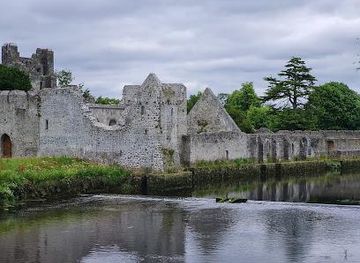
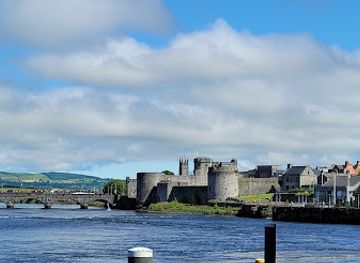
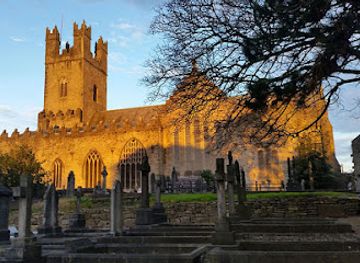
Limerick city’s defining landmark is King John’s Castle, whose towers and walls occupy a strategic position on King’s Island beside the River Shannon. St Mary’s Cathedral, founded in the twelfth century, is another major survivor of the medieval city, while the Treaty Stone across the river commemorates the negotiations that ended the Williamite war in 1691. The Georgian streets south of the medieval core provide a contrasting architectural layer, with formal terraces and civic buildings reflecting the city’s eighteenth-century expansion. In the countryside, the thatched streetscape of Adare is one of County Limerick’s most recognisable scenes, complemented by the ruins of Desmond Castle and medieval churches. Lough Gur’s stone circle and prehistoric monuments are landmarks of a much older landscape, linking visible stone structures with the lake and surrounding hills. Foynes Flying Boat and Maritime Museum represents a modern landmark of international significance, recalling the Shannon estuary’s place in early transatlantic aviation. Together, these sites show the county’s progression from prehistoric settlement and medieval power to maritime commerce and modern travel.
-
Castle
King John's Castle
Discover the rich history and stunning architecture of King John's Castle in Limerick, Ireland, a must-see for every tourist.
-
Park
People's Park
Discover the beauty of People's Park in Limerick, a serene escape with lush gardens, walking paths, and a rich tapestry of history waiting to be explored.
-
Park
Arthur's Quay Park
Discover Arthur's Quay Park, Limerick's picturesque riverside retreat offering lush greenery, scenic views, and a perfect escape for tourists and locals alike.
-
Cathedral
Saint Mary's Cathedral
Explore the stunning architectural beauty and rich history of Saint Mary's Cathedral in Limerick, a serene place of worship and a key tourist attraction.
Explore County Limerick on the map
Plan your trip on one map. See where the top cities, national parks and sights are, and book hotels and experiences in a few clicks.
Best hotels in County Limerick
Best restaurants in County Limerick
Dining in County Limerick reflects the county’s productive pastureland, Shannon connections and strong city culture. Limerick city has the widest choice, from cafés and contemporary restaurants to traditional pubs, bakeries and food stalls at the Milk Market. Menus commonly draw on Irish beef, lamb, pork, dairy produce, seasonal vegetables and locally made breads, while the wider Munster tradition is evident in farmhouse cheeses and cream-rich desserts. Rural towns and villages are places to look for pub meals, cafés and restaurants using familiar Irish ingredients rather than a separate, narrowly defined county cuisine. Foynes and other Shannon-side communities add an estuary context, although seafood availability changes with the season and individual menu. Farmers’ markets and specialist food shops are useful for picnic supplies, cheeses, baking and preserves. County Limerick is also associated with Irish coffee through the history of the Foynes flying-boat terminal, but the drink is best understood as part of the county’s aviation story rather than its only culinary signature.
-
Steak
Cornstore Limerick
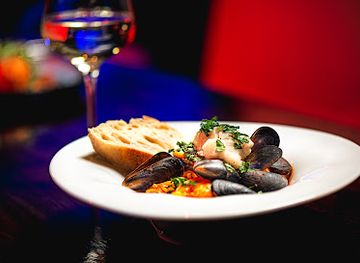
Discover Cornstore Limerick - where exquisite steak meets fresh seafood in a vibrant dining experience.
-
Irish
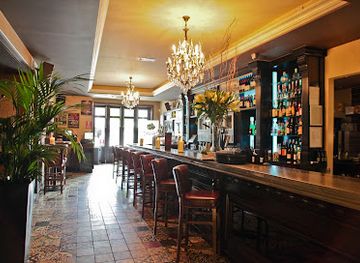
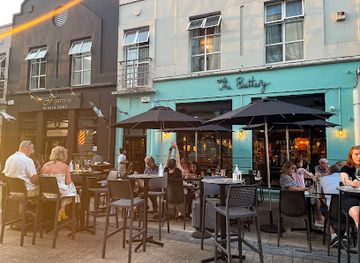
The Buttery, Bedford Row
Experience authentic Irish cuisine at The Buttery in Limerick - where tradition meets taste in every delicious bite.
-
Modern European
Marco Polo
Experience the vibrant flavors of Italy at Marco Polo, Limerick's premier modern European restaurant and cocktail bar.
-
Gastropub
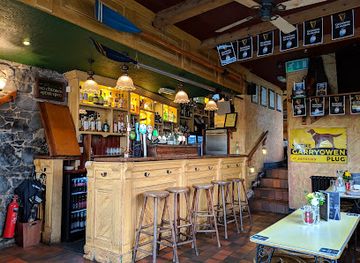
The Curragower Bar and Restaurant| Limerick
Experience authentic Irish dining at The Curragower Bar & Restaurant in Limerick - where tradition meets modern flavors along the River Shannon.
Best bars in County Limerick
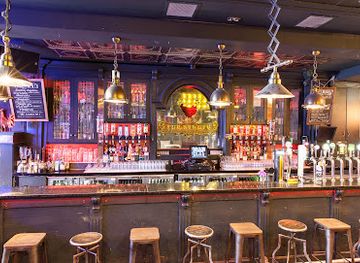
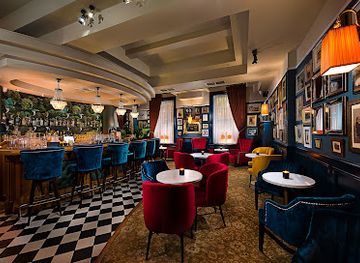
Limerick city is the county’s main centre for evening life, with traditional pubs, modern bars, restaurants, live music and cultural venues concentrated around the central streets and riverside areas. The city’s student population contributes to a more active night-time atmosphere, although venues and schedules change over time. Outside Limerick, nightlife is generally based around local pubs, hotel bars, restaurants and occasional live music in market towns and villages rather than large clubs. Adare offers an evening setting shaped by historic streets and hospitality businesses, while rural communities tend to be quieter and more dependent on particular venues or events. Visitors should plan transport carefully after drinking, especially in the countryside, where taxis and public transport may be limited. Pubs remain social meeting places, but food, conversation, music and local hospitality are not dependent on alcohol.
-
Gastropub
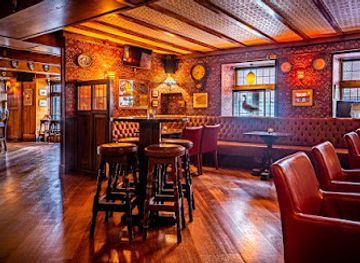
The Locke Bar
Discover The Locke Bar, Limerick's premier gastropub for authentic Irish cuisine, craft drinks, and unforgettable live music experiences.
-
Pub
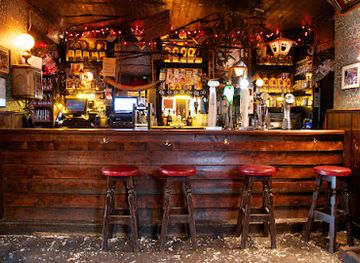
Nancy Blakes
Experience the vibrant atmosphere at Nancy Blakes, a traditional Irish pub in Limerick known for live music and authentic charm.
-
Gastropub
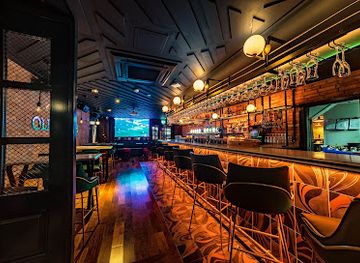
The Old Quarter GastroPub
Experience the heart of Limerick at The Old Quarter GastroPub, where traditional Irish cuisine meets a lively pub atmosphere.
-
Irish pub
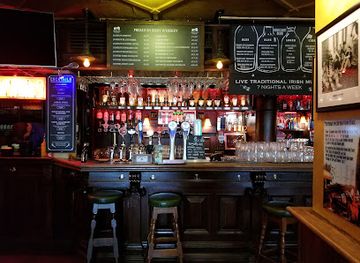
Jerry Flannery's Bar
Discover the heart of Irish culture at Jerry Flannery's Bar, a lively venue for food, music, and sports in Limerick.
Best nightclubs in County Limerick
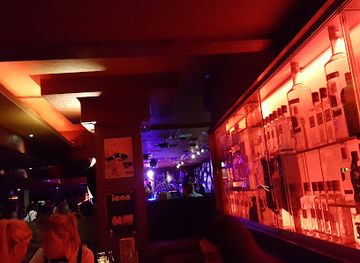
Limerick city is the county’s main centre for evening life, with traditional pubs, modern bars, restaurants, live music and cultural venues concentrated around the central streets and riverside areas. The city’s student population contributes to a more active night-time atmosphere, although venues and schedules change over time. Outside Limerick, nightlife is generally based around local pubs, hotel bars, restaurants and occasional live music in market towns and villages rather than large clubs. Adare offers an evening setting shaped by historic streets and hospitality businesses, while rural communities tend to be quieter and more dependent on particular venues or events. Visitors should plan transport carefully after drinking, especially in the countryside, where taxis and public transport may be limited. Pubs remain social meeting places, but food, conversation, music and local hospitality are not dependent on alcohol.
-
Bar
House Limerick
Experience the lively atmosphere of House Limerick, where dining meets nightlife in the heart of the city.
-
Bar
The Red Hen
Discover the lively atmosphere of The Red Hen in Limerick, a cocktail bar offering creative drinks and a welcoming vibe for all visitors.
-
Night club
Smyths Bar & Club Icon
Discover the vibrant nightlife of Smyths Bar & Club Icon in Limerick, where exceptional cocktails meet an energetic atmosphere for unforgettable evenings.
-
Cocktail bar
101
Experience the vibrant cocktail culture at 101 O'Connell St, where creativity meets flavor in the heart of Limerick's nightlife.

Best shops in County Limerick
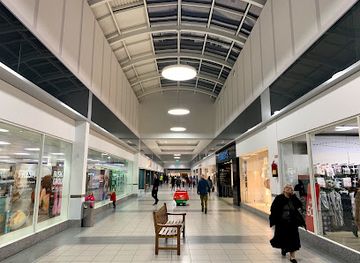
Limerick city provides County Limerick’s broadest shopping choice, combining the central retail streets and shopping centres with independent cafés, bookshops, craft businesses, galleries and food retailers. The Milk Market is particularly useful for regional produce, prepared food, baking, cheeses, preserves and artisan goods when its market is operating. Adare has a more visitor-oriented selection of craft, gift and speciality shops within its historic village setting, while market towns and larger villages offer practical high-street shopping rather than extensive department-store retail. Look for Irish-made textiles, pottery, jewellery, artwork, books and locally produced food as more meaningful souvenirs than generic branded goods. Farm shops and specialist food outlets can provide cheese, butter, preserves and baked products associated with the pasture-rich south-west. Retail opening patterns are more limited in rural areas, especially outside the main daytime and weekend periods, so visitors should buy essentials in Limerick city or a larger town before heading into remote countryside.
-
Shopping mall
Crescent Shopping Centre
Explore the Crescent Shopping Centre in Limerick – your go-to destination for shopping, dining, and entertainment in a vibrant retail space.
-
Shopping mall
Arthur's Quay Shopping Centre
Discover Limerick's retail gem at Arthur's Quay Shopping Centre, where shopping meets local culture in a vibrant setting.
-
Shopping mall
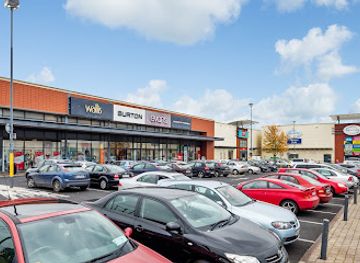
Limerick One Shopping Park
Discover retail bliss at Limerick One Shopping Park, the ultimate shopping destination in Limerick with diverse stores, dining, and entertainment.
-
Shopping mall
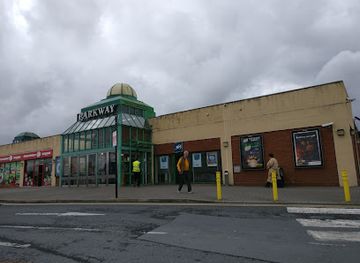
Parkway Shopping Centre
Explore Parkway Shopping Centre in Limerick, a vibrant hub for shopping, dining, and entertainment, ideal for tourists and locals.
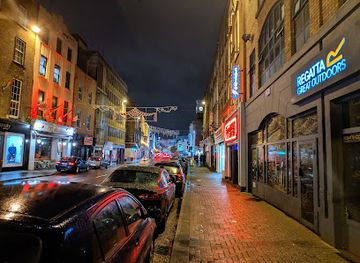
Get your free copy of our complete guide to County Limerick, delivered straight to you.
Everything on this page, from attractions and restaurants to essentials and local phrases, in one PDF you can read offline, print or share.
Already have an account? Sign in
Your County Limerick guide is ready.
We'll send it to · Not you? Sign out

Getting your guide ready…
We are putting together a fresh copy of the County Limerick guide. This can take up to a minute.
This can take a few moments. If your browser asks, choose Allow so the download can start. You'll find the guide in your Downloads folder.
Nothing happened? Download it again
Sorry, the guide is taking longer than usual. Please try again in a minute, or get it by email instead.
County Limerick essentials
Currency and Payment
Safety
Emergency Situations
Do's and Don'ts
Local Tips
From Eve
Local phrases worth knowing
You don't need to get them perfect. A few words go a long way, and locals appreciate the effort.
Basics
| English | Local | Say it |
|---|---|---|
| Hello | Howdy | [How-dee] |
| Goodbye | See ya later | [See ya lay-ter] |
| Yes | Sure thing | [Shur thing] |
| No | Nah | [Nah] |
| Please/You’re welcome | No problem | [No prob-lem] |
| Thank you | Thanks a lot | [Thanks a lot] |
| Excuse me/Sorry | Pardon me | [Par-don mee] |
| How are you? | How ya doin’? | [How ya do-in’] |
| Fine. And you? | I’m good. And you? | [I’m good. And you?] |
| Do you speak English? | Do ya speak English? | [Do ya speak English?] |
| I don't understand | I don’t get it | [I don’t get it] |
Eating & Drinking
| English | Local | Say it |
|---|---|---|
| I’d like to see the menu, please | Can I see the menu, please? | [Can I see the men-oo, please?] |
| I don't eat meat | I’m a vegetarian | [I’m a vege-tar-ian] |
| Cheers! | Cheers! | [Cheers!] |
| I would like to pay, please | Can I get the check, please? | [Can I get the check, please?] |
Emergencies
| English | Local | Say it |
|---|---|---|
| Help! | Help! | [Help!] |
| Go away! | Leave me alone! | [Leave me a-lone!] |
| Call the Police! | Call the cops! | [Call the cops!] |
| Call a doctor! | Get a doctor! | [Get a doc-tor!] |
| I’m lost | I’m turned around | [I’m turned a-round] |
| I’m ill | I’m not feeling well | [I’m not feel-ing well] |
Shopping
| English | Local | Say it |
|---|---|---|
| I’d like to buy... | I want to buy... | [I want to buy...] |
| I’m just looking | I’m just browsing | [I’m just brows-ing] |
| How much is it? | What’s the price? | [What’s the price?] |
| That’s too expensive | That’s a bit pricey | [That’s a bit pri-cey] |
| Can you lower the price? | Can ya make it cheaper? | [Can ya make it cheap-er?] |
Time & Numbers
| English | Local | Say it |
|---|---|---|
| What time is it? | What time is it? | [What time is it?] |
| It’s one o'clock | It’s one o’clock | [It’s one o’clock] |
| Half past (10) | Half past ten | [Half past ten] |
| Morning | Morning | [Morn-ing] |
| Afternoon | Afternoon | [Af-ter-noon] |
| Evening | Evening | [Eve-ning] |
| Yesterday | Yesterday | [Yes-ter-day] |
| Today | Today | [To-day] |
| Tomorrow | Tomorrow | [To-mor-row] |
| 1 | One | [One] |
| 2 | Two | [Two] |
| 3 | Three | [Three] |
| 4 | Four | [Four] |
| 5 | Five | [Five] |
| 6 | Six | [Six] |
| 7 | Seven | [Seven] |
| 8 | Eight | [Eight] |
| 9 | Nine | [Nine] |
| 10 | Ten | [Ten] |
Transport & Directions
| English | Local | Say it |
|---|---|---|
| Where's a/the...? | Where's the...? | [Where's the...?] |
| What's the address? | What’s the address? | [What’s the ad-dress?] |
| Can you show me (on the map)? | Can ya point it out on the map? | [Can ya point it out on the map?] |
| When's the next (bus)? | When’s the next bus? | [When’s the next bus?] |
| A ticket (to ....) | A ticket to ... | [A tick-et to ...] |
History of County Limerick
Prehistoric Lough Gur and Early Settlement
The landscape around Lough Gur preserves one of County Limerick’s most important prehistoric archaeological concentrations. Neolithic communities cultivated land, built megalithic monuments and used the lake’s surroundings over many centuries. The stone circle at Grange, chamber tombs and other remains demonstrate organised ritual and settlement rather than isolated activity. Later Bronze Age and Iron Age evidence added further layers to the site’s importance. Lough Gur remains valuable because its monuments can be understood within a visible landscape of low hills, water and pasture, offering visitors an unusually clear impression of how prehistoric communities occupied the region.
Early Medieval Munster and Religious Foundations
In the early medieval period, County Limerick lay within the shifting political world of Munster, where local kingdoms, church communities and dynastic alliances shaped control of land. Several later ecclesiastical sites preserve evidence of this Christian heritage, even where buildings have been altered or rebuilt. The region’s rivers and fertile plains supported agriculture and movement, while religious foundations became centres of learning, worship and landholding. Medieval traditions associated with places such as Aghabullogue and the wider Limerick landscape reflect the way Christianity became embedded in settlement patterns across the county.
Viking Limerick and the Medieval City
Limerick developed as a major settlement on the Shannon, with Norse traders and rulers establishing an important urban centre before the arrival of the Anglo-Normans. Its riverside position connected the city to the estuary and wider maritime commerce. After the Anglo-Norman conquest, Limerick was reshaped as a fortified medieval city, particularly on King's Island, where the castle and defensive walls controlled approaches across the river. The surviving medieval core, St Mary’s Cathedral and King John’s Castle reveal the city’s long role as a political, military and commercial centre.
Anglo-Norman Lordships and Desmond Power
From the late twelfth century, Anglo-Norman expansion transformed landholding and castle-building in County Limerick. Families such as the FitzGeralds of Desmond established strong positions, while settlements and religious houses developed along routes linking the city with the southern and western countryside. Adare’s medieval remains, including its churches and the ruins of Desmond Castle, illustrate this period particularly well. The lordships were not static: Gaelic influence continued, alliances shifted and rival powers contested territory. These tensions helped shape the fortified landscape that remains visible in towns and rural estates.
Sieges, the Treaty of Limerick and Political Change
Limerick became central to the wars of the seventeenth century. The city endured sieges during the Williamite conflict, and the Treaty of Limerick was signed in 1691, ending the final major resistance of the Jacobite forces in Ireland. The Treaty Stone, positioned across the river from the medieval city, commemorates the negotiations, although the document’s later interpretation and the consequences for Catholic political power were complex. The conflict left a lasting imprint on Limerick’s civic identity and on the political and religious landscape of Ireland.
Agriculture, Markets and Transport
County Limerick’s productive pasturelands helped make agriculture and food trading central to its economy, particularly in the Golden Vale and the lands around the city. Limerick developed as a market and port centre, connecting inland farms with the Shannon estuary and wider Irish and overseas trade. Roads, canals and railways later strengthened links between the city, market towns and neighbouring counties. The growth of dairying, livestock farming and food processing shaped both the countryside and the city’s commercial life, while the surviving market traditions continue to influence the county’s culinary identity.
Foynes and the Age of Transatlantic Aviation
During the 1930s and 1940s, Foynes on the Shannon estuary became an important terminal for flying boats crossing the North Atlantic. Its airport and harbour facilities served passengers and crews during the early development of commercial transatlantic travel, before land-based aircraft made longer routes practical. The Foynes Flying Boat and Maritime Museum preserves this story, including the association between the terminal and the creation of Irish coffee. The episode placed a small County Limerick port within the history of international aviation and modern communications.
County Limerick in Photos
Browse through our photo collection highlighting the charm and character of the destination.
Neighbouring regions of County Limerick
The closest regions to County Limerick, if you have time for more than one.
-

-

-

-

-


Swipe for more regions
Explore more
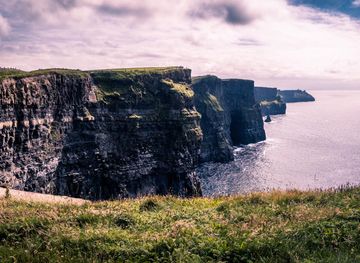
Explore more of Ireland
Discover Ireland: A land of enchanting landscapes, rich history, and vibrant culture, where every corner tells a story and every visit feels like coming home.
Explore Ireland