

Free County Cork Travel Guide & Mobile App
Explore County Cork with free travel guides. Discover regional history, expert tips, proposed trips, and audio guides on web or mobile app.


Explore County Cork for Atlantic peninsulas, historic harbour towns, castles, local food and scenic walking across Ireland’s south-west.
Read more about County Cork
When is the best time to visit County Cork?
Best: June–August · 20–21°C| Month | High (°C) | Rainfall (mm) |
|---|---|---|
| January | 10 | 120 |
| February | 10 | 100 |
| March | 12 | 100 |
| April | 14 | 80 |
| May | 17 | 80 |
| June (best) | 20 | 70 |
| July (best) | 21 | 70 |
| August (best) | 21 | 80 |
| September | 18 | 90 |
| October | 15 | 110 |
| November | 12 | 120 |
| December | 10 | 130 |
Getting to and around County Cork
How to get there
Transportation
Top city travel guides in County Cork
The cities of County Cork, and the easiest places to base yourself.
-
-

-

-

-

-


Swipe for more cities
Destinations in County Cork
Resorts, valleys and scenic spots worth a trip of their own.
-

-

-
-

-


Swipe for more destinations
Best attractions in County Cork
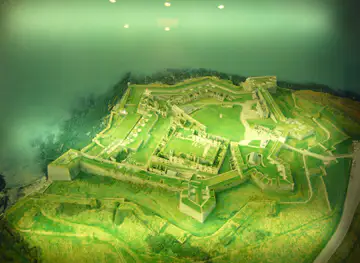
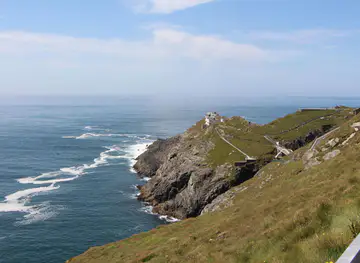
County Cork’s attractions range from medieval towers and formal gardens to Atlantic headlands, islands and wildlife-rich waterways. Blarney Castle and its gardens provide one of the county’s best-known heritage visits, while Charles Fort and James Fort explain the strategic history of Kinsale Harbour. Around Cork Harbour, Cobh’s maritime heritage, Fota House and Fota Wildlife Park create a varied day out, with rail and road links from the surrounding area. West Cork offers a different rhythm: the coastal communities of Baltimore, Schull, Bantry and Skibbereen provide access to sea trips, islands and walking routes, while Mizen Head combines dramatic scenery with a maritime signal-station setting. Inland, Gougane Barra brings together forest, mountain scenery and a small historic church site, and the Lee Valley around Macroom has opportunities for walking, angling and rural exploration. Beaches, coves and cliff paths occur throughout the south and west, but access, parking and facilities vary considerably. The county’s attraction landscape is defined less by one concentrated resort than by the relationship between historic settlements, working harbours, food-producing countryside and an exposed Atlantic coast.
-
Castle
Blarney Castle & Gardens
Discover the legendary Blarney Castle & Gardens in County Cork, Ireland. Kiss the Blarney Stone and explore enchanting gardens and historic ruins.
-
Park
Fitzgerald Park
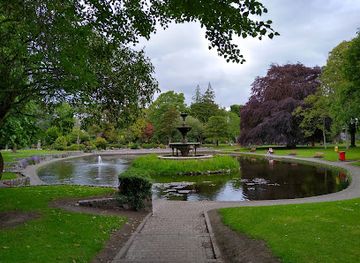
Escape to tranquility in Cork's Fitzgerald Park: gardens, history, and the iconic 'Shakey Bridge' await!
-
Museum
Titanic Experience Cobh
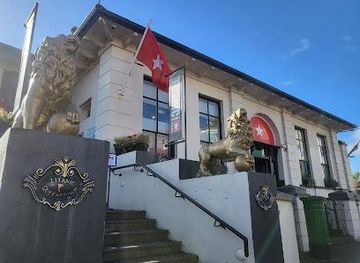
Explore the Titanic Experience Cobh and delve into the rich maritime history of Ireland's last port of call for the Titanic, combining tragedy with heritage.
-
Castle
Charles Fort
Explore Charles Fort in Kinsale: a 17th-century star-shaped fortress with centuries of history and panoramic harbor views.

Best landmarks in County Cork
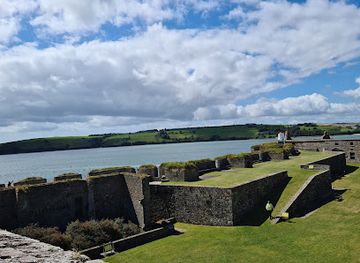
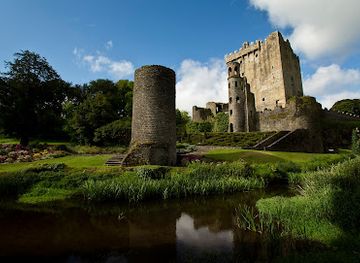
County Cork’s most recognisable landmarks reveal its strategic position between Ireland’s interior and the Atlantic. Blarney Castle is a substantial medieval tower house set among wooded grounds, and its fame has made the surrounding village one of the county’s best-known visitor locations. Charles Fort, a distinctive star-shaped seventeenth-century fortress overlooking Kinsale Harbour, is paired across the waterway by the smaller James Fort, together illustrating the military importance of the harbour. Cobh’s skyline is dominated by St Colman’s Cathedral, whose elevated position overlooks the harbour and the town’s steep streets. Farther west, the Mizen Head signal station and bridge occupy an exposed promontory at the south-western edge of mainland Ireland, while the Old Head of Kinsale forms a long, visually commanding headland above the Atlantic. The stone circles and standing stones of West Cork are quieter landmarks, rooted in a much older landscape of farms, mountains and sea channels. Gougane Barra’s small church and wooded valley provide another memorable setting, combining religious history with the enclosed scenery of the interior.
-
Castle
Blarney Castle & Gardens
Experience the charm of Blarney Castle & Gardens in Ireland, where history, beauty, and legends come together in a breathtaking setting.
-
Castle
Charles Fort
Explore a 17th-century star-shaped fort with harbor views, key to Irish military history, in Kinsale, County Cork.
-
History museum
Cork City Gaol
Discover Ireland's penal past at Cork City Gaol, a historic prison turned museum with captivating exhibits and stories of its inmates.
-
Historical landmark
Elizabeth Fort
Explore Cork's rich history at Elizabeth Fort, a 17th-century star-shaped fortress with panoramic city views and centuries of stories to uncover.

Explore County Cork on the map
Plan your trip on one map. See where the top cities, national parks and sights are, and book hotels and experiences in a few clicks.
Best hotels in County Cork
Best restaurants in County Cork
County Cork has one of Ireland’s strongest regional food identities, shaped by farmland, fishing ports and a long tradition of small-scale production. Kinsale is particularly associated with restaurants and harbour-side dining, while West Cork is known for farmhouse cheeses, artisan bread, vegetables, meat, seafood and other produce sold through independent shops, cafés and markets. Fish and shellfish are natural choices in coastal towns, although menus vary with supply and season rather than following a single fixed regional style. Inland pubs and rural inns often provide hearty Irish cooking, while larger towns offer contemporary restaurants, bakeries and coffee shops. Local apples and cider are associated with the county’s agricultural traditions, and food markets in places such as Cork city, Clonakilty and Skibbereen can be useful introductions to producers from across the region; Cork city itself is separate from County Cork but remains an important culinary gateway. Advance booking is sensible in popular coastal destinations during summer, when restaurants can be busy and accommodation areas fill quickly.
-
Hamburger
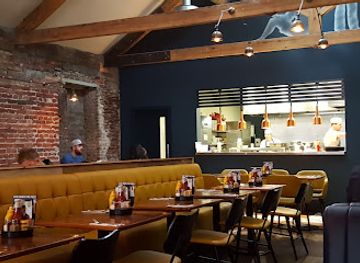
Son of a Bun
Discover Cork's top burger joint at Son of a Bun - where taste meets tradition in every delicious bite.
-
Seafood
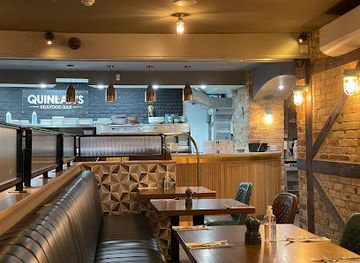
Quinlans Seafood Bar Cork
Experience authentic Irish seafood at Quinlans Seafood Bar in Cork - where freshness meets tradition.
-
Mediterranean
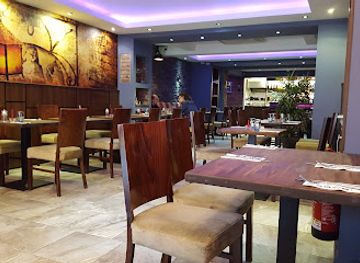
Nosta Restaurant
Discover authentic Mediterranean flavors at Nosta Restaurant in Cork - where every dish tells a story.
-
Modern European
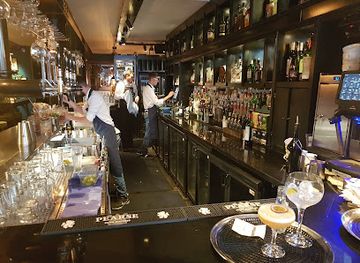
Cornstore Cork
Discover the best of modern European cuisine at Cornstore Cork - where every dish tells a story of flavor and freshness.
Best bars in County Cork
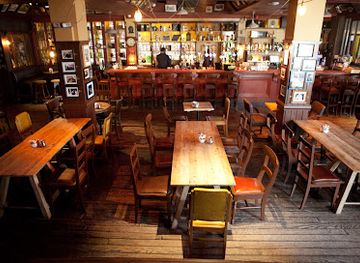
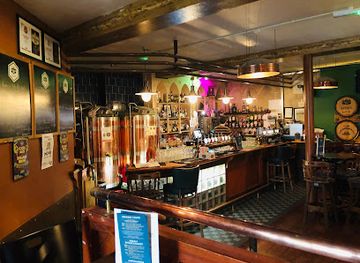
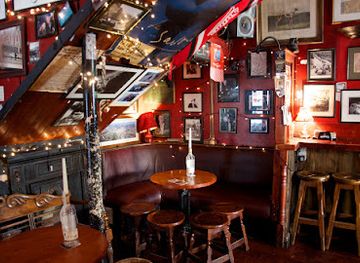
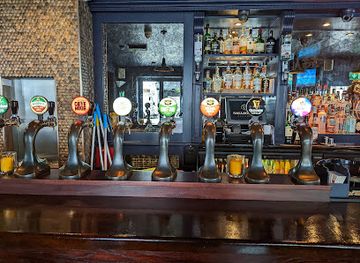
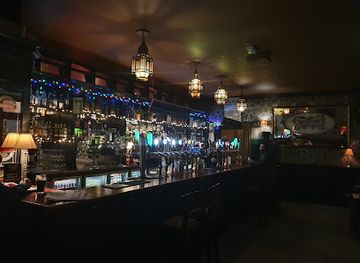
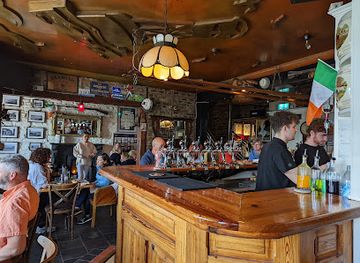
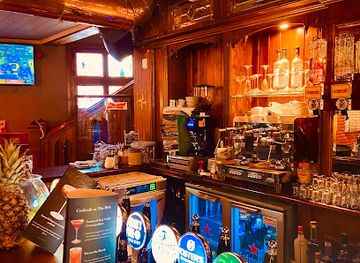
Evening life in County Cork is centred more on traditional pubs, restaurants, live music and conversation than on a large nightclub circuit. Kinsale has the broadest concentration of dining-led evening options among the county’s coastal towns, while Clonakilty, Skibbereen, Bantry, Cobh and other larger settlements have pubs where music sessions and local events may take place. West Cork’s rural evening culture can be seasonal and dispersed, with the busiest atmosphere often found during summer and festival periods rather than every night of the year. Craft breweries, cider producers and food-focused venues add variety, but opening arrangements and event programmes change, so local listings are worth checking. Cork city, outside the county’s separate administrative boundary, provides Ireland’s south-west’s largest selection of theatres, music venues, cocktail bars and clubs for visitors seeking a denser nightlife scene.
-
Bar
The Oliver Plunkett
Discover the heart of Cork at The Oliver Plunkett, where vibrant atmosphere meets delicious food and live entertainment.
-
Pub
Franciscan Well Brewery & Brewpub
Discover the allure of Franciscan Well Brewery & Brewpub in Cork, where craft beer, delicious pizzas, and a vibrant atmosphere await.
-
Irish pub
Sin é
Discover the best of Irish culture and live music at Sin É, Cork's iconic pub in the heart of the Victorian Quarter.
-
Gastropub
Gallagher's Cork
Discover Gallagher's Cork: where traditional Irish hospitality meets modern culinary creativity in the heart of Cork's Victorian Quarter.
Best nightclubs in County Cork
Evening life in County Cork is centred more on traditional pubs, restaurants, live music and conversation than on a large nightclub circuit. Kinsale has the broadest concentration of dining-led evening options among the county’s coastal towns, while Clonakilty, Skibbereen, Bantry, Cobh and other larger settlements have pubs where music sessions and local events may take place. West Cork’s rural evening culture can be seasonal and dispersed, with the busiest atmosphere often found during summer and festival periods rather than every night of the year. Craft breweries, cider producers and food-focused venues add variety, but opening arrangements and event programmes change, so local listings are worth checking. Cork city, outside the county’s separate administrative boundary, provides Ireland’s south-west’s largest selection of theatres, music venues, cocktail bars and clubs for visitors seeking a denser nightlife scene.
-
Live Music
The Crane Lane Theatre
Experience Cork's vibrant nightlife at The Crane Lane Theatre, where live music, cocktails, and a lively atmosphere await.
-
Irish pub
The Bulman Bar & Restaurant Kinsale
Discover authentic Irish cuisine and warm hospitality at The Bulman Bar & Restaurant in Kinsale, a perfect haven for food lovers and travelers.
-
Irish pub
The Bishopstown Bar & Restaurant
Discover the heart of Irish culture at The Bishopstown Bar & Restaurant, where traditional fare meets a lively pub atmosphere in Cork.
-
Bar
Tanyard
Experience the vibrant nightlife at Tanyard in Skibbereen, Co. Cork, where great drinks and friendly vibes await every visitor.

Best shops in County Cork
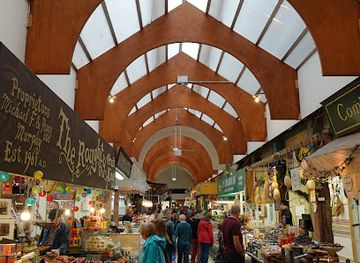
Shopping in County Cork is strongest in its market towns and independent food-producing communities rather than in large luxury districts. Kinsale offers galleries, delis, craft-oriented shops and practical high-street retail alongside its restaurants, while Clonakilty, Skibbereen and Bantry are useful for local produce, books, clothing and everyday supplies. West Cork is a good place to look for farmhouse cheese, preserves, bread, cider and other edible gifts, though producers and market schedules vary by season. Craft shops and galleries may feature ceramics, textiles, jewellery, woodwork and paintings inspired by the coast and countryside. Cobh combines maritime-themed souvenirs with the ordinary shops of a working town, and Blarney has a larger visitor-oriented selection of Irish gifts and woollens. Farmers’ markets are often the best route to regional produce, but they are not held uniformly every day, so check local arrangements before travelling. Cork city, nearby but separately administered, provides the county’s broadest choice of department stores, specialist shops and permanent city-centre retail.
-
Market
The English Market
Explore the vibrant flavors of Ireland at The English Market in Cork, a culinary destination filled with fresh local produce and artisan delights.
-
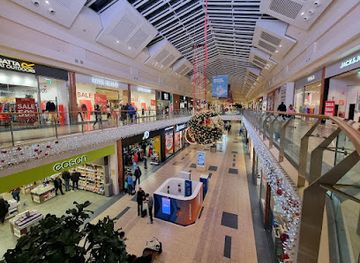
Shopping mall
Mahon Point Shopping Centre
Discover Mahon Point Shopping Centre, Cork's ultimate shopping destination with a blend of retail, dining, and entertainment options for everyone.
-
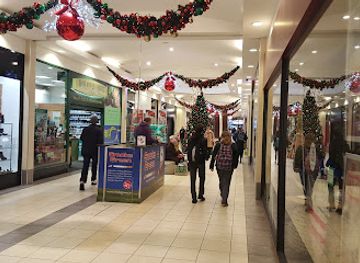
Shopping mall
Wilton Shopping Centre
Discover the best shopping and dining experience at Wilton Shopping Centre in Cork, featuring diverse shops, delicious eateries, and family-friendly fun.
-
Shopping mall
Merchants Quay Shopping Centre
Discover Cork's vibrant retail scene at Merchants Quay Shopping Centre, where shopping meets culinary delights and local culture.
Get your free copy of our complete guide to County Cork, delivered straight to you.
Everything on this page, from attractions and restaurants to essentials and local phrases, in one PDF you can read offline, print or share.
Already have an account? Sign in
Your County Cork guide is ready.
We'll send it to · Not you? Sign out

Getting your guide ready…
We are putting together a fresh copy of the County Cork guide. This can take up to a minute.
This can take a few moments. If your browser asks, choose Allow so the download can start. You'll find the guide in your Downloads folder.
Nothing happened? Download it again
Sorry, the guide is taking longer than usual. Please try again in a minute, or get it by email instead.
County Cork essentials
Currency and Payment
Safety
Emergency Situations
Do's and Don'ts
Local Tips
From Eve
Local phrases worth knowing
You don't need to get them perfect. A few words go a long way, and locals appreciate the effort.
Basics
| English | Local | Say it |
|---|---|---|
| Hello | Dia dhuit | [dee-ah gwitch] |
| Goodbye | Slán | [slawn] |
| Yes | Is ea | [iss ay] |
| No | Níl | [neel] |
| Please/You’re welcome | Le do thoil | [leh duh hull] |
| Thank you | Go raibh maith agat | [guh rev mah agat] |
| Excuse me/Sorry | Gabh mo leithscéal | [gav muh lesh-kayl] |
| How are you? | Conas atá tú? | [kun-us uh-taw too] |
| Fine. And you? | Go maith. Agus tusa? | [guh mah. ah-gus tu-sah] |
| Do you speak English? | An labhraíonn tú Béarla? | [on low-ree-awn too bay-arl-ah] |
| I don't understand | Ní thuigim | [nee hig-im] |
Eating & Drinking
| English | Local | Say it |
|---|---|---|
| I’d like to see the menu, please | Ba mhaith liom an menu a fheiceáil, le do thoil | [bah wah lum on menu a fey-hil, leh duh hull] |
| I don’t eat meat | Ní ithim feoil | [nee ee-im fail] |
| Cheers! | Sláinte! | [slawn-chuh] |
| I would like to pay, please | Ba mhaith liom íoc, le do thoil | [bah wah lum eek, leh duh hull] |
Emergencies
| English | Local | Say it |
|---|---|---|
| Help! | Cabhair! | [kaw-ir] |
| Go away! | Imigh uaim! | [im-ee ooh-im] |
| Call the Police! | Glaoigh ar na Póilíní! | [glaw-ee ar nah po-lee-nee] |
| Call a doctor! | Glaoigh ar dhochtúir! | [glaw-ee ar hock-tur] |
| I’m lost | Táim caillte | [taw-im kylt-eh] |
| I’m ill | Táim tinn | [taw-im tin] |
Shopping
| English | Local | Say it |
|---|---|---|
| I’d like to buy... | Ba mhaith liom a cheannach... | [bah wah lum a khan-ukh] |
| I’m just looking | Táim ag breathnú | [taw-im egg brat-noo] |
| How much is it? | Cén costas atá air? | [kayn kus-tas uh-taw air] |
| That’s too expensive | Tá sé ró-chostasach | [taw shay roh-kus-tuhkh] |
| Can you lower the price? | An féidir leat an praghas a laghdú? | [on fay-dur lat on pra-ghus a lagh-doo] |
Time & Numbers
| English | Local | Say it |
|---|---|---|
| What time is it? | Cén t-am é? | [kayn tahm ay] |
| It’s one o’clock | Is a haon a chlog | [iss a hayn a khlog] |
| Half past (10) | Leath uair (10) | [lah uir (10)] |
| Morning | Maidin | [mahd-in] |
| Afternoon | Déardaoin | [jay-ur-deen] |
| Evening | Tráthnóna | [trawn-oh-nah] |
| Yesterday | Inné | [in-yay] |
| Today | Inniu | [in-yoo] |
| Tomorrow | Amárach | [ah-mah-rah] |
| 1 | a haon | [a hayn] |
| 2 | a dó | [a doh] |
| 3 | a trí | [a tree] |
| 4 | a ceathair | [a kyah-hir] |
| 5 | a cúig | [a koo-ig] |
| 6 | a sé | [a shay] |
| 7 | a seacht | [a shokht] |
| 8 | a hocht | [a hokht] |
| 9 | a naoi | [a nee] |
| 10 | a deich | [a deh] |
Transport & Directions
| English | Local | Say it |
|---|---|---|
| Where's a/the...? | Cá bhfuil a/the...? | [kaw will a/the...?] |
| What's the address? | Cad é an seoladh? | [kad ay on shol-uh] |
| Can you show me (on the map)? | An féidir leat dom a thaispeáint (ar an mapa)? | [on fay-dur lat dum a hash-paynt (ar on map-uh)] |
| When's the next (bus)? | Cathain a bheidh an chéad (bus)? | [kah-hin a vay an khayd (bus)?] |
| A ticket (to ....) | Ticéad (go ....) | [tick-aid (guh ....)] |
History of County Cork
Prehistoric West Cork and the Atlantic Landscape
County Cork contains a substantial prehistoric legacy, especially in West Cork, where stone circles, standing stones, wedge tombs and fulachta fiadh record communities that farmed, travelled and marked important places thousands of years ago. The stone-circle tradition around landscapes such as the Mizen and Beara peninsulas is particularly associated with the south-west, although individual monuments vary in date and purpose. These remains are not isolated curiosities: they reflect how people understood hills, valleys, water and the changing Atlantic horizon. The county’s archaeological landscape also includes promontory forts and early medieval sites, showing that settlement and defence continued to adapt to the coast.
Early Medieval Munster and Monastic Foundations
Before and during the early medieval period, much of present-day County Cork formed part of the political world of Munster, shaped by shifting kingdoms, dynasties and ecclesiastical centres. Monastic foundations helped connect local communities to wider networks of learning, worship and trade. St Fin Barre’s association with Cork is preserved in local tradition, while sites such as Gougane Barra retain an important religious and landscape setting. Early Christian churches, carved stones and later medieval remains survive in scattered rural locations, although their stories are often best understood alongside the county’s geography of rivers, islands and sheltered valleys.
Norman Settlement and Gaelic Lordships
Norman intervention in Ireland from the late twelfth century altered the political and architectural character of southern Munster. Castles, walled settlements and religious foundations became instruments of control, while established Gaelic lordships continued to hold substantial influence in parts of the county. The De Courcey family was associated with the Kinsale area, and later Gaelic powers including the MacCarthys and O’Mahonys remained important in the south and west. Medieval Cork developed around its waterways and trading connections, and the surviving ruins of castles, tower houses and abbeys reflect a period in which authority was divided between Gaelic and Anglo-Norman interests.
Kinsale, Cork Harbour and Imperial Conflict
The strategic position of County Cork’s harbours brought it repeatedly into European and British military history. Kinsale was the site of the decisive Battle of Kinsale in 1601, when forces supporting the Gaelic cause and Spanish intervention were defeated by the English Crown. The outcome helped accelerate the political transformation of Gaelic Ireland. Later, the harbour at Cork became a major naval and commercial anchorage, and fortifications including Charles Fort and James Fort guarded the approaches to Kinsale. These structures remain among the clearest physical reminders of the county’s maritime and military importance.
Trade, Shipping and the Growth of Cork Harbour
From the seventeenth century onwards, Cork Harbour and the River Lee supported expanding trade, provisioning and ship movements. The harbour’s sheltered waters made it a valuable base for naval activity and a departure point for passenger and emigrant vessels. Cobh, known as Queenstown from 1849 until Irish independence, became closely associated with transatlantic travel; the Titanic made its last port call there in 1912, while the Lusitania survivors were brought to the harbour in the same year. The port’s history links County Cork to global migration, military logistics and the growth of modern maritime infrastructure.
The Great Famine and Emigration
The Great Famine of the 1840s brought severe hunger, disease, displacement and death to County Cork, as it did across Ireland. Rural communities dependent on potatoes were particularly vulnerable, while landlords, charitable bodies and workhouses struggled within the limitations of the period’s relief system. Cork’s ports became major points of departure for emigrants, connecting families from the county with North America, Britain and Australia. The demographic and social consequences were profound: many townlands lost population, patterns of landholding changed, and emigration became part of family history across the county for generations.
Revolution, Independence and Civil War
County Cork was a major centre of republican activity during the Irish War of Independence from 1919 to 1921. The burning of Cork city by Crown forces in December 1920 was a defining event in the county’s modern history, although the city itself is administratively separate from the county. Rural Cork also saw ambushes, reprisals and disruption, with the conflict affecting transport, farms and local communities. The subsequent Civil War divided former allies over the Anglo-Irish Treaty. Sites and memorials across the county preserve memories of this period, but its legacy remains complex and locally specific.
County Cork in Photos
Browse through our photo collection highlighting the charm and character of the destination.
Neighbouring regions of County Cork
The closest regions to County Cork, if you have time for more than one.
-

-

-

-

-


Swipe for more regions
Explore more
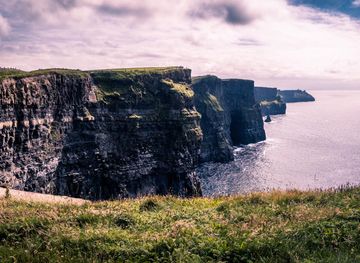
Explore more of Ireland
Discover Ireland: A land of enchanting landscapes, rich history, and vibrant culture, where every corner tells a story and every visit feels like coming home.
Explore Ireland