

Prè (Genoa) Travel Guide - Free
Explore Prè in Genoa with Evendo's free guide. Find the best shops, historic streets, restaurants, and gems on web or mobile.


Prè in Genoa reveals medieval lanes, maritime museums, palaces, street food and the layered port culture of Italy’s Ligurian capital, close to the harbour.
Between the Old City and the Sea
Prè occupies a narrow, atmospheric stretch of Genoa’s historic centre, running from the medieval streets around Via del Campo and Via Pré towards Via Balbi, the Darsena and the harbour. Its lanes retain the compressed urban form of a port city: tall façades, shadowed caruggi, small squares and passages that open unexpectedly towards waterfront spaces. The district is close to major attractions, yet its identity is more layered than a simple sightseeing quarter, shaped by seafaring, trade, migration, religious foundations and everyday city life.Read more about Prè
Medieval Streets and Grand Palaces
Maritime Culture and Local Life
Best attractions in Prè
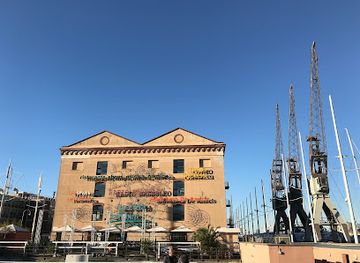
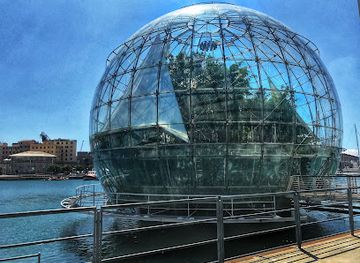
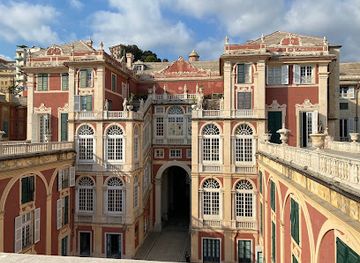
Prè’s attractions are concentrated rather than spread across large open spaces. The Commenda di San Giovanni di Pré, with its historic church and former hospice complex, provides the neighbourhood’s strongest medieval focus. Along Via del Campo, the Via del Campo 29 Rosso museum interprets the music and legacy of Fabrizio De André, whose work is closely associated with Genoa’s older popular quarters. Via Balbi offers a change of scale, with grand palaces and university buildings leading towards the sea. At the Darsena, Galata Museo del Mare explores Genoa’s maritime history through ships, navigation and migration. The waterfront also provides an open contrast to the compressed caruggi. Genoa Aquarium and the wider Porto Antico lie immediately nearby rather than deep within Prè, making them convenient additions for visitors while retaining a clear distinction between the neighbourhood and the redeveloped harbour area.
-
Tourist attraction
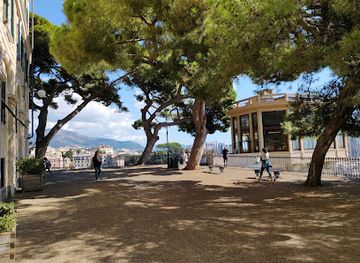
Belvedere Castelletto
Experience breathtaking panoramic views of Genoa from Belvedere Castelletto, a scenic spot that captures the city's beauty and charm.
16 min walk · 1.3 km from neighbourhood centre
-
 Tourist attraction
D'Albertis Castle
Explore the historical allure of D'Albertis Castle in Genoa, featuring captivating art, stunning views, and a tranquil park setting for every visitor.
8 min walk · 0.7 km from neighbourhood centre
-
Tourist attraction
Lighthouse of Genoa
Explore the historic Lighthouse of Genoa, a stunning cultural landmark offering breathtaking views of the city and a glimpse into maritime heritage.
5 min drive · 1.6 km from neighbourhood centre
-
Tourist attraction
The City of Children and Young
Discover the joy of learning and play at The City of Children and Young, a unique attraction in Genoa that blends amusement with education for an unforgettable family experience.
12 min walk · 1.0 km from neighbourhood centre
Best landmarks in Prè
The Commenda di San Giovanni di Pré is Prè’s most important medieval landmark, a religious and hospitable foundation whose church and surviving complex express the district’s historic role in receiving travellers and pilgrims. The tall, closely packed façades along Via Pré and Via del Campo preserve the physical scale of the old port quarter, even where interiors and uses have changed. Via Balbi forms a contrasting landmark ensemble of aristocratic palaces, including Palazzo Reale and buildings now connected with the University of Genoa. At the maritime edge, the Darsena and Galata Museo del Mare represent the neighbourhood’s continuing relationship with ships, trade and migration. These places matter not only for their architecture but for the way they reveal successive layers of Genoa’s social and commercial development.
-
Aquarium
Aquarium of Genoa
Explore the breathtaking marine life at the Aquarium of Genoa, one of Europe's largest aquariums, featuring diverse exhibits and stunning oceanic displays.
13 min walk · 1.0 km from neighbourhood centre
-
Tourist attraction
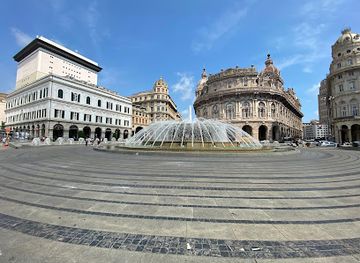
Piazza De Ferrari
Discover the stunning architecture and vibrant atmosphere of Piazza De Ferrari, the cultural heart of Genoa, Italy, complete with its iconic fountain and historic landmarks.
5 min drive · 1.7 km from neighbourhood centre
-
Museum
Royal Palace Museum
Experience the grandeur of Italian history at the Royal Palace Museum, a stunning blend of art, architecture, and lush gardens in Genoa.
9 min walk · 0.7 km from neighbourhood centre
-
Historical landmark
D'Albertis Castle
Discover the historical splendor and artistic treasures of D'Albertis Castle in Genoa, a unique destination blending culture and breathtaking views.
8 min walk · 0.7 km from neighbourhood centre
Explore Prè on the map
A handpicked selection of must-see spots in Prè, mapped for you.
Best hotels in Prè
Best restaurants in Prè
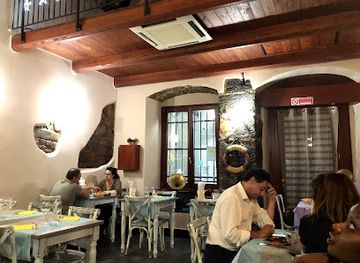
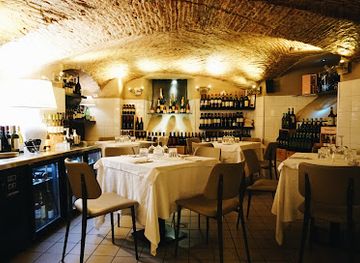
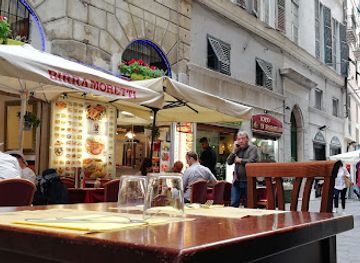
Eating in Prè reflects Genoa’s port-city character and the compact social geography of the old centre. Small trattorie and informal eateries can be found among the lanes around Via del Campo and Via Pré, while Via Balbi and the streets towards Piazza Principe offer cafés, bakeries and quick meals serving students, commuters and travellers. Local specialities to look for include focaccia, farinata, pesto-based dishes and seafood, although the area’s food culture is also shaped by the international movement historically connected with the harbour. The Darsena adds waterfront dining and café options, with a more open setting than the medieval streets. Rather than expecting a single restaurant strip, visitors should look for family-run food businesses, takeaway counters and modest establishments tucked into side streets, checking current menus and opening arrangements locally.
-
Restaurant
Trattoria Vegia Zena
Discover authentic Ligurian flavors at Trattoria Vegia Zena, where every dish tells a story of Italy's rich culinary tradition.
15 min walk · 1.2 km from neighbourhood centre
-
Italian
Soho
Experience the flavors of Italy at Soho, where exquisite seafood meets classic Italian cuisine in the heart of Genoa.
13 min walk · 1.0 km from neighbourhood centre
-
Restaurant
Osteria Pandemonio
Discover authentic Ligurian flavors at Osteria Pandemonio in Genoa - where every meal tells a story of tradition and passion.
13 min walk · 1.1 km from neighbourhood centre
-
Italian
Alla Lunga Ristorante
Experience authentic Italian cuisine at Alla Lunga Ristorante in Genoa, featuring exquisite seafood dishes and a warm atmosphere.
13 min walk · 1.1 km from neighbourhood centre
Best bars in Prè
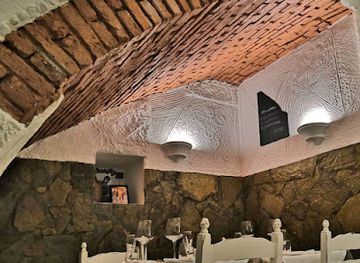
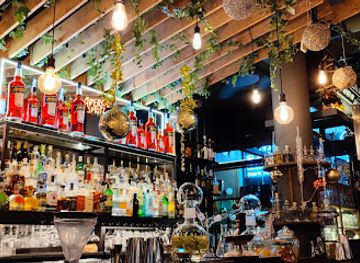
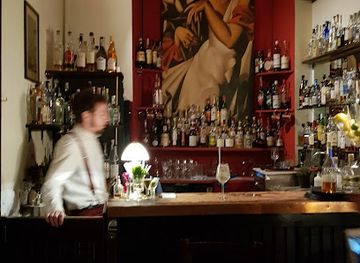
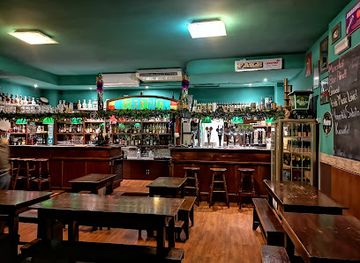
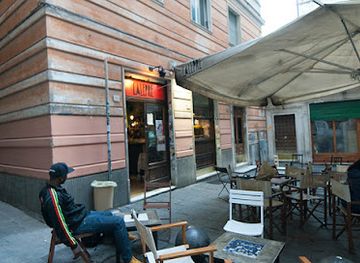
Prè is not primarily a large clubbing district, but its evenings have several distinct moods. The lanes around Via del Campo and Via Pré contain modest bars, cafés and informal meeting places, while the Darsena provides a more open setting for an evening drink close to the water. Via Balbi brings student life and a steady flow of people between the station and the centre, though much of the neighbourhood remains residential once the main routes fall quiet. Genoa’s traditional aperitivo culture is visible in small bars where drinks accompany snacks, and live music or cultural events may take place in venues across the wider centro storico. Night-time visitors should distinguish the busy pedestrian routes from quieter side streets and keep voices down near homes.
-
Pub
La Goletta Seaside pub
Discover La Goletta Seaside Pub in Genoa: a perfect blend of local cuisine, stunning seaside views, and a vibrant atmosphere.
12 min walk · 0.9 km from neighbourhood centre
-
Restaurant
Les Rouges Cucina & Cocktails
Experience the vibrant flavors of Italy at Les Rouges Cucina & Cocktails in Genoa, where exquisite cuisine meets a lively atmosphere.
18 min walk · 1.4 km from neighbourhood centre
-
Irish pub
Irish Pub
Discover the charm of Irish hospitality and cuisine in the heart of Genoa at the lively Irish Pub, a perfect spot for food and fun.
12 min walk · 1.0 km from neighbourhood centre
-
Bar
La Lepre
Experience the charm of Genoa at La Lepre, a cozy bar offering local drinks and a vibrant atmosphere for all travelers.
16 min walk · 1.3 km from neighbourhood centre
Best nightclubs in Prè
Prè is not primarily a large clubbing district, but its evenings have several distinct moods. The lanes around Via del Campo and Via Pré contain modest bars, cafés and informal meeting places, while the Darsena provides a more open setting for an evening drink close to the water. Via Balbi brings student life and a steady flow of people between the station and the centre, though much of the neighbourhood remains residential once the main routes fall quiet. Genoa’s traditional aperitivo culture is visible in small bars where drinks accompany snacks, and live music or cultural events may take place in venues across the wider centro storico. Night-time visitors should distinguish the busy pedestrian routes from quieter side streets and keep voices down near homes.
-
Disco club
Casa Mia Club
Discover the vibrant nightlife at Casa Mia Club in Genoa, where delicious dining meets exhilarating disco and live music.
6 min drive · 1.9 km from neighbourhood centre
-
Live Music
Count Basie Jazz Club
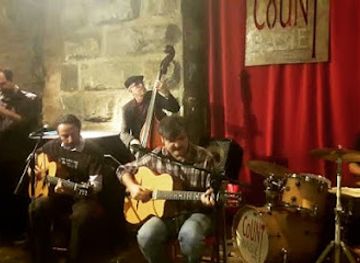
Discover the heartbeat of Genoa's music scene at Count Basie Jazz Club, where live jazz and blues performances create unforgettable experiences.
8 min walk · 0.6 km from neighbourhood centre
-
Disco club
Tao Disco Club
Discover the vibrant nightlife of Genoa at Tao Disco Club, where electrifying music and an energetic atmosphere await your arrival.
6 min drive · 1.9 km from neighbourhood centre
-
Night club
Quaalude RockClub
Discover the pulsating nightlife of Genoa at Quaalude RockClub, where music and energy come alive until dawn.
5 min drive · 1.7 km from neighbourhood centre


Best shops in Prè
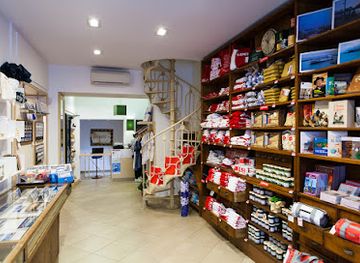
Shopping in Prè is more about independent everyday commerce and specialist discoveries than a conventional high-street circuit. Via del Campo and the surrounding caruggi contain small food shops, bakeries, second-hand and specialist businesses, while the streets near Piazza Principe serve residents, students and visitors with practical retail. Via Balbi has bookshops and university-oriented commerce alongside cafés, and the route towards the Darsena becomes increasingly connected with cultural and visitor-facing uses. The best purchases are often portable expressions of Ligurian food culture, such as packaged pesto or local bakery products, provided they are bought from established shops rather than treated as souvenirs detached from daily life. For broader designer or department-store shopping, visitors will need to continue into other parts of central Genoa; Prè’s appeal lies in its small-scale, mixed-use streetscape.
-
Gift shop
San Lorenzo Souvenir
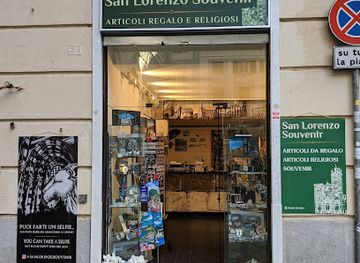
Discover unique gifts and local handicrafts at San Lorenzo Souvenir in the heart of Genoa, Italy, where every item is a piece of Italian culture.
18 min walk · 1.4 km from neighbourhood centre
-
Souvenir store
Genova Experience
Uncover the essence of Genoa at Genova Experience, a vibrant souvenir store and tourist hub for unforgettable local treasures.
18 min walk · 1.4 km from neighbourhood centre
-
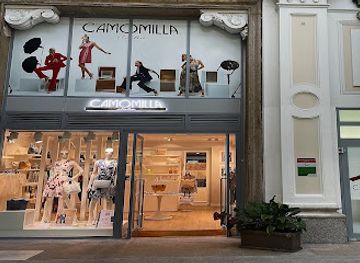
Women's clothing store
Camomilla Italia
Explore a vibrant selection of women's fashion, accessories, and footwear at Camomilla Italia in Genoa, where style meets Italian elegance.
4 min walk · 0.3 km from neighbourhood centre
-
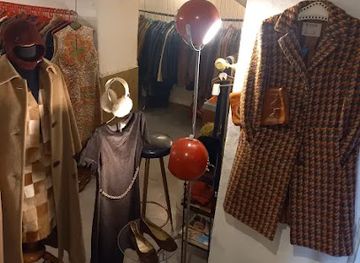
Clothing store
Almanacco Vintage Store
Explore the enchanting Almanacco Vintage Store in Genoa for unique vintage clothing and accessories that bring history and style together.
18 min walk · 1.5 km from neighbourhood centre
Prè essentials
Getting There
Getting Around
Safety
Emergency Situations
Do's and Don'ts
Local Tips

From Eve
Local phrases worth knowing
You don't need to get them perfect. A few words go a long way, and locals appreciate the effort.
Basics
| English | Local | Say it |
|---|---|---|
| Hello | Ciao | [chow] |
| Goodbye | Arrivederci | [ah-ree-veh-dehr-chee] |
| Yes | Sì | [see] |
| No | No | [noh] |
| Please/You're welcome | Per favore | [pehr fah-voh-reh] |
| Thank you | Grazie | [grah-tsyeh] |
| Excuse me/Sorry | Mi scusi | [mee skoo-zee] |
| How are you? | Come stai? | [koh-meh stah-ee] |
| Fine. And you? | Bene. E tu? | [beh-neh. eh too] |
| Do you speak English? | Parli inglese? | [pahr-lee een-gleh-zeh] |
| I don't understand | Non capisco | [nohn kah-pee-skoh] |
Eating & Drinking
| English | Local | Say it |
|---|---|---|
| I'd like to see the menu, please | Vorrei vedere il menu, per favore | [vohr-reh-ee veh-deh-reh eel meh-noo, pehr fah-voh-reh] |
| I don't eat meat | Non mangio carne | [nohn mahn-joh kahr-neh] |
| Cheers! | Salute! | [sah-loo-teh] |
| I would like to pay, please | Vorrei pagare, per favore | [vohr-reh-ee pah-gah-reh, pehr fah-voh-reh] |
Emergencies
| English | Local | Say it |
|---|---|---|
| Help! | Aiuto! | [ah-yoo-toh] |
| Go away! | Vai via! | [vah-ee vyah] |
| Call the Police! | Chiama la polizia! | [kyah-mah lah poh-lee-tsya] |
| Call a doctor! | Chiama un medico! | [kyah-mah oon meh-dee-koh] |
| I'm lost | Sono perso | [soh-noh pehr-soh] |
| I'm ill | Sto male | [stoh mah-leh] |
Shopping
| English | Local | Say it |
|---|---|---|
| I'd like to buy... | Vorrei comprare... | [vohr-reh-ee kohm-prah-reh] |
| I'm just looking | Sto solo guardando | [stoh soh-loh gwahr-dahn-doh] |
| How much is it? | Quanto costa? | [kwahn-toh koh-stah] |
| That's too expensive | È troppo caro | [eh trohp-poh kah-roh] |
| Can you lower the price? | Puoi abbassare il prezzo? | [pwah-ee ahb-bahs-sah-reh eel preh-tsoh] |
Time & Numbers
| English | Local | Say it |
|---|---|---|
| What time is it? | Che ore sono? | [keh oh-reh soh-noh] |
| It's one o'clock | È l'una | [eh loo-nah] |
| Half past (10) | Dieci e mezza | [dyeh-chee eh meh-tzah] |
| Morning | Mattina | [mah-ttee-nah] |
| Afternoon | Pomeriggio | [poh-meh-ree-joh] |
| Evening | Sera | [seh-rah] |
| Yesterday | Ieri | [ee-eh-ree] |
| Today | Oggi | [oh-jee] |
| Tomorrow | Domani | [doh-mah-nee] |
| 1 | Uno | [oo-noh] |
| 2 | Due | [doo-eh] |
| 3 | Tre | [treh] |
| 4 | Quattro | [kwah-troh] |
| 5 | Cinque | [cheen-kweh] |
| 6 | Sei | [seh-ee] |
| 7 | Sette | [seht-teh] |
| 8 | Otto | [oht-toh] |
| 9 | Nove | [noh-veh] |
| 10 | Dieci | [dyeh-chee] |
Transport & Directions
| English | Local | Say it |
|---|---|---|
| Where's a/the...? | Dov'è il/la...? | [doh-veh eel/lah] |
| What's the address? | Qual è l'indirizzo? | [kwahl eh leen-dee-reet-soh] |
| Can you show me (on the map)? | Puoi mostrarmi (sulla mappa)? | [pwah-ee mohs-trahr-mee (sool-lah mahp-pah)] |
| When's the next (bus)? | Quando passa il prossimo (autobus)? | [kwahn-doh pahs-sah eel prohs-see-moh (ow-toh-boos)] |
| A ticket (to ....) | Un biglietto (per ....) | [oon bee-lyet-toh (pehr)] |
History of Prè
A Medieval Port-Side Quarter
Prè developed outside Genoa’s earliest urban core in a zone connected to the harbour, roads and religious institutions serving travellers and seafarers. Its name is generally linked to the local idea of meadows or open ground, reflecting a landscape that predated the dense urban fabric visible today. The foundation of the Commenda di San Giovanni di Pré in the late twelfth century gave the area an important role in receiving pilgrims, travellers and maritime visitors. The complex’s church, hospice and associated buildings remain among the clearest physical reminders of the neighbourhood’s medieval purpose.
Streets of Trade and Movement
As Genoa expanded, Prè became part of the busy urban zone connecting the historic centre with the port and routes leading westwards. Its narrow streets accommodated workshops, lodging houses, food sellers and small-scale commerce, while the waterfront brought continual movement of goods and people. The district’s dense caruggi were shaped less by grand planning than by the practical demands of a maritime city. This mixture of trade, travel and residence established the lively but close-grained character that still distinguishes the lanes around Via Pré and Via del Campo.
The Balbi Palaces and New Urban Grandeur
During Genoa’s period of aristocratic wealth in the seventeenth century, the Balbi family developed the grand street now known as Via Balbi. Its palaces introduced a markedly different architectural language to the older working streets nearby, with broad façades, courtyards and formal interiors designed for elite residences. Several buildings later became part of the University of Genoa, giving the street an educational role alongside its historical one. The contrast between Via Balbi and the medieval lanes below it captures the social variety of Prè’s long development.
Port Modernisation and Changing Identity
Modern port infrastructure, railway construction and changing patterns of trade altered Prè’s relationship with the waterfront during the nineteenth and twentieth centuries. The opening and later redevelopment of the Darsena created new connections between the historic district and maritime institutions, while the area continued to receive residents and workers linked to Genoa’s international port. In the later twentieth century, parts of the old centre faced economic decline and social pressures, followed by restoration and cultural investment. Museums, university buildings and renewed public spaces now sit alongside long-established local commerce rather than replacing the neighbourhood’s layered character entirely.
Prè in Photos
Browse through our photo collection highlighting the charm and character of the destination.
Neighbourhoods near Prè
The closest neighbourhoods to Prè, if you have time for more than one stop.
-

-

-


Swipe for more neighbourhoods
Explore more

Explore more of Genoa
Genoa blends Ligurian sea views, medieval lanes, grand palazzi, maritime history, aromatic cuisine and the cultural riches of Italy’s Riviera for curious travellers.
Explore Genoa