Duomo di Carrara: A Marble Masterpiece
A stunning cathedral in Carrara, Italy, constructed entirely of local marble, showcasing a blend of Romanesque and Gothic architecture.
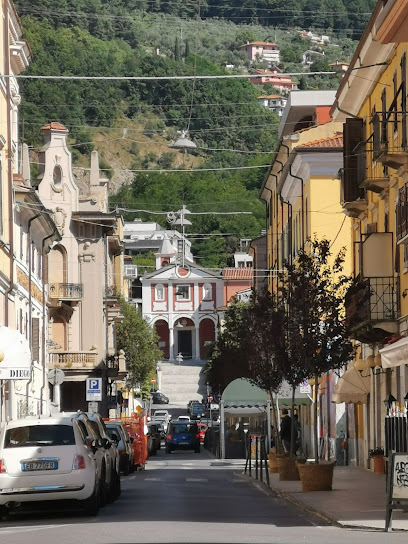
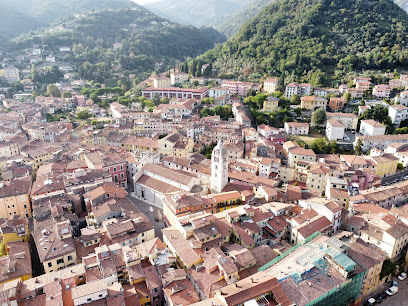
The Duomo di Carrara, or Carrara Cathedral, is a stunning Roman Catholic church dedicated to Saint Andrew. Constructed entirely of local Carrara marble, it stands as a testament to the city's rich artistic heritage and the stone that built its fame. Its blend of Romanesque and Gothic styles makes it a unique architectural landmark in the heart of Carrara.
A brief summary to Duomo di Sant'Andrea
- Piazza Duomo, 3, Carrara, Province of Massa and Carrara, 54033, IT
- +39058571942
- Visit website
Local tips
- Visit during daylight hours to best appreciate the intricate marblework on the exterior and the interior's artistic details.
- Take a stroll around Piazza Duomo to admire the Statue of the Giant and soak in the atmosphere of Carrara's historic center.
- Check the opening hours in advance, as they can vary.
- Dress respectfully when visiting, as it is an active place of worship.

Getting There
-
Walking
The Duomo di Carrara is located in Piazza Duomo in the heart of Carrara's historic center. From most points within the city center, it is easily accessible on foot by following signs towards Piazza Duomo. The area is pedestrian-friendly.
-
Public Transport
If arriving by train at Carrara-Avenza station, take a local bus (L51, L52, L48, L49, L39, L47, L107, L17, L70, L72) to one of the stops closest to Duomo. From there, it's a short walk to Piazza Duomo. A single bus ticket costs around €1-€2.
Discover more about Duomo di Sant'Andrea
Iconic landmarks you can’t miss

Via Miseglia Fantiscritti, 2
2.9 km
Explore the breathtaking Carrara Marble Quarries, a stunning testament to nature's artistry and human craftsmanship in the heart of Tuscany.
Marina di Tellaro, scalo
13.8 km
Explore Marina di Tellaro, a stunning historical landmark offering breathtaking coastal views, rich Italian heritage, and a serene atmosphere for every traveler.
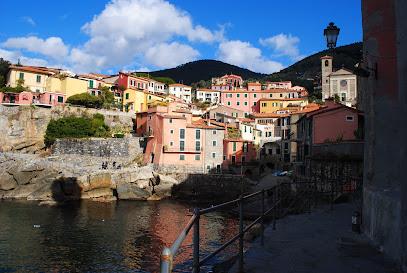
Garfagnana Innovazione
14.3 km
Explore Garfagnana Innovazione in Lucca, a hub of Italian marble craftsmanship amidst stunning Tuscan landscapes.
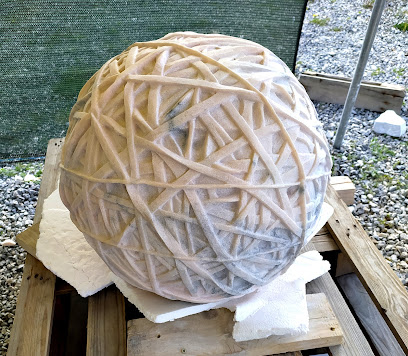
Parco "statue Stele"
15.4 km
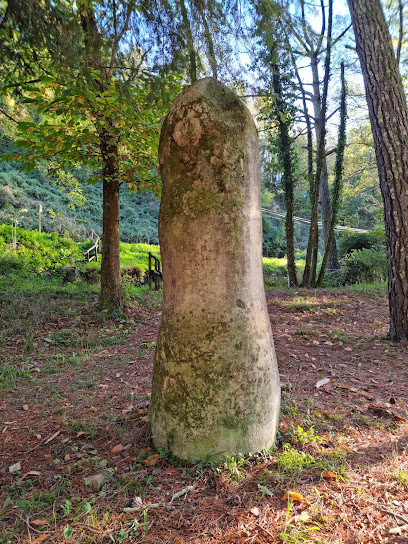
Explore the serene Parco Statue Stele in Casola in Lunigiana, where art meets nature in a tranquil city park setting.
Castello di San Terenzo
16.2 km
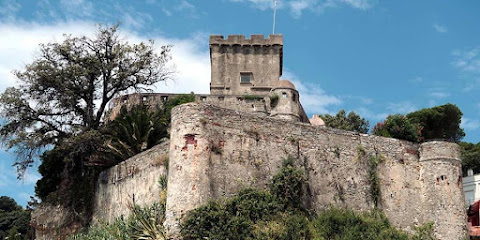
Explore the enchanting Castello di San Terenzo, a historic fortress offering breathtaking views of the Ligurian Sea and the picturesque Lerici coastline.
Festival La Versiliana
16.8 km
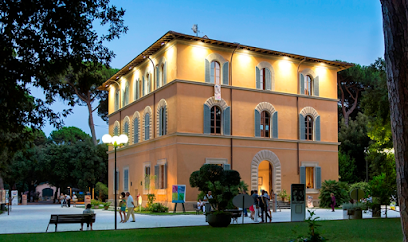
Discover the captivating performances at Festival La Versiliana, where art and nature blend in a stunning park setting in Marina di Pietrasanta.
Piazza Duomo, 1
17.3 km
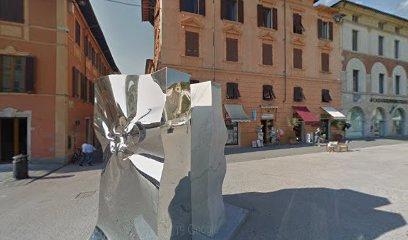
Discover the artistic charm of Piazza Duomo in Pietrasanta, a vibrant square surrounded by stunning architecture and rich cultural heritage.
Forte Santa Maria
20.0 km
Explore the historic Forte Santa Maria in Porto Venere, a stunning landmark with breathtaking views and rich military history.
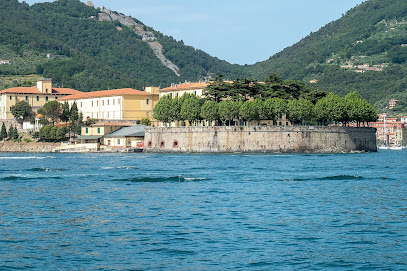
Riviera della Versilia
20.2 km
Experience the blend of sun, sea, and culture at Riviera della Versilia, a stunning coastal gem in Tuscany, Italy.

SEI Versilia - Sentieri, Eventi e Itinerari in Versilia
20.7 km
Explore the enchanting landscapes and vibrant culture of Versilia with SEI Versilia, your dedicated tour agency for unforgettable experiences.
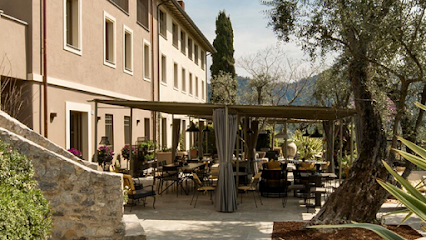
Locanda al Colle
21.1 km
Experience the serene beauty of Tuscany at Locanda al Colle, a charming bed and breakfast nestled in the hills of Camaiore.
Grotta del Vento
21.3 km
Explore the enchanting Grotta del Vento, a stunning cultural landmark in Tuscany filled with breathtaking caves and rich history.
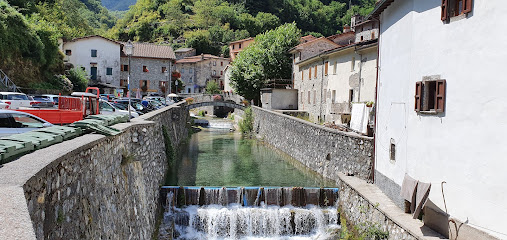
Garfagnana Activities - Parco del Battiferro
21.5 km
Experience the thrill of adventure sports in the breathtaking landscapes of Garfagnana at Parco del Battiferro, Tuscany's ultimate outdoor playground.
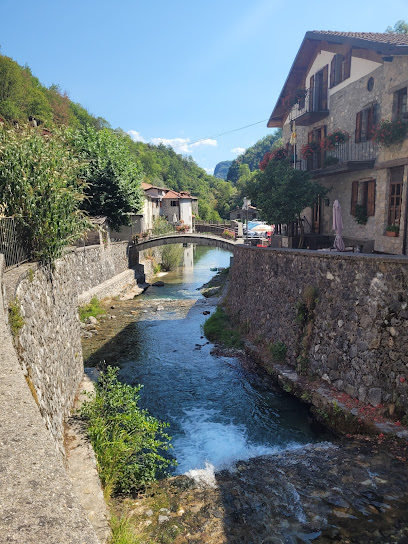
Doria Castle
21.6 km
Explore the historic Doria Castle in Porto Venere, offering breathtaking views and a glimpse into Italy's rich medieval heritage.
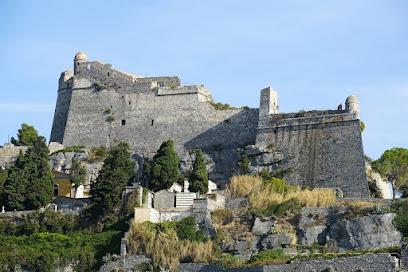
Grotta di Lord Byron
21.6 km
Discover the enchanting Grotta di Lord Byron in Porto Venere, where stunning coastal views and literary history meet in a breathtaking natural setting.
Unmissable attractions to see

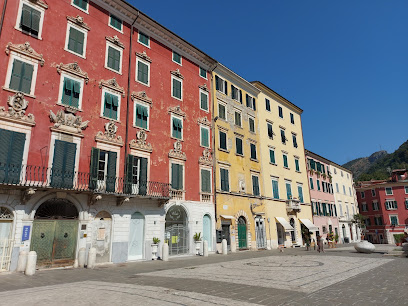
Piazza Alberica
0.1 km
Discover Piazza Alberica, Carrara's historic heart: marble palaces, monuments, and vibrant atmosphere in the city's most important square.
Palazzo Binelli
0.2 km
Explore Carrara's Palazzo Binelli, a historic landmark showcasing the city's marble legacy and architectural beauty.
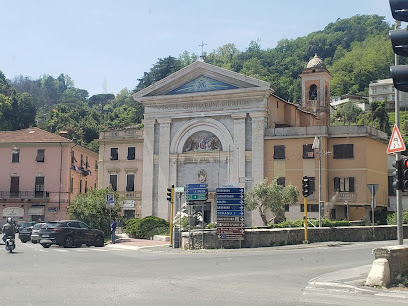
Our Lady of Grace Sanctuary
0.3 km
Discover a serene sanctuary in Carrara, Italy, famed for its stunning marble interiors, rich history, and spiritual ambiance. A must-see for art and faith lovers.
Palazzo Cucchiari
0.5 km
Explore art and history at Palazzo Cucchiari in Carrara, a beautifully restored 19th-century palace hosting the Giorgio Conti Foundation.
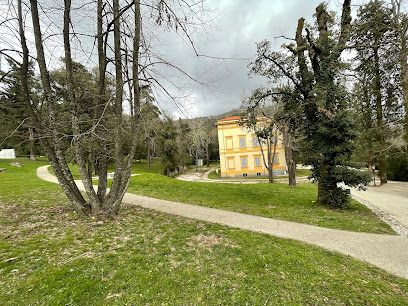
CARMI
0.6 km
Explore Michelangelo's bond with Carrara marble at this museum in Villa Fabbricotti, surrounded by the art-filled Padula Park.
Castello di Moneta Ruderi
1.7 km
Discover the historic Castello di Moneta Ruderi in Carrara, offering stunning views and a glimpse into Italy's medieval past.
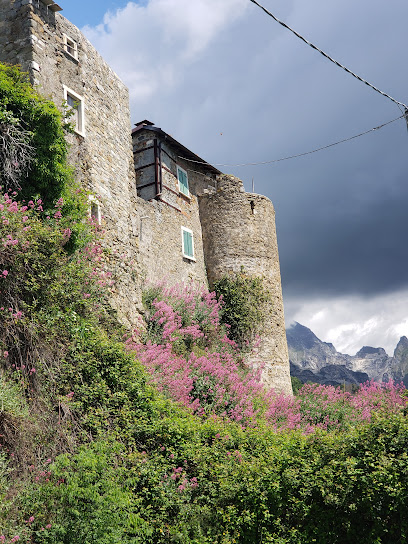
Galleria Ponti di Vara
2.6 km
Explore the architectural beauty of Galleria Ponti di Vara in Carrara, where art meets nature and history unfolds around every corner.
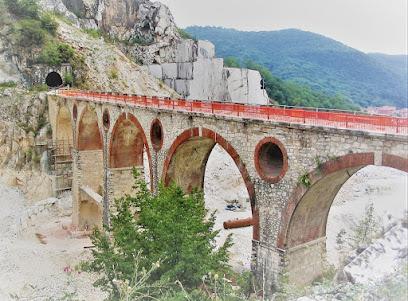
Cava Museo Fantiscritti
3.0 km
Explore the rich history of marble craftsmanship at Cava Museo Fantiscritti in Carrara, Italy, a unique destination blending culture and artistry.
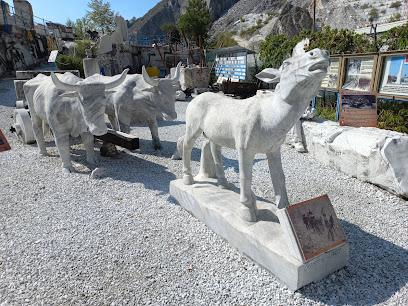
Marmo Tour Fantiscritti
3.6 km
Discover the majestic Carrara marble quarries, explore the history, and witness the artistry of marble extraction in the Apuan Alps.
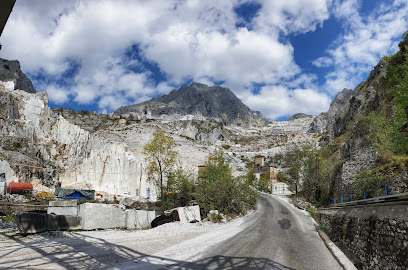
Foce di Pianza
5.1 km
Discover breathtaking views and hiking trails at Foce di Pianza, a stunning mountain pass in the Apuan Alps near the famed Carrara marble quarries.
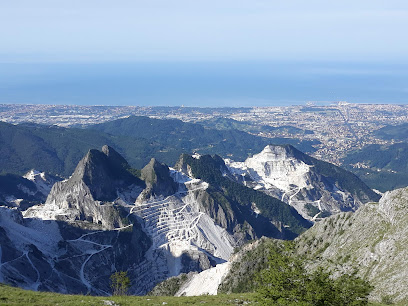
Cattedrale dei Santi Pietro e Francesco
5.9 km
Discover the Cattedrale dei Santi Pietro e Francesco in Massa, a historical landmark with stunning architecture and treasured artworks.
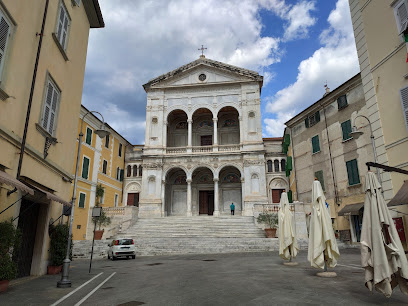
Palazzo Ducale di Massa
5.9 km
Explore the Palazzo Ducale di Massa, a stunning Renaissance palace with Baroque accents, rich history, and artistic treasures in Piazza Aranci.
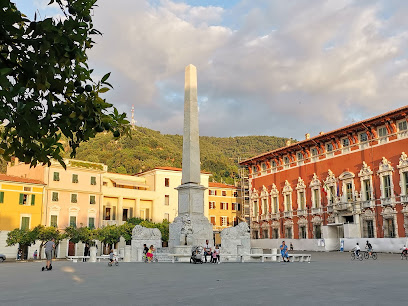
RAM Anti-aircraft refuge of Martana
6.2 km
Explore the RAM Anti-aircraft Refuge of Martana in Massa, Italy: a historical landmark offering a glimpse into World War II and the city's resilience.
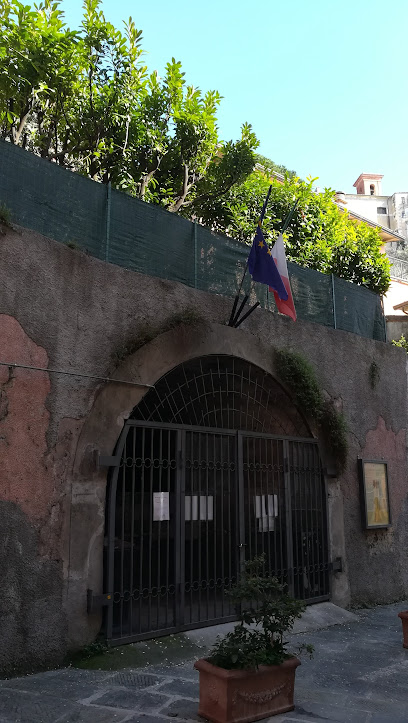
National Archaeological Museum and Archaeological Area of Luni
7.0 km
Uncover the fascinating history of Roman Luni through its well-preserved ruins and captivating archaeological museum.
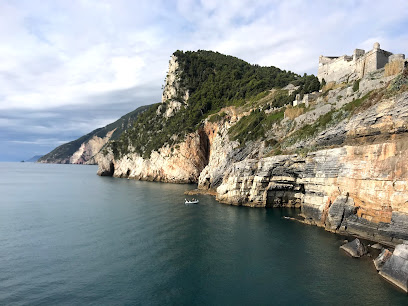
Castelnuovo Magra Castle
7.0 km
Explore the medieval Castelnuovo Magra Castle in Liguria: a historic fortress with stunning views and a glimpse into Italy's past.
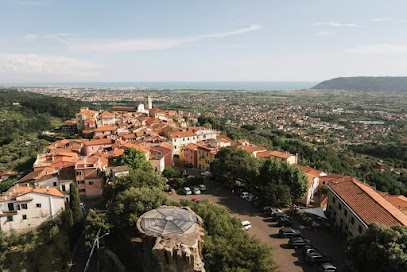
Essential places to dine

Osteria Del Mare
14.7 km
Discover Osteria Del Mare: Where fresh seafood meets authentic Italian cuisine in the heart of Forte dei Marmi.
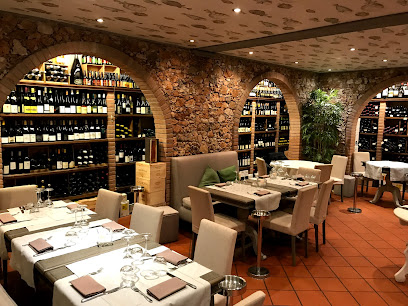
Ristorante Bistrot
15.2 km
Experience fine dining at Ristorante Bistrot in Forte dei Marmi - where exquisite Italian and seafood dishes meet exceptional service.
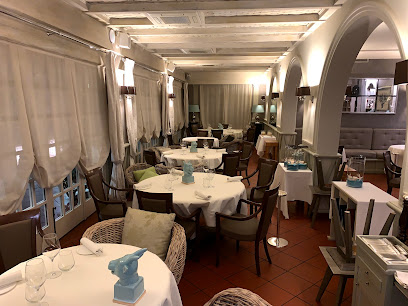
La Capannina di Cassettari Maria Gemma
16.9 km
Experience authentic Italian cuisine at La Capannina di Cassettari Maria Gemma in Roggio - where every dish tells a story.
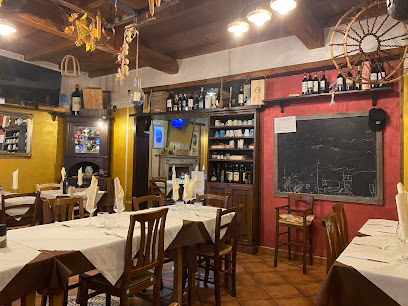
Agriturismo Spinofiorito
17.2 km
Discover authentic Italian cuisine at Agriturismo Spinofiorito, where rustic charm meets exquisite flavors in Lunigiana's beautiful countryside.
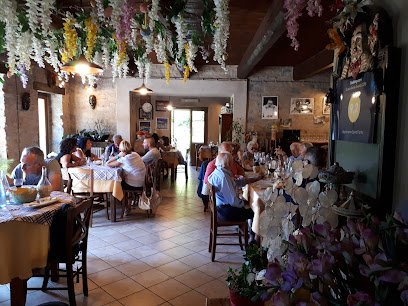
Ristorante Ceragetta Lago Isola Santa
17.4 km
Experience authentic Tuscan flavors with stunning lakeside views at Ristorante Ceragetta Lago Isola Santa.
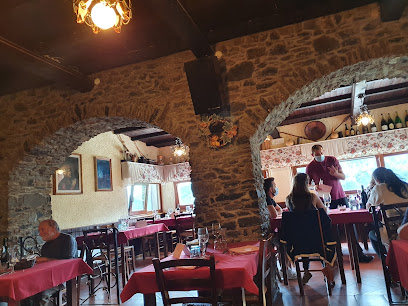
Locanda Magno
17.6 km
Experience authentic Italian flavors at Locanda Magno in Aulla - a culinary gem offering delightful dishes in a charming setting.
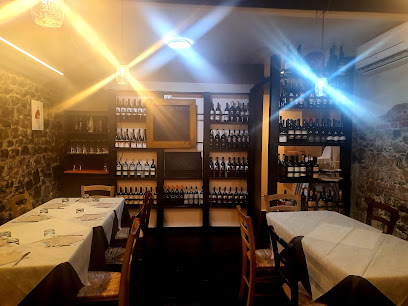
Osteria Il Sogno
17.6 km
Discover authentic Italian cuisine at Osteria Il Sogno in Fivizzano – where every dish tells a story of tradition and flavor.
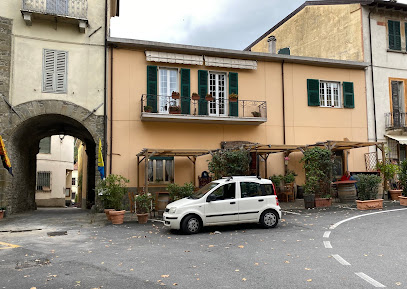
Ristorante per ... Bacco
17.6 km
Experience authentic Italian cuisine at Ristorante per ... Bacco in Aulla, where every dish tells a story of tradition and flavor.
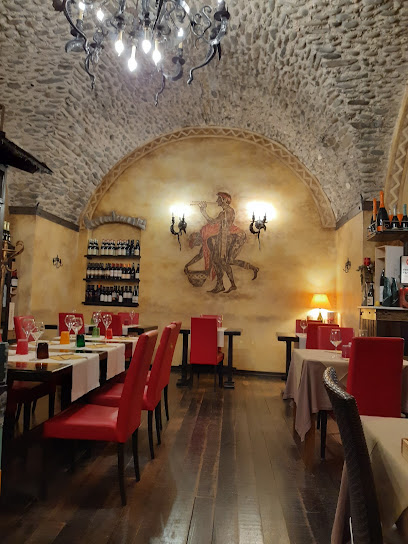
Albergo Ristorante Pasquino
17.7 km
Discover the heart of Italian cuisine at Albergo Ristorante Pasquino in Aulla—where tradition meets taste in every dish.
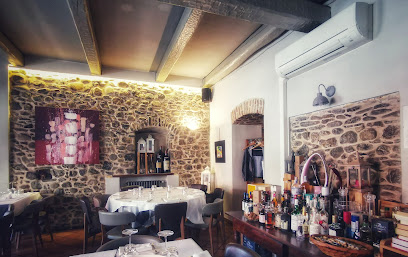
Locanda al Castello
18.3 km
Discover authentic Italian cuisine at Locanda al Castello in Verrucola – where tradition meets flavor in an enchanting setting.
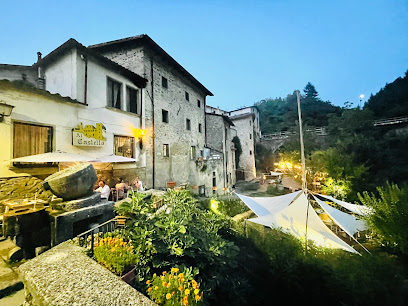
Agriturismo Il Grillo
18.6 km
Experience authentic Italian cuisine amidst stunning landscapes at Agriturismo Il Grillo in Giuncugnano.
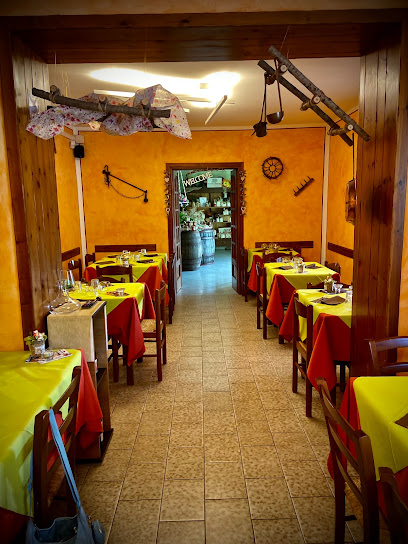
Terrazza Versilia - ristorante vistamare
18.8 km
Experience exquisite seafood dining at Terrazza Versilia with breathtaking sea views in Marina di Pietrasanta.
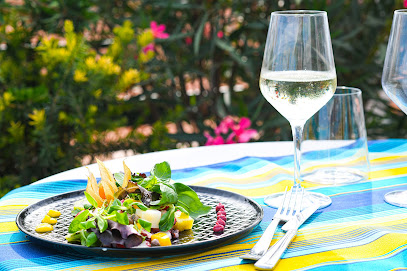
La Locanda del Grillo
19.1 km
Experience authentic Italian cuisine at La Locanda del Grillo in Licciana Nardi – where tradition meets flavor in a cozy setting.
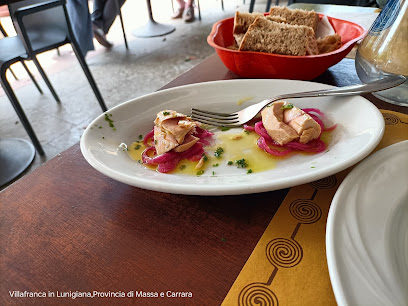
Alex Ristorante Enoteca
19.4 km
Discover exquisite Italian and seafood cuisine at Alex Ristorante Enoteca in Pietrasanta – a culinary gem waiting for your visit.
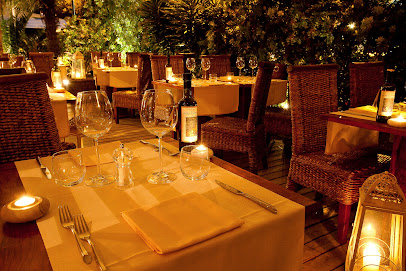
Ristorante Venelia
20.0 km
Experience authentic Italian cuisine at Ristorante Venelia in Licciana Nardi—where tradition meets flavor in every bite.
Markets, malls and hidden boutiques

Azienda Agricola Terra del Lucido
9.4 km
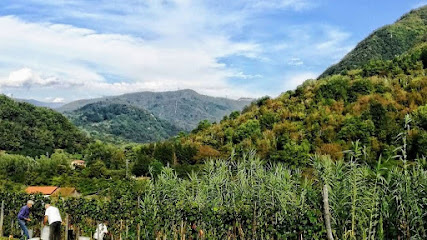
Explore the authentic flavors of Tuscany at Azienda Agricola Terra del Lucido, a charming farm shop in Fivizzano offering local produce and agricultural delights.
Ezio System
12.8 km
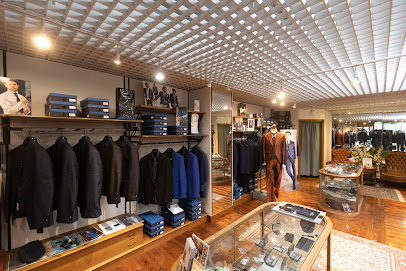
Discover exquisite custom tailoring and fashion accessories at Ezio System, the premier dress store in Romito Magra, Italy.
La Bottega Simply Market
14.6 km
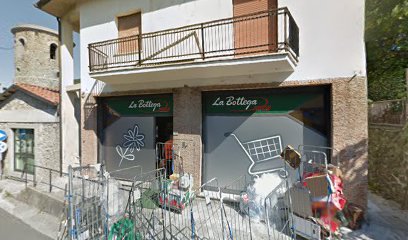
Experience authentic Italian flavors and local produce at La Bottega Simply Market in Casola in Lunigiana, a treasure trove for culinary enthusiasts.
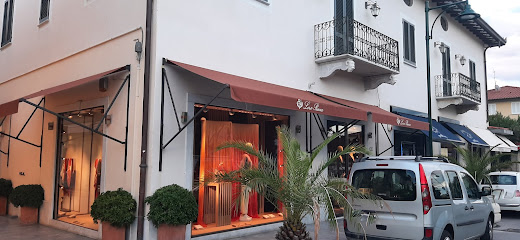
Loro Piana
14.7 km
Discover the pinnacle of luxury clothing at Loro Piana in Forte dei Marmi, where exquisite craftsmanship meets timeless elegance.
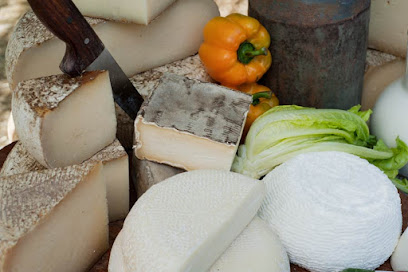
Farm Cormezzano
14.7 km
Discover the rustic charm of Tuscany at Farm Cormezzano, a delightful escape into authentic dairy farming and local produce.
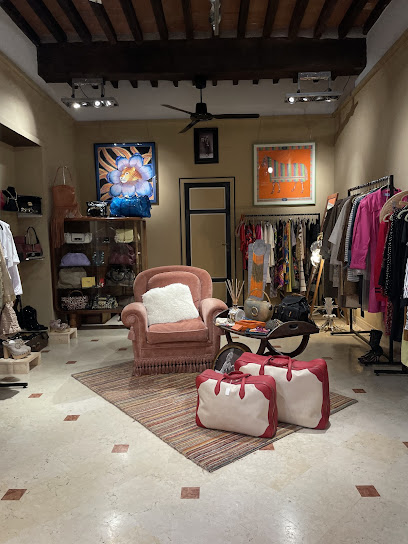
A Family Affair Shop
17.3 km
Explore A Family Affair Shop in Pietrasanta for unique vintage clothing that adds character to your wardrobe while celebrating sustainable fashion.
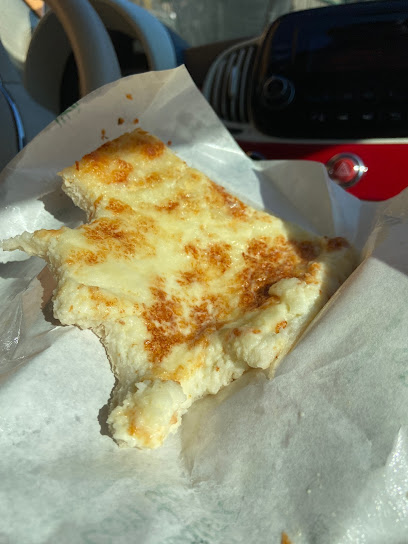
Panificio Sorelle Renzi
17.6 km
Discover the authentic flavors of Italy at Panificio Sorelle Renzi, a delightful bakery in Aulla offering fresh, artisan pastries and breads.
Lucemania
17.9 km
Explore Lucemania in Aulla, Italy: a top destination for mobile devices and electronic parts with unmatched customer service.
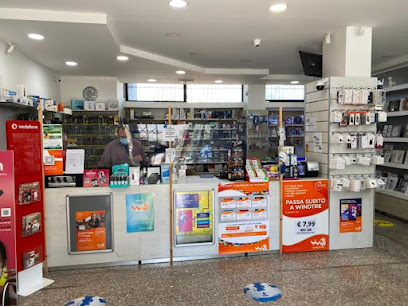
CONAD SUPERSTORE
19.4 km
Discover the flavors of Tuscany at CONAD SUPERSTORE, your one-stop-shop for local delicacies and everyday essentials in Licciana Nardi.
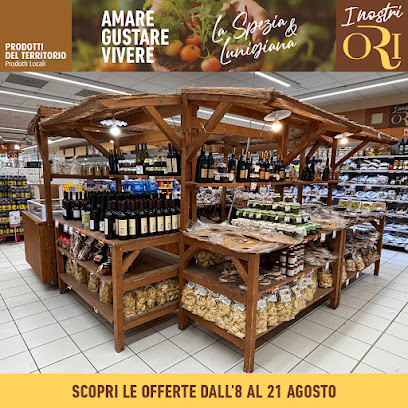
Lunigiana Srl
20.0 km
Explore the flavors of Italy at Lunigiana Srl, a charming supermarket in Bolano, where local produce and culinary delights await.
Salumificio Lunigiana Marsili
20.8 km
Discover authentic Tuscan flavors at Salumificio Lunigiana Marsili, where artisanal cold cuts meet local culinary traditions.
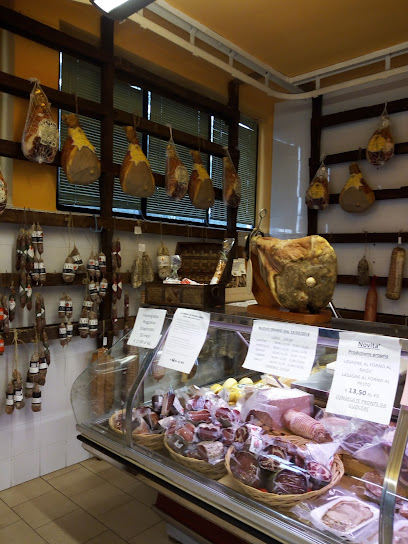
Agriturismo Casteldelpiano
20.9 km
Discover the charm of Italian rural life at Agriturismo Casteldelpiano, featuring a restaurant, wine store, and stunning countryside views.
Panificio Domenici Stefano
21.1 km
Experience the authentic flavors of Italy at Panificio Domenici Stefano, a charming bakery in Licciana Nardi, renowned for its delightful pastries and breads.
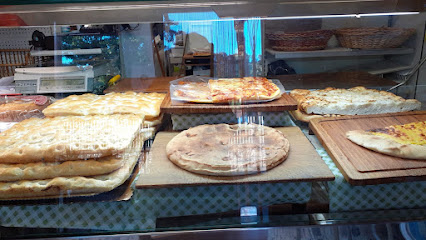
Goodness Of Garfagnana Typical Products
24.1 km
Savor the authentic taste of Garfagnana with local delicacies and gourmet products at this charming Italian grocery store.
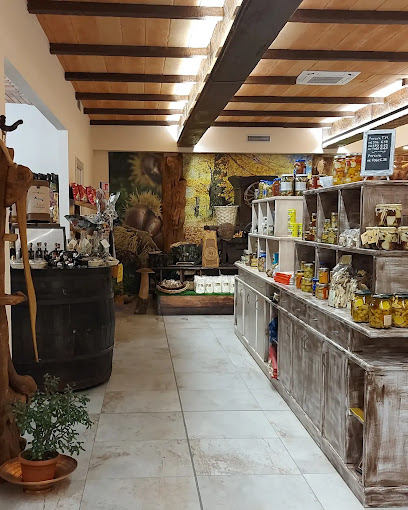
Antica Valserchio Srl
24.5 km
Explore Antica Valserchio for exquisite Italian fabrics and fashion accessories in the stunning Garfagnana region of Tuscany.
Essential bars & hidden hideouts

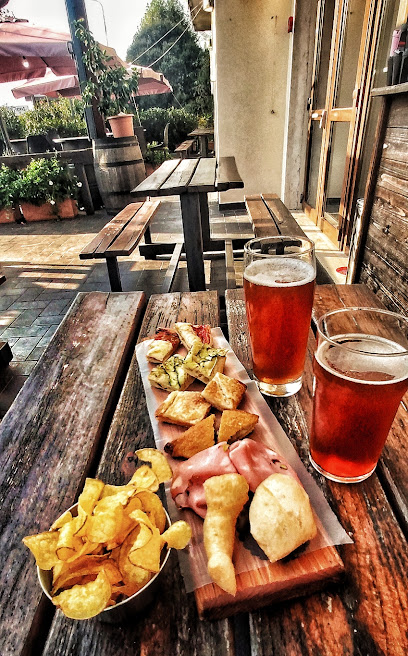
Castelnuovo's Crazy Beer
7.2 km
Discover Castelnuovo's Crazy Beer: A brewpub experience filled with artisanal beers, local culture, and a vibrant atmosphere in Colombiera-Molicciara.
Bar La Torre
14.6 km
Discover the charm of Casola in Lunigiana at Bar La Torre, where authentic Italian flavors and a welcoming atmosphere await every visitor.
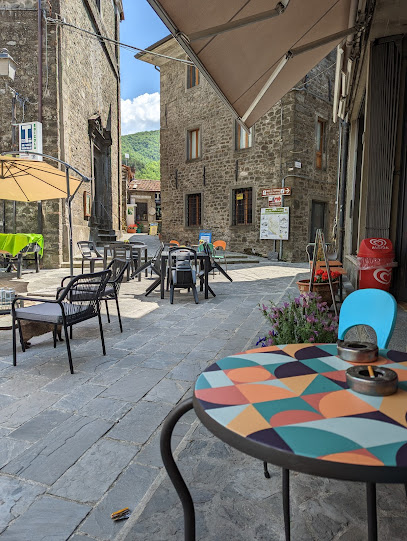
Riviera Lounge Club Bistrot
14.9 km
Experience the vibrant nightlife and exquisite dining at Riviera Lounge Club Bistrot in Forte dei Marmi, where culinary delight meets lively entertainment.
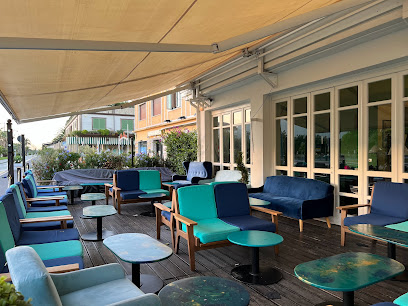
Zanzibar Versilia cocktail bar
17.3 km
Discover the vibrant Zanzibar Versilia Cocktail Bar in Pietrasanta, where innovative cocktails and lively ambiance create the perfect nightlife experience.
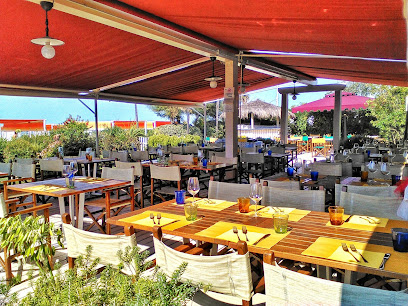
Bar Giardino
17.6 km
Experience the heart of Italian hospitality at Bar Giardino, a cozy bar in Aulla offering delightful drinks and a welcoming atmosphere.
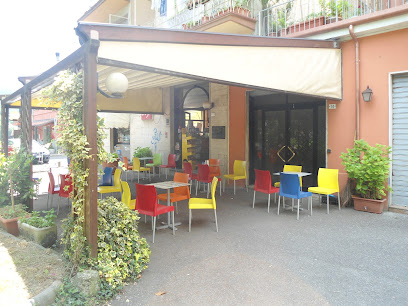
Taverna Tortuga Pub Birreria
17.6 km
Discover the flavors of Italy at Taverna Tortuga Pub Birreria in Aulla, where dining meets vibrant culture.
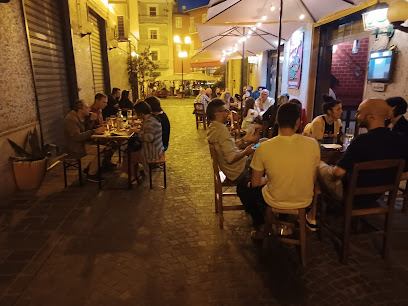
Bar Ricci -- Fivizzano
17.7 km
Discover the charm of Bar Ricci in Fivizzano, where authentic Italian flavors and warm hospitality meet in a delightful setting.
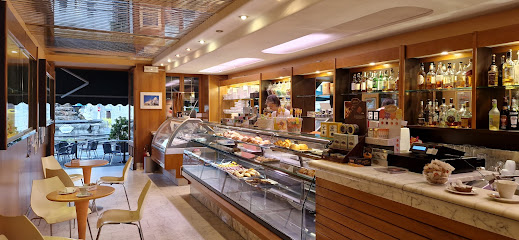
Ri_Chi Caffe
18.4 km
Experience authentic Italian coffee and delightful small plates at Ri_Chi Caffe in Aulla, where flavor meets tradition.
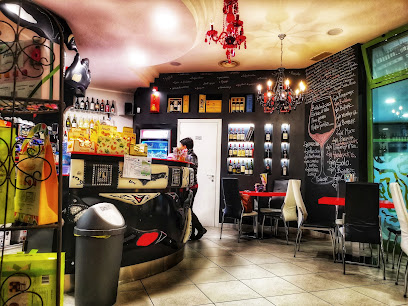
Maga Café Lounge Bar
18.4 km
Discover Maga Café Lounge Bar, a charming café in Aulla offering delightful drinks and a cozy atmosphere for a perfect break during your travels.
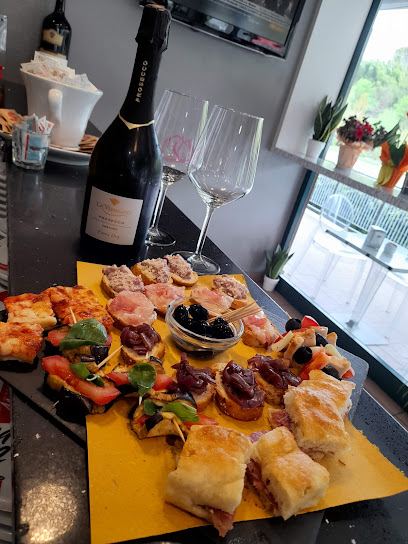
Bar Fantasia
18.8 km
Discover Bar Fantasia in Aulla, where delightful drinks and local charm create an unforgettable atmosphere for every traveler.
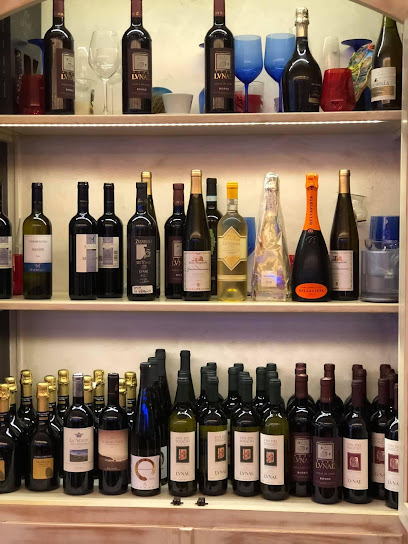
Bar Ristorante San Paolo
20.5 km
Discover authentic Lunigiana flavors at Bar Ristorante San Paolo, a charming destination for Italian cuisine in the heart of Tuscany.
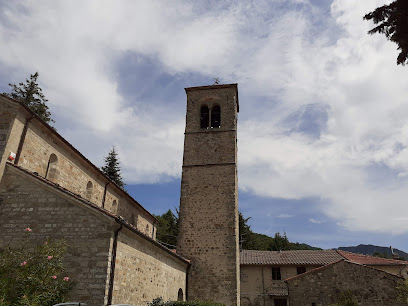
Roxy Bar (Pop-up)
21.1 km
Experience the vibrant atmosphere of Roxy Bar in Licciana Nardi, where delightful drinks and local charm come together in perfect harmony.
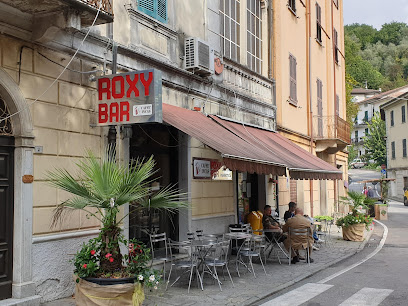
Sakay Cocktail Ristobar
21.9 km
Discover the vibrant flavors and lively atmosphere of Sakay Cocktail Ristobar in Camaiore, where cocktails and culinary delights come together.
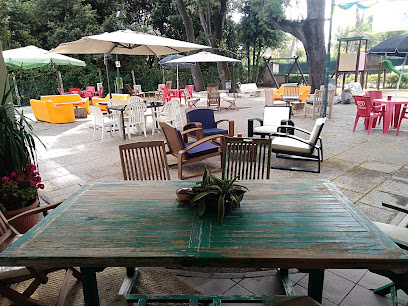
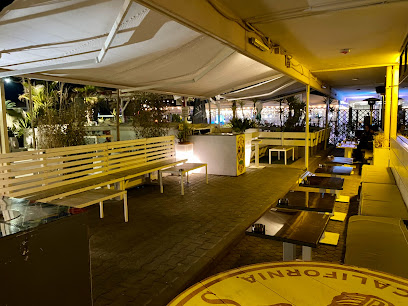
Mojito bar
22.0 km
Discover the vibrant Mojito Bar in Lido di Camaiore, where refreshing cocktails and a lively atmosphere create the perfect night out.
Bar Tabacchi Piagentini Antonella
22.0 km
Experience the heart of San Romano at Bar Tabacchi Piagentini Antonella, where authentic Italian culture meets delightful local flavors.
Nightclubs & after hour spots

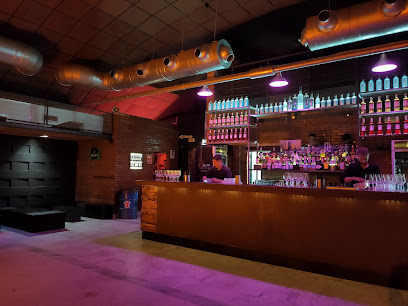
Barlume
7.0 km
Experience the vibrant nightlife of Marina di Carrara at Barlume, a premier disco club and cocktail bar with live music and delicious dining.
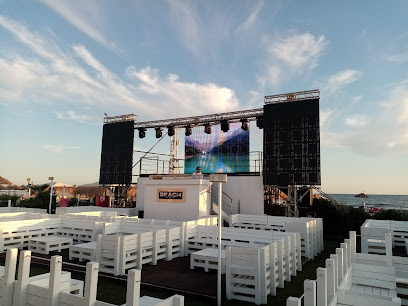
Beach Club Versilia
11.8 km
Discover the ultimate blend of beach relaxation and vibrant nightlife at Beach Club Versilia, your go-to destination in Cinquale.
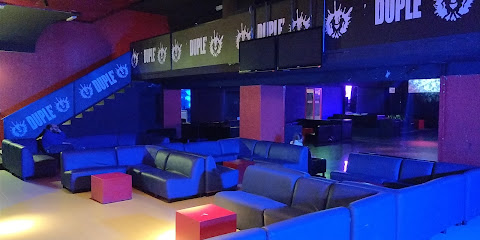
Discoteca Duple'
14.9 km
Discover the electrifying nightlife at Discoteca Duple', a premier disco club in Serricciolo, perfect for dancing and socializing until dawn.
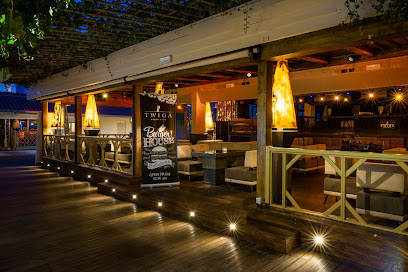
Twiga Beach Club
16.6 km
Twiga Beach Club: The ultimate Italian dining and nightlife experience on the stunning shores of Marina di Pietrasanta.
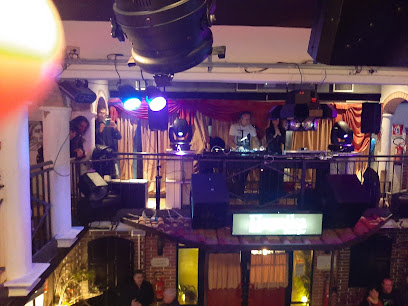
Paprika S.A.S.
18.7 km
Discover the lively nightlife of Paprika S.A.S. in Aulla, where vibrant music and an energetic atmosphere create unforgettable nights.
Club House 22 Lunigiana
19.3 km
Discover the vibrant nightlife at Club House 22 Lunigiana, where music, dance, and fun come together in the heart of Licciana Nardi.
Dancing Divina
19.5 km
Discover the electrifying atmosphere at Dancing Divina, the ultimate dance club in Piano di Valeriano-Bottagna for an unforgettable night out.
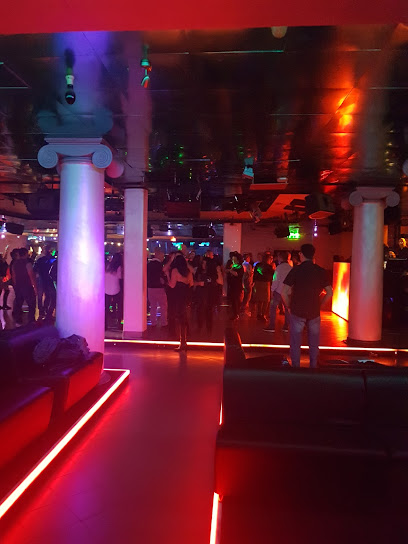
Shake Club
19.5 km
Discover the nightlife of La Spezia at Shake Club, where vibrant music and a welcoming atmosphere create unforgettable nights.
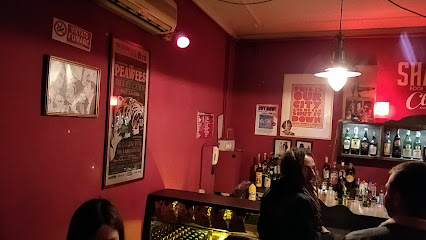
club prive
19.6 km
Discover the electrifying nightlife at Club Prive, the ultimate bar and nightclub in Terrarossa, featuring live shows and an exciting atmosphere.
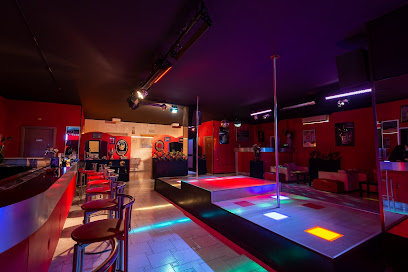
Seven Apples
20.2 km
Unleash your energy at Seven Apples, the ultimate disco club in Marina di Pietrasanta, Italy, where unforgettable nights await.
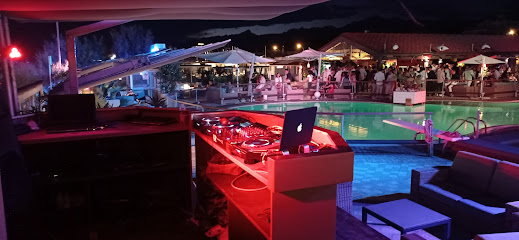
Bussola Versilia
20.7 km
Discover Bussola Versilia: A dynamic disco club and restaurant in Marina di Pietrasanta, blending exquisite dining with an electrifying nightlife experience.
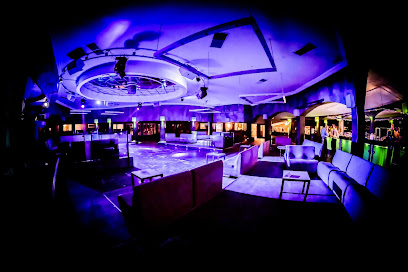
Excalibur swinger disco club prive
20.7 km
Experience the thrill of nightlife at Excalibur Swinger Disco Club Prive in Terrarossa, Italy - an exclusive haven for adventurous souls.
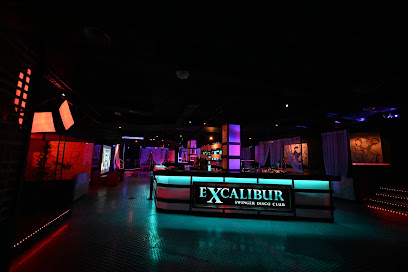
La Skaletta Rock Club
22.1 km
Discover La Skaletta Rock Club in La Spezia - a vibrant live music venue offering unforgettable performances and a lively atmosphere for music lovers.
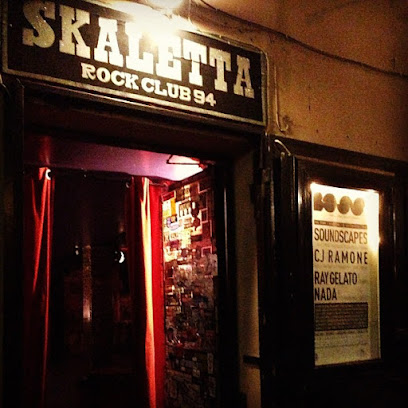
La Capannina di Viareggio
24.6 km
Discover the legendary La Capannina di Viareggio, an iconic night club where music meets the stunning Tuscan nightlife for an unforgettable experience.
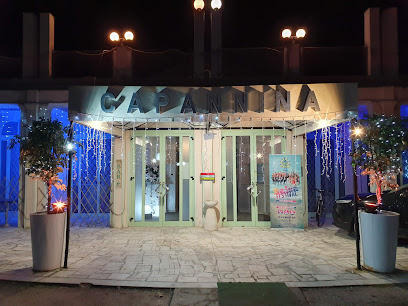
Dancing Trocadero S. R. L.
25.5 km
Discover the vibrant nightlife of Viareggio at Dancing Trocadero, a disco club where music and fun come together for an unforgettable experience.