

Free Molise Travel Guide & Mobile App
Explore Molise with free travel guides. Discover regional history, expert tips, proposed trips, and audio guides on web or mobile app.


Explore Molise in Italy for Samnite ruins, mountain villages, artisan food, national-park landscapes and the Adriatic harbour of Termoli.
Read more about Molise
When is the best time to visit Molise?
Best: June–July, September · 25–30°C| Month | High (°C) | Rainfall (mm) |
|---|---|---|
| January | 11 | 45 |
| February | 12 | 42 |
| March | 15 | 50 |
| April | 18 | 55 |
| May | 22 | 60 |
| June (best) | 27 | 35 |
| July (best) | 30 | 30 |
| August | 29 | 35 |
| September (best) | 25 | 45 |
| October | 19 | 55 |
| November | 14 | 53 |
| December | 11 | 50 |
Getting to and around Molise
How to get there
Transportation
Destinations in Molise
Resorts, valleys and scenic spots worth a trip of their own.

Swipe for more destinations
Best attractions in Molise
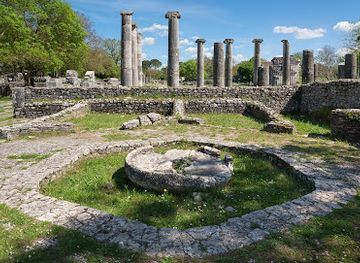
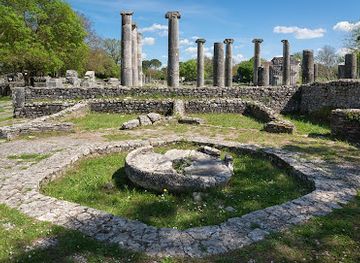
Molise’s attractions are spread through a landscape of hill towns, pasture, wooded mountains and a short Adriatic coast. The archaeological centrepiece is Altilia, the Roman settlement of Saepinum, where streets, gates, a theatre and public buildings remain legible in a rural setting. At Pietrabbondante, a Samnite sanctuary and theatre occupy a high landscape beneath the mountains. Isernia offers important evidence of early human occupation, while San Vincenzo al Volturno presents the archaeological remains of a major medieval Benedictine monastery. The Abruzzo, Lazio and Molise National Park reaches into the western part of the region, providing forested walking country around the Mainarde and villages such as Pizzone and Castel San Vincenzo. The Matese area offers further hiking and seasonal mountain activities. In Alto Molise, Agnone, Frosolone and surrounding villages combine artisan traditions with upland scenery. Termoli provides the region’s principal coastal experience, with beaches, a working harbour and a compact old town above the sea. The Tremiti Islands can be approached from Termoli in suitable seasons, but they are outside Molise and their boat services should be checked before departure.
-
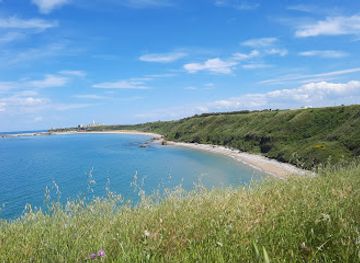
Riserva naturale guidata Punta Aderci
Explore Punta Aderci: a stunning natural reserve in Italy, where beautiful beaches, diverse wildlife, and breathtaking vistas await you.
-
Archaeological museum
Saepinum Archaeological Area
Discover Saepinum, a remarkably preserved Roman town in Molise, Italy, offering a unique glimpse into ancient Roman life and architecture.
-
Castle
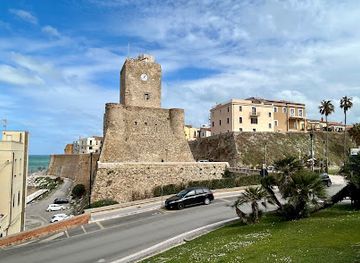
Castello Svevo of Termoli
Explore Termoli's iconic Swabian Castle: a medieval fortress offering history, stunning Adriatic views, and cultural events.
-
Bridge
Tibetan Bridge Roccamandolfi
Experience the thrill of walking across the Tibetan Bridge in Roccamandolfi, a suspended marvel offering breathtaking views and an adrenaline rush.

Best landmarks in Molise
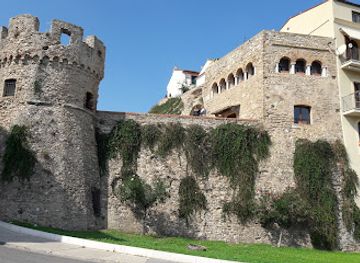
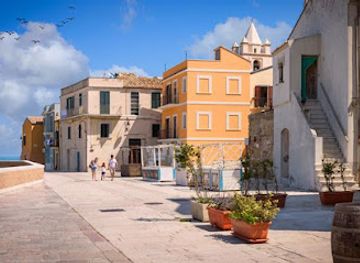
The most recognisable historic landmark in Molise is Castello Monforte, which crowns the hill above Campobasso and forms a strong visual anchor for the regional capital. Termoli’s old town projects into the Adriatic on a narrow promontory, enclosed by defensive walls and dominated by the medieval Cathedral of Santa Maria della Purificazione; the nearby Swabian castle reflects the town’s strategic maritime position. At Altilia, the Roman gates and paved urban remains of Saepinum give the surrounding countryside an unusually architectural character. Pietrabbondante’s Samnite theatre and sanctuary are equally significant, not only for their setting but for what they reveal about pre-Roman society in the Apennines. The medieval remains of San Vincenzo al Volturno mark the importance of monastic power in the Volturno valley, while the cathedral and historic quarters of Isernia preserve later layers of religious and civic history. In the mountains, villages such as Agnone and Frosolone provide landmarks of a different kind: tightly built stone streets, churches, workshops and ridge-top silhouettes shaped by centuries of pastoral and artisan life.
-
Wildlife refuge
Riserva naturale guidata Punta Aderci
Explore the serene beauty of Punta Aderci, a wildlife refuge and historical landmark offering stunning beaches and breathtaking landscapes in Abruzzo, Italy.
-
Castle
Castello Svevo of Termoli
Explore the majestic Castello Svevo of Termoli, a historic castle offering stunning views of the Adriatic Sea and a glimpse into Italy's rich medieval past.
-
Nature preserve
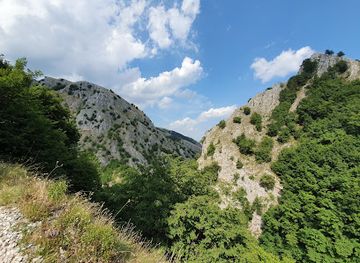
Riserva Naturale Statale Montedimezzo
Experience the breathtaking beauty of Riserva Naturale Statale Montedimezzo, a serene nature preserve in Italy's stunning Province of Isernia.
-
Historical landmark
Ancient Village of Termoli
Discover the enchanting Ancient Village of Termoli, a historical gem on Italy's Adriatic coast, blending captivating culture with stunning seaside beauty.
Explore Molise on the map
Plan your trip on one map. See where the top cities, national parks and sights are, and book hotels and experiences in a few clicks.
Best hotels in Molise
Best restaurants in Molise
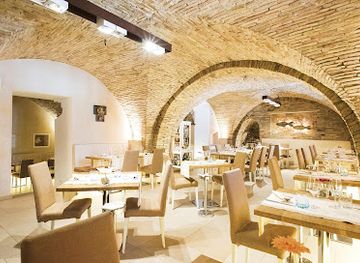
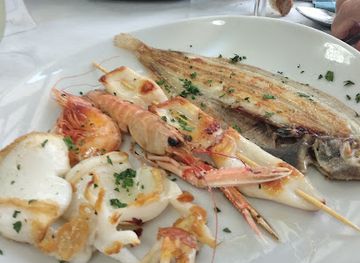
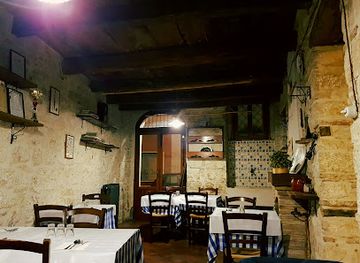
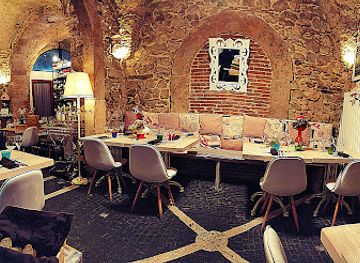
Molise’s food is rooted in mountain pastoralism, small-scale farming and the cooking of historic villages. Handmade cavatelli are commonly served with hearty sauces, while inland tables feature beans, vegetables, lamb, pork, local salumi and soups suited to a cool Apennine climate. Sheep’s and cow’s milk cheeses, including caciocavallo and scamorza-style preparations, are important regional products, and many villages have shops or dairies selling them alongside bread and preserves. Pampanella, a chilli-seasoned baked cheese traditionally associated with San Martino in Pensilis, is one of the region’s most distinctive specialities. Truffles and mushrooms appear in seasonal menus, particularly in the interior, while Termoli’s restaurants draw on Adriatic fish and seafood. Look for Tintilia del Molise, the region’s best-known native red wine, as well as other local wines and rural products. Dining ranges from simple bars and family trattorie to contemporary restaurants, with market days and food festivals offering useful introductions to local produce.
-
Restaurant
Ristorante Svevia
Experience authentic Mediterranean cuisine at Ristorante Svevia in Termoli - where every meal is a celebration of flavor.
-
Restaurant
Il Lupo di Mare
Discover the essence of Italian dining at Il Lupo di Mare - where fresh seafood meets authentic flavors in Campomarino.
-
Italian
La Grotta di Zi' Concetta
Discover the heart of Italian cuisine at La Grotta di Zi' Concetta in Campobasso – where tradition meets flavor.
-
Restaurant
Existo - Osteria Molisana
Experience authentic Italian flavors at Existo - Osteria Molisana in Isernia, where culinary creativity meets tradition.
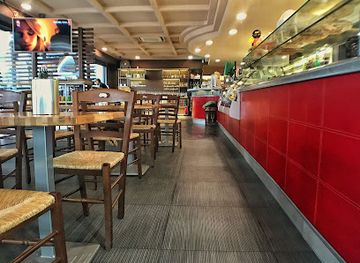
Best bars in Molise
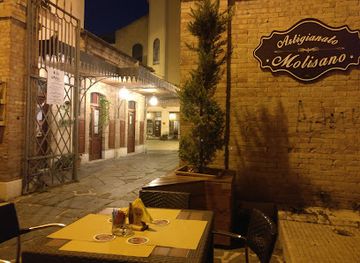
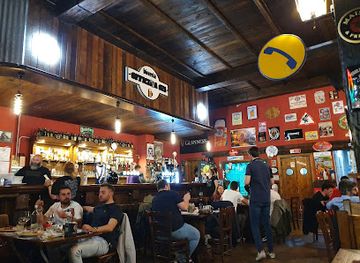
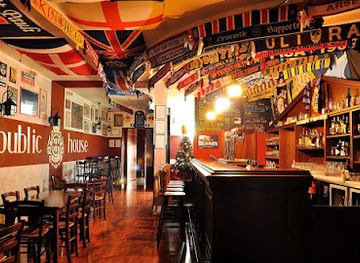
Molise’s evening life is modest and sociable rather than centred on a large club scene. In Campobasso and Isernia, university life, civic events and the historic centres support cafés, wine bars, pizzerias, pubs and occasional live-music venues, with activity usually concentrated around the main streets and squares. Termoli has the region’s strongest seasonal nightlife, combining seafront restaurants, gelaterie, bars and late summer gatherings with the atmosphere of a working port. In smaller inland towns, the traditional bar remains an important evening meeting place, while festivals and outdoor events bring temporary energy to village squares. Rural inns and restaurants often provide a more characteristic night out than a nightclub, particularly in Alto Molise and the Mainarde. Check local listings for performances and seasonal programming, since schedules change and many venues are small or operate selectively outside the summer period.
-
Pub
Zeppelin
Experience the vibrant nightlife and delicious cuisine at Zeppelin, Campobasso's top gastropub and live music venue.
-
Bar
Matrix Bistrot IQOS PARTNER CAMPOBASSO
Discover the culinary delights of Campobasso at Matrix Bistrot, where local flavors meet cozy ambiance and warm hospitality.
-
Pub
Officina 921
Discover the authentic taste of Italy at Officina 921, a charming pub and wine bar in Ripalimosani, perfect for every traveler seeking local delights.
-
Pub
Sei Torri
Discover Sei Torri, a vibrant gastropub in Campobasso offering delicious American cuisine, live music, and a lively atmosphere for an unforgettable night out.
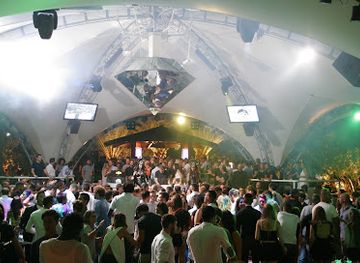
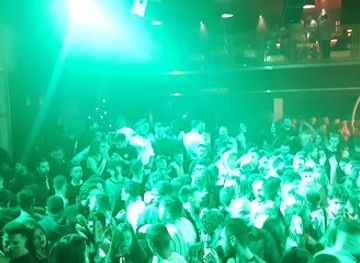
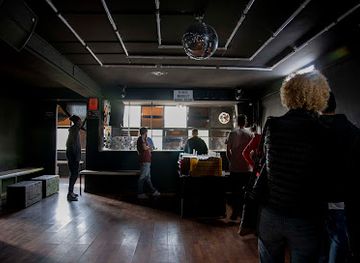
Best nightclubs in Molise
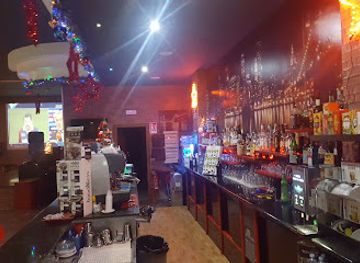
Molise’s evening life is modest and sociable rather than centred on a large club scene. In Campobasso and Isernia, university life, civic events and the historic centres support cafés, wine bars, pizzerias, pubs and occasional live-music venues, with activity usually concentrated around the main streets and squares. Termoli has the region’s strongest seasonal nightlife, combining seafront restaurants, gelaterie, bars and late summer gatherings with the atmosphere of a working port. In smaller inland towns, the traditional bar remains an important evening meeting place, while festivals and outdoor events bring temporary energy to village squares. Rural inns and restaurants often provide a more characteristic night out than a nightclub, particularly in Alto Molise and the Mainarde. Check local listings for performances and seasonal programming, since schedules change and many venues are small or operate selectively outside the summer period.
-
Bar
Times
Discover the lively nightlife at Times Club in Ripalimosani, where bar vibes meet dance hall energy, and endless fun awaits.
-
Disco club
Baja Village Club Event&Weddings
Discover the vibrancy of Baja Village Club in Vasto, where unforgettable nights meet exceptional events amidst breathtaking nature.
-
Disco club
Invidia Show Club
Discover the electrifying nightlife of Invidia Show Club in Santo Stefano, where music, dance, and great vibes await every Saturday night.
-
Disco club
Roof Club
Discover the electrifying nightlife of Isernia at Roof Club, where music, dancing, and unforgettable moments await.
Best shops in Molise
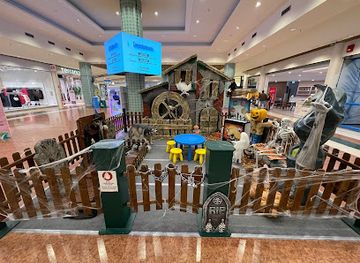
Shopping in Molise is concentrated in the high streets and markets of Campobasso, Isernia and Termoli, with smaller towns offering independent grocers, bakeries, craft workshops and family-run shops rather than extensive retail districts. Food is among the most rewarding purchases: look for caciocavallo and other local cheeses, cured meats, olive oil, dried pasta, preserves, truffle products, honey and bottles of Tintilia del Molise. Agnone is internationally associated with the Marinelli bell foundry, whose long-established craft tradition is represented through authorised visits and related products; buy only from identifiable makers when seeking locally produced crafts. Frosolone is known for historic cutlery-making, while ceramics, woven goods and woodwork may be found in artisan outlets and seasonal markets. Termoli combines everyday shopping with coastal souvenirs and food shops, whereas Campobasso and Isernia provide the broader selection of clothing, books and practical goods. Market days vary by town, so check locally rather than planning around an unverified weekly schedule.
-
Shopping mall
Centro Commerciale Costaverde
Discover the vibrant shopping experience at Centro Commerciale Costaverde in Montenero di Bisaccia, Italy, featuring diverse shops and delicious dining options.
-
Archaeological museum
Saepinum Archaeological Area
Unveil the rich history of ancient Rome at Saepinum Archaeological Area, a stunning archaeological park filled with remarkable ruins.
-
Shopping mall
Centro del Molise
Discover shopping bliss in Campobasso at Centro del Molise, where fashion meets local flavor in a vibrant atmosphere.
-
Shopping mall
Centro Commerciale Monforte
Experience the best of shopping and dining at Centro Commerciale Monforte, a vibrant mall in Campobasso, Italy, perfect for every traveler.
Get your free copy of our complete guide to Molise, delivered straight to you.
Everything on this page, from attractions and restaurants to essentials and local phrases, in one PDF you can read offline, print or share.
Already have an account? Sign in
Your Molise guide is ready.
We'll send it to · Not you? Sign out

Getting your guide ready…
We are putting together a fresh copy of the Molise guide. This can take up to a minute.
This can take a few moments. If your browser asks, choose Allow so the download can start. You'll find the guide in your Downloads folder.
Nothing happened? Download it again
Sorry, the guide is taking longer than usual. Please try again in a minute, or get it by email instead.
Molise essentials
Currency and Payment
Safety
Emergency Situations
Do's and Don'ts
Local Tips
From Eve
Local phrases worth knowing
You don't need to get them perfect. A few words go a long way, and locals appreciate the effort.
Basics
| English | Local | Say it |
|---|---|---|
| Hello | Ciao | [chow] |
| Goodbye | Arrivederci | [ah-ree-veh-DER-chee] |
| Yes | Sì | [see] |
| No | No | [noh] |
| Please/You're welcome | Per favore/Di niente | [per fah-VOH-reh/dee NYEN-teh] |
| Thank you | Grazie | [GRAHT-see-eh] |
| Excuse me/Sorry | Scusa/Mi dispiace | [SKOO-zah/mee dee-SPYAH-cheh] |
| How are you? | Come stai? | [KOH-meh stai] |
| Fine. And you? | Bene. E tu? | [BEH-neh. eh too?] |
| Do you speak English? | Parli inglese? | [PAR-lee een-GLEH-zeh] |
| I don't understand | Non capisco | [non kah-PEE-sko] |
Eating & Drinking
| English | Local | Say it |
|---|---|---|
| I'd like to see the menu, please | Vorrei vedere il menù, per favore | [vohr-RAY veh-DEH-reh eel meh-NOO, per fah-VOH-reh] |
| I don't eat meat | Non mangio carne | [non MAHN-joh KAR-neh] |
| Cheers! | Salute! | [sah-LOO-teh] |
| I would like to pay, please | Vorrei pagare, per favore | [vohr-RAY pah-GAH-reh, per fah-VOH-reh] |
Emergencies
| English | Local | Say it |
|---|---|---|
| Help! | Aiuto! | [ah-YOO-toh] |
| Go away! | Vai via! | [vye VEE-ah] |
| Call the Police! | Chiama la polizia! | [KYAH-mah lah poh-leet-ZEE-ah] |
| Call a doctor! | Chiama un dottore! | [KYAH-mah oon doht-TOH-reh] |
| I'm lost | Mi sono perso | [mee SOH-noh PER-soh] |
| I'm ill | Sono malato | [SOH-noh mah-LAH-toh] |
Shopping
| English | Local | Say it |
|---|---|---|
| I'd like to buy... | Vorrei comprare... | [vohr-RAY kom-PRAH-reh...] |
| I'm just looking | Sto solo guardando | [sto SOH-loh gwahr-DAHN-doh] |
| How much is it? | Quanto costa? | [KWAHN-toh KOH-stah] |
| That's too expensive | È troppo costoso | [eh TROH-poh koh-STOH-zoh] |
| Can you lower the price? | Puoi abbassare il prezzo? | [pwoy ab-BAS-sah-reh eel PRET-soh] |
Time & Numbers
| English | Local | Say it |
|---|---|---|
| What time is it? | Che ore sono? | [keh OH-reh SOH-noh] |
| It's one o'clock | È l'una | [eh LOO-nah] |
| Half past (10) | Dieci e mezzo | [DYEH-cheh eh MEH-tso] |
| Morning | Mattina | [maht-TEE-nah] |
| Afternoon | Pomeriggio | [poh-meh-REE-joh] |
| Evening | Sera | [SEH-rah] |
| Yesterday | Ieri | [YAY-ree] |
| Today | Oggi | [OH-gee] |
| Tomorrow | Domani | [doh-MAH-nee] |
| 1 | Uno | [OO-noh] |
| 2 | Due | [DOO-eh] |
| 3 | Tre | [TREH] |
| 4 | Quattro | [KWAHT-troh] |
| 5 | Cinque | [CHEEN-kweh] |
| 6 | Sei | [SEH-ee] |
| 7 | Sette | [SEH-teh] |
| 8 | Otto | [OHT-toh] |
| 9 | Nove | [NOH-veh] |
| 10 | Dieci | [DYEH-chee] |
Transport & Directions
| English | Local | Say it |
|---|---|---|
| Where's a/the...? | Dove si trova...? | [DOH-veh see TROH-vah] |
| What's the address? | Qual è l'indirizzo? | [KWAHL eh leen-DEE-reet-soh] |
| Can you show me (on the map)? | Puoi mostrarmi (sulla mappa)? | [pwoy moh-STRAR-mee (SOOL-lah MAH-pah)] |
| When's the next (bus)? | Quando passa il prossimo (autobus)? | [KWAHN-doh PAH-sah eel PROH-ssee-mo (OW-toh-boos)] |
| A ticket (to ....) | Un biglietto (per ....) | [oon bee-LYEH-toh (per ....)] |
History of Molise
Samnite Communities and Pietrabbondante
Before Roman expansion, much of present-day Molise was inhabited by Samnite peoples, organised through local communities rather than a single centralised kingdom. Their most important surviving monumental centre in the region is the sanctuary at Pietrabbondante, where temples, ritual buildings and a distinctive theatre reveal the political and religious importance of the site between the second and first centuries BC. The theatre’s carefully designed stone seating and stage architecture reflect contact with the wider Hellenistic and Italian world. Samnite identity remained significant during the conflicts with Rome, and the archaeological landscape around Pietrabbondante provides an essential counterpoint to histories centred solely on Roman conquest.
Roman Saepinum and the Biferno Valley
Roman control reshaped the territory through roads, town planning, agriculture and administrative organisation. Saepinum, now known as Altilia, developed near routes connecting the Adriatic hinterland with the Apennine interior and later served as a trading and pastoral centre. Its surviving walls, gates, forum area, basilica, theatre and paved streets show how Roman urban life was adapted to a rural setting. Other Roman remains survive around Larino, Venafro and Isernia. The region’s position between the coast and inland valleys gave it lasting importance as a corridor for people, livestock and goods, even though it remained less urbanised than central Italy.
Longobard and Benedictine Landscapes
After the decline of Roman imperial authority, Molise became part of shifting territories controlled by Germanic and later Italian powers, including the Longobards. Monastic institutions then played a major role in landholding, religious life and agricultural organisation. The monastery of San Vincenzo al Volturno, founded in the eighth century in the Volturno valley, grew into an influential Benedictine centre with churches, workshops and a substantial community before suffering destruction and decline in the tenth century. Its excavated remains preserve evidence of medieval art, craft production and monastic administration, while nearby villages and churches retain elements of the region’s medieval settlement pattern.
Norman, Swabian and Angevin Lordships
From the eleventh century, Molise was incorporated into the political structures of the Norman-ruled south and subsequently into the realms of the Hohenstaufen and Angevin dynasties. Castles, fortified hill towns and feudal estates reflected the need to control mountain passes, river valleys and agricultural resources. Places such as Termoli, Venafro, Campobasso and Castelmauro developed through overlapping ecclesiastical and aristocratic jurisdictions. The period established many of the compact historic centres visible today, where narrow streets, defensive walls, churches and noble residences follow the contours of steep hills rather than a modern street grid.
Pastoralism and Transhumance
Seasonal sheep movement shaped Molise’s economy and cultural geography for centuries. Flocks travelled between high summer pastures in the Apennines and milder winter grazing lands towards the Tavoliere of Puglia along drove roads known as tratturi. These routes connected communities and markets while supporting wool production, cheese-making and a network of resting places, churches and rural settlements. Although modern agriculture and transport have reduced the scale of transhumance, the tratturi remain visible in parts of the landscape and the pastoral tradition survives in cheeses, rural architecture, food customs and local festivals. It also explains the historical links between Molise and neighbouring Abruzzo and Puglia.
Earthquakes, Emigration and Rural Change
Molise has experienced damaging earthquakes, including those affecting the region in the nineteenth and twentieth centuries, and seismic risk continues to influence building conservation and reconstruction. At the same time, poverty, limited industrial employment and rural isolation encouraged large-scale emigration from the late nineteenth century onwards, especially to the Americas, northern Europe and other parts of Italy. Many villages lost population, while overseas communities maintained strong cultural ties with their places of origin. The result is a landscape of carefully preserved historic centres alongside abandoned or depopulated rural buildings, with contemporary efforts directed towards heritage, local food, small-scale tourism and the renewal of village life.
Molise as a Separate Italian Region
For much of modern administrative history, Molise was joined with Abruzzo in the region known as Abruzzi e Molise. In 1963, Molise became a separate region, with Campobasso as its capital and Isernia subsequently serving as the capital of the newly created province established in 1970. The separation reinforced a distinct regional identity while recognising the area’s particular geography and administrative needs. Modern Molise remains closely connected to neighbouring regions through work, family, food and transport, but its separate status has helped promote its archaeological heritage, mountain communities, coastal economy and regional products as a coherent destination.
Molise in Photos
Browse through our photo collection highlighting the charm and character of the destination.
Neighbouring regions of Molise
The closest regions to Molise, if you have time for more than one.
-

-

-

-

-


Swipe for more regions
Explore more

Explore more of Italy
Discover Italy: A land of ancient history, artistic marvels, and culinary delights; where every corner reveals a new story and every meal is a celebration.
Explore Italy