

Free Val d'Aosta Travel Guide & Mobile App
Explore Val d'Aosta with free travel guides. Discover regional history, expert tips, proposed trips, and audio guides on web or mobile app.


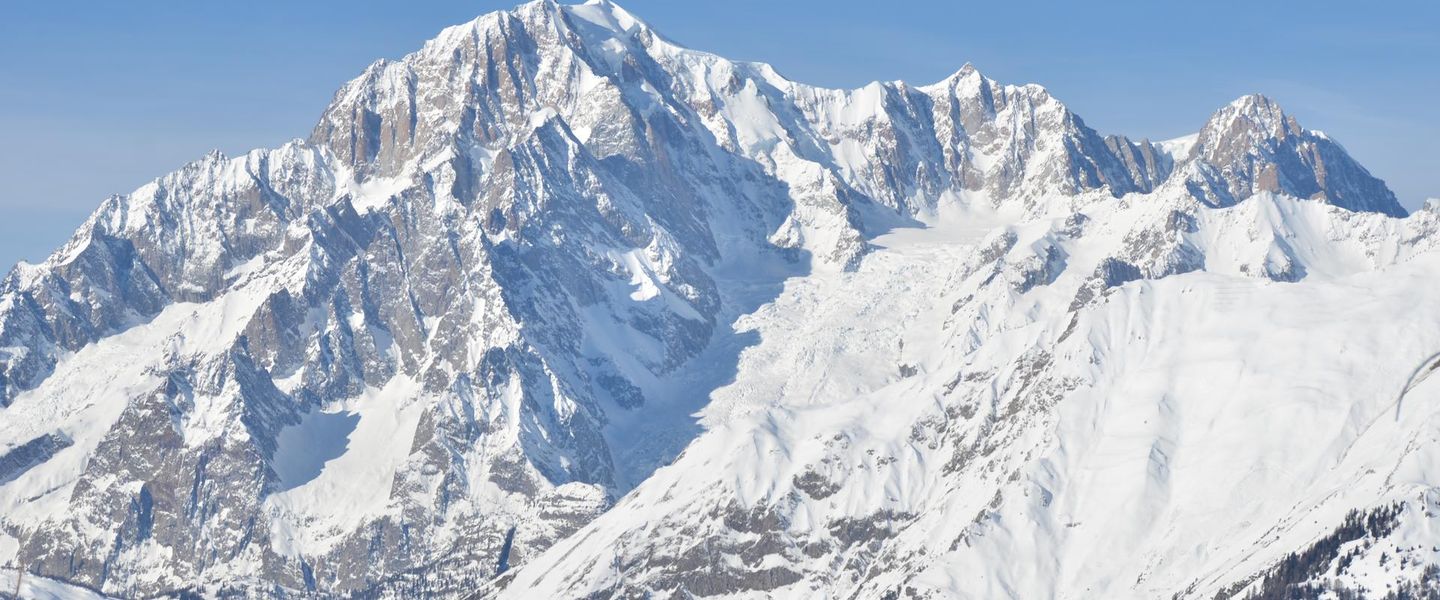


Explore Val d'Aosta for Roman heritage, castles, bilingual culture, mountain villages, Alpine cuisine and access to Italy's highest peaks.
Read more about Val d'Aosta
When is the best time to visit Val d'Aosta?
Best: June–August · 20–23°C| Month | High (°C) | Rainfall (mm) |
|---|---|---|
| January | 3 | 57 |
| February | 5 | 51 |
| March | 8 | 58 |
| April | 11 | 68 |
| May | 15 | 77 |
| June (best) | 20 | 64 |
| July (best) | 23 | 58 |
| August (best) | 22 | 71 |
| September | 18 | 63 |
| October | 13 | 50 |
| November | 7 | 57 |
| December | 3 | 60 |
Getting to and around Val d'Aosta
How to get there
Transportation
Destinations in Val d'Aosta
Resorts, valleys and scenic spots worth a trip of their own.
-

-

-

-

-

-


Swipe for more destinations
Best attractions in Val d'Aosta
Val d'Aosta's attractions combine a remarkably legible Roman city, medieval castles and a high-mountain environment. In Aosta, the Roman Theatre, Arch of Augustus, city walls and archaeological remains can be explored alongside the cathedral and medieval streets. Across the valley, castles such as Fénis, Issogne, Verrès and Sarre reveal different aspects of aristocratic and military life, while Fort Bard presents the region's strategic history in a dramatic setting above the Dora Baltea. Mountain attractions range from walking and wildlife in the Gran Paradiso area to cable-car views and alpine excursions around Courmayeur, skiing near Breuil-Cervinia and La Thuile, and cross-country routes around Cogne. Vineyards, village festivals, craft traditions and food producers add a cultural dimension to the landscape. Distances are deceptively short on a map but can involve winding roads and changes in altitude, so a balanced itinerary is better than attempting every valley in one stay.
-
Spa
QC Terme Pré Saint Didier
Experience unparalleled relaxation at QC Terme Prè Saint Didier, a luxurious spa retreat nestled in the stunning Aosta Valley, Italy.
-
Castle
Castello di Fénis
Discover the majestic Castello di Fénis, a medieval gem in the heart of Aosta Valley, rich in history and stunning architecture.
-
Castle
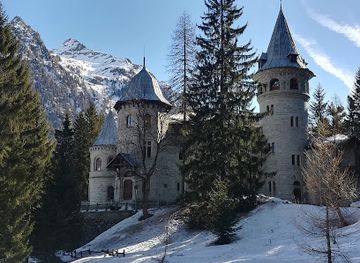
Castel Savoia
Experience the enchanting Castel Savoia in the Aosta Valley, a royal castle surrounded by breathtaking landscapes and rich Italian heritage.
-
Landmark
Arco di Augusto
Explore the historic Arco di Augusto, a Roman triumphal arch in Aosta, Italy, and immerse yourself in the city's fascinating history and vibrant culture.
Best landmarks in Val d'Aosta
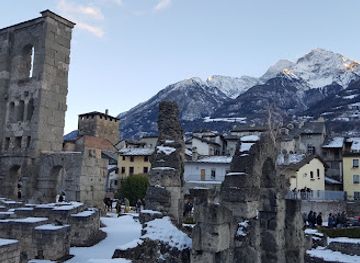
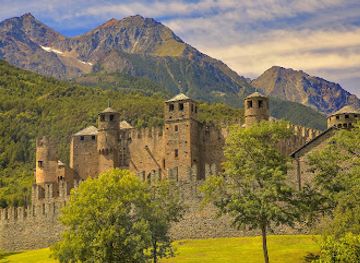
Aosta's Arch of Augustus is one of Val d'Aosta's most recognisable monuments, built near the Roman colony's entrance and still integrated into the modern townscape. The nearby Roman Theatre, with its surviving monumental façade, gives a strong sense of Augusta Praetoria's scale. Higher in the valley, Fénis Castle is notable for its protected towers and enclosed medieval profile, while Issogne preserves an aristocratic residence with an unusually intimate courtyard and painted details. Fort Bard, built around a rocky promontory above the Dora Baltea, is both a major military landmark and a defining view along the valley. The mountains themselves provide the region's most powerful natural markers: Mont Blanc dominates the Courmayeur area, the Matterhorn rises above Breuil-Cervinia, and the glaciers and granite peaks around Gran Paradiso shape the landscape further south. These landmarks express the valley's dual character as an Alpine passage and a distinct cultural territory.
-
Castle
Castello di Fénis
Explore the historic Castello di Fénis, a medieval gem in the Aosta Valley, rich in culture and stunning Alpine views for an unforgettable experience.
-
Castle
Castel Savoia
Explore Castel Savoia, a stunning castle in the Aosta Valley, blending rich history with breathtaking mountain views for an unforgettable experience.
-
Landmark
Arco di Augusto
Discover the Arco di Augusto in Aosta, a stunning Roman triumphal arch that epitomizes Italy's rich cultural heritage and architectural grandeur.
-
Historical landmark
Porta Pretoria
Discover the historic Porta Pretoria in Aosta, Italy, a stunning Roman gateway that invites you into a world of ancient architecture and rich cultural heritage.
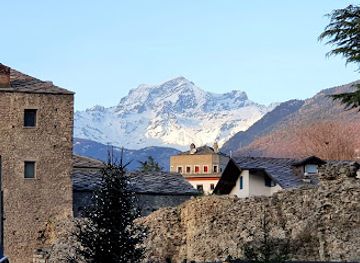
Explore Val d'Aosta on the map
Plan your trip on one map. See where the top cities, national parks and sights are, and book hotels and experiences in a few clicks.
Best hotels in Val d'Aosta
Best restaurants in Val d'Aosta
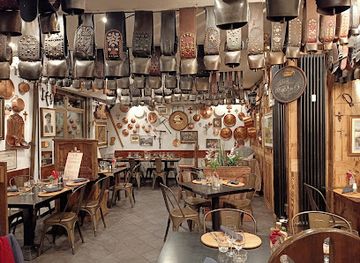
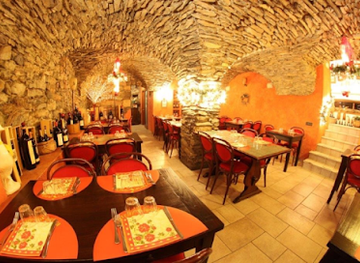
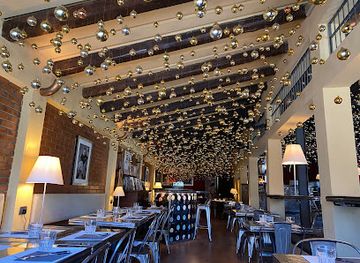
Regional cooking is shaped by Alpine farming, French influence and Italian technique. Fontina, the valley's best-known cow's-milk cheese, appears in fonduta, polenta dishes and everyday cooking, while toma-style cheeses, cured meats, lardo, rye bread and chestnut products reflect older mountain foodways. Soups, carbonade-style stews and filling polenta are particularly suited to colder weather, while apples, walnuts and local honey feature in desserts and farm produce. The region also has a distinctive wine culture, including wines made from grapes adapted to steep, high-altitude vineyards. Aosta and the larger resorts offer contemporary restaurants and cafés, while villages and side valleys are known for rural inns, mountain refuges and traditional family dining. Farmers' markets and specialist food shops are useful for finding cheeses, preserves, biscuits and cured products to take home; check customs rules before carrying animal products across international borders.
-
Restaurant
Osteria La Vache Folle
Experience authentic Italian cuisine at Osteria La Vache Folle in Aosta - where local flavors meet traditional cooking.
-
Diner
Osteria dell'Oca
Discover authentic Italian flavors at Osteria dell'Oca in Aosta – where tradition meets taste!
-
Restaurant
Bataclan Restaurant Pizza & Music
Experience exquisite pizza and live music at Bataclan Restaurant in Aosta – where flavors and sounds come together.
-
Italian
Lo Riondet
Discover authentic Northern Italian cuisine at Lo Riondet in La Thuile, where every dish tells a story of tradition and flavor.
Best bars in Val d'Aosta
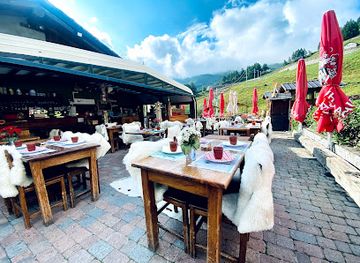
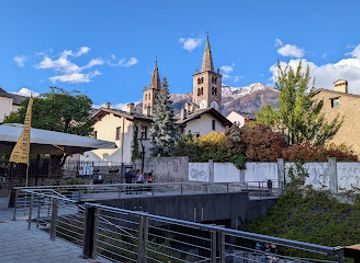
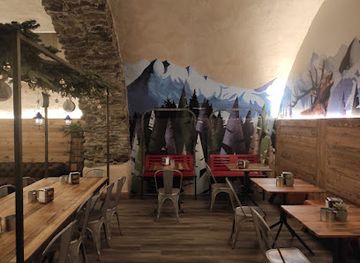
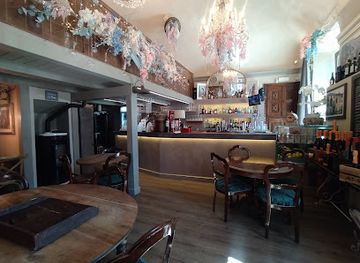
Evening life in Val d'Aosta is generally sociable and food-led rather than centred on large clubs. Aosta has the broadest choice of wine bars, cafés, aperitivo spots, pubs and restaurants, with activity concentrated around the historic centre and main streets. Courmayeur offers a more resort-oriented scene, including hotel bars, cocktail venues and late-evening establishments, especially during winter and peak summer periods. Breuil-Cervinia and other ski resorts also provide après-ski venues, although their atmosphere and schedules vary by season. In smaller villages, the traditional bar or local inn remains the main evening meeting place, sometimes complemented by live music or community events. Craft drinks and regional wines are increasingly visible, but visitors should not assume that every mountain settlement stays open late; dining reservations and return transport are worth arranging in advance.
-
Brasserie
Birrificio '63
Experience the finest craft beers and local cuisine at Birrificio '63, Aosta's premier brewpub and brasserie.
-
Bar
Gekoo
Discover Gekoo, Aosta's charming bar offering a blend of local and international drinks in a cozy atmosphere.
-
Bar
Café Palais Ansermin
Experience the warm ambiance and local flavors at Café Palais Ansermin in Aosta, Italy, the perfect spot for coffee lovers and foodies alike.
-
Pub
Old Distillery
Discover the charm of Old Distillery, an authentic Aosta pub serving local brews and delicious snacks in a cozy atmosphere.
Best nightclubs in Val d'Aosta
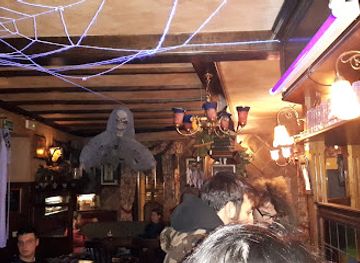
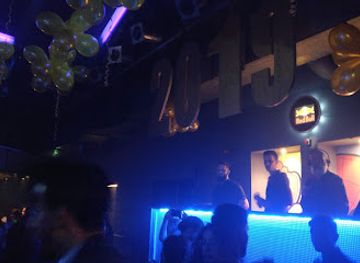
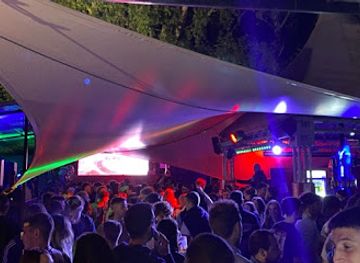
Evening life in Val d'Aosta is generally sociable and food-led rather than centred on large clubs. Aosta has the broadest choice of wine bars, cafés, aperitivo spots, pubs and restaurants, with activity concentrated around the historic centre and main streets. Courmayeur offers a more resort-oriented scene, including hotel bars, cocktail venues and late-evening establishments, especially during winter and peak summer periods. Breuil-Cervinia and other ski resorts also provide après-ski venues, although their atmosphere and schedules vary by season. In smaller villages, the traditional bar or local inn remains the main evening meeting place, sometimes complemented by live music or community events. Craft drinks and regional wines are increasingly visible, but visitors should not assume that every mountain settlement stays open late; dining reservations and return transport are worth arranging in advance.
-
Pub
Beautiful
Discover the vibrant atmosphere of Beautiful Pub in Aosta, where local culture meets exceptional drinks and a warm welcome.
-
Disco club
Fashion'
Experience the vibrant nightlife at Fashion', a premier disco club in Villair-Amerique, Aosta Valley - where music, dancing, and fun await!
-
Disco club
Club Haus 80's Courmayeur Mont Blanc
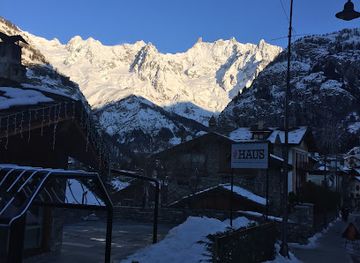
Step back into the vibrant 80s at Club Haus 80's, Courmayeur's favorite disco club, where every night is a celebration of music and dance.
-
Dance club
Momà Discoclub
Discover the electrifying nightlife at Momà Discoclub, where music, dancing, and unforgettable memories await in the heart of Aosta Valley.
Best shops in Val d'Aosta
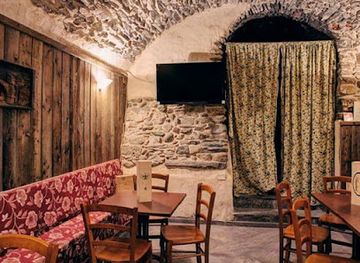
Shopping in Val d'Aosta is concentrated in Aosta's central streets, resort villages and the market squares of smaller towns rather than in large metropolitan centres. Aosta is the best place for combining everyday retail with delicatessens, bookshops, wine merchants, craft galleries and shops selling regional produce. Visitors can look for Fontina and other cheeses, cured meats, rye and chestnut products, honey, preserves and bottles from local vineyards. Woodcarving is an important regional craft tradition, represented particularly at the Sant'Orso fair in Aosta, held annually in January, though the event's arrangements should be checked before travelling. Mountain resorts add specialist outdoor equipment, woollens and practical walking or skiing goods, while village shops often have a more local selection of food and handmade items. Antiques, ceramics and textiles appear in selected independent shops and markets, but retail opening patterns can be seasonal, especially in small high-altitude communities.
-
Shopping mall
Les Halles d'Aoste
Experience the ultimate shopping and dining adventure at Les Halles d'Aoste, Aosta Valley's premier retail destination.
-
Electronics store
Euronics Dimo
Explore a tech paradise at Euronics Dimo in Saint-Christophe, where quality electronics meet exceptional service in the heart of Aosta Valley.
-
Health and beauty shop
Tigota
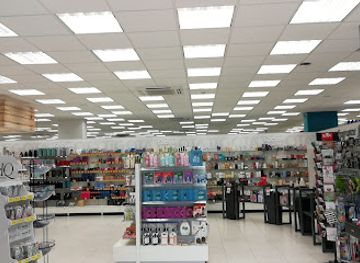
Explore the vibrant world of health and beauty at Tigota, your go-to destination in Aosta Valley for cosmetics, home goods, and perfumes.
-
Sporting goods store
Cisalfa Sport Aosta
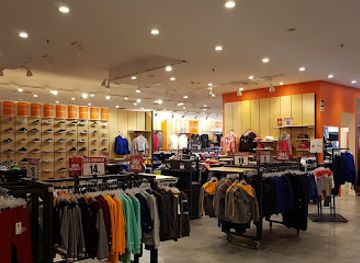
Discover premier sporting goods at Cisalfa Sport Aosta, your ultimate destination for outdoor adventures in the stunning Aosta Valley.

Get your free copy of our complete guide to Val d'Aosta, delivered straight to you.
Everything on this page, from attractions and restaurants to essentials and local phrases, in one PDF you can read offline, print or share.
Already have an account? Sign in
Your Val d'Aosta guide is ready.
We'll send it to · Not you? Sign out

Getting your guide ready…
We are putting together a fresh copy of the Val d'Aosta guide. This can take up to a minute.
This can take a few moments. If your browser asks, choose Allow so the download can start. You'll find the guide in your Downloads folder.
Nothing happened? Download it again
Sorry, the guide is taking longer than usual. Please try again in a minute, or get it by email instead.
Val d'Aosta essentials
Currency and Payment
Safety
Emergency Situations
Do's and Don'ts
Local Tips
From Eve
Local phrases worth knowing
You don't need to get them perfect. A few words go a long way, and locals appreciate the effort.
Basics
| English | Local | Say it |
|---|---|---|
| Hello | Ciao | [chow] |
| Goodbye | Addio | [ah-dee-oh] |
| Yes | Sì | [see] |
| No | No | [noh] |
| Please/You're welcome | Per favore/Di niente | [pehr fah-voh-reh/dee nee-en-teh] |
| Thank you | Grazie | [grah-tsyeh] |
| Excuse me/Sorry | Scusi/Mi dispiace | [skooz-ee/mee dees-pyah-cheh] |
| How are you? | Come stai? | [koh-meh stahy] |
| Fine. And you? | Bene. E tu? | [beh-neh. eh too] |
| Do you speak English? | Parli inglese? | [pahr-lee een-gleh-zeh] |
| I don't understand | Non capisco | [nohn kah-pee-skoh] |
Eating & Drinking
| English | Local | Say it |
|---|---|---|
| I'd like to see the menu, please | Vorrei vedere il menù, per favore | [voh-rree veh-deh-reh eel meh-noo, pehr fah-voh-reh] |
| I don't eat meat | Non mangio carne | [nohn mahn-joh kar-neh] |
| Cheers! | Salute! | [sah-loo-teh] |
| I would like to pay, please | Vorrei pagare, per favore | [voh-rree pah-gah-reh, pehr fah-voh-reh] |
Emergencies
| English | Local | Say it |
|---|---|---|
| Help! | Aiuto! | [ah-yoo-toh] |
| Go away! | Vai via! | [vahy vee-ah] |
| Call the Police! | Chiama la Polizia! | [kee-ah-mah lah poh-leet-see-ah] |
| Call a doctor! | Chiama un dottore! | [kee-ah-mah oon doht-toh-reh] |
| I'm lost | Mi sono perso | [mee soh-noh pehr-soh] |
| I'm ill | Sono malato | [soh-noh mah-lah-toh] |
Shopping
| English | Local | Say it |
|---|---|---|
| I'd like to buy... | Vorrei comprare... | [voh-rree kohm-prah-reh] |
| I'm just looking | Sto solo guardando | [stoh soh-loh gwahr-dahn-doh] |
| How much is it? | Quanto costa? | [kwahn-toh koh-stah] |
| That's too expensive | È troppo costoso | [eh troh-poh koh-stoh-soh] |
| Can you lower the price? | Puoi abbassare il prezzo? | [pwah-ee ah-bah-sah-reh eel preht-soh] |
Time & Numbers
| English | Local | Say it |
|---|---|---|
| What time is it? | Che ore sono? | [keh oh-reh soh-noh] |
| It's one o'clock | È l'una | [eh loo-nah] |
| Half past (10) | E dieci e mezza | [eh dee-eh-chee eh meh-tsah] |
| Morning | Mattina | [maht-tee-nah] |
| Afternoon | Pomeriggio | [poh-meh-reed-joh] |
| Evening | Sera | [seh-rah] |
| Yesterday | Ieri | [yeh-ree] |
| Today | Oggi | [oh-jjee] |
| Tomorrow | Domani | [doh-mah-nee] |
| 1 | Uno | [oo-noh] |
| 2 | Due | [doo-eh] |
| 3 | Tre | [treh] |
| 4 | Quattro | [kwah-troh] |
| 5 | Cinque | [cheen-kweh] |
| 6 | Sei | [say] |
| 7 | Sette | [seht-teh] |
| 8 | Otto | [ot-toh] |
| 9 | Nove | [noh-veh] |
| 10 | Dieci | [dee-eh-chee] |
Transport & Directions
| English | Local | Say it |
|---|---|---|
| Where's a/the...? | Dove si trova...? | [doh-veh see troh-vah] |
| What's the address? | Qual è l'indirizzo? | [kwahl eh leen-dee-reet-soh] |
| Can you show me (on the map)? | Puoi mostrarmi (sulla mappa)? | [pwah-ee mohs-trar-mee (soo-lah mah-pah)] |
| When's the next (bus)? | Quando passa il prossimo (autobus)? | [kwahn-doh pah-sah eel proh-see-moh (ow-toh-boos)] |
| A ticket (to ....) | Un biglietto (per ....) | [oon bee-lyet-toh (pehr ....)] |
History of Val d'Aosta
Prehistoric Alpine Communities
Long before Roman rule, communities used Val d'Aosta's valley floor, terraces and mountain passes for settlement, farming and movement across the Alps. Archaeological evidence includes prehistoric rock carvings at Mont Bégo in the wider Alpine cultural sphere and burial and settlement remains in the Aosta area. The region's geography made it more than an isolated mountain basin: routes through the Little and Great St Bernard passes connected the Italian side of the Alps with Gaul and the Rhône basin. These early patterns of seasonal movement, pastoralism and exchange laid foundations for the valley's later strategic importance.
Roman Augusta Praetoria, 25 BC Onwards
Rome conquered the Salassi, an Alpine people, and founded Augusta Praetoria Salassorum in 25 BC near the meeting point of important routes. The planned town had a regular street grid, defensive walls, gates, a theatre and an amphitheatre, many remains of which survive in modern Aosta. Roman roads crossed the Great and Little St Bernard passes, tying the valley to the imperial network. The name Aosta derives from Augustus, and the Roman urban plan remains one of the clearest historical layers in the region.
Christianity and the Medieval Valley
After the decline of Roman power, Christianity became a major organising force in the valley. Aosta developed ecclesiastical institutions and a cathedral complex, while monasteries, parish churches and hospice foundations served communities and travellers crossing the passes. During the early and central Middle Ages, local noble families built or expanded towers and castles to control land, routes and tolls. The surviving fortified architecture of places such as Fénis, Issogne and Verrès reflects this fragmented political landscape, in which religious authority, local lordship and Alpine trade were closely connected.
The House of Savoy and Alpine Passes
From the later Middle Ages, the House of Savoy steadily strengthened its influence over Val d'Aosta. Control of the valley and its passes brought political and commercial advantages, linking territories on both sides of the Alps. The region retained particular institutional traditions within the wider Savoyard state, including the importance of local assemblies and customary rights. Fortifications were adapted as military technology changed, and strategic sites such as Bard became increasingly important. Savoyard rule later connected the valley to the political developments that produced the Kingdom of Italy.
French and Italian Linguistic Legacies
Val d'Aosta has long been shaped by contact between Italian- and French-speaking Alpine worlds. French was used in administration and culture for centuries, while local Franco-Provençal, often called Valdôtain, remained present in villages and oral traditions. Italianisation increased after the creation of the Kingdom of Italy, particularly through schools and state administration. After the Second World War, the region received special autonomous status, and French was recognised alongside Italian. This history explains the bilingual public culture, dual place-name traditions and continuing interest in local linguistic identity.
Agriculture, Mining and Modernisation
For centuries, valley communities combined small-scale agriculture, livestock keeping, forestry and seasonal work across the passes. Mining also mattered, especially in areas such as Cogne, where iron extraction developed into a major modern industry. Roads, railways and improved tunnels gradually reduced the isolation imposed by Alpine terrain, while hydropower supported industrial development. The decline of some mines and traditional farming systems in the twentieth century was accompanied by the growth of tourism, food production and services, creating the mixed economy visible today.
Autonomy and the Rise of Mountain Tourism
Val d'Aosta became an autonomous region of Italy under the post-war constitutional settlement, reflecting its border position and linguistic particularities. At the same time, mountaineering, hotels and winter sports transformed communities such as Courmayeur, Breuil-Cervinia and La Thuile. The first ascent of Mont Blanc in 1786 had already placed the massif at the centre of European mountaineering, but twentieth-century roads, lifts and accommodation made the high valleys accessible to a much larger audience. Tourism now coexists with protected landscapes, agriculture, heritage conservation and efforts to maintain year-round communities.
Val d'Aosta in Photos
Browse through our photo collection highlighting the charm and character of the destination.
Neighbouring regions of Val d'Aosta
The closest regions to Val d'Aosta, if you have time for more than one.
-

-

-

-

-


Swipe for more regions
Explore more

Explore more of Italy
Discover Italy: A land of ancient history, artistic marvels, and culinary delights; where every corner reveals a new story and every meal is a celebration.
Explore Italy