

Free Aosta Valley Travel Guide & Mobile App
Explore Aosta Valley with free travel guides. Discover regional history, expert tips, proposed trips, and audio guides on web or mobile app.


Explore Aosta Valley for Roman heritage, alpine castles, Fontina cheese, mountain resorts and trails beneath Italy’s highest peaks.
Read more about Aosta Valley
When is the best time to visit Aosta Valley?
Best: June–August · 23–26°C| Month | High (°C) | Rainfall (mm) |
|---|---|---|
| January | 3 | 41 |
| February | 5 | 37 |
| March | 10 | 46 |
| April | 14 | 56 |
| May | 19 | 79 |
| June (best) | 23 | 75 |
| July (best) | 26 | 55 |
| August (best) | 26 | 68 |
| September | 21 | 81 |
| October | 16 | 75 |
| November | 9 | 62 |
| December | 3 | 46 |
Getting to and around Aosta Valley
How to get there
Transportation
Destinations in Aosta Valley
Resorts, valleys and scenic spots worth a trip of their own.
-

-

-

-

-

-


Swipe for more destinations
Best attractions in Aosta Valley
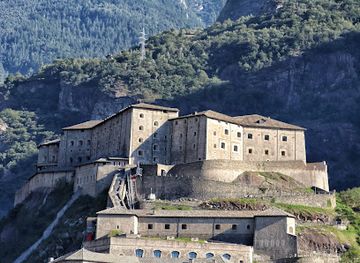
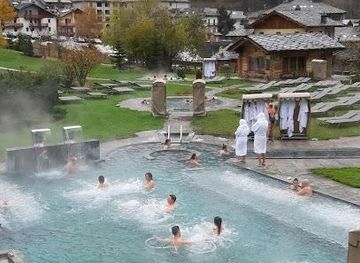
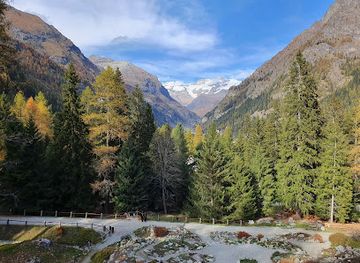
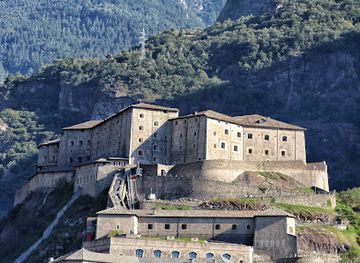
Aosta Valley’s attractions range from Roman archaeology and medieval fortifications to high-alpine landscapes. Aosta contains the region’s densest concentration of ancient remains, including the Arch of Augustus, the Roman Theatre and sections of the city walls, while nearby castles such as Fénis, Issogne and Verrès reveal different aspects of medieval and Renaissance aristocratic life. Bard Fortress, dramatically positioned above the eastern valley, combines military architecture with exhibitions and views over the Dora Baltea. Gran Paradiso National Park offers marked walks, wildlife watching and mountain scenery around Cogne and other communities, while Courmayeur provides access to the Mont Blanc massif and Breuil-Cervinia to the Matterhorn-facing peaks. Skiing, snowshoeing, climbing, cycling and hiking define the outdoor calendar, with thermal facilities at Pré-Saint-Didier and Saint-Vincent adding a slower-paced alternative. The region also rewards visits to vineyards, farm producers, village churches and the Walser cultural landscape of the Lys Valley. Because cable cars, museums and mountain roads can operate seasonally, itineraries should be checked locally rather than planned solely around map distances.
-
Fortress
Fort of Bard
Explore the Fort of Bard: A majestic fortress blending history, culture, and breathtaking views in the heart of the Aosta Valley.
-
Spa
QC Terme Pré Saint Didier
Discover tranquility in the heart of the Alps at QC Terme Pré Saint Didier, a luxurious spa retreat for relaxation and wellness.
-
Castle
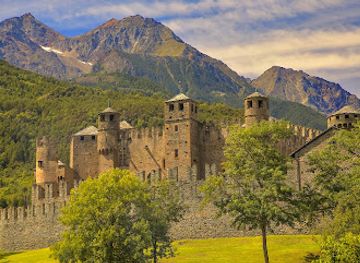
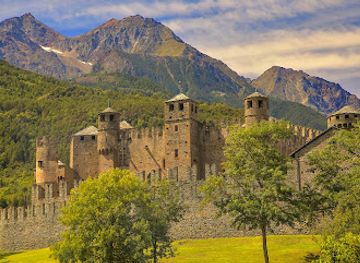
Castello di Fénis
Discover the enchanting Castello di Fénis, a medieval masterpiece in Aosta Valley, rich in history and breathtaking views.
-
Castle
Castel Savoia
Explore the fairy-tale beauty of Castel Savoia in Aosta Valley, a stunning castle rich in history and surrounded by breathtaking Alpine landscapes.
Best landmarks in Aosta Valley
Aosta’s Roman Theatre, Arch of Augustus, Porta Praetoria and surviving walls form the region’s most coherent ancient landmark group, showing how the Roman city was planned at a strategic Alpine crossroads. The medieval collegiate complex of Sant’Orso and Aosta Cathedral add important religious and artistic landmarks within the same urban setting. Fénis Castle is one of the valley’s most recognisable fortified residences, with towers and walls arranged around an enclosed courtyard, while Issogne Castle is noted for its more domestic late-medieval and Renaissance character. Verrès Castle rises above the valley as a stark military stronghold. At Bard, the massive fortress occupies a rocky narrowing of the Dora Baltea and has shaped movement through the valley for centuries. Natural landmarks are equally significant: the Mont Blanc massif dominates views around Courmayeur, the Matterhorn defines the horizon above Breuil-Cervinia, and Gran Paradiso’s glaciated peaks and protected valleys provide a powerful geographic backdrop. These sites reveal the region’s layered relationship with defence, passage, settlement and mountain terrain.
-
Fortress
Fort of Bard
Explore the historic Fort of Bard, a stunning fortress and museum in Aosta Valley, Italy, offering breathtaking views and rich cultural experiences.
-
Castle
Castello di Fénis
Explore the enchanting Castello di Fénis, a medieval castle in Aosta Valley, showcasing stunning architecture and rich history.
-
National park
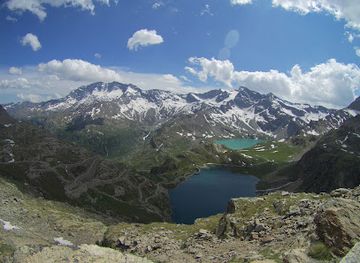
Gran Paradiso National Park
Discover the natural beauty and rich wildlife of Gran Paradiso National Park, Italy's first national park, nestled in the breathtaking Alps.
-
Landmark
Arco di Augusto
Explore the historic Arco di Augusto in Aosta, a stunning Roman triumphal arch that stands as a symbol of ancient heritage and architectural brilliance.
Explore Aosta Valley on the map
Plan your trip on one map. See where the top cities, national parks and sights are, and book hotels and experiences in a few clicks.
Best hotels in Aosta Valley
Best restaurants in Aosta Valley
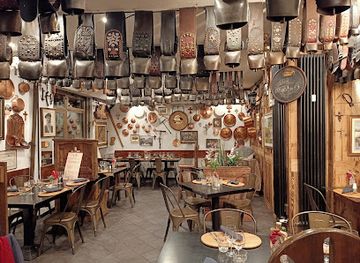
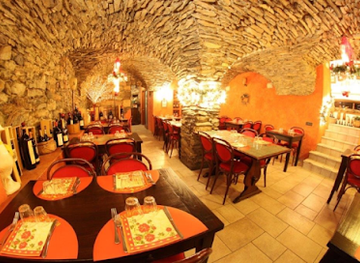
Aosta Valley’s cuisine reflects mountain agriculture, French influence and the practical cooking of long winters. Fontina is the region’s best-known cheese and appears in dishes such as fonduta, while soups, polenta, potatoes, cabbage, rye bread and beans form the basis of many traditional meals. Motzetta, a cured beef speciality, and lardo from the Alps are commonly encountered alongside locally produced sausages and other preserved meats. Restaurants may serve hearty stews and game where available, as well as simple pasta and risotto adapted to regional ingredients. Farmhouses and village inns are useful places to look for local menus, while Aosta, Courmayeur, Saint-Vincent and larger resorts have broader choices, including contemporary Italian and French-influenced cooking. The lower valley’s vineyards produce distinctive Alpine wines, and local products are sold through cellar doors, food shops and markets. In mountain areas, menus can be seasonal and opening arrangements may vary outside holiday periods, so booking is sensible in smaller settlements and during ski and summer peaks.
-
Restaurant
Osteria La Vache Folle
Experience authentic Italian cuisine at Osteria La Vache Folle, where tradition meets taste in the heart of Aosta.
-
Diner
Osteria dell'Oca
Experience authentic local cuisine at Osteria dell'Oca, a charming diner in Aosta known for its delicious dishes and welcoming atmosphere.
-
Brasserie
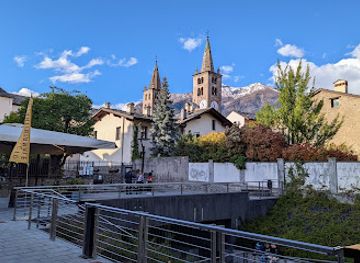
Birrificio '63
Discover authentic Italian craft beers and delicious local cuisine at Birrificio '63 in Aosta's charming piazza.
-
Restaurant
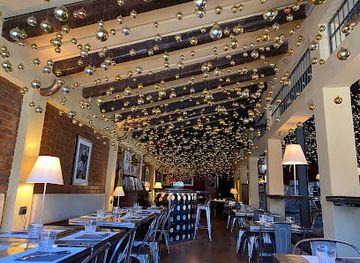
Bataclan Restaurant Pizza & Music
Experience authentic Italian cuisine and vibrant live music at Bataclan Restaurant in Aosta's charming garden setting.
Best bars in Aosta Valley
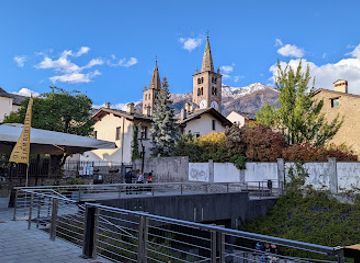
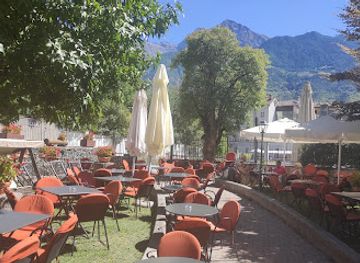
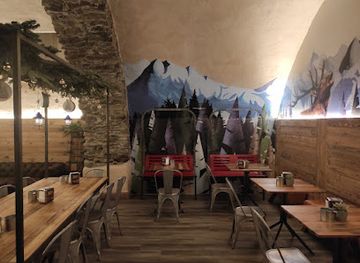
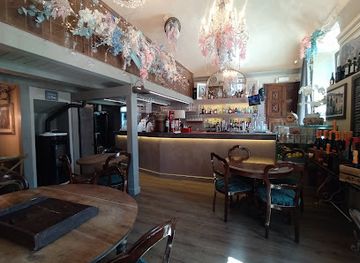
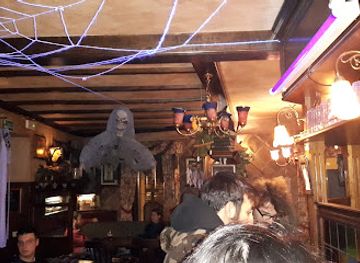
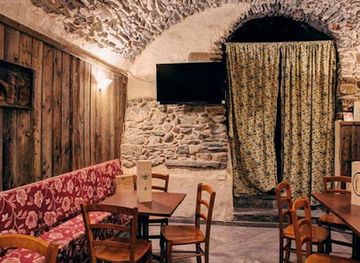
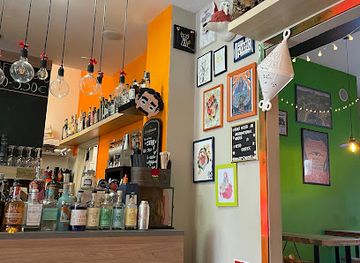
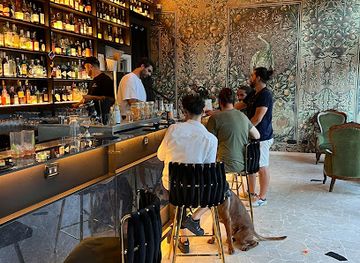
Evening life in Aosta Valley is generally social and food-led rather than centred on a large club scene. Aosta has the widest choice of wine bars, cafés, pubs and restaurants, with evenings often beginning around an aperitivo and continuing through the historic centre. Courmayeur and Breuil-Cervinia develop a busier après-ski atmosphere in winter, with hotel bars, lounges and venues aimed at visitors, while Saint-Vincent has an established resort-town evening scene. In smaller villages and rural valleys, traditional bars, alpine inns and restaurants provide the main options, and live music or seasonal events may be more important than nightclubs. Wine from the valley, regional beers and non-alcoholic drinks are widely available, but local evening culture does not require drinking. Opening patterns change substantially between ski season, summer and quieter months, so visitors should check locally rather than assume that a venue operates year-round.
-
Brasserie
Birrificio '63
Explore the best of Aosta's brewing culture at Birrificio '63, where every sip and bite tells a story of local tradition and craftsmanship.
-
Italian
Ad Forum
Experience the rich flavors of Italian cuisine and a remarkable wine selection at Ad Forum in Aosta Valley, the perfect dining spot for every traveler.
-
Bar
Gekoo
Discover Gekoo: Aosta’s vibrant bar and pub where locals and tourists come together for unforgettable drinks and lively ambiance.
-
Bar
Café Palais Ansermin
Discover the cozy charm of Café Palais Ansermin in Aosta, where delightful flavors and a vibrant atmosphere await every visitor.
Best nightclubs in Aosta Valley
Evening life in Aosta Valley is generally social and food-led rather than centred on a large club scene. Aosta has the widest choice of wine bars, cafés, pubs and restaurants, with evenings often beginning around an aperitivo and continuing through the historic centre. Courmayeur and Breuil-Cervinia develop a busier après-ski atmosphere in winter, with hotel bars, lounges and venues aimed at visitors, while Saint-Vincent has an established resort-town evening scene. In smaller villages and rural valleys, traditional bars, alpine inns and restaurants provide the main options, and live music or seasonal events may be more important than nightclubs. Wine from the valley, regional beers and non-alcoholic drinks are widely available, but local evening culture does not require drinking. Opening patterns change substantially between ski season, summer and quieter months, so visitors should check locally rather than assume that a venue operates year-round.
-
Pub
Old Distillery
Old Distillery offers a cozy retreat in Aosta, perfect for enjoying local drinks and vibrant social experiences in a charming pub atmosphere.
-
Pub
Beautiful
Experience Aosta's vibrant pub culture at Beautiful Pub, where local flavors and a warm atmosphere await every visitor.
-
Bar
Crazy Fox
Discover the lively Crazy Fox in Aosta, where craft beers and cocktails meet a warm, welcoming atmosphere perfect for unwinding after exploring.
-
Cocktail bar
Wet Cocktail Bar
Experience the vibrant nightlife of Aosta at Wet Cocktail Bar, where expertly crafted cocktails meet a cozy atmosphere.
Best shops in Aosta Valley
Shopping in Aosta Valley is strongest in Aosta’s historic centre, the resort towns and the market communities along the main valley. Aosta offers everyday Italian retail alongside delicatessens, wine shops, specialist food stores, bookshops and independent businesses where visitors can find Fontina, cured meats, rye products, honey, preserves and wines from the region. Courmayeur and Breuil-Cervinia have shops oriented towards mountain equipment, clothing and resort goods, while Saint-Vincent combines tourist retail with the services of a spa town. In villages and side valleys, look for farm shops, cooperative outlets and small producers rather than extensive high-street shopping. Wood carving, rustic furniture, woven goods and locally made craft items reflect Alpine traditions, although quality and provenance vary, so asking about the maker is worthwhile. Markets and seasonal fairs can be useful for food and household products, but their dates change; confirm arrangements locally. Visitors crossing into France or Switzerland should remember that those are separate countries with different retail and customs arrangements.
-
Hypermarket
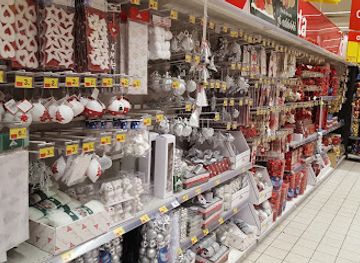
Carrefour
Explore Carrefour in Aosta Valley for a vast selection of groceries, organic foods, and local specialties, perfect for any traveler’s needs.
-
Shopping mall
Les Halles d'Aoste
Explore Les Halles d'Aoste, a vibrant shopping mall in Aosta Valley, offering fashion, dining, and relaxation for an unforgettable experience.
-
Health and beauty shop
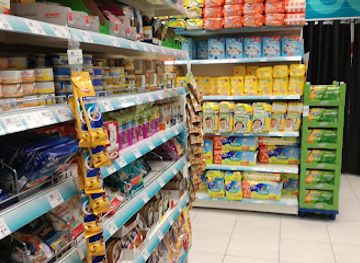
Tigota
Explore the enchanting world of beauty and wellness at Tigota in Aosta Valley, where self-care meets local charm.
-
Sporting goods store
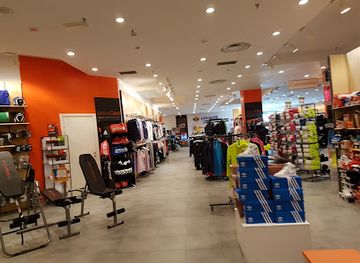
Cisalfa Sport Aosta
Explore the beauty of Aosta Valley with top-notch sporting goods from Cisalfa Sport Aosta, your ultimate outdoor adventure partner.

Get your free copy of our complete guide to Aosta Valley, delivered straight to you.
Everything on this page, from attractions and restaurants to essentials and local phrases, in one PDF you can read offline, print or share.
Already have an account? Sign in
Your Aosta Valley guide is ready.
We'll send it to · Not you? Sign out

Getting your guide ready…
We are putting together a fresh copy of the Aosta Valley guide. This can take up to a minute.
This can take a few moments. If your browser asks, choose Allow so the download can start. You'll find the guide in your Downloads folder.
Nothing happened? Download it again
Sorry, the guide is taking longer than usual. Please try again in a minute, or get it by email instead.
Aosta Valley essentials
Currency and Payment
Safety
Emergency Situations
Do's and Don'ts
Local Tips
From Eve
Local phrases worth knowing
You don't need to get them perfect. A few words go a long way, and locals appreciate the effort.
Basics
| English | Local | Say it |
|---|---|---|
| Hello | Ciao | [chow] |
| Goodbye | Arrivederci | [ah-ree-veh-DER-chee] |
| Yes | Sì | [see] |
| No | No | [noh] |
| Please/You're welcome | Per favore | [pehr fah-VOH-reh] |
| Thank you | Grazie | [GRAHT-see-eh] |
| Excuse me/Sorry | Scusa | [SKOO-zah] |
| How are you? | Come stai? | [KOH-meh stah-ee] |
| Fine. And you? | Bene. E tu? | [BEH-neh. eh too] |
| Do you speak English? | Parli inglese? | [PAR-lee een-GLEH-zeh] |
| I don't understand | Non capisco | [non kah-PEE-skoh] |
Eating & Drinking
| English | Local | Say it |
|---|---|---|
| I'd like to see the menu, please | Vorrei vedere il menu, per favore | [voh-RAY veh-DEH-reh eel meh-NOO, pehr fah-VOH-reh] |
| I don't eat meat | Non mangio carne | [non MAHN-joh KAR-neh] |
| Cheers! | Salute! | [sah-LOO-teh] |
| I would like to pay, please | Vorrei pagare, per favore | [voh-RAY pah-GAH-reh, pehr fah-VOH-reh] |
Emergencies
| English | Local | Say it |
|---|---|---|
| Help! | Aiuto! | [ah-YOO-toh] |
| Go away! | Vai via! | [vai VEE-ah] |
| Call the Police! | Chiama la polizia! | [KYAH-mah lah poh-LEE-tsiah] |
| Call a doctor! | Chiama un dottore! | [KYAH-mah oon doh-TOH-reh] |
| I'm lost | Mi sono perso | [mee SOH-noh PEHR-soh] |
| I'm ill | Sono malato | [SOH-noh mah-LAH-toh] |
Shopping
| English | Local | Say it |
|---|---|---|
| I'd like to buy... | Vorrei comprare... | [voh-RAY kom-PRAH-reh] |
| I'm just looking | Sto solo guardando | [stoh SOH-loh gwahr-DAN-doh] |
| How much is it? | Quanto costa? | [KWAN-toh KOH-stah] |
| That's too expensive | È troppo costoso | [eh TROP-poh koh-STOH-soh] |
| Can you lower the price? | Puoi abbassare il prezzo? | [pwoy ahb-BAH-sah-reh eel PRET-soh] |
Time & Numbers
| English | Local | Say it |
|---|---|---|
| What time is it? | Che ore sono? | [keh OH-reh SOH-noh] |
| It's one o'clock | È l'una | [eh LOO-nah] |
| Half past (10) | Dieci e mezzo | [DEE-eh-chee eh MEH-tso] |
| Morning | Mattina | [maht-TEE-nah] |
| Afternoon | Pomeriggio | [poh-meh-REE-joh] |
| Evening | Sera | [SEH-rah] |
| Yesterday | Ieri | [YAY-ree] |
| Today | Oggi | [OH-gee] |
| Tomorrow | Domani | [doh-MAH-nee] |
| 1 | Uno | [OO-noh] |
| 2 | Due | [DOO-eh] |
| 3 | Tre | [TREH] |
| 4 | Quattro | [KWAHT-troh] |
| 5 | Cinque | [CHEEN-kweh] |
| 6 | Sei | [SAY] |
| 7 | Sette | [SEH-teh] |
| 8 | Otto | [OHT-toh] |
| 9 | Nove | [NOH-veh] |
| 10 | Dieci | [DEE-eh-chee] |
Transport & Directions
| English | Local | Say it |
|---|---|---|
| Where's a/the...? | Dove si trova...? | [DOH-veh see TROH-vah] |
| What's the address? | Qual è l'indirizzo? | [KWAL eh leen-dee-REET-soh] |
| Can you show me (on the map)? | Puoi mostrarmi (sulla mappa)? | [pwoy mohs-TRAR-mee (SOOL-lah MAHP-pah)] |
| When's the next (bus)? | Quando arriva il prossimo (autobus)? | [KWAN-doh ah-REE-vah eel PROS-si-mo (OW-toh-boos)] |
| A ticket (to ....) | Un biglietto (per ....) | [oon bee-LYEHT-toh (pehr ....)] |
History of Aosta Valley
The Salassi and the Roman Foundation of Augusta Praetoria
Before Roman expansion, the valley was inhabited by the Salassi, a population whose territory controlled important Alpine approaches. Rome conquered the area in the first century BC and founded Augusta Praetoria Salassorum in 25 BC, at the site of modern Aosta. The settlement was laid out with a regular Roman plan and equipped with monumental gates, a theatre, an amphitheatre and defensive walls. Its position at the junction of routes towards the Great St Bernard and Little St Bernard passes made it an important military and administrative centre. Much of Aosta’s historic core still follows this Roman framework.
Medieval Lords, Bishops and Alpine Passes
After the decline of Roman authority, control of the valley was divided among ecclesiastical institutions and local rulers. Medieval castles, towers and churches emerged as political power became concentrated in fortified settlements and noble territories. The Alpine passes continued to carry travellers, traders and armies, while the valley’s communities developed agriculture suited to steep terrain and a demanding climate. Aosta Cathedral and the collegiate church of Sant’Orso preserve important medieval layers, and the scattered fortifications visible from the valley floor reflect the strategic as well as feudal importance of the region.
The House of Savoy and the Evolution of Regional Power
From the later Middle Ages, the House of Savoy steadily extended its authority over Aosta Valley, integrating it into a wider Alpine state that connected territories on both sides of the mountains. Castles at Fénis, Issogne, Verrès and other locations were expanded or reshaped by noble families and Savoyard administrators. The valley retained distinctive legal and linguistic traditions while participating in the political history of Savoy, which later became central to the unification of Italy. Its border passes also ensured continuing military and diplomatic significance.
Walser Settlement in the Lys Valley
From the medieval period, German-speaking Walser communities established settlements in the upper Lys Valley, moving through the Alps from areas around the upper Rhône and Valais. Their houses, agricultural practices, dialects and religious traditions developed in response to high-altitude conditions and remain especially associated with parts of Gressoney and the adjoining mountain communities. The Walser presence demonstrates that Aosta Valley’s cultural history was never exclusively Italian or French-speaking; Alpine migration created local identities shaped by several linguistic and economic worlds.
Napoleonic Change and the Modern Kingdom of Italy
The valley was drawn into the upheavals of the French Revolutionary and Napoleonic era, when administrative and political structures across the Alps were reorganised. French influence remained significant in language and institutions even after the restoration of Savoyard rule. In 1861, the territory became part of the Kingdom of Italy, although its historic connections with France and its distinctive mountain communities continued. Roads, public administration and later railways gradually tied the valley more closely to the Italian national economy while preserving its role as a trans-Alpine corridor.
Mining, Hydroelectricity and Industrial Transformation
Aosta Valley’s modern economy was shaped by the exploitation of water power and mineral resources. Ironworking and other industries developed around Aosta and the lower valley, while the magnetite mine at Cogne became a major employer and operated into the late twentieth century. Hydroelectric schemes harnessed the region’s steep rivers to supply industry and settlements. These changes brought migration, new infrastructure and urban growth, but also left an industrial heritage that can still be read in former mining landscapes, workers’ settlements and engineering works.
Autonomy and the Rise of Mountain Tourism
Following the Second World War, Aosta Valley gained special autonomous status under the Italian constitutional settlement, reflecting its linguistic traditions, border position and distinctive historical development. At the same time, mountaineering, skiing and summer tourism expanded rapidly. Courmayeur, Breuil-Cervinia, La Thuile and other resorts became international mountain destinations, while Gran Paradiso National Park and protected landscapes supported conservation and hiking. Tourism now sits alongside agriculture, energy and services, with the region continuing to balance Alpine development, local culture and environmental pressures.
Aosta Valley in Photos
Browse through our photo collection highlighting the charm and character of the destination.
Neighbouring regions of Aosta Valley
The closest regions to Aosta Valley, if you have time for more than one.
-

-

-

-

-


Swipe for more regions
Explore more

Explore more of Italy
Discover Italy: A land of ancient history, artistic marvels, and culinary delights; where every corner reveals a new story and every meal is a celebration.
Explore Italy