
Negril Area, Jamaica Travel Guide
Experience the magic of Negril, Jamaica, where stunning beaches, thrilling adventures, and vibrant culture create the perfect tropical getaway.
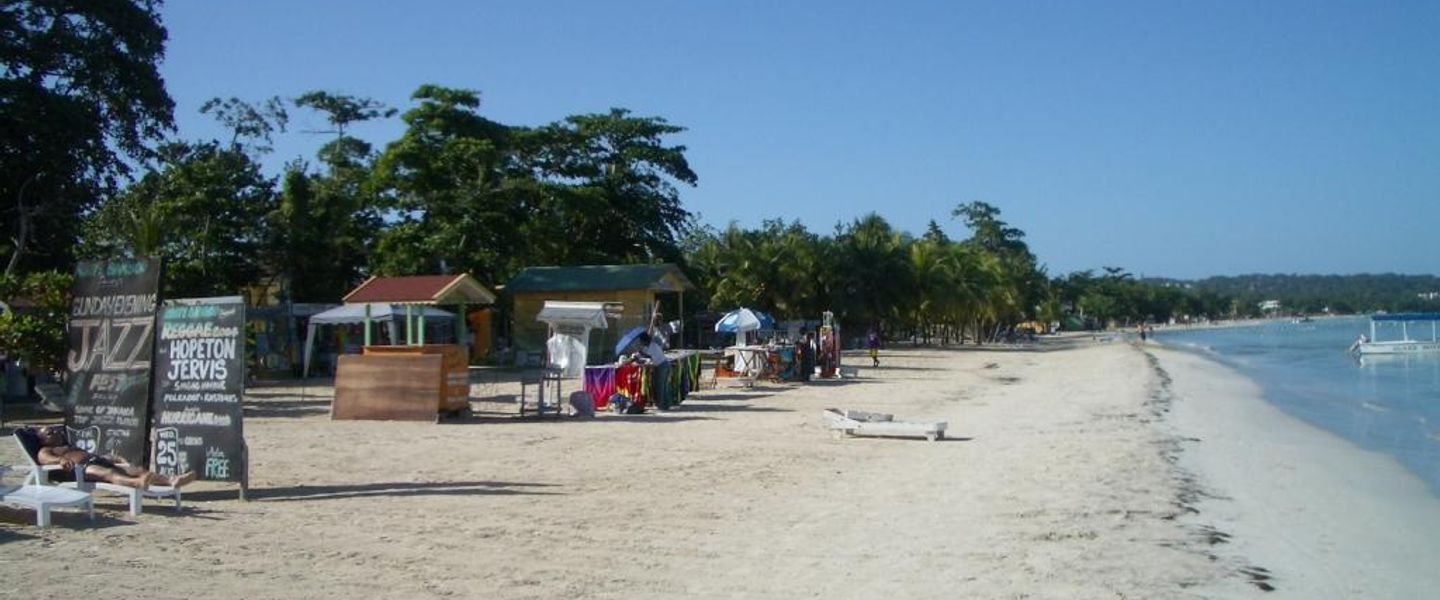
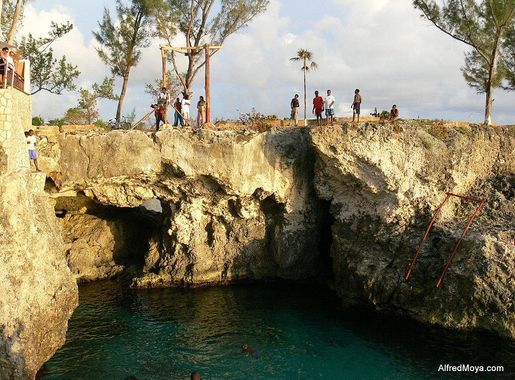
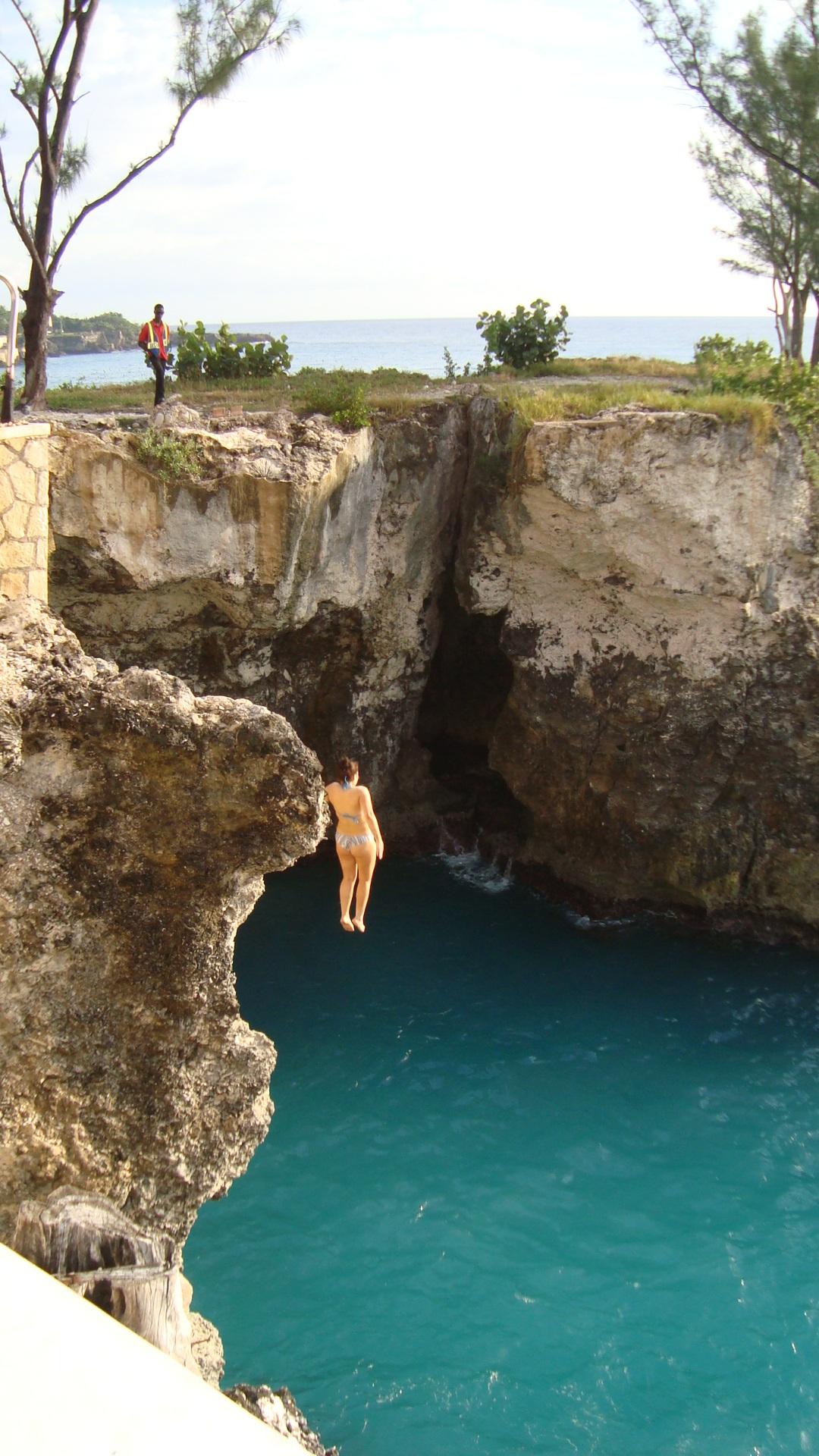
Negril, nestled on the western tip of Jamaica, is a tropical haven known for its dazzling sunsets, pristine beaches, and vibrant culture. The area is famous for Seven Mile Beach, a long stretch of white sand and turquoise waters perfect for swimming, sunbathing, and beachcombing. The beach is lined with charming resorts, lively bars, and local eateries offering authentic Jamaican cuisine. Adventure seekers will find plenty to do in Negril. The cliffs of Negril offer breathtaking views and opportunities for cliff diving at Rick's Café, a world-renowned spot where locals and tourists alike leap into the crystal-clear Caribbean Sea. For those who prefer a more relaxed pace, a leisurely boat ride or snorkeling expedition in the vibrant coral reefs is a must. Negril is also a hub for reggae music and nightlife. As the sun sets, beach bars and clubs come alive with live music and dancing under the stars. The local markets and craft shops provide an excellent opportunity to pick up unique souvenirs and immerse yourself in the island's rich artistic heritage. Beyond the beaches, the lush interior of Negril offers lush landscapes and hidden waterfalls. A visit to the Royal Palm Reserve, a protected wetland area, allows you to explore the diverse flora and fauna of Jamaica. The laid-back vibe of Negril, combined with its natural beauty and cultural richness, makes it an unforgettable destination for travelers seeking both relaxation and adventure.

Know before you go
Hi, I'm Eve. Here are a few practical things to know before exploring Negril Area.
- Visit Seven Mile Beach early in the morning for a quieter experience and stunning sunrise views.
- For the best cliff diving experience, head to Rick's Café in the late afternoon to catch the sunset.
- Bring cash, as some local vendors and smaller establishments may not accept credit cards.
- Wear reef-safe sunscreen to protect the delicate marine life while snorkeling.
- Try local dishes like jerk chicken and fresh seafood at beachside shacks for an authentic taste of Jamaica.
- Consider renting a scooter or bike to explore the area at your own pace.
- Stay hydrated and take breaks in the shade to avoid getting overheated in the tropical climate.
Top City Travel Guides in Negril Area
The cities of Negril Area, and the easiest places to base yourself.

Explore Negril Area: Things to Do, Places to Eat, Hotels & More
Handpicked recommendations for top attractions, local dining, accommodations, and more

Top Attractions & Sightseeing in Negril Area
Top-rated picks
Best Attractions

YS Falls
Experience the breathtaking beauty of YS Falls in Jamaica, where lush nature and stunning waterfalls create a perfect escape for every traveler.
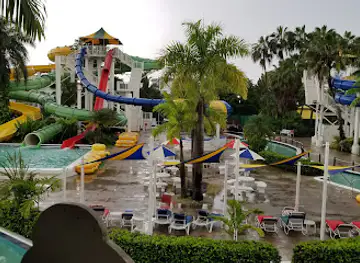
Kool Runnings Waterpark
Experience the thrill of water rides and family fun at Kool Runnings Waterpark, a premier amusement park in Negril, Jamaica.

Negril Seven Mile Beach
Experience the breathtaking beauty of Negril Seven Mile Beach, where sun-kissed sands meet vibrant Caribbean culture in Jamaica's tropical paradise.

The Turtle River Falls & Gardens (formerly The Enchanted Gardens)
Experience the beauty of nature at Turtle River Falls & Gardens, a serene escape in Ocho Rios with stunning waterfalls and vibrant gardens.

Best landmarks in Negril Area
Top-rated picks
Best Landmarks

The World Famous Dunn's River Falls & Park
Experience the breathtaking beauty of Dunn's River Falls & Park, a must-visit attraction in Ocho Rios, Jamaica, where adventure meets tranquility in a tropical paradise.

Rick's Cafe
Experience the thrill of cliff jumping, savor stunning sunsets, and immerse yourself in the vibrant atmosphere of Negril's legendary Rick's Cafe.

Emancipation Park
A lush urban oasis in New Kingston, commemorating Jamaican emancipation with art, gardens, and a space for reflection.

Rose Hall Great House
Experience the allure of Rose Hall Great House, a historic plantation offering breathtaking views and intriguing tales of Jamaica's past.

Best restaurants in Negril Area
Top-rated picks
Best Restaurants

Margaritaville Negril
Experience the vibrant flavors and festive atmosphere at Margaritaville Negril – where Caribbean cuisine meets unforgettable fun in paradise.

Kenny's Italian Cafe
Experience authentic Italian flavors at Kenny's Italian Cafe in Jamaica, where every dish is crafted with passion and served with warmth.
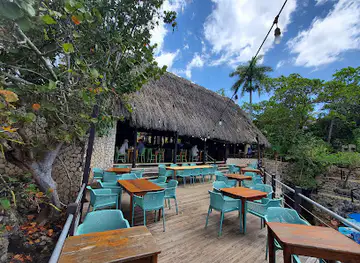
Rockhouse Restaurant
Experience authentic Jamaican cuisine with breathtaking ocean views at Rockhouse Restaurant in Negril.

Sweet Spice Restaurant
Experience authentic Jamaican cuisine at Sweet Spice Restaurant in Negril - where every dish tells a story.

Best bars in Negril Area
Top-rated picks
Best Bars

Alfred's Negril (Alfred's Ocean Palace)
Experience the vibrant culture and flavors of Jamaica at Alfred's Negril – your ultimate beachfront escape in Negril.
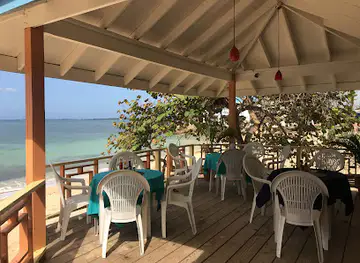
Canoe Beach Bar
Discover the vibrant atmosphere of Canoe Beach Bar, where delicious Jamaican cuisine meets stunning ocean views in Negril's tropical paradise.

LTU Cliff Bar and Restaurant
Experience the essence of Jamaican cuisine with breathtaking views at LTU Cliff Bar and Restaurant in Negril's stunning West End.

Vinnes Grill N Bar
Discover the vibrant flavors of Jamaica at Vinnes Grill N Bar in Negril, where authentic cuisine meets a lively atmosphere.

Best nightclubs in Negril Area
Top-rated picks
Best Nightclubs

The Jungle
Discover the vibrant nightlife at The Jungle, Negril's premier night club and bar, offering unforgettable music, strong drinks, and an electric atmosphere.

Drifter's Bar
Discover the lively spirit of Jamaica at Drifter's Bar in Negril, where music, drinks, and good times come together.

Red Dragon Bar
Experience the vibrant atmosphere of Red Dragon Bar in Negril, where local culture and friendly service meet for an unforgettable night out.

Collette's Bar
Discover the vibrant nightlife and authentic Jamaican flavors at Collette's Bar in Negril, where fun meets relaxation in a welcoming atmosphere.

Best shops in Negril Area
Top-rated picks
Best Shops

Chillpops Jamaica Negril
Experience the tropical flavors of Jamaica with unique ice cream treats at Chillpops in Negril, a must-visit destination for every traveler.

Patsy's Coffeeshop
Discover the vibrant flavors of Negril at Patsy's Coffeeshop, where exceptional coffee and delightful desserts await every visitor.

Time Square Shopping Mall
Explore Negril's Time Square Shopping Mall for an unforgettable shopping experience filled with local crafts, duty-free shops, and delicious cuisine.

Hi-Lo Food Stores
Explore the vibrant Hi-Lo Food Stores in Negril, where local flavors meet international variety for an unforgettable shopping experience.

Explore Negril Area on the Map
A handpicked selection of must-see spots in Negril Area, mapped for you.
Negril Area Essentials
-
Negril is located on the western tip of Jamaica and is accessible via multiple routes. The nearest international airport is Sangster International Airport in Montego Bay, approximately 80 kilometers away. From the airport, you can take a taxi, shuttle service, or rent a car to reach Negril. The journey typically takes around 1.5 to 2 hours by road. Alternatively, Norman Manley International Airport in Kingston is about 230 kilometers away, and the drive can take around 4 to 5 hours.
-
Negril offers various transportation options for getting around. Taxis are widely available and are a convenient way to travel, though it's advisable to agree on a fare beforehand. Route taxis, which operate on fixed routes, are a more affordable option. There are also local buses for budget travelers. Renting a car is an option for those who prefer to explore at their own pace, but be prepared for driving on the left side of the road. Bicycles and scooters can also be rented for short distances.
-
The official currency in Jamaica is the Jamaican Dollar (JMD), although US Dollars are widely accepted in Negril. Credit cards are accepted in most hotels, restaurants, and larger shops, but it's advisable to carry some cash for smaller establishments and local markets. ATMs are available in Negril, but be aware that some may charge a fee for withdrawals. Currency exchange services are also available at banks and some hotels.
-
Negril is generally a safe destination for tourists, but it's important to take standard precautions. Avoid walking alone at night in secluded areas and be cautious with your belongings in crowded places. While most areas in Negril are safe, it's best to stay vigilant, especially in more remote locations. Some neighborhoods in larger cities like Kingston and Montego Bay have higher crime rates, but these do not typically affect Negril.
-
In case of emergency, dial 119 for police assistance or 110 for medical services. Negril has a police station and medical facilities, including pharmacies for minor health issues. It's highly recommended to have travel insurance that covers medical emergencies. For more serious medical concerns, there are hospitals in Montego Bay, which is about 1.5 to 2 hours away by car.
-
Fashion: Do dress comfortably and casually, but avoid overly revealing clothing when visiting public places. Religion: Do respect local customs and traditions. When visiting churches or religious sites, dress modestly and behave respectfully. Public Transport: Do be respectful and courteous to drivers and fellow passengers. Don't engage in loud conversations or play loud music. Greetings: Do greet people with a friendly 'Hello' or 'Good morning/afternoon.' A handshake is also common. Eating & Drinking: Do try local delicacies and accept food offerings graciously. Don't refuse hospitality, as it is considered impolite.
-
To experience Negril like a local, visit local markets such as the Negril Craft Market for handmade goods and fresh produce. Engage with locals, who are often friendly and willing to share stories about the area's history and culture. Don't miss the stunning sunsets at Rick's Cafe, a popular spot for both locals and tourists. For a unique experience, explore the less touristy parts of the Seven Mile Beach or take a boat tour to Booby Cay Island.
When is the best time to visit Negril Area?
Useful Local Phrases for Negril Area
You don't need to speak the language perfectly. Even learning a few simple words can make conversations warmer—and locals usually appreciate the effort.
— Eve

Here are the phrases I use most often in Negril Area. Try a few—you'll be surprised how far they go! 😊
❤️
-
- HelloWah Gwaan
[Wah Gwaan] - GoodbyeLikkle more
[Likkle more] - YesYea
[Yea] - NoNaw
[Naw] - Please/You're welcomeMi a beg yuh
[Mi a beg yuh] - Thank youTank yuh
[Tank yuh] - Excuse me/SorryScuse mi
[Scuse mi] - How are you?How yuh do?
[How yuh do?] - Fine. And you?Mi good. An yuh?
[Mi good. An yuh?] - Do you speak English?Yuh speak English?
[Yuh speak English?] - I don't understandMi nuh undastand
[Mi nuh undastand]
- HelloWah Gwaan
-
- I'd like to see the menu, pleaseMi wud like fi si di menu, please
[Mi wud like fi si di menu, please] - I don't eat meatMi nuh eat meat
[Mi nuh eat meat] - Cheers!Cheers!
[Cheers!] - I would like to pay, pleaseMi wud like fi pay, please
[Mi wud like fi pay, please]
- I'd like to see the menu, pleaseMi wud like fi si di menu, please
-
- Help!Help!
[Help!] - Go away!Go way!
[Go way!] - Call the Police!Call di police!
[Call di police!] - Call a doctor!Call a docta!
[Call a docta!] - I'm lostMi lost
[Mi lost] - I'm illMi sick
[Mi sick]
- Help!Help!
-
- I'd like to buy...Mi wud like fi buy...
[Mi wud like fi buy...] - I'm just lookingMi a just a look
[Mi a just a look] - How much is it?How much it cost?
[How much it cost?] - That's too expensiveDat too pricey
[Dat too pricey] - Can you lower the price?Yuh can lower di price?
[Yuh can lower di price?]
- I'd like to buy...Mi wud like fi buy...
-
- What time is it?Wah time it deh?
[Wah time it deh?] - It's one o'clockIt one o'clock
[It one o'clock] - Half past (10)Half past ten
[Half past ten] - MorningMornin'
[Mornin'] - AfternoonAfternoon
[Afternoon] - EveningEvenin'
[Evenin'] - YesterdayYestaday
[Yestaday] - TodayToday
[Today] - TomorrowTomorrow
[Tomorrow] - 1One
[One] - 2Two
[Two] - 3Three
[Three] - 4Four
[Four] - 5Five
[Five] - 6Six
[Six] - 7Seven
[Seven] - 8Eight
[Eight] - 9Nine
[Nine] - 10Ten
[Ten]
- What time is it?Wah time it deh?
-
- Where's a/the...?Whe a di...?
[Whe a di...?] - What's the address?Wah di address?
[Wah di address?] - Can you show me (on the map)?Yuh can show mi (pan di map)?
[Yuh can show mi (pan di map)?] - When's the next (bus)?When di next (bus)?
[When di next (bus)?] - A ticket (to ....)A ticket (to ...)
[A ticket (to ...)]
- Where's a/the...?Whe a di...?
History of Negril Area
-
Long before Negril became a popular tourist destination, it was home to the Taíno people, the indigenous inhabitants of Jamaica. They were skilled fishermen and farmers who lived in harmony with the natural environment. The Taíno left behind a rich cultural legacy, including artifacts and petroglyphs that can still be found in the region.
-
The arrival of Christopher Columbus in 1494 marked the beginning of European interest in Jamaica. Negril, like the rest of the island, saw Spanish and later British settlers establishing plantations and small communities. The fertile land and strategic coastal location made it an attractive spot for agriculture and trade.
-
During the 17th century, the waters around Negril became a haven for pirates and privateers. These seafaring outlaws used the hidden coves and natural harbors of Negril to launch attacks on Spanish galleons laden with treasure. The pirate era left a lasting imprint on the local folklore and place names in the region.
-
In the 18th century, Negril became part of Jamaica's burgeoning sugar plantation economy. The harsh realities of the transatlantic slave trade brought thousands of African slaves to work on the plantations. The legacy of this period is still evident in the culture and demographics of the area.
-
Following the abolition of slavery in 1834, many former slaves settled in Negril and surrounding areas. They established small farming communities and contributed to the vibrant culture of the region. The post-emancipation era saw the growth of new social and economic structures, shaping the Negril we know today.
-
The mid-20th century marked the beginning of Negril's transformation into a tourist hotspot. Its stunning beaches, laid-back atmosphere, and vibrant nightlife attracted visitors from around the world. The construction of roads and hotels in the 1960s and 70s further boosted Negril's appeal, making it a cornerstone of Jamaica's tourism industry.
-
Negril has been significantly influenced by the Rastafarian movement, which emerged in Jamaica in the 1930s. The area became a refuge for Rastafarians seeking a natural and peaceful lifestyle. The movement's emphasis on Afro-centric culture, reggae music, and spiritual practices has had a lasting impact on Negril's cultural landscape.
-
In recent decades, Negril has been at the forefront of environmental conservation efforts in Jamaica. Local organizations and international partners have worked to protect the region's unique ecosystems, including coral reefs, mangroves, and wildlife. These efforts aim to preserve Negril's natural beauty for future generations while promoting sustainable tourism.
Neighbouring Regions of Negril Area
The closest regions to Negril Area, if you have time for more than one.




Your all‑in‑one travel companion app
Explore expert travel guides, compare and book tours, experiences, hotels, and more—all from the palm of your hand. Download now for seamless trip planning wherever your wanderlust takes you.


Explore More of Jamaica
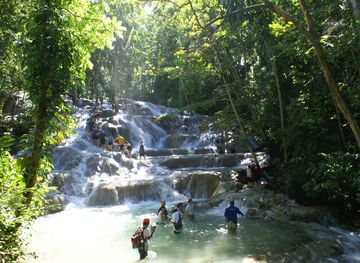
Looking beyond Negril Area? Discover Jamaica for broader travel guides, local hot-spots, and regional highlights.
Explore JamaicaNegril Area in Photos
Browse through our photo collection highlighting the charm and character of the destination.


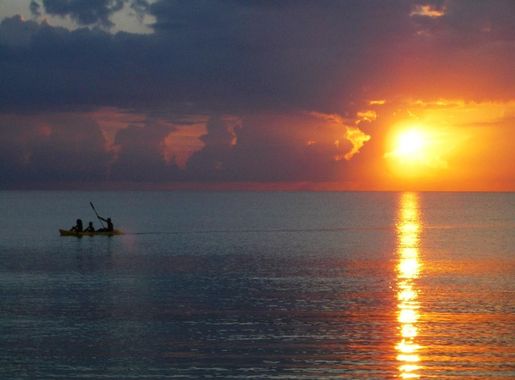





Negril: Jamaica's Paradise of Sunsets and Serenity
Negril, nestled on the western tip of Jamaica, is a tropical haven known for its dazzling sunsets, pristine beaches, and vibrant culture. The area is famous for Seven Mile Beach, a long stretch of white sand and turquoise waters perfect for swimming, sunbathing, and beachcombing. The beach is lined with charming resorts, lively bars, and local eateries offering authentic Jamaican cuisine. Adventure seekers will find plenty to do in Negril. The cliffs of Negril offer breathtaking views and opportunities for cliff diving at Rick's Café, a world-renowned spot where locals and tourists alike leap into the crystal-clear Caribbean Sea. For those who prefer a more relaxed pace, a leisurely boat ride or snorkeling expedition in the vibrant coral reefs is a must. Negril is also a hub for reggae music and nightlife. As the sun sets, beach bars and clubs come alive with live music and dancing under the stars. The local markets and craft shops provide an excellent opportunity to pick up unique souvenirs and immerse yourself in the island's rich artistic heritage. Beyond the beaches, the lush interior of Negril offers lush landscapes and hidden waterfalls. A visit to the Royal Palm Reserve, a protected wetland area, allows you to explore the diverse flora and fauna of Jamaica. The laid-back vibe of Negril, combined with its natural beauty and cultural richness, makes it an unforgettable destination for travelers seeking both relaxation and adventure.