

Free Awaji Travel Guide & Mobile App
Explore Awaji with free travel guides. Discover regional history, expert tips, proposed trips, and audio guides on web or mobile app.


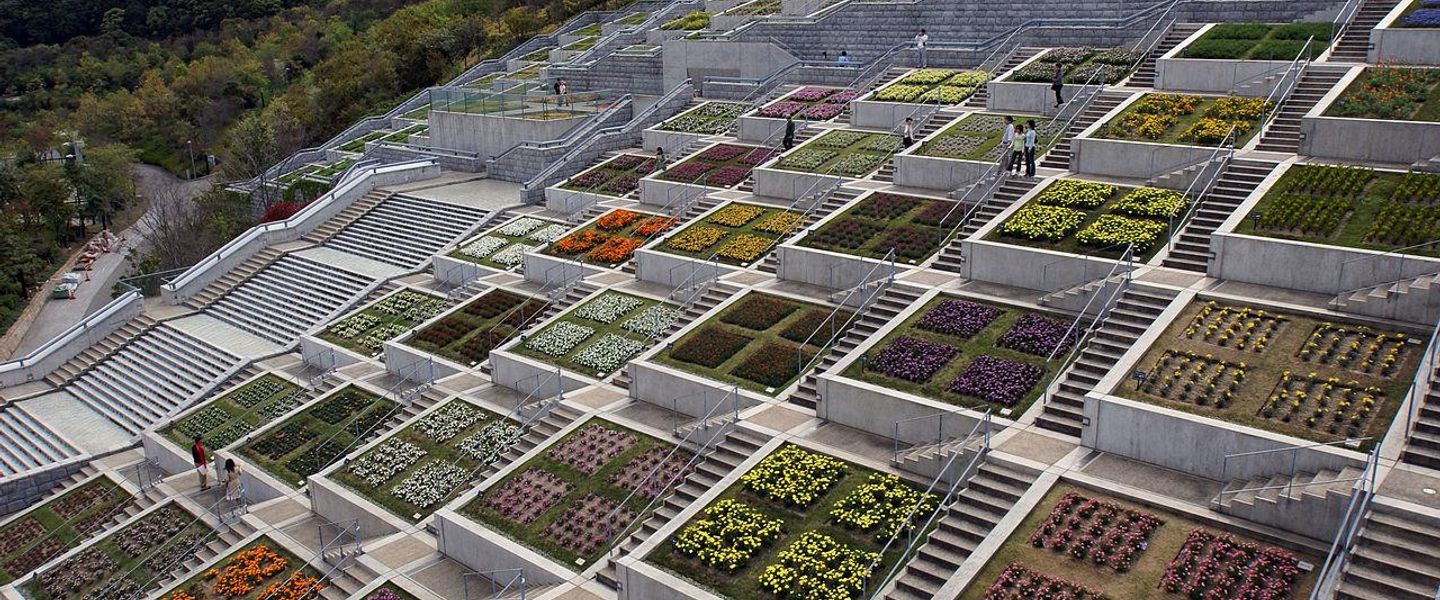


Explore Awaji Island in Japan for mythic shrines, sea views, sweet onions, puppet theatre, gardens and the tidal drama of Naruto Strait.
Read more about Awaji
When is the best time to visit Awaji?
Best: May, October–November · 17–23°C| Month | High (°C) | Rainfall (mm) |
|---|---|---|
| January | 9 | 52 |
| February | 10 | 61 |
| March | 13 | 110 |
| April | 18 | 109 |
| May (best) | 23 | 152 |
| June | 28 | 191 |
| July | 32 | 161 |
| August | 32 | 142 |
| September | 29 | 201 |
| October (best) | 23 | 98 |
| November (best) | 17 | 82 |
| December | 12 | 59 |
Getting to and around Awaji
How to get there
Transportation
Best attractions in Awaji
Awaji’s attractions combine mythology, rural landscapes, maritime scenery and contemporary leisure facilities. Izanagi Shrine in Awaji City provides the clearest introduction to the island’s legendary origins, while the Nojima Fault Preservation Museum records the surface rupture caused by the 1995 Great Hanshin-Awaji Earthquake. Northern Awaji also offers flower parks, gardens and coastal viewpoints, including areas developed around the bridge approach. Sumoto brings together castle history, beaches, hot-spring accommodation and access to the island’s central hills. In the south, visitors can take boat excursions or use observation facilities to experience the tidal currents of the Naruto Strait, with conditions varying according to the tide. Cultural travellers should look for performances of Awaji ningyo joruri, a traditional puppet theatre with a distinctive local lineage. Farms, roadside produce shops and food-oriented attractions reveal the island’s agricultural identity, while coastal roads, walking routes and cycling journeys provide access to quieter scenery. The strongest itineraries balance scheduled attractions with time for villages, fields, fishing harbours and elevated viewpoints rather than treating Awaji solely as a bridge crossing.
-
Art museum
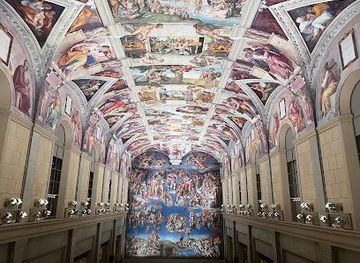
Otsuka Museum of Art
Explore the Otsuka Museum of Art in Naruto, where world-renowned masterpieces come alive through stunning replicas, offering a unique cultural experience.
-
Toll road rest stop
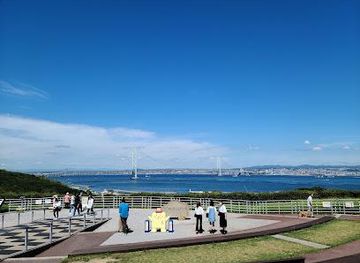
Awaji Service Area For Sumuto (down)
Discover the Awaji Service Area, where local cuisine meets breathtaking views on your Japanese road trip.
-
Zoo
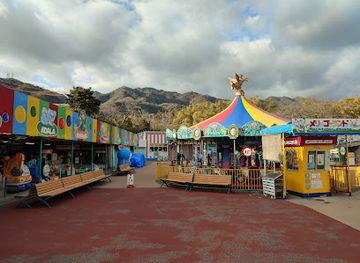
Kobe Ōji Zoo
Explore Kobe Ōji Zoo, where enchanting wildlife and family-friendly attractions create unforgettable memories in the heart of Kobe.
-
Shopping mall
Awaji Highway Oasis
Discover Awaji Highway Oasis: A vibrant shopping mall and tourist attraction offering local culture, delicious cuisine, and stunning views on Awaji Island.
Best landmarks in Awaji
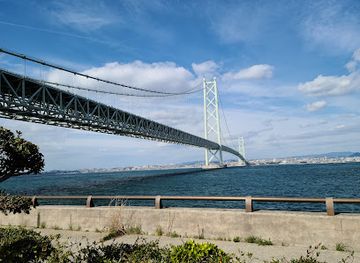
The Akashi Kaikyo Bridge is Awaji’s most recognisable gateway landmark, spanning the strait between the island and Kobe and forming part of the dramatic approach to northern Awaji. At the opposite end, the bridge across the Naruto Strait connects Minamiawaji with Shikoku and overlooks waters famous for powerful tidal currents. Izanagi Shrine in Awaji City is the island’s most important mythological landmark, associated with the deities named in Japan’s creation narratives and set within a carefully maintained sacred precinct. Sumoto Castle’s hilltop remains, including its elevated stone setting and reconstructed features, overlook the town and illustrate Awaji’s medieval strategic role. The Nojima Fault Preservation Museum protects a visible section of the fault produced by the 1995 earthquake, turning a geological event into a place of public remembrance and education. Along the coast, fishing harbours, sea walls, small shrines and elevated roads form a less monumental but equally characteristic landscape, showing how Awaji’s communities have adapted to the surrounding waters.
-
Toll road rest stop
Road Station Awaji
Enjoy local flavors and stunning views of the Akashi Kaikyo Bridge at this convenient roadside oasis on Awaji Island.
-
Shopping mall
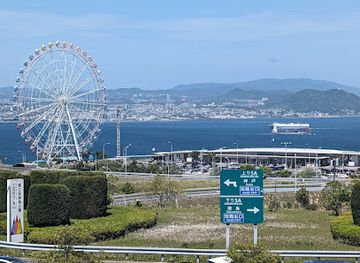
Awaji Highway Oasis
A scenic highway oasis on Awaji Island offering local cuisine, shopping, and stunning views of the Akashi Kaikyo Bridge and surrounding landscapes.
-
Park
Hyogo Prefecture Awaji Hanasajiki
Experience a kaleidoscope of seasonal blooms and breathtaking panoramic views at Awaji Hanasajiki, a floral paradise on Awaji Island.
-
Park
Hyogo Prefectural Awaji Island Park
Explore themed attractions and seasonal blooms at this expansive park on Japan's legendary Awaji Island, offering fun for all ages.
Explore Awaji on the map
Plan your trip on one map. See where the top cities, national parks and sights are, and book hotels and experiences in a few clicks.
Best hotels in Awaji
Best restaurants in Awaji
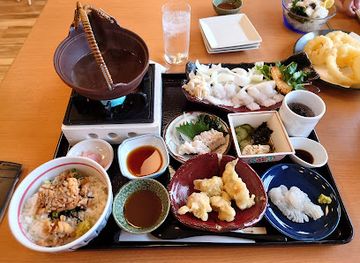
Awaji’s food culture is grounded in fertile land and surrounding waters. The island’s sweet onions are its best-known speciality and appear grilled, fried, braised, puréed or served alongside meat and seafood. Local restaurants also make use of Awaji beef, rice, dairy products, citrus, seasonal vegetables and fish landed around the island. Seafood dining is particularly appealing in Minamiawaji and other coastal communities, where menus may reflect the day’s catch rather than a fixed regional dish. Sumoto and the larger settlements have a useful range of Japanese restaurants, cafés, noodle shops and izakaya, while rural areas are better known for farm restaurants, roadside produce outlets and small family-run establishments. Visitors should also look for local sweets, onion-based snacks and fresh produce as they travel. The dining scene is less concentrated than in nearby Kobe or Osaka, so checking transport and reservation arrangements is sensible when visiting a rural venue or planning an evening meal away from a main town.
-
Restaurant
Uzu no Oka Onaruto Bridge Memorial Museum
Experience Awaji Island's rich heritage at Uzu no Oka Onaruto Bridge Memorial Museum - where culture meets culinary delight.
-
Restaurant
Awaji Farm Park England Hill
Explore Awaji Farm Park England Hill - A unique blend of farm fun, adventure playgrounds, and delicious local dining experiences.
-
Restaurant
Road station Uzushio
Discover the culinary delights and cultural treasures at Road Station Uzushio in Hyogo Prefecture - where every bite tells a story.
-
Hamburger
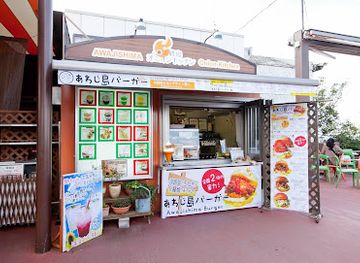
Awajishima Onion Kitchen
Discover unique onion-infused hamburgers at Awajishima Onion Kitchen in scenic Minamiawaji - A must-visit culinary experience in Hyogo!

Best bars in Awaji
Awaji’s evening life is modest and locally oriented rather than built around a large nightclub district. Sumoto has the broadest concentration of restaurants, izakaya and bars, with evenings often centred on conversation, seafood, regional dishes and drinks rather than late-night clubbing. Hotel and resort areas may offer lounges or bars, while smaller towns and villages tend to rely on traditional pubs, casual dining rooms and occasional live entertainment. Craft and regional drinks can be found in selected restaurants and specialist venues, but availability varies and should not be assumed outside the main settlements. In rural areas, a car is often necessary for getting back to accommodation after dinner, so visitors should plan transport before drinking; driving after alcohol is illegal in Japan. Seasonal illumination, festivals and cultural performances may add evening interest, but their dates and arrangements change, making advance checks sensible.
-
Restaurant
Craft Circus
Explore the flavors of Awaji at Craft Circus, where local ingredients and creativity blend into an unforgettable dining experience.
-
Restaurant
Hello Kitty Show Box
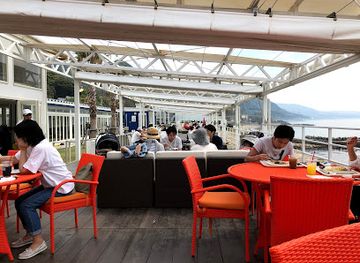
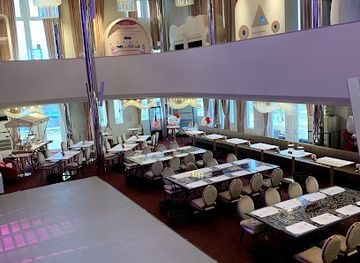
Experience the magic of Hello Kitty with delightful dining and captivating performances at the Hello Kitty Show Box in Awaji Island.
-
Restaurant
Cloudberry
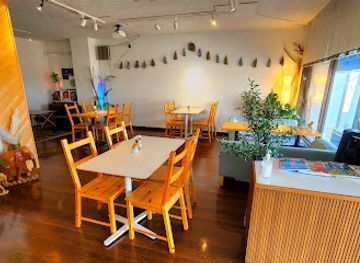
Discover Cloudberry: A Fusion Restaurant in Awaji Offering Delightful Mexican Flavors and Healthy Options in a Vibrant Atmosphere.
-
Bar
Etoile
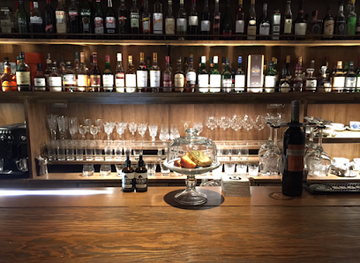
Discover vibrant nightlife at Etoile in Sumoto - a cozy bar offering exquisite drinks and a warm ambiance perfect for socializing.
Best nightclubs in Awaji
Awaji’s evening life is modest and locally oriented rather than built around a large nightclub district. Sumoto has the broadest concentration of restaurants, izakaya and bars, with evenings often centred on conversation, seafood, regional dishes and drinks rather than late-night clubbing. Hotel and resort areas may offer lounges or bars, while smaller towns and villages tend to rely on traditional pubs, casual dining rooms and occasional live entertainment. Craft and regional drinks can be found in selected restaurants and specialist venues, but availability varies and should not be assumed outside the main settlements. In rural areas, a car is often necessary for getting back to accommodation after dinner, so visitors should plan transport before drinking; driving after alcohol is illegal in Japan. Seasonal illumination, festivals and cultural performances may add evening interest, but their dates and arrangements change, making advance checks sensible.
-
Resort hotel
Awaji Yumebutai
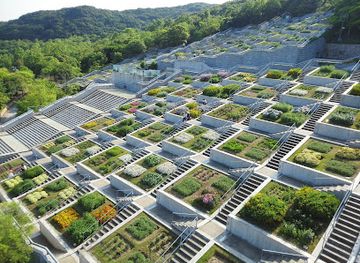
Experience the tranquility of Awaji Yumebutai, where stunning gardens meet architectural beauty on Awaji Island.
-
Restaurant
Hello Kitty Show Box
Discover a magical fusion of dining, shopping, and entertainment at Hello Kitty Show Box in Awaji, a paradise for Hello Kitty enthusiasts.
-
Travel lounge
Cardmembers Lounge Rokko
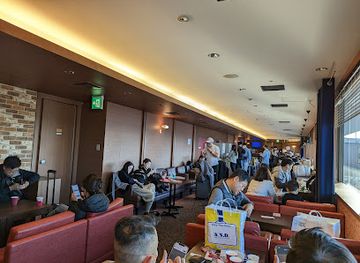
Discover the peaceful oasis of Cardmembers Lounge Rokko in Izumisano, a perfect spot for relaxation and rejuvenation during your travels.
-
Lounge
Cardmembers Lounge Annex Rokko
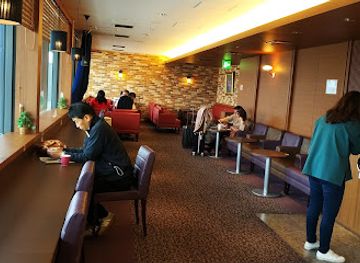
Discover the serene retreat of Cardmembers Lounge Annex Rokko in Izumisano, Osaka - a perfect spot for relaxation and rejuvenation.

Best shops in Awaji
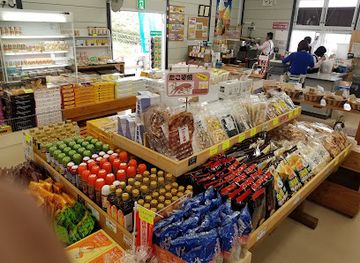
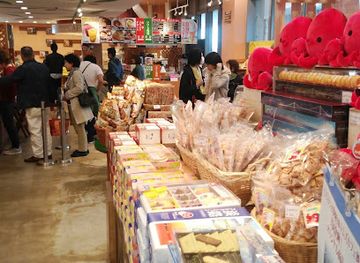
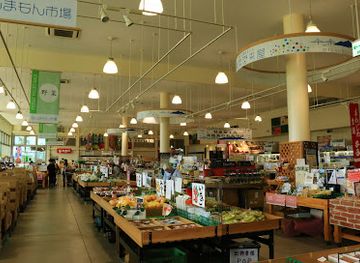
Shopping on Awaji is centred on local food, farm produce and small-scale regional retail rather than major urban malls. Roadside markets and farm shops sell the island’s onions, rice, vegetables, fruit, dairy products, seafood and packaged snacks, making them useful places to find edible souvenirs. Onion-based products are especially common, from dressings and crisps to soups and condiments. Sumoto has the broadest selection of everyday shops, cafés, local services and small independent retailers, while coastal towns and attraction areas offer more specialised food gifts. Visitors interested in crafts may find locally made items connected with Awaji’s cultural traditions, including products associated with its puppet-theatre heritage, although selection varies by venue. Larger resort and flower attractions often stock regional confectionery and agricultural products, but opening arrangements differ. Buy chilled or fresh goods near the end of a journey, and remember that rural shops may keep shorter hours and accept cash more readily than cards.
-
Shopping mall
Awaji Highway Oasis
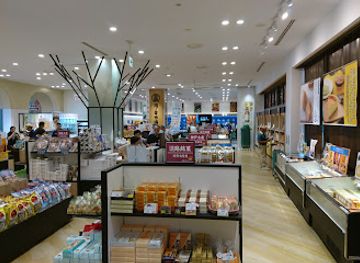
Experience the Awaji Highway Oasis: A must-visit shopping mall and rest stop in Hyogo, blending local culture, cuisine, and relaxation.
-
Park
Hyogo Prefecture Awaji Hanasajiki
Experience the breathtaking beauty of seasonal flowers and stunning landscapes at Awaji Hanasajiki, a premier park in Hyogo Prefecture.
-
National park
Akashi Kaikyo National Government Park
Explore the stunning landscapes and vibrant ecosystems of Akashi Kaikyo National Government Park, a must-visit destination for nature lovers.
-
Theme park
Awaji Farm Park England Hill
Awaji Farm Park: Experience the joy of nature with playgrounds, farm animals, and delicious local cuisine in Hyogo's beautiful Awaji Island.
Get your free copy of our complete guide to Awaji, delivered straight to you.
Everything on this page, from attractions and restaurants to essentials and local phrases, in one PDF you can read offline, print or share.
Already have an account? Sign in
Your Awaji guide is ready.
We'll send it to · Not you? Sign out

Getting your guide ready…
We are putting together a fresh copy of the Awaji guide. This can take up to a minute.
This can take a few moments. If your browser asks, choose Allow so the download can start. You'll find the guide in your Downloads folder.
Nothing happened? Download it again
Sorry, the guide is taking longer than usual. Please try again in a minute, or get it by email instead.
Awaji essentials
Currency and Payment
Safety
Emergency Situations
Do's and Don'ts
Local Tips
From Eve
Local phrases worth knowing
You don't need to get them perfect. A few words go a long way, and locals appreciate the effort.
Basics
| English | Local | Say it |
|---|---|---|
| Hello | Howdy | [hau-dee] |
| Goodbye | See ya later | [see ya lay-ter] |
| Yes | Yep | [yehp] |
| No | Nope | [nohp] |
| Please/You're welcome | Sure thing | [shoor thing] |
| Thank you | Thanks | [thanks] |
| Excuse me/Sorry | Pardon me | [par-don mee] |
| How are you? | How's it going? | [how's it go-ing] |
| Fine. And you? | Good. You? | [good. you?] |
| Do you speak English? | Do ya speak English? | [do ya speek ing-glish] |
| I don't understand | I don't get it | [I don't get it] |
Eating & Drinking
| English | Local | Say it |
|---|---|---|
| I'd like to see the menu, please | Can I see the menu? | [can I see the men-yu?] |
| I don't eat meat | I don't eat meat | [I don't eat meat] |
| Cheers! | Cheers! | [cheers] |
| I would like to pay, please | Can I get the check? | [can I get the chek?] |
Emergencies
| English | Local | Say it |
|---|---|---|
| Help! | Help! | [help] |
| Go away! | Leave me alone! | [leave me a-lone!] |
| Call the Police! | Call the cops! | [call the cops] |
| Call a doctor! | Get a doctor! | [get a doc-tor] |
| I'm lost | I'm lost | [I'm lost] |
| I'm ill | I'm not feeling well | [I'm not feel-ing well] |
Shopping
| English | Local | Say it |
|---|---|---|
| I'd like to buy... | I want to buy... | [I want to buy...] |
| I'm just looking | Just browsing | [just brow-sing] |
| How much is it? | What’s the price? | [what's the price?] |
| That's too expensive | That's pricey | [that's pry-see] |
| Can you lower the price? | Can you bring it down? | [can you bring it down?] |
Time & Numbers
| English | Local | Say it |
|---|---|---|
| What time is it? | What time ya got? | [what time ya got?] |
| It's one o'clock | It's one o'clock | [it's one o'clock] |
| Half past (10) | Half past ten | [half past ten] |
| Morning | Morning | [mor-ning] |
| Afternoon | Afternoon | [af-ter-noon] |
| Evening | Evening | [eve-ning] |
| Yesterday | Yesterday | [yes-ter-day] |
| Today | Today | [to-day] |
| Tomorrow | Tomorrow | [to-mor-row] |
| 1 | One | [wun] |
| 2 | Two | [too] |
| 3 | Three | [three] |
| 4 | Four | [for] |
| 5 | Five | [fiv] |
| 6 | Six | [siks] |
| 7 | Seven | [sev-en] |
| 8 | Eight | [ait] |
| 9 | Nine | [nain] |
| 10 | Ten | [ten] |
Transport & Directions
| English | Local | Say it |
|---|---|---|
| Where's a/the...? | Where's the...? | [where's the...?] |
| What's the address? | What's the address? | [what's the ad-dress?] |
| Can you show me (on the map)? | Can you point it out? | [can you point it out?] |
| When's the next (bus)? | When's the next bus? | [when's the next bus?] |
| A ticket (to ....) | A ticket to... | [a tick-et to...] |
History of Awaji
Awaji in Japan’s Creation Myths
Awaji occupies an exceptional place in Japanese mythology. In the Kojiki, compiled in the early eighth century, the deities Izanagi and Izanami create islands and other features of the Japanese world; Awaji is described as the first island to emerge in their sequence of creation. This is a religious and literary tradition rather than a historical account, but it has strongly influenced the island’s cultural identity. Izanagi Shrine in Awaji City is associated with Izanagi and remains one of the region’s most important Shinto sites.
Early Settlements and Agricultural Landscapes
Awaji’s position between the Inland Sea and the Kii Channel encouraged settlement, farming and coastal exchange from ancient times. Archaeological sites on the island include remains connected with rice cultivation, burial practices and early communities. Its mild climate and fertile soils later supported rice, vegetables, fruit and livestock. The landscape visitors see today, marked by fields, irrigation ponds, wooded slopes and fishing villages, is the cumulative result of long agricultural development rather than a purely natural environment.
Awaji and the Growth of Shinto Institutions
Shrines became important centres of local belief and community life as Japan’s religious and political systems developed. Izanagi Shrine gained particular significance through its connection with the creation narratives, while numerous smaller shrines served villages, farming settlements and maritime communities. Religious landscapes on Awaji often combine sacred groves, stone approaches, seasonal festivals and local traditions. These institutions helped preserve stories and customs that continue to distinguish the island from the nearby urban centres of mainland Kansai.
Medieval Rule and Sumoto Castle
During Japan’s medieval period, Awaji’s location made control of the island valuable to military powers operating around the Inland Sea and the Kansai coast. Sumoto Castle was established on Mount Mikuma, overlooking the town and harbour, and became associated with regional governance and defence. Much of the original castle structure has disappeared, but the hilltop setting and surviving stonework convey the strategic importance of the site. Awaji’s ports and sea routes connected it to wider political and commercial networks.
Maritime Exchange and Ningyo Joruri
Awaji’s coastal communities developed close ties with shipping, fishing and the movement of goods across the Inland Sea. These maritime connections also supported the growth of Awaji ningyo joruri, a puppet-theatre tradition in which several puppeteers operate a large puppet while a narrator and musicians provide the dramatic performance. The form took root on the island during the early modern period and remains a prominent expression of local performing arts, presented today through specialist theatres and cultural programmes.
Agriculture, Fishing and Modern Connections
In the modern era, Awaji remained strongly agricultural and maritime even as nearby Kobe, Osaka and the wider Kansai region industrialised. Its onions became particularly well known, alongside dairy farming, livestock, rice and fisheries. The opening of major road bridges transformed travel: the Akashi Kaikyo Bridge connected northern Awaji to Kobe and Honshu in 1998, while the bridge across the Naruto Strait linked the south of the island with Shikoku. These connections made Awaji more accessible while preserving its rural character.
Awaji in Photos
Browse through our photo collection highlighting the charm and character of the destination.
Neighbouring regions of Awaji
The closest regions to Awaji, if you have time for more than one.
-

-
-

-

-


Swipe for more regions
Explore more

Explore more of Japan
Discover the harmony of tradition and modernity in Japan, where ancient temples and cutting-edge technology coexist in perfect balance.
Explore Japan