Imperial Palace East Gardens: A Stroll Through History
Explore Tokyo's Imperial Palace East Gardens: a historic oasis where Edo Castle ruins meet serene landscapes. Free entry, open to all!
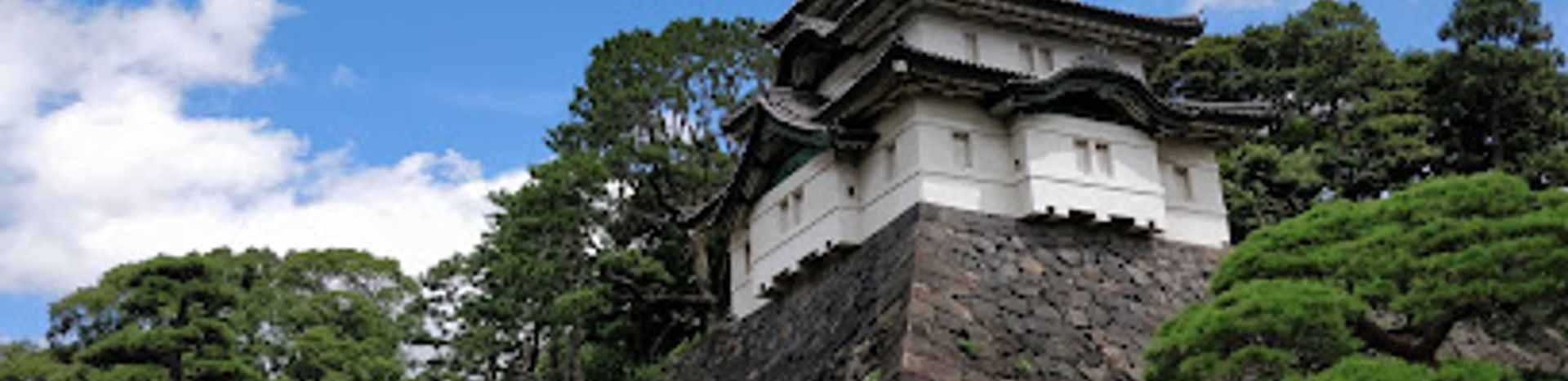
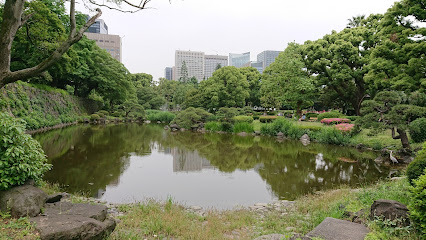
The Imperial Palace East Gardens in Tokyo offer a serene escape, rich with history. Formerly the site of Edo Castle, these gardens showcase remnants of the Tokugawa shogunate's power, including moats, walls, and guardhouses, providing a unique glimpse into Japan's past.
A brief summary to Imperial Palace East Gardens
- 1-1 Chiyoda, Chiyoda City, Chiyoda, Tokyo, 100-8111, JP
- +813-3213-2050
- Visit website
Local tips
- Wear comfortable shoes, as the gardens are extensive and involve a good amount of walking.
- Check the opening hours and closure days (Mondays and Fridays, except national holidays) before visiting.
- Bring water and sun protection, especially during summer, as the area can get hot.
- Pick up a map at the entrance to help navigate the large garden and locate key points of interest.
- Be prepared for a security check at the entrance.

Getting There
-
Public Transport
The most convenient way to reach the Imperial Palace East Gardens is via the Tokyo Metro subway system. Take the Chiyoda, Tozai, Marunouchi, Hanzomon, or Mita subway lines to Otemachi Station. From Otemachi Station, it's a short 5-minute walk to the Otemon Gate, which serves as the primary entrance to the East Gardens. Subway fares in Tokyo typically range from ¥170 to ¥320 depending on the distance traveled [https://www.japan-guide.com/e/e2018.html]. Consider purchasing a day pass if you plan to use the subway extensively.
-
Walking
If you are near Tokyo Station, you can walk to the Imperial Palace East Gardens in approximately 10-15 minutes. Exit Tokyo Station from the Marunouchi North Gate and walk straight towards the Imperial Palace. Follow the signs for the East Gardens. The walk is straightforward and offers views of the surrounding city. There are no costs associated with walking.
-
Taxi
Taxis are readily available throughout Tokyo. A taxi from Tokyo Station to the Imperial Palace East Gardens will take about 5-10 minutes, depending on traffic. The fare will likely be between ¥730 and ¥1000, considering the short distance and initial fare of ¥500 for the first kilometer [https://www.japan-guide.com/e/e2011.html]. Note that traffic conditions can significantly impact the travel time and cost.
Discover more about Imperial Palace East Gardens
Iconic landmarks you can’t miss

Edo Castle Ruins
0.2 km
Discover the historical charm of Edo Castle Ruins in Tokyo, where ancient architecture meets serene landscapes, perfect for history enthusiasts and nature lovers alike.
Ōte-mon Gate
0.3 km
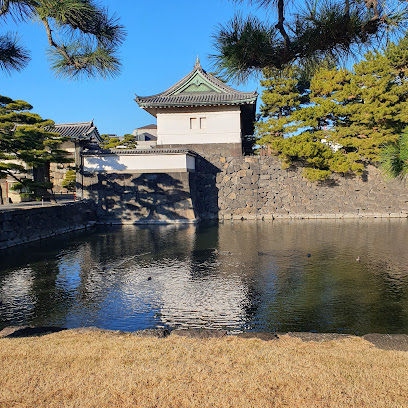
Explore the stunning Ōte-mon Gate in Tokyo, a historical landmark that embodies the beauty of Japanese heritage and architecture.
Kita-Hanebashi Gate
0.4 km
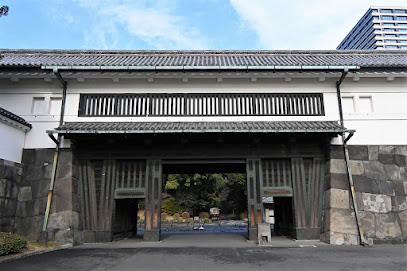
Explore the historical Kita-Hanebashi Gate in Tokyo, a stunning heritage site that reflects the rich culture and architectural beauty of Japan.
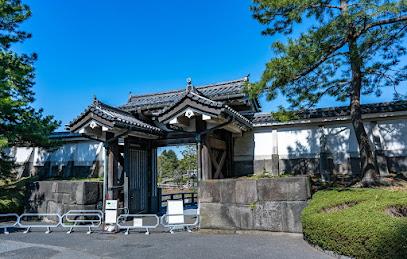
Wadakura-mon Gate
0.5 km
Explore the serene beauty and historical significance of Wadakura-mon Gate, the majestic entrance to Tokyo's Imperial Palace, set in lush gardens.
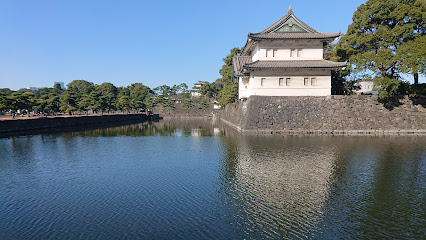
Sakurada-mon
1.0 km
Discover the majestic Sakurada-mon, a historical landmark in Tokyo, where Japan's imperial heritage meets serene natural beauty.
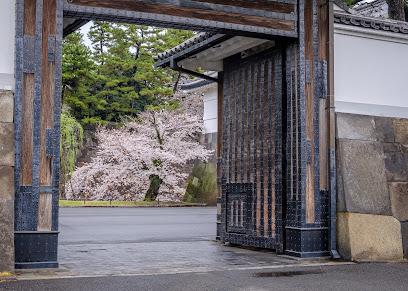
Chidorigafuchi Moat
1.0 km
Discover the serene beauty of Chidorigafuchi Moat, a historical landmark in Tokyo, famous for its cherry blossoms and scenic views of the Imperial Palace.
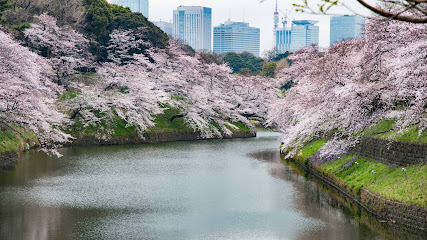
Mitsubishi Ichigokan Museum
1.1 km
Explore the captivating Mitsubishi Ichigokan Museum in Tokyo, where contemporary art meets historical architecture in a unique cultural experience.
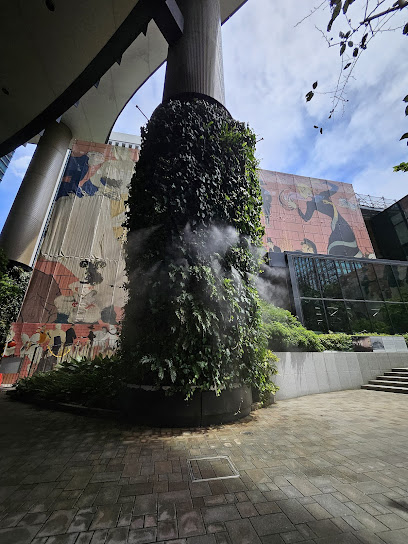
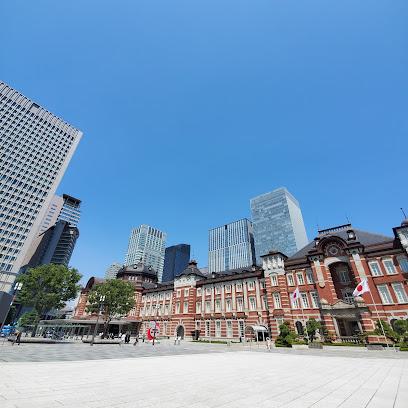
Tokyo Station
1.1 km
Discover the architectural beauty and vibrant atmosphere of Tokyo Station, a crucial transit hub and historical landmark in the heart of Tokyo.
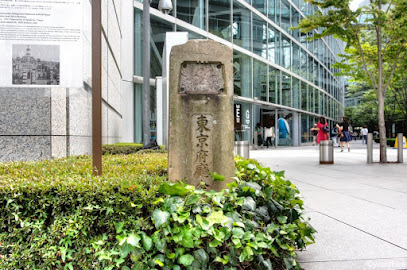
Remains of Tokyo Prefectural Office
1.2 km
Discover the historic Remains of the Tokyo Prefectural Office, a captivating blend of architectural beauty and historical significance in the heart of Tokyo.
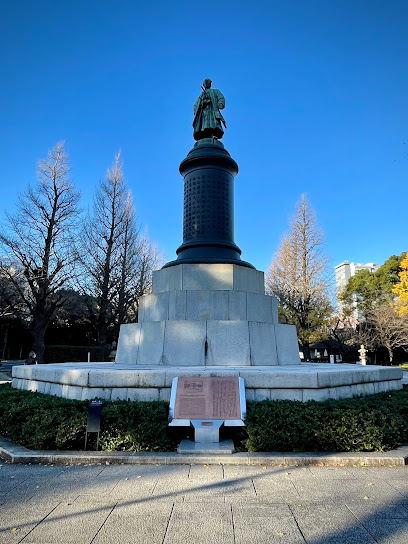
Statue of Ōmura Masujirō
1.3 km
Discover the Statue of Ōmura Masujirō in Chiyoda City, a historical landmark blending artistry and cultural significance in the heart of Tokyo.
Japanese Geodetic Origin Point
1.4 km
Discover the Japanese Geodetic Origin Point, a historical landmark symbolizing Japan's precision in mapping and geographical significance.
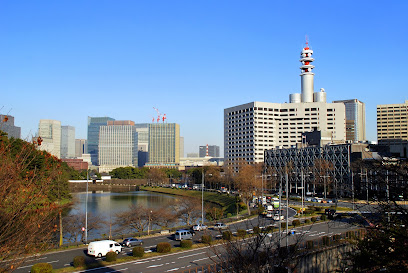
LIVE JAPAN office
1.5 km
Explore Tokyo like a local with insights from the LIVE JAPAN office at Tokyo Midtown Hibiya. Your gateway to unforgettable experiences in Japan.
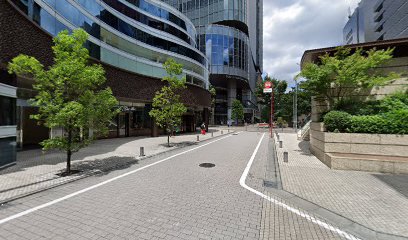
1-chōme-2-1 Kasumigaseki
1.5 km
Discover the political heart of Japan in Kasumigaseki, Tokyo, where history meets modernity in a vibrant urban landscape.
Zero Milestone In Japan
1.6 km
Discover the Zero Milestone in Tokyo's Nihonbashi: the historic origin of Japan's roads and distances, blending tradition with modern city life.
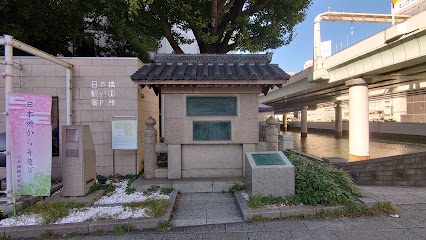
Ochanomizu Station
1.6 km
Explore the rich history and vibrant culture around Ochanomizu Station, your gateway to the best of Tokyo's attractions and experiences.
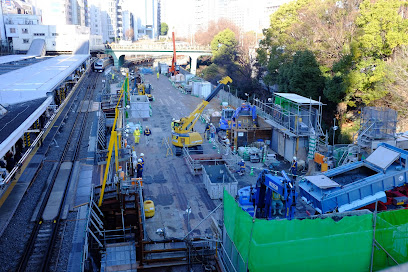
Unmissable attractions to see

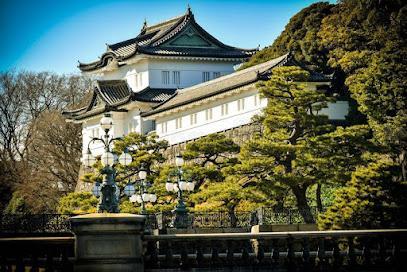
Imperial Palace
0.4 km
Explore the historic home of Japan's Emperor in Tokyo. Wander gardens & glimpse imperial history at the former Edo Castle site.
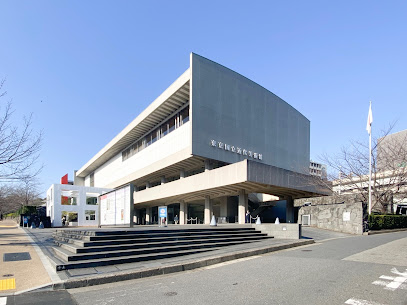
The National Museum of Modern Art Tokyo
0.5 km
Explore Japan's rich artistic heritage at The National Museum of Modern Art Tokyo, a captivating destination for art lovers and cultural enthusiasts.
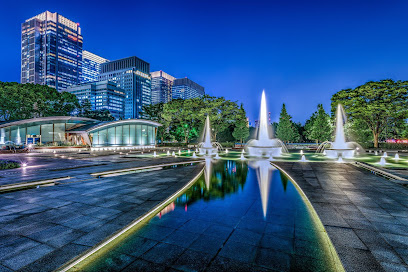
Wadakura Fountain National Park
0.5 km
A serene escape in the heart of Tokyo, Wadakura Fountain Park blends modern water features with historical Imperial significance.
Kanda Bridge
0.7 km
Discover Kanda Bridge, a historical landmark in Chiyoda City, Tokyo, blending culture, architecture, and scenic views for an unforgettable experience.
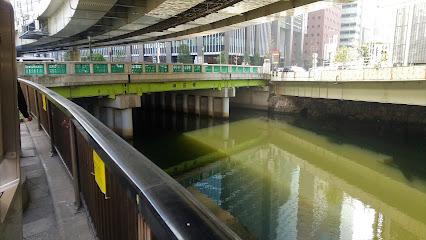
Kita-no-maru Park
0.8 km
Explore the tranquil beauty and rich history of Kita-no-maru Park, a serene retreat in the heart of Tokyo, surrounded by lush gardens and cultural landmarks.
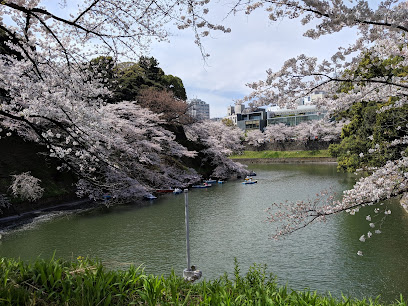
Marunouchi Building
0.9 km
A historic landmark reborn: Experience shopping, dining, and panoramic views in the heart of Tokyo's Marunouchi district.
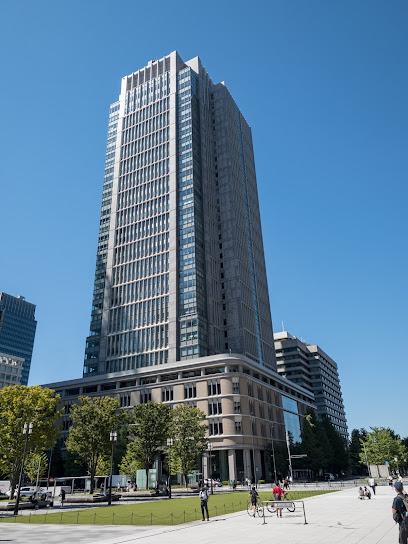
Clock Tower
0.9 km
Discover tranquility at Tokyo's Clock Tower in Kitanomaru Park, a historical landmark offering a serene escape amidst lush greenery and cultural richness.
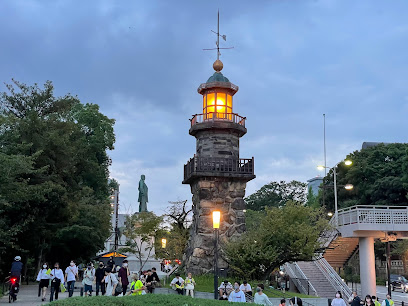
Tokyo Station Gallery
1.0 km
Discover art and history within Tokyo Station's iconic red-brick Marunouchi building, showcasing rotating exhibitions and architectural heritage.
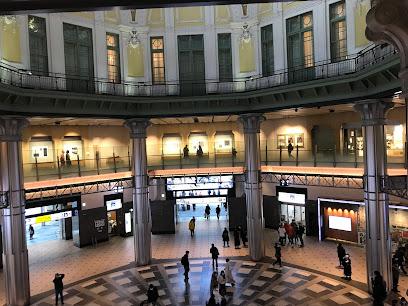
Nippon Budokan
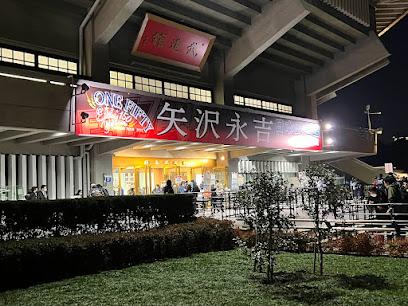
1.0 km
Experience the legacy of martial arts and music at Tokyo's iconic Nippon Budokan, a stage for champions and legendary performers.
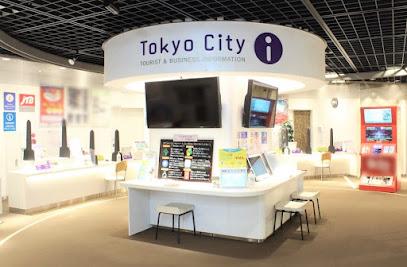
Tokyo City i
1.0 km
Explore Tokyo like a local at Tokyo City i—your essential hub for information, café relaxation, and cultural events in the heart of Marunouchi.
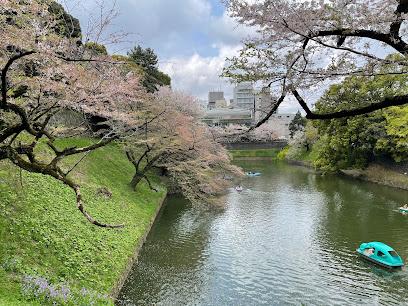
Chidorigafuchi Park
1.1 km
Experience Tokyo's breathtaking cherry blossoms at Chidorigafuchi Park, a serene oasis along the Imperial Palace moat offering stunning seasonal beauty.
Imperial Theatre
1.2 km
Experience world-class performances at Tokyo's historic Imperial Theatre, a landmark of Western-style performing arts since 1911.
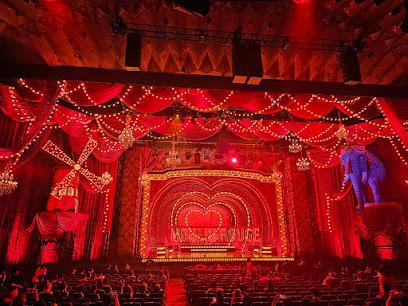
Cycling Holiday Tokyo
1.2 km
Discover the heart of Tokyo on a bike with Cycling Holiday Tokyo, where vibrant culture meets unforgettable cycling adventures.
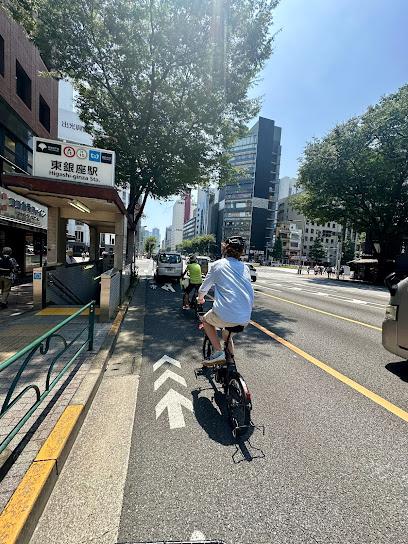
Tokyo International Forum
1.3 km
A stunning architectural landmark and vibrant hub for international events and cultural experiences in the heart of Tokyo's Marunouchi district.
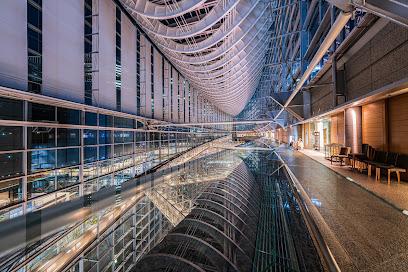
The Place of Death of Date Masamune
1.3 km
A historical landmark in Tokyo's Hibiya Park, commemorating the final moments of the legendary samurai lord, Date Masamune.
Essential places to dine

Plaiga TOKYO
0.5 km
Discover culinary artistry at Plaiga TOKYO - where modern French cuisine meets sophistication in the heart of Marunouchi.

The Cafe By Aman
0.8 km
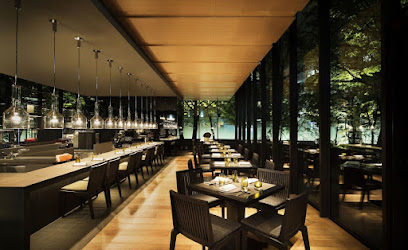
Discover unparalleled elegance and exquisite flavors at The Cafe By Aman in Tokyo's Otemachi Tower.
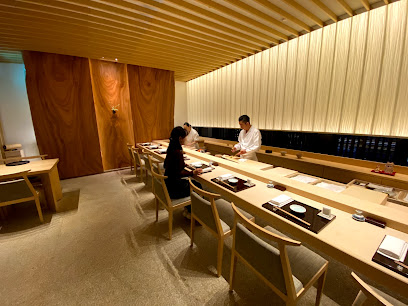
Musashi by Aman
0.8 km
Experience the art of sushi at Musashi by Aman – where tradition meets luxury in Tokyo's skyline.
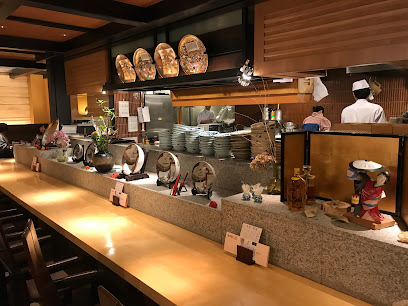
Tosa Cuisine Neboke Marunouchi
0.9 km
Experience authentic Tosa cuisine at Neboke Marunouchi – where tradition meets flavor in every dish.
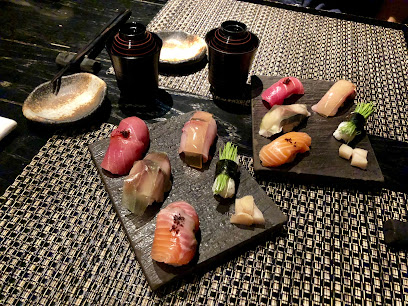
Ninja Tokyo
0.9 km
Discover the fusion of tradition and innovation at Ninja Tokyo—where every dish tells a story in an enchanting setting.
Yonezawa Gyu Oki
1.1 km
Discover the exquisite taste of Yonezawa beef at Yonezawa Gyu Oki—where tradition meets culinary excellence in Tokyo.
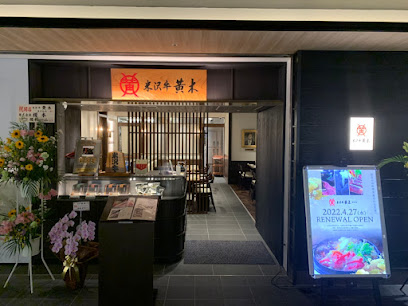
Nadaman at Shangri-La Hotel Tokyo
1.2 km
Experience the finest authentic Japanese cuisine at Nadaman in Shangri-La Hotel Tokyo - where tradition meets luxury.
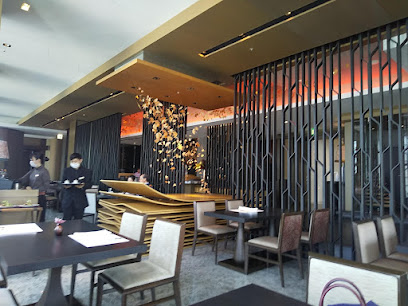
TATA
1.3 km
Experience the best of Japanese tapas at TATA in Tokyo's Chiyoda City - where flavor meets tradition in every dish.
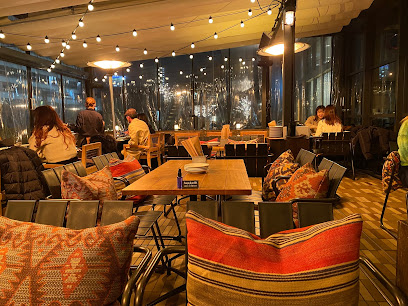
SCHMATZ Kanda
1.3 km
Discover authentic German flavors at SCHMATZ Kanda - where hearty dishes meet vibrant beer culture in the heart of Tokyo.
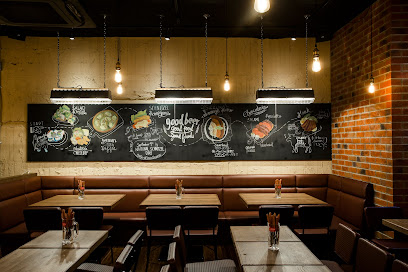
Sushi Hōseki - Kenji Gyoten
1.3 km
Discover the art of sushi at Sushi Hōseki - Kenji Gyoten in Tokyo, where tradition meets luxury for an unforgettable dining experience.
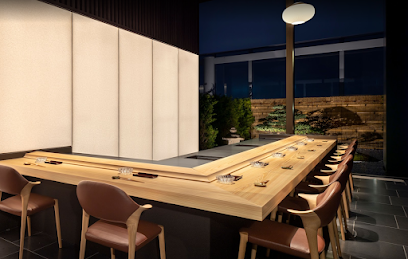
Hei Fung Terrace
1.4 km
Experience authentic Chinese cuisine at Hei Fung Terrace in Tokyo – where tradition meets luxury in every dish.
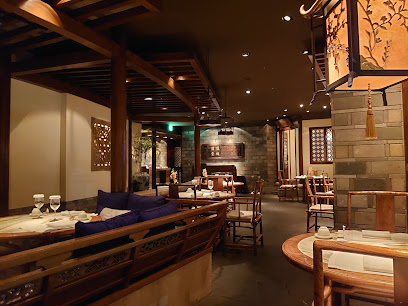
Signature
1.4 km
Experience exquisite French cuisine at Signature in Tokyo's Nihonbashi district, where every dish tells a story.
ADO KEBAB HOUSE
1.4 km
Experience the taste of authentic Middle Eastern cuisine at ADO Kebab House in Tokyo's Chiyoda City.
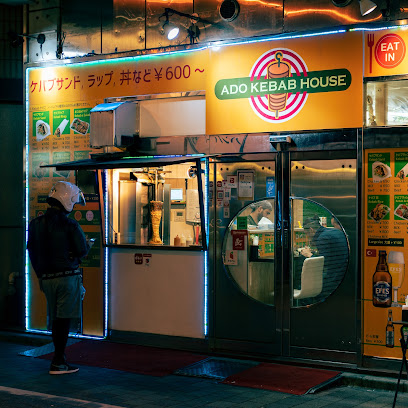
日本料理 龍吟
1.4 km
Discover exceptional kaiseki cuisine at Nihonryori Ryugin in Tokyo – where tradition meets innovation for an unforgettable dining experience.
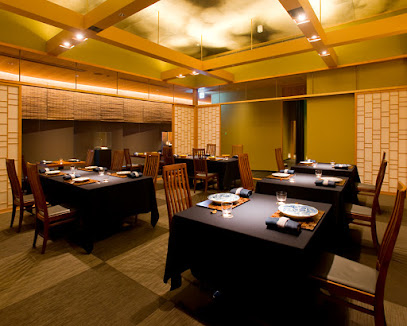
K'shiki
1.4 km
Experience authentic Italian cuisine at K'shiki in Tokyo—where every meal is crafted with passion and precision.
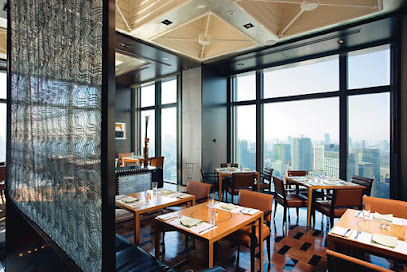
Markets, malls and hidden boutiques

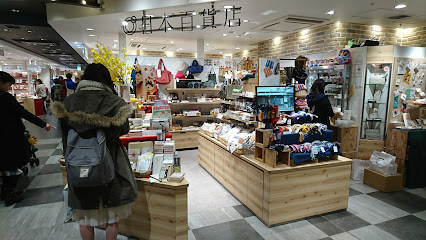
Nippon Department Tokyo
1.0 km
Discover the essence of Japan at Nippon Department Tokyo, your one-stop shop for unique souvenirs, local delicacies, and cultural treasures.
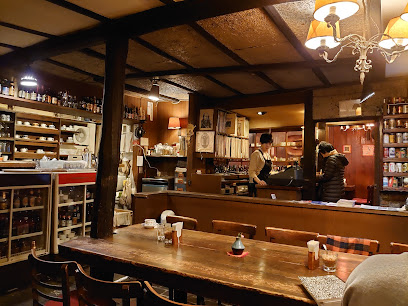
Milonga Nueva
1.0 km
Experience the charm of tango culture while savoring exquisite coffee in the heart of Tokyo at Milonga Nueva.
OLD-FASHIONED STORE TOKYO
1.0 km
Experience a delightful blend of nostalgia and modernity at Old-Fashioned Store Tokyo, where unique fashion accessories and novelty items await.
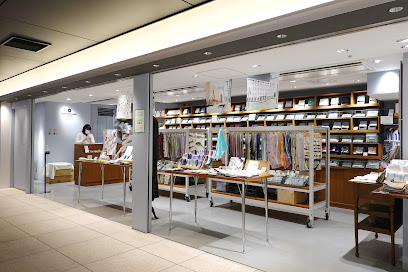
THE SHOP TOKYO
1.0 km
Explore the whimsical world of THE SHOP TOKYO, where unique gifts and delightful surprises await in the heart of Marunouchi.
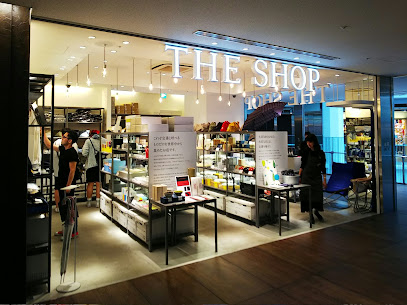
Good Design Store TOKYO by NOHARA
1.0 km
Explore Good Design Store TOKYO by NOHARA for unique gifts and home goods that reflect Japan's rich design culture.
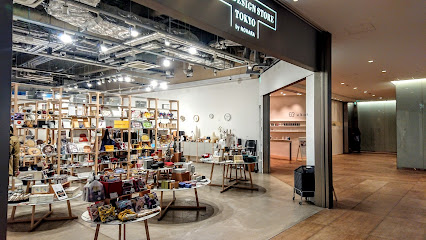
Another Japan
1.1 km
Experience the delightful fusion of Japanese sweets and souvenirs at Another Japan, a unique variety store in the heart of Tokyo.
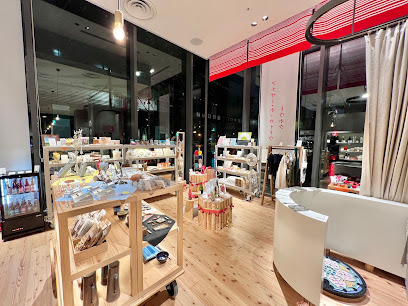
SWEETS & GIFTS
1.1 km
Discover a luxurious dessert experience at Sweets & Gifts in Marunouchi, Tokyo, offering exquisite pastries and gourmet chocolates.
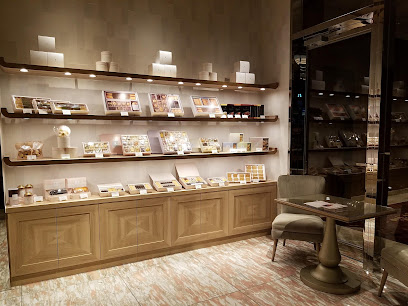
First Avenue Tokyo Station
1.1 km
Experience the heart of Tokyo at First Avenue Tokyo Station, a shopping and dining paradise beneath the iconic station.
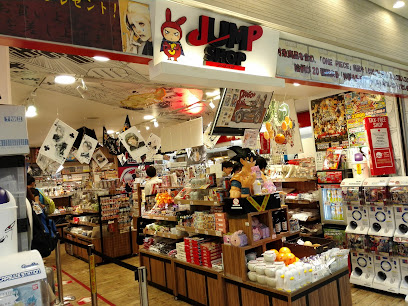
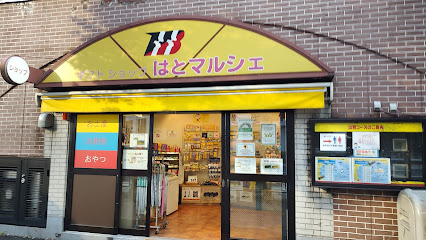
HATO MARCHE Gift Shop
1.1 km
Explore HATO MARCHE Gift Shop in Tokyo for unique souvenirs and gifts that embody the spirit of Japan, perfect for every traveler.
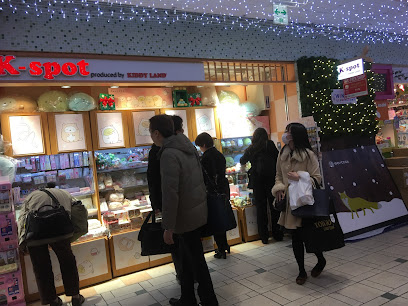
K-spot
1.2 km
Discover unique Japanese souvenirs at K-spot in Tokyo's Marunouchi, a perfect blend of tradition and modernity for every traveler.
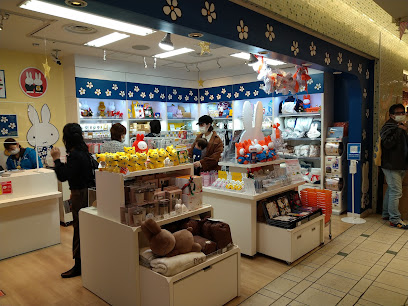
Tokyo Character Street
1.2 km
Explore Tokyo Character Street - A vibrant shopping mall celebrating the essence of Japanese pop culture with unique character-themed stores.
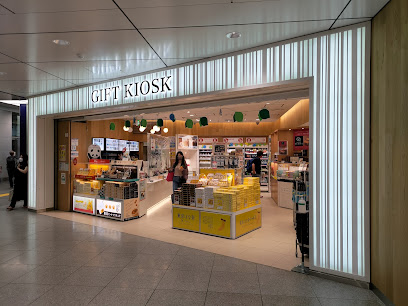
Gift Kiosk
1.2 km
Explore the vibrant Gift Kiosk in Tokyo for unique souvenirs that celebrate Japanese culture and make your travel memories unforgettable.
HANDS Tokyo Store
1.2 km
Explore HANDS Tokyo Store, a vibrant gift shop featuring unique souvenirs, DIY supplies, and a variety of home and stationery products in the heart of Tokyo.

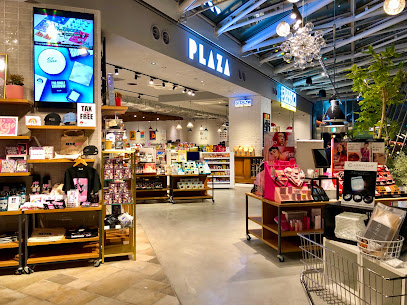
PLAZA Tokyo Store
1.2 km
Experience the vibrant shopping culture at PLAZA Tokyo Store, where unique finds and local flavors await you.
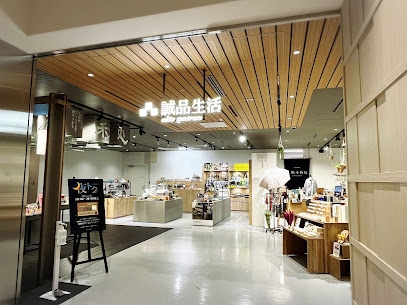
Eslite Spectrum Nihonbashi
1.4 km
Discover the charm of Eslite Spectrum Nihonbashi, Tokyo's cultural hub blending literature, shopping, and art in a stunning setting.
Essential bars & hidden hideouts

VIRTÙ
0.5 km
Experience a unique blend of French and Japanese cuisine at VIRTÙ, Tokyo's premier bar and restaurant in Otemachi.
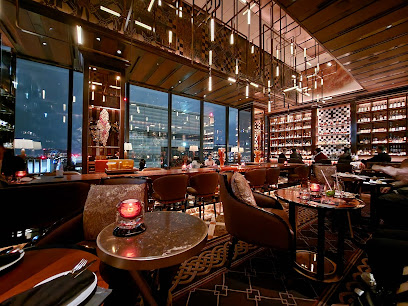
RIGOLETTO WINE AND BAR
0.8 km
Experience the best of Italian and Spanish cuisine at Rigoletto Wine and Bar, featuring an exquisite wine selection in Tokyo's Marunouchi district.
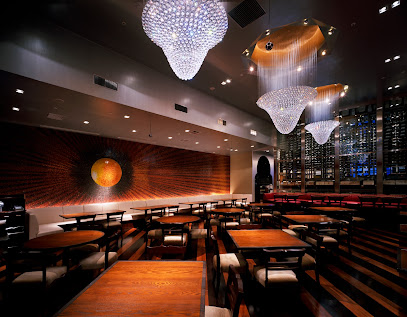
Lilliput
1.0 km
Discover Lilliput, Tokyo's unique bar offering innovative cocktails in a cozy setting perfect for unwinding after a day of exploration.
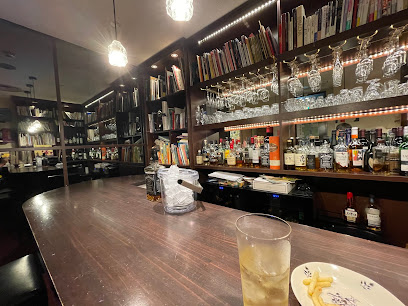
BAR Oak
1.0 km
Discover the elegance of BAR Oak, a luxurious bar within Tokyo Station Hotel, offering exquisite cocktails and a serene ambiance in the heart of Tokyo.
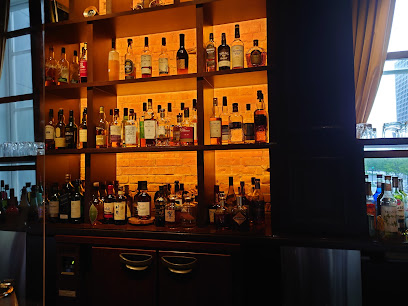
MAIN BAR
1.1 km
Discover sophistication and exquisite cocktails at MAIN BAR, an upscale bar experience in the heart of Tokyo's Marunouchi district.
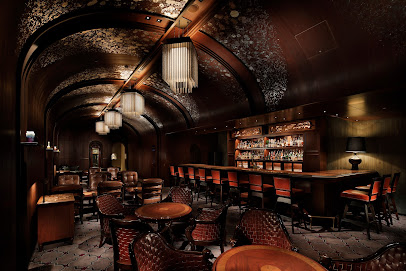
Hitachino Brewing Marunouchi
1.1 km
Experience the essence of Japanese craft brewing at Hitachino Brewing Marunouchi, a vibrant brewpub in the heart of Tokyo offering unique beers and delicious cuisine.
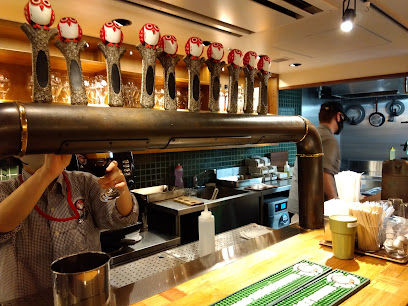
Hitachino Brewing Lab Tokyo
1.2 km
Discover the art of craft brewing at Hitachino Brewing Lab Tokyo, where tradition meets innovation in every sip.
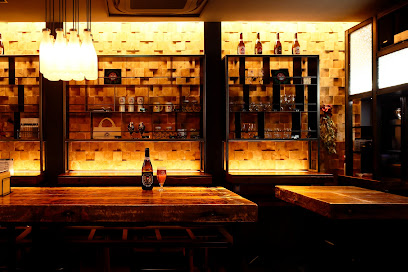
Bar Ocean
1.3 km
Discover the vibrant nightlife of Tokyo at Bar Ocean, where creative cocktails meet a lively atmosphere in the heart of the city.
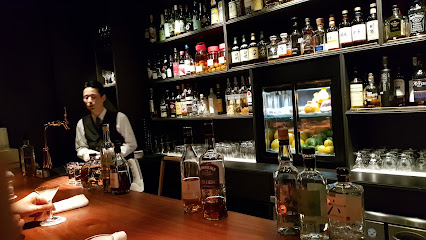
Kamiawa Bar
1.3 km
Discover the cozy charm of Kamiawa Bar in Tokyo's Yaesu district—where local flavors and warm hospitality await you.
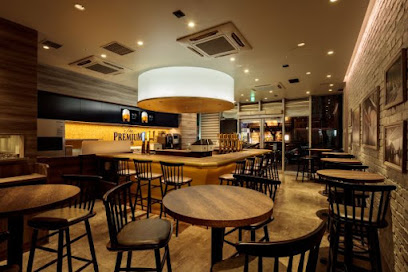
Mandarin Bar
1.4 km
Experience elegance and stunning views at the Mandarin Bar, Tokyo's premier destination for exquisite cocktails and fine dining.
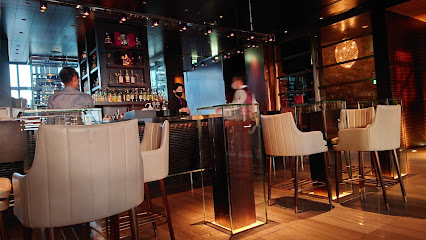
Orchard Knight
1.5 km
Discover the vibrant nightlife of Tokyo at Orchard Knight, a cocktail bar offering expertly crafted drinks and a cozy atmosphere for all.
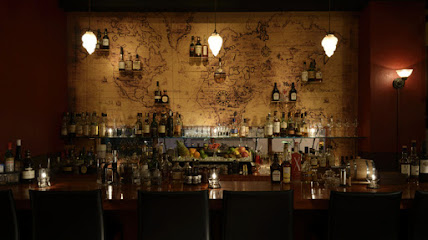
COCKTAIL WORKS Tokyo
1.5 km
Experience the dynamic nightlife of Tokyo at Cocktail Works, where expertly crafted cocktails meet a stylish ambiance in the heart of Nihonbashi.
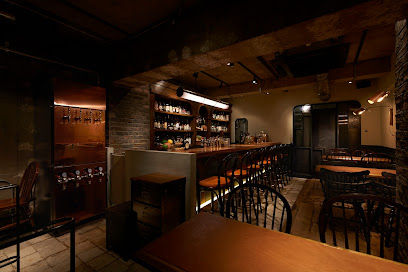
LEAP BAR
1.5 km
Discover the exquisite cocktail culture at LEAP BAR in Tokyo, where innovation meets tradition in an unforgettable nightlife experience.
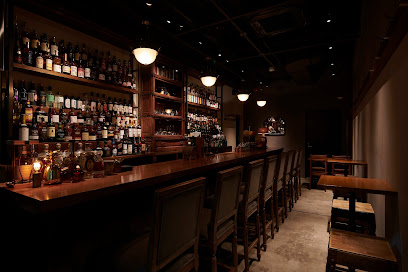
Star Bar Ginza
1.6 km
Discover the refined cocktail experience at Star Bar Ginza, where expert mixologists create exceptional drinks in a chic setting.
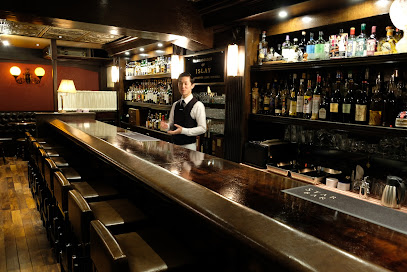
Bar Takasaka
1.6 km
Experience the vibrant nightlife of Tokyo at Bar Takasaka, where expertly crafted cocktails and an inviting atmosphere await.
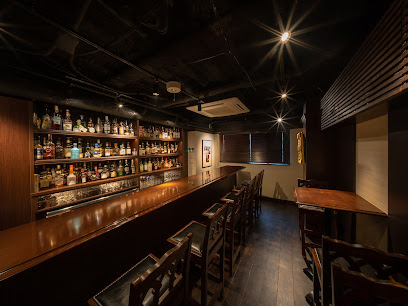
Nightclubs & after hour spots

Night Club Raise
1.7 km
Immerse yourself in the exhilarating nightlife of Tokyo at Night Club Raise, where music and vibrant energy create unforgettable memories.
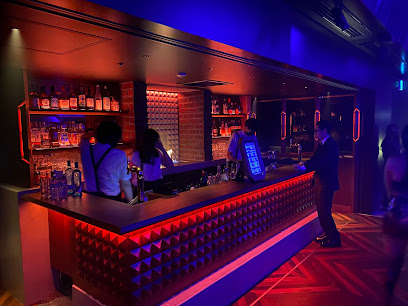
ジニアス東京
1.8 km
Discover the electrifying nightlife of Geniustokyo, a premier night club in the heart of Ginza, where music and energy meet for an unforgettable experience.
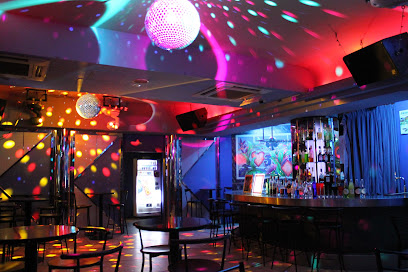
シュガーメロディ
1.8 km
Discover the ultimate karaoke experience at シュガーメロディ in Chiyoda City, Tokyo. Sing, laugh, and create unforgettable memories in a vibrant atmosphere.
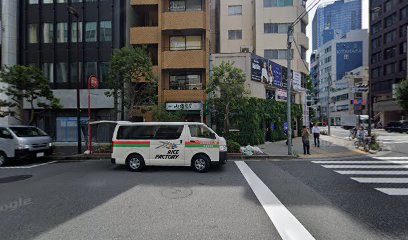
CATTUS
1.9 km
Experience the electrifying nightlife of Tokyo at CATTUS, Ginza's premier night club, where music and energy meet in an unforgettable atmosphere.
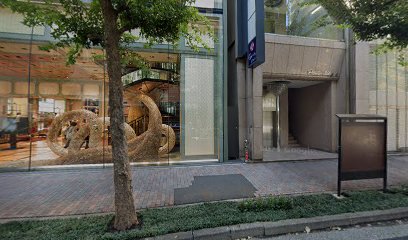
club Lounge Uen (ゆえん)
1.9 km
Discover the energy of Tokyo's nightlife at Club Lounge Uen, a stylish club in the heart of Ginza with exceptional drinks and captivating ambiance.

club socie GLAM CLUB
2.0 km
Experience the electrifying nightlife at Club Socie, Tokyo's premier night club in the vibrant Ginza district, where luxury meets excitement.
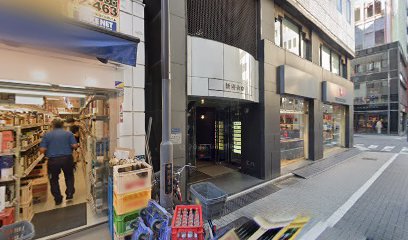
Ginza Club Cotton Club
2.0 km
Discover the heart of Tokyo's nightlife at Ginza Club Cotton Club, where cabaret meets live music in a vibrant atmosphere.
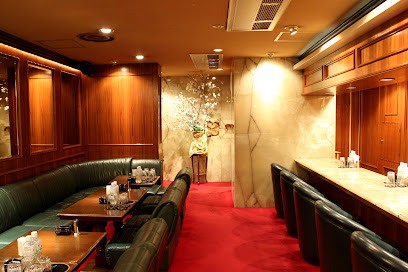
オアシス GENTLEMAN CLUB OASIS
2.0 km
Discover the vibrant nightlife at GENTLEMAN CLUB OASIS, Tokyo's premier night club and cabaret in the upscale Ginza district.
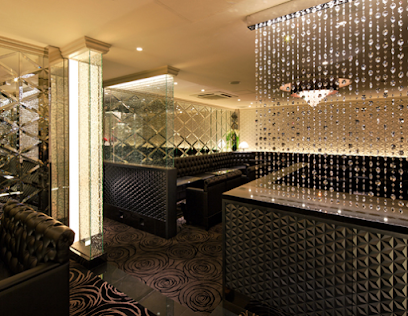
YAH TOKYO
2.1 km
Discover the lively ambiance and unique hospitality of YAH TOKYO, a premier girl bar in Ginza, where unforgettable nights await.
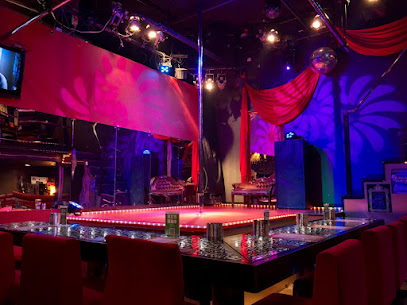
銀座九尾
2.1 km
Discover the ultimate karaoke experience at 銀座九尾 in Ginza, Tokyo, where entertainment meets style in a vibrant nightlife setting.
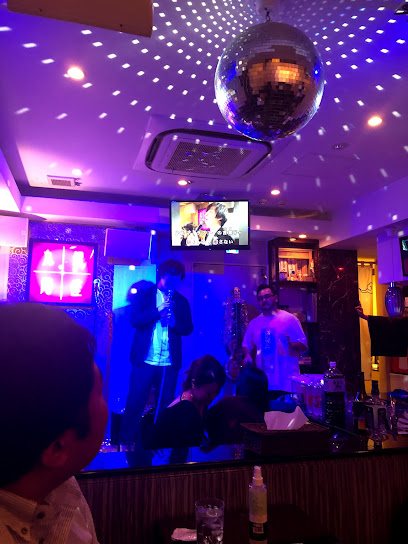
秋葉アイステ
2.1 km
Immerse yourself in the electrifying nightlife of Tokyo at 秋葉アイステ, a premier night club in Chiyoda City known for its unforgettable parties.
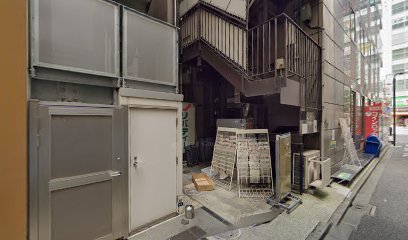
Club Platinum
2.1 km
Experience Tokyo's nightlife at Club Platinum, where vibrant cabaret performances meet exquisite hospitality in Akihabara.
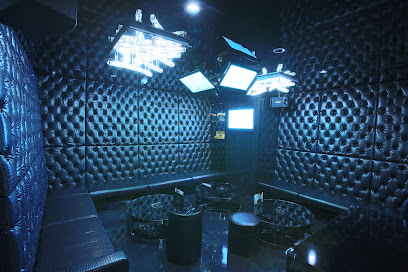
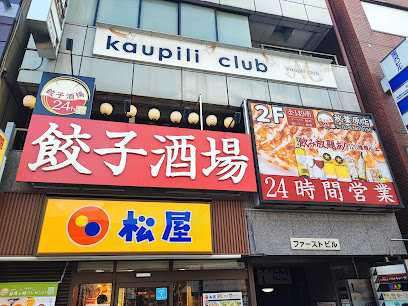
M kaupili club
2.1 km
Discover the vibrant nightlife of Tokyo at M kaupili Club - where spirited beats and electrifying dance create unforgettable moments.
マベル Club Ma.Belle
2.1 km
Discover the vibrant nightlife of Tokyo at Club Ma.Belle, where captivating performances and a lively atmosphere await you.
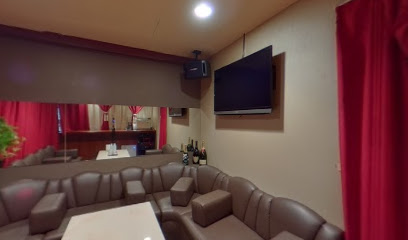
Chouchou Akihabara
2.1 km
Experience the enchanting world of cabaret at Chouchou Akihabara, where dazzling performances meet the heart of Tokyo's nightlife.