Children's Peace Monument: A Symbol of Hope
A touching memorial in Hiroshima Peace Memorial Park, dedicated to the children who perished from the atomic bomb and a symbol of hope for peace.
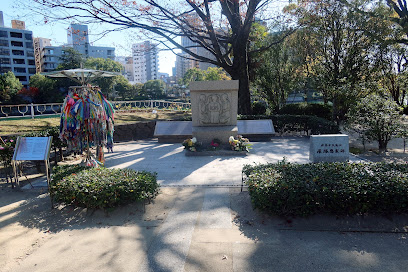
The Children's Peace Monument in Hiroshima's Peace Memorial Park is a touching tribute to Sadako Sasaki and all children who perished from the atomic bombing. Erected in 1958, it stands as a symbol of peace and a reminder of the devastating consequences of war.
A brief summary to Children's Peace Monument
- 1 Nakajimacho, Hiroshima, Nakajimacho, Naka Ward, Hiroshima, 730-0811, JP
- +8182-242-7831
- Visit website
Local tips
- Observe silence and maintain a respectful atmosphere as the monument is a place of reflection and remembrance.
- Take time to learn about the history of the atomic bombing and the story of Sadako Sasaki.
- Consider bringing or folding your own paper crane to leave at the monument as a symbol of peace.
- Visit the monument in the early morning or late afternoon to avoid crowds.

Getting There
-
Walking
The Children's Peace Monument is located in Hiroshima Peace Memorial Park, a short walk from other key landmarks. From the Atomic Bomb Dome, walk southeast through the park, following the main path. The monument is located northwest of the Peace Memorial Museum. There are no entrance fees to access the park or the monument.
-
Public Transport
From Hiroshima Station, take the Hiroshima Electric Railway tram (lines 2 or 6) to Genbaku Dome-mae station. From the station, walk west towards the Atomic Bomb Dome and then southeast into the Peace Memorial Park. The Children's Peace Monument will be on your left. The tram fare is approximately ¥240. Alternatively, take the Hiroshima Sightseeing Loop Bus (Meipuru-pu) to the Peace Memorial Park. A one-day ticket for the bus costs ¥400 for adults.
-
Taxi
Taxis are readily available from Hiroshima Station and other locations in the city. A taxi ride from Hiroshima Station to the Children's Peace Monument takes approximately 10 minutes and costs around ¥1,200. Note that there are no designated parking areas at the Peace Memorial Park, so public transportation is recommended.
Discover more about Children's Peace Monument
Iconic landmarks you can’t miss

Hiroshima Peace Park Rest House
0.1 km
Discover Hiroshima's past and present at the Peace Park Rest House, a retro-modern building with a poignant history and vital visitor services.
Korean Atomic Bomb Victims Cenotaph
0.1 km
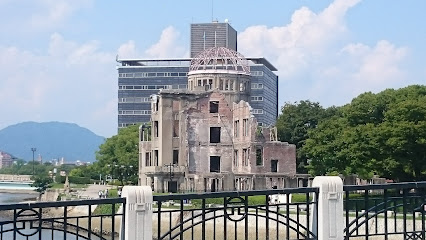
Explore the Korean Atomic Bomb Victims Cenotaph in Hiroshima, a poignant memorial dedicated to peace and remembrance of those lost during the atomic bombing.
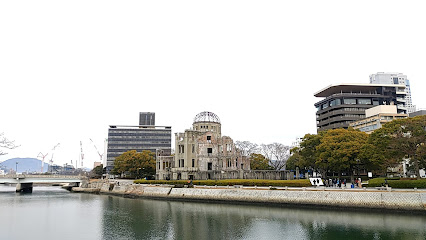
Hiroshima Prefectural Industrial Promotion Hall (Atomic Bomb Dome) Atomic bomb damage information board
0.1 km
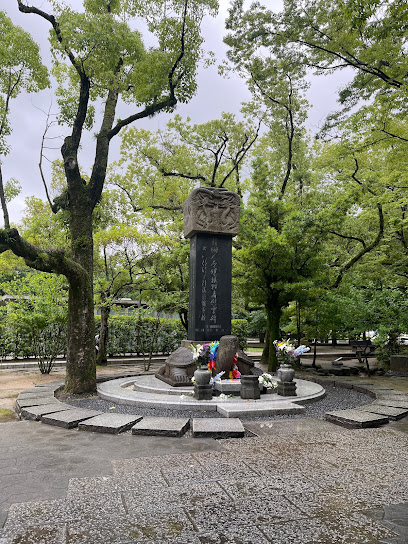
A haunting reminder of nuclear devastation and a symbol of enduring hope for world peace in Hiroshima's Peace Memorial Park.
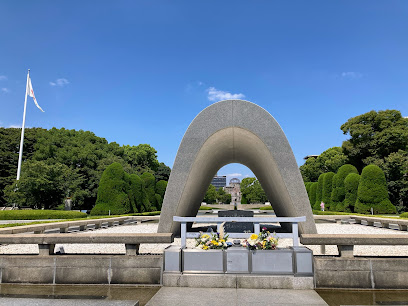
Pond of Peace
0.1 km
Reflect on peace and remember history at Hiroshima's serene Pond of Peace, a symbol of hope and remembrance in the heart of the city.
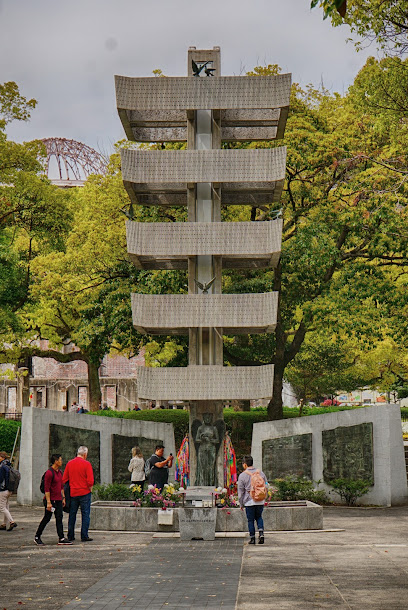
Memorial Tower Dedicated to Mobilized Students
0.1 km
Explore the Memorial Tower in Hiroshima, a significant historical landmark honoring the students lost during World War II, and reflect on the impact of war.
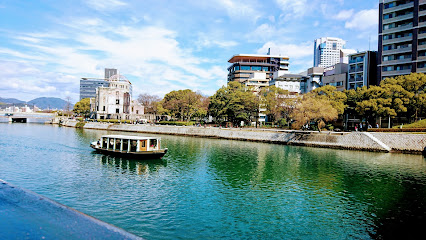
Hiroshima World Heritage River Cruise
0.1 km
Discover Hiroshima's iconic landmarks from a unique vantage point on a relaxing river cruise, blending history and scenic beauty.
Hiroshima Prefectural Industrial Promotion Hall (Atomic Bomb Dome) Fountain Ruins
0.1 km
Reflect on history at the Atomic Bomb Dome Fountain Ruins, a poignant symbol of peace and remembrance in Hiroshima's Peace Memorial Park.
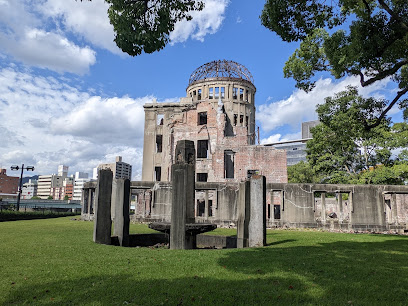
The Atom bomb struck Jizōson
0.2 km
Reflect on Hiroshima's history at the Atom Bomb Struck Jizōson, a symbol of peace and resilience in the face of devastation.
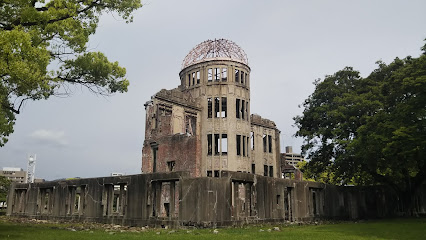
Hypocenter
0.2 km
A somber memorial marking the point directly below the atomic bombing, a place for reflection and remembrance in Hiroshima.
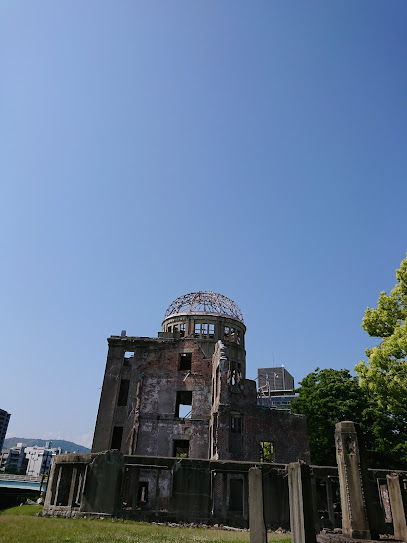
1-chōme-5-3 Ōtemachi
0.3 km
Explore Hiroshima's Ōtemachi: Where modern architecture meets historical significance in the heart of the city.
(公財)広島観光コンベンションビューロー 企画総務部・MICE推進部
0.3 km
Discover the Hiroshima Foundation for Peace, a beacon of hope and resilience dedicated to promoting peace and understanding through its impactful exhibitions.
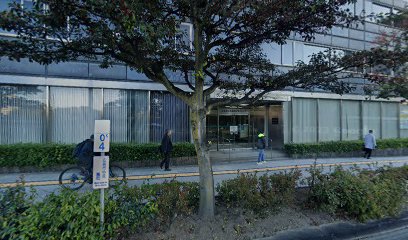
一般社団法人広島県観光連盟
0.3 km
Explore the heart of Hiroshima's culture at the Association of Hiroshima, a gateway to art, history, and community experiences.
Hiroshima Municipal High School Atomic Bomb Cenotaph
0.4 km
A memorial to Hiroshima's lost students, symbolizing peace and resilience near Peace Memorial Park.
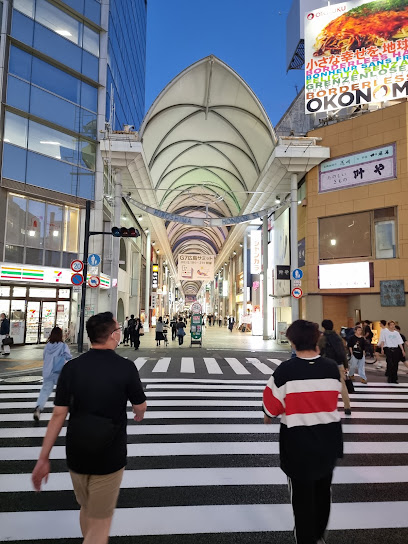
Hondori Shopping Street
0.4 km
Explore the vibrant Hondori Shopping Street in Hiroshima, a bustling hub of culture, shopping, and delectable local cuisine.
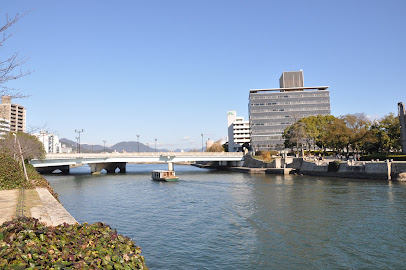
Peace Bridge
0.4 km
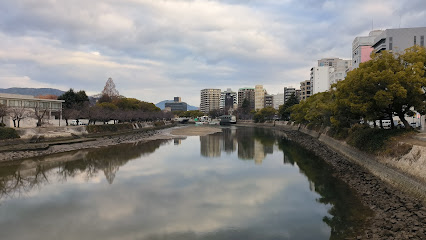
Walk across Peace Bridge in Hiroshima, a symbolic gateway to Peace Memorial Park and a poignant reminder of hope and resilience.
Unmissable attractions to see

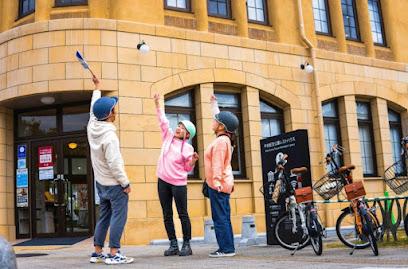
Sokoiko!
0.1 km
Explore Hiroshima with Sokoiko!, your trusted travel agency for unforgettable tours and experiences in this historic city.
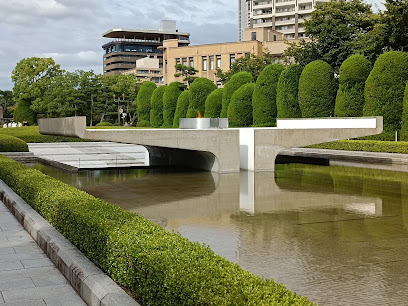
Flame of Peace
0.1 km
Explore the Flame of Peace in Hiroshima, where history meets hope in a serene setting dedicated to peace and resilience.
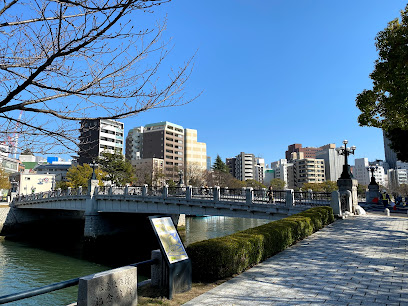
Motoyasu Bridge
0.1 km
Experience the beauty and historical significance of Motoyasu Bridge in Hiroshima, a vital link to the city’s past and present.
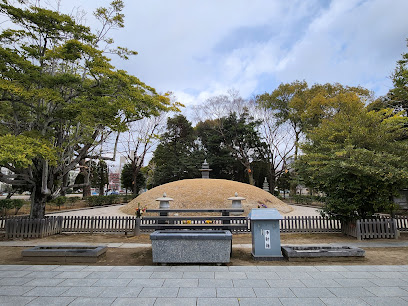
Atomic Bomb Memorial Burial Mound
0.1 km
Discover Hiroshima's poignant past at the Atomic Bomb Memorial Burial Mound, a site of remembrance and peace that speaks to resilience and hope.
Peace Kannon Statue
0.1 km
Explore the Peace Kannon Statue in Hiroshima, a breathtaking sculpture symbolizing peace and resilience in a city marked by history.
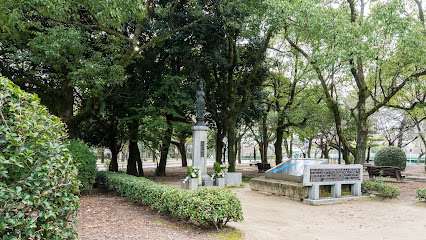
Prayer For Peace Memorial Statue
0.1 km
Discover the Prayer For Peace Memorial Statue in Hiroshima, a poignant tribute symbolizing hope and resilience in the pursuit of global peace.
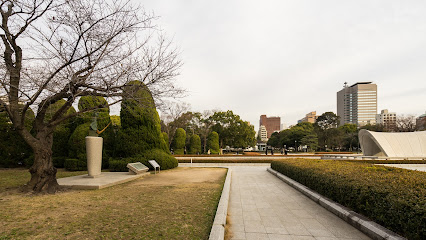
Monument of Prayer
0.1 km
Explore the Monument of Prayer in Hiroshima, a serene memorial symbolizing hope, resilience, and the enduring human spirit amidst a rich historical backdrop.
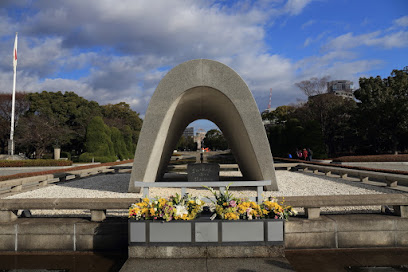
Hiroshima Victims Memorial Cenotaph
0.1 km
Explore the Hiroshima Victims Memorial Cenotaph, an essential symbol of peace and resilience in the heart of Hiroshima's historic Peace Memorial Park.
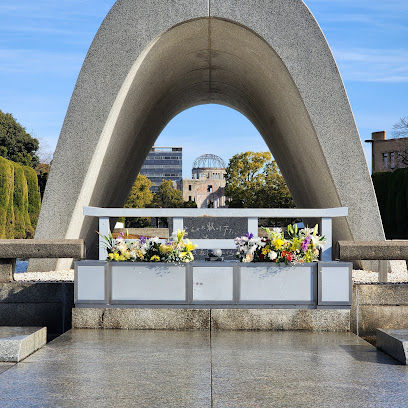
Hiroshima National Peace Memorial Hall for the Atomic Bomb Victims
0.1 km
Explore the Hiroshima National Peace Memorial Hall, a poignant tribute to the victims of the atomic bomb and a beacon for peace and remembrance.
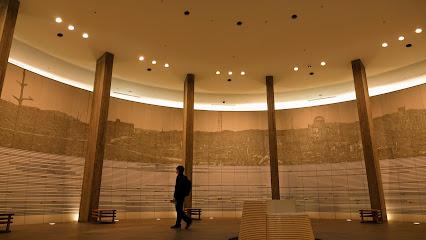
Clock Tower of Peace
0.1 km
Discover resilience and beauty at the Clock Tower of Peace in Hiroshima, a symbol of hope and tranquility in the heart of the city.
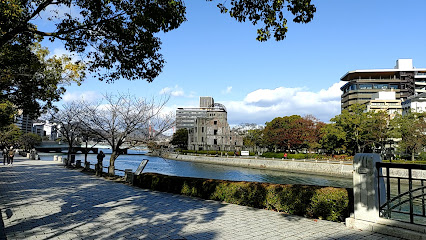
Atomic Bomb Dome
0.2 km
Visit the Atomic Bomb Dome, a UNESCO World Heritage Site in Hiroshima, reflecting on peace, resilience, and the profound impact of history.
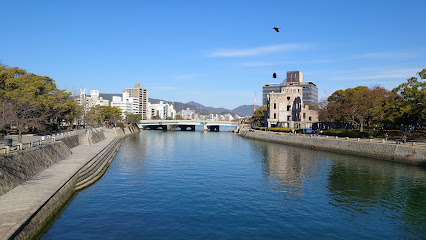
Peace Memorial Park - Hiroshima
0.2 km
Discover the profound history and unwavering spirit of Hiroshima at the Peace Memorial Park, a place of reflection and hope for peace.
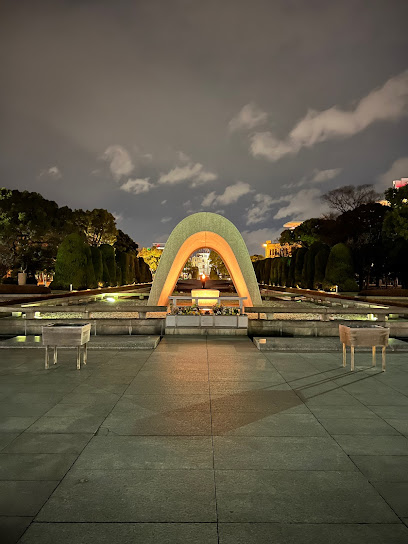
Saikoji
0.2 km
Discover the serene beauty of Saikoji, a historic Buddhist temple in Hiroshima, where tranquility meets cultural heritage.
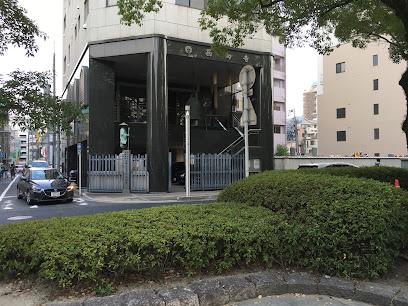
A-Bomb victim-The monument of Hiroshima
0.2 km
Visit the A-Bomb Victim Monument in Hiroshima, a poignant memorial reflecting on peace, resilience, and the impact of history.
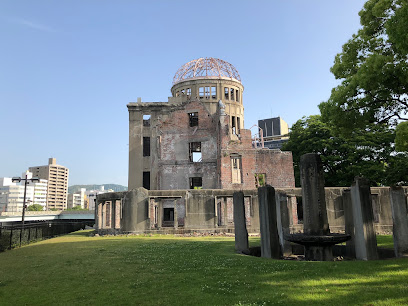
Sankichi Tōge Memorial Monument
0.2 km
Explore the profound history and resilience embodied in the Sankichi Tōge Memorial Monument in Hiroshima, a must-visit for peace and history enthusiasts.
Essential places to dine

Caffè Ponte
0.1 km
Experience authentic Italian cuisine at Caffè Ponte in Hiroshima – where every meal is a celebration of flavor.
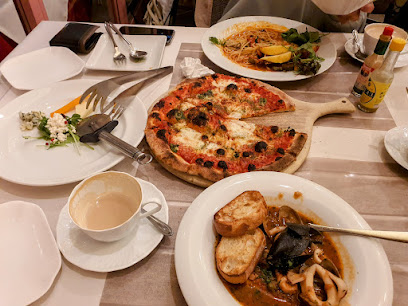
Nagataya
0.2 km
Discover the rich flavors of Hiroshima-style okonomiyaki at Nagataya – where tradition meets taste in every delicious bite.
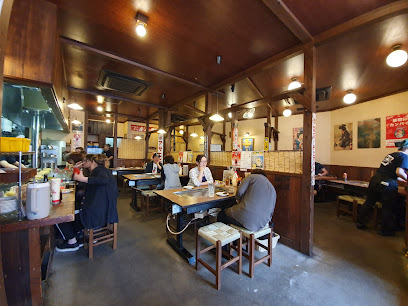
Ekohiiki
0.2 km
Experience the vibrant izakaya culture at Ekohiiki in Hiroshima—savor traditional Japanese cuisine with friends and family.
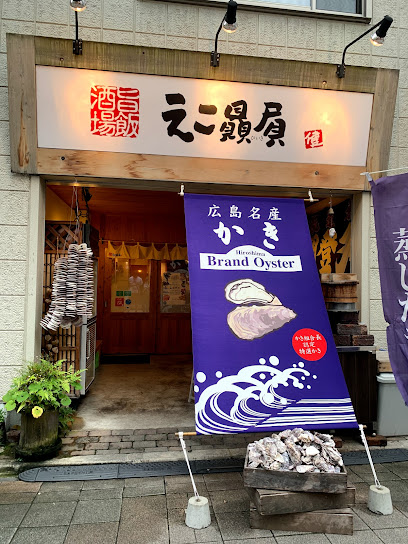
Aohige
0.2 km
Discover Aohige in Hiroshima - where succulent steaks meet authentic Teppanyaki experience in a warm and inviting atmosphere.
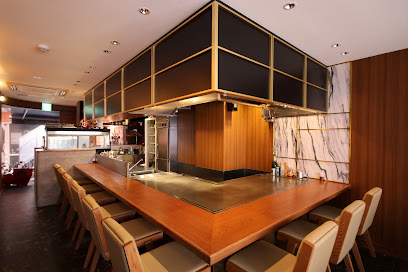
Tsukiakari
0.2 km
Experience authentic Japanese cuisine at Tsukiakari in Hiroshima, featuring kaiseki meals, tempura, seafood delights, and exquisite confectioneries.
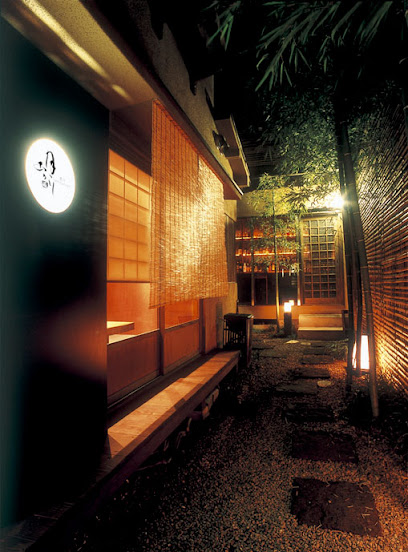
Hiroshima Shutendoji
0.3 km
Experience authentic Japanese cuisine at Hiroshima Shutendoji – where every meal tells a story through flavor.
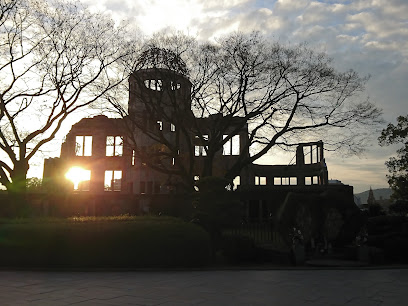
Nonta-sushi Kamiyacho
0.3 km
Experience authentic conveyor belt sushi at Nonta-sushi Kamiyacho in Hiroshima – where freshness meets tradition.
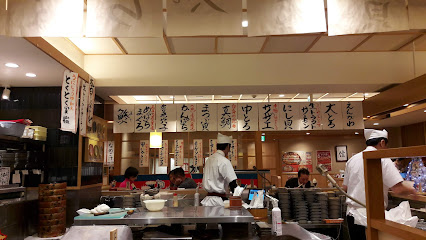
Okonomiyaki Teppan-yaki Momiji-Tei
0.3 km
Experience authentic Hiroshima-style okonomiyaki at Momiji-Tei - where every dish is a flavorful adventure.
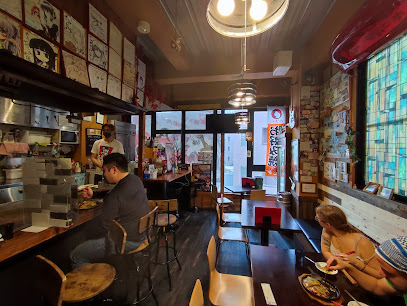
Ichiran Hiroshima Hondori shop
0.3 km
Discover the authentic taste of Japan at Ichiran Hiroshima Hondori – home to exquisite tonkotsu ramen and unique dining experiences.
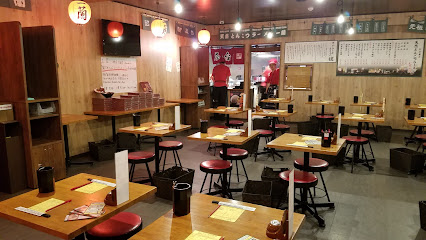
Parco della Pace
0.3 km
Experience authentic Italian pizza at Parco della Pace in Hiroshima – where every bite transports you straight to Italy!
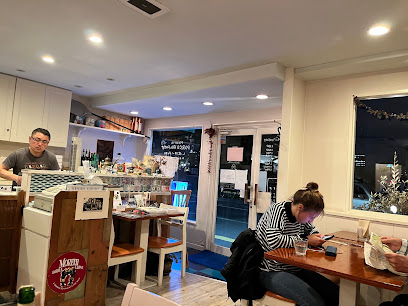
KeMBY's Brew Pub
0.4 km
Experience the vibrant flavors at KeMBY's Brew Pub in Hiroshima – where delicious burgers meet craft beer in a lively atmosphere.
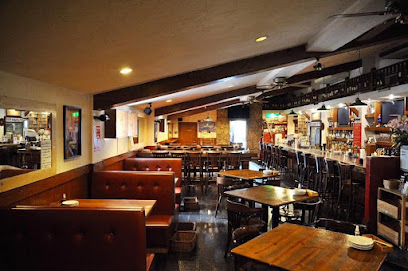
Ristorante Mario
0.4 km
Experience authentic Italian cuisine at Ristorante Mario in Hiroshima—where every dish tells a story of flavor and tradition.
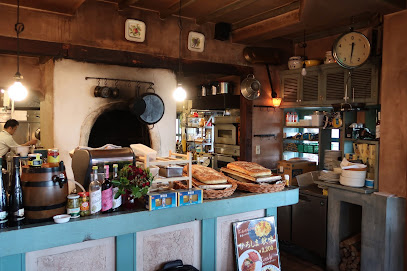
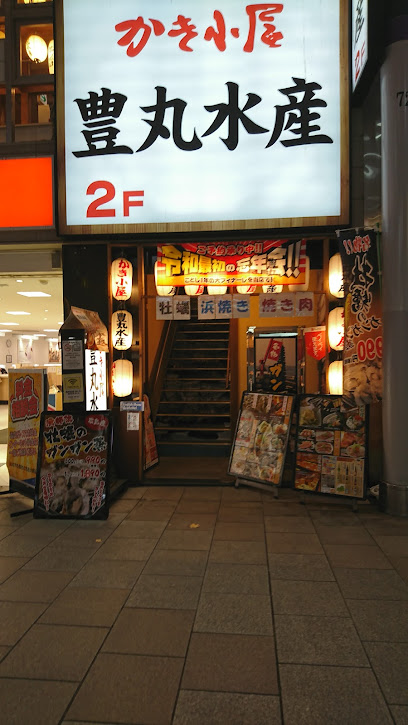
Kaki-goya Kaisenizakaya Toyomaru Suisan Hiroshima Hondori Branch
0.4 km
Savor authentic Japanese seafood and sushi at Kaki-goya Kaisenizakaya Toyomaru Suisan in Hiroshima's lively Hondori district.
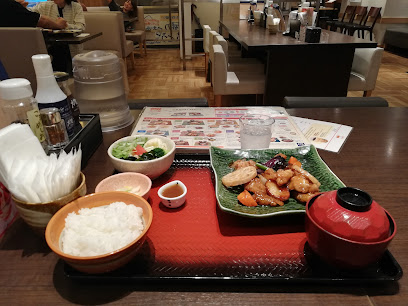
Ootoya Hiroshima Hondori Branch
0.5 km
Experience authentic Japanese cuisine at Ootoya Hiroshima Hondori Branch – a delightful blend of tradition and flavor awaits you.
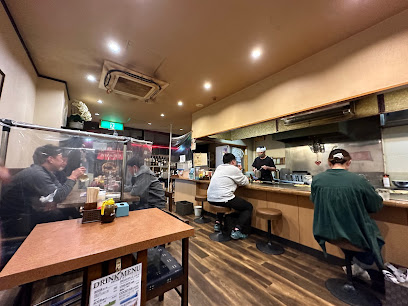
Okonomiyaki Mitsu
0.5 km
Experience the authentic flavors of Hiroshima at Okonomiyaki Mitsu – where traditional Japanese cuisine meets modern culinary artistry.
Markets, malls and hidden boutiques

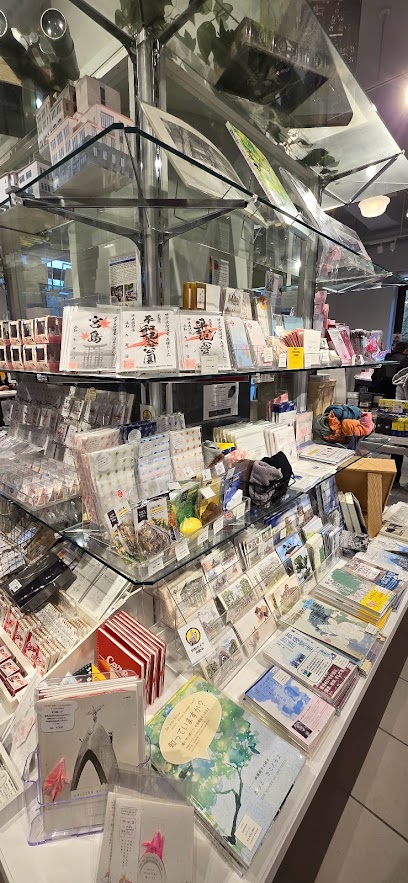
Negozio souvenirs
0.0 km
Discover unique gifts and authentic memorabilia at Negozio Souvenirs in Hiroshima, capturing the city's rich history and culture.
Yellow Submarine Hiroshima Shop
0.2 km
Explore a vibrant hobby haven in Hiroshima, where collectibles and creativity come together at Yellow Submarine Shop.
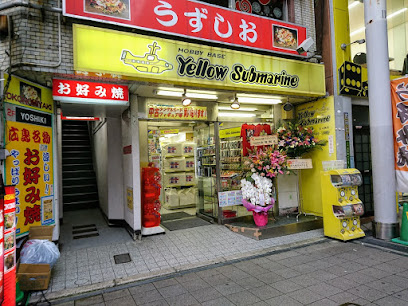
Animate Hiroshima
0.3 km
Explore the vibrant world of anime and manga at Animate Hiroshima, your ultimate destination for Japanese pop culture treasures.
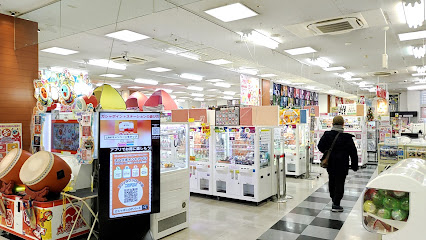
KASHOENブティック広島
0.3 km
Discover unique gifts and beauty treasures at KASHOEN Boutique in Hiroshima, where tradition meets modern elegance.
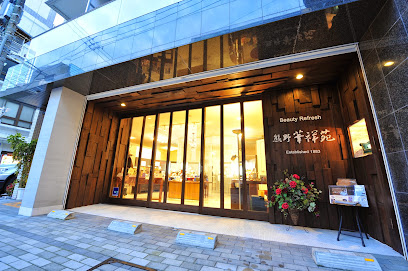
Sunmall
0.3 km
Explore Sunmall, Hiroshima's premier shopping destination offering a mix of local and international brands, delightful dining options, and cultural events.
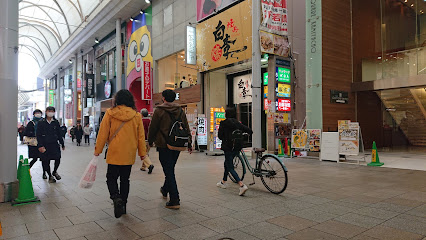
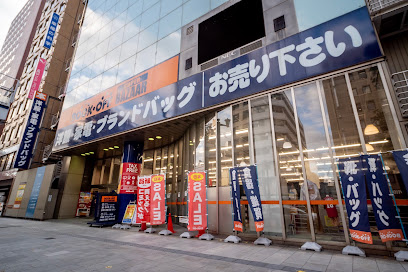
BOOKOFF SUPER BAZAAR Hiroshima Otemachi Store
0.4 km
Explore the eclectic world of used books, DVDs, and collectibles at Hiroshima's BOOKOFF SUPER BAZAAR, where every visit is a new adventure.
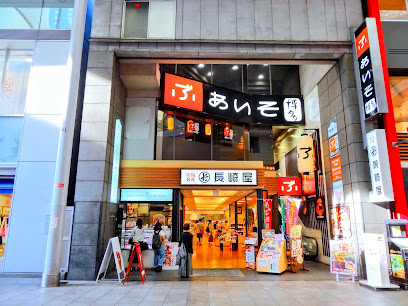
Nagasakiya
0.4 km
Discover unique souvenirs and local treasures at Nagasakiya, a charming store in Hiroshima's Hondori district, perfect for travelers seeking authentic gifts.
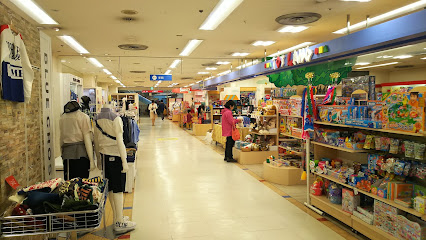
SOGO Hiroshima Store
0.5 km
Discover shopping bliss at SOGO Hiroshima Store, where fashion, food, and local treasures await in the heart of the city.
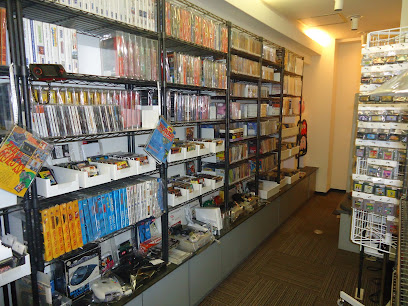
Anaya
0.5 km
Immerse yourself in the vibrant gaming culture at Anaya, Hiroshima's premier game store with an extensive selection of games and collectibles.
Sanrio Gift Gate
0.5 km
Explore the magical world of Sanrio Gift Gate in Hiroshima, where adorable characters and unique souvenirs await every visitor.
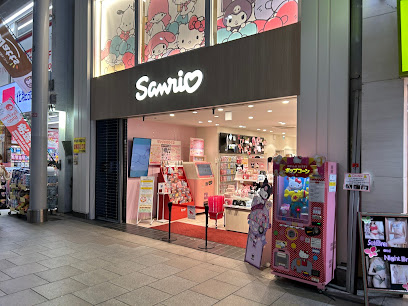
Seikatsu Saika
0.6 km
Discover the ultimate convenience store in Hiroshima, Seikatsu Saika, where local flavors meet your daily needs in one perfect location.
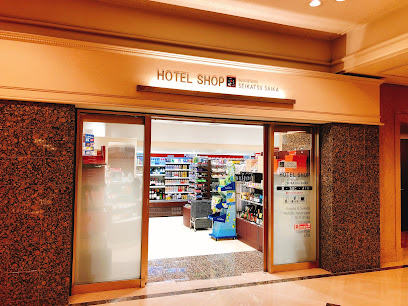
BIG TIME Hiroshima
0.6 km
Explore BIG TIME Hiroshima – a vintage clothing store where fashion history comes alive with unique finds and timeless treasures.
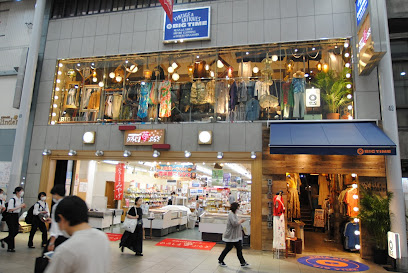
Yume Plaza
0.6 km
Explore Yume Plaza in Hiroshima, where unique souvenirs and local delicacies come together to create unforgettable memories of Japan.
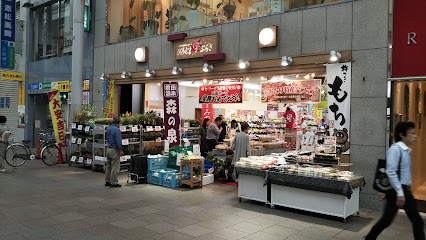
ドリームマーケット広島店
0.7 km
Experience the vibrant shopping scene at Dream Market Hiroshima, where unique finds and unbeatable prices await in the heart of the city.
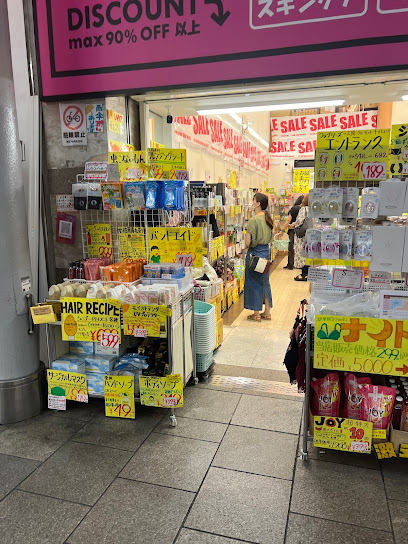
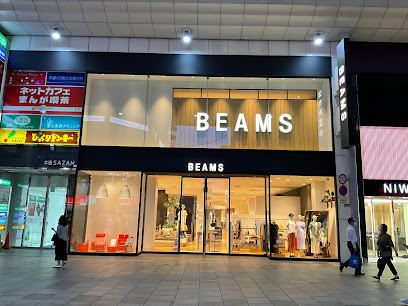
BEAMS HIROSHIMA
0.7 km
Explore BEAMS Hiroshima for a unique blend of contemporary Japanese fashion and accessories, perfect for every style-conscious traveler.
Essential bars & hidden hideouts

Uluru
0.3 km
Discover the majestic beauty and cultural significance of Uluru, a UNESCO World Heritage Site in the heart of Australia, perfect for nature lovers and adventurers.
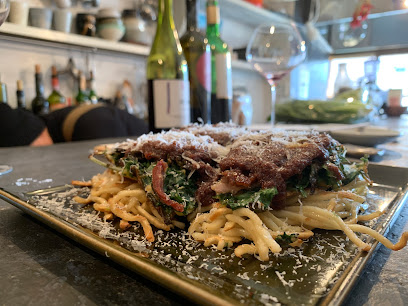
Hiroshima Hop's
0.4 km
Experience the vibrant flavors of Hiroshima at Hiroshima Hop's, where local beers and traditional izakaya dishes create unforgettable memories.
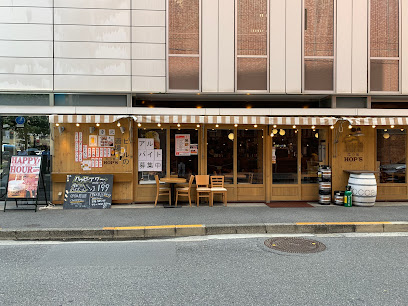
hangout
0.5 km
Experience the best of Hiroshima's craft beer scene at Hangout, where delicious burgers meet a diverse selection of brews.
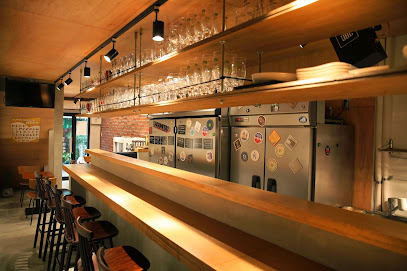
Bar the Lounge Top Note (ザ ラウンジ トップノート 別館)
0.5 km
Discover the art of mixology at Bar the Lounge Top Note, where local flavors meet cocktail elegance in the heart of Hiroshima.
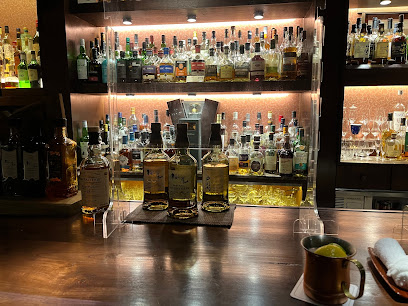
Lobby Side Bar Hiroshima
0.5 km
Discover the charm of Lobby Side Bar Hiroshima, where exquisite drinks and a cozy ambiance create the perfect evening escape.
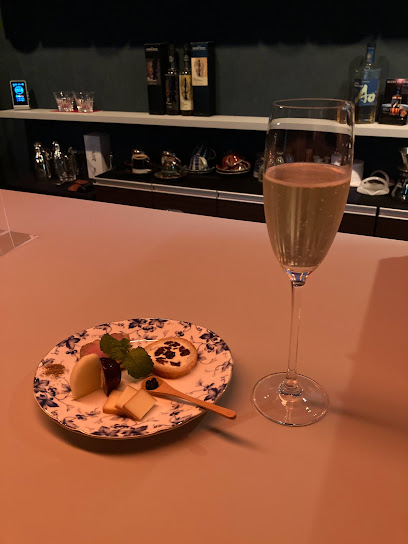
The Bar Top Note Ⅲ
0.5 km
Experience the lively atmosphere and exquisite drink selection at The Bar Top Note Ⅲ in Hiroshima's vibrant nightlife hub.
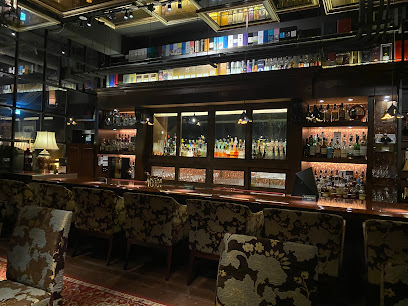
Lemon Stand Hiroshima (Lemon sour, Craft beer, Raw oyster, Curry, Natural wine)
0.6 km
Savor the best of Hiroshima at Lemon Stand, where fresh oysters meet craft beer and natural wines in a cozy, inviting atmosphere.
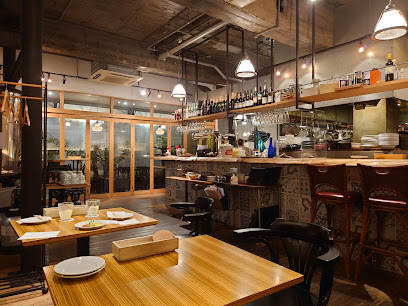
Rihga Top
0.6 km
Discover the exquisite dining experience at Rihga Top, where traditional Japanese flavors meet international culinary artistry in the heart of Hiroshima.
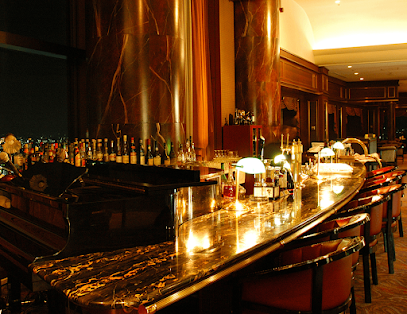
PUB and BAR PIC
0.7 km
Discover the vibrant nightlife of Hiroshima at PUB and BAR PIC, where great drinks and a lively atmosphere await you.
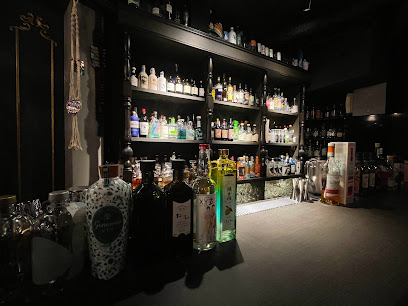
Bar Corton
0.7 km
Discover Bar Corton in Hiroshima for an unforgettable night filled with lively atmosphere and exceptional drinks.
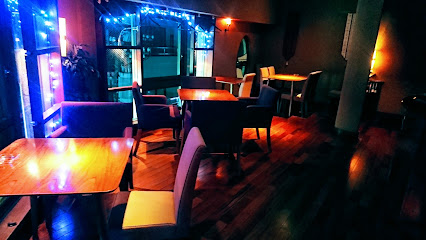
Mac Bar
0.7 km
Discover the charm of Hiroshima at Mac Bar, where a cozy atmosphere meets an extensive drink selection in the heart of Japan.
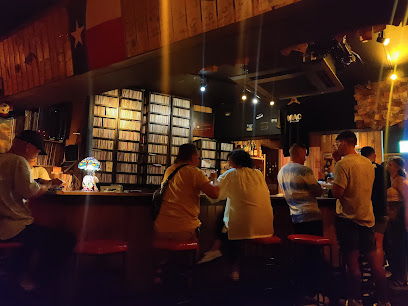
HACHIRO'S BAR AND CAFE
0.7 km
Discover Hachiro's Bar and Cafe - a cozy spot in Hiroshima blending traditional vibes with modern flavors, perfect for relaxation and local tastes.
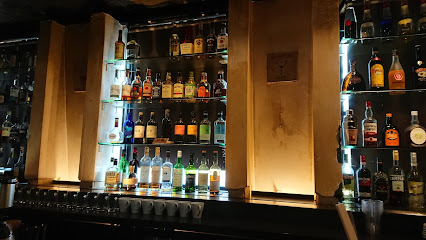
SHACK
0.8 km
Discover the ultimate grilling experience at SHACK, where Hiroshima's flavors come alive in a vibrant and inviting atmosphere.
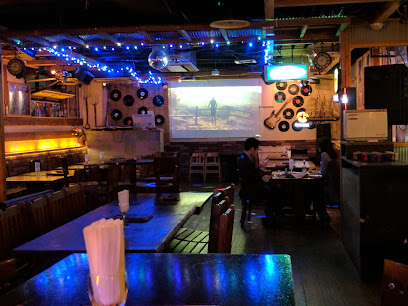
The Smith Lab
0.8 km
Experience the vibrant nightlife of Hiroshima at The Smith Lab, a premier bar offering unique cocktails and a lively atmosphere.
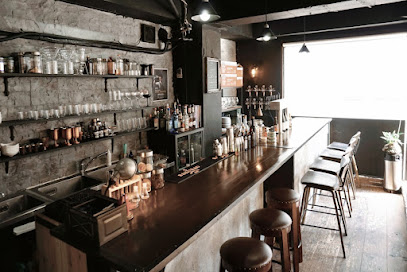
FOOD&SPORTS BAR &DART Jenny’s ジェニーズ
0.8 km
Experience the thrill of sports and delightful cuisine at FOOD&SPORTS BAR &DART Jenny’s in Hiroshima - the ultimate destination for fun and flavor.
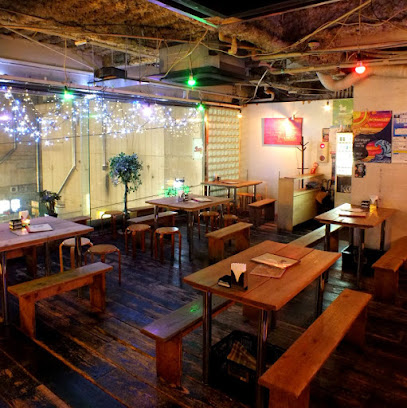
Nightclubs & after hour spots

クラブHAW(ハウ)
1.0 km
Dive into the vibrant nightlife of Hiroshima at Club HAW, where electrifying music and a lively atmosphere await every night.
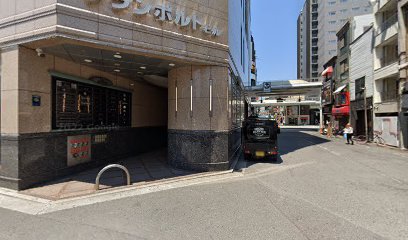
スタンドHIRO
1.1 km
Discover the thrilling nightlife at スタンドHIRO, Hiroshima's vibrant night club offering an unforgettable blend of music, dance, and culture.
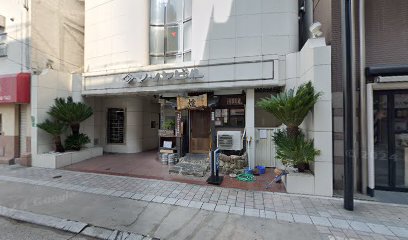
Girl's Bar Hot Hips
1.1 km
Discover the enchanting nightlife of Hiroshima at Girl's Bar Hot Hips, where friendly service and vibrant ambiance await every visitor.
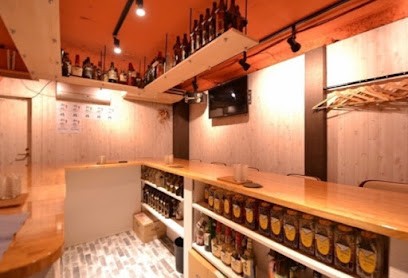
CLUB L2 広島
1.1 km
Discover the electrifying nightlife at CLUB L2 Hiroshima, where music, dancing, and unforgettable memories come together.
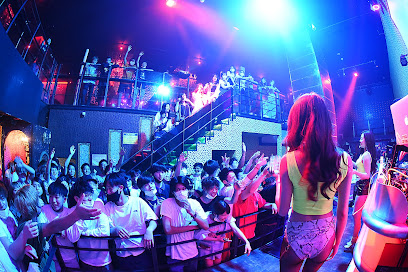
Nightclub【LAGOON HIROSHIMA】
1.1 km
Discover the electrifying nightlife of Hiroshima at LAGOON HIROSHIMA, where music and dance come alive in an unforgettable setting.
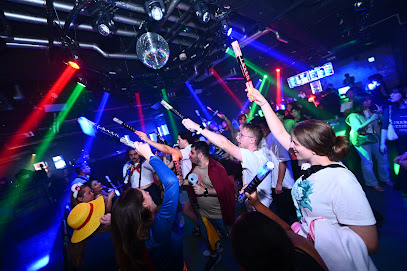
CLUB A-1
1.1 km
Discover the electrifying nightlife of Hiroshima at CLUB A-1, where music and energy come alive in a stylish setting.
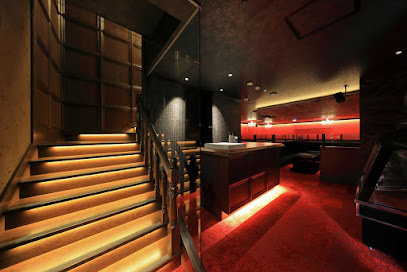
ONE NIGHT CARNIVAL
1.1 km
Discover the electrifying nightlife at One Night Carnival in Hiroshima, where unforgettable music and vibrant energy create the ultimate party experience.
New Club Hiroshimarikyu
1.1 km
Unleash your spirit and dance the night away at New Club Hiroshimarikyu, Hiroshima's ultimate nightlife destination.
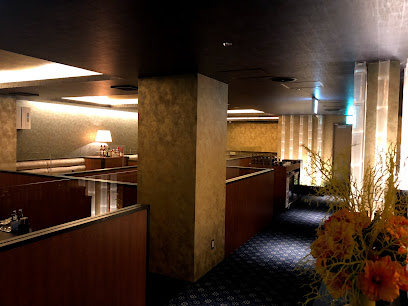
Kurabubaronhiroshima
1.2 km
Experience the vibrant nightlife of Hiroshima at Kurabubaronhiroshima, where music, dancing, and fun await you in a modern club atmosphere.
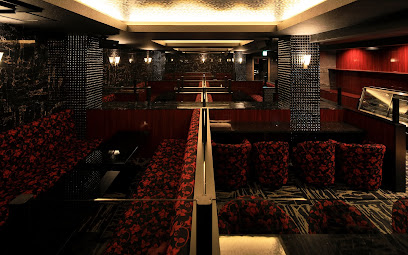
BAR KING
1.2 km
Discover the electrifying nightlife of Hiroshima at Bar King, a night club that promises unforgettable experiences and lively entertainment.
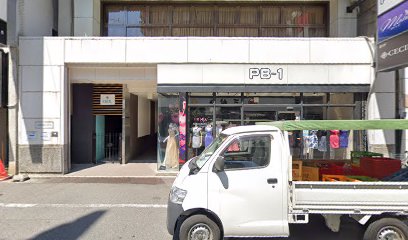
矢沢スタンドサンタ
1.2 km
Unleash your inner star at Yazawa Stand Santa, Hiroshima's liveliest karaoke bar featuring an extensive song selection and a fun-loving crowd.
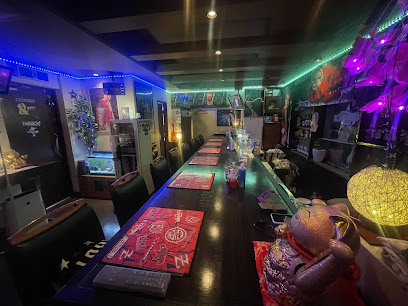
Club cream
1.2 km
Discover the electrifying atmosphere of Club Cream, Hiroshima's top live music venue, where unforgettable nightlife awaits.
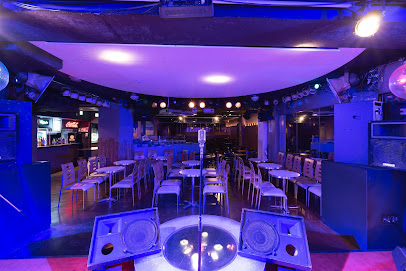
Mars Petcare
1.2 km
Discover the electric nightlife of Hiroshima at Mars Petcare, where unforgettable parties and vibrant energy come alive every night.
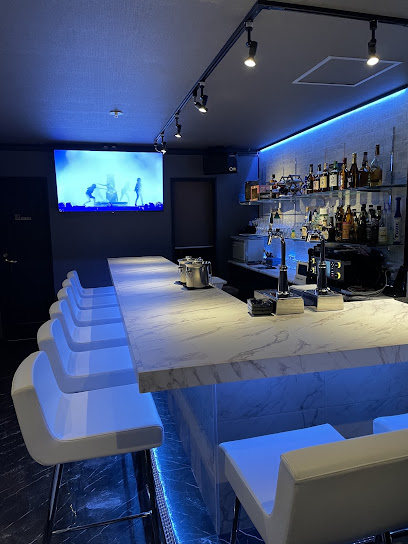
UNICO(ウニコ流川)広島
1.3 km
Dive into the energetic nightlife of Hiroshima at UNICO, where cabaret charm meets vibrant social scenes for an unforgettable evening.
WunderBar Stevie's (ワンダバー スティーヴィーズ)
1.3 km
Experience the vibrant nightlife of Hiroshima at WunderBar Stevie's, a lively night club and bar offering an eclectic atmosphere and diverse drink selections.