Best Landmarks in Iki
Planning a trip to Iki? Discover the best landmarks in Iki with history, expert tips, and routes. Free on web or the Evendo app.


The best landmarks in Iki
- Top rated
- Closest to the centre
- A–Z
95 landmarks
-
Shinto shrine4.6★70,318 reviews
Fushimi Inari Taisha
Fushimi Inari Taisha is a captivating Shinto shrine in Kyoto, famed for its thousands of vibrant vermilion torii gates that wind up Mount Inari. Dedicated to Inari, the god of rice and prosperity, it offers a unique and enchanting hiking experience through a seemingly endless tunnel of traditional gates.
Open 24 hours
-
Observation deck4.4★89,852 reviews
Tokyo Skytree
Rising above Tokyo's skyline, the Skytree is a modern broadcasting and observation tower offering panoramic views of the city and beyond. Standing at 634 meters, it's the tallest structure in Japan and a symbol of the city's blend of tradition and modernity.
Mon–Fri 10:00–22:00 · Sat–Sun 9:00–22:00
-
Observation deck4.5★75,523 reviews
Tokyo Tower
Tokyo Tower, an iconic symbol of Japan's post-war rebirth, stands tall in the Minato district. Inspired by the Eiffel Tower, this 333-meter structure offers panoramic city views from its observation decks and houses various attractions, including shops, restaurants, and entertainment facilities.
Daily 9:00–22:30
-
Castle4.4★71,661 reviews
Osaka Castle
Osaka Castle, a prominent landmark in Osaka, Japan, played a crucial role in the country's unification during the 16th century. Originally built in 1583 by Toyotomi Hideyoshi, it has been destroyed and rebuilt several times, with the current main tower dating back to 1931. The castle is surrounded by Osaka Castle Park, offering a blend of history and natural beauty.
Daily 9:00–17:00
-
Castle4.6★48,672 reviews
Himeji Castle
Himeji Castle, a UNESCO World Heritage Site, stands as a magnificent example of Japanese architecture and history. Known for its stunning white façade and beautiful gardens, this iconic castle attracts tourists eager to explore its rich heritage and panoramic views.
Daily 9:00–16:00
-
Buddhist temple4.5★52,603 reviews
Kinkaku-ji
Kinkaku-ji, also known as the Golden Pavilion, is a Zen Buddhist temple in Kyoto, Japan, famed for its top two floors being completely covered in gold leaf. Originally built in 1397 as a retirement villa for shogun Ashikaga Yoshimitsu, it was converted into a temple after his death. It's a stunning example of Muromachi period architecture and a UNESCO World Heritage Site.
Daily 9:00–17:00
-
Business park4.2★48,410 reviews
ABENO HARUKAS
Abeno Harukas, once Japan's tallest skyscraper, offers panoramic views of Osaka from its Harukas 300 Observatory. The building also houses a department store, art museum, and hotel, making it a multifaceted destination.
Daily 9:00–22:00
-
Business park4.2★27,904 reviews
Yokohama Landmark Tower
The Yokohama Landmark Tower, a towering symbol of Yokohama's Minato Mirai district, offers a blend of modern architecture, upscale amenities, and stunning panoramic views. Standing at 296.3 meters, it was Japan's tallest building until 2014 and remains a must-visit destination, featuring the Sky Garden observation deck, a luxury hotel, and extensive shopping and dining options.
Daily 10:00–21:00
-
Sculpture4.3★19,050 reviews
Hachikō Memorial Statue
The Hachikō Memorial Statue, located just outside Shibuya Station, commemorates Hachikō, an Akita dog celebrated for his unwavering loyalty. The statue has become a popular meeting point and a poignant reminder of devotion.
Open 24 hours
-
Observation deck4.1★17,971 reviews
Fukuoka Tower
Fukuoka Tower, standing at 234 meters, is Japan's tallest seaside tower and a prominent landmark in Fukuoka. Built in 1989, it offers panoramic views of the city and Hakata Bay from its observation decks. Its unique mirrored exterior has earned it the nickname "Mirror Sail".
Daily 9:30–22:00


Mount Fuji
Mount Fuji, or Fujisan, is Japan's iconic symbol and highest peak, standing at 3,776 meters. A dormant volcano revered for its symmetrical cone shape, it's a site of pilgrimage, artistic inspiration, and natural beauty attracting millions of visitors annually. Climbing season is from July to early September.

Dotonbori Glico Sign
The Dotonbori Glico Sign, a dazzling display in Osaka's vibrant Dotonbori district, has been a symbol of the city since 1935. Featuring a running man, it represents the Glico confectionery company and has become a beloved photo spot for tourists and locals alike.

Nidec Kyoto Tower
Rising above Kyoto Station, the Nidec Kyoto Tower offers panoramic views of the city, blending modern architecture with Kyoto's traditional landscape. It features an observation deck, shops, restaurants, and cultural experiences, making it a unique destination for tourists.
Daily 10:00–21:00

Sengan-en
Sengan-en, also known as Isoteien, is a stunning Japanese-style garden in Kagoshima, built in 1658 by the powerful Shimazu clan. It offers breathtaking views of the active Sakurajima volcano and Kagoshima Bay, incorporating them into the landscape as 'borrowed scenery'.
Daily 9:00–17:00

Glover Garden
Glover Garden is an open-air museum in Nagasaki, Japan, showcasing mansions of former foreign residents and offering stunning views of the city and harbor. It provides a glimpse into the lives of Western merchants who contributed to Japan's modernization during the Meiji Restoration.
Daily 8:00–21:30

Shibuya Scramble Crossing
Shibuya Scramble Crossing, one of the busiest pedestrian intersections in the world, is a breathtaking spectacle of urban life and a must-visit for any traveler in Tokyo. Witnessing the synchronized chaos and energy of thousands of pedestrians crossing from all directions is an experience like no other and captures the essence of Tokyo’s vibrant culture. The surrounding area is filled with towering neon signs, shopping boutiques, and trendy cafes, making it a hub for both locals and tourists alike.

Takayama Jinya
Takayama Jinya is the only remaining Edo-era government complex in Japan, offering a glimpse into the administration, policing, and judicial functions of the Tokugawa Shogunate's direct control over the Hida region. Explore well-preserved offices, interrogation rooms, and a historic rice storehouse.
Daily 9:00–17:00

Shin Umeda City
Shin Umeda City is a unique urban complex in Osaka, featuring the iconic Umeda Sky Building with its Floating Garden Observatory, offering panoramic city views. It also houses a retro-themed gourmet street and lush green spaces, blending modern architecture with natural and nostalgic elements.
Daily 9:30–22:00

Hep Five Ferris wheel
Experience breathtaking views of Osaka from the iconic Hep Five Ferris Wheel. This landmark offers a unique perspective of the city's skyline and surrounding areas, perfect for capturing memories.
Daily 11:00–22:45

Hakata Station
Hakata Station is the largest and busiest railway terminal in Kyushu, Japan, serving as a vital gateway to the island and beyond. Connecting regional, national, and Shinkansen lines with the Fukuoka subway, it's more than just a station; it's a modern hub for shopping, dining, and exploring Fukuoka.

Hōkan-ji Temple (Yasaka Pagoda)
Hōkan-ji Temple, also known as Yasaka Pagoda, is a prominent Buddhist temple in Kyoto's Higashiyama district. Its iconic five-story pagoda, standing at 46 meters, is a beloved symbol of the city and a testament to its rich history and cultural heritage.
Sat–Sun 10:00–15:00

Ebisubashi Bridge
Ebisubashi Bridge, located in Osaka's vibrant Dotonbori district, is a popular landmark and meeting spot known for its lively atmosphere and the iconic Glico running man sign. The bridge offers stunning views of the Dotonbori Canal and is a gateway to the area's bustling nightlife and culinary scene.

Rainbow Bridge
The Rainbow Bridge, an iconic suspension bridge in Tokyo, connects the mainland to the vibrant, man-made island of Odaiba. Completed in 1993, it offers stunning panoramic views of the Tokyo skyline and bay, especially when illuminated at night.
Daily 9:00–21:00

Hozen-ji Temple
Escape the vibrant chaos of Dotonbori at Hozen-ji Temple, a small Buddhist temple established in 1637. Known for its moss-covered Fudo-Myoo statue, affectionately called 'Mizukake Fudo,' visitors splash water on the statue to wish for good luck, creating a unique and serene atmosphere.
Open 24 hours

Lockheart Castle
Relocated from Scotland, Lockheart Castle is a unique theme park in Gunma, Japan, offering a slice of European history and romance. Explore the castle's museums, gardens, and charming townscape, and even dress up in period costumes for a memorable experience.
Daily 9:00–17:00

Hiroshima Orizuru Tower
Hiroshima Orizuru Tower stands as a symbol of resilience and transformation, inviting travelers to experience breathtaking views of the city while reflecting on its poignant history. This iconic tower is a must-visit for anyone exploring Hiroshima.
Daily 10:00–18:00

Katsura Imperial Villa
Katsura Imperial Villa is a serene escape in Kyoto, exemplifying Japanese architecture and garden design. Completed in 1645 for the Imperial Family, it features meticulously landscaped grounds with teahouses and a central pond, offering a glimpse into the refined aesthetics of the Edo period.

SUNSHINE 60 OBSERVATORY TENBOU-PARK
Located atop the Sunshine 60 Building in Ikebukuro, the Tenbou-Park observatory offers panoramic views of Tokyo from 251 meters above sea level. Reopened in April 2023, this indoor park combines a 360° view with a relaxing, vegetated area, making it a unique destination for families and couples.
Daily 10:00–22:00

Taiyō Park
Taiyō Park is a vibrant theme park in Himeji, Japan, offering an array of thrilling rides, beautiful gardens, and family-friendly attractions, making it a perfect destination for tourists seeking adventure and fun.
Mon–Fri 10:00–18:00 · Sat–Sun 9:00–18:00

Kobe Muslim Mosque
The Kobe Muslim Mosque, Japan's first mosque, stands as a testament to the early presence of Islam in Japan and the resilience of Kobe's Muslim community. Built in 1935, it has survived war, earthquakes, and confiscation, becoming a symbol of hope and cultural significance. Its Indo-Islamic architectural style, designed by Czech architect Jan Josef Švagr, makes it a unique landmark in Kobe's Kitano-cho district.
Daily 10:00–19:00

Tokyo Skytree Observation Deck
Rising 634 meters, the Tokyo Skytree is Japan's tallest structure and a prominent broadcasting and observation tower. Opened in 2012, it offers stunning panoramic views of Tokyo and beyond from its two observation decks, along with a vibrant shopping and entertainment complex at its base.
Daily 10:00–22:00

Mint Museum
Located on the grounds of the Osaka Mint Bureau, the Mint Museum offers a fascinating look into the history of Japanese currency and the minting process. Housed in a historic Meiji-era building, the museum showcases a vast collection of coins, medals, and minting equipment.
Mon–Tue 9:00–16:45 · Thu–Sun 9:00–16:45

Zenkoku-ji Temple
Zenkoku-ji Temple, also known as Bishamonten, is a vibrant Buddhist temple in Kagurazaka, Tokyo. Founded in 1595 by Tokugawa Ieyasu, it moved to its current location in 1792 and has since become a beloved symbol of the neighborhood. Dedicated to Bishamonten, one of the Seven Lucky Gods, the temple offers a serene escape with its beautiful architecture and rich history.
Daily 9:00–17:00

Goshikizuka Tumulus
Explore the Goshikizuka Tumulus, a keyhole-shaped burial mound dating back to the late 4th century, offering panoramic views of the Akashi Strait and a glimpse into Japan's Kofun period. It is the largest burial mound in Hyogo Prefecture.
Tue–Sun 9:00–17:00

Hōhei Kan
The Hōhei Kan, a beautifully preserved historical building in Sapporo's Nakajima Park, offers a unique glimpse into the Meiji era. Originally built in 1880 as a hotel for foreign engineers and dignitaries, it later hosted Emperor Meiji. Today, it functions as a museum and wedding venue, showcasing a blend of American and European architectural styles.
Daily 9:00–17:00

Children's Peace Monument
The Children's Peace Monument in Hiroshima's Peace Memorial Park is a poignant tribute to Sadako Sasaki and all child victims of the atomic bombing. Erected in 1958, it stands as a symbol of peace and a reminder of the devastating consequences of war.
Open 24 hours

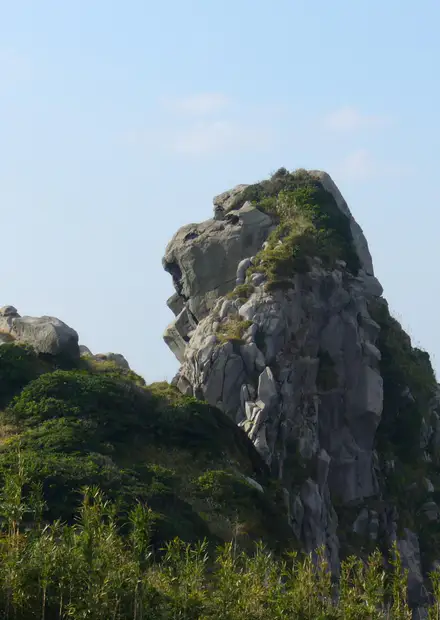
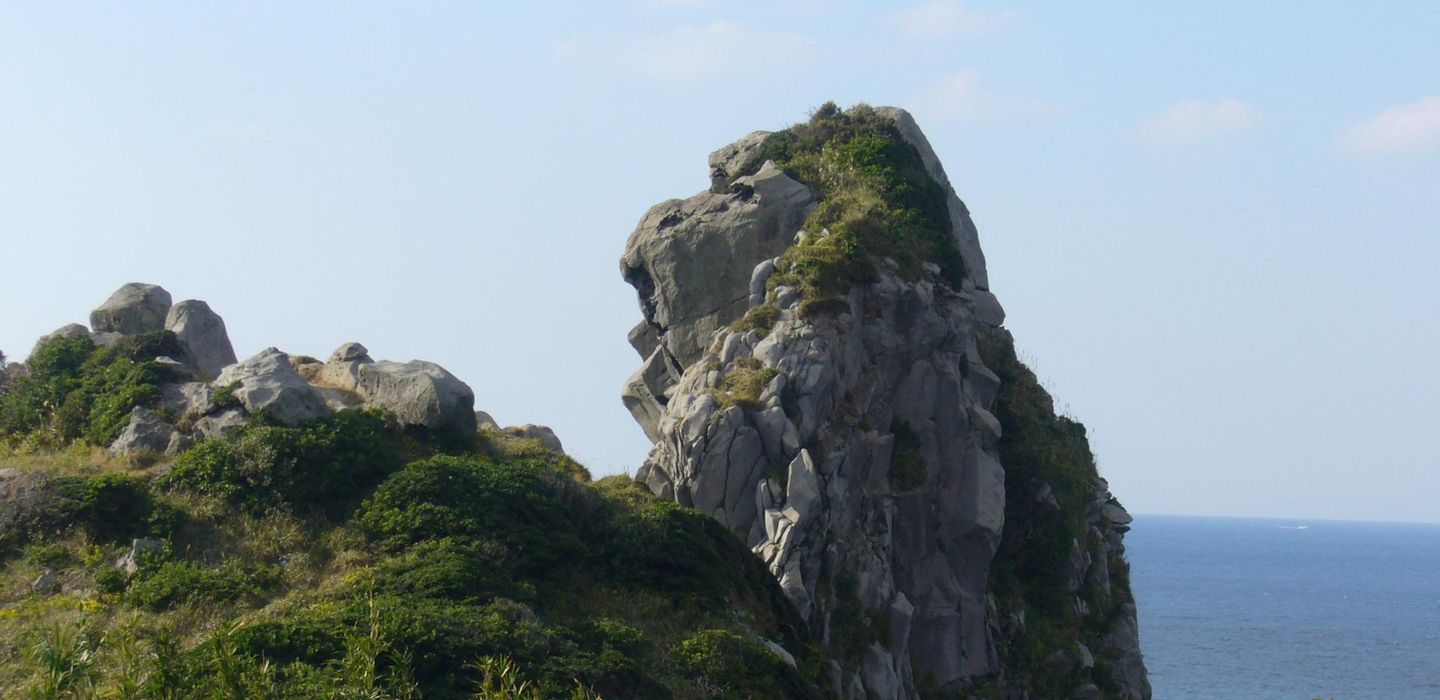
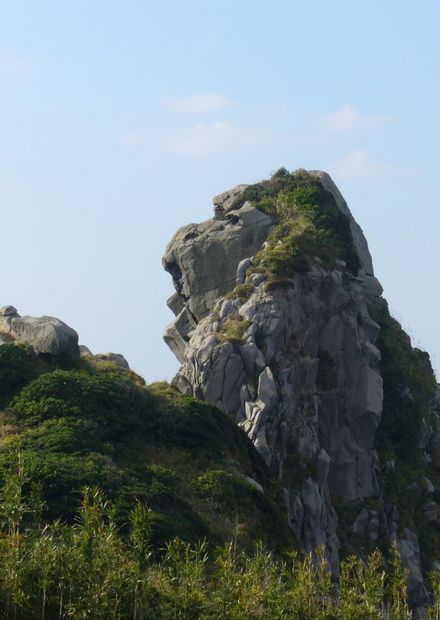
Saruiwa (Monkey Rock)
Saruiwa, or Monkey Rock, is a natural basalt rock formation on Iki Island, Japan, sculpted by the elements into the likeness of a monkey gazing out to sea. This iconic landmark is steeped in local legend, believed to be one of eight pillars used by the gods to secure the island.
Open 24 hours

Ikikoku Museum (Nagasaki Prefecture Buried Cultural Property Center)
The Ikikoku Museum on Iki Island showcases the island's rich history as a vital link between Japan and mainland Asia. Explore artifacts from archaeological sites, interactive exhibits, and a diorama depicting ancient life in Iki, offering a fascinating glimpse into the island's past.
Daily 8:45–17:30

Shofukuji
Shofukuji Temple, founded in 1195 by Eisai, is Japan's first Zen temple, located in Fukuoka's Hakata district. Visitors can explore the tranquil grounds, observe the traditional Zen architecture, and experience a sense of calm. Though the buildings are not accessible, the temple offers a serene escape from the city.
Daily 8:00–17:00

Kanmangafuchi Abyss
Kanmangafuchi Abyss is a scenic gorge carved by the Daiya River in Nikko, Japan, featuring a riverside walking trail and about 70 Jizo statues, known as Bake Jizo or Ghost Jizo, that are said to protect travelers and children. The number of statues is rumored to change each time they are counted.
Open 24 hours
Sofuku-ji
Sofukuji Temple, founded in 1629, offers a unique glimpse into Chinese Buddhist architecture in Nagasaki. Built by Chinese residents, it stands apart from traditional Japanese temples with its vibrant red facade, intricate carvings, and historical artifacts, providing a serene escape and a cultural fusion experience.
Daily 8:00–17:00

Omiya Green Space
Omiya Green Space in Atami, Shizuoka, is a historical landmark and tourist attraction offering a tranquil escape with natural beauty. This urban oasis provides a serene environment for relaxation and recreation, appealing to both locals and tourists.
Open 24 hours

Zero Milestone In Japan
The Zero Milestone in Nihonbashi, Tokyo, marks the starting point for measuring all distances in Japan. A historical landmark, it embodies the spirit of Japan's journey through time, reflecting its evolution from a small village to a modern metropolis.
Open 24 hours

Hiroshima World Heritage River Cruise
Embark on a serene river cruise that unveils Hiroshima's poignant history and revitalized beauty. Glide past iconic landmarks like the Atomic Bomb Dome and Peace Memorial Park, experiencing the city from a unique, tranquil perspective. Knowledgeable guides share historical insights, connecting you to Hiroshima's cultural tapestry and resilient spirit.

Kofukuji
Kofukuji Temple, also known as the 'Nanking Temple' or 'Red Temple,' is Nagasaki's oldest Chinese temple, founded in 1620 by Chinese merchants. It showcases unique Chinese architectural styles and serves as a testament to the city's historical connections with China.
Daily 9:00–17:00

Dolphin Park
Located on the island of Iki, Nagasaki, the Dolphin Park offers visitors the chance to interact closely with dolphins in a natural cove setting. It's a family-friendly destination where you can feed and even pet these fascinating marine mammals.
Daily 9:30–17:00

Hakata
Hakata Ferry Terminal, located in Fukuoka, Japan, is a bustling maritime hub connecting Kyushu to nearby islands and international destinations like Busan, South Korea. It offers a blend of functionality and local culture, with convenient access to attractions and culinary delights.

Kyu-Goryo-Tei (Taiwan Pavilion)
Located in Shinjuku Gyoen National Garden, the Kyu-Goryo-Tei, also known as the Taiwan Pavilion, is a historical landmark showcasing traditional Taiwanese architecture. Built to commemorate the wedding of Emperor Hirohito, it offers a serene escape with beautiful views.
Tue–Sun 9:00–16:00

Atomic Bomb Hypocenter Monument
The Atomic Bomb Hypocenter Monument in Nagasaki marks the spot where the second atomic bomb detonated on August 9, 1945. It serves as a solemn reminder of the devastating impact of nuclear weapons and a symbol of hope for world peace.
Open 24 hours
Tsukiyomi Shrine
Tsukiyomi Shrine, nestled on Iki Island, is a Shinto shrine dedicated to Tsukuyomi-no-Mikoto, the god of the moon. Revered as the original of all Tsukiyomi shrines, it offers a serene and historically rich experience, with ancient traditions and a connection to the sea.
Open 24 hours

Fudo-in
Fudo-in Temple, located in Hiroshima, is a historic Buddhist temple dating back to the Heian period. It is the only temple in Hiroshima City designated as a National Treasure, having survived the atomic bombing in 1945.

Sumida River
The Sumida River, a vital artery in Tokyo, flows 27 kilometers from the Arakawa River to Tokyo Bay. Historically significant since the Edo period, it offers scenic views, cultural landmarks, and tranquil parks, making it a must-visit destination.

Mount Kurama
Escape the urban bustle of Kyoto and ascend Mount Kurama, a verdant peak steeped in spiritual history and natural beauty. Home to the ancient Kurama-dera Temple, the birthplace of Reiki, and the mythical Tengu, this mountain offers a unique blend of cultural immersion and outdoor adventure.

Basho Memorial Hall
Dedicated to Matsuo Basho, Japan's master of haiku, this charming hall in Tokyo's Koto City commemorates his life and work. Explore exhibits, a serene Japanese garden, and the site of his former hermitage along the Sumida River.
Mon 9:30–17:00 · Wed–Sun 9:30–17:00
Hirayama
Hirayama Ryokan is a charming hot spring hotel on Iki Island, renowned for its red-tinted, iron-rich salt baths and warm hospitality. With over 60 years of tradition, this ryokan offers a serene escape with regional cuisine and relaxing onsen experiences.

Iki Island
Iki Island, part of Nagasaki Prefecture, is a captivating destination blending rich history with stunning natural beauty. From ancient shrines to pristine beaches, Iki offers a unique Japanese island experience.

Obama Castle Site
The Obama Castle Site, located in Obama, Fukui Prefecture, Japan, offers a glimpse into the region's rich history. Once a seaside castle known as Unpin Castle, it served as the headquarters for the Sakai clan during the Edo period. Today, visitors can explore the remaining stone walls and the Obama Shrine, which stands near the former donjon site.
Open 24 hours

Aioi Bridge
The Aioi Bridge is a distinctive T-shaped bridge in Hiroshima, Japan, that has become a symbol of the city's history and resilience. Originally built in 1932, it gained notoriety as the aiming point for the atomic bomb in 1945 due to its unique shape. Today, it stands as a testament to Hiroshima's recovery and a reminder of the importance of peace.
Open 24 hours

Korean Atomic Bomb Victims Cenotaph
The Korean Atomic Bomb Victims Cenotaph in Hiroshima's Peace Memorial Park honors the thousands of Korean victims of the 1945 atomic bombing. It serves as a poignant reminder of the tragic consequences of war and the importance of reconciliation.
Open 24 hours

Enoshima Benten Bridge
The Enoshima Benten Bridge provides access to Enoshima Island, a scenic destination off the coast of Fujisawa, Kanagawa. The bridge offers stunning views of the ocean and surrounding landscape, inviting visitors to explore the island's gardens, shrines, and the iconic Sea Candle lighthouse.
Open 24 hours

Iki Retreat Kairi Murakami
Iki Retreat Kairi Murakami is a luxurious Japanese inn (ryokan) on Iki Island, offering stunning oceanfront views, private open-air onsen baths, and exquisite local cuisine. Known for its tranquil atmosphere and exceptional hospitality, it's an ideal escape for those seeking relaxation and cultural immersion.

Harunotsujiikikokuotofukugen Park
Harunotsujiikikokuotofukugen Park in Iki, Nagasaki, is a serene escape blending natural beauty with historical significance. Visitors can explore lush greenery, walking paths, and informative displays about the island's heritage.
Open 24 hours

Shirahama Midsea Observation Tower CORAL PRINCESS (SHIRAHAMA KEY TERRACE HOTEL SEAMORE)
Venture 100 meters offshore from Shirahama Key Terrace Hotel Seamore to discover the CORAL PRINCESS, an underwater observation tower. Descend 8 meters below the surface via a spiral staircase to view over 30 species of marine life through panoramic windows, offering an immersive experience of Shirahama's vibrant underwater ecosystem.
Daily 9:00–16:30

Kitanosho Castle Ruins
Explore the remnants of Kitanosho Castle, built in 1575 by Shibata Katsuie, a prominent figure in the Warring States period. Though the castle was short-lived, destroyed in 1583, the ruins offer a glimpse into the history of Fukui and the ambitions of its former lord.
Open 24 hours

Kusatsu Hot spring Tourist Association.
The Kusatsu Onsen Tourist Association, located in the Kusatsu Onsen Bus Terminal, serves as the primary information hub for visitors to one of Japan's most celebrated hot spring resorts. Offering guidance, maps, and event details, it's the perfect starting point for exploring Kusatsu's therapeutic waters and cultural attractions.
Daily 9:00–17:00

Idojiri historical landmarks park
Explore the Idojiri Historical Landmarks Park in Fujimi, Nagano, a window into Japan's Jomon period (2500–1500 BCE). Wander through restored pit dwellings, discover ancient artifacts at the Idojiri Archaeological Museum, and immerse yourself in the serene natural beauty of this historical site.
Open 24 hours

Nishikihama Beach
Nishikihama Beach, nestled on Iki Island in Nagasaki Prefecture, is celebrated for its pristine white sands and clear turquoise waters. A serene escape offering relaxation and recreation, it's a must-visit for beach lovers seeking tranquility away from the mainland.

Atomic Bomb Memorial Burial Mound
The Atomic Bomb Memorial Burial Mound in Hiroshima Peace Memorial Park holds the unclaimed ashes of approximately 70,000 victims of the 1945 atomic bombing. It serves as a poignant reminder of the tragedy and a place for remembrance and prayer.
Open 24 hours

Tanashi Tower
Tanashi Tower, also known as Sky Tower West Tokyo, is a 195-meter telecommunications tower built in the 1980s. While not open to the public for observation, it's a notable feature of Nishitokyo's skyline, especially when illuminated at night with colors that reflect the next day's weather forecast.
Mon–Fri 8:30–17:30

Ondake Shrine
Ondake Shrine, nestled on Iki Island, is a Shinto shrine dedicated to mountain deities and the god Sarutahiko-no-Mikoto. Known for its serene atmosphere and over 200 stone monkey statues, it offers a tranquil escape into Japanese spirituality. The shrine is also considered a 'power spot' due to a magnetic anomaly that affects compasses.
Open 24 hours

Ohama Beach
Ohama Beach, nestled on Iki Island in Nagasaki Prefecture, Japan, offers a serene and picturesque retreat. Known for its soft sands, clear waters, and relaxed atmosphere, this public beach is a favorite among locals and tourists seeking tranquility and natural beauty.

Memorial Tower Dedicated to Mobilized Students
The Memorial Tower Dedicated to Mobilized Students in Hiroshima stands as a poignant reminder of the young lives lost during World War II. Erected in 1967, the five-tiered tower commemorates the students who were mobilized for labor and subsequently perished in the atomic bombing. It serves as a place for reflection and remembrance.
Open 24 hours

Sai Shrine
Sai Shrine, nestled on Iki Island, is a Shinto shrine dedicated to Sarume-no-Mikoto, a goddess of marriage, safe childbirth, and the performing arts. Known for its enshrined phallus and stone statue, the shrine attracts visitors seeking blessings for fertility, marital harmony, and protection from ailments.

LAMP Iki
LAMP Iki is a renovated Japanese inn (Ryokan) located in Katsumoto, Iki Island, offering guests a unique stay in a historic wooden building with easy access to local attractions like Tatsunoshima Island.

Tō-ji Keiga-mon Gate
Tō-ji Keiga-mon Gate, a stunning Buddhist temple and historical landmark in Kyoto, invites tourists to explore its rich cultural heritage and breathtaking architecture. Experience tranquility amidst the beauty of Japan's ancient traditions.
Daily 5:00–17:00

Clock Tower of Peace
The Clock Tower of Peace in Hiroshima stands as a poignant reminder of the city's resilience after World War II. With its unique design featuring a spherical clock and three supporting pillars, it symbolizes hope and the world's unity in seeking peace. The tower chimes daily at 8:15 AM, marking the moment the atomic bomb was dropped.
Open 24 hours

Katsumoto Morning Market
The Katsumoto Morning Market in Iki, Nagasaki, is a vibrant daily market where locals and tourists mingle to shop for fresh seafood, produce, and local snacks. Originating 400 years ago as a bartering hub, it offers a glimpse into the island's culture and culinary traditions.
Daily 8:30–17:15
Ryudashin Shrine
Ryudashin Shrine, located in Ashibecho Setoura on Iki Island, Nagasaki, is a Shinto shrine built in 1895. Perched on Cape Ryujin, it offers stunning ocean views and a serene atmosphere, making it a worthwhile stop for visitors exploring the island's spiritual side.

Sensōji Chingodō
Sensōji Chingodō is a small Shinto shrine within the grounds of the iconic Sensōji Temple in Asakusa, Tokyo. Dedicated to the tanuki, a mythical raccoon dog, it offers a tranquil escape from the bustling temple grounds and is known for its unique history and role as a guardian spirit.

Gyoninzaka
Gyoninzaka is a charming historical landmark nestled in the heart of Meguro City, Tokyo. This scenic slope offers tourists a glimpse into Japan's rich cultural heritage, showcasing traditional architecture and picturesque views that make it a must-visit destination.
Open 24 hours

Treasure Museum
Nestled in the serene surroundings of Shibuya, the Meiji Jingu Museum offers tourists a captivating glimpse into Japan's rich cultural heritage. This museum, dedicated to the treasures of Emperor Meiji and Empress Shoken, houses an impressive collection of artifacts, showcasing the artistry and craftsmanship of the era. Visitors can immerse themselves in the history of Japan while enjoying the tranquil beauty of the surrounding gardens.

Hakusa Hachiman Shrine
Hakusa Hachiman Shrine, located near Iki Island's beautiful Tsutsukihama Beach, is a Shinto shrine with a rich history dating back to the 8th century. Known for its sacred forest and panel paintings of the Thirty-Six Immortal Poets, it offers a serene and culturally significant experience.

Mendake Shrine
Mendake Shrine, nestled on Mt. Mendake in Iki, Nagasaki, is dedicated to Ame-no-Uzume-no-Mikoto, the goddess of performing arts and marriage. Visiting this shrine, along with its counterpart Ondake Shrine, is said to bring luck in finding a good partner.

Gijang Jukseong-ri Japanese Fortress
Gijang Jukseong-ri Japanese Fortress, located on Busan's coastline, offers a glimpse into Korea's past. Built by Japanese forces in 1593 during the Imjin War, the fortress remnants provide scenic views of the East Sea. Explore the remaining stone walls and enjoy the tranquil atmosphere.

The Hassam House
The Hassam House, originally built in 1902 as the residence of an Indian-British merchant, stands as a testament to Kobe's rich international history. Relocated to Sorakuen Garden in 1963, this Western-style building offers visitors a unique glimpse into the lives of foreign residents during the Meiji era, blending seamlessly with the traditional Japanese landscape.
Mon–Wed 9:00–17:00 · Fri–Sun 9:00–17:00

Komakizaki Park
Komakizaki Park, located on Iki Island, Nagasaki, offers stunning coastal views and a tranquil environment. Known for its natural beauty, the park features walking trails, scenic lookouts, and opportunities to observe local wildlife, making it a perfect destination for relaxation and exploration.
Open 24 hours

Ariakekita Bridge
The Ariakekita Bridge in Koto City offers a scenic pedestrian and cycling route with beautiful waterfront views. A modern architectural marvel, it connects different parts of the city and provides a peaceful escape.
Open 24 hours

Oshima Beach
Oshima Beach, located on Iki Island in Nagasaki, is a serene public beach known for its golden sands and clear blue waters. It's a perfect spot for relaxation, swimming, and enjoying the natural beauty of the island.

Anzenji-zaka Slope
Anzenji-zaka Slope, nestled in Minato City, Tokyo, is a historical landmark offering a serene escape with traditional Japanese architecture and lush greenery. Once a vital pilgrimage route, it now provides a tranquil experience, blending history, beauty, and tranquility.
Open 24 hours

Remains of Tokyo Prefectural Office
The Remains of the Tokyo Prefectural Office offer a serene escape into Tokyo's architectural evolution. Completed in 1926, the landmark blends Japanese and Western styles. Though partially preserved, its weathered walls and framework symbolize Tokyo's resilience.
Open 24 hours
Konnō-zaka Slope
Konnō-zaka Slope is a historical incline in Shibuya, Tokyo, offering a glimpse into the area's past. Connecting Shibuya Station to more residential areas, it provides a quieter contrast to the bustling city center. The slope is a reminder of old Tokyo, with a mix of modern and traditional elements along its path.
Open 24 hours

Sokoyama
Sokoyama, a 356-meter mountain in Hiroshima's Asaminami Ward, offers accessible hiking trails and panoramic views. A rewarding escape from the city, it's known for its natural beauty and historical connections to the tea ceremony.

壱岐島里やまの一軒家HOSHIZORA
Escape to HOSHIZORA, a traditional Japanese house nestled in the tranquil countryside of Iki Island. This private rental offers a unique opportunity to experience the island's natural beauty, enjoy stargazing, and relax in a serene setting, far from the hustle of city life.

Rokugeishin
Rokugeishin is a miniature shrine in Asakusa, Tokyo, dedicated to six "gods" representing various performing arts. These bronze statuettes honor the entertainment history of the area, once a vibrant theater district.
Open 24 hours
Uni Island
Uni Island, located in Tsushima, Nagasaki Prefecture, is a state-owned island serving as a military base for the Japan Air Self-Defense Force. While access is restricted to military personnel, its strategic importance and unique history make it a notable, albeit inaccessible, landmark.
Explore Iki on the map
A handpicked selection of must-see spots in Iki, mapped for you.
More about Iki
Iki travel guide
Explore Iki’s ancient ruins, shrine-dotted hills, seafood, beaches and dramatic coast between Kyushu and Tsushima in Japan’s Korea Strait.
Tell me more about IkiMore to explore in Iki

 Best attractions in Iki

 Best shops in Iki

 Best bars in Iki

 Best restaurants in Iki

 Best nightclubs in Iki

 Best experiences in Iki

 Best hotels in Iki
Explore more

Explore more of Japan
Discover the harmony of tradition and modernity in Japan, where ancient temples and cutting-edge technology coexist in perfect balance.
Explore Japan
Getting your guide ready…
We are putting together a fresh copy of the Iki guide. This can take up to a minute.
This can take a few moments. If your browser asks, choose Allow so the download can start. You'll find the guide in your Downloads folder.
Nothing happened? Download it again
Sorry, the guide is taking longer than usual. Please try again in a minute, or get it by email instead.