Kofukuji, Iki Travel Guide
Explore Kofukuji Temple in Nagasaki, a historic Chinese Buddhist temple with unique architecture and a rich cultural heritage.
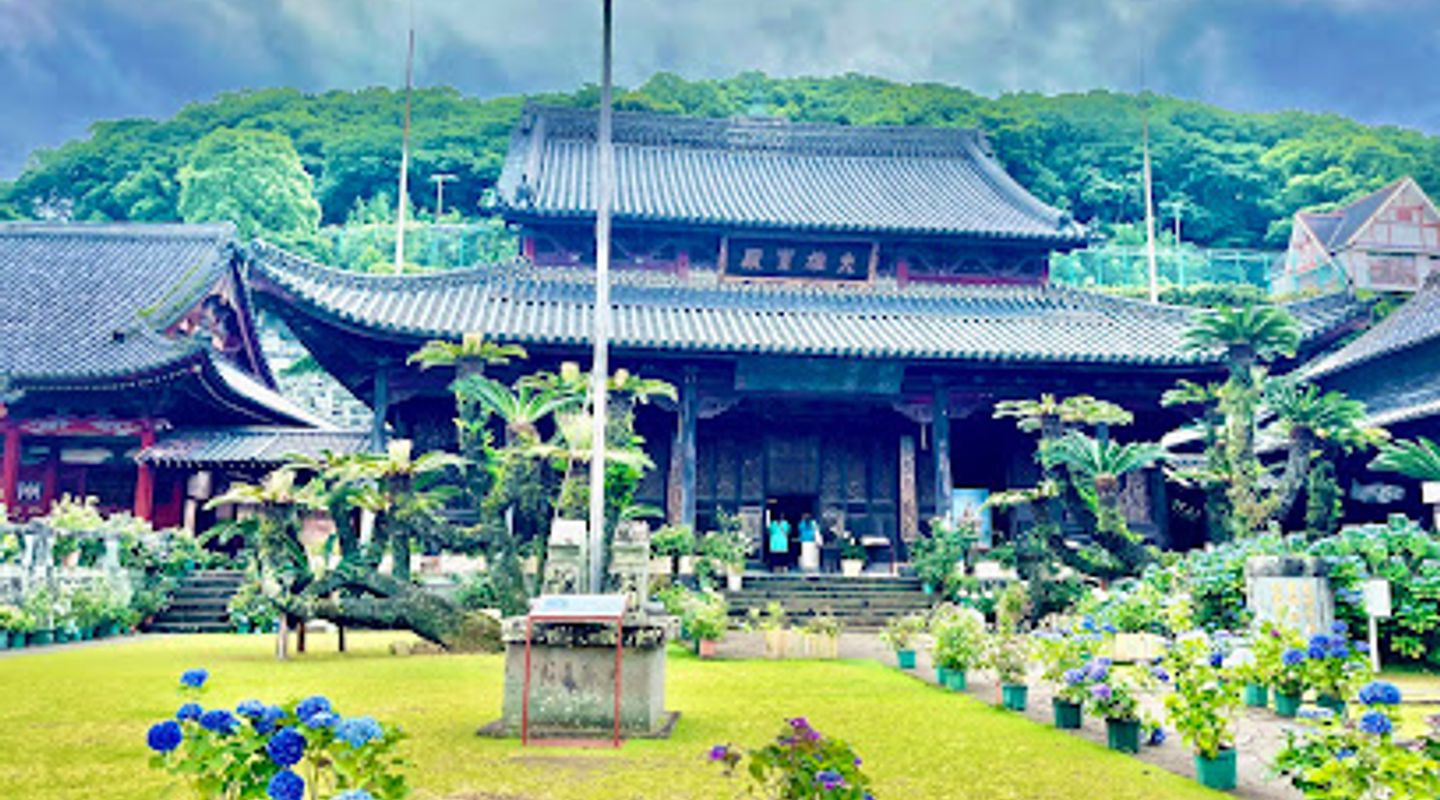
Kofukuji Temple, also known as the 'Nanking Temple' or 'Red Temple,' is Nagasaki's oldest Chinese temple, founded in 1620 by Chinese merchants. It showcases unique Chinese architectural styles and serves as a testament to the city's historical connections with China.
A brief summary to Kofukuji
- Teramachi, 4番32号, Nagasaki, Teramachi, Nagasaki, 850-0872, JP
- Click to display
- Click to display
- Monday 9 am-5 pm
- Tuesday 9 am-5 pm
- Wednesday 9 am-5 pm
- Thursday 9 am-5 pm
- Friday 9 am-5 pm
- Saturday 9 am-5 pm
- Sunday 9 am-5 pm

Know before you go
Hi, I'm Eve. Here are a few practical things to know before exploring Kofukuji.
- Take the Nagasaki Electric Tramway to the City Hall or Shyakusho stop for easy access to the temple.
- Look for the gyoban (wooden fish) at the entrance to the Kori, said to be the most beautiful in Japan.
- Visit during the day to fully appreciate the intricate details of the Chinese-style architecture.
- Combine your visit with other nearby attractions in the Teramachi district, such as Sofukuji Temple and Nagasaki Chinatown.
Do you manage this location?
Take control to get all the benefits, like improved information, better appearance, and stronger visibility across AI-powered discovery. Learn more about listing your business on Evendo
Activate your presenceOther nearby places you may find interesting
The closest places of the same kind, if this one is not quite what you had in mind.


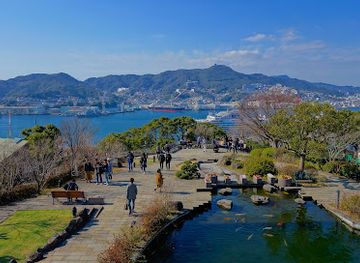
Explore Kofukuji on the Map
A handpicked selection of must-see spots near Kofukuji, mapped for you.
Unlock the Best of Kofukuji
Buy tickets
-
No tickets available
Book tours with entry


Getting There
-
Public Transport
From Nagasaki Station, take the Nagasaki Electric Tramway (lines 1 or 3) to the 'Civic Hall' stop. The tram ride takes approximately 4 minutes and costs ¥130. From the Civic Hall stop, it's a short 5-minute walk to Kofukuji Temple. Alternatively, a direct bus from Nagasaki Station to the 'Shimin Kaikan' (Civic Hall) stop is available, costing ¥140-¥210.
-
Walking
From Nagasaki Station, it is approximately a 20-25 minute walk to Kofukuji Temple. Head southeast along the main road, then turn left onto Sakuramachi Dori. Continue until you see the stone walls of the temple and turn left. Note that the walk involves some uphill sections.
-
Taxi
A taxi from Nagasaki Station to Kofukuji Temple takes about 2 minutes and costs approximately ¥1200-¥1500. Several taxi companies operate in Nagasaki, including Lucky Group, King Taxi, and City Cab Nagasaki.
Discover more about Kofukuji













Your all‑in‑one travel companion app
Explore expert travel guides, compare and book tours, experiences, hotels, and more—all from the palm of your hand. Download now for seamless trip planning wherever your wanderlust takes you.


Explore More of Iki
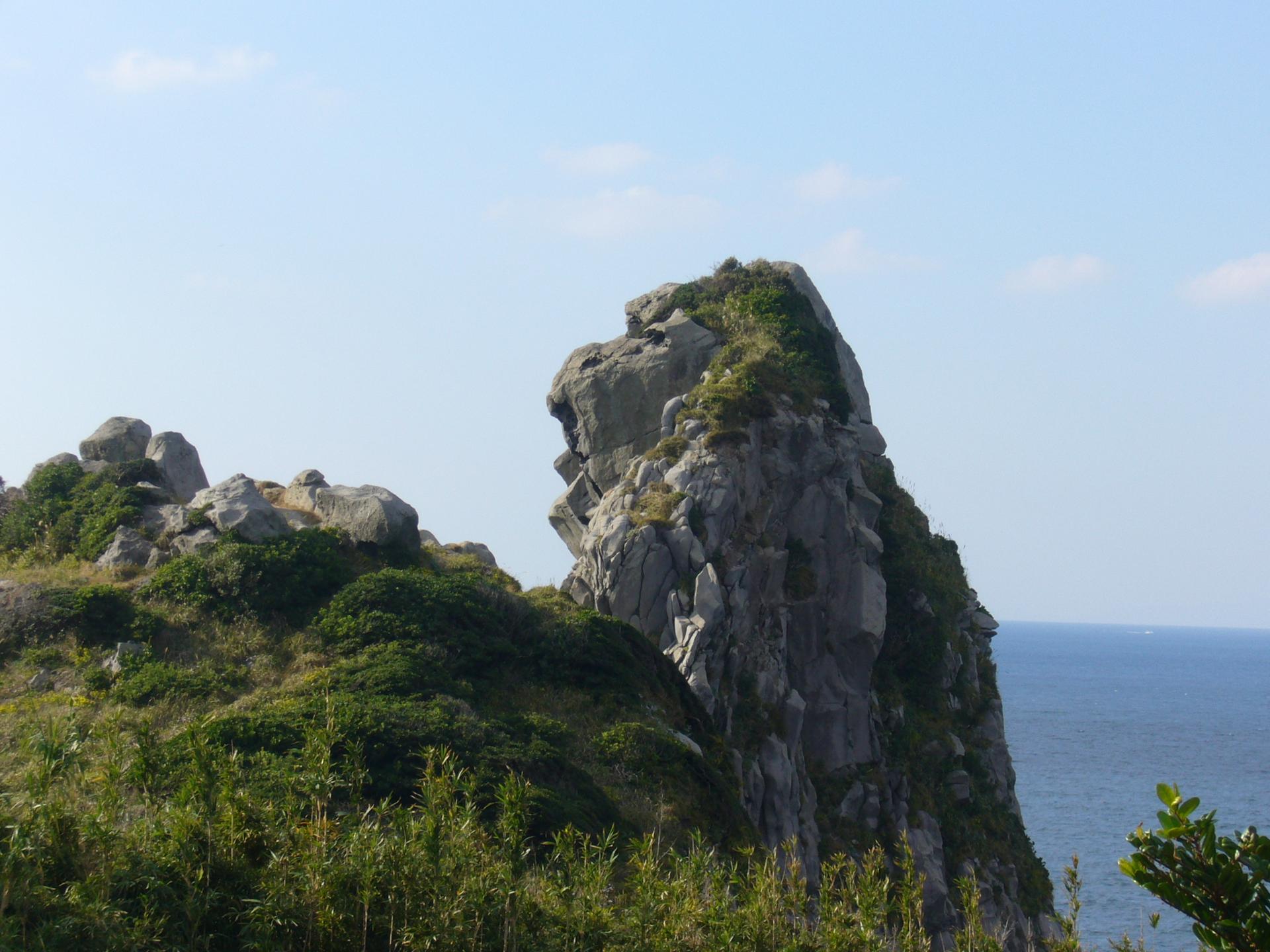
Looking beyond Kofukuji? Discover Iki for broader travel guides, local hot-spots, and regional highlights.
Explore Iki