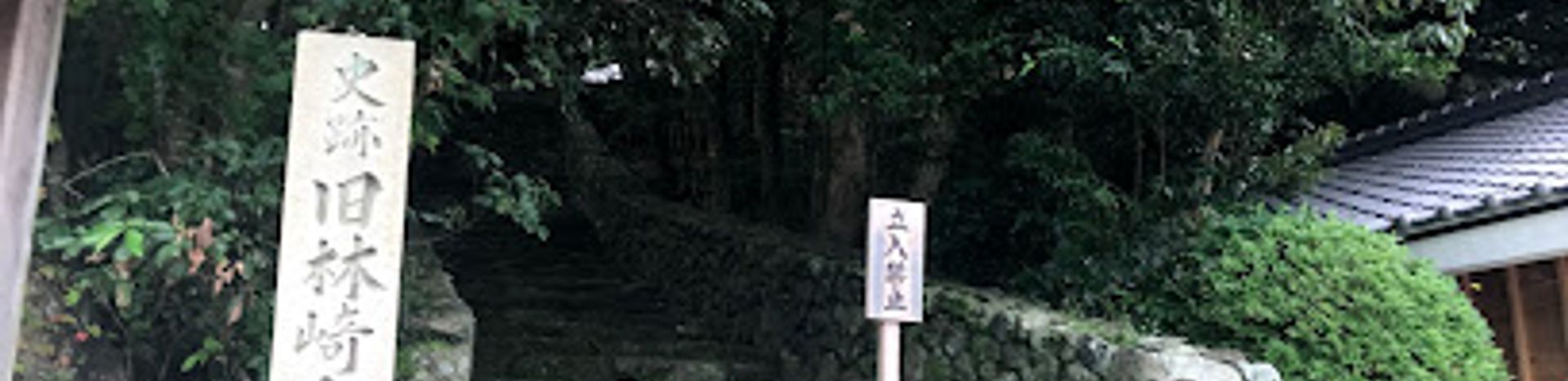
Formerly Known as “Hayashizaki-bunko” Atheneum: A Repository of Knowledge
Explore the Former Hayashizaki-bunko Atheneum in Ise, a historical landmark reflecting Japan's rich cultural and intellectual heritage.
The Former Hayashizaki-bunko Atheneum, nestled in Ise, Mie Prefecture, Japan, stands as a historical landmark. Originally established in 1686 as a library and academy, it served as a crucial resource for scholars and a center for intellectual pursuits during the Edo period. Today, it offers visitors a glimpse into Japan's dedication to education and cultural preservation.
A brief summary to Formerly known as “Hayashizaki-bunko” atheneum
- Ujiimazaikecho, 林崎163, Ise, Ujiimazaikecho, Mie, 516-0024, JP
Local tips
- Check the Ise Grand Shrine's schedule for the spring and autumn festivals to see if the atheneum is open to the public.
- Wear comfortable shoes, especially if you plan to walk from Ise city center, as it can take around 30-40 minutes.
- Bring coins for the local bus if you choose to take public transportation from Ise Station.

Getting There
-
Public Transport
From Ise Station, take the Mie Kotsu Bus towards Ujiimazaikecho. The bus ride takes approximately 15-20 minutes. Alight at the 'Naiku Mae' bus stop, which is a two-minute walk to the atheneum. The bus fare typically costs around 200-300 JPY.
-
Walking
If starting from central Ise, head towards Ujiimazaikecho. The walk to the atheneum is about 30-40 minutes. Use a map app to guide you towards the destination at 〒516-0024 Mie, Ise, Ujiimazaikecho, 林崎163.
Discover more about Formerly known as “Hayashizaki-bunko” atheneum
Iconic landmarks you can’t miss

Formerly known as “Hayashizaki-bunko” atheneum
0.0 km
Explore the Former Hayashizaki-bunko Atheneum in Ise, a historical landmark reflecting Japan's rich cultural and intellectual heritage.
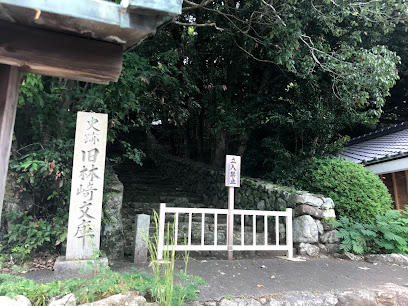
Tsukiyomi-no-miya Shrine
1.7 km
Discover tranquility at Ise's Tsukiyomi-no-miya Shrine, dedicated to the moon god and steeped in ancient Shinto traditions.
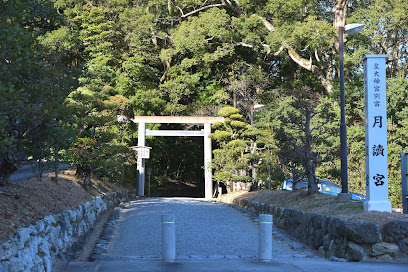
Hoshidekan
4.0 km
Experience traditional Japanese hospitality in a charming Taisho-era ryokan near Ise Grand Shrine.

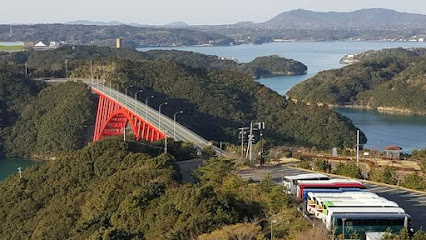
Shima Peninsula
5.2 km
Experience the stunning landscapes and rich traditions of Shima Peninsula, a hidden gem on Japan's eastern coast, perfect for relaxation and adventure.
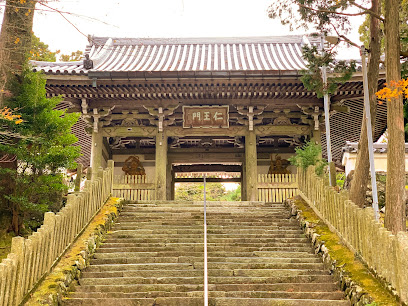
Asama-dake Kongosho-ji Temple
5.9 km
Discover a sacred temple atop Mount Asama, offering stunning views and a glimpse into Japan's spiritual heritage.
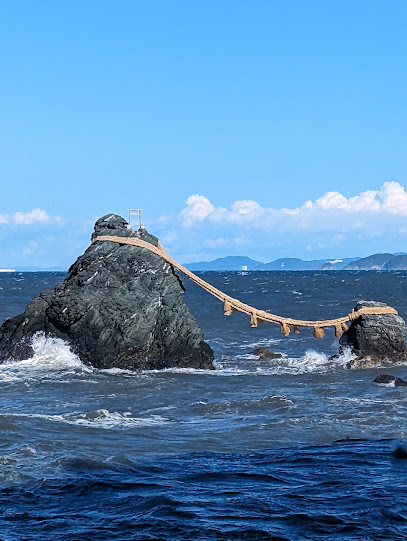
Ise Meotoiwa Shopping Plaza
8.3 km
Explore local crafts, cuisine, and culture at Ise Meotoiwa Shopping Plaza, your gateway to the iconic Wedded Rocks and Ise's charm.
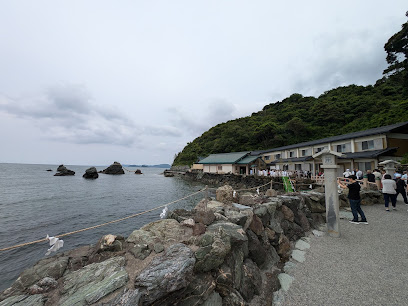
Okitama Jinseki
8.8 km
Discover Okitama Jinseki in Ise: A serene Shinto shrine, perfect for couples seeking blessings and spiritual enrichment amidst natural beauty.
Ise-Shima National Park
8.9 km
Discover Ise-Shima National Park: A harmonious blend of stunning landscapes, ancient shrines, and unique cultural traditions in the heart of Japan.
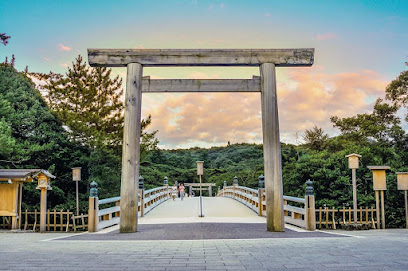
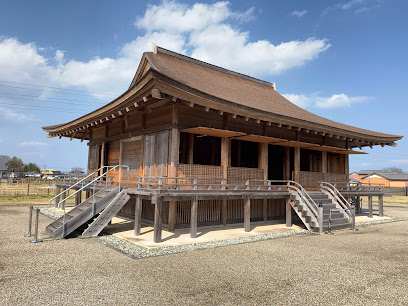
Site of the Abstinence Palace (Saiku)
13.3 km
Discover the tranquil ruins of Saiku, where imperial princesses once served and ancient traditions echo.
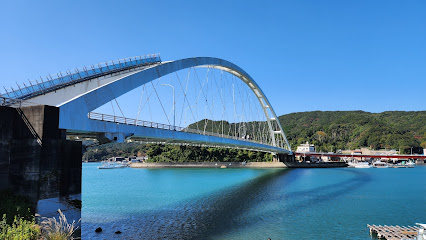
Ounoura Bridge
14.9 km
A scenic bridge in Toba offering panoramic views of the coast, islands, and oyster rafts of Ounoura Bay.
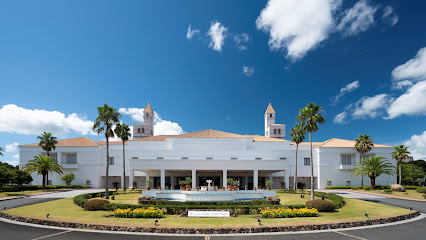
Hotel Shima Spain Mura
15.9 km
Experience the charm of a Spanish village in Japan at Hotel Shima Spain Mura, where culture and comfort meet amid breathtaking landscapes.
THE HIRAMATSU HOTELS & RESORTS Kashikojima
17.4 km
Experience unparalleled luxury and tranquility at The Hiramatsu Hotels & Resorts Kashikojima, a coastal gem in Shima, Japan, perfect for rejuvenating escapes.
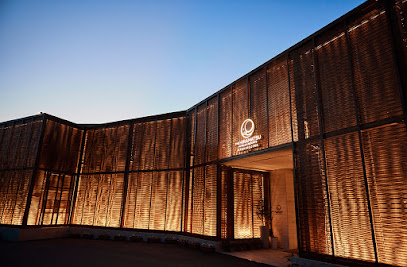
Basaratei
17.6 km
Discover the serene beauty of Basaratei, a hotel in Shima with private onsens, breathtaking views, and authentic Japanese cuisine for an unforgettable escape.
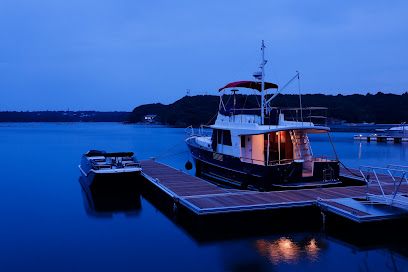
Shima Kanko Hotel The Classic
18.7 km
Discover the elegance of Shima Kanko Hotel The Classic, where luxury meets stunning views and exceptional dining in Japan's beautiful Mie Prefecture.
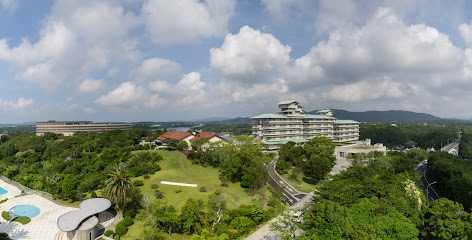
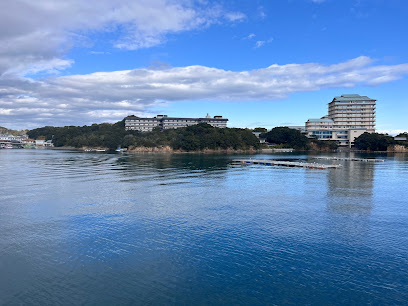
Kashiko Island
18.9 km
Discover the serene beauty of Kashiko Island, a hidden gem in Mie Prefecture, where nature and culture blend seamlessly for an unforgettable experience.
Unmissable attractions to see

Okage Yokocho
0.4 km
Discover the enchanting Okage Yokocho in Ise, where traditional Japan comes alive with delightful shops, authentic cuisine, and rich cultural heritage.
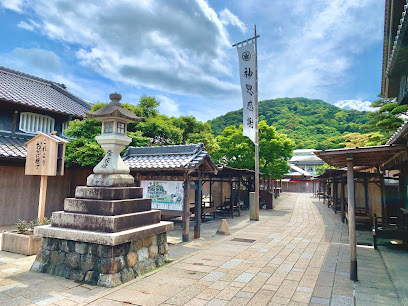
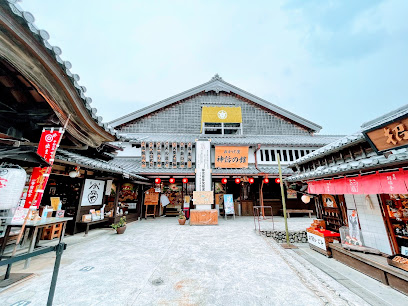
Okage-za Mythical Hall
0.4 km
Immerse yourself in the magical world of Japanese folklore at Okage-za Mythical Hall in Ise, Mie, where myth and culture come alive.
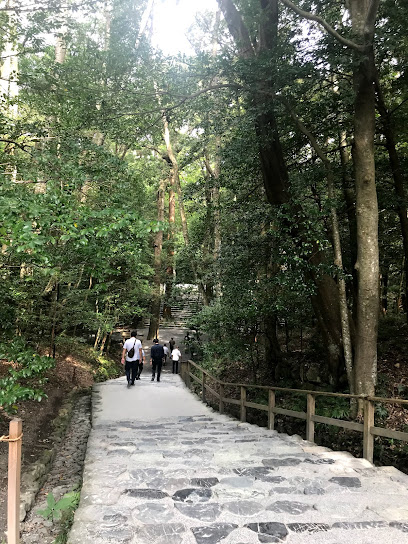
No-step Stone
0.5 km
Explore the serene No-step Stone in Ise, Mie - a tranquil tourist attraction rich in cultural significance and natural beauty.
Kazahinomi-no-Miya Shrine
0.6 km
Explore the tranquil Kazahinomi-no-Miya Shrine in Ise, Mie, a serene Shinto shrine steeped in culture and spirituality, perfect for all travelers.
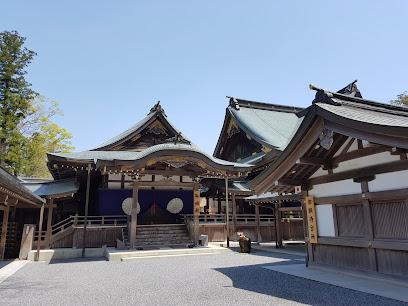
Kotai Jingu (Ise Jingu Naiku, Inner Sanctuary)
0.6 km
Explore the spiritual heart of Japan at Kotai Jingu, a breathtaking Shinto shrine that embodies tradition, beauty, and tranquility.
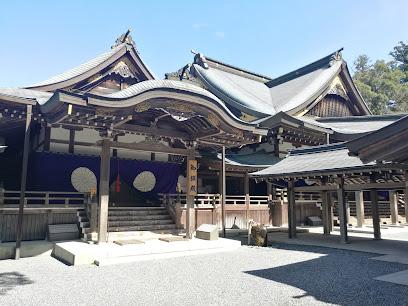
Isuzu Park
0.8 km
Discover the tranquility of Isuzu Park in Ise, a perfect blend of nature, culture, and relaxation for every traveler.
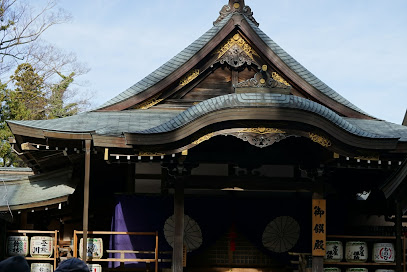
Sengukan Museum
3.3 km
Explore Ise's cultural heritage at Sengukan Museum, showcasing the history and artistry surrounding the iconic Ise Shrine.
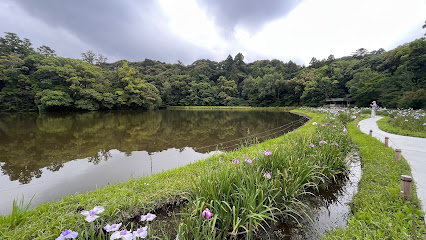
Kodenchi (Site of Previous Sanctuary) (Geku Outer Shrine)
3.5 km
Discover the serene beauty of Kodenchi, a historical Shinto shrine in Ise, where tradition meets tranquility amidst nature's embrace.
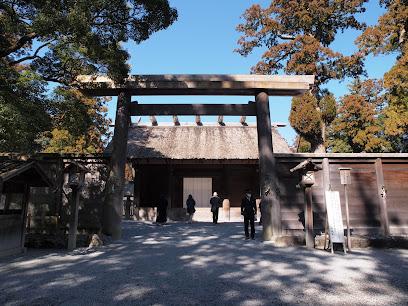
Toyouke Daijingu (Ise Jingu Geku, Outer Sanctuary)
3.5 km
Experience the spiritual serenity of Toyouke Daijingu, a historic Shinto shrine in Ise, Japan, surrounded by nature's beauty and rich traditions.
Ise Jingu Geku-sando
3.6 km
Experience the tranquility and spiritual essence of Ise Jingu Geku-sando, a sacred destination rich in history and natural beauty.
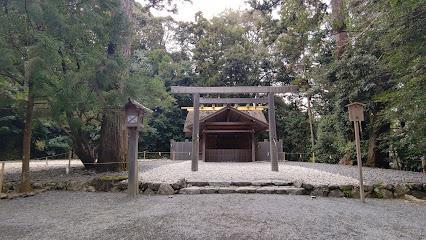
Miyagawa-Tsutsumi Park
4.9 km
Discover the tranquil beauty of Miyagawa-Tsutsumi Park, a cherry blossom haven and serene retreat in the heart of Ise, Japan.
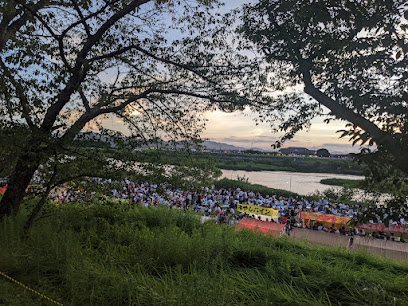
Ise-Shima Skyline
6.2 km
Explore the Ise-Shima Skyline for breathtaking views of Japan's coastline and lush landscapes, a perfect escape for nature lovers and photographers.
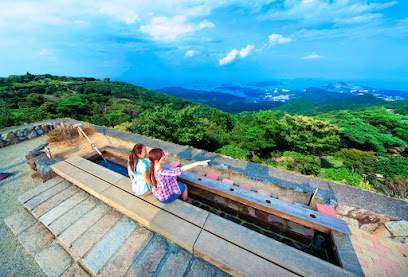
Asama Mountain View Point
6.5 km
Discover stunning vistas and serene landscapes at Asama Mountain View Point, a premier observation deck in Ise, Japan.
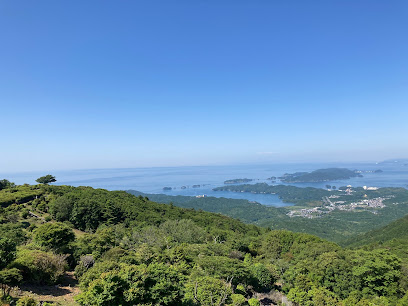
HINJITSUKAN
7.9 km
Experience the serene beauty and rich cultural heritage of Hinjitsukan, a must-visit tourist attraction in Ise, Mie, Japan.
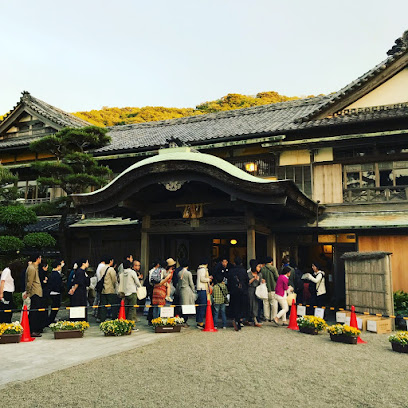
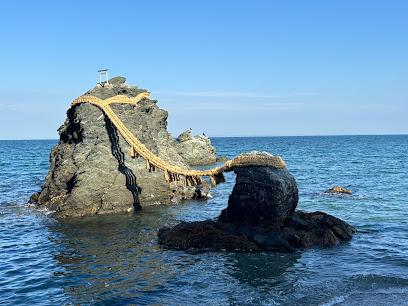
Futamiokitama Shrine
8.2 km
Explore the serene Futamiokitama Shrine, a Shinto treasure in Ise, Japan, offering breathtaking ocean views and a rich cultural experience.
Essential places to dine

Ebiya large cafeteria / Ebiya shop
0.2 km
Discover Ebiya in Ise: Experience Authentic Japanese Cuisine with Local Flavors and Fresh Ingredients.
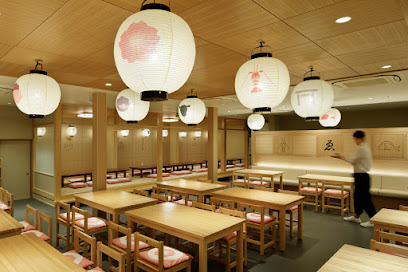
Ise Kadoya Beer
0.3 km
Experience the best of Japanese craft beer at Ise Kadoya Beer in the heart of Ise - where tradition meets taste.
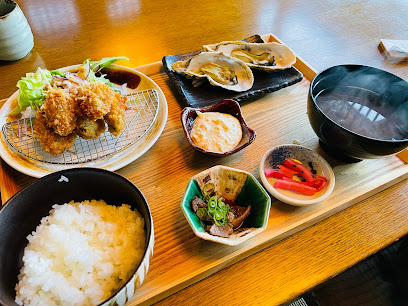
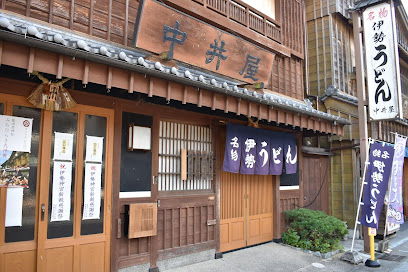
Nakai-ya
0.4 km
Savor authentic udon noodles at Nakai-ya in Ise—where tradition meets taste for an unforgettable dining experience.
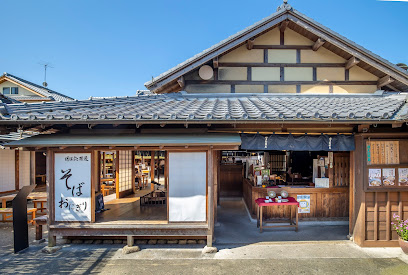
Dangoro chaya
0.4 km
Discover authentic soba noodles at Dangoro Chaya in Ise – where tradition meets flavor in every bowl.
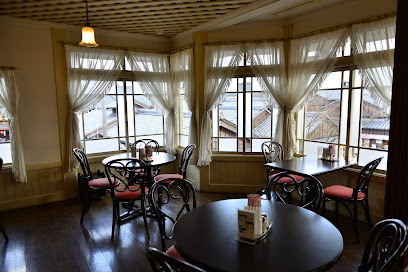
Haikarasan
0.4 km
Experience the perfect blend of Western flavors and Japanese hospitality at Haikarasan in Ise.
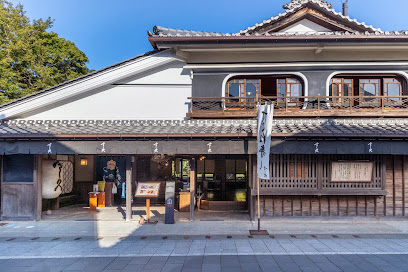
Sushikyu
0.4 km
Discover the essence of Japanese cuisine at Sushikyu in Ise – where fresh sushi and grilled eel come together in perfect harmony.
Toufuya
0.7 km
Discover the authentic taste of Japan at Toufuya - where handmade tofu meets traditional culinary artistry in Ise.
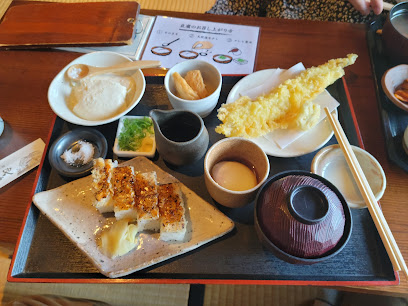
Tekone-chaya main store
0.7 km
Discover authentic udon noodles at Tekone-chaya Main Store in Ise, where tradition meets taste in every delicious bowl.
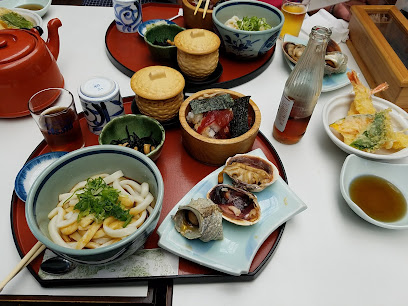
Tsukiyomi - Ise Udon
1.6 km
Experience authentic Ise Udon at Tsukiyomi - a hidden gem near Ise Jinggu offering delicious traditional Japanese cuisine.
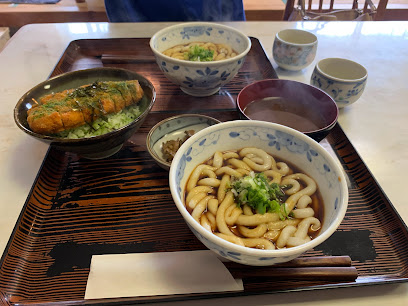
Ise Udon Chitose
3.2 km
Experience authentic Ise-style udon noodles at Ise Udon Chitose in Japan—where tradition meets flavor.
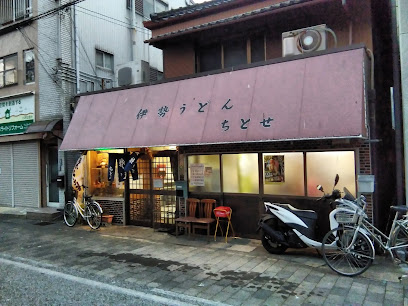
ise local cuisine DAIKI
3.4 km
Discover the essence of Japanese gastronomy at DAIKI in Ise—where seasonal ingredients meet traditional culinary artistry.
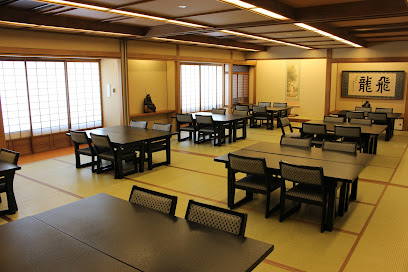
Butasute Gekumaeten
3.5 km
Experience authentic Japanese cuisine at Butasute Gekumaeten in Ise, where traditional flavors meet modern dining.
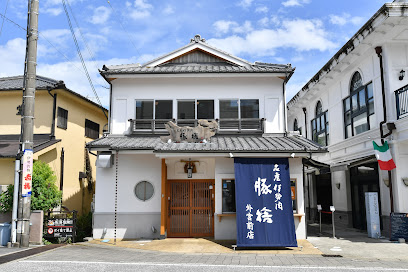
Wakakusado
3.6 km
Experience authentic Ise udon at Wakakusado - a beloved restaurant blending tradition with flavor in the heart of Ise.
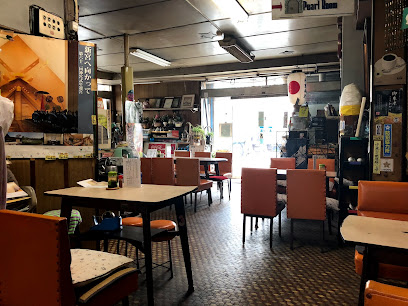
Ise Udon Nakamura
3.6 km
Experience authentic udon noodles at Ise Udon Nakamura - where tradition meets flavor in every bowl.
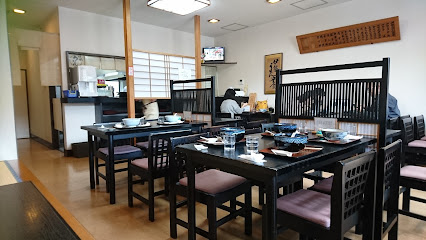
Culinary Arts Sushi Katsura Geku
3.6 km
Experience the essence of Japanese cuisine at Culinary Arts Sushi Katsura Geku - where tradition meets innovation in every bite.
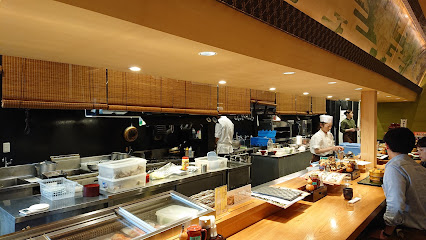
Markets, malls and hidden boutiques

Senokuniya
0.1 km
Discover the essence of Japan at Senokuniya, where exquisite souvenirs and authentic Japanese cuisine await in Ise.
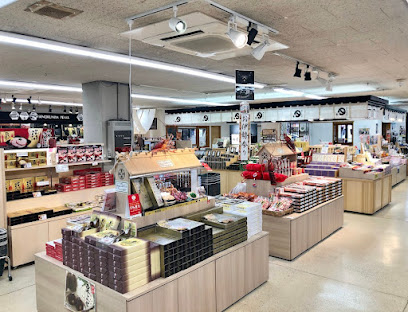
Amano Pearl
0.2 km
Explore Amano Pearl in Ise: A treasure trove of exquisite jewelry, fashion accessories, and memorable souvenirs waiting for your discovery.
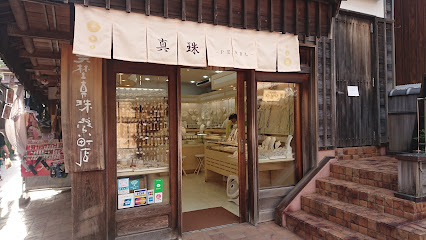
おみやげや(総合案内所)
0.4 km
Discover Ise's rich culture and find the perfect souvenirs at おみやげや, your essential tourist information center in the heart of the city.
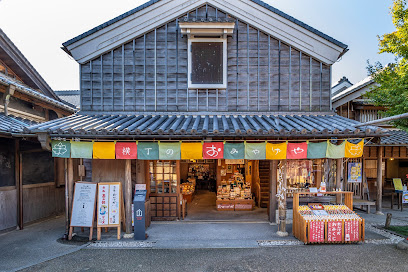
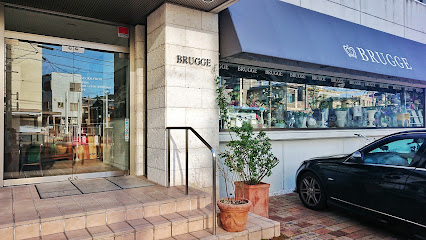
BRUGGE (ブルージュ)
3.1 km
Explore BRUGGE (ブルージュ) in Ise for unique gifts, floral arrangements, and stylish women's clothing in a charming ambiance.
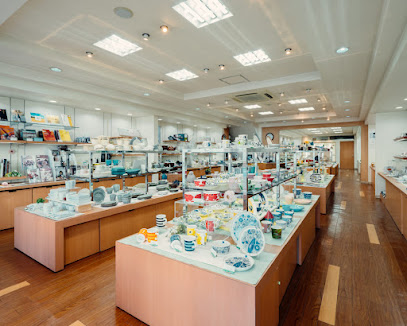
(株)YAMADA
3.1 km
Explore the charming novelty store (株)YAMADA in Ise, Japan, for unique gifts and souvenirs that capture the spirit of Japanese culture.
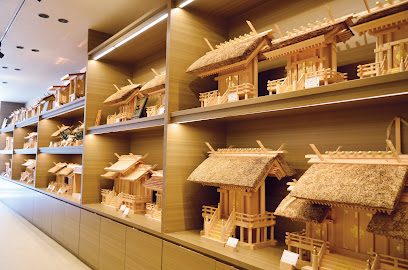
Isemiyachu Honten
3.3 km
Explore the heart of Ise's spiritual heritage at Isemiyachu Honten, a premier destination for religious goods and cultural treasures.
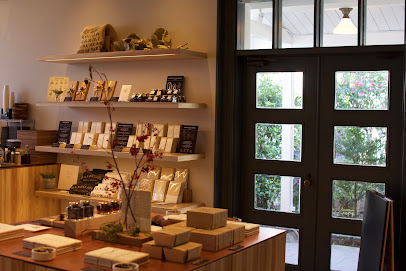
Dandelion Chocolate
3.4 km
Experience exquisite artisanal chocolates and delightful desserts at Dandelion Chocolate in Ise, a sweet haven for chocolate lovers.
AKAFUKU Geku square extraordinary store
3.5 km
Experience the exquisite taste of traditional Japanese sweets at Akafuku Geku Square in Ise, where craftsmanship meets delightful flavor.
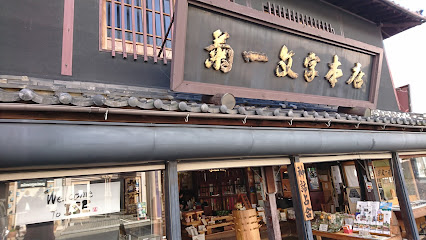
Ise Sekiya Honten
3.5 km
Discover authentic Japanese souvenirs at Ise Sekiya Honten, a charming store in the heart of Ise, offering a unique shopping experience.
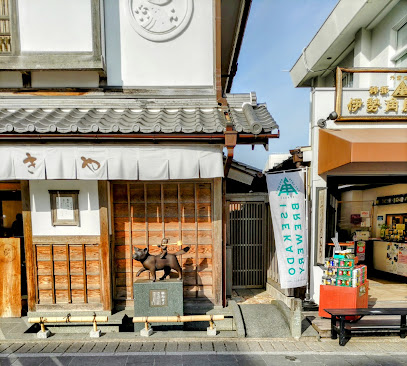
CHOCAiTO -a vintage boutique-
3.5 km
Explore unique vintage fashion finds at CHOCAiTO in Ise, a boutique dedicated to sustainable and stylish shopping.
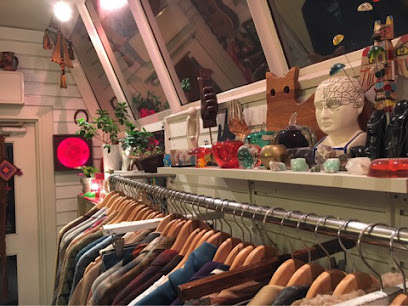
Knock Out Ise
3.6 km
Explore Knock Out Ise for unique clothing and accessories that capture the essence of Japanese fashion in a vibrant shopping experience.
衣 GENERAL STORE
3.6 km
Discover unique souvenirs and stylish women's clothing at 衣 GENERAL STORE in Ise, a must-visit variety store for every traveler.
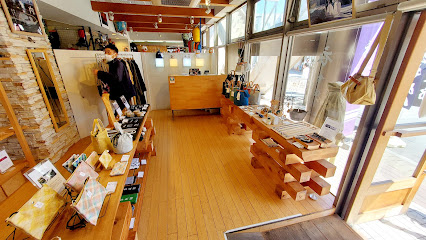
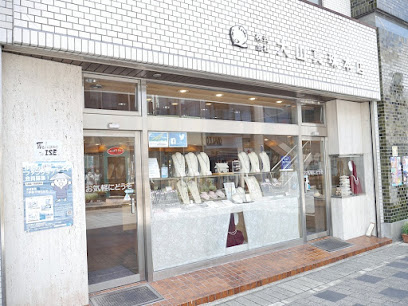
株式会社大山真珠店、隣席in大山真珠店
3.6 km
Explore the exquisite craftsmanship of pearls and enjoy a cozy café experience at Oyama Pearl Store in Ise, a perfect blend of elegance and local charm.
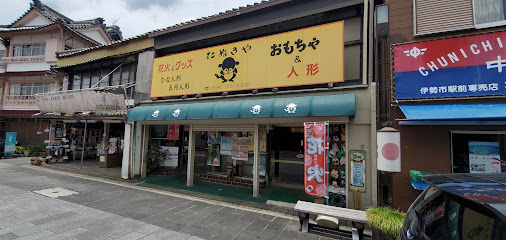
Tanukiya
3.6 km
Explore Tanukiya in Ise, Mie - a magical toy store filled with unique treasures for kids and collectors alike, perfect for a joyful family outing.
ブティックヨンブンノイチ1F
3.6 km
Explore the unique fashion offerings at ブティックヨンブンノイチ1F, a charming clothing store in the heart of Ise, Japan.
Essential bars & hidden hideouts

Pousse Bar(3F.Old's ライブand ディスコ)
3.4 km
Experience the vibrant nightlife at Pousse Bar in Ise, where local culture meets energetic entertainment in a captivating atmosphere.
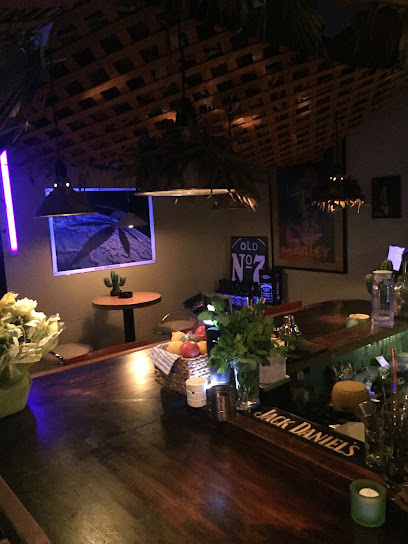
she.Bar&Cafe
3.5 km
Experience the vibrant nightlife at she.Bar&Cafe in Ise, where exquisite drinks meet a cozy atmosphere.
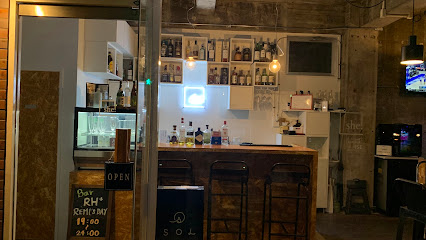
Poni Anela
3.5 km
Discover Ise's enchanting wine bar, Poni Anela, where every sip is a celebration of fine wines and local flavors in a cozy atmosphere.
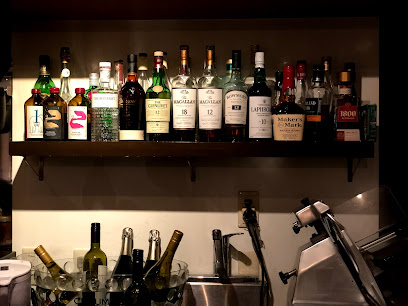
4th club
3.6 km
Discover the vibrant nightlife of Ise at 4th Club, your go-to bar for exquisite drinks and a lively atmosphere.
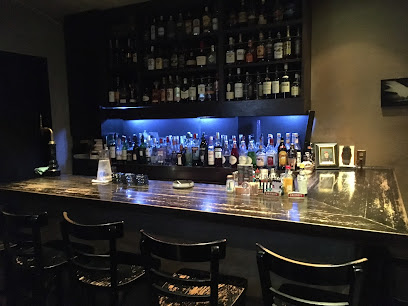
kaRAOkeBar H/trap
3.6 km
Dive into the heart of Ise's nightlife at kaRAOkeBar H/trap, where unforgettable karaoke nights await every enthusiast.
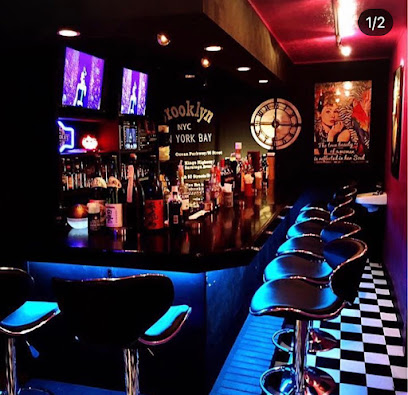
KARAOKEDlNNER H2
3.6 km
Experience the ultimate blend of dining and entertainment at Karaoke Dinner H2 in Ise, where delicious meals and karaoke fun await every visitor.
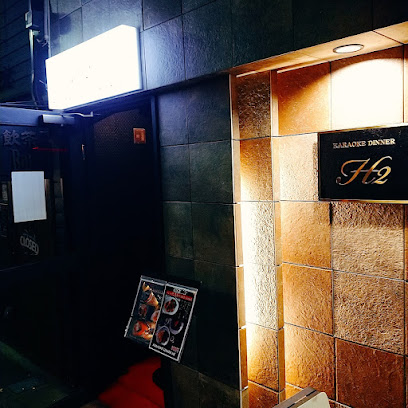
THE MISSIONS(ザ ミッションズ)
3.7 km
Experience the vibrant nightlife at THE MISSIONS in Ise, where exceptional drinks and a lively atmosphere await every visitor.
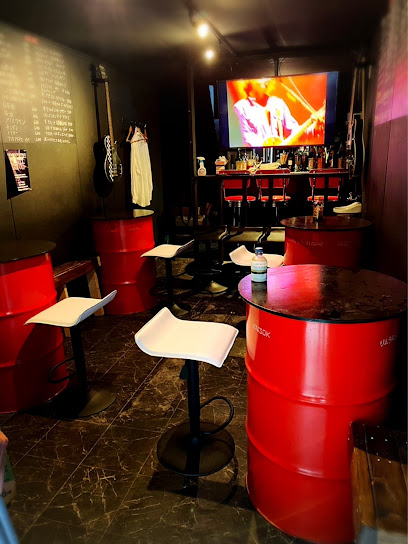
BAR YOUNG
3.7 km
Discover the vibrant nightlife of Ise at Bar Young, where exceptional drinks and a welcoming atmosphere await every visitor.
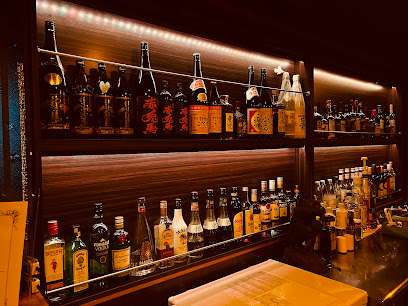
Bar Recipe
3.7 km
Experience the vibrant nightlife at Bar Recipe, Ise's premier bar serving local drinks and unique cocktails in a warm atmosphere.
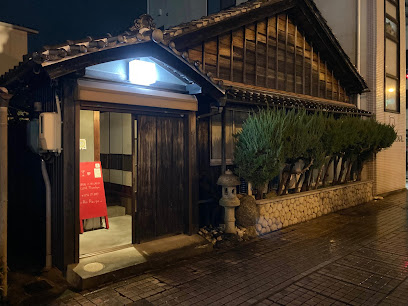
Mon Zacaba
3.8 km
Discover Mon Zacaba, the charming stand bar in Ise, where local culture and delightful beverages come together for an unforgettable experience.
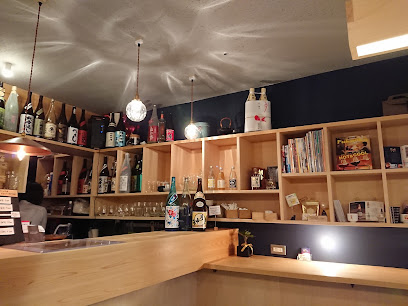
Nousagiya
3.9 km
Experience the authentic charm of Nousagiya, a cozy bar in Ise, Mie, serving unique drinks and a warm, welcoming atmosphere.
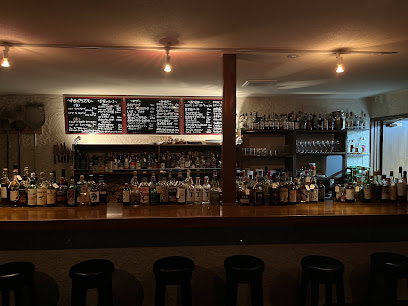
Burroughs
4.0 km
Experience Ise's vibrant nightlife at Burroughs, a dart bar where fun meets friendly competition in a lively atmosphere.
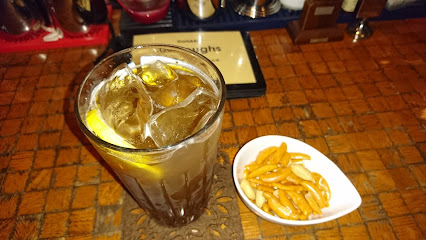
Bar ENISI
4.1 km
Experience the vibrant cocktail culture at Bar ENISI in Ise, where every drink tells a story and every visit is memorable.
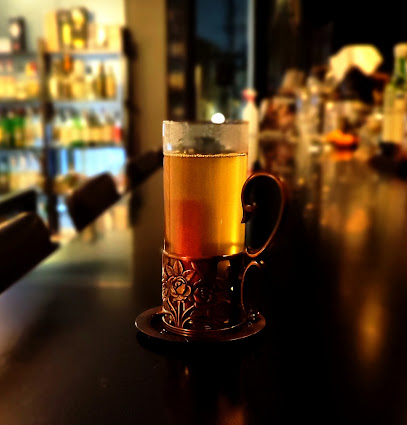
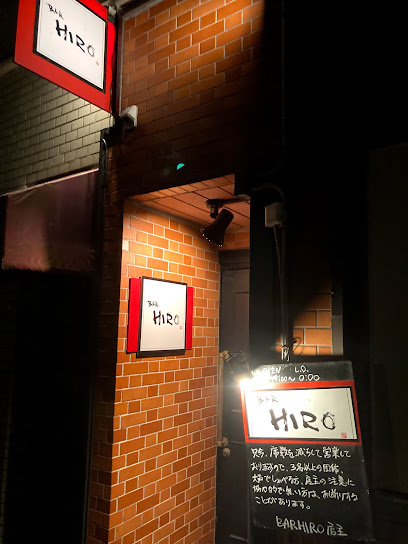
BAR HIRO
4.2 km
Experience the vibrant nightlife of Ise at BAR HIRO, where local flavors meet a cozy atmosphere for an unforgettable evening.
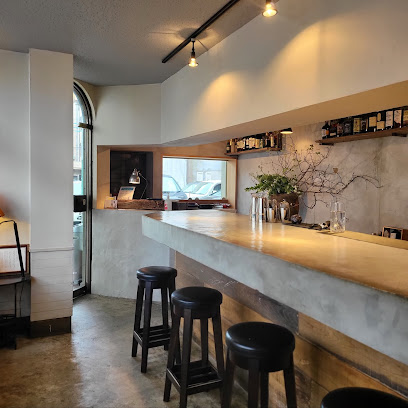
AHL
4.2 km
Explore Ise's vibrant nightlife at AHL, where unique drinks and a welcoming atmosphere create unforgettable experiences.
Nightclubs & after hour spots

Rika
3.6 km
Experience the vibrant nightlife of Ise at Rika, a premier night club featuring energetic music, lively atmosphere, and unforgettable nights.
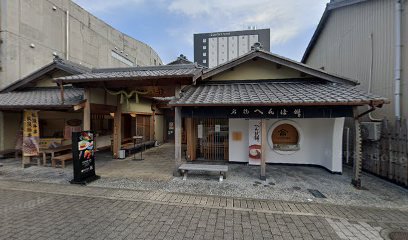
伊勢RHYTHM
4.1 km
Discover the vibrant nightlife at Ise RHYTHM, where music and energy come together for an unforgettable clubbing experience in Ise, Japan.
Manira
4.3 km
Discover the electrifying nightlife at Manira, the premier night club in Ise, Japan, where music and fun never stop.
casual lounge n.
4.4 km
Experience the vibrant nightlife at Casual Lounge in Ise, where music, dancing, and a lively atmosphere await you.
豊浜が生んだエリート レジェンド生誕の地
7.1 km
Experience the vibrant nightlife at the Elite Legend Birthplace in Ise, a cultural gem where music and dance come together in an unforgettable atmosphere.
Snack Eien
17.3 km
Discover the vibrant nightlife of Shima at Snack Eien, a lively night club offering great music and a fantastic atmosphere for an unforgettable experience.
スナック アイコ
17.3 km
Discover the lively nightlife of Shima at スナック アイコ, where music, dance, and local culture come together for an unforgettable evening.
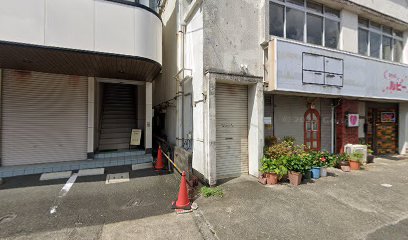
Miyako Resort Shima Bayside Terrace
17.7 km
Discover the tranquil luxury of Miyako Resort Shima Bayside Terrace, a stunning retreat on the picturesque coast of Shima, Japan.
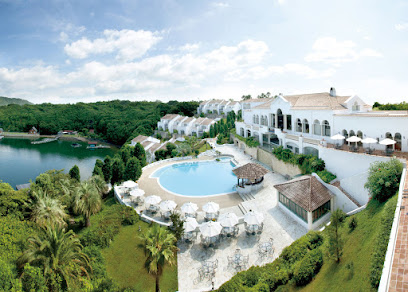
Mars Petcare
17.7 km
Discover the pulsating nightlife at Mars Petcare, Shima's top night club, where music, dancing, and excitement await every visitor.
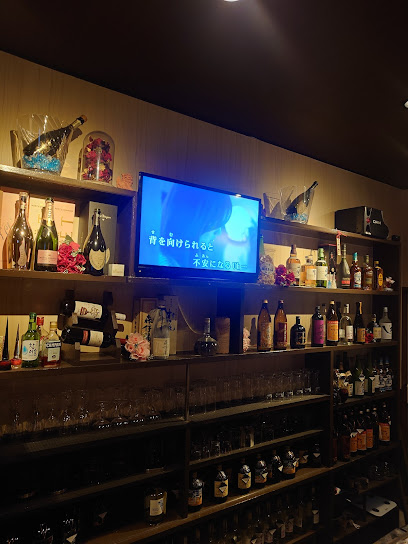
カラオケ喫茶ひかり
17.9 km
Discover a lively karaoke experience at カラオケ喫茶ひかり in Shima, Mie - where music and fun come together in a vibrant café atmosphere.
Shima House
18.3 km
Discover the nightlife of Shima at Shima House, a stylish night club offering vibrant music, exquisite drinks, and an unforgettable atmosphere.
T2
80.3 km
Discover T2 Club, Nagoya’s top night club, where electrifying music meets vibrant nightlife for an unforgettable experience.
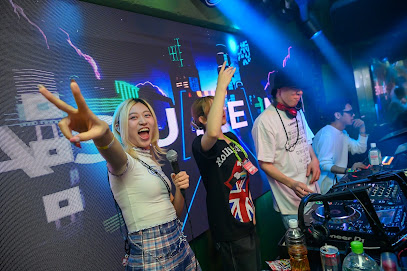
W (W.)
80.5 km
Dive into the electrifying nightlife of Nagoya at W, a premier night club known for its vibrant atmosphere and top-notch DJ performances.
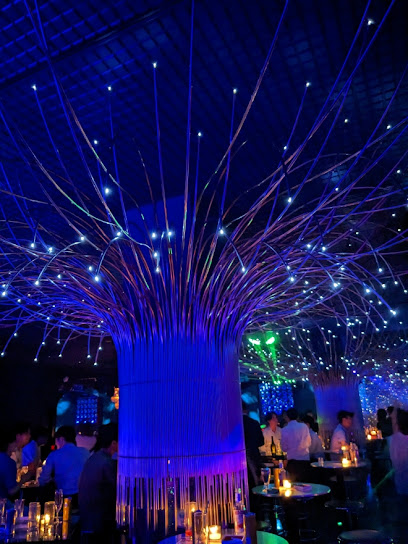
Balada
80.5 km
Discover the electrifying nightlife of Nagoya at Balada, where music, dancing, and memorable experiences come together.
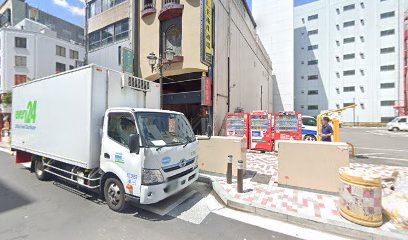
Sonic Club Nagoya
80.6 km
Experience the vibrant nightlife of Nagoya at Sonic Club, where music, dance, and fun come together in an unforgettable atmosphere.