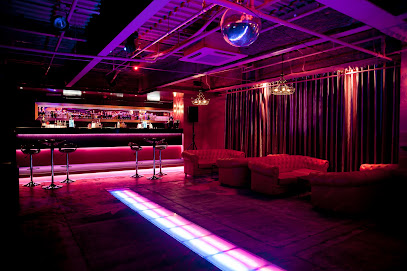
Shinjuku Juniso Kumano-jinja Shrine: An Oasis of Serenity
Discover tranquility in the heart of Tokyo at Shinjuku Juniso Kumano-jinja Shrine, a serene escape from the city's hustle and bustle.
Nestled amidst the skyscrapers of Nishi-Shinjuku, the Shinjuku Juniso Kumano-jinja Shrine offers a tranquil escape from the bustling city. Founded in the Muromachi period, this Shinto shrine provides a serene atmosphere with its traditional architecture and lush greenery.
A brief summary to Shinjuku Juniso Kumano-jinja Shrine
- 2 Chome-11-2 Nishishinjuku, Shinjuku City, 2 Chome Nishishinjuku, Tokyo, 160-0023, JP
- +813-3343-5521
- Visit website
Local tips
- Visit early in the morning to enjoy a peaceful atmosphere with fewer crowds.
- Combine your visit with a stroll through Shinjuku Central Park for a complete experience.
- Respect local customs, such as purification rituals before entering the shrine.
- Look for the yatagarasu (three-legged crow) motif, a symbol of Kumano shrines, on traffic safety stickers.

Getting There
-
Walking
From the Tokyo Metropolitan Government Building, head south towards Yasukuni Dori. Turn right onto Yasukuni Dori and walk for about 5 minutes until you reach the Nishishinjuku 2-chome intersection. Turn left, and the shrine will be on your left. This walk is free.
-
Public Transport
From Shinjuku Station, take the subway to Shinjuku-sanchome station. The ride takes approximately 1 minute and costs ¥180-¥220. From there, it is a short walk to the shrine.
-
Taxi
A taxi from Shinjuku Station to Shinjuku Juniso Kumano-jinja Shrine typically costs between ¥1,000 and ¥1,200 and takes only a few minutes. Taxi base fares in Tokyo start around ¥710.
Discover more about Shinjuku Juniso Kumano-jinja Shrine
Iconic landmarks you can’t miss

Tokyo Night & Light
0.3 km
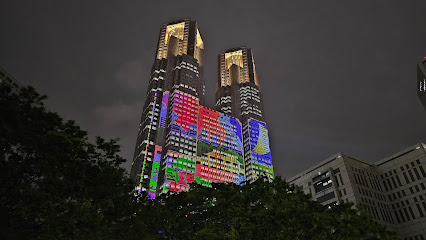
Discover the enchanting world of Tokyo Night & Light, where art and technology illuminate the vibrant heart of Japan's capital.
Tokyo Metropolitan Government Building South Observatory
0.3 km
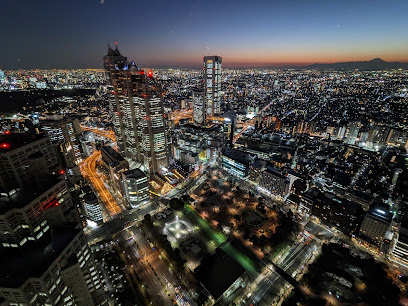
Discover breathtaking views of Tokyo's skyline from the South Observatory at the Tokyo Metropolitan Government Building.
Shinjuku Sumitomo Building
0.4 km
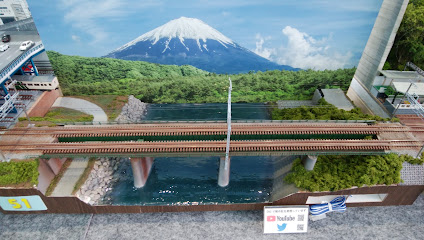
Discover the iconic Shinjuku Sumitomo Building, a triangular skyscraper with a rich history and modern appeal in the heart of Tokyo's bustling Shinjuku.
Robert Indiana Sculpture: "LOVE"
0.6 km
Discover the vibrant LOVE sculpture by Robert Indiana in Shinjuku, a symbol of affection and a captivating highlight of Tokyo's bustling art scene.
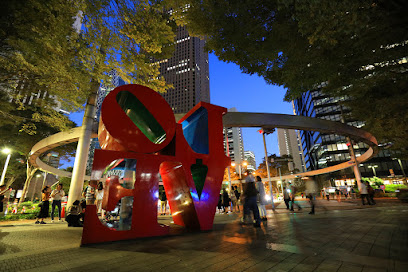
Narukoten Shrine
0.8 km
Explore Narukoten Shrine, a serene Shinto shrine in Shinjuku, Tokyo, where tradition meets tranquility amidst the city's vibrant energy.
Hotel Century Southern Tower
1.2 km
Experience breathtaking views and convenient access to Tokyo's best from this modern Shinjuku hotel.
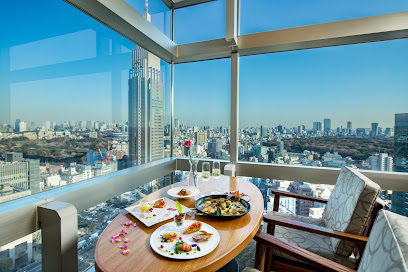
CHUGOKU SHIKOKU SHOKUSAI
1.3 km
Experience the authentic tastes of Japan at Chugoku Shikoku Shokuzai, an izakaya in Shinjuku City offering traditional flavors and a cozy atmosphere.
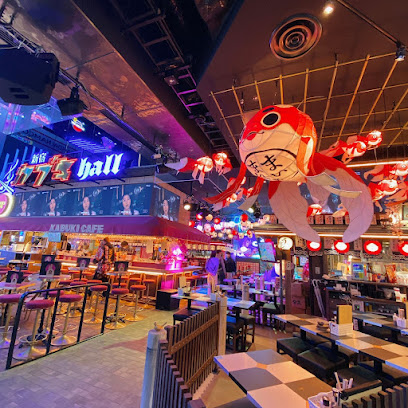
Tokyu Kabukicho Tower
1.3 km
Experience the lively energy of Tokyu Kabukicho Tower in Shinjuku, where modern shopping meets traditional Japanese culture.
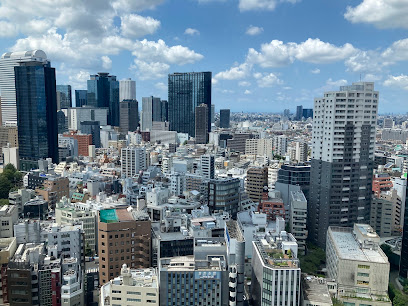
Treasure Museum
1.4 km
Uncover the rich cultural heritage of Japan at Meiji Jingu Museum, showcasing artifacts from Emperor Meiji and Empress Shoken's era in a serene setting.
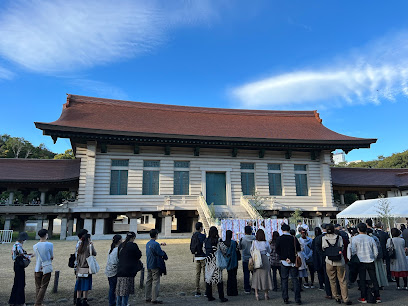
Hikage-zaka hill
1.4 km
Discover the serene beauty and historical charm of Hikage-zaka Hill in Shibuya, a perfect escape from Tokyo's bustling streets.
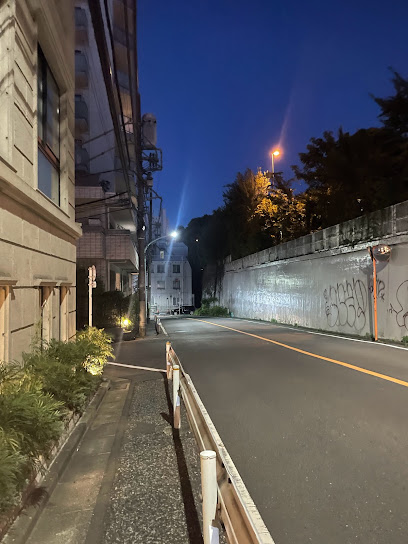
SAKE Bar a tika
1.5 km
Discover authentic Japanese sake in the heart of Kabukicho's vibrant nightlife at SAKE Bar a tika.
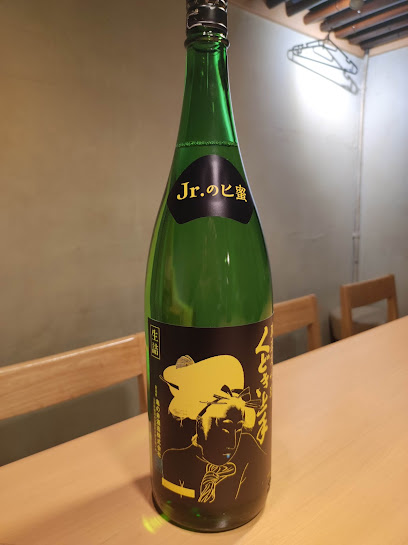
Samurai Museum
1.5 km
Discover the rich heritage of Japan at the Samurai Museum in Shinjuku, Tokyo, showcasing the legendary warriors' history, artifacts, and cultural significance.
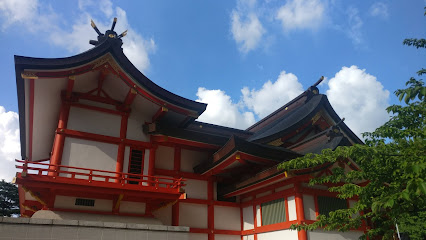
Kaichū Inari Shrine
1.6 km
Explore the serene beauty of Kaichū Inari Shrine in Shinjuku, Tokyo - a perfect blend of spirituality and cultural heritage.
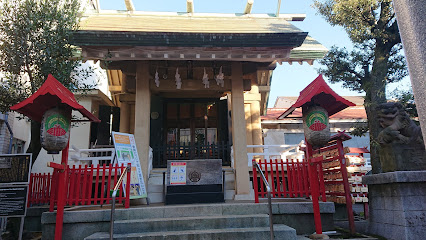
Kiyomasa's Well
1.9 km
Explore Kiyomasa's Well, a historical landmark in Tokyo offering tranquil waters and lush gardens, perfect for relaxation and reflection amidst nature.
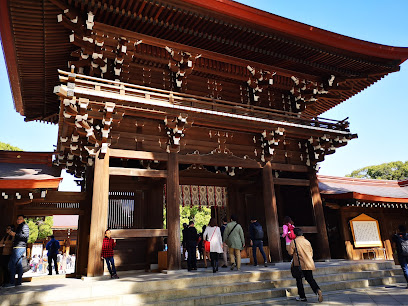
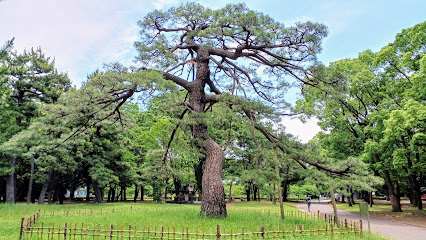
Pine Tree of Imperial Troop Review
2.4 km
Discover a silent witness to Japanese history: The Pine Tree of Imperial Troop Review in Yoyogi Park, Shibuya.
Unmissable attractions to see

Shinjuku Chuo Park
0.2 km
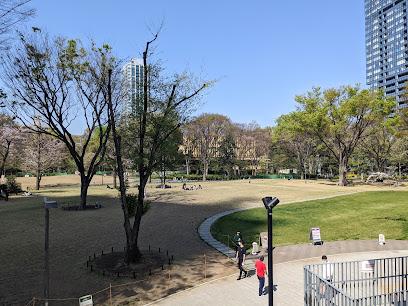
Escape the city buzz in Shinjuku's largest park, a green oasis offering respite and recreation amidst towering skyscrapers.
Tokyo Metropolitan Government Building North Observatory
0.3 km
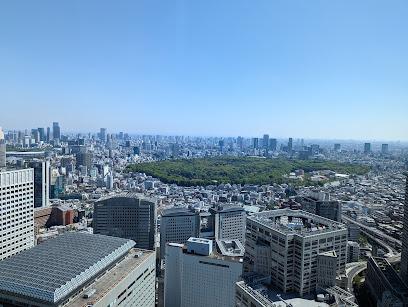
Discover Tokyo's skyline from the iconic Tokyo Metropolitan Government Building North Observatory, where breathtaking views await every visitor.
Tokyo Metropolitan Government Building
0.3 km
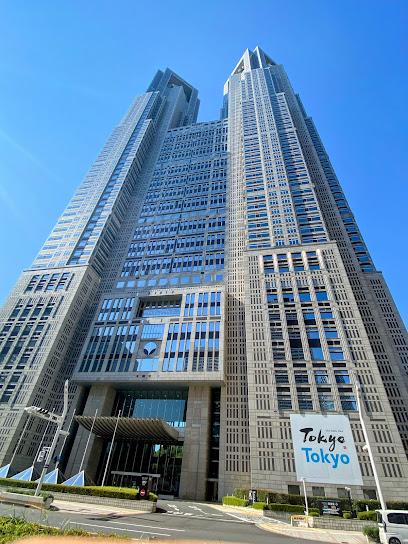
Visit Tokyo's iconic Metropolitan Government Building in Shinjuku for free panoramic views of the city and a glimpse of Mount Fuji.
Jōganji Temple
0.8 km
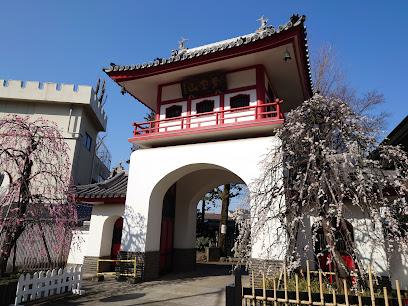
Experience the serene beauty and rich history of Jōganji Temple, a tranquil Buddhist sanctuary in Nakano City, Tokyo, ideal for reflection and exploration.
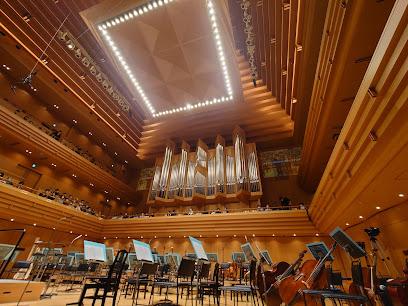
Tokyo Opera City Concert Hall, Takemitsu Memorial
0.8 km
Immerse yourself in the artistic elegance of Tokyo Opera City Concert Hall, where cultural performances come alive amidst stunning architecture.
SOMPO Museum of Art
0.8 km
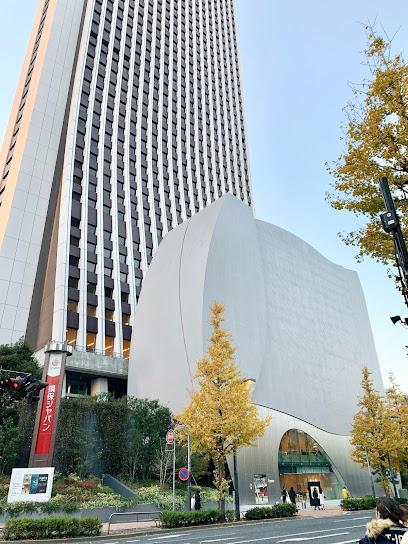
Explore the SOMPO Museum of Art in Shinjuku City, an inspiring destination showcasing exceptional Japanese and international art collections.
New National Theatre, Tokyo
0.9 km
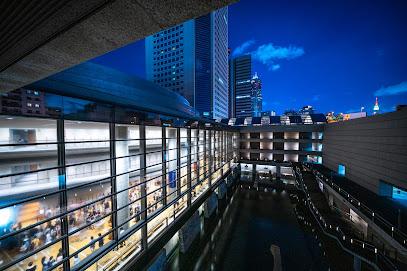
Discover world-class performances at the New National Theatre, Tokyo - a cultural gem in the heart of Shibuya.
Subaru Building Shinjuku Eye
0.9 km
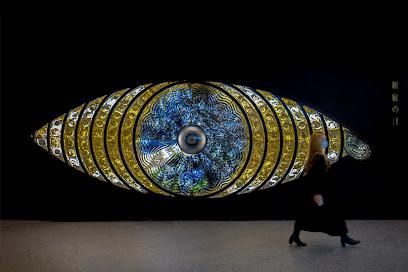
Discover the Shinjuku Eye: Yoshiko Miyashita's iconic 1969 sculpture, a unique piece of public art in the heart of Tokyo's Shinjuku district.
Shinjuku Station West Exit Event Space
0.9 km
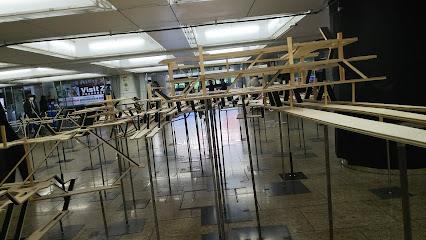
A dynamic event space in the heart of Tokyo's bustling Shinjuku, hosting diverse cultural and commercial activities.
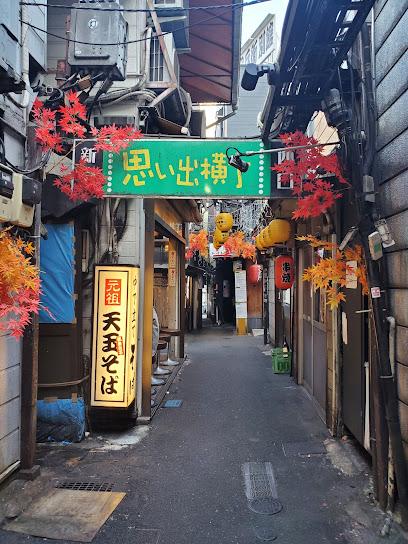
Omoide Yokocho
1.1 km
Experience old-world Tokyo in Shinjuku's Omoide Yokocho: a nostalgic alleyway filled with delicious street food and lively izakayas.
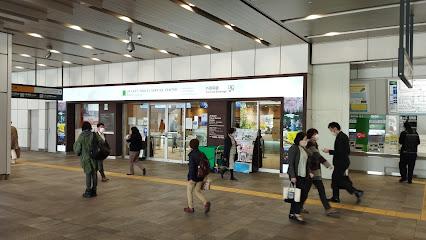
JR EAST Travel Service Center Shinjuku Station New South Gate
1.1 km
Your one-stop hub for hassle-free travel in East Japan, located in the heart of Shinjuku Station.
The Giant 3D Cat
1.2 km
Experience the magic of The Giant 3D Cat in Shinjuku, Tokyo, where art and technology create a whimsical attraction for all ages.
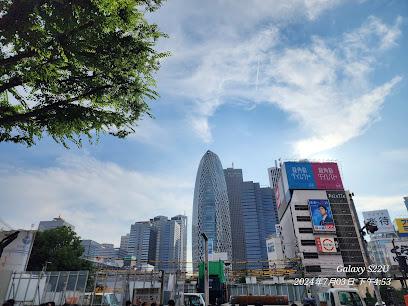
GODZILLA ROAD
1.3 km
Discover the iconic Godzilla Road in Shinjuku, Tokyo, where pop culture meets urban adventure amidst vibrant nightlife and unforgettable sights.
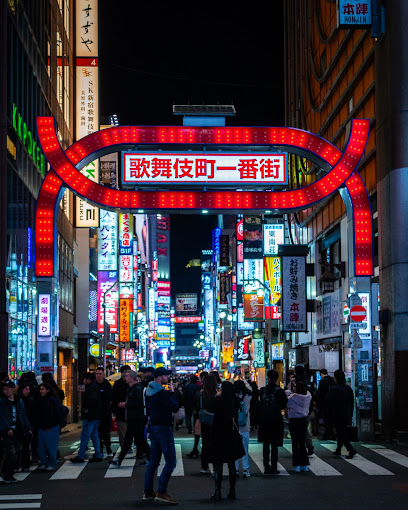
ZEROTOKYO
1.3 km
Immerse yourself in Tokyo's nightlife at ZEROTOKYO, a premier night club in Kabukicho offering electrifying beats and an unforgettable atmosphere.
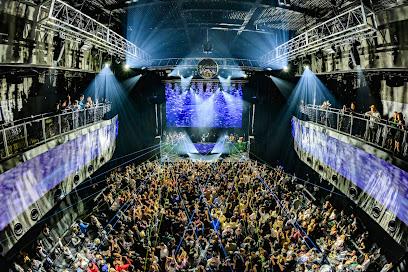
Karaoke 747 Shinjukukomadoriten
1.3 km
Unleash your inner singer at Karaoke 747 Shinjukukomadoriten, a karaoke venue in the heart of Tokyo's vibrant Kabukicho district.
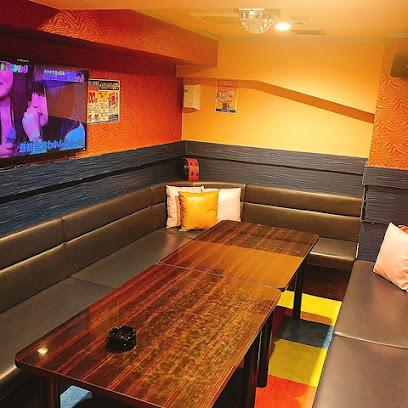
Essential places to dine

Musashino Mori Diner Shinjuku Central Park
0.2 km
Discover comfort food at Musashino Mori Diner in Shinjuku Central Park – your perfect breakfast retreat with pancakes and coffee!
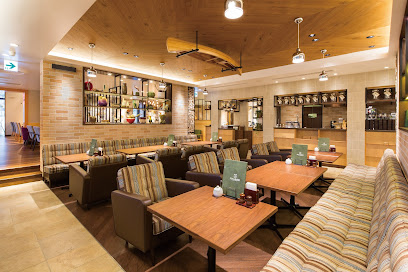
Kozue
0.6 km
Experience authentic kaiseki dining with breathtaking views at Kozue in Shinjuku Park Tower, Tokyo's culinary gem.

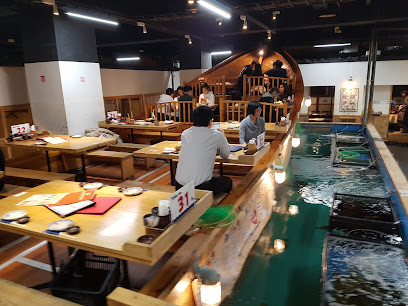
Fishing Restaurant Zauo Shinjuku
0.6 km
Experience an unforgettable dining adventure at Fishing Restaurant Zauo Shinjuku—catch your own seafood and savor exquisite Japanese cuisine.
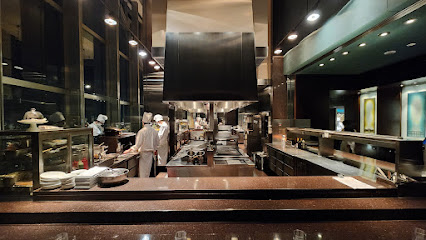
New York Grill
0.6 km
Experience unparalleled dining at New York Grill in Tokyo's Park Hyatt—where exquisite American cuisine meets breathtaking skyline views.
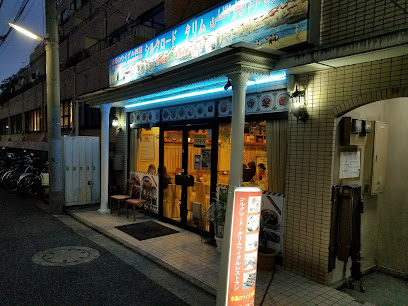
Silk Road Tarim Uyghur Restaurant
0.7 km
Experience authentic Uyghur cuisine in Tokyo's Shinjuku district at Silk Road Tarim Restaurant - where tradition meets flavor.
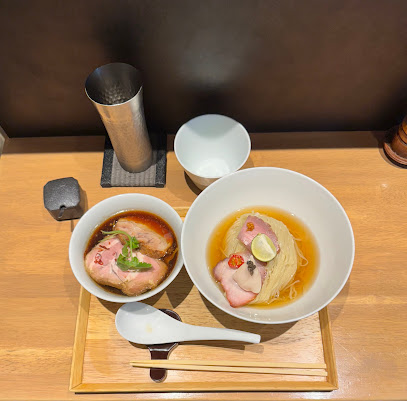
Ramenya Shima
0.7 km
Discover the authentic flavors of Japan at Ramenya Shima, Tokyo's gem for delicious ramen dishes crafted with tradition.
Sky View Dining 星空の中へ
0.7 km
Dine high above Tokyo at Sky View Dining - where exquisite Japanese cuisine meets breathtaking skyline views.
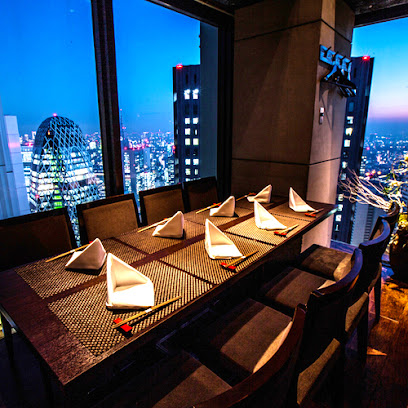
Asian Palm Shibuya Honmachi
1.1 km
Experience authentic Asian cuisine in Shibuya at Asian Palm, where delightful flavors meet affordable prices.
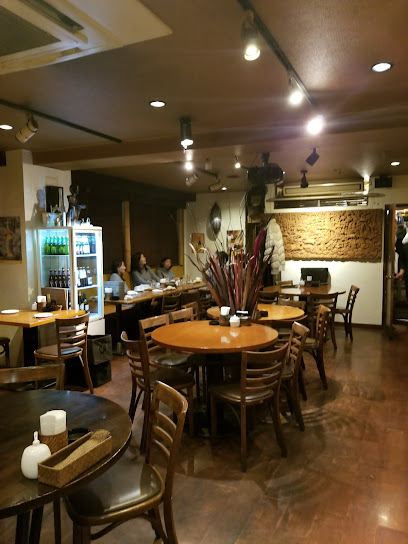
Soushi Menya Musashi
1.1 km
Experience authentic Japanese ramen in the heart of Shinjuku at Soushi Menya Musashi—where tradition meets flavor.
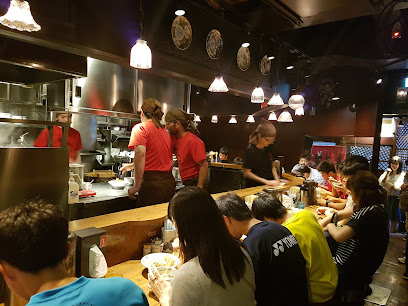
Teppan Baby
1.2 km
Experience the vibrant flavors of Japan at Teppan Baby in Shinjuku – where teppanyaki meets lively izakaya culture.
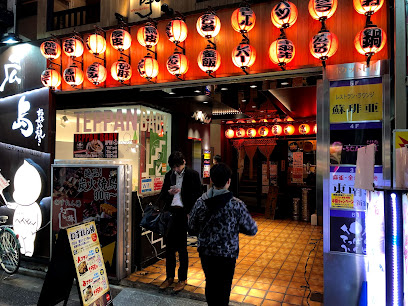
Nikutei Futago Shinjuku
1.3 km
Experience the best Yakiniku and Korean barbecue at Nikutei Futago Shinjuku - a must-visit for culinary enthusiasts in Tokyo.
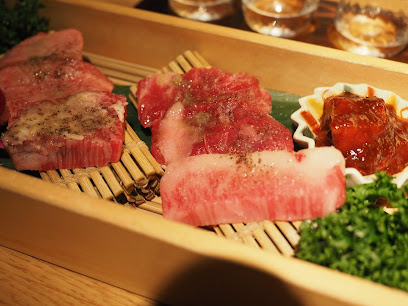
Sungari Shinjuku 3 chome branch
1.3 km
Experience authentic Russian, Georgian, and Ukrainian cuisine at Sungari Shinjuku – a culinary journey in the heart of Tokyo's vibrant Shinjuku district.
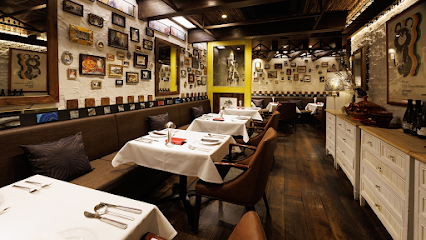
Alice in Fantasy Book
1.3 km
Discover the enchanting world of culinary creativity at Alice in Fantasy Book—where every dish tells a story!
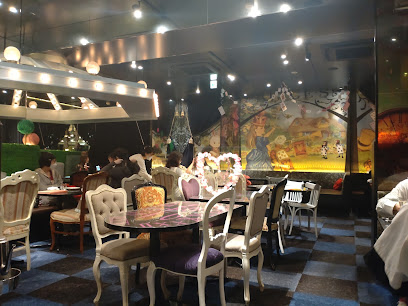
Tempura Shinjuku Tsunahachi Souhonten
1.4 km
Discover the rich flavors of traditional Japanese cuisine at Tempura Shinjuku Tsunahachi Souhonten - where every bite tells a story.
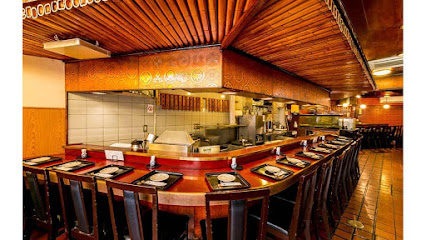
NINGEN RESTAURANT(HUMAN RESTAURANT)
1.4 km
Experience a fusion of Japanese and Italian cuisine at Ningen Restaurant in Shinjuku - where culinary creativity meets tradition.
Markets, malls and hidden boutiques

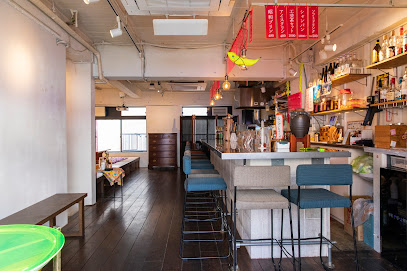
TODAY'S SPECIAL Shinjuku
1.1 km
Explore unique gifts and home goods at TODAY'S SPECIAL Shinjuku, a delightful novelty store in the heart of Tokyo's vibrant Shinjuku district.
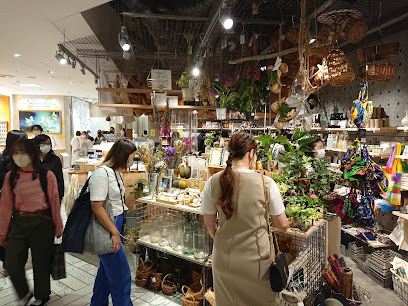
Flags
1.2 km
Discover the ultimate shopping experience at Flags in Shinjuku, Tokyo, where fashion meets culture in a vibrant atmosphere.
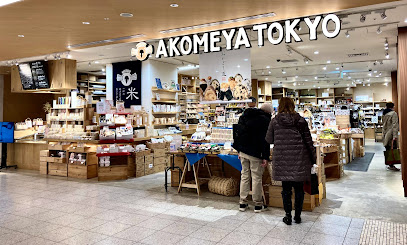
AKOMEYA TOKYO NEWoMan SHINJUKU
1.2 km
Explore AKOMEYA TOKYO NEWoMan SHINJUKU, a gourmet grocery store and gift shop offering authentic Japanese products and culinary treasures.
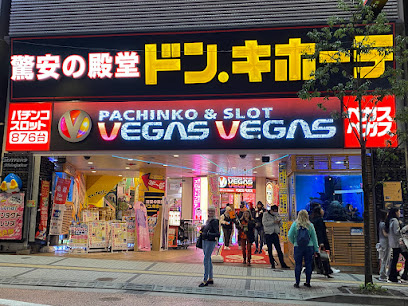
Shinjuku
1.2 km
Discover the vibrant shopping and entertainment scene in Shinjuku, Tokyo's bustling district of culture and excitement.
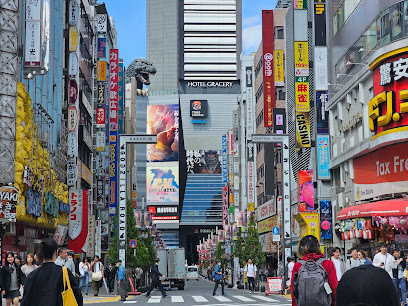
Ginzo
1.2 km
Explore Ginzo in Shinjuku for a unique thrift shopping experience featuring stylish bags, exquisite jewelry, and vintage treasures in Tokyo.
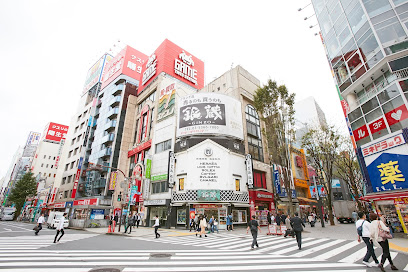
Meetz STORE 新宿髙島屋店
1.3 km
Discover the charm of Tokyo at Meetz STORE, a unique gift shop in Shinjuku offering a delightful selection of souvenirs and local crafts.
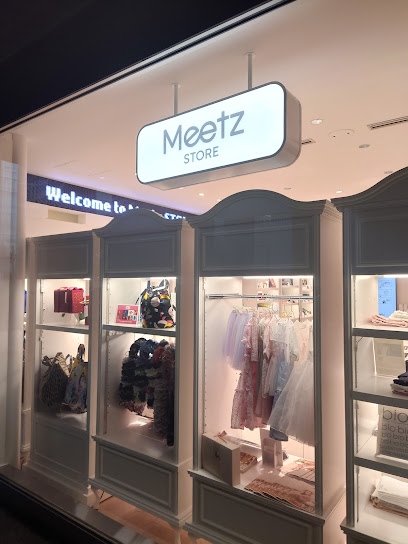
Takashimaya
1.3 km
Discover Takashimaya in Tokyo, a luxurious department store offering fashion, gourmet delights, and unique souvenirs in a beautiful setting.
THE TOKYO MATRIX Official Store
1.3 km
Explore THE TOKYO MATRIX Official Store in Kabukicho, Shinjuku for unique souvenirs and exclusive merchandise reflecting Tokyo's vibrant culture.
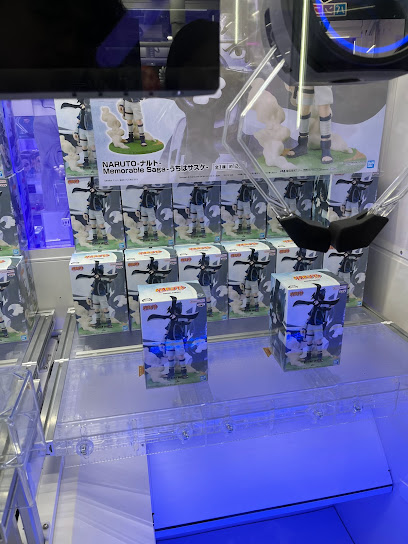
Shinjuku SUBNADE
1.3 km
Discover Shinjuku SUBNADE, a vibrant shopping mall in Tokyo's Kabukicho, offering fashion, food, and fun in a lively urban atmosphere.
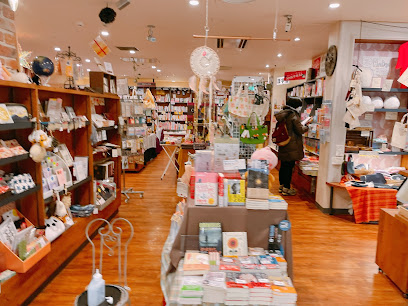
BicCamera Shinjuku east exit store
1.3 km
Explore BicCamera Shinjuku East Exit Store for a unique blend of electronics, Japanese culture, and diverse shopping in the heart of Tokyo.
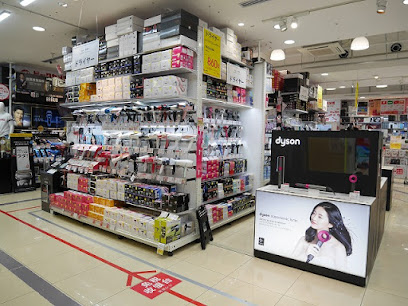
Disney Flagship Store Tokyo
1.3 km
Experience the enchantment of Disney at the flagship store in Tokyo, offering exclusive merchandise and magical memories for every visitor.
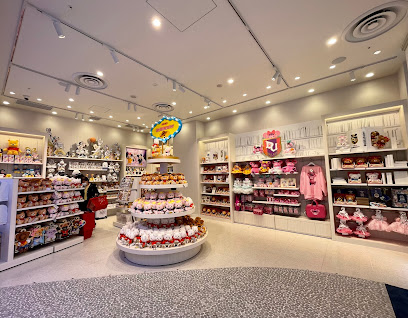
Sanrio Gift Gate
1.4 km
Discover the enchanting world of Sanrio at Sanrio Gift Gate in Shinjuku, Tokyo - a must-visit for kawaii culture enthusiasts.
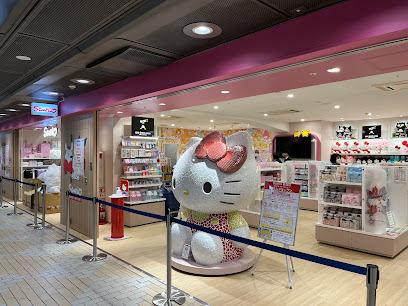
Isetan Shinjuku
1.5 km
Discover the luxurious shopping experience at Isetan Shinjuku, Tokyo's premier department store with gourmet dining and unique cultural offerings.
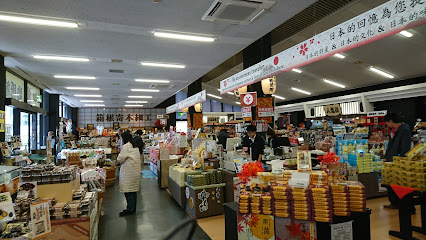
Japan Gold Label
1.8 km
Find the perfect souvenir at Japan Gold Label, where exquisite Japanese craftsmanship meets modern elegance, right in the heart of Tokyo.
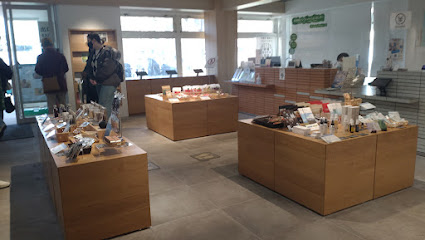
souvenir mori annex
2.0 km
Explore the enchanting world of Japanese souvenirs at Souvenir Mori Annex in Shibuya, where every item is a piece of culture.
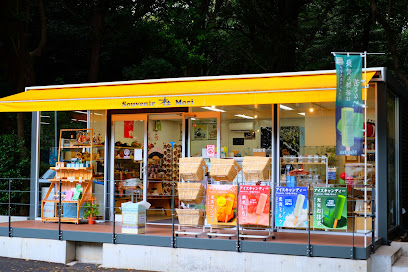
Essential bars & hidden hideouts

Bar Benfiddich
0.7 km
Experience the artistry of cocktails at Bar Benfiddich, a premier bar in Tokyo's Nishishinjuku offering innovative drinks and a cozy atmosphere.
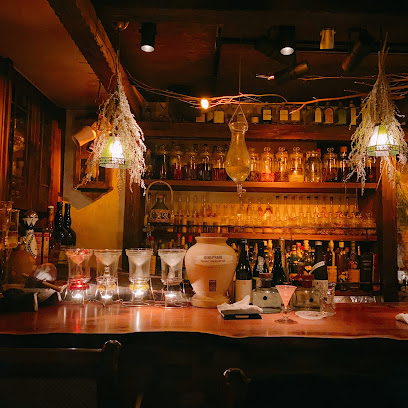
SPIRITS BAR Sunface SHINJUKU
0.7 km
Discover the vibrant nightlife of Shinjuku at SPIRITS BAR Sunface, where exceptional drinks meet a welcoming atmosphere.
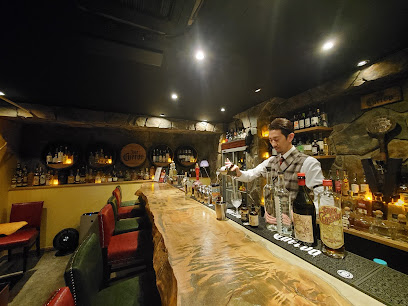
Bar Kukon
1.0 km
Discover Bar Kukon in Shibuya: A charming bar serving crafted cocktails, exquisite wines, and a cozy atmosphere that captures Tokyo's nightlife.
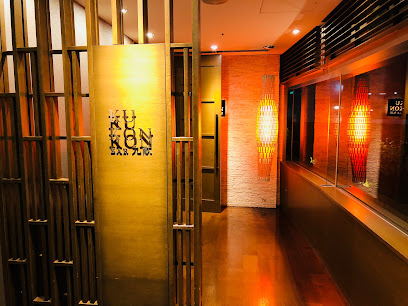
Zoetrope
1.0 km
Immerse yourself in the vibrant nightlife at Zoetrope, a must-visit bar in Shinjuku, Tokyo, known for its creative cocktails and inviting atmosphere.
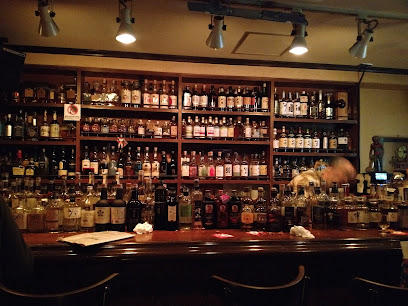
Liquid Ruby
1.1 km
Experience the vibrant nightlife of Tokyo at Liquid Ruby, a bar famous for its innovative cocktails and vibrant atmosphere in Shinjuku.
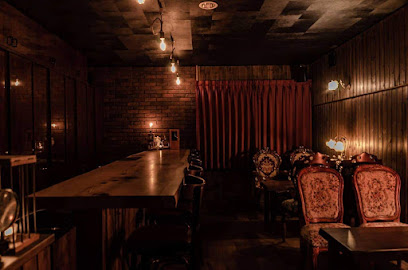
Spincoaster Music Bar
1.1 km
Discover Spincoaster Music Bar in Shibuya, where the beats are vibrant, and the atmosphere is electric for an unforgettable nightlife experience.
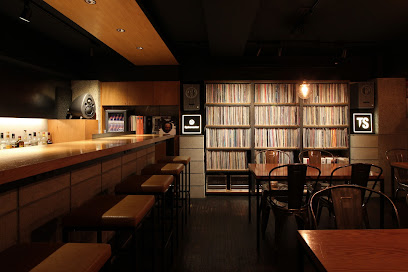
Bar Cocktailbook Shinjuku
1.2 km
Discover the art of mixology at Bar Cocktailbook Shinjuku, where expertly crafted cocktails meet a chic and inviting atmosphere.
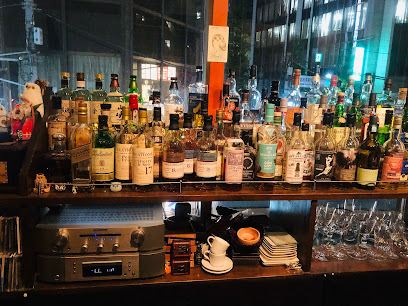
Beer Pong Bar GROVE Shinjuku
1.2 km
Dive into the energetic nightlife of Shinjuku at Beer Pong Bar GROVE, where games meet great drinks in a vibrant atmosphere.
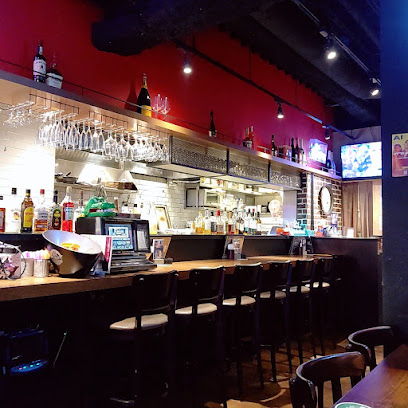
BAR PSY
1.4 km
Experience the heart of Tokyo's rock scene at BAR PSY, where great music and a cozy atmosphere come together for an unforgettable night.
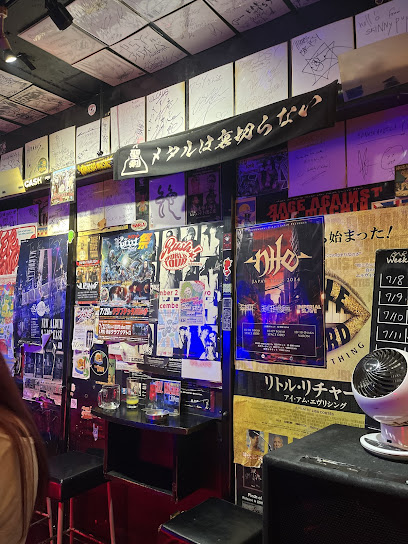
Rock Bar Mother
1.4 km
Discover Rock Bar Mother, Tokyo's premier rock bar offering an electrifying atmosphere, live music, and an extensive drink selection in the heart of Kabukicho.
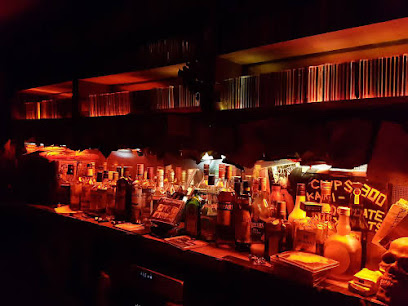
Music Fashion Bar RUN
1.4 km
Discover the dynamic blend of music, fashion, and nightlife at Music Fashion Bar RUN in Tokyo's Kabukicho, a hotspot for memorable evenings.
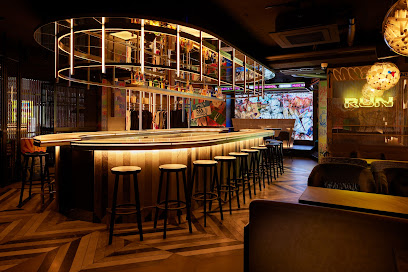
bar moon walk Shinjuku Yasukunidori Branch
1.4 km
Immerse yourself in Tokyo's nightlife at Bar Moon Walk, offering a cozy izakaya atmosphere with a wide selection of drinks and traditional Japanese cuisine.
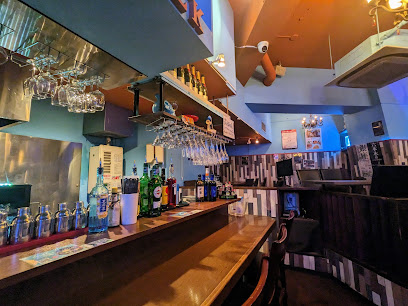
Bar Tokyo
1.5 km
Dive into the electrifying nightlife of Tokyo at Bar Tokyo, where cocktails, karaoke, and a lively atmosphere await in the heart of Kabukicho.
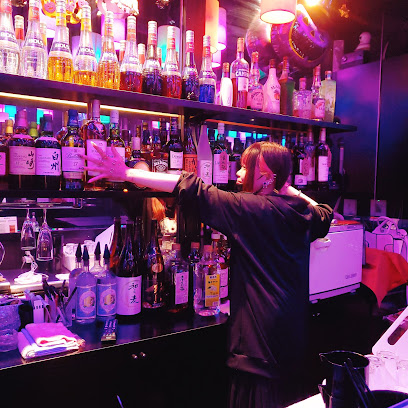
K-pop karaoke bar APINK(エイピンク)
1.5 km
Unleash your inner star at K-pop karaoke bar APINK, where every night is a concert filled with fun, laughter, and unforgettable memories in Shinjuku, Tokyo.
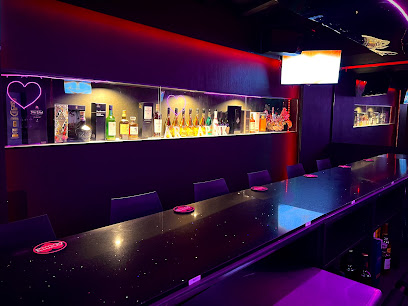
Hair Of the Dogs
1.5 km
Experience Tokyo's nightlife at Hair Of the Dogs, a vibrant bar in Shinjuku's Golden Gai with a diverse drink menu and lively atmosphere.
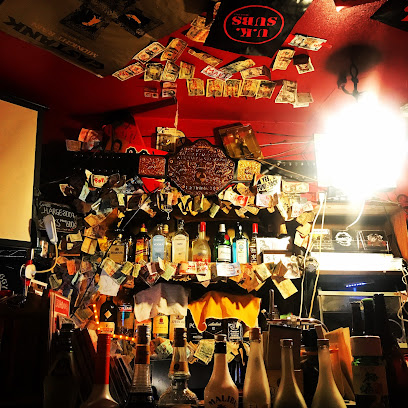
Nightclubs & after hour spots

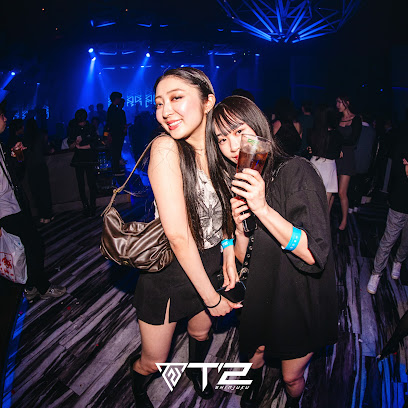
T2 SHINJUKU
1.1 km
T2 Shinjuku: Dive into Tokyo's electrifying nightlife at this premier night club, where unforgettable music and vibrant energy meet.
Elite Night Club
1.2 km
Experience the vibrant nightlife of Tokyo at Elite Night Club, where electrifying beats and stunning light shows create unforgettable memories.
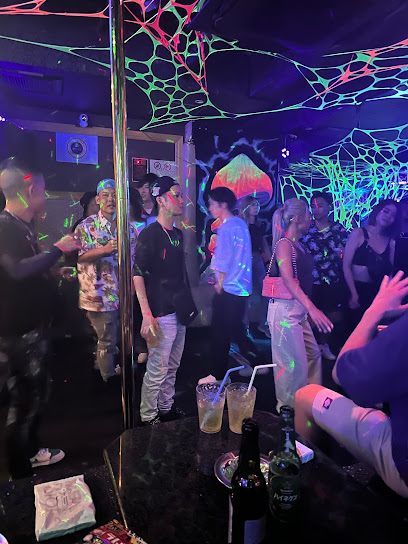
Reggae CLUB Garam
1.3 km
Discover Tokyo's reggae vibes at Reggae CLUB Garam, a lively nightclub in Kabukicho where music and culture unite for an unforgettable night.
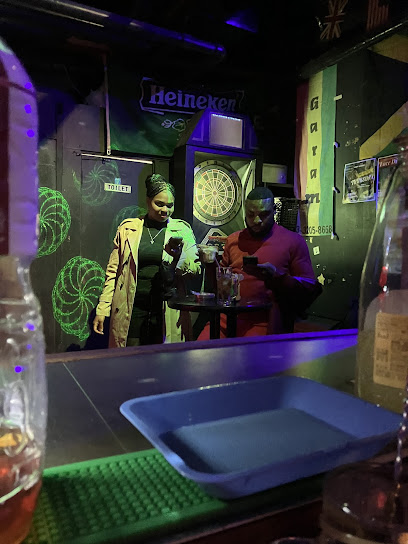
Ibiza55 Lounge
1.4 km
Discover the vibrant nightlife of Tokyo at Ibiza55 Lounge—where electrifying beats and unforgettable memories await in the heart of Shinjuku.
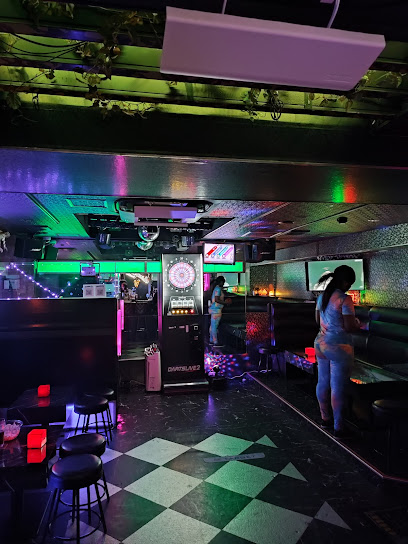
Club Tropicana Tokyo
1.4 km
Dive into the heart of Tokyo's nightlife at Club Tropicana, a vibrant disco club in Shinjuku offering unforgettable music and dancing.
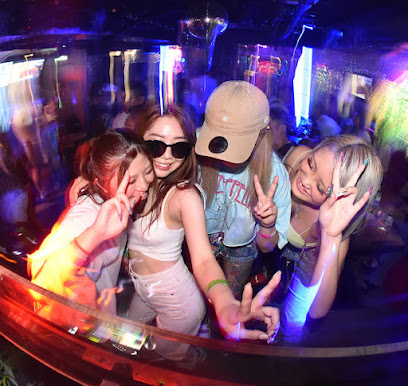
THE27CLUB
1.4 km
Immerse Yourself in Tokyo's Nightlife: Dance, Drink, and Celebrate at THE27CLUB in Kabukicho.
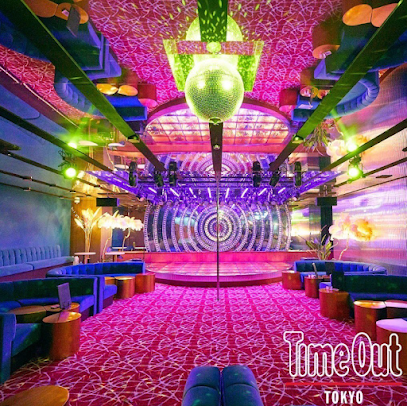
STAR CLUB
1.6 km
Experience the ultimate gaming bar in Shinjuku, Tokyo, where every night is a celebration of fun, drinks, and camaraderie among gamers.
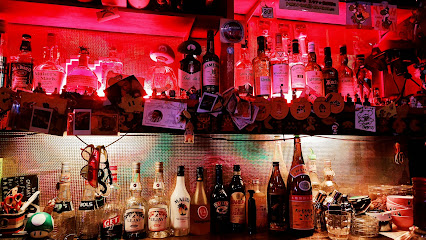
Arty Farty
1.7 km
Experience the vibrant nightlife of Shinjuku at Arty Farty, a lively gay bar and nightclub filled with fun, music, and unforgettable memories.
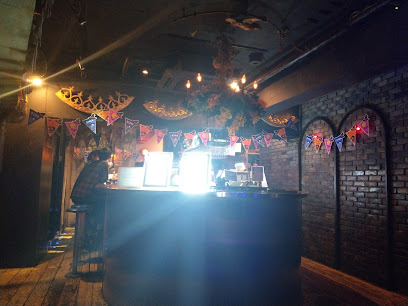
DJ BAR Bridge SHINJUKU
1.7 km
Experience the vibrant nightlife of Shinjuku at DJ BAR Bridge, where electrifying beats and affordable drinks come together for an unforgettable night.
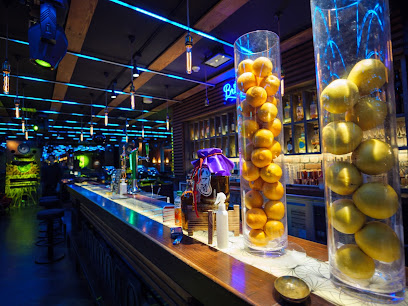
AiSOTOPE LOUNGE
1.8 km
Experience the vibrant nightlife at AiSOTOPE LOUNGE, Tokyo's premier gay night club in the heart of Shinjuku, where music, dance, and community come alive.
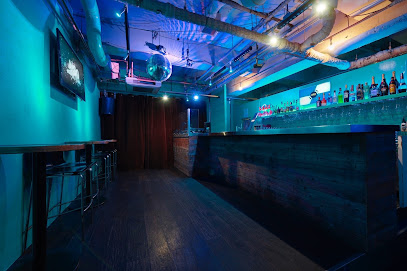
Club PETU
2.6 km
Discover the electrifying nightlife of Shibuya at Club PETU, where top DJs and vibrant crowds create unforgettable experiences.
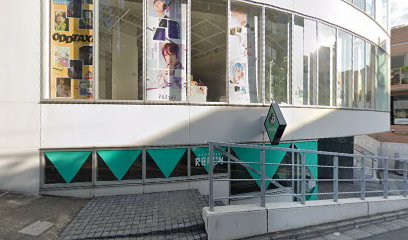
Bonobo
2.7 km
Experience the electrifying nightlife of Tokyo at Bonobo, a vibrant night club and bar in Shibuya, perfect for unforgettable evenings.
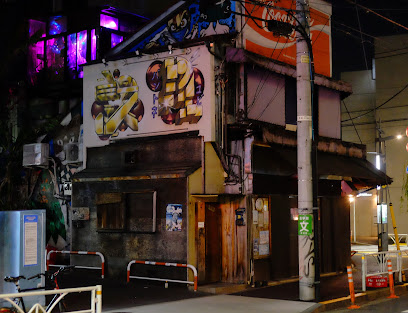
Sketchy Lane
2.7 km
Discover the vibrant nightlife of Tokyo at Sketchy Lane, a leading night club in Shibuya, where music and energy come alive.
shibuya JUMP
3.2 km
Dive into the electrifying nightlife at Shibuya JUMP, Tokyo's premier night club, where vibrant music and an energetic crowd create unforgettable experiences.
R Lounge
3.2 km
Experience the vibrant nightlife at R Lounge, a stylish nightclub in Shibuya, where eclectic music and a lively atmosphere come together for an unforgettable night.