

Free Suō Travel Guide & Mobile App
Explore Suō with free travel guides. Discover regional history, expert tips, proposed trips, and audio guides on web or mobile app.


Explore Suō in Yamaguchi for Iwakuni Castle, merchant streets, Seto Inland Sea islands, citrus landscapes and layered regional history.
Read more about Suō
When is the best time to visit Suō?
Best: May, October–November · 18–24°C| Month | High (°C) | Rainfall (mm) |
|---|---|---|
| January | 9 | 60 |
| February | 9 | 66 |
| March | 13 | 120 |
| April | 19 | 148 |
| May (best) | 24 | 162 |
| June | 28 | 213 |
| July | 33 | 252 |
| August | 33 | 214 |
| September | 30 | 206 |
| October (best) | 24 | 116 |
| November (best) | 18 | 99 |
| December | 12 | 65 |
Getting to and around Suō
How to get there
Transportation
Top city travel guides in Suō
The cities of Suō, and the easiest places to base yourself.

Swipe for more cities
Destinations in Suō
Resorts, valleys and scenic spots worth a trip of their own.

Swipe for more destinations
Best attractions in Suō
Suō's attractions range from highly legible historic sites to coast and countryside best explored at a slower pace. Iwakuni is the principal heritage centre, with Kintai Bridge, the riverside park, Kikkawa-related museums and the wooded approach to Iwakuni Castle forming a compact sequence of visits. Yanai offers white-plastered merchant buildings and a strong local sense of commercial history, while the old districts around Tokuyama and other former port towns reveal the region's changing relationship with the Seto Inland Sea. Suō-Ōshima provides citrus groves, beaches, rural roads and maritime views rather than a single headline monument. Coastal communities near Hikari, Kudamatsu and Kaminoseki add fishing harbours, promenades and quieter waterside scenery. Visitors interested in modern Japan can also see the industrial landscape around Shūnan and Kudamatsu, where factories and shipping routes remain part of daily life. Museums, temples, shrines and seasonal gardens deepen the historical picture, while walking, cycling, birdwatching and scenic driving are more rewarding here than a hurried checklist of attractions. The region's appeal lies in the contrast between castle-town formality, merchant-town detail, working ports and island landscapes.
-
Scenic spot
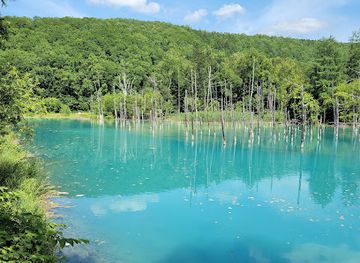
Shirogane Blue Pond (Aoiike)
Discover the enchanting Shirogane Blue Pond in Biei, Hokkaido: a unique, man-made marvel with stunning blue waters and captivating seasonal scenery.
-
Park
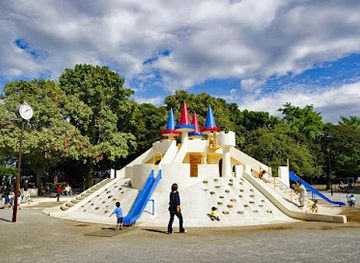
Asukayama Park
Explore the serene beauty of Asukayama Park, a must-visit destination in Tokyo known for its cherry blossoms and cultural landmarks.
-
Park
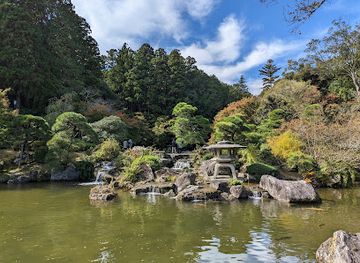
Naritasan Park
Escape to tranquility in Narita's serene oasis: Explore lush gardens, historical monuments, and seasonal festivals at Naritasan Park.
-
National park
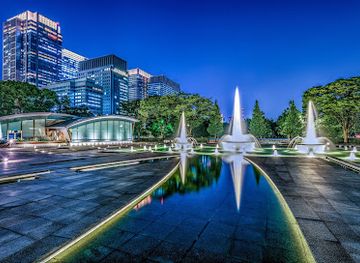
Wadakura Fountain National Park
A serene escape in the heart of Tokyo, Wadakura Fountain Park blends modern water features with historical Imperial significance.
Best landmarks in Suō
Kintai Bridge is Suō's defining landmark: its five wooden arches cross the Nishiki River with an engineering form that has become inseparable from Iwakuni's identity. Above it, Iwakuni Castle occupies the forested Yokoyama ridge, recalling the Kikkawa domain and the strategic importance of the river crossing, even though the present keep is a reconstruction. Yanai's white-walled merchant quarter provides a markedly different landmark landscape, with plaster storehouses, traditional rooflines and narrow streets shaped by early modern commerce. Along the coast, the small port settlements and ferry approaches of Suō-Ōshima and Kaminoseki express the region's maritime geography more plainly than monumental architecture does. The Seto Inland Sea itself is a major natural landmark, particularly where wooded islands, sheltered bays and citrus-growing slopes frame the horizon. In Shūnan and Kudamatsu, industrial waterfronts, cranes and shipping channels form a modern counterpoint to castle towns and merchant streets, demonstrating how the historic inland-sea corridor became part of Japan's manufacturing belt.
-
Buddhist temple
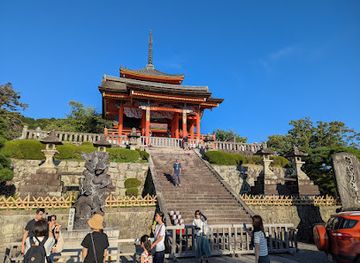
Kiyomizu-dera
Discover the tranquil beauty of Kiyomizu-dera, a historic Buddhist temple in Kyoto, renowned for its stunning architecture and breathtaking views.
Explore Suō on the map
Plan your trip on one map. See where the top cities, national parks and sights are, and book hotels and experiences in a few clicks.
Best hotels in Suō
Best restaurants in Suō
Food in Suō reflects the Seto Inland Sea and the agricultural hinterland behind it. Fish and shellfish appear widely in local restaurants, with menus changing according to the season and the day's catch; coastal towns and port districts are natural places to look for sashimi, grilled fish and simple seafood set meals. Suō-Ōshima is associated with citrus cultivation, and oranges, juice, preserves and citrus-flavoured sweets make practical regional purchases as well as ingredients in cafés and home cooking. Local sake, produced within Yamaguchi's broader brewing culture, is commonly served with regional dishes, while rice, vegetables and pickles anchor everyday meals. Iwakuni is known across Japan for Iwakuni-zushi, a pressed sushi traditionally assembled in layered form, and it is one of the region's most distinctive foods to seek out. Small cafés, noodle shops, traditional confectioners, family restaurants and rural eateries generally provide a more representative dining experience than a concentration of formal establishments. In market towns, opening days and evening hours can be limited, so planning around lunch is often sensible.
-
Cosplay cafe
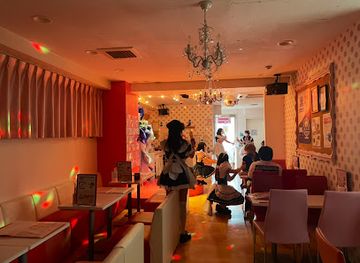
Maidcafe Maidreamin Akihabara idol-dori Store
Discover the enchanting world of Maidreamin Akihabara – where delicious food meets captivating performances in Tokyo's iconic cosplay cafe.
-
Japanese
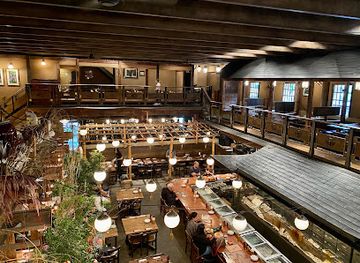
Gonpachi Nishi-Azabu
Discover the essence of Japanese cuisine at Gonpachi Nishi-Azabu with delicious soba noodles and kushiyaki skewers in a warm, inviting atmosphere.
-
Indian
Downtown B's Indian Kitchen, Tokyo
Savor authentic Indian flavors in the heart of Tokyo at Downtown B's Indian Kitchen – where every dish tells a story.
-
Izakaya
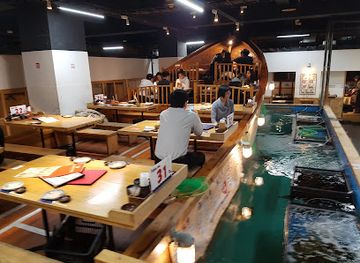
Fishing Restaurant Zauo Shinjuku
Catch your own dinner at Fishing Restaurant Zauo Shinjuku - where seafood meets interactive dining in Tokyo's vibrant heart.
Best bars in Suō
Evening life in Suō is modest and locally oriented rather than centred on a large club scene. Iwakuni has the broadest choice of izakaya, casual restaurants, karaoke venues and bars, partly because of its transport connections and American military presence nearby; visitors should remain considerate of residential streets and local customs. Tokuyama and the central Shūnan area also offer small drinking establishments, live music, cafés and restaurants clustered around the station and older town centre. In Yanai, Hikari, Kudamatsu and the island communities, evenings are more likely to revolve around family-run izakaya, traditional pubs, dining rooms or accommodation venues than nightclubs. Craft beer, regional sake and seasonal drinks can be found in suitable establishments, but availability changes. On Suō-Ōshima and the rural coast, the main attraction after dark is often the quiet maritime setting and a meal rather than organised nightlife, and visitors should arrange their return transport before drinking.
-
Bar
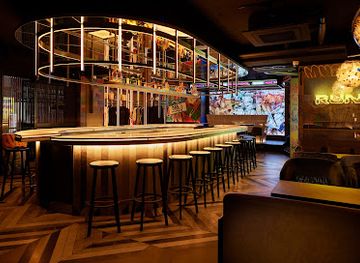
Music Fashion Bar RUN
Discover the dynamic blend of music, fashion, and nightlife at Music Fashion Bar RUN in Tokyo's Kabukicho, a hotspot for memorable evenings.
-
Tour operator
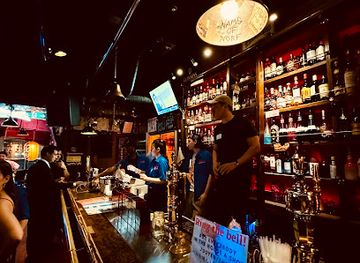
The Tokyo Pub Crawl
Explore Tokyo's vibrant nightlife with The Tokyo Pub Crawl, experiencing the best bars, cocktails, and local culture.
-
Bar
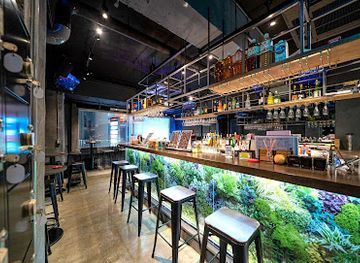
LITTS BAR
Experience the vibrant nightlife at LITTS BAR, where modern izakaya meets Italian cuisine in the heart of Shibuya, Tokyo.
-
Irish pub
Old Rock
Discover Old Rock, Matsumoto's charming Irish pub, offering a cozy atmosphere, delicious food, and an extensive drink selection for every traveler.

Best nightclubs in Suō
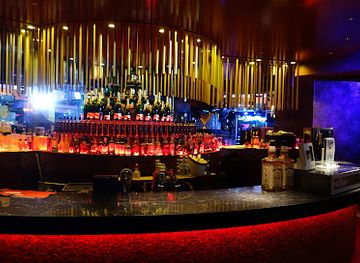
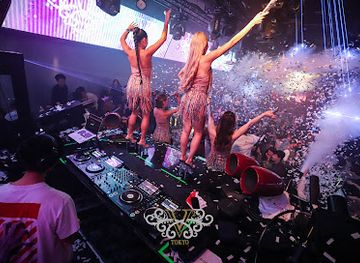
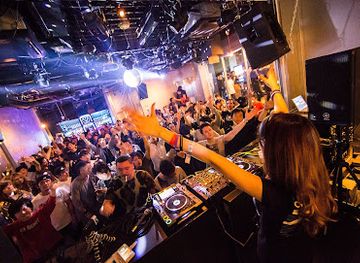
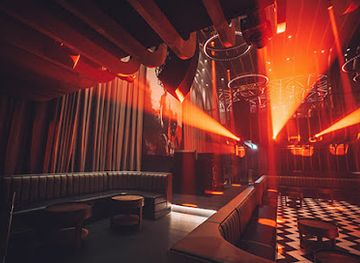
Evening life in Suō is modest and locally oriented rather than centred on a large club scene. Iwakuni has the broadest choice of izakaya, casual restaurants, karaoke venues and bars, partly because of its transport connections and American military presence nearby; visitors should remain considerate of residential streets and local customs. Tokuyama and the central Shūnan area also offer small drinking establishments, live music, cafés and restaurants clustered around the station and older town centre. In Yanai, Hikari, Kudamatsu and the island communities, evenings are more likely to revolve around family-run izakaya, traditional pubs, dining rooms or accommodation venues than nightclubs. Craft beer, regional sake and seasonal drinks can be found in suitable establishments, but availability changes. On Suō-Ōshima and the rural coast, the main attraction after dark is often the quiet maritime setting and a meal rather than organised nightlife, and visitors should arrange their return transport before drinking.
-
Night club
TK
Unleash your energy at TK Nightclub, a premier nightlife destination in Tokyo's Shibuya, where unforgettable nights await.
-
Night club
V2 TOKYO
Experience the electrifying nightlife of Tokyo at V2 TOKYO, an iconic night club in Roppongi, featuring top DJs and a vibrant atmosphere.
-
Night club
WOMB
Experience the vibrant nightlife of Tokyo at WOMB, where electrifying music and a dynamic atmosphere create unforgettable memories.
-
Night club
1 OAK TOKYO
Unleash your nightlife spirit at 1 OAK TOKYO, where luxury meets vibrant entertainment in the heart of Tokyo's Minato City.
Best shops in Suō
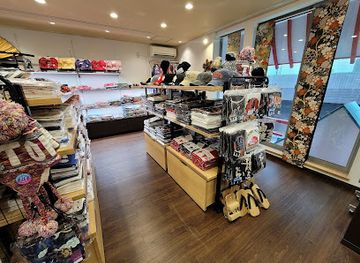
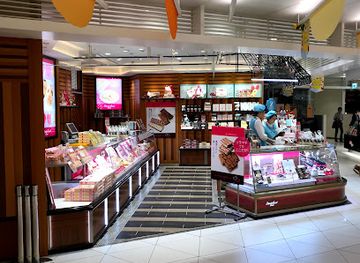
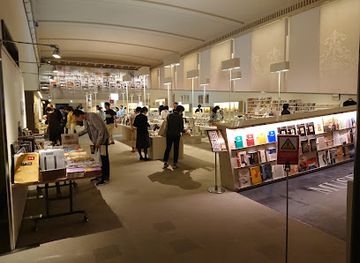
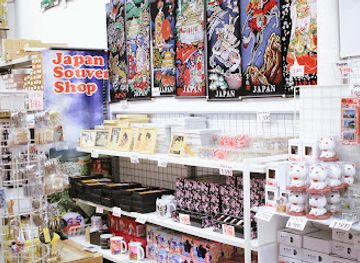
Shopping in Suō is strongest in market towns and local food outlets rather than large-scale retail districts. Yanai's historic centre is a good place to browse traditional goods, confectionery and souvenirs connected with the town's goldfish-shaped paper lantern tradition, while Iwakuni offers local foods, crafts and gifts around the Kintai Bridge area and central shopping streets. Suō-Ōshima is particularly associated with citrus products, including fresh fruit, juices, preserves and sweets, whose availability follows the harvest season. Regional sake, rice products, pickles, seafood preparations and Japanese confectionery make useful edible souvenirs, although chilled items require thought when travelling. Independent shops, station areas and roadside markets serve different parts of the region, with rural outlets often offering produce directly from nearby farms. Larger modern shopping centres and general retailers are concentrated around the principal towns such as Iwakuni and Shūnan, while island and coastal communities have a smaller, everyday retail offering. Check luggage space and transport arrangements before buying fresh or refrigerated food.
-
Souvenir store
Oriental Bazaar
Explore the unique offerings of Oriental Bazaar in Shibuya, Tokyo, where traditional crafts meet modern treasures in a delightful shopping experience.
-
Variety store
THE SKYTREE SHOP
Explore The Skytree Shop for authentic Japanese gifts and unique souvenirs in the heart of Tokyo's iconic Skytree.
-
Souvenir store
Tokyo National Museum Museum Shop
Explore the Tokyo National Museum Museum Shop for unique Japanese souvenirs, art, and home goods that embody the spirit of Japan's cultural heritage.
-
Souvenir store
JSS Souvenirs
Discover authentic Japanese souvenirs at JSS Souvenirs in Tokyo, offering unique gifts that capture the spirit of Japan.
Get your free copy of our complete guide to Suō, delivered straight to you.
Everything on this page, from attractions and restaurants to essentials and local phrases, in one PDF you can read offline, print or share.
Already have an account? Sign in
Your Suō guide is ready.
We'll send it to · Not you? Sign out

Getting your guide ready…
We are putting together a fresh copy of the Suō guide. This can take up to a minute.
This can take a few moments. If your browser asks, choose Allow so the download can start. You'll find the guide in your Downloads folder.
Nothing happened? Download it again
Sorry, the guide is taking longer than usual. Please try again in a minute, or get it by email instead.
Suō essentials
Currency and Payment
Safety
Emergency Situations
Do's and Don'ts
Local Tips
From Eve
Local phrases worth knowing
You don't need to get them perfect. A few words go a long way, and locals appreciate the effort.
Basics
| English | Local | Say it |
|---|---|---|
| Hello | こんにちは | [Konnichiwa] |
| Goodbye | さようなら | [Sayōnara] |
| Yes | はい | [Hai] |
| No | いいえ | [Iie] |
| Please/You're welcome | お願いします | [Onegaishimasu] |
| Thank you | ありがとう | [Arigatou] |
| Excuse me/Sorry | すみません | [Sumimasen] |
| How are you? | お元気ですか? | [Ogenki desu ka?] |
| Fine. And you? | 元気です。あなたは? | [Genki desu. Anata wa?] |
| Do you speak English? | 英語を話せますか? | [Eigo o hanasemasu ka?] |
| I don't understand | わかりません | [Wakarimasen] |
Eating & Drinking
| English | Local | Say it |
|---|---|---|
| I'd like to see the menu, please | メニューを見せてください | [Menyū o misete kudasai] |
| I don't eat meat | 肉は食べません | [Niku wa tabemasen] |
| Cheers! | 乾杯! | [Kanpai!] |
| I would like to pay, please | お会計をお願いします | [Okaikei o onegaishimasu] |
Emergencies
| English | Local | Say it |
|---|---|---|
| Help! | 助けて! | [Tasukete!] |
| Go away! | どいて! | [Doite!] |
| Call the Police! | 警察を呼んで! | [Keisatsu o yonde!] |
| Call a doctor! | 医者を呼んで! | [Isha o yonde!] |
| I'm lost | 道に迷いました | [Michi ni mayoimashita] |
| I'm ill | 具合が悪いです | [Guai ga warui desu] |
Shopping
| English | Local | Say it |
|---|---|---|
| I'd like to buy... | …を買いたいです | [... o kaitai desu] |
| I'm just looking | 見ているだけです | [Mite iru dake desu] |
| How much is it? | これはいくらですか? | [Kore wa ikura desu ka?] |
| That's too expensive | それは高すぎます | [Sore wa takasugimasu] |
| Can you lower the price? | 値段を下げてもらえますか? | [Nedan o sagete moraemasu ka?] |
Time & Numbers
| English | Local | Say it |
|---|---|---|
| What time is it? | 今、何時ですか? | [Ima, nanji desu ka?] |
| It's one o'clock | 1時です | [1-ji desu] |
| Half past (10) | 10時半です | [10-ji han desu] |
| Morning | 朝 | [Asa] |
| Afternoon | 午後 | [Gogo] |
| Evening | 夕方 | [Yūgata] |
| Yesterday | 昨日 | [Kinō] |
| Today | 今日 | [Kyō] |
| Tomorrow | 明日 | [Ashita] |
| 1 | 1 | [1] |
| 2 | 2 | [2] |
| 3 | 3 | [3] |
| 4 | 4 | [4] |
| 5 | 5 | [5] |
| 6 | 6 | [6] |
| 7 | 7 | [7] |
| 8 | 8 | [8] |
| 9 | 9 | [9] |
| 10 | 10 | [10] |
Transport & Directions
| English | Local | Say it |
|---|---|---|
| Where's a/the...? | …はどこですか? | [... wa doko desu ka?] |
| What's the address? | 住所は何ですか? | [Jūsho wa nan desu ka?] |
| Can you show me (on the map)? | 地図で見せてもらえますか? | [Chizu de misete moraemasu ka?] |
| When's the next (bus)? | 次の(バス)はいつですか? | [Tsugi no (basu) wa itsu desu ka?] |
| A ticket (to ....) | (…)までのチケット | [(...) made no chiketto] |
History of Suō
Ancient Suō Province and Provincial Administration
Suō emerged as one of the ancient provinces of western Honshū under Japan's early state system. Its provincial government was associated with the area around present-day Yamaguchi, while the wider province extended across much of eastern and south-eastern modern Yamaguchi Prefecture. Roads, religious institutions and official administration connected the interior with ports on the Seto Inland Sea. The boundaries of ancient Suō do not correspond perfectly to contemporary municipalities, but the provincial name remains useful for understanding the historical relationship between inland settlements, coastal communities and the region's eastern islands.
The Seto Inland Sea Trade Network
From the medieval period onwards, Suō's position beside the Seto Inland Sea gave its ports importance in regional commerce. Ships moved rice, salt, timber, fish and manufactured goods between western Japan and the Inland Sea's larger trading centres. Coastal inlets and island routes encouraged the growth of port settlements, while temples and shrines benefited from maritime exchange. Towns such as Yanai retained traces of this commercial past in their merchant architecture, and the continued importance of ferries, fishing harbours and coastal markets reflects the enduring influence of the sea on Suō's economy.
The Ōuchi and Mōri Eras
During the medieval and early modern transition, powerful western Japanese lords shaped the political landscape of Suō. The Ōuchi family, based further west but influential throughout the region, supported trade, Buddhism and cultural links with the Asian mainland. After the Ōuchi decline, the Mōri clan established control over much of western Japan. Their allies and retainers governed important local territories, setting the political foundations for later castle towns. The region's temples, castle sites and historic routes preserve fragments of an era when Suō stood within a strategically important part of western Japan.
Iwakuni and the Kikkawa Domain
Following the establishment of the Tokugawa shogunate in the seventeenth century, Iwakuni was governed by the Kikkawa family, related to the Mōri lords of the neighbouring Chōshū domain. Iwakuni Castle occupied a commanding position above the Nishiki River, and the town developed below it in relation to the river crossings and castle administration. The original castle was dismantled in the early Meiji period, but its setting, the reconstructed keep, samurai-quarter remains and Kintai Bridge convey the structure of the former domain town. Iwakuni's heritage is consequently one of Suō's most legible historical landscapes.
Merchant Towns and Early Modern Agriculture
Peace under the Tokugawa shogunate encouraged the growth of market towns, coastal trade and agricultural production. Yanai became particularly prosperous through commerce, and its white-walled storehouses and merchant houses reflect the wealth generated by exchange across the Inland Sea. Rice cultivation, forestry, fishing and salt-related activities supported communities beyond the main towns, while local roads connected the coast with inland production areas. Many of Suō's historic settlements developed through this combination of domain administration, farming and maritime commerce rather than through a single dominant industry.
The Meiji Restoration and the Chōshū Region
The wider Yamaguchi area, historically associated with the Chōshū domain, played a major role in the political upheavals that culminated in the Meiji Restoration of 1868. Reform-minded figures from Chōshū helped challenge the Tokugawa shogunate and later became influential in the new imperial government. Suō was not itself a separate modern political unit during these events, but its towns and transport routes lay within the domainal and regional world from which the movement emerged. The period brought new administrative boundaries, conscription, education and rapid changes to the old castle-town order.
Railways, Ports and Industrial Modernisation
From the late nineteenth century, railways and improved roads altered the relationship between Suō's inland and coastal communities. The Sanyō railway corridor connected towns such as Iwakuni, Tokuyama and nearby centres with the wider networks of western Japan. Ports expanded, especially around modern Shūnan and Kudamatsu, where shipping and manufacturing became central to the regional economy. Industrial waterfronts now stand alongside older merchant streets and rural coastlines, making Suō a useful place to observe how Japan's inland-sea trading geography developed into a modern transport and manufacturing region.
Migration, Island Communities and Contemporary Suō
The islands and coastal districts of Suō experienced significant population movement during the modern period, including migration from Suō-Ōshima to Hawaiʻi. These links influenced family histories, architecture, foodways and local cultural memory, and are commemorated through regional museums and community institutions. At the same time, rural depopulation, ageing populations and industrial concentration have changed the balance between small settlements and larger towns. Contemporary Suō therefore combines living maritime traditions and agricultural landscapes with modern ports, commuter corridors and communities adapting to demographic change.
Suō in Photos
Browse through our photo collection highlighting the charm and character of the destination.
Neighbouring regions of Suō
The closest regions to Suō, if you have time for more than one.
-

-

-

-

-


Swipe for more regions
Explore more

Explore more of Japan
Discover the harmony of tradition and modernity in Japan, where ancient temples and cutting-edge technology coexist in perfect balance.
Explore Japan