

Free Iwami Travel Guide & Mobile App
Explore Iwami with free travel guides. Discover regional history, expert tips, proposed trips, and audio guides on web or mobile app.


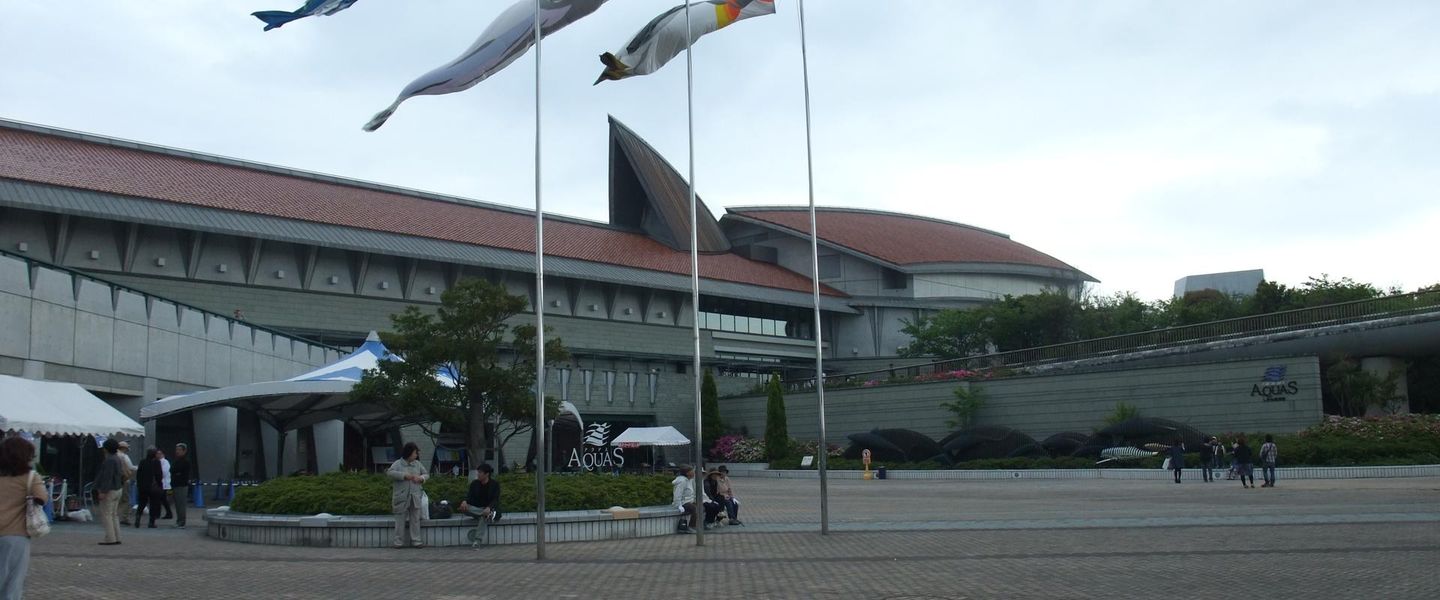


Explore Iwami in western Japan for silver-mining heritage, Sea of Japan scenery, Iwami Kagura, hot springs and historic castle towns.
Read more about Iwami
When is the best time to visit Iwami?
Best: May–June, October · 21–26°C| Month | High (°C) | Rainfall (mm) |
|---|---|---|
| January | 7 | 80 |
| February | 8 | 90 |
| March | 13 | 120 |
| April | 18 | 130 |
| May (best) | 22 | 150 |
| June (best) | 26 | 180 |
| July | 30 | 220 |
| August | 30 | 200 |
| September | 26 | 180 |
| October (best) | 21 | 150 |
| November | 15 | 120 |
| December | 10 | 90 |
Getting to and around Iwami
How to get there
Transportation
Top city travel guides in Iwami
The cities of Iwami, and the easiest places to base yourself.

Swipe for more cities
Destinations in Iwami
Resorts, valleys and scenic spots worth a trip of their own.

Swipe for more destinations
Best attractions in Iwami
Iwami's attractions range from the UNESCO-listed Iwami Ginzan Silver Mine and its Cultural Landscape around Oda to coastal scenery, hot springs, living performing arts and historic townscapes. At Omori, visitors can combine mine workings and forest routes with preserved merchant houses, temples and interpretation of the silver economy; nearby Yunotsu adds a historic port and traditional bathing culture. Along the coast, Hamada and Gotsu provide access to beaches, fishing heritage, aquariums and family-oriented attractions, while the region's rivers and mountain roads open possibilities for walking, cycling and scenic drives. Iwami Kagura performances offer one of the area's most distinctive cultural experiences, with community troupes presenting mythological stories through masks, music and elaborate movement. Craft-focused travellers can learn about Sekishu washi and regional pottery, while Masuda and Tsuwano provide museums, shrines, old streets and castle-town history. The attractions are widely distributed, and their appeal lies in the contrast between major heritage sites, working coastal communities and quieter inland landscapes.
-
Tourist attraction
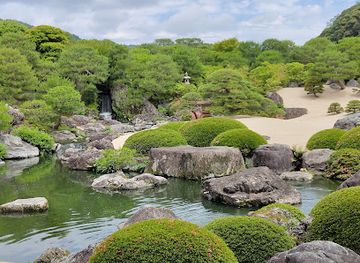
Adachi Museum of Art
Discover the Adachi Museum of Art, where Japanese art meets breathtaking gardens, offering a tranquil escape for art enthusiasts and nature lovers alike.
-
National reserve
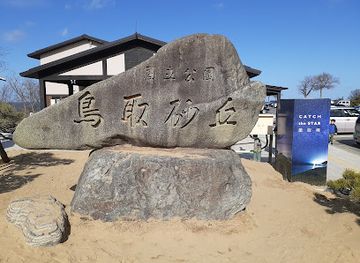
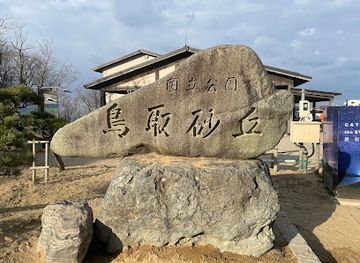
Tottori Sand Dunes
Explore the stunning Tottori Sand Dunes, Japan's largest sand dunes, offering unique landscapes, adventure activities, and cultural experiences.
-
Tourist attraction
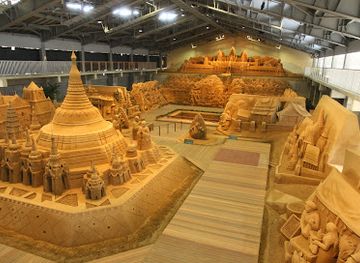
The Sand Museum
Discover the enchanting world of sand art at The Sand Museum in Tottori, Japan, where creativity and nature unite in breathtaking sculptures.
-
Tourist attraction
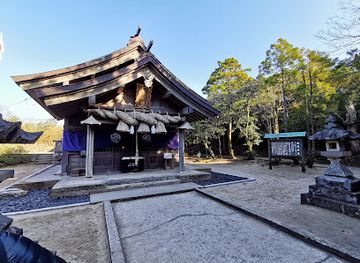
Hakuto Shrine
Explore the tranquil beauty and rich spiritual heritage of Hakuto Shrine in Tottori, a must-visit destination for every traveler.
Best landmarks in Iwami
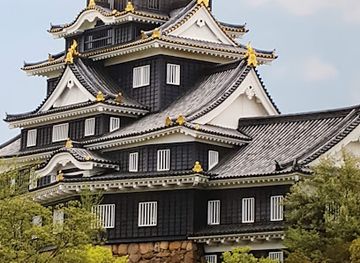
Iwami Ginzan's historic landscape is the region's defining landmark, with mine shafts, woodland routes, the former mining settlement of Omori and the port of Yunotsu illustrating the connection between extraction, administration and maritime trade. In Tsuwano, the ruins of Tsuwano Castle occupy Mount Taikodani above the town, while Taikodani Inari Shrine is recognised by its long approach of red torii and elevated views over the valley. Tsuwano's waterways, traditional townscape and former samurai and merchant districts form a coherent historic setting rather than a single monument. Along the coast, the red Sekishu roof tiles found on traditional buildings are a distinctive regional architectural marker, reflecting local clay and craft traditions. Hamada's coastline and the rocky shores around western Shimane provide natural landmarks shaped by the Sea of Japan, while shrine precincts and old port settlements preserve the religious and maritime geography of Iwami.
-
Bridge
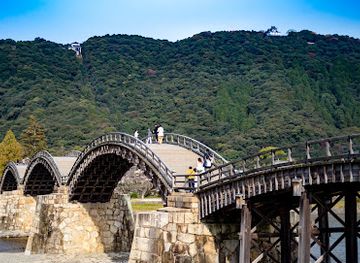
Kintaikyo Bridge
Experience the timeless beauty of Kintaikyo Bridge, a symbol of Japanese craftsmanship and resilience in Iwakuni's stunning natural landscape.
-
National reserve
Tottori Sand Dunes
Explore Japan's largest coastal sand dunes in Tottori: a unique landscape shaped by wind and sea, offering adventure and stunning views.
-
Local history museum
Iwami Ginzan World Heritage Center
Discover the captivating stories of silver mining at Iwami Ginzan World Heritage Center, a UNESCO site that enriches your travel experience in Japan.
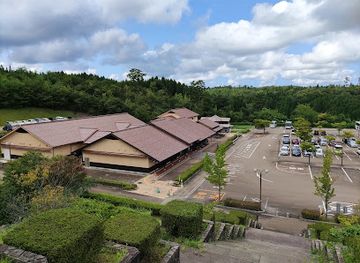
Explore Iwami on the map
Plan your trip on one map. See where the top cities, national parks and sights are, and book hotels and experiences in a few clicks.
Best hotels in Iwami
Best restaurants in Iwami
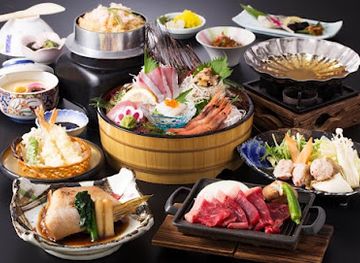
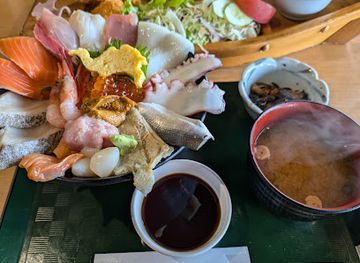
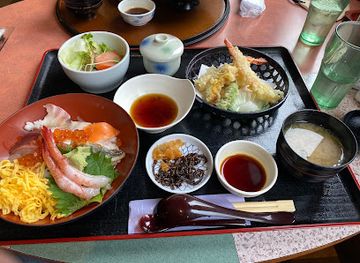
Iwami's food culture is shaped by the Sea of Japan, fertile valleys and small-scale regional production. Coastal towns such as Hamada, Gotsu and Masuda are good places to look for fresh fish, seasonal shellfish and seafood prepared simply or served in set meals, sushi and local izakaya. Inland restaurants and rural inns make use of rice, vegetables, mountain produce and locally sourced meats, while soba and other Japanese staples are widely available. Tsuwano is known for traditional sweets and town-style cafés, and hot-spring areas offer meals linked to local produce. Sake from Shimane and regional rice are natural accompaniments, while Sekishu pottery provides a tangible connection between dining and local craft. Farmers' markets, roadside shops and small confectioners are useful for finding gifts such as rice products, sweets, preserves and locally made drinks. Restaurant choice becomes more limited outside the principal towns, so meal planning matters in rural districts.
-
Restaurant
Sakyu Kaikan
Discover Sakyu Kaikan: A perfect blend of seafood delights, cultural souvenirs, and breathtaking views in Tottori.
-
Ferry service
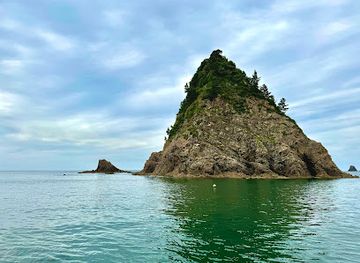
Uradome Coast Island Cruise
Discover breathtaking views and local flavors on the Uradome Coast Island Cruise - a must-visit attraction along Japan’s stunning coastline.
-
Restaurant
Sakyu Center "Miharashi no Oka"
Experience breathtaking views and delightful local cuisine at Sakyu Center 'Miharashi no Oka', nestled near Tottori's stunning sand dunes.
-
Crab
Maru Kai Watanabe Fisheries ( Aji Namiki restaurant)
Experience the finest crab dishes at Maru Kai Watanabe Fisheries in Hyogo Prefecture – a must-visit destination for seafood lovers.
Best bars in Iwami
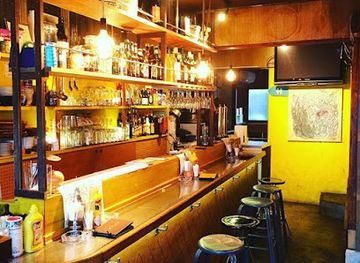
Evening life in Iwami is centred less on large nightclubs than on neighbourhood izakaya, small bars, restaurants, hot-spring inns and traditional pubs. Hamada and Masuda have the broadest concentration of places open after dark, with local drinking establishments where seafood, grilled dishes and regional sake accompany informal conversation. Gotsu and smaller coastal towns offer a quieter evening, while Yunotsu's atmosphere is tied to its historic bathhouses and traditional accommodation. Tsuwano has cafés, bars and restaurants suited to a relaxed night rather than a late club circuit. Iwami Kagura is an important alternative to conventional nightlife: performances may take place in shrine settings or community venues and can continue into the evening. Opening arrangements vary considerably in rural areas, and visitors should not assume that every town has late transport or all-night dining.
-
Ferry service
Uradome Coast Island Cruise
Discover the stunning Uradome Coast with a scenic island cruise that blends breathtaking views, delicious seafood, and unique souvenirs.
-
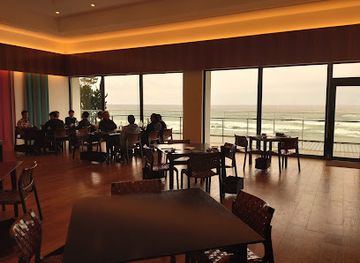
Restaurant
Al Mare
Savor authentic Italian cuisine at Al Mare, where fresh ingredients and stunning views create an unforgettable dining experience in Iwami.
-
Bar
Shuvi du Bar
Experience the vibrant flavors of Japan at Shuvi du Bar in Tottori, where modern izakaya meets gourmet hamburgers in a cozy atmosphere.
-
Restaurant
I wanna do Iwado
Experience the creative culinary magic of Tottori at 'I Wanna Do Iwado,' where traditional flavors meet innovative cuisine.
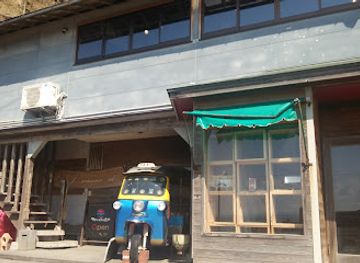
Best nightclubs in Iwami
Evening life in Iwami is centred less on large nightclubs than on neighbourhood izakaya, small bars, restaurants, hot-spring inns and traditional pubs. Hamada and Masuda have the broadest concentration of places open after dark, with local drinking establishments where seafood, grilled dishes and regional sake accompany informal conversation. Gotsu and smaller coastal towns offer a quieter evening, while Yunotsu's atmosphere is tied to its historic bathhouses and traditional accommodation. Tsuwano has cafés, bars and restaurants suited to a relaxed night rather than a late club circuit. Iwami Kagura is an important alternative to conventional nightlife: performances may take place in shrine settings or community venues and can continue into the evening. Opening arrangements vary considerably in rural areas, and visitors should not assume that every town has late transport or all-night dining.
-
Night club
TK
Discover Tokyo's nightlife at TK Nightclub, where electrifying beats and unforgettable experiences await every night in Shibuya.
-
Night club
Kujira Entertainment
Experience the vibrant nightlife at Kujira Entertainment, Tokyo's premier night club featuring cocktails, entertainment, and delectable cuisine.
-
Night club
V2 TOKYO
Experience the vibrant nightlife at V2 TOKYO, a premier night club in Roppongi known for its electrifying atmosphere and world-class DJs.
-
Night club
TANTRA TOKYO
Dive into the unforgettable nightlife of TANTRA TOKYO, where vibrant performances and exquisite drinks await in the heart of Roppongi.
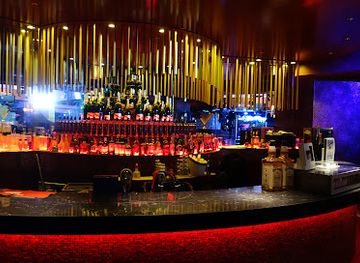



Best shops in Iwami
Shopping in Iwami is strongest in historic town centres, roadside markets, craft workshops and small independent food shops rather than large retail districts. Omori offers heritage-focused stores and carefully selected regional goods, while Yunotsu and Tsuwano have traditional sweets, crafts and souvenirs linked to their historic identities. Look for Sekishu washi, handmade paper goods, local pottery and red-roof-inspired products, as well as Shimane sake, rice, seafood products, preserves and confectionery. Hamada and Masuda provide the broadest everyday choice, including supermarkets, department-style retail and food markets, while smaller towns are better for locally made produce than fashion shopping. Tsuwano is particularly suitable for browsing along its old streets and shrine approaches, where sweets and craft items reflect the town's cultural traditions. Rural markets and roadside stations are useful for seasonal vegetables and packaged regional foods, but opening days and stock can vary.
-
Ferry service
Uradome Coast Island Cruise
Discover the stunning Uradome Coast through an unforgettable island cruise, featuring breathtaking views, delicious seafood, and rich marine life.
-
Souvenir store
Rakudaya Co., Ltd.
Explore Rakudaya Co., Ltd. in Tottori for unique souvenirs that capture the essence of Japanese culture and craftsmanship.
-
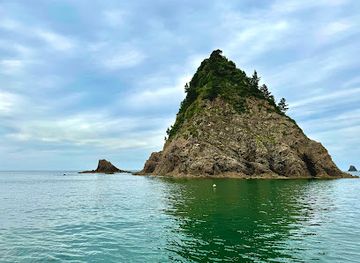
Scenic spot
Shirawara Coast
Explore the breathtaking Shirawara Coast, where stunning landscapes meet serene beaches in Iwami, Japan.
-
Grocery store
Sunmart Iwami
Experience the local charm and convenience at Sunmart Iwami, your go-to supermarket for fresh produce and authentic Japanese goods.

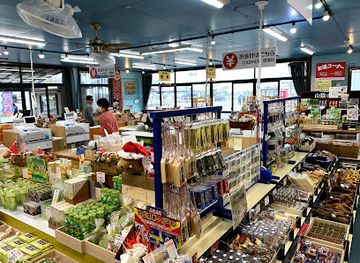
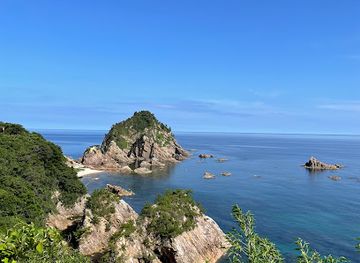
Get your free copy of our complete guide to Iwami, delivered straight to you.
Everything on this page, from attractions and restaurants to essentials and local phrases, in one PDF you can read offline, print or share.
Already have an account? Sign in
Your Iwami guide is ready.
We'll send it to · Not you? Sign out

Getting your guide ready…
We are putting together a fresh copy of the Iwami guide. This can take up to a minute.
This can take a few moments. If your browser asks, choose Allow so the download can start. You'll find the guide in your Downloads folder.
Nothing happened? Download it again
Sorry, the guide is taking longer than usual. Please try again in a minute, or get it by email instead.
Iwami essentials
Currency and Payment
Safety
Emergency Situations
Do's and Don'ts
Local Tips
From Eve
Local phrases worth knowing
You don't need to get them perfect. A few words go a long way, and locals appreciate the effort.
Basics
| English | Local | Say it |
|---|---|---|
| Hello | こんにちは | [Konnichiwa] |
| Goodbye | さようなら | [Sayōnara] |
| Yes | はい | [Hai] |
| No | いいえ | [Iie] |
| Please/You're welcome | どうぞ | [Dōzo] |
| Thank you | ありがとう | [Arigatou] |
| Excuse me/Sorry | すみません | [Sumimasen] |
| How are you? | お元気ですか? | [Ogenki desu ka?] |
| Fine. And you? | 元気です。あなたは? | [Genki desu. Anata wa?] |
| Do you speak English? | 英語を話せますか? | [Eigo o hanasemasu ka?] |
| I don't understand | わかりません | [Wakarimasen] |
Eating & Drinking
| English | Local | Say it |
|---|---|---|
| I'd like to see the menu, please | メニューを見せてください | [Menyū o misete kudasai] |
| I don't eat meat | 肉を食べません | [Niku o tabemasen] |
| Cheers! | 乾杯! | [Kanpai!] |
| I would like to pay, please | お会計をお願いします | [Okaikei o onegaishimasu] |
Emergencies
| English | Local | Say it |
|---|---|---|
| Help! | 助けて! | [Tasukete!] |
| Go away! | どこか行って! | [Doko ka itte!] |
| Call the Police! | 警察を呼んで! | [Keisatsu o yonde!] |
| Call a doctor! | 医者を呼んで! | [Isha o yonde!] |
| I'm lost | 迷いました | [Mayoimashita] |
| I'm ill | 具合が悪いです | [Guai ga warui desu] |
Shopping
| English | Local | Say it |
|---|---|---|
| I'd like to buy... | これを買いたいです | [Kore o kaitai desu] |
| I'm just looking | 見ているだけです | [Mite iru dake desu] |
| How much is it? | これはいくらですか? | [Kore wa ikura desu ka?] |
| That's too expensive | それは高すぎます | [Sore wa takasugimasu] |
| Can you lower the price? | 値段を下げてもらえますか? | [Nedan o sagete moraemasu ka?] |
Time & Numbers
| English | Local | Say it |
|---|---|---|
| What time is it? | 今何時ですか? | [Ima nanji desu ka?] |
| It's one o'clock | 1時です | [Ichi ji desu] |
| Half past (10) | 10時半です | [Jū ji han desu] |
| Morning | 朝 | [Asa] |
| Afternoon | 午後 | [Gogo] |
| Evening | 夕方 | [Yūgata] |
| Yesterday | 昨日 | [Kinō] |
| Today | 今日 | [Kyō] |
| Tomorrow | 明日 | [Ashita] |
| 1 | 1 | [Ichi] |
| 2 | 2 | [Ni] |
| 3 | 3 | [San] |
| 4 | 4 | [Shi] |
| 5 | 5 | [Go] |
| 6 | 6 | [Roku] |
| 7 | 7 | [Nana] |
| 8 | 8 | [Hachi] |
| 9 | 9 | [Kyū] |
| 10 | 10 | [Jū] |
Transport & Directions
| English | Local | Say it |
|---|---|---|
| Where's a/the...? | …はどこですか? | […wa doko desu ka?] |
| What's the address? | 住所は何ですか? | [Jūsho wa nan desu ka?] |
| Can you show me (on the map)? | 地図で見せてくれますか? | [Chizu de misete kuremasu ka?] |
| When's the next (bus)? | 次の(バス)はいつですか? | [Tsugi no (basu) wa itsu desu ka?] |
| A ticket (to ....) | …までの切符 | […made no kippu] |
History of Iwami
Early Settlement and Ancient Iwami
Iwami has been inhabited since prehistoric times, with archaeological evidence from settlements, burial sites and life along the Sea of Japan coast and inland river valleys. In the ancient provincial system, the area was known as Iwami-no-kuni. Its geography encouraged links between coastal ports, mountain communities and neighbouring regions of western Japan. Iron production, rice cultivation, forestry and coastal exchange became important foundations of local society. Religious sites and oral traditions also reflect the enduring importance of mountains, rivers and the sea in Iwami's cultural landscape.
Medieval Fortresses and Coastal Exchange
During the medieval period, local warrior families competed for control of valleys, ports and strategic strongholds. Castles and fortified settlements developed across the region, including the predecessor of the castle town at Tsuwano. Iwami's position on the Sea of Japan brought it into networks of trade and political rivalry linking western Japan with Korea and the wider region. Although much of the medieval built environment has disappeared, castle ruins, temple precincts, old routes and town plans preserve traces of the era's political geography.
Iwami Ginzan and the Silver Economy
The silver deposit at Iwami Ginzan, in present-day Oda, was developed on a major scale in the sixteenth century. Production expanded under successive rulers, and the mine became closely connected with the port of Yunotsu and the settlement now known as Omori. Iwami silver entered international trade networks at a time when East Asian commerce was increasingly connected to markets beyond the region. Mining continued under the Tokugawa shogunate, although output changed over time. Tunnels, refining sites, temples, roads and town buildings together reveal the social and environmental history of the mining landscape.
Tsuwano Domain and Castle-Town Culture
Tsuwano developed around a strategic castle and was governed during the Edo period by the Kamei family. Its domain administration shaped the town's streets, residences, religious institutions and educational traditions. Tsuwano also became associated with the persecution and forced relocation of Christians during the nineteenth century; memorials connected with the Otome-toge Pass commemorate those who suffered and died. The town's waterways, traditional buildings, shrine complexes and continuing arts events reflect the layered legacy of a small but culturally influential domain.
Iwami Kagura and Community Ritual
Iwami Kagura grew from Shinto ritual performance and developed a particularly dynamic local style. Performances draw on mythological narratives, including stories recorded in Japan's ancient chronicles, but Iwami troupes are known for vigorous movement, dramatic music, large masks and visually striking costumes. In many communities kagura was historically connected with shrine festivals and seasonal religious life. It remains a living art in western Shimane, performed by local groups for residents and visitors alike rather than existing solely as a preserved stage tradition.
Washi, Pottery and Regional Industries
The region's craft history includes Sekishu washi, a strong handmade paper traditionally produced in Iwami and used for documents, sliding screens and other applications. Clay from the area also supported the production of Sekishu roof tiles, recognised for their reddish colour and resistance to weather, as well as regional pottery. Fishing, forestry, agriculture and small-scale manufacturing supplemented these crafts. Together they created the material character of Iwami's temples, farmhouses, merchant buildings and traditional settlements.
Modern Transport and Rural Transformation
The opening of modern roads and railways altered the relationship between Iwami's coastal towns, inland valleys and national markets. Rail access along the San'in coast supported the movement of people and goods, while later road improvements made the region more accessible from Hiroshima and eastern Shimane. At the same time, mine closure, industrial change and rural population decline transformed many communities. Heritage preservation, cultural tourism, coastal recreation and local food production now form part of Iwami's contemporary economy without replacing its longstanding agriculture, fisheries and community traditions.
Iwami in Photos
Browse through our photo collection highlighting the charm and character of the destination.
Neighbouring regions of Iwami
The closest regions to Iwami, if you have time for more than one.
-

-

-

-

-


Swipe for more regions
Explore more

Explore more of Japan
Discover the harmony of tradition and modernity in Japan, where ancient temples and cutting-edge technology coexist in perfect balance.
Explore Japan