
Wadi Hidan, Jordan Travel Guide
Discover the hidden beauty of Wadi Hidan in Jordan, where lush valleys, flowing streams, and rugged landscapes create an unforgettable natural paradise.
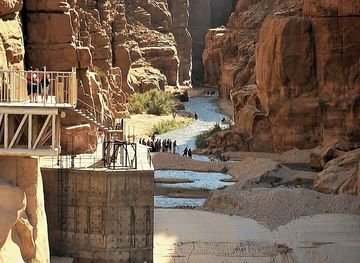
Nestled in the heart of Jordan, Wadi Hidan is a hidden paradise waiting to be discovered. This stunning wadi, or valley, offers a refreshing escape from the arid desert landscape that surrounds it. With its flowing streams, lush vegetation, and towering cliffs, Wadi Hidan provides a serene setting for nature lovers and adventure seekers alike. Exploring Wadi Hidan is like stepping into a different world. The cool waters of its streams invite visitors to take a dip, while the rocky terrain challenges hikers to navigate its winding paths. Along the way, you will encounter an array of flora and fauna, adding to the valley's charm and making each visit a unique experience. For those looking to immerse themselves in the natural beauty of Jordan, Wadi Hidan is a must-visit destination. Whether you are looking to hike, swim, or simply relax in a tranquil environment, this hidden gem offers something for everyone. Its untouched beauty and peaceful atmosphere make it a perfect spot for a day trip or a longer stay, allowing you to connect with nature and unwind from the hustle and bustle of everyday life.

Know before you go
Hi, I'm Eve. Here are a few practical things to know before exploring Wadi Hidan.
- Wear sturdy hiking shoes as the terrain can be rocky and uneven.
- Bring plenty of water and snacks, as there are no facilities nearby.
- Visit during the cooler months to avoid the extreme heat of summer.
- Consider hiring a local guide to enhance your experience and ensure safety.
- Don't forget to pack a swimsuit for a refreshing dip in the streams.
Explore Wadi Hidan: Things to Do, Places to Eat, Hotels & More
Handpicked recommendations for top attractions, local dining, accommodations, and more

Best attractions in Wadi Hidan
Top-rated picks
Best Attractions

The Royal Tank Museum متحف الدبابات الملكي
Explore the Royal Tank Museum in Amman, a captivating journey through the history and evolution of military armored vehicles and warfare.

وادي آية Wadi Aya
Experience the breathtaking beauty and adventure of Wadi Aya, a serene campground in Al-Mughayer, Jordan, perfect for nature lovers and outdoor enthusiasts.

Madaba Visitors Center
Explore Madaba's rich history and stunning mosaics at the welcoming Madaba Visitors Center, your gateway to cultural experiences.

وادي الهيدان
Discover the stunning landscapes of Wadi Al-Hidan, a premier hiking destination in Ash Shuqayq, perfect for nature lovers and adventure seekers.

Best landmarks in Wadi Hidan
Top-rated picks
Best Landmarks

Wadi Mujib
Discover the breathtaking beauty and thrilling adventures at Wadi Mujib, Jordan's stunning national reserve nestled by the Dead Sea.

Wadi Bin Hammad
Discover the breathtaking beauty of Wadi Bin Hammad, a hiking paradise in Jordan with stunning waterfalls and serene landscapes for all adventurers.

Wadi Mukheires
Discover the breathtaking trails and serene landscapes of Wadi Mukheires, a hidden hiking paradise in Jordan, perfect for nature lovers and adventurers.

wadi alhaydan
Explore Wadi Alhaydan: A breathtaking nature preserve with stunning landscapes and rich cultural heritage in Dhiban, Jordan, perfect for nature lovers and adventurers.

Best restaurants in Wadi Hidan
Top-rated picks
Best Restaurants

Carob House بيت الخروب
Experience authentic Jordanian cuisine at Carob House بيت الخروب in Madaba - where tradition meets taste in every bite.

Wadi Hidan Hiking Trail
Discover the beauty of Wadi Hidan Hiking Trail - an unforgettable adventure through Jordan's stunning landscapes.

Best bars in Wadi Hidan
Top-rated picks
Best Bars

Mount Nebo Hotel & Restaurant Madaba City Center
Discover the charm of Madaba at Mount Nebo Hotel & Restaurant, where tradition meets modern comfort and exquisite Middle Eastern cuisine awaits.

JR The Wine Experience
Discover the exquisite flavors of wine and cuisine at JR The Wine Experience, a must-visit restaurant and bar in the heart of Amman, Jordan.

MEDAB Resto & Pub
Discover the lively atmosphere of MEDAB Resto & Pub in Madaba, where delicious food meets vibrant nightlife for an unforgettable experience.

Bar in the Back
Experience the best of Amman's wine and dining scene at Bar in the Back, where every sip and bite tells a story.

Best nightclubs in Wadi Hidan
Top-rated picks
Best Nightclubs

Wadi Mujib
Discover the stunning beauty of Wadi Mujib, a premier hiking area in Jordan with breathtaking landscapes and diverse ecosystems.

قاعة الاطلال - الحواتمة
Discover tranquility and comfort at قاعة الاطلال - الحواتمة, Ash Shuqayq's premier lounge for relaxation and enjoyable refreshments.
Wadi Hidan Hiking Trail
Discover the serene beauty of Wadi Hidan Hiking Trail, a hidden oasis in Jordan perfect for hiking and exploring nature's splendor.

Al Hidan Hostel And Adventure Center
Experience the thrill of adventure at Al Hidan Hostel and Adventure Center, where comfort meets the great outdoors in Jordan.


Explore Wadi Hidan on the Map
A handpicked selection of must-see spots in Wadi Hidan, mapped for you.
Wadi Hidan Essentials
-
Wadi Hidan is located in central Jordan, approximately 90 kilometers south of Amman. The nearest international airport is Queen Alia International Airport (QAIA) in Amman. From Amman, you can rent a car, hire a taxi, or take a private tour to reach Wadi Hidan. The journey by road typically takes around 1.5 to 2 hours. Alternatively, some tour operators offer organized trips to Wadi Hidan, which include transportation.
-
Within Wadi Hidan, the primary mode of transportation is by foot, especially for exploring the natural trails and canyons. For longer distances, renting a car is the most convenient option. There are no public buses that operate within Wadi Hidan itself, but taxis can be arranged from nearby towns. Ensure you have a reliable vehicle if you plan to drive yourself, as some roads can be rugged and require a 4x4.
-
The official currency in Jordan is the Jordanian Dinar (JOD). Credit cards are accepted in more established hotels and restaurants, but cash is preferred in smaller establishments and for purchases in rural areas like Wadi Hidan. ATMs are available in larger towns and cities, so it is advisable to withdraw sufficient cash before leaving for Wadi Hidan.
-
Wadi Hidan is generally a safe area for tourists. However, as with any travel destination, it is wise to take standard precautions. Avoid hiking alone and always inform someone of your plans. There are no specific high-crime areas in Wadi Hidan, but being vigilant and aware of your surroundings is always recommended. Keep your belongings secure and avoid displaying valuable items.
-
In case of an emergency, dial 911 for immediate assistance. The nearest medical facilities are located in nearby towns, so it is essential to have a first aid kit and any necessary medications with you. Travel insurance that covers medical emergencies is strongly recommended. For minor injuries or health issues, there are pharmacies in the larger towns where you can purchase over-the-counter medications.
-
Fashion: Do dress modestly, especially when visiting religious sites or local communities. Avoid wearing revealing clothing. Religion: Do respect local customs and traditions. It is polite to cover your head when entering religious sites. Public Transport: Do be respectful and courteous. Although public transport is limited in Wadi Hidan, if you use it, avoid eating or drinking on board. Greetings: Do greet people with a 'Salam' and a handshake. It is a sign of respect. Eating & Drinking: Do try local delicacies and accept food offerings graciously. Don’t refuse hospitality, as it is considered impolite.
-
To experience Wadi Hidan like a local, engage with local guides who can share insights about the area's history and natural features. Visit local markets in nearby towns to buy fresh produce and traditional Jordanian goods. Take time to explore the lesser-known trails and water-filled canyons for a truly unique adventure. Respect the environment by following 'Leave No Trace' principles and always carry out your trash.
When is the best time to visit Wadi Hidan?
Useful Local Phrases for Wadi Hidan
You don't need to speak the language perfectly. Even learning a few simple words can make conversations warmer—and locals usually appreciate the effort.
— Eve

Here are the phrases I use most often in Wadi Hidan. Try a few—you'll be surprised how far they go! 😊
❤️
-
- HelloMarhaba
[mar-HA-ba] - GoodbyeMa'a as-salama
[ma-a as-sa-LA-ma] - YesNa'am
[na-AM] - NoLa
[LA] - Please/You're welcomeMin fadlik
[min FAD-lik] - Thank youShukran
[shook-RAN] - Excuse me/SorryAasef
[aa-SEF] - How are you?Kifa halak?
[KEE-fa ha-LAK] - Fine. And you?Bikhair. Wa ant?
[bi-KHAIR. wa ant?] - Do you speak English?Tatakalam al-ingliziya?
[ta-ta-ka-LAM al-in-GLEE-zi-ya] - I don't understandAna la afham
[a-NA la af-HAM]
- HelloMarhaba
-
- I'd like to see the menu, pleaseBidayati fi ruyat al-qima, min fadlik
[bi-DAY-a-tee fee roo-YAT al-kee-MA, min FAD-lik] - I don't eat meatAna la akul al-lahm
[a-NA la a-KOOL al-LAHM] - Cheers!Sahtain!
[sa-TAYN] - I would like to pay, pleaseBidayati fi al-dfaya, min fadlik
[bi-DAY-a-tee fee al-da-FA-ya, min FAD-lik]
- I'd like to see the menu, pleaseBidayati fi ruyat al-qima, min fadlik
-
- Help!Musaidah!
[moo-SAI-dah!] - Go away!Ikhraj!
[ikh-RAJ!] - Call the Police!Istidaf al-bulisa!
[is-tee-DAF al-bu-LEE-sa!] - Call a doctor!Istidaf tabib!
[is-tee-DAF ta-BEEB!] - I'm lostAna dalalt
[a-NA da-LALT] - I'm illAna mareed
[a-NA ma-REED]
- Help!Musaidah!
-
- I'd like to buy...Bidayati fi al-shira...
[bi-DAY-a-tee fee al-SHEE-ra...] - I'm just lookingAna faqat atadabur
[a-NA fa-KAT a-ta-DA-boor] - How much is it?Kam yukhalif?
[kam yoo-KHA-lif?] - That's too expensiveHatha ghali jiddan
[ha-THA ghah-LEE jid-DAN] - Can you lower the price?Hal tastatiu tanzil al-si'r?
[hal tas-TA-tee-oo tan-ZEEL al-seer?]
- I'd like to buy...Bidayati fi al-shira...
-
- What time is it?Kam alwaqt?
[kam al-WAKT?] - It's one o'clockHuwa alwaheed
[hoo-wa al-wa-HEED] - Half past (10)Nisf sa'a
[nisf sa-a] - MorningSabaah
[sa-BAH] - AfternoonDuhur
[du-HOOR] - EveningMasaa
[ma-SAA] - YesterdayAms
[ams] - TodayLyawm
[lya-WEEM] - TomorrowGhadan
[gha-DAN] - 1Wahid
[wa-HEED] - 2Ithnan
[ith-NAN] - 3Thalatha
[tha-LA-tha] - 4Arba'a
[ar-ba-A] - 5Khamsa
[kham-SA] - 6Sitta
[sit-TA] - 7Saba'a
[sa-ba-A] - 8Thamania
[tha-MA-nia] - 9Tisa'a
[ti-SA-a] - 10Ashara
[a-SHA-ra]
- What time is it?Kam alwaqt?
-
- Where's a/the...?Ayn huwa al...
[ayn hoo-wa al...] - What's the address?Ma huwa al-alamat?
[ma hoo-wa al-a-la-MAT?] - Can you show me (on the map)?Hal tastatiu an tuarini (ala al-kharita)?
[hal tas-TA-tee-oo an too-ar-EE-nee (ala al-kha-REE-ta)?] - When's the next (bus)?Mata sayakun al-qaeb al-tali?
[ma-TA sa-ya-KOON al-qa-EB al-ta-LEE?] - A ticket (to ....)Tathqiq (ila ....)
[tath-KEEK (ila ....)]
- Where's a/the...?Ayn huwa al...
History of Wadi Hidan
-
The history of Wadi Hidan traces back to prehistoric times, evidenced by numerous archaeological finds scattered across the region. Stone tools and remnants of ancient dwellings indicate that early humans settled here thousands of years ago. The wadi provided a fertile and resource-rich environment, making it an ideal location for these early communities.
-
During the Nabataean era, Wadi Hidan was part of a network of trade routes that connected the Arabian Peninsula to the Mediterranean. The Nabataeans were skilled traders and architects, famous for their impressive rock-cut architecture, as seen in Petra. While Wadi Hidan does not feature grand monuments, the influence of the Nabataeans can still be observed in the form of small carvings and inscriptions found in various locations throughout the wadi.
-
The Roman and Byzantine periods brought significant changes to Wadi Hidan. The Romans, who annexed the Nabataean Kingdom in 106 AD, introduced new infrastructure, including roads and fortifications. Evidence of Roman presence in Wadi Hidan includes the remains of military outposts and watchtowers. The Byzantine era saw the construction of churches and the spread of Christianity, with several sites in Wadi Hidan featuring early Christian symbols and ruins of ancient religious structures.
-
The Islamic conquest in the 7th century marked a new chapter in Wadi Hidan's history. Under the Umayyad Caliphate, the region experienced a period of growth and development. The Umayyads constructed agricultural terraces and water management systems, which are still evident today. These innovations allowed for more efficient farming and supported a growing population. Several Umayyad-era buildings and artifacts have been discovered in the area, reflecting the architectural and cultural influences of the time.
-
During the Ottoman period, Wadi Hidan was part of the Empire's extensive territory. The Ottomans continued to utilize the agricultural and water management systems established by previous civilizations. However, the wadi remained a relatively remote and sparsely populated area. In modern times, Wadi Hidan has gained attention as a natural and historical site, attracting researchers, historians, and tourists who seek to explore its rich heritage and stunning landscapes.
Cities in Wadi Hidan
Browse our curated selection of top destinations, scenic points, and must-visit spots in the area.


Neighbouring destination travel guides
Browse our curated selection of top destinations, scenic points, and must-visit spots in the area.



Your all‑in‑one travel companion app
Explore expert travel guides, compare and book tours, experiences, hotels, and more—all from the palm of your hand. Download now for seamless trip planning wherever your wanderlust takes you.


Explore More of Eastern Highlands

Looking beyond Wadi Hidan? Discover Eastern Highlands for broader travel guides, local hot-spots, and regional highlights.
Explore Eastern HighlandsExplore More of Jordan

Looking beyond Wadi Hidan? Discover Jordan for broader travel guides, local hot-spots, and regional highlights.
Explore Jordan