

Free Glaciated Region Travel Guide & Mobile App
Explore Glaciated Region with free travel guides. Discover regional history, expert tips, proposed trips, and audio guides on web or mobile app.


Explore Kansas’s Glaciated Region for Missouri River scenery, historic Atchison, small-town heritage, wildlife and quiet north-eastern landscapes.
Read more about Glaciated Region
Getting to and around Glaciated Region
How to get there
Transportation
Top city travel guides in Glaciated Region
The cities of Glaciated Region, and the easiest places to base yourself.
-

-

-

-
-


Swipe for more cities
Destinations in Glaciated Region
Resorts, valleys and scenic spots worth a trip of their own.

Swipe for more destinations
Best attractions in Glaciated Region
Attractions in the Glaciated Region are dispersed and closely tied to its river, railway and small-town history. Atchison provides the strongest concentration, with the Amelia Earhart Birthplace Museum, the Atchison Rail Museum, historic streets and institutions connected with Benedictine education and religious life. Its river setting adds walking, birdwatching and opportunities to understand how commerce developed along the Missouri. Outside the city, Doniphan County and neighbouring north-eastern communities offer slower-paced drives through farm country, wooded ravines, courthouse towns and river landscapes. Fishing, boating, wildlife observation and informal walking are more prominent than large-scale theme attractions, while parks and reservoirs provide seasonal recreation. The area also rewards visitors interested in architecture: nineteenth-century commercial blocks, churches, houses and civic buildings reveal the prosperity generated by river and railway trade. Because museums and local heritage sites may have limited or seasonal arrangements, check ahead and allow time for journeys between them.
-
Tourist attraction
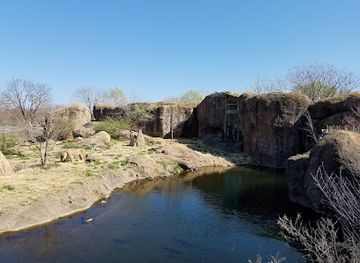
Sedgwick County Zoo
Discover the vibrant world of wildlife at Sedgwick County Zoo, where adventure and education come alive in Wichita, Kansas.
-
Tourist attraction
Arabia Steamboat Museum
Explore the Arabia Steamboat Museum, where 19th-century history and artifacts from a sunken steamboat come together in an unforgettable experience.
-
History museum
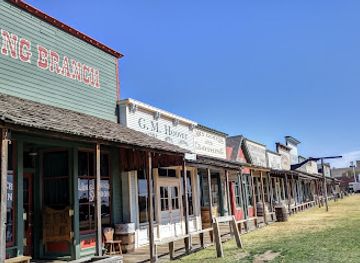
Boot Hill Museum
Explore the legendary Wild West at Boot Hill Museum in Dodge City, Kansas, featuring historic exhibits and thrilling reenactments that bring the frontier to life.
-
Tourist attraction
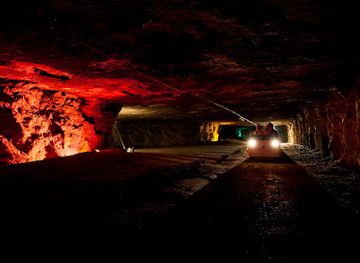
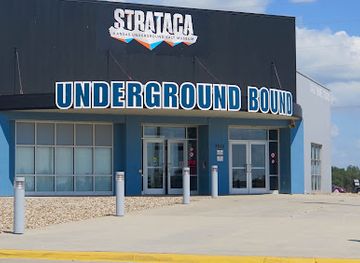
Strataca
Discover the unique history of salt mining at Strataca, an underground museum and tourist attraction in Hutchinson, Kansas.

Best landmarks in Glaciated Region
The most recognisable landmark in the region is the Amelia Earhart Birthplace in Atchison, a modest nineteenth-century house overlooking the Missouri River whose importance comes from its connection with the pioneering aviator. Atchison’s historic commercial streets and older houses form a wider architectural landmark, preserving the scale of a river and railway town that expanded rapidly in the nineteenth century. St Benedict’s Abbey and the buildings associated with Atchison’s long educational and religious tradition provide another defining silhouette and cultural reference point. Beyond the city, the Missouri River itself is the region’s principal natural landmark, shaping settlement, transport and wildlife habitats along the eastern edge of Kansas. Glacially influenced uplands, wooded ravines and open farm horizons are less monumental than mountain scenery but are important to the area’s identity. In Doniphan County, small-town civic buildings, churches and courthouse surroundings provide local landmarks that reward attentive driving rather than a checklist of major monuments.
-
History museum
Strataca
Discover the fascinating world of salt mining at Strataca, an underground history museum in Hutchinson, Kansas, offering immersive tours and exhibits.
-
Historical place
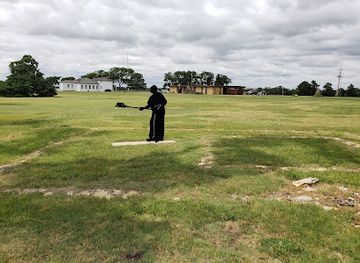
Fort Scott National Historic Site
Discover the rich history of 19th-century America at Fort Scott National Historic Site, where military life and frontier stories come alive.
-
Historical place museum
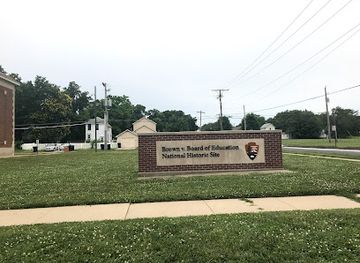
Brown v. Board of Education National Historical Park
Explore the profound history and legacy of the Brown v. Board of Education case at this National Historical Park in Topeka, Kansas, dedicated to civil rights and equality.
-
Tourist attraction
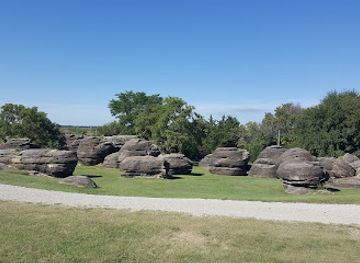
Rock City Park
Explore the breathtaking rock formations and lush landscapes at Rock City Park in Minneapolis, Kansas – a hidden gem for nature lovers and adventure seekers.
Explore Glaciated Region on the map
Plan your trip on one map. See where the top cities, national parks and sights are, and book hotels and experiences in a few clicks.
Best hotels in Glaciated Region
Best restaurants in Glaciated Region
Dining is rooted in the broader food culture of north-eastern Kansas and the American Midwest rather than in a sharply defined regional cuisine. Atchison has the widest choice of cafés, family restaurants, bakeries, casual dining rooms and traditional American fare, while smaller communities tend to centre on locally run restaurants, diners and seasonal events. Expect breakfasts, sandwiches, burgers, barbecue, fried chicken, pies and other baked goods, with farm produce appearing more visibly at markets and roadside stands than on a formal restaurant menu. River communities may offer fish and outdoor cooking traditions, although menus vary by establishment. Coffee shops and independent bakeries are useful stops when exploring historic town centres, and community festivals often provide the best opportunity to sample homemade food. Visitors should not expect the breadth of a major metropolitan dining scene; the appeal lies in informal meals, local hospitality and the connection between food, agriculture and small-town life.
-
Family-friendly
Carriage Crossing Restaurant and Bakery
Discover family-friendly dining at Carriage Crossing Restaurant and Bakery in Yoder, KS - where homemade meals meet delightful baked goods.
-
Seafood
Bristol Seafood Grill
Discover exquisite seafood dishes at Bristol Seafood Grill in Leawood – where fine dining meets exceptional service.
-
American
The Depot
Experience the charm of American dining at The Depot in Leavenworth – where comfort food meets great service.
-
Spanish
La Bodega
Discover La Bodega: A Spanish tapas bar in Downtown Kansas City offering an unforgettable culinary journey through Spain's rich flavors.


Best bars in Glaciated Region
Evening life is modest and locally oriented. Atchison has the region’s broadest selection of taverns, casual bars, restaurant lounges and occasional live-music settings, while smaller towns generally rely on traditional bars, grills and community venues rather than dedicated nightclubs. The atmosphere is more suited to an unhurried drink, conversation or an early meal than to late-night entertainment, and closing times vary considerably. Seasonal festivals, college activity and civic events can add temporary energy, but they should be checked before travelling. Visitors who want a wider choice of concerts, cocktail bars or nightclubs will find it outside the region in the Kansas City metropolitan area, which is a separate urban destination. Breweries and locally produced drinks may appear at individual businesses or events, but alcohol is not necessary to appreciate the region’s evening culture.
-
Cocktail bar
Green Lady Lounge
Experience the vibrant nightlife of Kansas City at Green Lady Lounge, a cocktail bar and jazz club offering live music and exquisite drinks.
-
Grill
The Ship
Experience the perfect blend of delicious grill specialties and vibrant live music at The Ship in Downtown Kansas City.
-
Cocktail bar
The Monarch Bar
Experience Kansas City's finest cocktails in an elegant setting at The Monarch Bar, a must-visit destination for cocktail lovers.
-
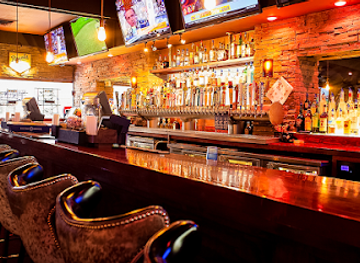
Bar
Speakeasy
Experience the lively ambiance of Speakeasy in Salina, Kansas – a top choice for sports fans seeking great food and drinks in a vibrant setting.


Best nightclubs in Glaciated Region
Evening life is modest and locally oriented. Atchison has the region’s broadest selection of taverns, casual bars, restaurant lounges and occasional live-music settings, while smaller towns generally rely on traditional bars, grills and community venues rather than dedicated nightclubs. The atmosphere is more suited to an unhurried drink, conversation or an early meal than to late-night entertainment, and closing times vary considerably. Seasonal festivals, college activity and civic events can add temporary energy, but they should be checked before travelling. Visitors who want a wider choice of concerts, cocktail bars or nightclubs will find it outside the region in the Kansas City metropolitan area, which is a separate urban destination. Breweries and locally produced drinks may appear at individual businesses or events, but alcohol is not necessary to appreciate the region’s evening culture.
-
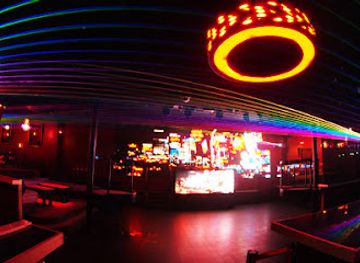
Night club
Aura
Experience the vibrant nightlife at Aura, Kansas City's premier night club featuring electrifying music, stunning visuals, and an unforgettable atmosphere.
-
Lounge
Dj mystery man
Discover the lively Dj Mystery Man Lounge in Kansas City, a perfect blend of relaxation and entertainment with affordable prices.
-
Night club
Touche The Night Club
Experience the vibrant nightlife at Touche The Night Club in Overland Park, where unforgettable nights of dancing and socializing await.
-
Night club
El Paraiso Night Club & Restaurant
Discover Kansas City's vibrant nightlife at El Paraiso Night Club & Restaurant - a perfect blend of dining and entertainment.

Best shops in Glaciated Region
Shopping is concentrated in Atchison’s historic centre and the main streets of smaller communities, where independent retailers, antique dealers, galleries, gift shops and practical local businesses are more characteristic than large shopping complexes. Visitors may find books, homewares, crafts, regional artwork and souvenirs connected with Amelia Earhart or the city’s river and railway heritage. Farmers' markets, seasonal stands and community events are useful for locally grown produce, baked goods, preserves and other small-scale food products, although availability changes with the season. Doniphan County’s towns offer a quieter browsing experience, often centred on a courthouse square or traditional high street. There is little reason to expect extensive designer or luxury retail within the Glaciated Region; shoppers seeking national chains and a larger commercial selection generally travel to the Kansas City area outside the region. Check local opening arrangements, particularly in smaller towns and on Sundays.
-
Shopping mall
The Shops of Prairie Village
Explore the unique shopping experience at The Shops of Prairie Village, featuring local boutiques and diverse dining options in a charming setting.
-
Gift shop
Made in KC Marketplace - Plaza
Explore the vibrant Made in KC Marketplace - Plaza, where local artisans meet flavorful experiences in the heart of Kansas City.
-
Gift shop
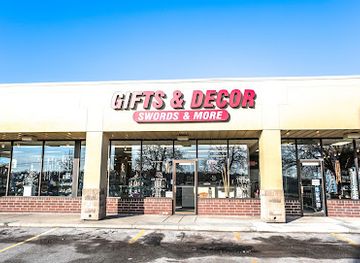
Gifts & Decor Swords & More
Explore a quirky blend of gifts, swords, and herbal treasures at Gifts & Decor Swords & More, a unique shopping experience in Olathe, Kansas.
-
Gift shop
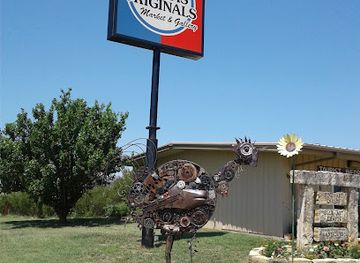
Kansas Originals Market
Explore Kansas Originals Market for unique gifts, local art, and delightful baked goods in Wilson, Kansas—an unforgettable tourist destination.


Get your free copy of our complete guide to Glaciated Region, delivered straight to you.
Everything on this page, from attractions and restaurants to essentials and local phrases, in one PDF you can read offline, print or share.
Already have an account? Sign in
Your Glaciated Region guide is ready.
We'll send it to · Not you? Sign out

Getting your guide ready…
We are putting together a fresh copy of the Glaciated Region guide. This can take up to a minute.
This can take a few moments. If your browser asks, choose Allow so the download can start. You'll find the guide in your Downloads folder.
Nothing happened? Download it again
Sorry, the guide is taking longer than usual. Please try again in a minute, or get it by email instead.
Glaciated Region essentials
Currency and Payment
Safety
Emergency Situations
Do's and Don'ts
Local Tips
From Eve
Local phrases worth knowing
You don't need to get them perfect. A few words go a long way, and locals appreciate the effort.
Basics
| English | Local | Say it |
|---|---|---|
| Hello | Howdy | [haʊdi] |
| Goodbye | See ya later | [si jə ˈleɪtər] |
| Yes | Yep | [jɛp] |
| No | Nah | [nɑ] |
| Please/You're welcome | Sure thing | [ʃʊr θɪŋ] |
| Thank you | Thanks a bunch | [θæŋks ə bʌnʧ] |
| Excuse me/Sorry | Pardon me | [ˈpɑrdən mi] |
| How are you? | How's it goin'? | [haʊz ɪt ˈgoʊɪn] |
| Fine. And you? | Good. And you? | [ɡʊd. ənd ju] |
| Do you speak English? | Can ya speak English? | [kæn jə spiːk ˈɪŋɡlɪʃ] |
| I don't understand | I ain't got it | [aɪ eɪnt ɡɑt ɪt] |
Eating & Drinking
| English | Local | Say it |
|---|---|---|
| I'd like to see the menu, please | Can I see the menu? | [kæn aɪ si ðə ˈmɛnju] |
| I don't eat meat | I ain't into meat | [aɪ eɪnt ˈɪntu mit] |
| Cheers! | Cheers! | [ʧɪrz] |
| I would like to pay, please | Can I get the check? | [kæn aɪ ɡɛt ðə ʧɛk] |
Emergencies
| English | Local | Say it |
|---|---|---|
| Help! | Help! | [hɛlp] |
| Go away! | Beat it! | [biːt ɪt] |
| Call the Police! | Call the cops! | [kɔl ðə kɑps] |
| Call a doctor! | Get a doctor! | [ɡɛt ə ˈdɑktər] |
| I'm lost | I'm all turned around | [aɪm ɔl tɜrnd əˈraʊnd] |
| I'm ill | I'm feelin' unwell | [aɪm ˈfiːlɪn ʌnˈwɛl] |
Shopping
| English | Local | Say it |
|---|---|---|
| I'd like to buy... | I'm lookin' to buy... | [aɪm ˈlʊkɪn tə baɪ] |
| I'm just looking | Just browsin' | [dʒʌst ˈbraʊzɪn] |
| How much is it? | What’s the price? | [wʌt ɪz ðə praɪs] |
| That's too expensive | That's a bit pricey | [ðæts ə bɪt ˈpraɪsi] |
| Can you lower the price? | Can ya bring down the price? | [kæn jə brɪŋ daʊn ðə praɪs] |
Time & Numbers
| English | Local | Say it |
|---|---|---|
| What time is it? | What time ya got? | [wʌt taɪm jə ɡɑt] |
| It's one o'clock | It's one | [ɪts wʌn] |
| Half past (10) | Half past ten | [hæf pæst tɛn] |
| Morning | Mornin' | [ˈmɔrnɪn] |
| Afternoon | Afternoon | [ˌɑːftərˈnuːn] |
| Evening | Evenin' | [ˈivnɪn] |
| Yesterday | Yesterday | [ˈjɛstərdeɪ] |
| Today | Today | [təˈdeɪ] |
| Tomorrow | Tomorrow | [təˈmɔroʊ] |
| 1 | One | [wʌn] |
| 2 | Two | [tu] |
| 3 | Three | [θri] |
| 4 | Four | [fɔr] |
| 5 | Five | [faɪv] |
| 6 | Six | [sɪks] |
| 7 | Seven | [ˈsɛvən] |
| 8 | Eight | [eɪt] |
| 9 | Nine | [naɪn] |
| 10 | Ten | [tɛn] |
Transport & Directions
| English | Local | Say it |
|---|---|---|
| Where's a/the...? | Where's the...? | [wɛrz ðə] |
| What's the address? | What's the address? | [wʌts ði əˈdrɛs] |
| Can you show me (on the map)? | Can ya point it out? | [kæn jə pɔɪnt ɪt aʊt] |
| When's the next (bus)? | When's the next bus? | [wɛn'z ðə nɛkst bʌs] |
| A ticket (to....) | One ticket to... | [wʌn ˈtɪkɪt tə] |
History of Glaciated Region
Ice Sheets and the Glacial Landscape
During the Pleistocene, continental ice advanced into the northernmost part of present-day Kansas, leaving glacial till, erratic stones and altered drainage patterns. The ice did not cover the whole state; its southern limit helped create the distinctive north-eastern landscape known today as the Glaciated Region. Gentle uplands, loess-covered surfaces, wooded stream valleys and river terraces reflect this geological history. Much of the evidence is subtle rather than dramatic, but it explains why this corner of Kansas differs physically from the plains farther west and south.
Indigenous Homelands and River Networks
Long before Euro-American settlement, the Missouri River and its tributaries supported Indigenous communities, travel and exchange. The wider north-eastern Kansas area was associated at different times with peoples including the Kansa, Ioway, Sac and Fox, Kickapoo and Delaware, while federal removals and land policies profoundly altered Indigenous life during the nineteenth century. River corridors were important routes through the region, and archaeological evidence across the wider area records habitation and trade over many centuries. Visitors should understand the historic towns and farms as later layers imposed upon an older Indigenous landscape.
Steamboats, Forts and Early Settlement
The Missouri River made north-eastern Kansas an important zone of movement during the early nineteenth century. Traders, missionaries, settlers and military expeditions used the river and nearby overland routes, while communities developed around landings and transport points. Atchison was founded in the 1850s and named after David Rice Atchison, a prominent Missouri politician. Its position above the river helped it become a commercial and transport centre. The period also brought conflict over slavery, land ownership and the political future of Kansas, issues that shaped settlement throughout the territory.
Railways and the Growth of Atchison
Railway construction transformed the region in the second half of the nineteenth century. Atchison became an important rail and industrial centre, linking river traffic with inland markets and supporting grain handling, manufacturing and wholesale trade. The town’s commercial blocks, civic buildings and older neighbourhoods retain evidence of this expansion. Railways also connected smaller agricultural communities to regional markets, helping establish the pattern of market towns and farm districts that remains characteristic of north-eastern Kansas. Several local museums and preserved structures interpret this transport history.
Religious and Educational Institutions
Catholic religious communities played a major role in Atchison’s development. Benedictine monks established St Benedict’s Abbey in the nineteenth century, and the associated educational tradition helped make the city a centre of learning in the region. Mount St Scholastica and other institutions contributed to women’s education, religious life and cultural activity. Their buildings and continuing presence are part of Atchison’s distinctive identity, while the wider region’s churches and schools reflect the importance of faith communities in sustaining small-town life after settlement expanded beyond the river.
Amelia Earhart and Twentieth-Century Memory
Amelia Earhart was born in Atchison in 1897, and the city preserves her childhood home as a museum and historic site. Earhart’s later achievements as an aviator gave Atchison a connection to one of the most recognised figures in American aviation. Her local legacy is not simply a biographical attraction: it also reflects changing expectations for women, the growth of aviation and the way small American cities commemorate nationally significant individuals. Atchison continues to incorporate Earhart’s story into its museums, civic identity and cultural events.
Glaciated Region in Photos
Browse through our photo collection highlighting the charm and character of the destination.
Neighbouring regions of Glaciated Region
The closest regions to Glaciated Region, if you have time for more than one.
-

-
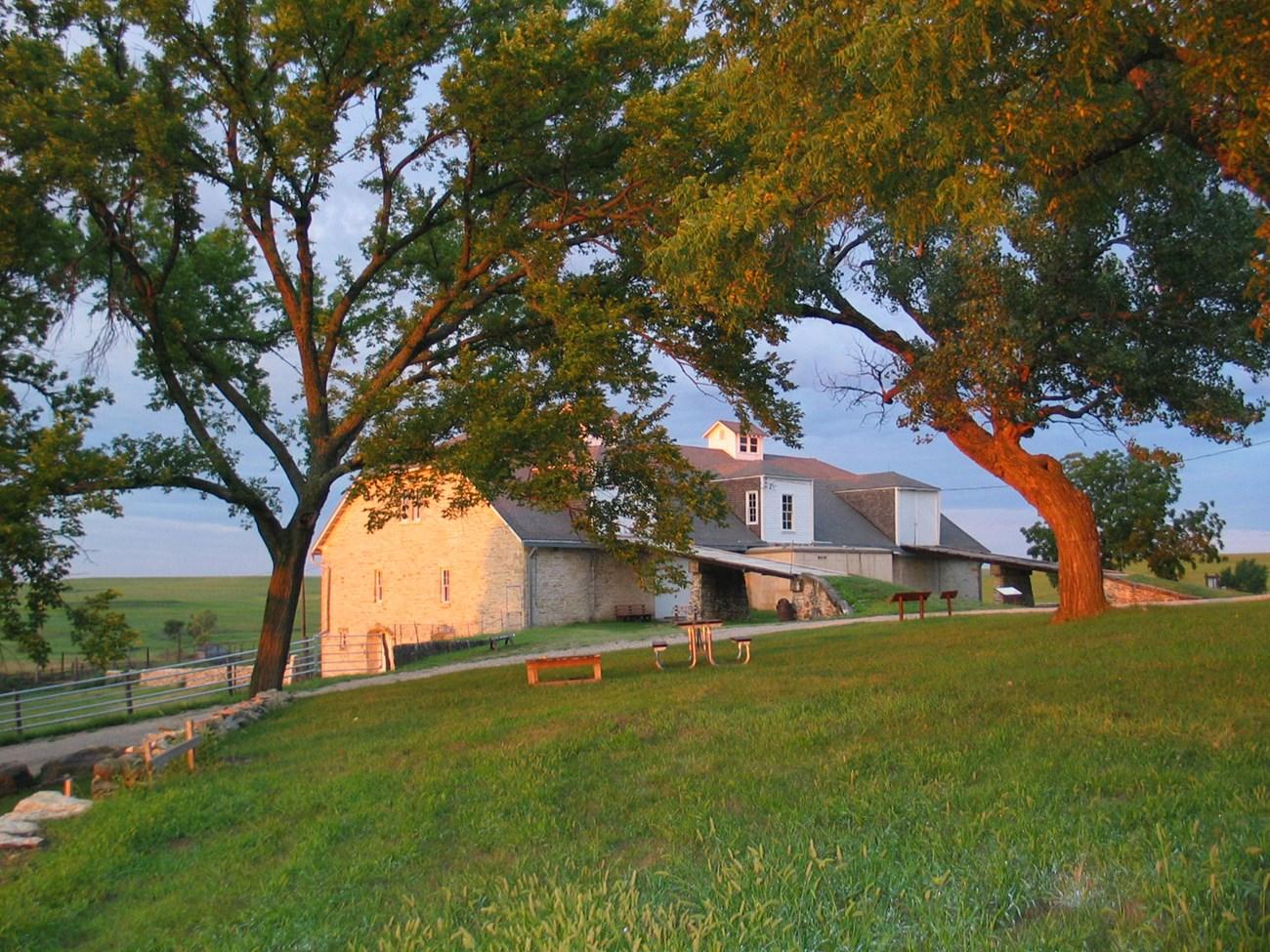 Eastern Kansas
Explore Eastern Kansas for prairie landscapes, river towns, university culture, civil-rights history and historic roads connecting Kansas City, Topeka and Lawrence.
Eastern Kansas
Explore Eastern Kansas for prairie landscapes, river towns, university culture, civil-rights history and historic roads connecting Kansas City, Topeka and Lawrence.
-

-
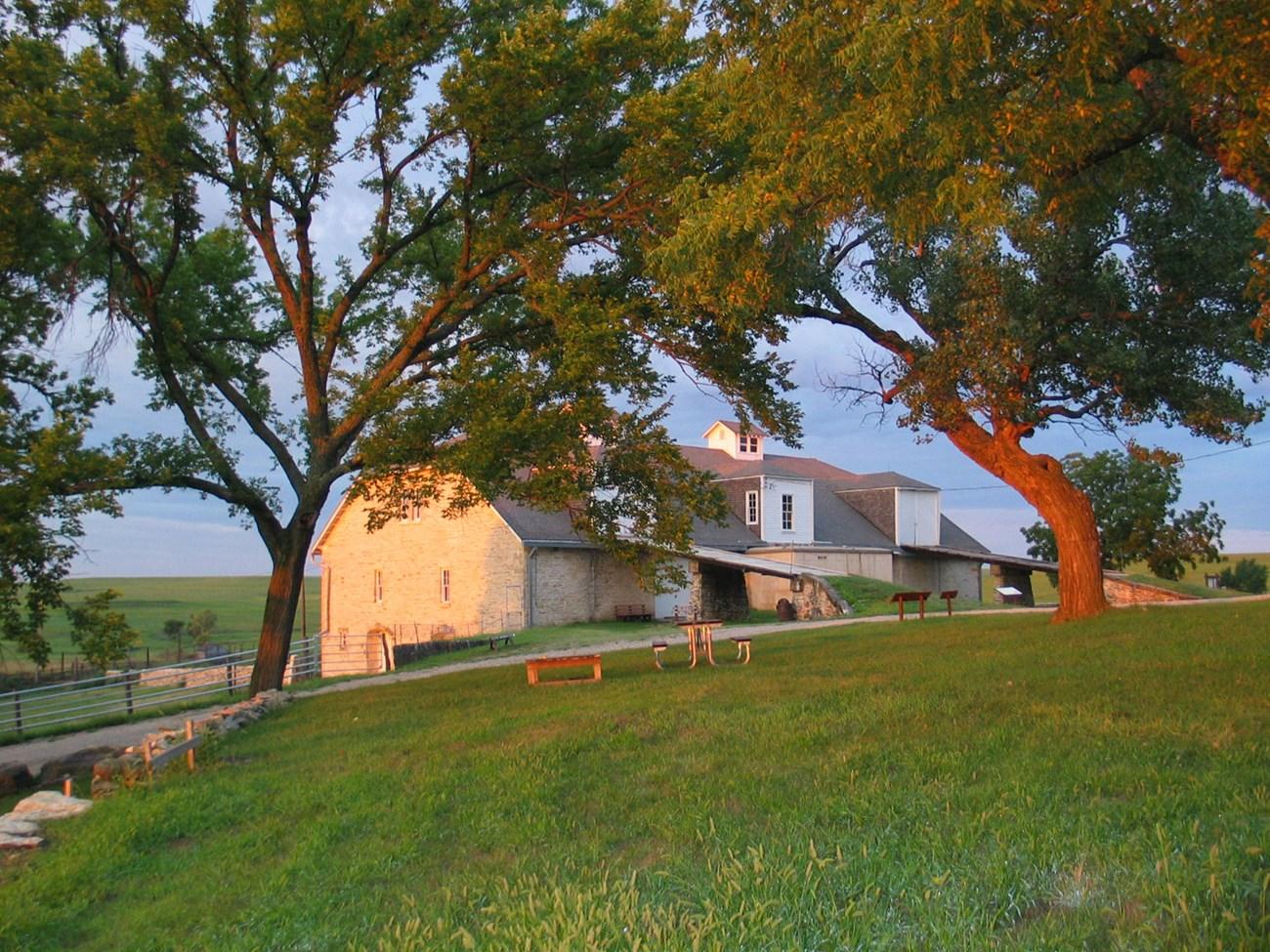 Bluestem Pasture
 evokes Kansas tallgrass country, where open horizons, native prairie and working ranch landscapes reward careful, self-guided travel.
Bluestem Pasture
Bluestem Pasture evokes Kansas tallgrass country, where open horizons, native prairie and working ranch landscapes reward careful, self-guided travel.
-
 Flint Hills
Explore Kansas's Flint Hills for tallgrass prairie, ranching heritage, scenic drives, Indigenous history and wide-open landscapes between Manhattan and Cassoday.
Flint Hills
Explore Kansas's Flint Hills for tallgrass prairie, ranching heritage, scenic drives, Indigenous history and wide-open landscapes between Manhattan and Cassoday.


Swipe for more regions
Explore more

Explore more of Kansas
Explore Kansas: Where history, nature, and small-town charm converge in the heart of America. Discover prairies, cultural landmarks, and delicious cuisine in the Sunflower State.
Explore Kansas