

Altai Mountains, Kazakhstan Travel Guide
Discover the Altai Mountains in Kazakhstan: an untouched wilderness rich in natural beauty, diverse wildlife, and vibrant cultural heritage.
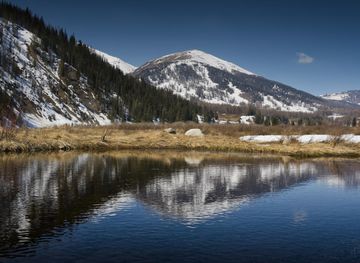
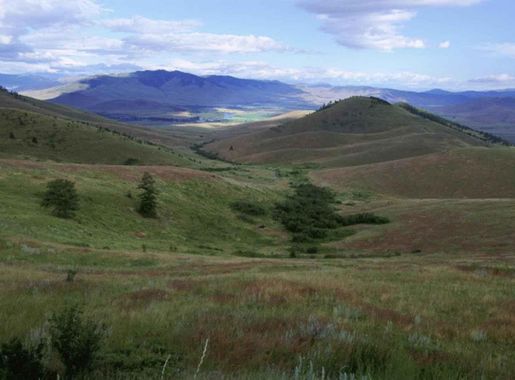
The Altai Mountains in Kazakhstan are a breathtaking natural wonder, combining serene landscapes with diverse wildlife. This majestic mountain range, shared by Kazakhstan, Russia, China, and Mongolia, offers a unique blend of cultures and endless opportunities for adventure. The Altai Mountains are known for their stunning alpine meadows, dense forests, and crystal-clear rivers. Whether you are an experienced hiker or just love nature, the Altai Mountains have something for everyone. One of the most captivating aspects of the Altai Mountains is the untouched beauty of its terrain. The region is home to rare and endangered species, including the snow leopard and Altai argali, making it a paradise for wildlife enthusiasts. The area is also rich in history with ancient petroglyphs and Scythian burial mounds scattered throughout the landscape, offering a glimpse into the lives of early nomadic tribes. For those seeking a cultural experience, the Altai Mountains do not disappoint. The local Kazakh communities are known for their warm hospitality and preservation of traditional customs. Visitors can experience the unique lifestyle of nomadic herders, sample traditional Kazakh cuisine, and even participate in local festivals. From scenic trekking routes to tranquil spots for meditation and relaxation, the Altai Mountains promise an unforgettable journey into the heart of nature and culture.

Know before you go
Hi, I'm Eve. Here are a few practical things to know before exploring Altai Mountains.
- Visit during late spring or early autumn for the best weather and fewer crowds.
- Hire a local guide to explore remote areas safely and gain insights into local culture.
- Pack layers of clothing; weather in the mountains can change rapidly.
- Carry cash as ATMs and card facilities are scarce in remote areas.
- Respect local customs and traditions, especially when visiting villages.

Best landmarks in Altai Mountains
Top-rated picks
Best Landmarks

Baiterek
Discover Baiterek, Astana's iconic monument, showcasing breathtaking views and a glimpse into Kazakhstan's vibrant culture and future.

Tamgaly-Tas
Explore Tamgaly-Tas, a UNESCO World Heritage site in Kazakhstan, featuring ancient petroglyphs and breathtaking natural beauty.

Atameken Ethno-Memorial Map of Kazakhstan
Explore Kazakhstan's cultural richness at Atameken Ethno-Memorial Map, a captivating local history museum showcasing the nation's heritage.

Azatskiye Gory
Explore Azatskiye Gory, a breathtaking tourist attraction in Kazakhstan, perfect for nature lovers and adventure seekers alike.

Best restaurants in Altai Mountains
Top-rated picks
Best Restaurants

Darejani
Experience authentic Georgian cuisine in Almaty's cozy restaurant setting at Darejani, where every dish tells a story.

Alasha
Experience the rich flavors of Uzbekistan and Kazakhstan at Alasha in Almaty - a must-visit destination for food lovers.

S.Ne.G. Hotel & Restaurant
Experience luxury dining and serene accommodations at S.Ne.G. Hotel & Restaurant amidst the breathtaking beauty of Almaty’s mountains.

ABAY Restaurant
Experience authentic Kazakhstani cuisine at ABAY Restaurant in Almaty – where tradition meets taste.


Best nightclubs in Altai Mountains
Top-rated picks
Best Nightclubs

Barviha Bar
Discover the exhilarating nightlife at Barviha Bar, Almaty's top night club, featuring electrifying music, vibrant atmosphere, and unforgettable experiences.

Icon Club Astana
Dive into the electrifying nightlife of Astana at Icon Club, where unforgettable music and vibrant dance floors await every night.

Алтайсыңғо короче
Immerse yourself in the vibrant nightlife of Kulsary at Алтайсыңғо Короче, the ultimate night club experience with electrifying music and an unforgettable atmosphere.


Explore Altai Mountains on the Map
A handpicked selection of must-see spots in Altai Mountains, mapped for you.
Altai Mountains Essentials
-
The Altai Mountains can be accessed through various routes, with the nearest major airport being Almaty International Airport (ALA) in Almaty, Kazakhstan. From Almaty, you can take a domestic flight to Ust-Kamenogorsk (Oskemen), located approximately 300 kilometers from the Altai region. From Oskemen, you can hire a taxi, join a guided tour, or rent a car to reach the Altai Mountains. Alternatively, long-distance buses and trains also operate from Almaty to Oskemen.
-
In the Altai region, local transportation options include taxis, minibuses (marshrutkas), and rental cars. Marshrutkas are commonly used for shorter distances and are an inexpensive way to travel between towns and villages. For longer journeys and more remote areas, renting a car provides flexibility and convenience. Guided tours are also available and often include transportation as part of the package.
-
The official currency of Kazakhstan is the Kazakhstani Tenge (KZT). While credit cards are accepted in larger towns and tourist areas, it is advisable to carry cash, especially when traveling to remote regions of the Altai Mountains. ATMs are available in larger towns like Ust-Kamenogorsk, but may be scarce in smaller villages. Ensure you have sufficient cash before heading into the mountains.
-
The Altai Mountains are generally safe for tourists, but standard precautions should be taken. Avoid walking alone at night in unfamiliar areas and always keep an eye on your belongings. While crime rates are low, it is best to stay vigilant, particularly in larger towns. Consult local guides regarding any specific areas to avoid. Be cautious when engaging in outdoor activities, as the terrain can be challenging and weather conditions may change rapidly.
-
In case of an emergency, dial 112 for immediate assistance. Medical facilities are available in larger towns like Ust-Kamenogorsk, but may be limited in remote areas. It is highly recommended to have travel insurance that covers medical emergencies and evacuation. Carry a basic first aid kit and any necessary medications, as pharmacies may not be readily accessible in the mountains.
-
Fashion: Do dress in layers and wear sturdy footwear, as weather can be unpredictable. Avoid overly revealing clothing, especially in rural areas. Religion: Do respect local customs and traditions. When visiting religious sites, dress modestly and remove your shoes if required. Public Transport: Do give up your seat to elderly passengers and avoid eating or drinking on public transport. Greetings: Do greet people with a handshake and a smile. Use the traditional Kazakh greeting 'Salemetsiz be?' when appropriate. Eating & Drinking: Do try local delicacies and accept food offerings graciously. Don't refuse hospitality, as it is considered impolite.
-
To experience the Altai Mountains like a local, participate in traditional activities such as horseback riding, eagle hunting demonstrations, and yurt stays. Engage with the local Kazakh and Altaian communities to learn about their customs and way of life. Visit local markets to buy handmade crafts and fresh produce. Take advantage of the region's natural beauty by hiking, fishing, and exploring the many lakes and rivers.
When is the best time to visit Altai Mountains?
Useful Local Phrases for Altai Mountains
You don't need to speak the language perfectly. Even learning a few simple words can make conversations warmer—and locals usually appreciate the effort.
— Eve

Here are the phrases I use most often in Altai Mountains. Try a few—you'll be surprised how far they go! 😊
❤️
-
- HelloСәлем
[Sälem] - GoodbyeСау болыңыз
[Sau bolıñız] - YesИә
[Iä] - NoЖоқ
[Joq] - Please/You're welcomeӨтінемін/Қош келдіңіз
[Ötinemin/Qosh keldıñız] - Thank youРахмет
[Rakhmet] - Excuse me/SorryКешіріңіз
[Keshiriñiz] - How are you?Сіз қалайсыз?
[Siz qalaysız?] - Fine. And you?Жақсы. Сіз ше?
[Zhaqsy. Siz she?] - Do you speak English?Сіз ағылшын тілінде сөйлейсіз бе?
[Siz ağylshın tilinde süyleysiz be?] - I don't understandМен түсінбеймін
[Men tüsınbeımin]
- HelloСәлем
-
- I'd like to see the menu, pleaseМәзірді көргім келеді, өтінемін
[Mäzirdi körgım keledi, ötinemin] - I don't eat meatМен ет жемеймін
[Men et jemeımin] - Cheers!Саулық!
[Saulyq!] - I would like to pay, pleaseМен төлем жасағым келеді, өтінемін
[Men tölem jasagım keledi, ötinemin]
- I'd like to see the menu, pleaseМәзірді көргім келеді, өтінемін
-
- Help!Жәрдем!
[Järdem!] - Go away!Кетіңіз!
[Ketıñız!] - Call the Police!Полицияны шақырыңыз!
[Politsiyany şaqırıñız!] - Call a doctor!Дәрігерді шақырыңыз!
[Därıgerdi şaqırıñız!] - I'm lostМен жоғалып кеттім
[Men joğalıp kettım] - I'm illМен аурумын
[Men aurıymın]
- Help!Жәрдем!
-
- I'd like to buy...Мен сатып алғым келеді...
[Men satıp algım keledi...] - I'm just lookingМен тек қарап жатырмын
[Men tek qarap jatırımın] - How much is it?Бұл қанша тұрады?
[Bul qanşa tūrady?] - That's too expensiveБұл тым қымбат
[Bul tym qymbat] - Can you lower the price?Бағаны төмендетуге болады ма?
[Bağanı tömendeduge boladı ma?]
- I'd like to buy...Мен сатып алғым келеді...
-
- What time is it?Сағат қанша?
[Sağat qanşa?] - It's one o'clockБір сағат
[Bır sağat] - Half past (10)Онға жарым
[Oñğa zharım] - MorningТаң
[Taŋ] - AfternoonТүсте
[Tüste] - EveningКешке
[Keshke] - YesterdayКеше
[Keshé] - TodayБүгін
[Bügın] - TomorrowЕртең
[Erteñ] - 1Бір
[Bır] - 2Екі
[Eki] - 3Үш
[Üş] - 4Төрт
[Tört] - 5Бес
[Bes] - 6Алты
[Alty] - 7Жеті
[Jeti] - 8Сегіз
[Segiz] - 9Тоғыз
[Toğız] - 10Он
[Oñ]
- What time is it?Сағат қанша?
-
- Where's a/the...?Где...?
[Gde...?] - What's the address?Мекенжай қандай?
[Mekenjayı qandayı?] - Can you show me (on the map)?Маған (картада) көрсетіңізші
[Mağan (kartada) köretıñizşi] - When's the next (bus)?Келесі (автобус) қашан?
[Kelesı (avtobus) qaşan?] - A ticket (to ....)Билет (....)
[Bilet (....)]
- Where's a/the...?Где...?
History of Altai Mountains
-
The Altai Mountains are often referred to as the birthplace of several nomadic tribes. The region has been inhabited since the Paleolithic era, with evidence of human activity dating back tens of thousands of years. The Altai served as a critical crossroads for the movement of ancient tribes, including the Scythians and the Huns, who traversed these rugged terrains.
-
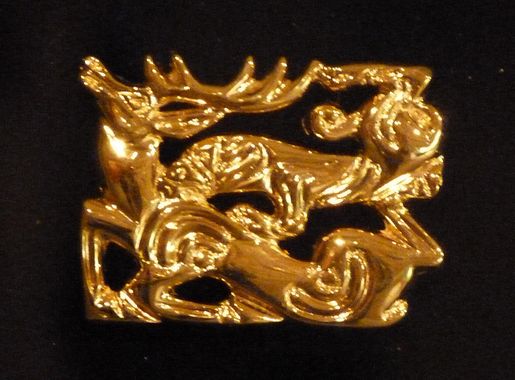
During the first millennium BCE, the Altai Mountains were home to the Scythians, a group of Iranian-speaking nomadic warriors. The Scythians left behind a rich cultural legacy, including intricate gold artifacts and burial mounds known as kurgans. One of the most famous discoveries is the Pazyryk burials, which contained well-preserved mummies, textiles, and other artifacts, providing a glimpse into the life and beliefs of these ancient people.
-
In the early medieval period, the Altai Mountains became a significant center for the Turkic Khaganates, a series of nomadic empires that dominated Central Asia. The Göktürks, who established the first Turkic Khaganate in the 6th century CE, used the Altai region as a strategic base. The area's mountainous terrain provided natural fortifications, making it an ideal location for the Göktürks to consolidate their power.
-
The Altai Mountains played a crucial role in the expansion of the Mongol Empire in the 13th century. Genghis Khan and his descendants utilized the region's strategic location and resources to launch military campaigns across Asia and Europe. The Mongols' efficient use of the Altai's terrain for both defense and mobility contributed significantly to their rapid conquests.
-
In the 18th century, the Russian Empire began its expansion into Central Asia, including the Altai Mountains. Russian explorers and settlers were drawn to the region's rich natural resources, particularly its vast mineral deposits. The establishment of Russian control over the Altai marked a significant shift in the region's history, leading to increased exploration, economic development, and cultural exchange.
-
In the modern era, the Altai Mountains are part of the Altai Republic within the Russian Federation. The region is known for its stunning natural beauty, diverse wildlife, and cultural heritage. The Altai Republic has become a popular destination for eco-tourism and adventure travel, attracting visitors from around the world who seek to explore its pristine landscapes and learn about its rich history.
Neighbouring Regions of Altai Mountains
The closest regions to Altai Mountains, if you have time for more than one.

Your all‑in‑one travel companion app
Explore expert travel guides, compare and book tours, experiences, hotels, and more—all from the palm of your hand. Download now for seamless trip planning wherever your wanderlust takes you.


Explore More of Kazakhstan

Looking beyond Altai Mountains? Discover Kazakhstan for broader travel guides, local hot-spots, and regional highlights.
Explore KazakhstanAltai Mountains in Photos
Browse through our photo collection highlighting the charm and character of the destination.





Altai Mountains: Kazakhstan's Untamed Wilderness
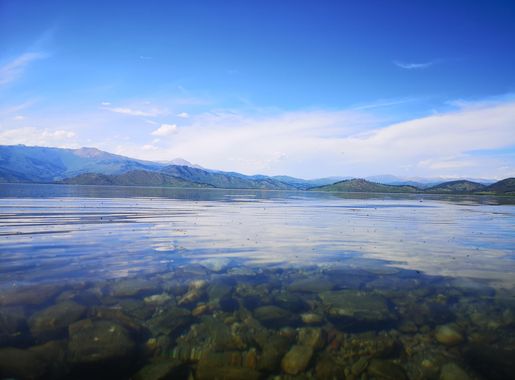
The Altai Mountains in Kazakhstan are a breathtaking natural wonder, combining serene landscapes with diverse wildlife. This majestic mountain range, shared by Kazakhstan, Russia, China, and Mongolia, offers a unique blend of cultures and endless opportunities for adventure. The Altai Mountains are known for their stunning alpine meadows, dense forests, and crystal-clear rivers. Whether you are an experienced hiker or just love nature, the Altai Mountains have something for everyone. One of the most captivating aspects of the Altai Mountains is the untouched beauty of its terrain. The region is home to rare and endangered species, including the snow leopard and Altai argali, making it a paradise for wildlife enthusiasts. The area is also rich in history with ancient petroglyphs and Scythian burial mounds scattered throughout the landscape, offering a glimpse into the lives of early nomadic tribes. For those seeking a cultural experience, the Altai Mountains do not disappoint. The local Kazakh communities are known for their warm hospitality and preservation of traditional customs. Visitors can experience the unique lifestyle of nomadic herders, sample traditional Kazakh cuisine, and even participate in local festivals. From scenic trekking routes to tranquil spots for meditation and relaxation, the Altai Mountains promise an unforgettable journey into the heart of nature and culture.