
Eastern Kazakhstan, Kazakhstan Travel Guide
Discover the unspoiled beauty and rich cultural heritage of Eastern Kazakhstan, where the Altai Mountains and ancient history await adventurers and nature lovers alike.
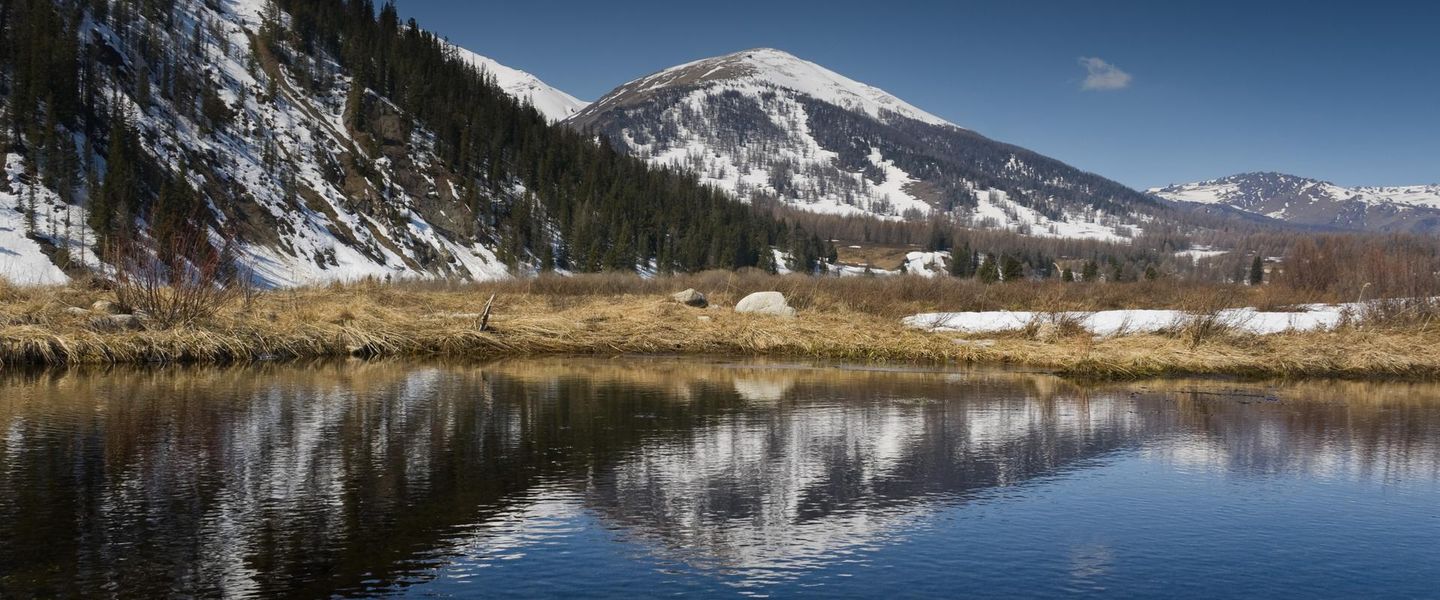
Eastern Kazakhstan is a land of pristine natural beauty and rich cultural heritage. This region is home to the Altai Mountains, which offer stunning landscapes, lush green valleys, and clear blue lakes. The Katon-Karagay National Park is a must-visit for nature lovers, with its diverse flora and fauna and breathtaking mountain views. The park is also home to some rare and endangered species, making it a haven for wildlife enthusiasts. Many ancient petroglyphs and burial mounds can be found in Eastern Kazakhstan, providing a glimpse into the history and culture of the ancient nomadic tribes that once roamed these lands. The town of Oskemen (Ust-Kamenogorsk) is the cultural and administrative center of the region, where you can explore museums, theaters, and historical sites. For adventure seekers, Eastern Kazakhstan offers a range of outdoor activities such as hiking, horse riding, and fishing. The region's rivers and lakes are perfect for water sports, while the mountains provide excellent opportunities for trekking and camping. Whether you're looking to connect with nature or immerse yourself in local culture, Eastern Kazakhstan is a destination that promises a unique and unforgettable experience.

Know before you go
Hi, I'm Eve. Here are a few practical things to know before exploring Eastern Kazakhstan.
- Visit during the summer months to enjoy the best weather for outdoor activities.
- Bring sturdy hiking boots for exploring the rugged terrain of the Altai Mountains.
- Learn a few basic phrases in Kazakh or Russian to help communicate with locals.
- Pack layers of clothing as the weather can change quickly in the mountains.
- Make sure to carry some cash, as credit card facilities may not be available in remote areas.
Top City Travel Guides in Eastern Kazakhstan
The cities of Eastern Kazakhstan, and the easiest places to base yourself.

Explore Eastern Kazakhstan: Things to Do, Places to Eat, Hotels & More
Handpicked recommendations for top attractions, local dining, accommodations, and more

Top Attractions & Sightseeing in Eastern Kazakhstan
Top-rated picks
Best Attractions

Burana Tower
Explore Burana Tower, Kyrgyzstan's iconic minaret, and delve into the rich history and stunning landscapes of Central Asia.

Joshy Khan Mausoleum
Explore the rich history and stunning architecture of Joshy Khan Mausoleum, a must-visit historical landmark in Kazakhstan.

Poyushchiy Barkhan
Explore the enchanting Poyushchiy Barkhan, a singing sand dune that captivates with its beauty and unique auditory experience in Kazakhstan's stunning landscape.

Arbat
Discover Arbat, Oskemen's vibrant cultural landmark, where art, history, and local life converge in a unique Kazakh experience.

Best landmarks in Eastern Kazakhstan
Top-rated picks
Best Landmarks

Shymbulak
Experience the thrill of skiing and outdoor adventures in the breathtaking Shymbulak Ski Resort, a gem nestled in the mountains of Almaty.

Kok Tobe
Discover Kok Tobe, Almaty's breathtaking hilltop experience with stunning views, exciting attractions, and delightful local cuisine amidst nature.

Mausoleum of Khoja Ahmed Yasawi
Explore the Mausoleum of Khoja Ahmed Yasawi, a UNESCO World Heritage site in Turkistan, showcasing exquisite architecture and rich historical significance.

Charyn Canyon National Park
Explore the stunning beauty of Charyn Canyon National Park, a natural masterpiece in Kazakhstan, offering adventure, breathtaking views, and diverse wildlife.

Best restaurants in Eastern Kazakhstan
Top-rated picks
Best Restaurants

Navat
Discover authentic Asian flavors at Navat in Almaty – where culinary tradition meets modern dining.

Line Brew Astana
Discover exquisite steaks and vibrant ambiance at Line Brew Astana - A must-visit destination for food lovers in Kazakhstan's capital.

Saksaul
Discover authentic Kazakh cuisine at Saksaul in Astana, where tradition meets flavor in every dish.

Tyubeteyka
Discover authentic Uzbek cuisine at Tyubeteyka in Almaty – where every dish tells a story.

Best bars in Eastern Kazakhstan
Top-rated picks
Best Bars

Harat's Pub on Panfilov Street
Experience the authentic Irish pub atmosphere in Almaty at Harat's Pub, offering great food, drinks, and live entertainment.

Guinness Pub
Discover the vibrant atmosphere of Guinness Pub in Almaty, where Irish hospitality meets Kazakh charm, perfect for foodies and nightlife lovers alike.

WL13Bar
Discover WL13Bar: Almaty's vibrant bar offering an exquisite selection of drinks and a lively atmosphere perfect for a night out.

Barmaglot Bar
Experience the vibrant nightlife of Almaty at Barmaglot Bar, where innovative cocktails and lively ambiance create unforgettable evenings.

Best nightclubs in Eastern Kazakhstan
Top-rated picks
Best Nightclubs

Ukho I Medved' Na Kurmangazy
Experience the vibrant nightlife at Ukho I Medved' Na Kurmangazy, Almaty's premier karaoke bar with an extensive song library and electric atmosphere.

Zhest'
Enjoy an unforgettable night at Zhest', Almaty's vibrant night club with great music and an electrifying atmosphere.

Barviha Bar
Discover the vibrant nightlife of Almaty at Barviha Bar, where the party never stops and unforgettable memories are made.

Стриптиз-клуб Kazanova
Discover the allure of Kazanova Strip Club in Almaty - a nightlife gem featuring stunning performances, exquisite cocktails, and an unforgettable atmosphere.

Best shops in Eastern Kazakhstan
Top-rated picks
Best Shops

MEGA Alma-Ata
Discover the vibrant MEGA Alma-Ata shopping mall in Almaty, where fashion, dining, and entertainment come together for a unique experience.

Mega Silk Way
Discover Mega Silk Way, Astana's ultimate shopping mall filled with amazing stores, diverse dining options, and family-friendly entertainment.

Aport Mall
Explore Aport Mall in Almaty - a shopping paradise with entertainment and dining for all ages.

Dostyk Plaza
Discover the vibrant shopping, dining, and entertainment experience at Dostyk Plaza in Almaty, Kazakhstan's premier shopping mall.

Explore Eastern Kazakhstan on the Map
A handpicked selection of must-see spots in Eastern Kazakhstan, mapped for you.
Eastern Kazakhstan Essentials
-
Eastern Kazakhstan is accessible via several routes. The nearest major international airport is Almaty International Airport (ALA), located approximately 1,000 kilometers to the south. From Almaty, you can take a domestic flight to Ust-Kamenogorsk (Oskemen), which is the administrative center of Eastern Kazakhstan. Alternatively, you can travel by train or bus from Almaty to Ust-Kamenogorsk. The train journey offers scenic views and typically takes around 20 hours. Buses are also available and take approximately 17 hours. For those preferring to drive, rental cars are available, and the journey by road can be a rewarding experience.
-
Within Eastern Kazakhstan, transportation options include taxis, buses, and minibuses (marshrutkas). Taxis are widely available and relatively affordable. Public buses and marshrutkas operate within cities and towns, connecting various neighborhoods and nearby villages. For a more flexible itinerary, renting a car can be a convenient option, especially for exploring remote areas and natural attractions. Ust-Kamenogorsk has a well-developed public transport system, making it easy to navigate the city.
-
The official currency in Kazakhstan is the Kazakhstani Tenge (KZT). Credit cards are accepted in most hotels, restaurants, and larger stores in urban areas. However, it is advisable to carry cash, especially when traveling to rural areas and smaller establishments. ATMs are available in cities and towns, but it is wise to withdraw sufficient cash in larger cities before venturing into more remote regions.
-
Eastern Kazakhstan is generally a safe destination for tourists. However, it is advisable to take standard safety precautions. Avoid walking alone at night in unfamiliar areas and keep an eye on your belongings in crowded places. While Ust-Kamenogorsk and other major cities are relatively safe, some neighborhoods may have higher crime rates, particularly for petty theft. It is best to stay vigilant and aware of your surroundings.
-
In case of emergency, dial 112 for immediate assistance. This number connects you to emergency services, including police, fire, and medical assistance. Ust-Kamenogorsk has several medical facilities and hospitals that can provide necessary care. It is recommended to have travel insurance that covers medical emergencies. Pharmacies are available in cities and towns for over-the-counter medications.
-
Fashion: Do dress modestly, especially when visiting religious sites. Avoid wearing revealing clothing. Religion: Do respect local customs and traditions. Always cover your head when entering mosques. Public Transport: Do be respectful and give up your seat to elderly passengers. Don’t eat or drink on public transport. Greetings: Do greet people with a firm handshake. A slight bow of the head is also a sign of respect. Eating & Drinking: Do try local delicacies and accept food offerings graciously. Don’t refuse hospitality, as it is considered impolite.
-
To experience Eastern Kazakhstan like a local, visit the local bazaars where you can buy fresh produce and traditional Kazakh goods. Engage with locals, as they are often friendly and willing to share stories about the area's history and culture. Don’t miss visiting the Altai Mountains and the Bukhtarma Reservoir for breathtaking natural scenery. For a unique experience, attend a traditional Kazakh festival or event to immerse yourself in the local culture.
When is the best time to visit Eastern Kazakhstan?
Useful Local Phrases for Eastern Kazakhstan
You don't need to speak the language perfectly. Even learning a few simple words can make conversations warmer—and locals usually appreciate the effort.
— Eve

Here are the phrases I use most often in Eastern Kazakhstan. Try a few—you'll be surprised how far they go! 😊
❤️
-
- HelloСәлем
[Sälem] - GoodbyeСау бол
[Sau bol] - YesИә
[İä] - NoЖоқ
[Joq] - Please/You're welcomeӨтінемін/Қош келдіңіз
[Ötinemin/Qosh keldiniz] - Thank youРахмет
[Rakhmet] - Excuse me/SorryКешіріңіз
[Keshiriniz] - How are you?Қалайсыз?
[Qalaysız?] - Fine. And you?Жақсы. Сіз ше?
[Jaqsy. Siz she?] - Do you speak English?Сіз ағылшынша сөйлейсіз бе?
[Siz ağylshınşa söyleysiz be?] - I don't understandМен түсінбедім
[Men tüsinbedim]
- HelloСәлем
-
- I'd like to see the menu, pleaseМәзірді көргім келеді, өтінемін
[Mäzirdi körgim keledi, ötinemin] - I don't eat meatМен ет жемеймін
[Men et jemeýmin] - Cheers!Тост!
[Tost!] - I would like to pay, pleaseМен төлеуді қалаймын, өтінемін
[Men töleýdi qalaymyn, ötinemin]
- I'd like to see the menu, pleaseМәзірді көргім келеді, өтінемін
-
- Help!Жәрдем!
[Järdem!] - Go away!Жіберіңіз!
[Jіberіnіz!] - Call the Police!Полицияны шақырыңыз!
[Politsiyany shaqyrynyz!] - Call a doctor!Дәрігерді шақырыңыз!
[Därіgerdі shaqyrynyz!] - I'm lostМен жоғалдым
[Men joğaldım] - I'm illМен ауырып жатырмын
[Men awırıp jatyrmyn]
- Help!Жәрдем!
-
- I'd like to buy...Мен сатып алғым келеді...
[Men satıp algım keledi...] - I'm just lookingМен тек қарап жатырмын
[Men tek qarap jatyrmyn] - How much is it?Бұл қанша тұрады?
[Bul qanşa turady?] - That's too expensiveБұл өте қымбат
[Bul öte qymbat] - Can you lower the price?Бағаны төмендетесіз бе?
[Bağanı tömendedesiz be?]
- I'd like to buy...Мен сатып алғым келеді...
-
- What time is it?Сағат қанша?
[Sağat qanşa?] - It's one o'clockБір сағат
[Bır sağat] - Half past (10)Оннан жарым өтті
[Onnan jarım ötti] - MorningТаң
[Tañ] - AfternoonТүстен кейін
[Tüsten keyin] - EveningКеш
[Kesh] - YesterdayКеше
[Keshe] - TodayБүгін
[Bügіn] - TomorrowЕртең
[Erteñ] - 11
[1] - 22
[2] - 33
[3] - 44
[4] - 55
[5] - 66
[6] - 77
[7] - 88
[8] - 99
[9] - 1010
[10]
- What time is it?Сағат қанша?
-
- Where's a/the...?Қайда...?
[Qayda...?] - What's the address?Мекенжайыңыз қандай?
[Mekenjayıñız qaýnday?] - Can you show me (on the map)?Маған (картада) көрсетесіз бе?
[Mağan (kartada) körsetesiz be?] - When's the next (bus)?Келесі (автобус) қашан?
[Kelesі (avtobus) qaşan?] - A ticket (to ....)Билет (....-ға)
[Bilet (....-ğa)]
- Where's a/the...?Қайда...?
History of Eastern Kazakhstan
-
Eastern Kazakhstan has been home to various nomadic tribes since ancient times. The Scythians, one of the earliest known groups, left behind kurgans (burial mounds) that provide significant insights into their culture and way of life. These kurgans, scattered across the region, are rich in artifacts such as gold jewelry, weapons, and horse tack.
-
Eastern Kazakhstan was a crucial segment of the Silk Road, the ancient trade route that connected the East and West. The region's cities like Ayagoz and Semey became bustling hubs of commerce and cultural exchange. Traders from China, Persia, and Europe passed through, leaving behind a legacy of diverse cultural influences.
-
In 1718, the Russian Empire founded the city of Semipalatinsk (now Semey) as a fortification during its expansion into Central Asia. The city's strategic location on the Irtysh River made it an important military and trading post. Russian settlers brought new architectural styles and Orthodox Christianity, which significantly shaped the region's cultural landscape.
-
The early 19th century saw the gradual abolition of the traditional Kazakh khanate system by the Russian Empire. This transition marked the beginning of a new administrative order, integrating the nomadic tribes into the Russian imperial system. The change led to significant socio-economic transformations and influenced the region’s governance and culture.
-
During the Soviet era, Eastern Kazakhstan underwent rapid industrialization. Cities like Ust-Kamenogorsk (now Oskemen) became centers of mining and metallurgy. The construction of factories and power plants brought about significant urbanization and an influx of workers from various parts of the Soviet Union, further diversifying the cultural fabric of the region.
-
Established in 1949, the Semipalatinsk Test Site (also known as The Polygon) was one of the primary nuclear testing sites of the Soviet Union. Over 450 nuclear tests were conducted here, which had profound impacts on the environment and public health. The legacy of these tests remains a poignant chapter in the history of Eastern Kazakhstan.
-
Following Kazakhstan's independence from the Soviet Union in 1991, Eastern Kazakhstan witnessed a revival of Kazakh culture and traditions. Efforts were made to restore historical monuments, promote the Kazakh language, and celebrate traditional festivals. This period also saw the region opening up to international tourism, showcasing its rich heritage and natural beauty.
Neighbouring Regions of Eastern Kazakhstan
The closest regions to Eastern Kazakhstan, if you have time for more than one.


Your all‑in‑one travel companion app
Explore expert travel guides, compare and book tours, experiences, hotels, and more—all from the palm of your hand. Download now for seamless trip planning wherever your wanderlust takes you.


Explore More of Kazakhstan

Looking beyond Eastern Kazakhstan? Discover Kazakhstan for broader travel guides, local hot-spots, and regional highlights.
Explore KazakhstanEastern Kazakhstan in Photos
Browse through our photo collection highlighting the charm and character of the destination.



The Untouched Wilderness of Eastern Kazakhstan
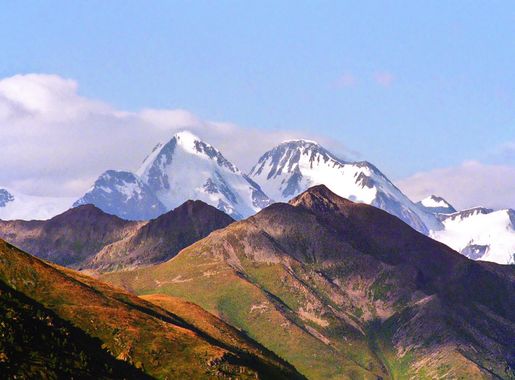
Eastern Kazakhstan is a land of pristine natural beauty and rich cultural heritage. This region is home to the Altai Mountains, which offer stunning landscapes, lush green valleys, and clear blue lakes. The Katon-Karagay National Park is a must-visit for nature lovers, with its diverse flora and fauna and breathtaking mountain views. The park is also home to some rare and endangered species, making it a haven for wildlife enthusiasts. Many ancient petroglyphs and burial mounds can be found in Eastern Kazakhstan, providing a glimpse into the history and culture of the ancient nomadic tribes that once roamed these lands. The town of Oskemen (Ust-Kamenogorsk) is the cultural and administrative center of the region, where you can explore museums, theaters, and historical sites. For adventure seekers, Eastern Kazakhstan offers a range of outdoor activities such as hiking, horse riding, and fishing. The region's rivers and lakes are perfect for water sports, while the mountains provide excellent opportunities for trekking and camping. Whether you're looking to connect with nature or immerse yourself in local culture, Eastern Kazakhstan is a destination that promises a unique and unforgettable experience.