

Free Northern Kazakhstan Travel Guide & Mobile App
Explore Northern Kazakhstan with free travel guides. Discover regional history, expert tips, proposed trips, and audio guides on web or mobile app.


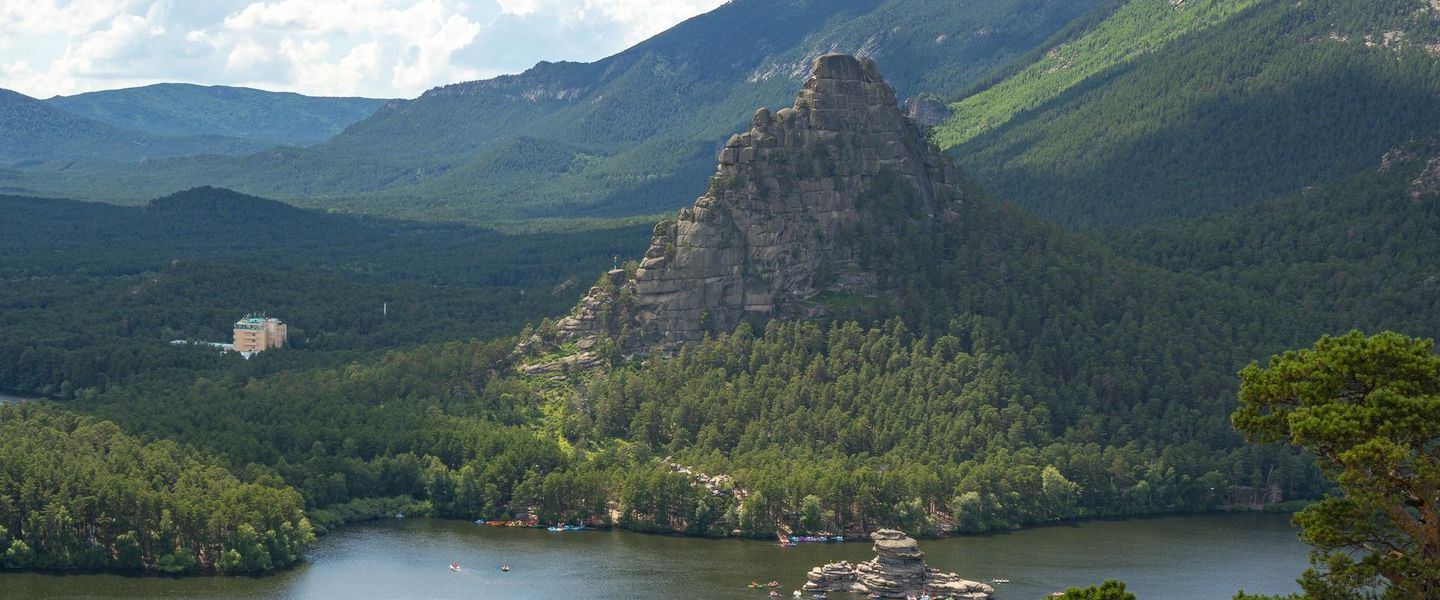


Explore Northern Kazakhstan for vast steppe, forested lakes, historic railway towns, wildlife reserves and the Irtysh River landscape.
Read more about Northern Kazakhstan
When is the best time to visit Northern Kazakhstan?
Best: June–August · 25–27°C| Month | High (°C) | Rainfall (mm) |
|---|---|---|
| January | -7 | 19 |
| February | -6 | 17 |
| March | 2 | 22 |
| April | 14 | 25 |
| May | 20 | 34 |
| June (best) | 25 | 29 |
| July (best) | 27 | 26 |
| August (best) | 25 | 21 |
| September | 19 | 19 |
| October | 11 | 16 |
| November | 1 | 20 |
| December | -5 | 21 |
Getting to and around Northern Kazakhstan
How to get there
Transportation
Top city travel guides in Northern Kazakhstan
The cities of Northern Kazakhstan, and the easiest places to base yourself.

Swipe for more cities
Destinations in Northern Kazakhstan
Resorts, valleys and scenic spots worth a trip of their own.

Swipe for more destinations
Best attractions in Northern Kazakhstan
Northern Kazakhstan’s attractions are spread across a large landscape of cities, steppe, wetlands, lakes and forested uplands. Burabay National Park in Akmola Region is the most established recreation area, with walking routes, pine woods, granite formations and lakes around the resort settlement of Burabay. South of Astana, Korgalzhyn State Nature Reserve protects extensive wetlands and is valued by birdwatchers for migratory species, including flamingos in suitable seasonal conditions. Naurzum State Nature Reserve in Kostanay Region offers another important combination of steppe, lakes and woodland, while Bayanaul National Park in Pavlodar Region provides a more enclosed mountain-and-lake setting with distinctive rock formations. Urban attractions include museums, theatres, galleries and historic streets in Petropavl, Kostanay and Pavlodar, alongside Astana’s contemporary civic architecture. Visitors interested in Soviet history can explore the planned agricultural and industrial landscapes around northern towns, although access to some sites is best arranged locally. The region’s appeal lies in the contrast between open horizons and concentrated pockets of forest, water and wildlife rather than in a single dense cluster of monuments.
-
Tourist attraction
«Zhaksy» baqylau alaŋy
Explore Zhaksy, Kazakhstan: A serene town blending cultural heritage with stunning natural landscapes, perfect for a peaceful getaway.

Best landmarks in Northern Kazakhstan
Northern Kazakhstan’s most recognisable landmarks include both natural formations and evidence of settlement history. Burabay’s forested granite hills and lakes form the region’s best-known natural landscape, with rock formations such as Okzhetpes and Zhumbaktas embedded in local legend and national tourism imagery. Bayanaul National Park has a different visual character, marked by low mountains, rounded rock outcrops and lakes set within the Pavlodar steppe. The Irtysh River is a defining geographical landmark at Pavlodar, where the broad waterway shapes the city’s parks and riverfront views. Petropavl’s historic centre retains traces of its eighteenth-century fortress origins and later merchant development, while Kostanay’s streets reflect its role as an agricultural and administrative centre. Astana’s modern skyline, including major government and civic buildings, represents independent Kazakhstan’s capital project rather than older regional architecture. Across the northern plains, ancient burial mounds and archaeological landscapes are important cultural landmarks, although many are remote, less visually dramatic and accessible only with suitable local arrangements.
-
Ski resort
Shymbulak
Experience the thrill of adventure at Shymbulak Ski Resort, a stunning destination in Almaty's mountains offering year-round outdoor activities and breathtaking views.
-
Tourist attraction
Kok Tobe
Discover Kok Tobe, a breathtaking mountain retreat in Almaty, offering stunning views, cultural experiences, and endless recreational activities.
-
Tourist attraction
Baiterek
Discover the awe-inspiring Baiterek Tower in Astana, a modern architectural marvel symbolizing Kazakhstan's ambitions and rich cultural heritage.
-
Historical landmark
Mausoleum of Khoja Ahmed Yasawi
Discover the architectural wonder of the Mausoleum of Khoja Ahmed Yasawi, a UNESCO World Heritage Site steeped in history and spiritual significance in Turkistan.


Explore Northern Kazakhstan on the map
Plan your trip on one map. See where the top cities, national parks and sights are, and book hotels and experiences in a few clicks.
Best hotels in Northern Kazakhstan
Best restaurants in Northern Kazakhstan
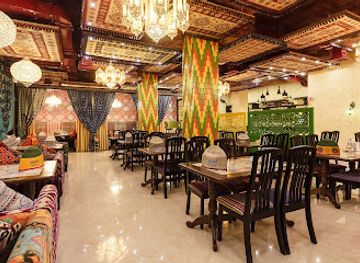
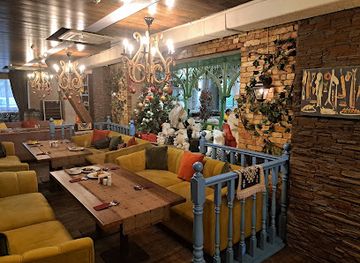
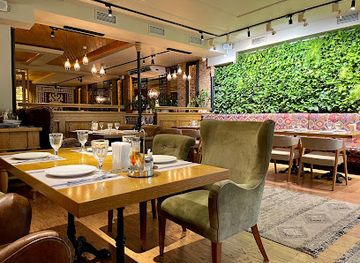
Dining in northern Kazakhstan combines Kazakh pastoral traditions with the agricultural and cosmopolitan influences of the northern cities. Menus commonly include beshbarmak, kuyrdak, manti, lagman, soups, grilled meat, horse-meat products, baursak and a wide range of dairy foods, while Russian, Tatar, Korean and broader Central Asian influences are also encountered. Astana, Pavlodar, Petropavl and Kostanay offer the greatest choice, from contemporary restaurants and international cafés to canteens, bakeries and traditional dining rooms. Outside the cities, roadside cafés and family-run establishments are often more practical than formal restaurants. Northern farming supports the availability of wheat products, potatoes, vegetables and locally produced dairy, while tea remains central to hospitality. Around Burabay and Bayanaul, restaurants and guesthouses cater to visitors seeking filling meals after outdoor activities, but choice may be seasonal. Markets are useful for bread, fruit, nuts and locally made dairy products, though food availability varies considerably between urban centres and remote settlements.
-
-
Georgian
Vahtanguri Georgian Restaurant
Experience authentic Georgian cuisine at Vahtanguri Restaurant in Almaty - a culinary journey filled with flavor and tradition.
-
Steak
Line Brew Astana
Indulge in exquisite steaks at Line Brew Astana – where culinary artistry meets local flavors in an elegant setting.
-
Kazakhstani
Saksaul
Experience authentic Kazakhstani cuisine at Saksaul in Astana—where tradition meets flavor.

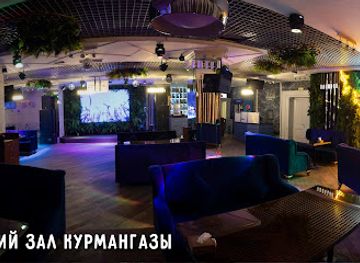
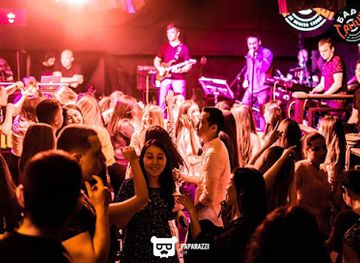
Best bars in Northern Kazakhstan
Evening life in Northern Kazakhstan is concentrated in Astana and the larger regional cities rather than distributed evenly across the countryside. Astana has the broadest selection of cocktail bars, modern restaurants, live-music venues and clubs, while Pavlodar, Petropavl and Kostanay offer city-centre bars, cafés, karaoke venues and a smaller late-night scene. Traditional tea houses and restaurants provide a quieter alternative, and some hotels have lounges aimed at business travellers. In Burabay and Bayanaul, nightlife is generally seasonal and linked to resort accommodation, restaurants and outdoor tourism rather than a permanent club district. Smaller towns rely on cafés, family restaurants and occasional cultural performances. Visitors should expect distances between rural settlements and arrange transport rather than drink and drive; local evening culture does not depend solely on alcohol, and tea, conversation and shared meals remain important social forms.
-
Pub
Harat's Pub on Panfilov Street
Discover the lively atmosphere and diverse menu at Harat's Pub on Panfilov Street in Almaty, where locals and travelers unite over great food and drinks.
-
Irish pub
Guinness Pub
Experience the best of Irish hospitality and cuisine at Guinness Pub in Almaty, where good food and great company come together.
-
Bar
Barmaglot Bar
Experience the vibrant nightlife of Almaty at Barmaglot Bar, known for its exquisite cocktails, live music, and stylish atmosphere.
-
Brewpub
Brewery
Experience Astana's vibrant brewpub scene with handcrafted beers and delicious dishes at the Brewery, a must-visit for locals and tourists alike.


Best nightclubs in Northern Kazakhstan
Evening life in Northern Kazakhstan is concentrated in Astana and the larger regional cities rather than distributed evenly across the countryside. Astana has the broadest selection of cocktail bars, modern restaurants, live-music venues and clubs, while Pavlodar, Petropavl and Kostanay offer city-centre bars, cafés, karaoke venues and a smaller late-night scene. Traditional tea houses and restaurants provide a quieter alternative, and some hotels have lounges aimed at business travellers. In Burabay and Bayanaul, nightlife is generally seasonal and linked to resort accommodation, restaurants and outdoor tourism rather than a permanent club district. Smaller towns rely on cafés, family restaurants and occasional cultural performances. Visitors should expect distances between rural settlements and arrange transport rather than drink and drive; local evening culture does not depend solely on alcohol, and tea, conversation and shared meals remain important social forms.
-
Karaoke bar
Ukho I Medved' Na Kurmangazy
Experience the ultimate karaoke night at Ukho I Medved' Na Kurmangazy in Almaty, where music, food, and fun combine for an unforgettable evening.
-
Bar
Tantsy
Experience the vibrant nightlife of Almaty at Tantsy, a lively bar known for its friendly atmosphere and great music, perfect for socializing.
-
Night club
Zhest'
Discover the electrifying nightlife of Almaty at Zhest' Night Club, where vibrant beats and unforgettable experiences await you.
-
Night club
Barviha Bar
Discover Almaty's vibrant nightlife at Barviha Bar, where great music and delicious drinks create unforgettable memories.


Best shops in Northern Kazakhstan
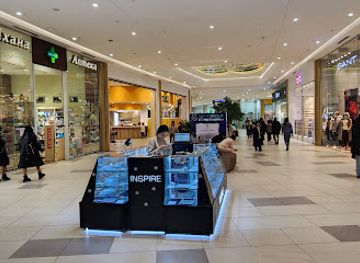
Shopping in Northern Kazakhstan ranges from modern retail in Astana to practical high streets, markets and independent stores in Petropavl, Kostanay and Pavlodar. Astana offers the widest selection of shopping centres, fashion retailers, bookshops and contemporary design stores, while the regional cities are more useful for everyday goods, local food and traditional products. Covered markets and bazaars are places to look for dried fruit, nuts, honey, dairy products, breads and packaged regional foods, although availability and presentation vary. Visitors seeking Kazakh gifts can consider felt goods, embroidered textiles, leather items, jewellery, ceramics and decorative objects, but should buy from reputable sellers and ask about materials. Around Burabay and Bayanaul, small seasonal outlets may stock local snacks and simple handicrafts rather than specialist products. Russian and Kazakh books, tea, confectionery and regional food products make practical souvenirs. In rural districts, opening arrangements and card facilities can be less predictable, so carry tenge and do not leave all shopping until the final day.
-
Shopping mall
MEGA Alma-Ata
Discover the ultimate shopping experience at MEGA Alma-Ata, where fashion meets entertainment in the heart of Almaty.
-
Shopping mall
Mega Silk Way
Explore Mega Silk Way: A shopping paradise in Astana with diverse brands, delicious dining, and family-friendly entertainment.
-
Shopping mall
Dostyk Plaza
Discover the vibrant shopping scene at Dostyk Plaza, Almaty's premier destination for retail therapy, dining, and entertainment experiences.
-
Shopping mall
Keruen
Explore Keruen, the premier shopping mall in Astana, offering a delightful mix of shopping, dining, and entertainment for every tourist.



Get your free copy of our complete guide to Northern Kazakhstan, delivered straight to you.
Everything on this page, from attractions and restaurants to essentials and local phrases, in one PDF you can read offline, print or share.
Already have an account? Sign in
Your Northern Kazakhstan guide is ready.
We'll send it to · Not you? Sign out

Getting your guide ready…
We are putting together a fresh copy of the Northern Kazakhstan guide. This can take up to a minute.
This can take a few moments. If your browser asks, choose Allow so the download can start. You'll find the guide in your Downloads folder.
Nothing happened? Download it again
Sorry, the guide is taking longer than usual. Please try again in a minute, or get it by email instead.
Northern Kazakhstan essentials
Currency and Payment
Safety
Emergency Situations
Do's and Don'ts
Local Tips
From Eve
Local phrases worth knowing
You don't need to get them perfect. A few words go a long way, and locals appreciate the effort.
Basics
| English | Local | Say it |
|---|---|---|
| Hello | Сәлем | [Sälem] |
| Goodbye | Сау болыңыз | [Sau bolyŋyz] |
| Yes | Иә | [Iä] |
| No | Жоқ | [Joq] |
| Please/You're welcome | Өтініш/Рақмет | [Ötiniş/Raqmet] |
| Thank you | Рақмет | [Raqmet] |
| Excuse me/Sorry | Кешіріңіз | [Keshiriniz] |
| How are you? | Сіз қалайсыз? | [Siz qalaysyz?] |
| Fine. And you? | Жақсы. Ал сіз? | [Jaqsy. Al siz?] |
| Do you speak English? | Сіз ағылшынша сөйлейсіз бе? | [Siz aǵylshynşa söyleýsiz be?] |
| I don't understand | Мен түсінбедім | [Men tüsіnbedim] |
Eating & Drinking
| English | Local | Say it |
|---|---|---|
| I'd like to see the menu, please | Мәзірді көргім келеді, өтініш | [Mäzirdi körgim keledi, ötiniş] |
| I don't eat meat | Мен ет жемеймін | [Men et zhemeymin] |
| Cheers! | Тост! | [Tost!] |
| I would like to pay, please | Мен төлеуді қалаймын, өтініш | [Men töleýdi qalaymyn, ötiniş] |
Emergencies
| English | Local | Say it |
|---|---|---|
| Help! | Көмектесіңіз! | [Kömektesiñiz!] |
| Go away! | Кетіңіз! | [Ketiñiz!] |
| Call the Police! | Полиция шақырыңыз! | [Politsiya şaqyryñyz!] |
| Call a doctor! | Дәрігер шақырыңыз! | [Däriger şaqyryñyz!] |
| I'm lost | Мен жоғалып кеттім | [Men joǵalyp kettim] |
| I'm ill | Мен ауырып жатырмын | [Men awyryp jatyrmyn] |
Shopping
| English | Local | Say it |
|---|---|---|
| I'd like to buy... | Мен сатып алғым келеді... | [Men satıp algım keledi...] |
| I'm just looking | Мен тек қарап жатырмын | [Men tek qarap jatyrmyn] |
| How much is it? | Бұл қанша тұр? | [Bul qanşa tur?] |
| That's too expensive | Бұл тым қымбат | [Bul tym qymbat] |
| Can you lower the price? | Бағаны төмендетсеңіз болады ма? | [Baǵany tömendedseñiz bolady ma?] |
Time & Numbers
| English | Local | Say it |
|---|---|---|
| What time is it? | Сағат қанша? | [Saǵat qanşa?] |
| It's one o'clock | Бұл бір сағат | [Bul bir saǵat] |
| Half past (10) | Он жарым | [On jarım] |
| Morning | Таң | [Taŋ] |
| Afternoon | Түстен кейін | [Tüsten keyin] |
| Evening | Кеш | [Kesh] |
| Yesterday | Кеше | [Keshе] |
| Today | Бүгін | [Bügіn] |
| Tomorrow | Ертең | [Erteŋ] |
| 1 | Бір | [Bir] |
| 2 | Екі | [Eki] |
| 3 | Үш | [Üş] |
| 4 | Төрт | [Tört] |
| 5 | Бес | [Bes] |
| 6 | Алты | [Alty] |
| 7 | Жеті | [Jeti] |
| 8 | Сегіз | [Segiz] |
| 9 | Тоғыз | [Toǵyz] |
| 10 | Он | [On] |
Transport & Directions
| English | Local | Say it |
|---|---|---|
| Where's a/the...? | Қайда...? | [Qayda...?] |
| What's the address? | Мекенжайыңыз қандай? | [Mekenjayıñız qandai?] |
| Can you show me (on the map)? | Маған (картада) көрсете аласыз ба? | [Maǵan (kartada) körsete alasız ba?] |
| When's the next (bus)? | Келесі (автобус) қашан? | [Kelesі (avtobus) qaşan?] |
| A ticket (to ....) | Билет (....ға) | [Bilet (....ǵa)] |
History of Northern Kazakhstan
Early Steppe Cultures and Bronze Age Heritage
Northern Kazakhstan contains archaeological evidence of communities that lived through the Bronze Age and later periods of steppe pastoralism, metalworking and long-distance exchange. Sites and burial landscapes across the northern plains show how populations adapted to grassland, river valleys and seasonal movement. The region formed part of the wider Eurasian steppe zone, where technologies, animals and cultural practices travelled across enormous distances. Much of this heritage is encountered through archaeological research rather than monumental ruins, but it provides important context for understanding the region’s later history of mobility, pastoralism and interaction between settled and nomadic communities.
Turkic and Steppe Political Traditions
From late antiquity through the medieval period, northern Kazakhstan was influenced by successive Turkic and steppe polities. Control of pasture, river routes and caravan connections shifted between confederations and khanates, while cultural and linguistic influences spread across the steppe. The territory later associated with the Kazakh Middle Horde was especially important to the historical development of northern and central Kazakhstan. Although few medieval urban monuments survive across the open plains, the period remains visible in oral traditions, archaeological remains and the enduring significance of seasonal movement, livestock and clan networks in Kazakh historical memory.
Russian Frontier Expansion and New Settlements
Russian expansion into the northern Kazakh steppe accelerated from the eighteenth century, supported by frontier forts, military lines and trading settlements. Petropavl, founded as a fortress in 1752 on the Ishim River, became an important centre of commerce and administration. Other settlements developed along river corridors and routes linking Siberia with the steppe. This process brought new administrative structures, agricultural colonisation and demographic change, while also transforming relations with Kazakh communities. The resulting mixture of steppe traditions, Russian settlement history and later industrial development remains a defining feature of northern Kazakhstan.
Railways, Agriculture and Imperial-Era Towns
The expansion of railways in the late nineteenth and early twentieth centuries connected northern Kazakhstan more closely with Siberia, European Russia and Central Asian markets. Railway stations and planned streets helped towns such as Petropavl and Kostanay grow as centres for grain trade, administration and services. The northern steppe became increasingly associated with cereal cultivation as settlers, new technologies and commercial agriculture altered the landscape. Several towns retain traces of this period in their street plans, merchant buildings, religious architecture and railway infrastructure, although later Soviet reconstruction changed much of their appearance.
Soviet Collectivisation and Industrial Transformation
The Soviet period brought profound changes to northern Kazakhstan. Collectivisation disrupted traditional pastoral life and contributed to severe famine in Kazakhstan during the early 1930s, with lasting demographic and social consequences. Later, state farms and large-scale grain production transformed the northern steppe, particularly during the Virgin Lands campaign launched in the 1950s. Industrial growth also expanded around Pavlodar and other urban centres, while railways and planned towns supported migration from across the Soviet Union. The region’s agricultural fields, industrial cities and diverse population are closely connected to these twentieth-century transformations.
Independent Kazakhstan and the Rise of Astana
After Kazakhstan became independent in 1991, northern Kazakhstan entered a period of political, economic and urban change. The relocation of the national capital from Almaty to Akmola in 1997, followed by its renaming as Astana, accelerated development in the northern steppe. Astana grew into a major administrative, architectural and transport centre, while established cities such as Petropavl, Kostanay and Pavlodar continued to serve regional agricultural, industrial and educational roles. The modern region therefore combines Soviet-era infrastructure and older settlement patterns with the ambitious, rapidly evolving capital landscape.
Northern Kazakhstan in Photos
Browse through our photo collection highlighting the charm and character of the destination.
Neighbouring regions of Northern Kazakhstan
The closest regions to Northern Kazakhstan, if you have time for more than one.
-

-

-

-

-


Swipe for more regions
Explore more

Explore more of Kazakhstan
Explore Kazakhstan's rich culture, modern cities, and stunning natural landscapes. From the Caspian Sea to the Altai Mountains, find adventure and beauty in Central Asia.
Explore Kazakhstan