

Free Tana River Basin Travel Guide & Mobile App
Explore Tana River Basin with free travel guides. Discover regional history, expert tips, proposed trips, and audio guides on web or mobile app.


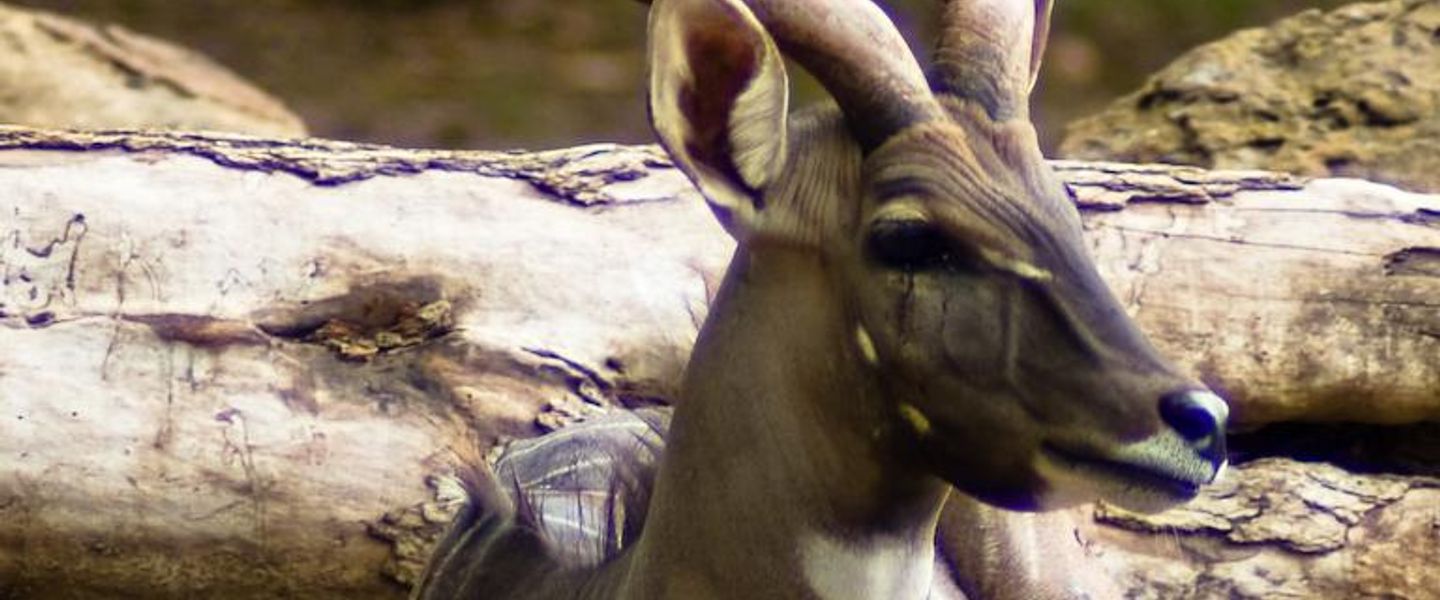


Explore Kenya’s Tana River Basin for reservoirs, dry-country wildlife, riverine forests, cultural landscapes and the bird-rich Tana Delta.
Read more about Tana River Basin
When is the best time to visit Tana River Basin?
Best: January, July–August · 30–32°C| Month | High (°C) | Rainfall (mm) |
|---|---|---|
| January (best) | 32 | 8 |
| February | 33 | 7 |
| March | 33 | 25 |
| April | 33 | 75 |
| May | 32 | 60 |
| June | 31 | 40 |
| July (best) | 30 | 20 |
| August (best) | 30 | 20 |
| September | 31 | 30 |
| October | 32 | 55 |
| November | 32 | 75 |
| December | 31 | 30 |
Getting to and around Tana River Basin
How to get there
Transportation
Top city travel guides in Tana River Basin
The cities of Tana River Basin, and the easiest places to base yourself.
-

-

-

-

-

-


Swipe for more cities
Destinations in Tana River Basin
Resorts, valleys and scenic spots worth a trip of their own.
-

-

-

-

-
-


Swipe for more destinations
Best attractions in Tana River Basin
Attractions in the Tana River Basin are defined by landscape and ecological variety rather than by a dense concentration of conventional visitor sites. In the upper basin, the Seven Forks reservoirs, including Masinga and Kamburu, offer broad water views and an insight into Kenya’s hydropower infrastructure, with surrounding countryside that is more settled and cultivated than the lower river. Further east, Garissa provides an urban base for exploring the river corridor and nearby dry-country landscapes. Kora National Park is the basin’s principal wilderness destination, combining rugged terrain, riverine habitats and conservation history, although it demands careful arrangements and should not be approached as an easy self-drive excursion. The Tana River Primate Reserve protects forest habitats associated with the endemic Tana River red colobus and Tana River mangabey, subject to access conditions and conservation guidance. Near the coast, the Tana River Delta offers wetlands, floodplain, palms, channels and important bird habitat. Fishing, guided river experiences, birdwatching, nature walks and community-led cultural interpretation may be available in different areas, but services are uneven and seasonal. The region rewards visitors who value geography, conservation and slow exploration over a packed schedule of major attractions.
-
National park
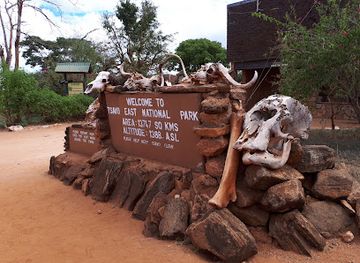
Tsavo East National Park
Discover the wilderness of Tsavo East National Park, where stunning landscapes and diverse wildlife create an unforgettable safari experience in Kenya.
-
National park
Kora National Park
Explore the breathtaking beauty and rich wildlife of Kora National Park, a hidden gem in Kenya, perfect for adventure seekers and nature lovers.
-
Tourist attraction
Tana River Primate National Reserve
Explore the vibrant ecosystems and unique primate species at Tana River Primate National Reserve, a must-see destination for nature lovers visiting Kenya.
-
Wetland
Tana River Delta Ramsar Site
Explore the Tana River Delta, a UNESCO Ramsar Site, home to diverse wildlife and stunning landscapes in the heart of Kenya’s coastal ecosystem.

Best landmarks in Tana River Basin
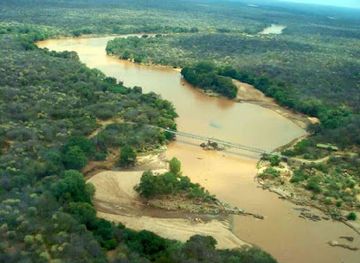
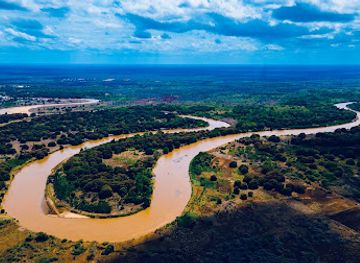
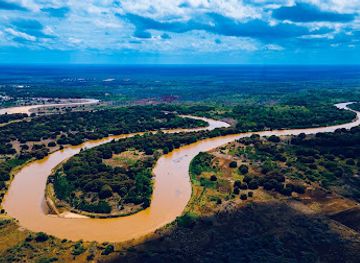
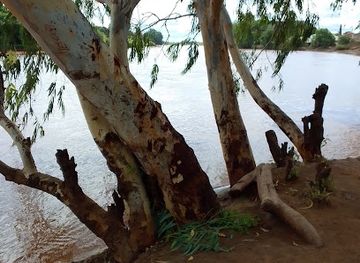
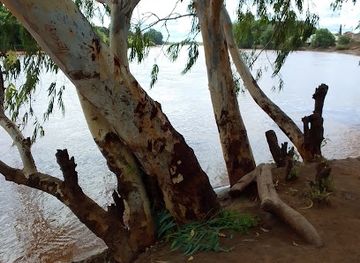
The Tana River itself is the basin’s defining landmark, changing from a highland watercourse into a broad lowland river and finally a network of delta channels. The Seven Forks dams and reservoirs, especially Masinga, Kamburu, Gitaru, Kindaruma and Kiambere, form a major infrastructure landscape in the upper and middle basin and illustrate the river’s national importance for electricity and water management. In the drier middle Tana, the riverine forests and rugged country associated with Kora National Park provide a powerful contrast to the open surrounding plains; the area is also linked to the conservation history of George and Joy Adamson. The lower basin’s Tana River Primate Reserve is significant for its specialised forest habitat and rare primates. Towards the coast, the Tana River Delta is the most distinctive natural landmark, where floodplain, wetland, palm woodland and tidal influence create a shifting landscape of channels and seasonal water. Garissa’s position beside the river gives it an important urban relationship with the basin, while smaller river settlements reflect the continuing importance of water, farming, fishing and transport. These landmarks are dispersed, and their accessibility depends heavily on roads, rainfall, permissions and local guidance.
-
Tourist attraction
Tana River Primate National Reserve
Explore the Tana River Primate National Reserve: Home to unique wildlife and breathtaking landscapes in Kenya's untouched wilderness.
Explore Tana River Basin on the map
Plan your trip on one map. See where the top cities, national parks and sights are, and book hotels and experiences in a few clicks.
Best hotels in Tana River Basin
Best restaurants in Tana River Basin
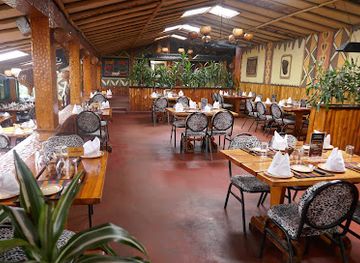
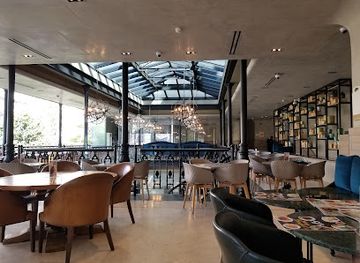
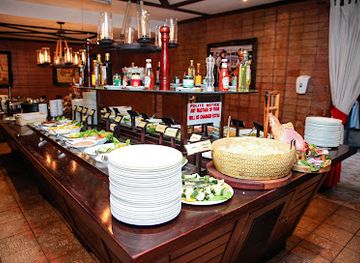
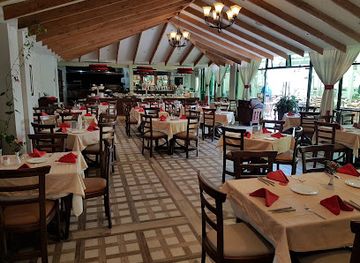
Dining across the Tana River Basin is practical, local and strongly shaped by climate, livelihoods and cultural diversity. In towns such as Garissa, Hola and Garsen, visitors can find Kenyan staples alongside Somali-influenced cooking, including rice dishes, spiced meat, chapati, tea and grilled foods. River communities have traditions of fishing and floodplain cultivation, while pastoral areas contribute milk, meat and other livestock products; availability varies with season and settlement. In smaller centres, simple cafés, cooked-food stalls and guesthouse dining are generally more dependable than destination restaurants. The upper basin reflects central and eastern Kenyan food patterns, with vegetables, legumes, maize-based dishes and tea common in settled areas. Fresh produce may be available near irrigated or farming communities, while fish is more relevant close to the river and delta than inland. Carry snacks and drinking water for long journeys, and confirm meal arrangements with remote camps or guides in advance. Alcohol is available in some town establishments, but evening dining and hospitality should not be assumed to follow urban Kenyan patterns in rural areas.
-
Restaurant
The carnivore restaurant
Experience the ultimate meat feast at The Carnivore Restaurant in Nairobi - where flavor meets tradition.
-
Western
CJ's
Experience the flavors of Western cuisine at CJ's in Nairobi - where delicious meals meet a vibrant atmosphere.
-
Brazilian
Fogo Gaucho
Experience the vibrant flavors of Brazil at Fogo Gaucho - Nairobi's premier destination for authentic Brazilian cuisine.
-
Brazilian
Fogo Gaucho Kilimani
Indulge in authentic Brazilian barbecue at Fogo Gaucho Kilimani, Nairobi's premier destination for vibrant flavors and exceptional dining experiences.
Best bars in Tana River Basin
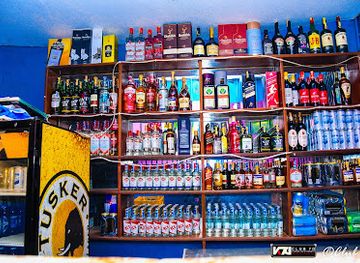
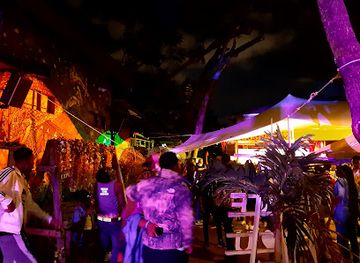
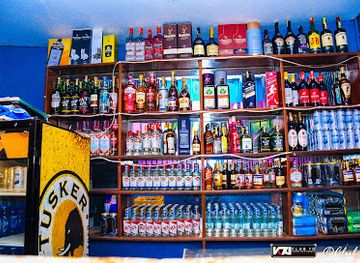
Nightlife in the Tana River Basin is limited and concentrated in larger towns rather than organised around a regional club circuit. Garissa has the broadest choice of cafés, hotel lounges and modest evening venues, while Hola, Garsen and other centres offer simpler restaurants, tea shops and local meeting places. In many rural areas, evenings are quiet and shaped by family, community and practical routines rather than late-night entertainment. Some lodges, camps and guesthouses may provide a bar or informal evening setting, but facilities vary and should be confirmed when booking. Music and community celebrations may occur during particular events, although these are not permanent nightlife attractions. Visitors should dress and behave respectfully, particularly in predominantly Muslim areas, and should avoid assuming that alcohol is appropriate everywhere. For conservation or delta journeys, early mornings are generally more rewarding than late nights, especially where birdwatching, wildlife activity and heat management are important.
-
Bar
Club 7 Hybrid Mororo Tana river County.
Discover the vibrant nightlife at Club 7 Hybrid in Tana River County, where local drinks and lively ambiance come together for an unforgettable experience.
-
Bar
Club-004 Hola Tanariver
Discover the vibrant nightlife at Club-004 Hola Tanariver, where great drinks and local culture come together for an unforgettable experience in Hola, Kenya.
-
 Bar
BarTana River Bar
Discover the serene beauty and vibrant local culture at Tana River Bar in Nziitu, the perfect spot for relaxation and socializing.
Best nightclubs in Tana River Basin
Nightlife in the Tana River Basin is limited and concentrated in larger towns rather than organised around a regional club circuit. Garissa has the broadest choice of cafés, hotel lounges and modest evening venues, while Hola, Garsen and other centres offer simpler restaurants, tea shops and local meeting places. In many rural areas, evenings are quiet and shaped by family, community and practical routines rather than late-night entertainment. Some lodges, camps and guesthouses may provide a bar or informal evening setting, but facilities vary and should be confirmed when booking. Music and community celebrations may occur during particular events, although these are not permanent nightlife attractions. Visitors should dress and behave respectfully, particularly in predominantly Muslim areas, and should avoid assuming that alcohol is appropriate everywhere. For conservation or delta journeys, early mornings are generally more rewarding than late nights, especially where birdwatching, wildlife activity and heat management are important.
-
Night club
K1 Klub House
Experience the pulse of Nairobi at K1 Klub House, where nightlife meets cultural diversity in an unforgettable setting.
-
Bar
Club 7 Hybrid Mororo Tana river County.
Discover the vibrant nightlife at Club 7 Hybrid in Mororo Tana River County, where great drinks and friendly locals come together to create unforgettable memories.
-
Bar
Club-004 Hola Tanariver
Experience the lively atmosphere and refreshing drinks at Club-004 Hola Tanariver, the must-visit bar in Hola, Kenya, for an unforgettable night out.
-
Bar
Tana River Bar
Discover the vibrant atmosphere of Tana River Bar in Nziitu, where stunning river views and local brews create an unforgettable experience.
Best shops in Tana River Basin
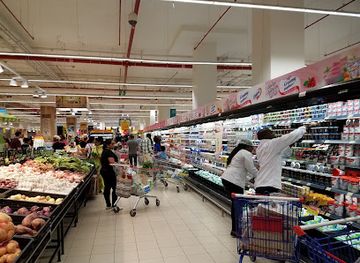
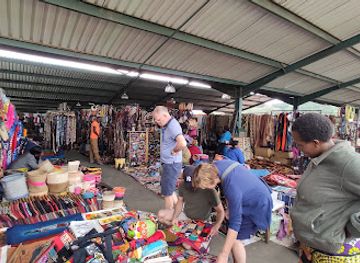
Shopping in the Tana River Basin is centred on town markets, everyday provisions and locally made goods rather than large retail districts. Garissa is the principal commercial centre for the middle and lower basin, with shops and markets serving regional trade in food, clothing, household goods and livestock-related products. Hola and Garsen provide smaller-scale alternatives, while market activity in rural settlements often follows local trading days and seasonal supply. Visitors may encounter woven items, baskets, mats, leather goods, colourful fabrics and other crafts associated with riverine, pastoral and Muslim communities, but availability and provenance vary; buy directly and respectfully where possible. Regional food products, tea, spices, dried goods and fresh produce can make useful souvenirs when transport and customs rules allow. The upper basin has more conventional Kenyan high-street shopping in larger towns, whereas remote areas offer few visitor-oriented purchases. Bargaining may be customary in some informal markets but is not appropriate everywhere, so observe local practice and agree prices clearly before buying. Do not purchase archaeological objects, wildlife products or natural materials removed from protected areas.
-
Shopping mall
Two Rivers
Experience Nairobi's shopping and dining at its finest in the expansive Two Rivers Mall, where vibrant culture meets modern retail.
-
Shopping mall
The Junction Mall
Explore Nairobi's vibrant shopping scene at The Junction Mall, where local culture meets international brands in a lively atmosphere.
-
Shopping mall
Village Market
Explore Village Market in Nairobi, a vibrant shopping mall offering unique art, delicious food, and exciting entertainment, perfect for every traveler.
-
Shopping mall
The Waterfront Karen
Explore the lively shopping, dining, and entertainment experience at The Waterfront Karen in Nairobi, a must-visit destination for all tourists.

Get your free copy of our complete guide to Tana River Basin, delivered straight to you.
Everything on this page, from attractions and restaurants to essentials and local phrases, in one PDF you can read offline, print or share.
Already have an account? Sign in
Your Tana River Basin guide is ready.
We'll send it to · Not you? Sign out

Getting your guide ready…
We are putting together a fresh copy of the Tana River Basin guide. This can take up to a minute.
This can take a few moments. If your browser asks, choose Allow so the download can start. You'll find the guide in your Downloads folder.
Nothing happened? Download it again
Sorry, the guide is taking longer than usual. Please try again in a minute, or get it by email instead.
Tana River Basin essentials
Currency and Payment
Safety
Emergency Situations
Do's and Don'ts
Local Tips
From Eve
Local phrases worth knowing
You don't need to get them perfect. A few words go a long way, and locals appreciate the effort.
Basics
| English | Local | Say it |
|---|---|---|
| Hello | Sijambo | [see-jahm-bo] |
| Goodbye | Kwaheri | [kwah-heh-ree] |
| Yes | Ndiyo | [n-dee-yo] |
| No | Hapana | [ha-pah-nah] |
| Please/You're welcome | Tafadhali | [tah-fah-dah-lee] |
| Thank you | Asante | [ah-sahn-teh] |
| Excuse me/Sorry | Samahani | [sah-mah-hah-nee] |
| How are you? | Habari gani? | [hah-bah-ree gah-nee] |
| Fine. And you? | Nzuri. Na wewe? | [n-zoo-ree nah weh-weh] |
| Do you speak English? | Unazungumza Kiingereza? | [oo-nah-zoo-ngum-zah kee-in-geh-reh-zah] |
| I don't understand | Sielewi | [see-eh-leh-wee] |
Eating & Drinking
| English | Local | Say it |
|---|---|---|
| I'd like to see the menu, please | Ningependa kuona menyu, tafadhali | [neen-geh-pen-dah koo-nah meh-nyoo tah-fah-dah-lee] |
| I don't eat meat | Sikuli nyama | [see-koo-lee nyah-mah] |
| Cheers! | Afya! | [ah-fyah] |
| I would like to pay, please | Ningependa kulipa, tafadhali | [neen-geh-pen-dah koo-lee-pah tah-fah-dah-lee] |
Emergencies
| English | Local | Say it |
|---|---|---|
| Help! | Nisaidie! | [nee-sigh-dee-eh] |
| Go away! | Nenda mbali! | [nen-dah m-bah-lee] |
| Call the Police! | Piga simu polisi! | [pee-gah see-moo poh-lee-see] |
| Call a doctor! | Piga simu daktari! | [pee-gah see-moo dahk-tah-ree] |
| I'm lost | Nimepotea | [nee-meh-poh-teh-ah] |
| I'm ill | Nina ugonjwa | [nee-nah oo-gon-jwah] |
Shopping
| English | Local | Say it |
|---|---|---|
| I'd like to buy... | Ningependa kununua... | [neen-geh-pen-dah koo-noo-noo-ah] |
| I'm just looking | Natazama tu | [nah-tah-zah-mah too] |
| How much is it? | Ni kiasi gani? | [nee kee-ah-see gah-nee] |
| That's too expensive | Hiyo ni ghali sana | [hee-yoh nee gah-lee sah-nah] |
| Can you lower the price? | Unaweza kupunguza bei? | [oo-nah-weh-zah koo-poon-gah-zah beh-ee] |
Time & Numbers
| English | Local | Say it |
|---|---|---|
| What time is it? | Ni saa ngapi? | [nee sah ngah-pee] |
| It's one o'clock | Ni saa moja | [nee sah moh-jah] |
| Half past (10) | Nusu ya (10) | [noo-soo yah ten] |
| Morning | Asubuhi | [ah-soo-boo-hee] |
| Afternoon | Mchana | [m-chah-nah] |
| Evening | Jioni | [jee-oh-nee] |
| Yesterday | Jana | [jah-nah] |
| Today | Leo | [leh-oh] |
| Tomorrow | Kesho | [keh-shoh] |
| 1 | Moja | [moh-jah] |
| 2 | Mbili | [m-bee-lee] |
| 3 | Tatu | [tah-too] |
| 4 | Nne | [n-nay] |
| 5 | Tano | [tah-no] |
| 6 | Sita | [see-tah] |
| 7 | Saba | [sah-bah] |
| 8 | Nane | [nah-neh] |
| 9 | Tisa | [tee-sah] |
| 10 | Kumi | [koo-mee] |
Transport & Directions
| English | Local | Say it |
|---|---|---|
| Where's a/the...? | Iko wapi...? | [ee-koh wah-pee] |
| What's the address? | Anwani ni gani? | [ahn-wah-nee nee gah-nee] |
| Can you show me (on the map)? | Unaweza kunionyesha (katika ramani)? | [oo-nah-weh-zah koo-nee-oh-nyesh-ah kah-tee-kah rah-mah-nee] |
| When's the next (bus)? | Basi inayofuata ni lini? | [bah-see ee-nah-yoh-foo-ah-tah nee lee-nee] |
| A ticket (to ....) | Tiketi (kwenda ....) | [tee-keh-tee kwen-dah] |
History of Tana River Basin
Early settlement and riverine societies
The Tana corridor has long supported human settlement because the river provides water, fertile floodplain soils, fish and routes through otherwise dry country. Archaeological knowledge of eastern Kenya records long histories of hunting, herding, cultivation and exchange, while the lower river became particularly important to Pokomo farming communities. Seasonal floods shaped settlement patterns and agricultural practice. Rather than forming a single historical kingdom, the basin developed through interacting riverine, pastoral and trading societies whose relationships were influenced by water, livestock, cultivation and movement along the valley.
Swahili and inland trade connections
The lower Tana lay within the wider commercial world linking the East African coast with the interior. Goods, livestock and information moved between coastal settlements and inland communities, while Islamic and Swahili cultural influences were strongest nearer the coast. Trade was not confined to a single route or period, and the river itself was an important geographical corridor. The surviving cultural landscape reflects centuries of interaction among coastal traders, riverine farmers, pastoralists and communities moving through the eastern lowlands.
Nineteenth-century exploration and colonial incorporation
European explorers and colonial officials increasingly mapped the Tana during the nineteenth century, when outside powers sought routes, resources and political control in the interior. British administration later incorporated the basin into Kenya Colony, imposing new boundaries and systems of authority over communities that had maintained their own territorial relationships. Colonial mapping also encouraged the use of the river as a route for transport and administration, although difficult terrain, floods and limited infrastructure restricted ambitions for much of the lower basin.
Agriculture, irrigation and changing land use
During the twentieth century, governments and development agencies promoted irrigation, settlement schemes and commercial agriculture in parts of the lower basin. The river’s flood cycles made farming productive but also vulnerable to unpredictable inundation, while pastoral communities depended on seasonal access to water and grazing. These different land uses sometimes produced tension, particularly when farms, conservation areas and livestock routes overlapped. Today, irrigation, subsistence cultivation, livestock keeping and fishing remain important parts of the basin’s economy, with water management continuing to shape local livelihoods.
The Seven Forks hydropower development
From the late twentieth century, a chain of dams and reservoirs was developed along the upper and middle Tana as part of Kenya’s hydropower system. Masinga Dam, followed by Kamburu, Gitaru, Kindaruma and Kiambere, transformed sections of the river into large reservoirs and made the Tana central to national electricity planning. The scheme also altered downstream flow patterns, landscapes and local land use. Today, the reservoirs are important infrastructure and striking geographical features, but they should be understood primarily as working water and energy landscapes rather than conventional resort lakes.
Conservation in the middle and lower Tana
The Tana’s forests, wetlands and wildlife habitats became increasingly important to Kenya’s conservation story during the twentieth century. Kora National Park and adjacent protected areas preserve rugged riverine country associated with the conservation work of George and Joy Adamson. The lower river’s forests support rare primates, while the delta provides habitat for large numbers of waterbirds and other species. Conservation has also raised difficult questions about access, livelihoods, flooding, tourism and community rights, making locally informed, responsible travel particularly important.
Tana River Basin in Photos
Browse through our photo collection highlighting the charm and character of the destination.
Neighbouring regions of Tana River Basin
The closest regions to Tana River Basin, if you have time for more than one.
-

-

-

-

-


Swipe for more regions
Explore more
Explore more of Kenya
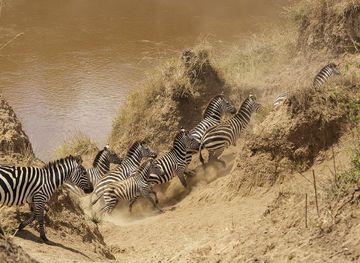
Discover Kenya: A land of breathtaking safaris, rich cultural heritage, and stunning coastlines that promise adventure and relaxation all in one.
Explore Kenya