

Free Lamu Archipelago Travel Guide & Mobile App
Explore Lamu Archipelago with free travel guides. Discover regional history, expert tips, proposed trips, and audio guides on web or mobile app.


Explore Kenya’s Lamu Archipelago for Swahili heritage, dhow sailing, coral beaches, marine life and island communities shaped by the Indian Ocean.
Read more about Lamu Archipelago
When is the best time to visit Lamu Archipelago?
Best: July–September · 29°C| Month | High (°C) | Rainfall (mm) |
|---|---|---|
| January | 31 | 10 |
| February | 32 | 12 |
| March | 33 | 20 |
| April | 32 | 40 |
| May | 31 | 50 |
| June | 30 | 40 |
| July (best) | 29 | 30 |
| August (best) | 29 | 30 |
| September (best) | 29 | 20 |
| October | 31 | 40 |
| November | 31 | 50 |
| December | 31 | 30 |
Getting to and around Lamu Archipelago
How to get there
Transportation
Top city travel guides in Lamu Archipelago
The cities of Lamu Archipelago, and the easiest places to base yourself.

Swipe for more cities
Destinations in Lamu Archipelago
Resorts, valleys and scenic spots worth a trip of their own.

Swipe for more destinations
Best attractions in Lamu Archipelago
The archipelago’s attractions combine living heritage with marine and coastal landscapes. Lamu Old Town rewards slow exploration through coral-stone lanes, mosques, markets, workshops and museums, while Shela offers a more open settlement and access to a long sandy beach. On Manda Island, the ruins of Takwa reveal the scale and planning of a former Swahili trading town, with surviving walls, mosques and tombs set among dry coastal vegetation. Pate Island provides a deeper historical journey through Pate and Siyu, including the imposing Siyu Fort and other traces of island settlement. Boat excursions are central to the region’s character: visitors can sail by dhow, explore mangrove channels, visit sandbanks, fish with local crews or reach quieter beaches. The waters around Kiwayu and the Kiunga area support coral reefs, seagrass, mangroves and marine wildlife, with conservation and responsible snorkelling important to their future. Walking, swimming where conditions are suitable, kayaking and birdwatching complement the cultural experiences. Because the islands are dispersed, attractions are not interchangeable or easily combined in a single afternoon; an itinerary should allow for weather, tides and boat availability.
-
Fortress
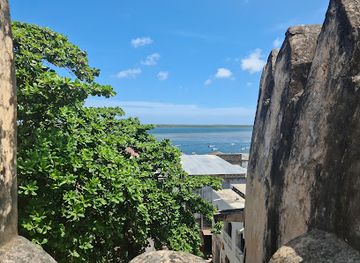
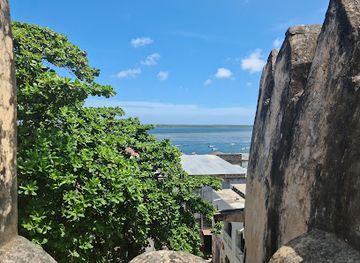
Lamu Fort
Discover the rich history and stunning architecture of Lamu Fort, a key landmark in Kenya's cultural heritage.
-
Restaurant
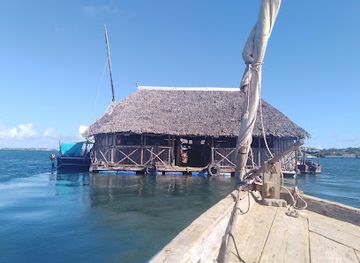
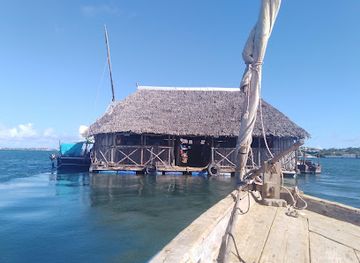
Floating Bar & Restaurant Lamu
Experience the allure of Lamu's Floating Bar & Restaurant, where exceptional seafood meets breathtaking ocean views in a unique floating setting.
-
Mosque
Masjid Riyadha & Islamic Centre
Experience the serene beauty and cultural richness of Masjid Riyadha & Islamic Centre in Lamu, a must-visit for every tourist exploring Kenya's heritage.
-
Tourist attraction
Lamu Town Square
Discover the vibrant heart of Lamu at Mkunguni Town Square, where culture, history, and community come alive in a picturesque setting.

Best landmarks in Lamu Archipelago
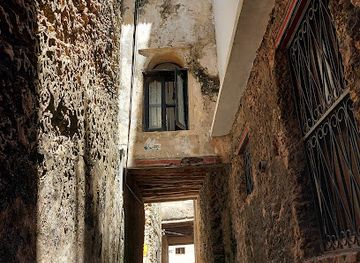
Lamu Old Town is the archipelago’s principal landmark: its dense coral-stone buildings, carved wooden doors, narrow lanes and waterfront form one of the best-preserved historic Swahili urban landscapes in East Africa and underpin its UNESCO World Heritage status. The town’s mosques and historic houses are important not only for their appearance but also because the settlement remains inhabited and culturally active. On Manda Island, Takwa’s ruined mosque, tombs, walls and coral architecture mark the remains of a once-connected trading town. Pate Island contains the imposing Siyu Fort, an early nineteenth-century defensive structure associated with local political power and resistance to outside authority. Pate town and other island ruins add further evidence of the archipelago’s former commercial network. Natural landmarks are equally significant: the channels separating Lamu, Manda and the mainland, the mangrove margins of sheltered creeks and the broad beaches around Shela express the geography that shaped settlement and trade. Together these places show that Lamu’s identity rests on the relationship between built heritage, Islamic and Swahili culture, and an intricate maritime environment.
-
 Hotel
HotelPeponi Hotel Lamu
Discover the breathtaking beauty and rich culture of Lamu at Peponi Hotel, your perfect beachfront retreat.
-
Hotel
The Majlis Hotel Lamu
Discover the allure of The Majlis Hotel Lamu, a luxurious haven surrounded by stunning beaches and rich cultural heritage in the heart of the Lamu Archipelago.
-
Fortress
Lamu Fort
Explore the historic Lamu Fort, a UNESCO World Heritage Site that showcases the rich cultural heritage of Kenya's coastal Swahili community.
-
Restaurant
Lamu Palace Hotel
Discover Lamu Palace Hotel, where exquisite cuisine meets breathtaking views in the heart of Lamu's historic charm.
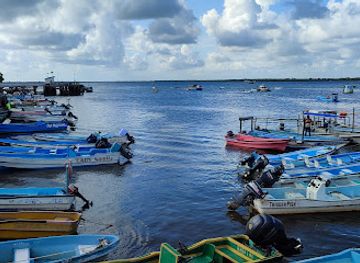
Explore Lamu Archipelago on the map
Plan your trip on one map. See where the top cities, national parks and sights are, and book hotels and experiences in a few clicks.
Best hotels in Lamu Archipelago
Best restaurants in Lamu Archipelago
Food in the Lamu Archipelago reflects Swahili coastal cooking, Islamic traditions and centuries of Indian Ocean exchange. Fresh fish, octopus, prawns and crab appear alongside rice, coconut, tamarind, lime, chilli and aromatic spices. Common coastal staples include pilau, biryani, chapati, samosas and coconut-based sauces, while grilled seafood and simple curries suit the island setting. Lamu Old Town and Shela have the widest choice of small restaurants, cafés and hotel dining rooms, ranging from home-style Swahili meals to international menus. Local fruit juices, coconut drinks and spiced tea are widely associated with the coastal table. In fishing communities and on smaller islands, menus can be simpler and depend on the day’s catch, so advance notice is useful for special dietary requirements. Visitors should distinguish genuinely local dishes from the broad range of Kenyan and international food now served to tourists, and should choose establishments that handle seafood responsibly and support local suppliers where possible.
-
Hotel
Peponi Hotel Lamu
Discover serenity at Peponi Hotel in Shela, Lamu - where luxury meets local charm amidst stunning ocean views.
-
Restaurant
Lamu Palace Hotel
Experience culinary excellence at Lamu Palace Hotel - where local flavors meet breathtaking ocean views in historic Lamu.
-
Restaurant
Floating Bar & Restaurant Lamu
Discover the enchanting Floating Bar & Restaurant in Lamu - a perfect blend of exquisite cuisine and breathtaking ocean views.
-
Restaurant
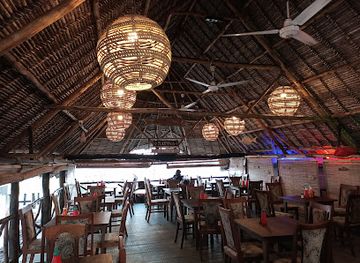
Mangrove Restaurant
Explore culinary delights at Mangrove Restaurant in Lamu, where local flavors meet breathtaking ocean views for an unforgettable dining experience.

Best bars in Lamu Archipelago
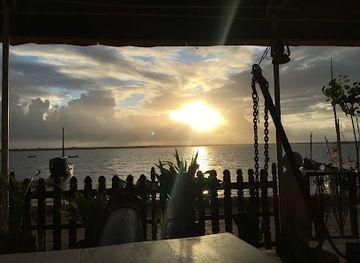
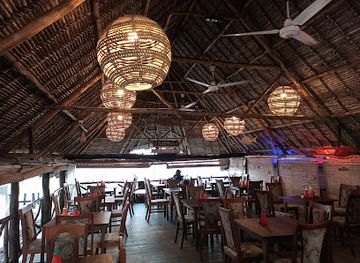
Evening life in the Lamu Archipelago is generally low-key and social rather than centred on large nightclubs. Lamu Old Town and Shela provide the broadest selection of restaurants, rooftop settings, hotel bars and relaxed waterfront venues, while smaller islands tend to offer little formal nightlife beyond guesthouse dining and quiet evenings outdoors. Dhow trips at sunset, Swahili coffee, live acoustic music and conversations over dinner are more characteristic than an organised club circuit. Alcohol is available in some tourist-oriented establishments, but Lamu is a predominantly Muslim region, so drinking should be confined to places where it is permitted and approached with discretion. During Ramadan and other religious occasions, opening arrangements and the public rhythm of the islands may change. Check locally rather than assuming late hours, and arrange boat transport in advance if staying away from the main settlements.
-
Bar
Floating Bar & Restaurant Lamu
Discover the Floating Bar & Restaurant Lamu, where fresh seafood meets stunning ocean views in a vibrant atmosphere for an unforgettable dining experience.
-
Restaurant
Mangrove Restaurant
Discover the culinary delights of Mangrove Restaurant in Lamu, where ocean views meet exceptional local and international cuisine.
-
Hotel
The Majlis Restaurant
Discover the rich flavors of Kenya at The Majlis Restaurant, where culinary artistry meets vibrant ambiance in a perfect dining experience.
-
Restaurant
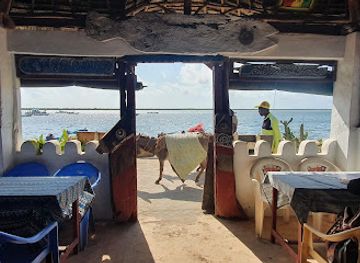
Seafront Cafe
Discover the best of Lamu's coastal cuisine at Seafront Cafe, where delicious local flavors meet breathtaking ocean views.
Best nightclubs in Lamu Archipelago
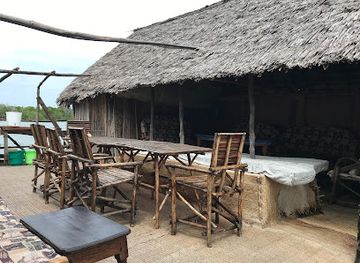
Evening life in the Lamu Archipelago is generally low-key and social rather than centred on large nightclubs. Lamu Old Town and Shela provide the broadest selection of restaurants, rooftop settings, hotel bars and relaxed waterfront venues, while smaller islands tend to offer little formal nightlife beyond guesthouse dining and quiet evenings outdoors. Dhow trips at sunset, Swahili coffee, live acoustic music and conversations over dinner are more characteristic than an organised club circuit. Alcohol is available in some tourist-oriented establishments, but Lamu is a predominantly Muslim region, so drinking should be confined to places where it is permitted and approached with discretion. During Ramadan and other religious occasions, opening arrangements and the public rhythm of the islands may change. Check locally rather than assuming late hours, and arrange boat transport in advance if staying away from the main settlements.
-
Night club
K1 Klub House
Experience Nairobi's vibrant nightlife at K1 Klub House, a unique fusion of dining, drinks, and entertainment in a lively atmosphere.
-
Disco club
Shakatak Disco
Experience the vibrant nightlife of Diani Beach at Shakatak Disco, where music and fun come alive in an unforgettable dance party atmosphere.
-
Restaurant
Floating Bar & Restaurant Lamu
Discover the Floating Bar & Restaurant in Lamu: a unique dining experience on the Indian Ocean with breathtaking views and delightful flavors.
-
Bar
Skylux Lounge
Discover the vibrant nightlife at Skylux Lounge in Nairobi, where cocktails and dancing blend for an unforgettable experience.


Best shops in Lamu Archipelago
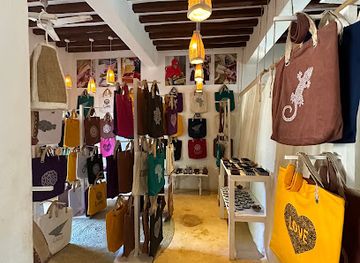
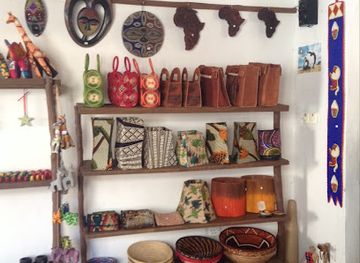
Shopping in the Lamu Archipelago is concentrated in the lanes and waterfront areas of Lamu Old Town, with smaller selections in Shela and the island villages. Visitors can find hand-carved wooden doors and furniture, woven baskets, mats, textiles, jewellery, paintings and locally made household crafts, although quality and provenance vary. Traditional dhow-building and carpentry are part of the archipelago’s material culture, but purchases should be made with respect for working communities rather than treating active craft traditions as souvenirs alone. Markets and small food shops sell spices, coffee, tea, coconut products and coastal ingredients, while regional fabrics and locally made clothing are practical reminders of Swahili style. Bargaining may be customary in some informal settings but is not appropriate everywhere, so follow the seller’s lead and agree prices clearly. Avoid coral, shells, archaeological objects and wildlife products, and check that antique-looking items are legal and ethically sourced. The main towns offer necessities, but remote islands have limited retail choice, making Lamu the sensible place to buy essentials.
-
Shopping mall
Tumaini Shop Bajuri
Explore Tumaini Shop Bajuri, Lamu's vibrant shopping hub filled with unique local crafts, souvenirs, and cultural experiences.
-
Organic shop
Natural Lamu (Shela)
Explore Natural Lamu in Shela for fresh, organic products that embody the spirit of sustainable living and local culture.
-
Craft store
African Corner Lamu
Explore the vibrant craftsmanship of Lamu at African Corner, a unique craft store showcasing local artistry and handmade treasures.
-
Shopping mall
Madina Shop Bajuri
Discover the vibrant blend of shopping and local culture at Madina Shop Bajuri, the heart of Lamu's artisan spirit.
Get your free copy of our complete guide to Lamu Archipelago, delivered straight to you.
Everything on this page, from attractions and restaurants to essentials and local phrases, in one PDF you can read offline, print or share.
Already have an account? Sign in
Your Lamu Archipelago guide is ready.
We'll send it to · Not you? Sign out

Getting your guide ready…
We are putting together a fresh copy of the Lamu Archipelago guide. This can take up to a minute.
This can take a few moments. If your browser asks, choose Allow so the download can start. You'll find the guide in your Downloads folder.
Nothing happened? Download it again
Sorry, the guide is taking longer than usual. Please try again in a minute, or get it by email instead.
Lamu Archipelago essentials
Currency and Payment
Safety
Emergency Situations
Do's and Don'ts
Local Tips
From Eve
Local phrases worth knowing
You don't need to get them perfect. A few words go a long way, and locals appreciate the effort.
Basics
| English | Local | Say it |
|---|---|---|
| Hello | Jambo | [jahm-bo] |
| Goodbye | Kwaheri | [kwah-heh-ree] |
| Yes | Ndio | [n-dee-oh] |
| No | Hapana | [hah-pah-nah] |
| Please/You're welcome | Tafadhali | [tah-fah-dah-lee] |
| Thank you | Asante | [ah-sahn-teh] |
| Excuse me/Sorry | Samahani | [sah-mah-hah-nee] |
| How are you? | Habari gani? | [hah-bah-ree gah-nee] |
| Fine. And you? | Nzuri. Na wewe? | [n-zoo-ree nah weh-weh] |
| Do you speak English? | Unazungumza Kiingereza? | [oo-nah-zoon-gum-zah kee-ing-eh-reh-zah] |
| I don't understand | Siwezi kuelewa | [see-weh-zee koo-eh-leh-wah] |
Eating & Drinking
| English | Local | Say it |
|---|---|---|
| I'd like to see the menu, please | Ningependa kuona menyu, tafadhali | [neen-geh-pen-dah koo-oh-nah men-yoo tah-fah-dah-lee] |
| I don't eat meat | Sikuli nyama | [see-koo-lee nyah-mah] |
| Cheers! | Afya! | [ahf-yah] |
| I would like to pay, please | Ningependa kulipa, tafadhali | [neen-geh-pen-dah koo-lee-pah tah-fah-dah-lee] |
Emergencies
| English | Local | Say it |
|---|---|---|
| Help! | Msaada! | [m-sah-dah] |
| Go away! | Ondoka! | [on-doh-kah] |
| Call the Police! | Piga simu polisi! | [pee-gah see-moo poh-lee-see] |
| Call a doctor! | Piga simu daktari! | [pee-gah see-moo dahk-tah-ree] |
| I'm lost | Nimepotea | [nee-meh-poh-teh-ah] |
| I'm ill | Nina ugonjwa | [nee-nah oo-gohn-jwah] |
Shopping
| English | Local | Say it |
|---|---|---|
| I'd like to buy... | Ningependa kununua... | [neen-geh-pen-dah koo-noo-noo-ah] |
| I'm just looking | Natazama tu | [nah-tah-zah-mah too] |
| How much is it? | Ni shilingi ngapi? | [nee shee-ling-ee ngah-pee] |
| That's too expensive | Hiyo ni ghali sana | [hee-yoh nee gah-lee sah-nah] |
| Can you lower the price? | Unaweza kupunguza bei? | [oo-nah-weh-zah koo-poon-guh-zah beh-ee] |
Time & Numbers
| English | Local | Say it |
|---|---|---|
| What time is it? | Ni saa ngapi? | [nee sah ngah-pee] |
| It's one o'clock | Ni saa moja | [nee sah moh-jah] |
| Half past (10) | Nusu ya (10) | [noo-soo yah (10)] |
| Morning | Asubuhi | [ah-soo-boo-hee] |
| Afternoon | Mchana | [m-chah-nah] |
| Evening | Jioni | [jee-oh-nee] |
| Yesterday | Jana | [jah-nah] |
| Today | Leo | [leh-oh] |
| Tomorrow | Kesho | [keh-shoh] |
| 1 | Moja | [moh-jah] |
| 2 | Mbili | [m-bee-lee] |
| 3 | Tatu | [tah-too] |
| 4 | Nne | [n-ne] |
| 5 | Tano | [tah-no] |
| 6 | Sita | [see-tah] |
| 7 | Saba | [sah-bah] |
| 8 | Nane | [nah-neh] |
| 9 | Tisa | [tee-sah] |
| 10 | Kumi | [koo-mee] |
Transport & Directions
| English | Local | Say it |
|---|---|---|
| Where's a/the...? | Iko wapi...? | [ee-koh wah-pee] |
| What's the address? | Anwani ni ipi? | [ahn-wah-nee nee ee-pee] |
| Can you show me (on the map)? | Unaweza kunionyesha (katika ramani)? | [oo-nah-weh-zah koo-nee-oh-nyesh-ah (kah-tee-kah rah-mah-nee)] |
| When's the next (bus)? | Basi inayofuata ni lini? | [bah-see ee-nah-yoh-foo-ah-tah nee lee-nee] |
| A ticket (to ....) | Tiketi (ya ...) | [tee-keh-tee (yah ...)] |
History of Lamu Archipelago
Early Swahili Settlement and Indian Ocean Trade
The Lamu islands formed part of the wider Swahili coast, where settlements developed through fishing, farming, seafaring and trade across the Indian Ocean. From the medieval period, merchants connected the coast with Arabia, Persia, India and other East African ports, exchanging goods such as ceramics, cloth, beads and foodstuffs. Islam became deeply established in coastal communities, while African foundations remained central to Swahili language and society. Archaeological remains and the layout of later towns reflect this long interaction between local coastal life and international maritime commerce.
Medieval Swahili Towns on the Islands
Before Lamu became the archipelago’s principal centre, several island settlements participated in regional trade. Takwa on Manda Island flourished as a planned Swahili town, probably between the fifteenth and seventeenth centuries, before being abandoned as political and commercial conditions changed. Pate Island also supported influential settlements, including Pate and Siyu. Their mosques, tombs, walls and ruined houses show the architectural sophistication and maritime orientation of Swahili urban culture, while also illustrating that power moved between different coastal towns over time.
Portuguese Intervention, from 1505
Portuguese forces attacked and occupied important ports along the East African coast during the early sixteenth century, seeking to control Indian Ocean commerce and impose new political arrangements. The Lamu region experienced the disruption associated with this period, although Portuguese power never erased established Swahili and Muslim networks. Fortifications and historical traditions across the coast preserve memories of conflict, tribute and shifting alliances. Portuguese involvement was one stage in a longer contest for control of maritime trade rather than a complete replacement of local society.
Omani Influence and the Rise of Lamu
From the seventeenth century, Omani influence expanded along the Swahili coast after the Portuguese were challenged and displaced from many coastal positions. Lamu’s importance grew through trade, religious scholarship, craft production and connections with other ports. Wealthy merchants built substantial coral-stone houses with carved doors, while mosques and public spaces gave the town its distinctive urban form. The period helped establish the architectural and cultural character now associated with Lamu Old Town, although local African, Swahili and Indian Ocean influences remained closely interwoven.
Trade, Slavery and Nineteenth-Century Coastal Politics
Nineteenth-century commerce brought prosperity to some coastal families but was also connected to systems of enslavement and coerced labour that affected communities across East Africa. The Lamu islands participated in regional trade involving food, ivory and other goods, while political authority shifted among local leaders, Omani rulers and competing coastal interests. This history is important to acknowledge alongside the archipelago’s architectural heritage. Lamu’s historic buildings therefore represent both cultural achievement and a society shaped by unequal power, commercial expansion and human exploitation.
British Colonial Rule and Changing Maritime Networks
The coast became part of the British East Africa sphere during the late nineteenth and early twentieth centuries, bringing new administrative structures and changing patterns of trade. Railways and port developments elsewhere in Kenya reduced the relative importance of smaller sailing centres, although Lamu remained a significant local settlement. Colonial rule also affected land, authority, education and the organisation of coastal communities. The continued use of Swahili, Islam, dhow culture and local crafts demonstrates that colonial administration altered the region without eliminating its established cultural institutions.
Conservation and Lamu Old Town’s World Heritage Recognition
In the late twentieth century, growing recognition of Lamu’s historic buildings and living Swahili culture encouraged conservation work. Lamu Old Town was inscribed on the UNESCO World Heritage List in 2001 for its architecture, urban form and continuing cultural significance. Conservation has brought attention, investment and tourism, but it also raises questions about development, housing, infrastructure and the rights of residents. The old town remains a functioning community, and its heritage cannot be separated from the people, religious life, crafts and everyday activities that sustain it.
Lamu Archipelago in Photos
Browse through our photo collection highlighting the charm and character of the destination.
Neighbouring regions of Lamu Archipelago
The closest regions to Lamu Archipelago, if you have time for more than one.
-

-

-

-

-


Swipe for more regions
Explore more

Explore more of Kenya
Discover Kenya: A land of breathtaking safaris, rich cultural heritage, and stunning coastlines that promise adventure and relaxation all in one.
Explore Kenya