

Free Northern Frontier District Travel Guide & Mobile App
Explore Northern Frontier District with free travel guides. Discover regional history, expert tips, proposed trips, and audio guides on web or mobile app.


Explore Kenya’s Northern Frontier District for desert landscapes, Marsabit’s forests, pastoral cultures, remote wildlife and historic borderland towns.
Read more about Northern Frontier District
When is the best time to visit Northern Frontier District?
Best: December–January · 35–36°C| Month | High (°C) | Rainfall (mm) |
|---|---|---|
| January (best) | 35 | 5 |
| February | 36 | 6 |
| March | 37 | 10 |
| April | 38 | 20 |
| May | 39 | 10 |
| June | 38 | 5 |
| July | 37 | 5 |
| August (best) | 36 | 5 |
| September | 36 | 10 |
| October | 37 | 20 |
| November | 36 | 20 |
| December (best) | 35 | 10 |
Getting to and around Northern Frontier District
How to get there
Transportation
Top city travel guides in Northern Frontier District
The cities of Northern Frontier District, and the easiest places to base yourself.
-

-

-

-

-

-


Swipe for more cities
Destinations in Northern Frontier District
Resorts, valleys and scenic spots worth a trip of their own.
-

-

-

-

-

-


Swipe for more destinations
Best attractions in Northern Frontier District
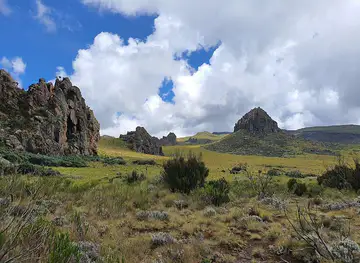
The former Northern Frontier District offers attractions defined by scale, remoteness and ecological contrast. Marsabit National Park is the region’s best-known protected area, surrounding a volcanic mountain whose forest, crater lakes and wildlife stand out from the surrounding arid plains. Lake Paradise, within the Marsabit landscape, is valued for its unusual setting, while the Chalbi Desert to the north presents wide salt- and sand-coloured expanses best visited with experienced local support. Around Isiolo, Buffalo Springs and Shaba national reserves provide opportunities to see dry-country wildlife, riverine vegetation and dramatic rocky terrain. Garissa and the Tana River area have links to semi-arid wildlife and conservation landscapes, although access and facilities require advance checking. Wajir and Mandera offer a more urban and cultural experience, with livestock markets, Somali architectural influences and cross-border commercial energy rather than conventional sightseeing. Across the region, geological formations, seasonal rivers, birdlife and pastoral landscapes are as important as formal attractions, but visitors should use local guides and confirm current access, permits and security conditions before travelling.
-
Tourist attraction
Haller Park
Experience the natural beauty and wildlife of Haller Park in Mombasa, a serene escape showcasing conservation and biodiversity.
-
Park
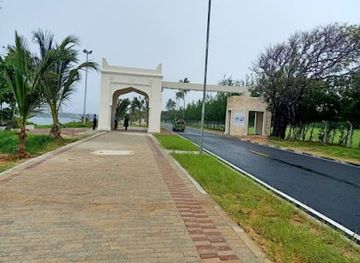
Mama Ngina Waterfront
Discover the charm of Mama Ngina Waterfront, a serene park in Mombasa ideal for relaxation and enjoying stunning ocean views.
-
Water park
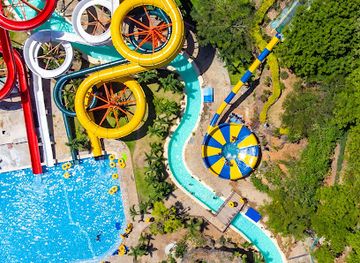
Wild Waters
Discover the ultimate aquatic adventure at Wild Waters Mombasa, a thrilling water park for families and thrill-seekers alike on the beautiful Kenyan coast.
-
National reserve
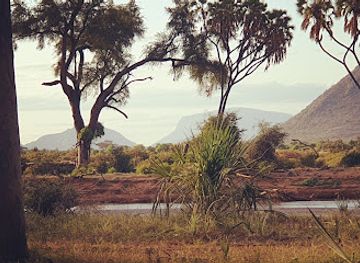
Buffalo Springs National Reserve
Explore the enchanting Buffalo Springs National Reserve, a wildlife haven in Kenya, featuring diverse ecosystems, breathtaking landscapes, and rich biodiversity.

Best landmarks in Northern Frontier District
Mount Marsabit is the defining natural landmark of the northern interior, a forested volcanic massif rising unexpectedly from dry plains and enclosing crater lakes within Marsabit National Park. The Chalbi Desert forms another memorable geographical landmark, its broad, austere basin contrasting sharply with the mountain’s woodland and wildlife habitats. In Isiolo, the Ewaso Nyiro river corridor and the rocky landscapes associated with Buffalo Springs and Shaba reserves express the transition between Kenya’s central highlands and the arid frontier. Garissa’s position on the Tana River gives the town and its surrounding district a different physical character, shaped by water, agriculture and riverine ecology. Wajir and Mandera are primarily living urban landmarks rather than architectural showpieces: their markets, mosques, transport yards and livestock-trading spaces reveal the region’s Somali commercial connections. These places are best understood through their geographical and social context, and access to remote natural landmarks should always be checked locally.
-
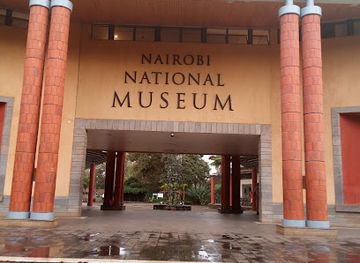
National museum
National Museum of Kenya
Explore the National Museum of Kenya in Nairobi, a vibrant showcase of the country's rich history, culture, and biodiversity, perfect for tourists of all ages.
-
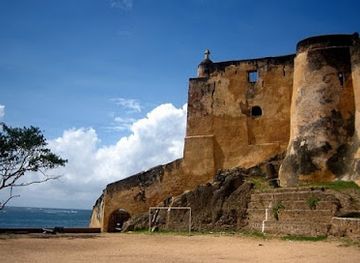
Heritage museum
Fort Jesus Museum
Discover the captivating history and stunning architecture of Fort Jesus Museum, a UNESCO World Heritage site in Mombasa, showcasing the region's rich cultural heritage.
-
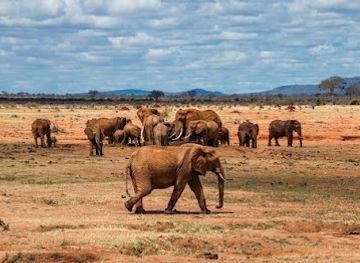
National park
Tsavo East National Park
Discover the wild beauty of Tsavo East National Park, home to red elephants and diverse wildlife, a true gem of Kenya's natural heritage.
-
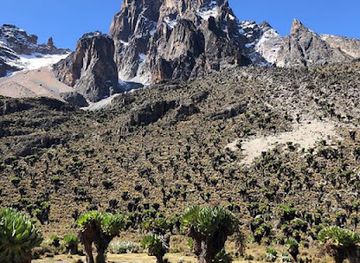
National park
Mount Kenya National Park
Explore the stunning landscapes, diverse wildlife, and rich cultural heritage of Mount Kenya National Park, a UNESCO World Heritage Site.
Explore Northern Frontier District on the map
Plan your trip on one map. See where the top cities, national parks and sights are, and book hotels and experiences in a few clicks.
Best hotels in Northern Frontier District
Best restaurants in Northern Frontier District
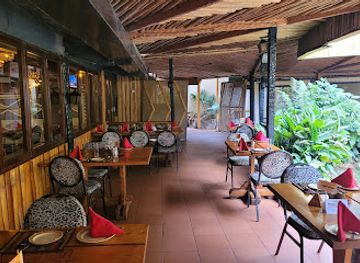
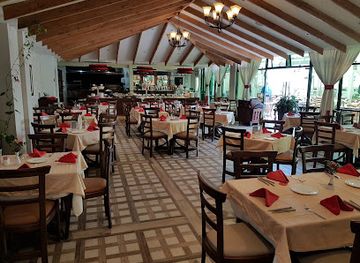
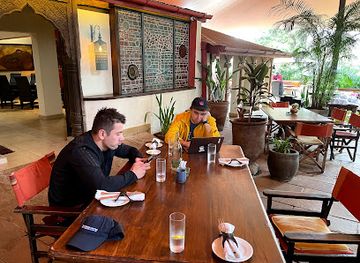
Dining in the former Northern Frontier District reflects Somali, Borana, Rendille and wider Kenyan food traditions, with menus shaped by pastoralism, trade and the practical demands of a hot, dry environment. In Garissa, Wajir, Mandera, Isiolo and Marsabit, small restaurants and tea shops commonly serve rice, meat, stews, chapati, beans and spiced tea, while Somali-influenced cooking may include grilled meat, aromatic rice and sambusa. Camel, goat and beef are more prominent in some local food economies than in much of southern Kenya, though availability varies and should not be assumed. Milk and other pastoral products have cultural importance, while vegetables, fruit and packaged foods arrive through regional supply chains. Town cafés are useful places for tea, breakfast and informal meals; accommodation lodges around wildlife areas provide more structured dining. Carry snacks and drinking water on long journeys, since roadside food and reliable meal stops become sparse outside the principal towns.
-
Restaurant
The carnivore restaurant
Discover the ultimate meat-lover’s paradise at The Carnivore Restaurant in Nairobi – a must-visit culinary destination bursting with flavor.
-
Brazilian
Fogo Gaucho Kilimani
Experience authentic Brazilian cuisine at Fogo Gaucho Kilimani - a culinary journey through flavors and culture in Nairobi.
-
Restaurant
Talisman Restaurant
Experience culinary excellence at Talisman Restaurant in Nairobi, where exquisite flavors meet serene ambiance.
-
Restaurant
CJ's - Waterfront Karen
Discover delightful dining at CJ's - Waterfront Karen; where flavorful dishes meet breathtaking waterfront views in Nairobi.
Best bars in Northern Frontier District
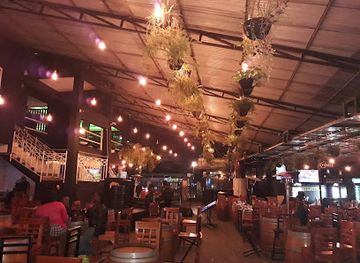
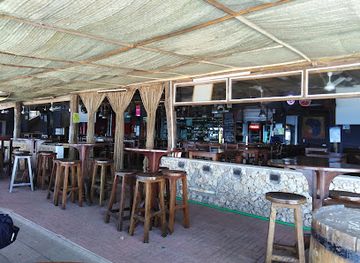
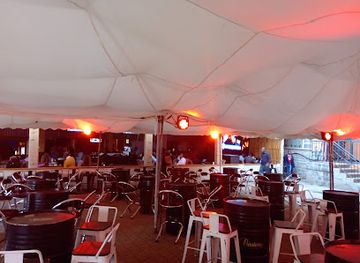
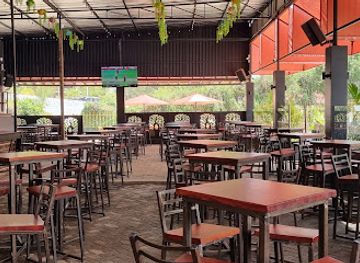
Evening life in the former Northern Frontier District is generally low-key and community-oriented rather than centred on a large club scene. In predominantly Muslim towns such as Wajir, Garissa and Mandera, cafés, tea shops, restaurants and hotel lounges are more relevant to visitors than alcohol-focused nightlife, and local customs should be respected. Marsabit and Isiolo have a broader mix of restaurants, social venues and hotel bars, while larger establishments may occasionally host music or televised sport. Outside towns, evenings are shaped by lodge dining, conversation and the quiet of the landscape; there is little dependable nightlife in desert settlements or near remote reserves. Opening arrangements and alcohol availability vary, so visitors should not assume that venues operate late or that drinking is central to local social life.
-
Bar
1824 Bar & Restaurant
Discover the vibrant nightlife at 1824 Bar & Restaurant in Nairobi, offering a blend of delicious cuisine and a lively bar atmosphere.
-
Lounge
Moonshine Beach Bar
Experience the vibrant atmosphere and stunning ocean views at Moonshine Beach Bar in Mombasa, a perfect retreat for relaxation and nightlife.
-
Grill
The Bar Next Door
Experience the vibrant flavors of Nairobi at The Bar Next Door, a premier grill restaurant in Kileleshwa, serving delicious cuisine in a lively atmosphere.
-
Grill
Kettle House Bar & Grill
Experience the vibrant flavors of Nairobi at Kettle House Bar & Grill, your go-to destination for grilled delights in the heart of the city.
Best nightclubs in Northern Frontier District
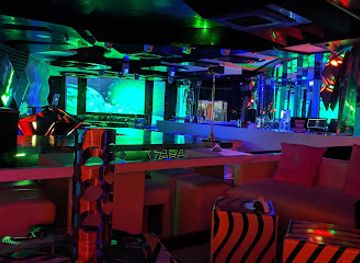
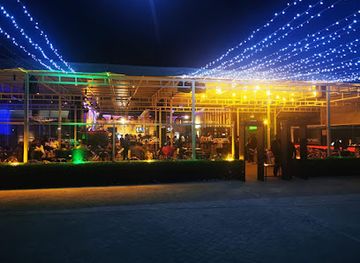
Evening life in the former Northern Frontier District is generally low-key and community-oriented rather than centred on a large club scene. In predominantly Muslim towns such as Wajir, Garissa and Mandera, cafés, tea shops, restaurants and hotel lounges are more relevant to visitors than alcohol-focused nightlife, and local customs should be respected. Marsabit and Isiolo have a broader mix of restaurants, social venues and hotel bars, while larger establishments may occasionally host music or televised sport. Outside towns, evenings are shaped by lodge dining, conversation and the quiet of the landscape; there is little dependable nightlife in desert settlements or near remote reserves. Opening arrangements and alcohol availability vary, so visitors should not assume that venues operate late or that drinking is central to local social life.
-
Night club
K1 Klub House
Discover Nairobi's nightlife at K1 Klub House, where vibrant entertainment, exquisite dining, and unique shopping come together for an unforgettable experience.
-
Lounge
Onyx Lounge & Restaurant
Discover culinary delights and vibrant nightlife at Onyx Lounge & Restaurant, Nairobi's premier dining and entertainment hotspot.
-
Lounge
B-CLUB Nairobi
Experience the vibrant nightlife of Nairobi at B-CLUB, an upscale lounge offering exquisite cocktails and an electrifying atmosphere.
-
Night club
The Tunnel
Discover the electrifying nightlife and delicious grill options at The Tunnel, Nairobi's ultimate destination for fun and flavor.


Best shops in Northern Frontier District
Shopping in the former Northern Frontier District is concentrated in town markets and everyday commercial streets rather than purpose-built retail centres. Garissa, Wajir, Mandera, Marsabit and Isiolo are useful places to buy provisions, fabrics, clothing, household goods, tea and locally traded food products, with each town reflecting its position in regional and cross-border supply networks. Livestock markets are economically important but operate primarily for local commerce and should be visited respectfully with permission. Visitors may find woven items, baskets, leather goods and other practical crafts associated with pastoral communities, although quality, provenance and availability vary. Camel- and goat-related products, spices and dried foods can be interesting regional purchases where responsibly sourced. Prices should be agreed politely, and photography in markets should never be assumed to be permitted. Stock up on specialist outdoor supplies and replacement equipment before leaving the larger towns, as retail choice narrows sharply on remote routes.
-
Gift shop
Purpink Gifts Limited
Explore the vibrant world of Purpink Gifts Limited in Nairobi - your destination for unique gifts and beautiful floral arrangements.
-
African goods store
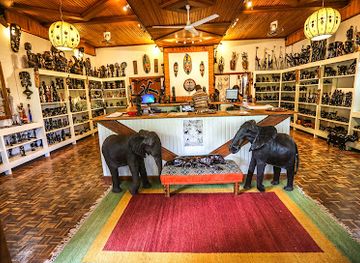
Utamaduni Artisans of Africa
Experience the vibrant artistry of Africa at Utamaduni Artisans of Africa, a cultural hub in Nairobi showcasing unique handcrafted goods.
-
Gift shop
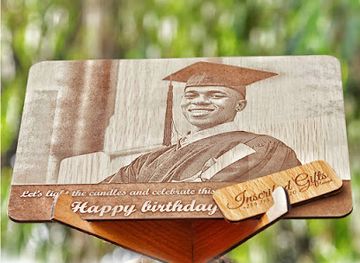
Inscribed Gifts Kenya
Explore the heart of Kenyan craftsmanship at Inscribed Gifts Kenya, where every item tells a unique story.
-
Gift shop
Langata Link Shops
Explore Langata Link Shops in Nairobi for unique gifts, handmade crafts, and a taste of authentic Kenyan culture and artistry.


Get your free copy of our complete guide to Northern Frontier District, delivered straight to you.
Everything on this page, from attractions and restaurants to essentials and local phrases, in one PDF you can read offline, print or share.
Already have an account? Sign in
Your Northern Frontier District guide is ready.
We'll send it to · Not you? Sign out

Getting your guide ready…
We are putting together a fresh copy of the Northern Frontier District guide. This can take up to a minute.
This can take a few moments. If your browser asks, choose Allow so the download can start. You'll find the guide in your Downloads folder.
Nothing happened? Download it again
Sorry, the guide is taking longer than usual. Please try again in a minute, or get it by email instead.
Northern Frontier District essentials
Currency and Payment
Safety
Emergency Situations
Do's and Don'ts
Local Tips
From Eve
Local phrases worth knowing
You don't need to get them perfect. A few words go a long way, and locals appreciate the effort.
Basics
| English | Local | Say it |
|---|---|---|
| Hello | Naki | [nah-kee] |
| Goodbye | Siyabonga | [see-yah-bong-ah] |
| Yes | Ndiyo | [n-dee-oh] |
| No | Hapana | [hah-pah-nah] |
| Please/You're welcome | Tafadhali | [tah-fah-dah-lee] |
| Thank you | Asante | [ah-sahn-teh] |
| Excuse me/Sorry | Samahani | [sah-mah-hah-nee] |
| How are you? | Habari gani? | [hah-bah-ree gah-nee] |
| Fine. And you? | Nzuri. Na wewe? | [n-zoo-ree nah weh-weh] |
| Do you speak English? | Unazungumza Kiingereza? | [oo-nah-zoon-gum-za kee-in-geh-reh-zah] |
| I don't understand | Sielewi | [see-eh-leh-wee] |
Eating & Drinking
| English | Local | Say it |
|---|---|---|
| I'd like to see the menu, please | Ningependa kuona menyu, tafadhali | [neen-geh-pen-dah koo-nah meh-nyoo tah-fah-dah-lee] |
| I don't eat meat | Sikuli nyama | [see-koo-lee nyah-mah] |
| Cheers! | Afya! | [ah-fyah] |
| I would like to pay, please | Ningependa kulipa, tafadhali | [neen-geh-pen-dah koo-lee-pah tah-fah-dah-lee] |
Emergencies
| English | Local | Say it |
|---|---|---|
| Help! | Nisaidie! | [nee-sah-ee-dee-eh] |
| Go away! | Nenda mbali! | [nen-dah m-bah-lee] |
| Call the Police! | Piga simu polisi! | [pee-gah see-moo poh-lee-see] |
| Call a doctor! | Piga simu daktari! | [pee-gah see-moo dahk-tah-ree] |
| I'm lost | Nimepotea | [nee-meh-poh-teh-ah] |
| I'm ill | Nina ugonjwa | [nee-nah oo-gon-jwah] |
Shopping
| English | Local | Say it |
|---|---|---|
| I'd like to buy... | Ningependa kununua... | [neen-geh-pen-dah koo-noo-noo-ah] |
| I'm just looking | Natazama tu | [nah-tah-zah-mah too] |
| How much is it? | Ni pesa ngapi? | [nee peh-sah ngah-pee] |
| That's too expensive | Hiyo ni ghali sana | [hee-yoh nee gah-lee sah-nah] |
| Can you lower the price? | Unaweza kupunguza bei? | [oo-nah-weh-zah koo-poon-goo-zah beh-ee] |
Time & Numbers
| English | Local | Say it |
|---|---|---|
| What time is it? | Ni saa ngapi? | [nee sah ngah-pee] |
| It's one o'clock | Ni saa moja | [nee sah moh-jah] |
| Half past (10) | Nusu ya (10) | [noo-soo yah ten] |
| Morning | Asubuhi | [ah-soo-boo-hee] |
| Afternoon | Mchana | [m-chah-nah] |
| Evening | Jioni | [jee-oh-nee] |
| Yesterday | Jana | [jah-nah] |
| Today | Leo | [leh-oh] |
| Tomorrow | Kesho | [keh-shoh] |
| 1 | Moja | [moh-jah] |
| 2 | Mbili | [m-bee-lee] |
| 3 | Tatu | [tah-too] |
| 4 | Nne | [n-nay] |
| 5 | Tano | [tah-noh] |
| 6 | Sita | [see-tah] |
| 7 | Saba | [sah-bah] |
| 8 | Nane | [nah-neh] |
| 9 | Tisa | [tee-sah] |
| 10 | Kumi | [koo-mee] |
Transport & Directions
| English | Local | Say it |
|---|---|---|
| Where's a/the...? | Wapi...? | [wah-pee] |
| What's the address? | Nini anwani? | [nee-nee ahn-wah-nee] |
| Can you show me (on the map)? | Unaweza kunionyesha (katika ramani)? | [oo-nah-weh-zah koo-nee-oh-nyesh-ah kah-tee-kah rah-mah-nee] |
| When's the next (bus)? | Basi inayofuata ni lini? | [bah-see ee-nah-yoh-foo-ah-tah nee lee-nee] |
| A ticket (to ....) | Tiketi (ya ...) | [tee-keh-tee yah] |
History of Northern Frontier District
Pastoral societies and caravan routes before colonial rule
For centuries, the northern interior was organised through mobile pastoral economies, seasonal water supplies and trading relationships rather than permanent urban settlement on the scale found in Kenya’s central highlands. Somali, Borana, Rendille, Gabra, Samburu and other communities developed different systems of grazing, authority and exchange. Caravan routes connected wells, livestock markets and settlements across the region, linking the interior with the coast, Ethiopia and the Somali territories. These networks explain why the frontier has long been culturally connected across modern international boundaries.
Imperial borders and the Northern Frontier
British colonial administration gradually imposed new boundaries and administrative structures across the northern borderlands during the late nineteenth and early twentieth centuries. The Northern Frontier District was governed as a remote, strategically sensitive area adjoining Ethiopia and the Somali territories. Colonial officials relied heavily on appointed local authorities and military patrols, while roads and services remained limited compared with southern Kenya. The borders divided established pastoral movements and trading networks, leaving a political and economic legacy that remains visible in the region.
The road to Kenyan independence
As independence approached in the early 1960s, many residents of the predominantly Somali districts of the Northern Frontier District supported closer political association with neighbouring Somali territories rather than incorporation into Kenya. A 1962 regional opinion poll recorded substantial support for separation, but the British government and the emerging Kenyan state retained the area within Kenya. The dispute deepened feelings of political marginalisation and shaped the difficult relationship between the new national government and the frontier.
The Shifta War, 1963–1967
After Kenya became independent in 1963, armed conflict broke out in the Northern Frontier District. Militants seeking secession, often described by the Kenyan government as shifta, fought state security forces for several years. The conflict brought restrictions on movement, collective punishments, displacement and severe disruption to pastoral livelihoods. A ceasefire in 1967 reduced open fighting, but the war left a lasting memory of mistrust and underdevelopment. Its history is important context for understanding both local politics and the region’s continuing sensitivity around security.
Marsabit and the politics of northern Kenya
Marsabit became an important administrative and commercial centre in the northern interior, serving communities whose livelihoods and political interests were not identical to those of the Somali-majority eastern districts. Its volcanic mountain, forest and livestock networks gave it a distinctive regional character. Competition over political representation, water, land and access to government resources contributed to recurring tensions across northern Kenya. The town’s role today reflects both its historical position as a frontier headquarters and its continuing importance as a gateway to remote landscapes.
The Wagalla massacre and public memory
In February 1984, security forces gathered thousands of Degodia men at Wagalla airstrip in Wajir during an operation presented as a disarmament exercise. Many were detained, abused and killed; the precise death toll has remained contested, but the event is recognised as one of the gravest abuses in Kenya’s modern history. Later investigations and public testimony brought greater attention to the massacre, although questions of accountability remain. Visitors should treat memorial and community discussions with sensitivity rather than approaching the subject as a curiosity.
Devolution and changing northern connections
Kenya’s 2010 Constitution introduced county governments, implemented from 2013, giving Marsabit, Wajir, Mandera, Garissa and Isiolo elected county administrations and new responsibilities for local services and development. Improved roads, mobile communications, education and urban growth have strengthened connections between northern towns, although remoteness, drought and insecurity continue to constrain progress. Devolution has also encouraged greater local debate about infrastructure, cultural identity, natural-resource management and the relationship between northern communities and the national government.
Northern Frontier District in Photos
Browse through our photo collection highlighting the charm and character of the destination.
Neighbouring regions of Northern Frontier District
The closest regions to Northern Frontier District, if you have time for more than one.
-

-

-

-

-


Swipe for more regions
Explore more
Explore more of Kenya
Discover Kenya: A land of breathtaking safaris, rich cultural heritage, and stunning coastlines that promise adventure and relaxation all in one.
Explore Kenya