

Free Eastern Region Travel Guide & Mobile App
Explore Eastern Region with free travel guides. Discover regional history, expert tips, proposed trips, and audio guides on web or mobile app.


Explore Eastern Kenya for Mount Kenya foothills, dry-country landscapes, wildlife reserves, regional food, crafts and diverse living cultures.
Read more about Eastern Region
When is the best time to visit Eastern Region?
Best: January–March · 23–25°C| Month | High (°C) | Rainfall (mm) |
|---|---|---|
| January (best) | 23 | 10 |
| February (best) | 24 | 10 |
| March (best) | 25 | 20 |
| April | 25 | 40 |
| May | 24 | 30 |
| June | 23 | 20 |
| July | 22 | 10 |
| August | 22 | 10 |
| September | 23 | 20 |
| October | 23 | 40 |
| November | 23 | 30 |
| December | 23 | 20 |
Getting to and around Eastern Region
How to get there
Transportation
Top city travel guides in Eastern Region
The cities of Eastern Region, and the easiest places to base yourself.
-

-

-

-

-

-


Swipe for more cities
Destinations in Eastern Region
Resorts, valleys and scenic spots worth a trip of their own.
-

-

-

-

-

-


Swipe for more destinations
Best attractions in Eastern Region
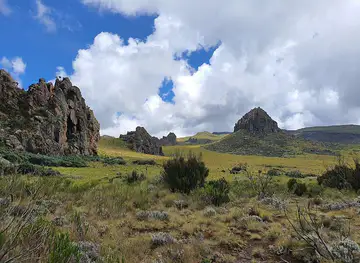
Eastern Kenya's attractions range from wildlife reserves and forested mountain country to dryland geology, regional museums and living craft traditions. Meru National Park is the principal safari destination, with open plains, riverine habitats and varied wildlife on the eastern side of Mount Kenya. Marsabit National Park offers a sharply different setting: an isolated volcanic massif covered in forest and associated with crater lakes, elephants and other wildlife amid surrounding arid country. In Machakos, Kitui and Makueni, the appeal lies less in conventional safari infrastructure than in granite outcrops, seasonal landscapes, local markets and community-led experiences. Nzambani Rock near Kitui is a notable geological and cultural landmark, while the Mount Kenya foothills around Meru, Embu and Tharaka-Nithi provide farms, forest edges, waterfalls and opportunities for walking. Museums and cultural centres in the larger towns help explain the region's diverse histories, although opening arrangements can vary. Visitors should allow time for changing road surfaces, seek qualified guides for remote areas and treat community visits as cultural encounters rather than performances staged solely for tourism.
-
Tourist attraction
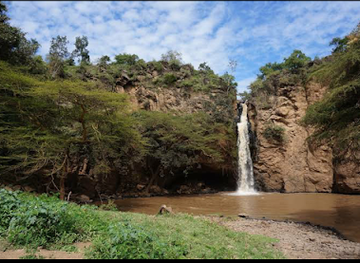
Lake Nakuru National Park
Explore the stunning landscapes and diverse wildlife of Lake Nakuru National Park, a must-visit national park in Kenya's rich ecosystem.
-
Tourist attraction
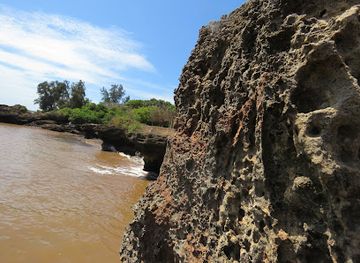
Vasco da Gama Pillar
Discover the historic Vasco da Gama Pillar in Malindi, a stunning monument to maritime heritage with breathtaking ocean views.
-
Tourist attraction
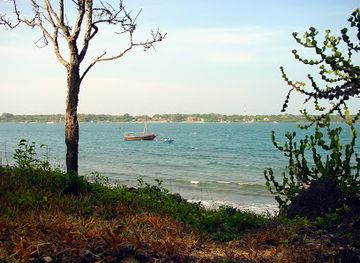
Kisite-Mpunguti Marine National Park
Discover the underwater paradise of Kisite-Mpunguti Marine National Park, where vibrant coral reefs and diverse marine life await your exploration.
-
Tourist attraction
Meru National Park
Experience the raw beauty of Meru National Park, where wildlife thrives and nature flourishes amidst stunning landscapes in Kenya's lesser-known gem.
Best landmarks in Eastern Region
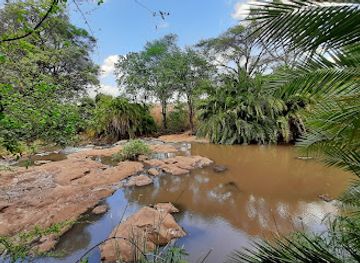
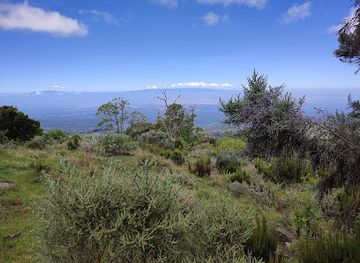
Mount Kenya's eastern foothills form the region's most consequential natural landmark, shaping climate, farming and cultural histories across Meru, Embu and Tharaka-Nithi even though the summit lies across several administrative areas. Meru National Park's broad plains and river corridors provide a recognisable landscape associated with eastern Kenya's conservation history. Marsabit's volcanic massif is more dramatic for its isolation: dense forest and crater lakes rise unexpectedly from arid northern country, making the park both a geographical and ecological landmark. In the south-east, Nzambani Rock near Kitui is a prominent granite outcrop with local cultural associations and wide views over the surrounding dry landscape. The hills around Machakos are similarly important visual markers, contrasting with the flatter plains farther east. Historic town centres, market streets, mission buildings and county civic architecture are less monumental but help express the region's modern development. These landmarks are best understood in relation to the communities, farms, wildlife corridors and transport routes around them rather than treated as isolated scenic objects.
-
National park
Nairobi National Park
Explore Nairobi National Park, where wildlife encounters meet the urban skyline, creating an unforgettable adventure in the heart of Kenya.
-
Heritage museum
Fort Jesus Museum
Explore the captivating history and architecture of Fort Jesus Museum, a UNESCO World Heritage Site in Mombasa, Kenya.
-
National park
Tsavo East National Park
Explore the majestic landscapes and diverse wildlife of Tsavo East National Park, a true gem of Kenya's natural heritage.
-
National park
Mount Kenya National Park
Experience the breathtaking beauty and adventure at Mount Kenya National Park, a UNESCO World Heritage Site teeming with diverse wildlife and stunning landscapes.
Explore Eastern Region on the map
Plan your trip on one map. See where the top cities, national parks and sights are, and book hotels and experiences in a few clicks.
Best hotels in Eastern Region
Best restaurants in Eastern Region
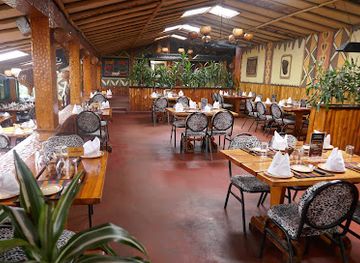
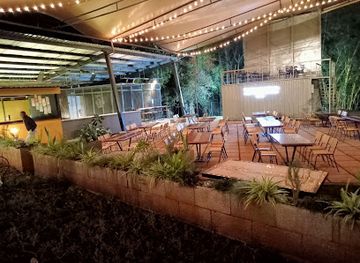
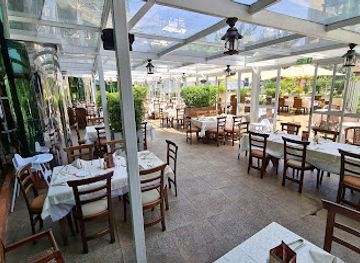
Dining in eastern Kenya reflects the contrast between fertile highlands, market towns and dryland pastoral country. In Meru, Embu and Tharaka-Nithi, cafés and small restaurants commonly serve staples such as ugali, rice, beans, greens, chapati, grilled meat and stews, with locally grown tea, coffee, fruit and vegetables supplying the surrounding towns. Machakos, Kitui and Makueni have strong everyday food cultures built around grains, legumes, vegetables and seasonal produce suited to semi-arid farming, while nyama choma, roasted meat, remains widely available in larger settlements. Isiolo and Marsabit offer more northern influences, including goat, beef, rice dishes, spiced tea and food traditions shaped by pastoral and trading communities. Rural eateries are usually informal and menus can be limited, whereas hotels in county capitals provide more predictable choices for visitors. Farmers' markets and roadside stalls are useful for fruit and snacks, but travellers should choose busy, clean-looking vendors and carry water on long journeys.
-
Restaurant
The carnivore restaurant
Experience the ultimate meat feast at Carnivore Restaurant in Nairobi - where culinary traditions meet exotic flavors for an unforgettable dining adventure.
-
Cafe
Bao Box
Discover culinary delights at Bao Box - Nairobi's family-friendly café serving authentic Kenyan dishes in a warm atmosphere.
-
Brazilian
Fogo Gaucho Kilimani
Experience authentic Brazilian cuisine at Fogo Gaucho Kilimani – where flavor meets tradition in every bite.
-
Restaurant
Talisman Restaurant
Discover Talisman Restaurant: A premier dining destination in Nairobi offering exquisite cuisine and vibrant atmosphere.
Best bars in Eastern Region
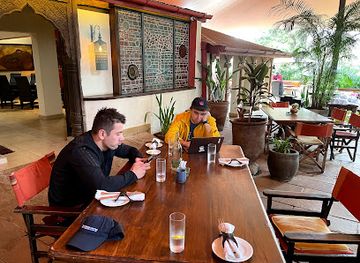
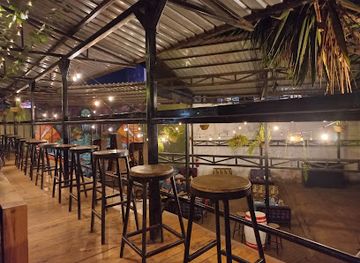
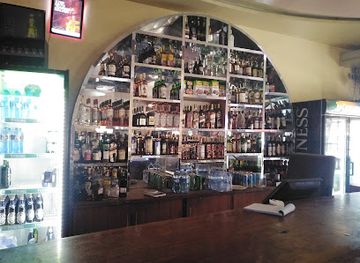
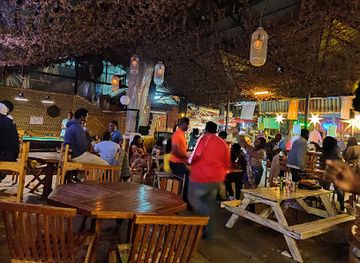
Nightlife in eastern Kenya is concentrated in county capitals and larger market towns rather than organised around a single regional entertainment district. Machakos, Meru, Embu and Isiolo have the broadest choice of pubs, hotel lounges, sports bars, restaurants and occasional live-music venues, while smaller towns generally wind down earlier. Traditional pubs and social clubs are common meeting places, and some hotels provide quieter settings for an evening meal or drink. In rural and dryland districts, evening culture is more likely to centre on family gatherings, local restaurants and community events than nightclubs. Availability, security arrangements and closing times vary, so visitors should ask accommodation staff for current, reputable options and avoid walking along unfamiliar roads late at night. Alcohol is not necessary for engaging with the region's evening life, which also includes food, music, conversation and town markets.
-
Bar
The Alchemist
Experience Nairobi's vibrant nightlife at The Alchemist, where great food, live music, and a lively atmosphere await you.
-
Grill
Switch Lounge Nairobi
Experience the vibrant fusion of gourmet grilling and electrifying nightlife at Switch Lounge, Nairobi's premier destination for food and fun.
-
Sports bar
Hacienda Sports Bar & Grill
Discover Hacienda Sports Bar & Grill: Nairobi's lively sports destination with delicious food and an energetic atmosphere.
-
Brewpub
Brew Bistro and Lounge
Explore the vibrant Brew Bistro and Lounge in Nairobi, where craft beers and gourmet cuisine create a unique dining experience.

Best nightclubs in Eastern Region
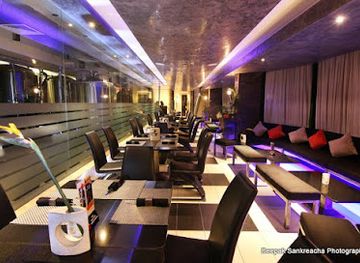
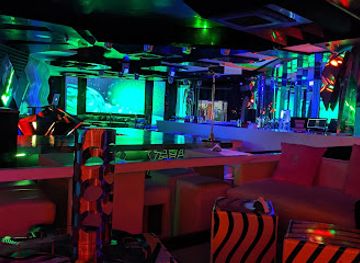
Nightlife in eastern Kenya is concentrated in county capitals and larger market towns rather than organised around a single regional entertainment district. Machakos, Meru, Embu and Isiolo have the broadest choice of pubs, hotel lounges, sports bars, restaurants and occasional live-music venues, while smaller towns generally wind down earlier. Traditional pubs and social clubs are common meeting places, and some hotels provide quieter settings for an evening meal or drink. In rural and dryland districts, evening culture is more likely to centre on family gatherings, local restaurants and community events than nightclubs. Availability, security arrangements and closing times vary, so visitors should ask accommodation staff for current, reputable options and avoid walking along unfamiliar roads late at night. Alcohol is not necessary for engaging with the region's evening life, which also includes food, music, conversation and town markets.
-
Night club
K1 Klub House
Discover Nairobi's nightlife at K1 Klub House, where vibrant music, delicious food, and local crafts create an unforgettable experience.
-
Lounge
Onyx Lounge & Restaurant
Experience vibrant nightlife and exquisite dining at Onyx Lounge & Restaurant, Nairobi's culinary hotspot for locals and tourists alike.
-
Lounge
B-CLUB Nairobi
Experience luxury dining and vibrant nightlife at B-CLUB Nairobi, the ultimate lounge destination in Kilimani.
-
Night club
The Tunnel
Experience Nairobi's nightlife at The Tunnel, a vibrant night club offering delicious grills and lively entertainment in a modern setting.


Best shops in Eastern Region
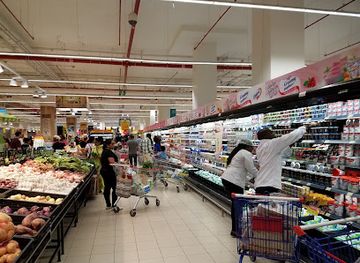
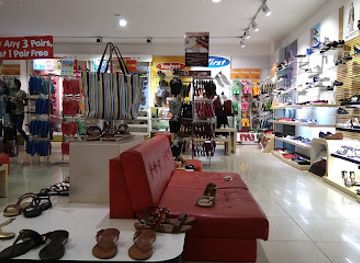
Shopping in eastern Kenya is centred on market towns, open-air produce markets, modest high streets and craft cooperatives rather than large luxury malls. Machakos, Kitui, Meru, Embu and Isiolo offer the widest range of clothing, household goods, foodstuffs and practical supplies, while rural market days bring together farmers, livestock traders and small-scale vendors. Kamba woodcarving is particularly associated with the south-eastern counties, although quality and provenance vary; buy from recognised workshops or cooperatives and ask how pieces were made. Highland towns are good places to look for Kenyan tea, coffee, honey, fruit preserves and other agricultural products, subject to transport and customs rules if taking food abroad. Woven baskets, textiles, beadwork and small craft items may be available through local producers in several communities. Bargaining can be part of open-market transactions, but it should remain courteous and proportionate. Carry cash for smaller purchases, as card payments are less dependable outside established shops and hotels.
-
Shopping mall
Two Rivers
Experience the best of shopping, dining, and entertainment at Two Rivers Mall, Nairobi's premier shopping destination.
-
Shopping mall
TRM - Thika Road Mall
Experience the best of shopping, dining, and entertainment at TRM - Thika Road Mall in Nairobi, the ultimate destination for tourists.
-
Shopping mall
Village Market
Experience the essence of Nairobi at Village Market – your ultimate shopping, dining, and entertainment destination.
-
Gift shop
Purpink Gifts Limited
Discover unique gifts and stunning floral arrangements at Purpink Gifts Limited in Nairobi, your go-to destination for thoughtful presents.

Get your free copy of our complete guide to Eastern Region, delivered straight to you.
Everything on this page, from attractions and restaurants to essentials and local phrases, in one PDF you can read offline, print or share.
Already have an account? Sign in
Your Eastern Region guide is ready.
We'll send it to · Not you? Sign out

Getting your guide ready…
We are putting together a fresh copy of the Eastern Region guide. This can take up to a minute.
This can take a few moments. If your browser asks, choose Allow so the download can start. You'll find the guide in your Downloads folder.
Nothing happened? Download it again
Sorry, the guide is taking longer than usual. Please try again in a minute, or get it by email instead.
Eastern Region essentials
Currency and Payment
Safety
Emergency Situations
Do's and Don'ts
Local Tips
From Eve
Local phrases worth knowing
You don't need to get them perfect. A few words go a long way, and locals appreciate the effort.
Basics
| English | Local | Say it |
|---|---|---|
| Hello | Hi | [Haɪ] |
| Goodbye | Bye | [Baɪ] |
| Yes | Yeah | [Jɛə] |
| No | Nope | [Noʊp] |
| Please/You're welcome | Please | [Pliz] |
| Thank you | Thanks | [θæŋks] |
| Excuse me/Sorry | Excuse me | [ɪkˈskjus mi] |
| How are you? | How you doin'? | [Haʊ ju ˈduɪn] |
| Fine. And you? | Good. You? | [ɡʊd. Ju?] |
| Do you speak English? | You speak English? | [Ju spiːk ˈɪŋɡlɪʃ?] |
| I don't understand | I don't get it | [Aɪ doʊnt gɛt ɪt] |
Eating & Drinking
| English | Local | Say it |
|---|---|---|
| I'd like to see the menu, please | Can I see the menu? | [Kæn aɪ si ðə ˈmɛnju?] |
| I don't eat meat | I don't eat meat | [Aɪ doʊnt it miːt] |
| Cheers! | Cheers! | [ʧɪrz] |
| I would like to pay, please | Can I pay, please? | [Kæn aɪ peɪ pliz?] |
Emergencies
| English | Local | Say it |
|---|---|---|
| Help! | Help! | [Hɛlp] |
| Go away! | Leave me alone! | [Liv mi əˈloʊn] |
| Call the Police! | Call 911! | [Kɔl naɪn wʌn wʌn] |
| Call a doctor! | Get a doctor! | [ɡɛt ə ˈdɑktər] |
| I'm lost | I'm lost | [Aɪm lɔst] |
| I'm ill | I'm not feeling well | [Aɪm nɑt ˈfilɪŋ wɛl] |
Shopping
| English | Local | Say it |
|---|---|---|
| I'd like to buy... | I want to buy... | [Aɪ wɑnt to baɪ...] |
| I'm just looking | Just browsing | [Dʒʌst ˈbraʊzɪŋ] |
| How much is it? | What's the price? | [Wɑts ðə praɪs?] |
| That's too expensive | That's pricey | [ðæts ˈpraɪsi] |
| Can you lower the price? | Can you drop the price? | [Kæn ju drɑp ðə praɪs?] |
Time & Numbers
| English | Local | Say it |
|---|---|---|
| What time is it? | What time is it? | [Wɑt taɪm ɪz ɪt?] |
| It's one o'clock | It's one o'clock | [ɪts wʌn əˈklɑk] |
| Half past (10) | Half past ten | [hæf pæst tɛn] |
| Morning | Morning | [ˈmɔrnɪŋ] |
| Afternoon | Afternoon | [ˌæf.tɚˈnun] |
| Evening | Evening | [ˈiːv.nɪŋ] |
| Yesterday | Yesterday | [ˈjɛstərdeɪ] |
| Today | Today | [təˈdeɪ] |
| Tomorrow | Tomorrow | [təˈmɔroʊ] |
| 1 | One | [Wʌn] |
| 2 | Two | [Tu] |
| 3 | Three | [θri] |
| 4 | Four | [fɔr] |
| 5 | Five | [faɪv] |
| 6 | Six | [sɪks] |
| 7 | Seven | [ˈsɛv.ən] |
| 8 | Eight | [eɪt] |
| 9 | Nine | [naɪn] |
| 10 | Ten | [tɛn] |
Transport & Directions
| English | Local | Say it |
|---|---|---|
| Where's a/the...? | Where's the...? | [Wɛrz ðə...?] |
| What's the address? | What's the address? | [Wɑts ði əˈdrɛs?] |
| Can you show me (on the map)? | Can you point it out? | [Kæn ju pɔɪnt ɪt aʊt?] |
| When's the next (bus)? | When's the next bus? | [Wɛn's ðə nɛkst bʌs?] |
| A ticket (to ....) | A ticket to... | [A ˈtɪkɪt tu...] |
History of Eastern Region
Early settlement and the Mount Kenya hinterland
The eastern side of Mount Kenya has been inhabited and cultivated for centuries by communities including the Meru, Embu and related peoples. River valleys, forest margins and highland soils supported farming, while the mountain influenced local spiritual traditions and systems of land use. Farther east, Kamba communities developed settlements and trading networks across a drier environment in which seasonal rivers and knowledge of drought-resistant crops were essential. Archaeological evidence across eastern Kenya reflects long human occupation, although many local histories are preserved primarily through oral tradition.
Long-distance trade and northern routes
Eastern Kenya lay between the agricultural highlands, the interior's pastoral regions and routes leading towards the northern frontier. Trade involved livestock, grain, hides and other goods, moving through market centres and seasonal exchanges rather than along a single permanent road. Isiolo became particularly important as a meeting point between communities of the highlands and northern drylands. These connections helped shape the region's linguistic, religious and cultural diversity and remain visible in its markets and transport corridors.
Colonial administration and missionary change
British colonial rule brought new administrative boundaries, missionary activity, taxation and changes to land and labour systems. Mission stations and schools expanded in parts of Meru, Embu and Machakos, while colonial authority was more uneven across the northern drylands. The reorganisation of land and local governance disrupted existing arrangements and contributed to later political grievances. Roads, trading centres and administrative posts also laid foundations for many of the towns that now serve eastern Kenya.
The railway and the growth of regional towns
The colonial railway reached the interior from the coast and Nairobi, transforming the movement of people and goods even where branch lines did not directly serve every district. Roads and railway-linked markets strengthened the importance of towns such as Machakos and later Isiolo, while agricultural production in the Mount Kenya foothills became increasingly connected to national markets. Transport development also intensified migration, wage labour and administrative integration, tying eastern communities more closely to the emerging Kenyan economy.
Land, resistance and the road to independence
The colonial period produced disputes over land, authority and forced labour, alongside the spread of education and new political organisations. People from eastern Kenya participated in Kenya's wider nationalist movement, while local leaders pursued greater control over land and administration. The experience differed between settled highland districts, drier Kamba areas and pastoral northern zones, but the shared transition to independence in 1963 ended colonial rule and created the framework for modern county government.
Conservation and changing rural economies
After independence, eastern Kenya saw expanding towns, improved roads, commercial agriculture and continuing movement between rural districts and Nairobi. Conservation also became an important part of the regional economy through areas such as Meru National Park and Marsabit National Park. The history of conservation has not been separate from local life: questions about land, wildlife, water and access remain significant. Today, farming, livestock, trade, crafts, tourism and public services coexist with recurring challenges from drought and climate variability.
Eastern Region in Photos
Browse through our photo collection highlighting the charm and character of the destination.
Neighbouring regions of Eastern Region
The closest regions to Eastern Region, if you have time for more than one.
-

-

-

-

-


Swipe for more regions
Explore more
Explore more of Kenya
Discover Kenya: A land of breathtaking safaris, rich cultural heritage, and stunning coastlines that promise adventure and relaxation all in one.
Explore Kenya