

Free Issyk-Kul Region Travel Guide & Mobile App
Explore Issyk-Kul Region with free travel guides. Discover regional history, expert tips, proposed trips, and audio guides on web or mobile app.


Issyk-Kul Region combines a high-altitude lake, Kyrgyz mountain culture, petroglyphs, trekking valleys and lakeside towns in north-eastern Kyrgyzstan.
Read more about Issyk-Kul Region
When is the best time to visit Issyk-Kul Region?
Best: June–August · 24–27°C| Month | High (°C) | Rainfall (mm) |
|---|---|---|
| January | 3 | 30 |
| February | 5 | 27 |
| March | 9 | 32 |
| April | 15 | 40 |
| May | 20 | 45 |
| June (best) | 24 | 35 |
| July (best) | 27 | 30 |
| August (best) | 26 | 32 |
| September | 21 | 27 |
| October | 14 | 30 |
| November | 8 | 32 |
| December | 4 | 30 |
Getting to and around Issyk-Kul Region
How to get there
Transportation
Top city travel guides in Issyk-Kul Region
The cities of Issyk-Kul Region, and the easiest places to base yourself.
-

-

-

-


Swipe for more cities
Destinations in Issyk-Kul Region
Resorts, valleys and scenic spots worth a trip of their own.

Swipe for more destinations
Best attractions in Issyk-Kul Region
Issyk-Kul Region's attractions range from lakeside recreation to high-mountain journeys. Cholpon-Ata is the principal northern-shore resort, with beaches, boat excursions and the open-air petroglyph collection known for its prehistoric and early historic rock art. Karakol provides access to trekking and horse-riding routes in the Terskey Ala-Too, including the demanding country around Ala-Kul and the Altyn-Arashan valley. The Jeti-Ögüz valley is noted for its red sandstone formations and forested mountain scenery, while Barskoon offers waterfalls, broad pastures and routes towards higher elevations. On the southern shore, villages such as Bokonbayevo are associated with yurt stays, felt handicrafts, horse culture and demonstrations of traditional eagle hunting. The eastern shore is quieter, with opportunities for birdwatching, village visits and journeys towards the Karkyra valley. Museums and historic buildings in Karakol add an urban and cultural dimension, while winter brings skiing and snow-based activities in suitable mountain areas. Conditions, access and guide availability vary substantially between the developed shoreline and remote valleys.
-
Lake
Issyk Kul
Discover the enchanting beauty of Issyk Kul Lake, a captivating destination in Kyrgyzstan known for its stunning landscapes and rich cultural experiences.
-
Tourist attraction
Rukh Ordo
Discover the rich cultural heritage of Kyrgyzstan at Rukh Ordo, a vibrant center in Cholpon Ata showcasing art, history, and traditions.
-
Ski resort
"Karakol" Ski Base
Discover the exhilarating slopes and breathtaking beauty of Karakol Ski Base, Kyrgyzstan's premier ski resort, perfect for all winter sports enthusiasts.
-
Mosque
Dungan Mosque
Explore the Dungan Mosque, a captivating blend of cultural heritage and stunning architecture in Karakol, Kyrgyzstan.


Best landmarks in Issyk-Kul Region
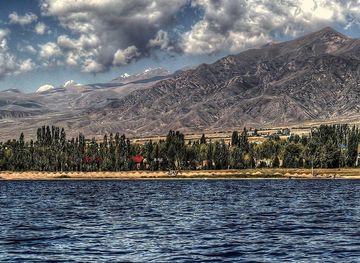
The defining natural landmark is Issyk-Kul itself, a vast enclosed lake whose blue expanse is framed by the Kungey and Terskey Ala-Too ranges. At Cholpon-Ata, the petroglyph field is one of the region's most important archaeological landscapes, displaying carved images across an open gravel plain rather than within a conventional museum. Karakol's Holy Trinity Orthodox Cathedral, built in wood, reflects the town's Russian imperial and multi-ethnic history, while the Dungan Mosque is distinguished by its richly coloured timber construction and Chinese-influenced design. South-west of Karakol, the red sandstone cliffs known as the Seven Bulls at Jeti-Ögüz have become a visual emblem of the region. The Barskoon valley is marked by steep mountain walls, waterfalls and routes leading into the Terskey Ala-Too. In the eastern basin, the broad lake horizon and rugged Karkyra landscape provide a different sense of scale, linking the inhabited shore to the high border mountains.
-
Cultural center
Rukh Ordo
Discover the heart of Kyrgyz culture at Rukh Ordo, a vibrant cultural center in Cholpon Ata, rich in heritage and artistic expression.
-
Mosque
Dungan Mosque
Discover the Dungan Mosque in Karakol, an architectural marvel blending Islamic and Dungan styles, set against stunning mountain vistas.
-
Tourist attraction
Fairytale canyon "Skazka"
Explore the stunning Fairytale Canyon Skazka in Kyrgyzstan, where vibrant rock formations create a breathtaking natural wonder against a backdrop of serene landscapes.
-
Museum
Petrogliphs Museum
Explore the ancient rock carvings of the Petrogliphs Museum, a treasure trove of history nestled by the scenic Lake Issyk-Kul.


Explore Issyk-Kul Region on the map
Plan your trip on one map. See where the top cities, national parks and sights are, and book hotels and experiences in a few clicks.
Best hotels in Issyk-Kul Region
Best restaurants in Issyk-Kul Region
Dining in Issyk-Kul Region reflects Kyrgyz pastoral traditions, the produce of the mountain basin and the mixed communities of its towns. Visitors will find beshbarmak, meat-based soups, manti, lagman, samsa, breads and dairy products, alongside fresh salads and dishes influenced by Dungan, Uyghur and Russian cooking. Karakol is particularly useful for exploring this variety, with cafés and small restaurants serving both local specialities and familiar international meals. Around the lake, guesthouses and yurt camps commonly offer home-cooked food, including meat, rice, noodles, fermented dairy and seasonal fruit. In summer, roadside stalls and village markets may sell berries, honey, dried fruit and fresh produce from irrigated valleys. Kumis, fermented mare's milk, is a traditional drink associated with pastoral life and may be offered at rural stays, while tea is an everyday part of hospitality. Menus, opening arrangements and payment options can be limited outside the main towns, so advance arrangements are sensible for remote accommodation.
-
Restaurant
Dastorkon (Дасторкон)
Experience authentic Kyrgyz cuisine at Dastorkon in Karakol - a top-rated destination for barbecue lovers and coffee enthusiasts.
-
Cafe
Kafe "U Rybaka"
Discover delicious breakfasts and local flavors at Kafe 'U Rybaka', your cozy retreat in Cholpon Ata near stunning Lake Issyk-Kul.
-
Restaurant
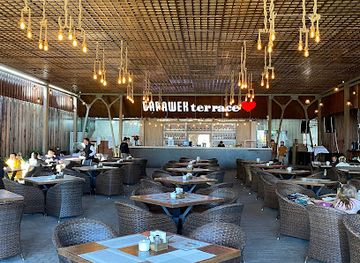
Барашек/ Кой
Experience authentic Kyrgyz cuisine at Барашек/ Кой in Cholpon Ata - where flavor meets tradition.
-
Restaurant
Cafe Zarina
Experience authentic Kyrgyz flavors at Cafe Zarina in Karakol - where tradition meets comfort in every bite.



Best bars in Issyk-Kul Region
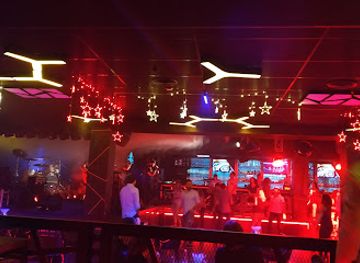
Evening life in Issyk-Kul Region is concentrated in Karakol, Cholpon-Ata and the larger resort settlements rather than spread evenly around the lake. Karakol has cafés, restaurants, bars and occasional live-music settings where residents, students and visitors gather, while Cholpon-Ata develops a more seasonal evening atmosphere during the summer holiday period. Along the southern and eastern shores, nightlife is usually centred on guesthouse dining, yurt-camp conversations, small village cafés and informal gatherings rather than clubs. Some resort hotels provide bars or entertainment in high season, but schedules and availability change. Local breweries and drinks may appear in Karakol, although the region is better known for relaxed social evenings than for a large nightclub scene. In rural areas, respect quiet hours and local household customs, particularly when staying in a family-run guesthouse or yurt camp.
-
Restaurant
Dastorkon (Дасторкон)
Experience the flavors of Karakol at Dastorkon, where barbecue meets cozy café culture in a delightful dining atmosphere.
-
Restaurant
Kompleks Ruslan
Discover the vibrant flavors of Kyrgyz cuisine and sushi at Kompleks Ruslan, a beloved dining spot in Karakol with a lively atmosphere.
-
Grocery store
Issyk Kul
Discover the enchanting Issyk Kul, a stunning alpine lake in Kyrgyzstan, perfect for relaxation, adventure, and cultural exploration.
-
Bar
LiveBar Beach
LiveBar Beach: A trendy seaside bar and restaurant offering exceptional food, refreshing drinks, and an unforgettable ambiance by the coast.


Best nightclubs in Issyk-Kul Region
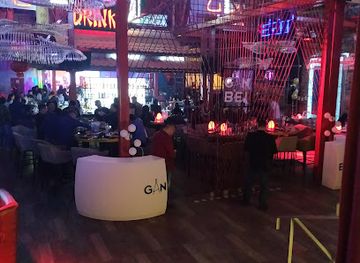
Evening life in Issyk-Kul Region is concentrated in Karakol, Cholpon-Ata and the larger resort settlements rather than spread evenly around the lake. Karakol has cafés, restaurants, bars and occasional live-music settings where residents, students and visitors gather, while Cholpon-Ata develops a more seasonal evening atmosphere during the summer holiday period. Along the southern and eastern shores, nightlife is usually centred on guesthouse dining, yurt-camp conversations, small village cafés and informal gatherings rather than clubs. Some resort hotels provide bars or entertainment in high season, but schedules and availability change. Local breweries and drinks may appear in Karakol, although the region is better known for relaxed social evenings than for a large nightclub scene. In rural areas, respect quiet hours and local household customs, particularly when staying in a family-run guesthouse or yurt camp.
-
Night club
Promzona Club
Discover the bustling nightlife at Promzona Club in Bishkek, where top DJs, vibrant crowds, and an electrifying atmosphere await you.
-
Night club
Suzie Wong
Discover the pulse of Bishkek nightlife at Suzie Wong, where unforgettable parties and vibrant energy await every weekend.
-
Night club
Greenwich pub
Discover the vibrant nightlife at Greenwich Pub, a lively night club in Bishkek offering great food, drinks, and an energetic atmosphere.
-
Night club
ZHARA Strip Show Bar
Discover the electrifying nightlife of Bishkek at ZHARA Strip Show Bar, where captivating performances and vibrant energy await every visitor.


Best shops in Issyk-Kul Region
Shopping in Issyk-Kul Region is strongest in Karakol, Cholpon-Ata and local market towns, with smaller villages offering practical goods rather than extensive retail. Karakol's markets are useful for fruit, dried foods, bread, spices, household products and provisions for trekking, while the town's craft and souvenir shops may stock felt goods, embroidered textiles, woollen items and small pieces of Kyrgyz decorative art. Around the lake, yurt camps and village workshops sometimes sell shyrdaks, felt slippers, hats, honey, jams, dried fruit and other locally made products. Bokonbayevo and neighbouring communities are associated with felt work and traditional craft demonstrations, though stock and prices vary by season. Visitors should distinguish handmade items from factory-produced souvenirs and ask about materials and care before buying textiles. Cash is important in markets and rural shops, and bargaining may be possible in informal settings but should remain courteous rather than aggressive.
-
Grocery store
Народный
Discover local flavors and vibrant culture at 'Народный', the heart of Bosteri's community shopping experience.
-
Grocery store
Issyk Kul
Experience the breathtaking beauty and rich culture of Issyk Kul, the stunning alpine lake destination in Kyrgyzstan.
-
Souvenir store
Issyk-Kul Brand Shop
Explore the Issyk-Kul Brand Shop in Karakol for unique Kyrgyz souvenirs, local delicacies, and a taste of authentic craftsmanship.
-
Telecommunications service provider
ОПиО Beeline
Stay connected while exploring Kyrgyzstan with ОПиО Beeline, your trusted telecommunications service provider in Kyzyl-Suu.



Get your free copy of our complete guide to Issyk-Kul Region, delivered straight to you.
Everything on this page, from attractions and restaurants to essentials and local phrases, in one PDF you can read offline, print or share.
Already have an account? Sign in
Your Issyk-Kul Region guide is ready.
We'll send it to · Not you? Sign out

Getting your guide ready…
We are putting together a fresh copy of the Issyk-Kul Region guide. This can take up to a minute.
This can take a few moments. If your browser asks, choose Allow so the download can start. You'll find the guide in your Downloads folder.
Nothing happened? Download it again
Sorry, the guide is taking longer than usual. Please try again in a minute, or get it by email instead.
Issyk-Kul Region essentials
Currency and Payment
Safety
Emergency Situations
Do's and Don'ts
Local Tips
From Eve
Local phrases worth knowing
You don't need to get them perfect. A few words go a long way, and locals appreciate the effort.
Basics
| English | Local | Say it |
|---|---|---|
| Hello | Салам | [Salam] |
| Goodbye | Кош келиңиз | [Kosh kelingiz] |
| Yes | Ооба | [Ooba] |
| No | Жок | [Jok] |
| Please/You're welcome | Сураныч | [Suranych] |
| Thank you | Рахмат | [Rakhmat] |
| Excuse me/Sorry | Кечиресиз | [Kechiresiz] |
| How are you? | Кандайсыз? | [Kandaysyz?] |
| Fine. And you? | Жакшы. Сиз? | [Zhakshee. Siz?] |
| Do you speak English? | Сиз англисче сүйлөйсүзбү? | [Siz anglishe süylöysüzbü?] |
| I don't understand | Мен түшүнбөйм | [Men tüşünböyüm] |
Eating & Drinking
| English | Local | Say it |
|---|---|---|
| I'd like to see the menu, please | Мен менюну көргүм келет, сураныч | [Men menyunu körgüm kelet, suranych] |
| I don't eat meat | Мен эт жебейм | [Men et zhebeim] |
| Cheers! | Саламаттык үчүн! | [Salamattyk üchün!] |
| I would like to pay, please | Мен төлөмдү каалайм, сураныч | [Men tölömdü kaalaym, suranych] |
Emergencies
| English | Local | Say it |
|---|---|---|
| Help! | Жардам бериңиз! | [Zhardam beriniz!] |
| Go away! | Кет! | [Ket!] |
| Call the Police! | Полицияны чакырыңыз! | [Politsiyany chakyrynız!] |
| Call a doctor! | Дарыгерди чакырыңыз! | [Darygerdi chakyrynız!] |
| I'm lost | Мен жоголдум | [Men zhogoldum] |
| I'm ill | Мен оорумун | [Men oorumun] |
Shopping
| English | Local | Say it |
|---|---|---|
| I'd like to buy... | Мен сатып алгым келет... | [Men satyp algym kelet...] |
| I'm just looking | Мен жөн гана карап жатам | [Men jön gana karap zhatam] |
| How much is it? | Бул канча турат? | [Bul kancha turat?] |
| That's too expensive | Бул өтө кымбат | [Bul öto kymbat] |
| Can you lower the price? | Баасын төмөндөтсөңүз болобу? | [Baasyn tömöndötsöngüz bolobü?] |
Time & Numbers
| English | Local | Say it |
|---|---|---|
| What time is it? | Саат канча? | [Saat kancha?] |
| It's one o'clock | Бир саат | [Bir saat] |
| Half past (10) | Ондон жарым | [Ondon zharım] |
| Morning | Таң | [Tang] |
| Afternoon | Түш | [Tüsh] |
| Evening | Кечи | [Kechi] |
| Yesterday | Кечээ | [Kechë] |
| Today | Бүгүн | [Bügün] |
| Tomorrow | Эртең | [Erteñ] |
| 1 | Бир | [Bir] |
| 2 | Эки | [Eki] |
| 3 | Үч | [Üch] |
| 4 | Төрт | [Tört] |
| 5 | Беш | [Besh] |
| 6 | Алты | [Alty] |
| 7 | Жети | [Zheti] |
| 8 | Сегиз | [Segiz] |
| 9 | Тогуз | [Toguz] |
| 10 | Он | [On] |
Transport & Directions
| English | Local | Say it |
|---|---|---|
| Where's a/the...? | Кайда ...? | [Kaidä...?] |
| What's the address? | Адреси кандай? | [Adressi kanday?] |
| Can you show me (on the map)? | Мага көрсөтүп бере аласызбы (картада)? | [Maga körsötüp bere alasyzby (kartada)?] |
| When's the next (bus)? | Кийинки (автобус) качан? | [Kiyinki (avtobus) kachan?] |
| A ticket (to ....) | Билет (....) | [Bilet (....)] |
History of Issyk-Kul Region
Early nomadic cultures and the petroglyphs
The Issyk-Kul basin has supported pastoral and trading communities since antiquity. Bronze Age and later Iron Age peoples used the grasslands, foothills and mountain passes around the lake, leaving burial mounds, stone features and rock art. The open-air petroglyph field near Cholpon-Ata contains images of animals, hunting scenes and symbolic motifs made over several periods, particularly in the first millennium BCE and later centuries. These remains show that the lake was not an isolated landscape but part of a wider network of movement across the Tian Shan.
The lake on Silk Road routes
Issyk-Kul lay near routes linking the oases of Central Asia with China and the wider steppe. Travellers, merchants and religious communities used corridors along the northern and southern shores and through the mountain passes. Medieval settlements and religious sites developed in this connected environment, while the lake itself became a geographic reference point for travellers crossing the Tian Shan. Archaeological evidence around the basin includes remains associated with urban, agricultural and Buddhist traditions, although much of the historical landscape now survives in fragmentary form.
Kyrgyz pastoral society and regional powers
For centuries, Kyrgyz clans moved seasonally between lowland wintering areas and high summer pastures around the lake and its tributary valleys. Political control shifted among regional powers, including the Mongol and Chagatai spheres, the Moghulistan tradition and later the Kokand Khanate. The settled and nomadic economies were closely connected: livestock, pasture and local trade shaped everyday life, while mountain passes linked Issyk-Kul with Kashgar, the Chüy Valley and the Fergana region. Oral traditions and the epic of Manas remain important expressions of this cultural inheritance.
Russian expansion and settlement in the nineteenth century
The Russian Empire extended its authority into the Issyk-Kul area during the nineteenth century, incorporating the region into the administrative system of Turkestan. New military, agricultural and trading settlements appeared, and Russian Orthodox communities became part of the basin's increasingly varied population. Karakol, established in the 1860s and later renamed Przhevalsk for a period, grew as an administrative and commercial centre. Imperial surveys also increased European geographical knowledge of the lake and the surrounding Tian Shan, while colonial rule brought major political and social disruption.
Soviet transformation and the rise of resorts
Under Soviet rule, collectivisation altered pastoral life and agriculture, while roads, schools, public institutions and planned settlements reshaped the lakeshore. Issyk-Kul was developed as a health and holiday region for visitors from across the Soviet Union, particularly around Cholpon-Ata and other northern shore settlements. Karakol became an important administrative and cultural centre, and large-scale infrastructure connected the basin more closely with northern Kyrgyzstan. Soviet legacies remain visible in resort architecture, public buildings, former collective farms and the region's multi-ethnic urban history.
Independent Kyrgyzstan and contemporary tourism
Following Kyrgyzstan's independence in 1991, Issyk-Kul Region retained its importance as a domestic holiday area while opening more widely to international travellers. Private guesthouses, yurt camps, trekking services and small tourism businesses expanded alongside established resorts. The region now balances beach tourism, cultural travel and mountain recreation with pastoral livelihoods and environmental concerns. Changing water levels, pressure on shores and waste management are significant local issues, making responsible development and careful treatment of the lake and its valleys increasingly important.
Issyk-Kul Region in Photos
Browse through our photo collection highlighting the charm and character of the destination.
Neighbouring regions of Issyk-Kul Region
The closest regions to Issyk-Kul Region, if you have time for more than one.
-

-

-

-

-


Swipe for more regions
Explore more
Explore more of Kyrgyzstan
Discover Kyrgyzstan: A land of majestic mountains, nomadic traditions, and rich history in the heart of Central Asia.
Explore Kyrgyzstan