

Free Golden Triangle Travel Guide & Mobile App
Explore Golden Triangle with free travel guides. Discover regional history, expert tips, proposed trips, and audio guides on web or mobile app.


Explore Laos's Golden Triangle for Mekong river views, frontier history, northern food and forest adventures around Houayxay and Bokeo.
Read more about Golden Triangle
When is the best time to visit Golden Triangle?
Best: May–June, September · 22–27°C| Month | High (°C) | Rainfall (mm) |
|---|---|---|
| January | 6 | 41 |
| February | 6 | 38 |
| March | 11 | 46 |
| April | 17 | 60 |
| May (best) | 22 | 70 |
| June (best) | 27 | 80 |
| July | 30 | 85 |
| August | 29 | 80 |
| September (best) | 25 | 71 |
| October | 18 | 60 |
| November | 11 | 51 |
| December | 5 | 46 |
Getting to and around Golden Triangle
How to get there
Transportation
Best attractions in Golden Triangle
The Lao Golden Triangle's attractions are varied despite the region's relatively small visitor infrastructure. Houayxay provides the cultural starting point, with riverside life, elevated Buddhist temples, local markets and views across the Mekong to Thailand. The chief natural draw is the Nam Kan National Protected Area in Bokeo Province, where guided forest excursions and the Gibbon Experience combine trekking, canopy zip lines and overnight treehouses with a conservation focus. These trips are physically active and should be arranged ahead of time. Mekong boat journeys and visits to riverside settlements offer a slower way to understand the geography, though conditions are seasonal. Around Ton Pheung, the Golden Triangle Special Economic Zone presents a starkly different attraction landscape of casinos and large commercial developments rather than traditional Lao heritage. Travellers interested in border cultures can also explore the changing relationship between river trade, roads and international crossings, while birdwatching and forest wildlife experiences are best pursued through responsible operators. Houayxay itself is more useful as a base for interpretation and onward travel than as a destination filled with large museums or formal visitor complexes.
-
Tourist attraction
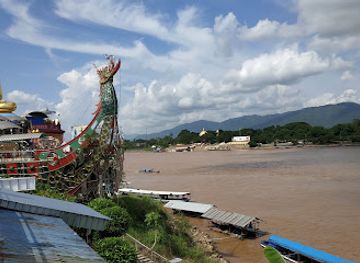
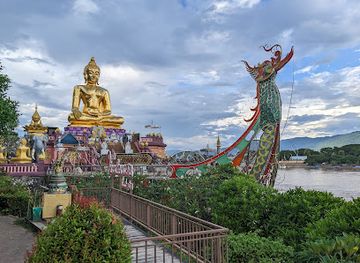
The Golden Triangle
Experience the enchanting Golden Triangle, where Thailand, Laos, and Myanmar meet in a captivating blend of culture, history, and breathtaking landscapes.
-
Tourist attraction
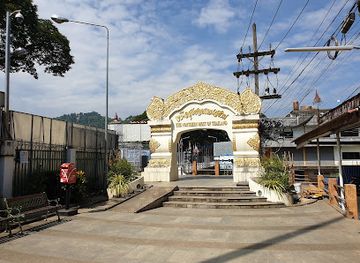
The Northern Most of Thailand
Explore the enchanting Northern Most of Thailand in Mae Sai, a cultural melting pot with stunning landscapes and unforgettable experiences.
-
Museum
Golden Triangle Park Hall of Opium
Explore the Golden Triangle Park Hall of Opium: A unique museum revealing the complex history of opium in Southeast Asia amidst breathtaking landscapes.
-
National park
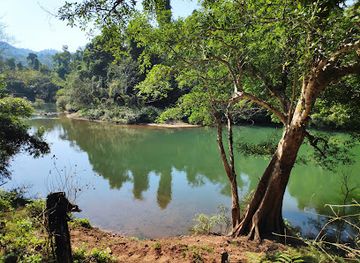
The Gibbon Experience
Discover the thrilling beauty of The Gibbon Experience in Laos, where adventure meets conservation in a stunning national park setting.
Best landmarks in Golden Triangle
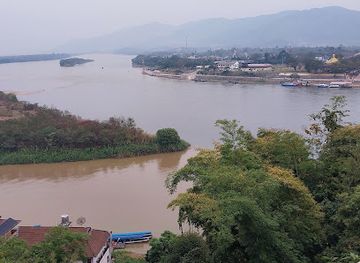
The Mekong is the region's defining natural landmark, forming a broad international boundary beside Houayxay and meeting the Ruak River near the Lao, Thai and Myanmar frontier. Its scale and changing colour make the confluence more significant geographically than the formal viewpoints and commercial references that surround it. In Houayxay, Wat Chom Khao Manilat is a prominent hilltop temple whose elevated position connects religious architecture with views over the river corridor. The town also retains traces of Fort Carnot, a colonial-era military site associated with the strategic control of the Mekong frontier, although access and interpretation should be checked locally. The Fourth Thai-Lao Friendship Bridge is a modern landmark of regional integration, but its crossing point and associated facilities lie outside the traditional centre of Houayxay and function primarily as infrastructure. In the wider Bokeo landscape, the forested hills of the Nam Kan National Protected Area form a natural counterpoint to the river and border developments. The Golden Triangle Special Economic Zone near Ton Pheung is another conspicuous contemporary landmark, representing the scale and complexity of recent cross-border investment rather than an older Lao monument.
-
Tourist attraction
The Golden Triangle
Explore the Golden Triangle in Chiang Rai: where Thailand, Laos & Myanmar meet. Discover stunning views, history & culture at this iconic tri-border region.
-
Monument
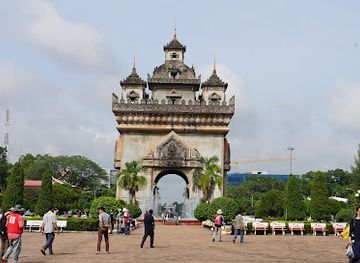
Patuxay - Victory Monument
Vientiane's iconic Victory Monument, blending Laotian design with French inspiration, offering panoramic city views and a glimpse into Lao history.
-
Buddhist temple
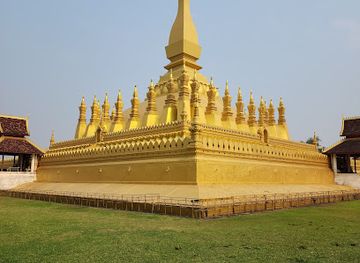
Pha That Luang Vientiane
Vientiane's golden heart: Explore Laos' most sacred monument and a symbol of national pride, the magnificent Pha That Luang.
-
Buddhist temple
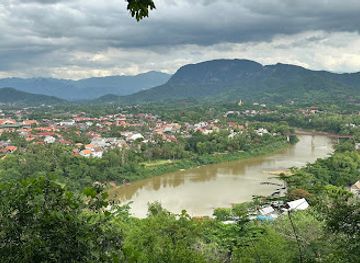
Phousi Hill
Climb Luang Prabang's sacred Phousi Hill for stunning panoramic views, ancient temples, and a glimpse into Lao spirituality and culture.
Explore Golden Triangle on the map
Plan your trip on one map. See where the top cities, national parks and sights are, and book hotels and experiences in a few clicks.
Best hotels in Golden Triangle
Best restaurants in Golden Triangle
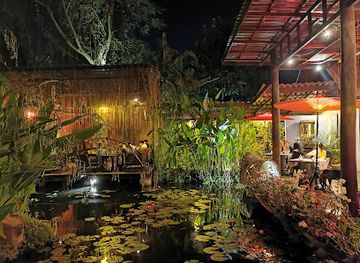
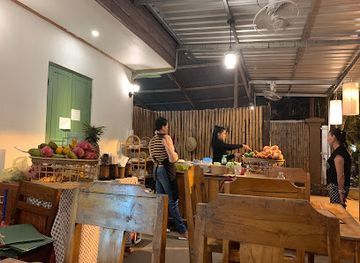
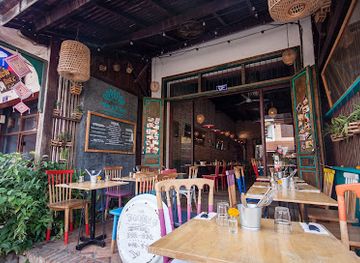
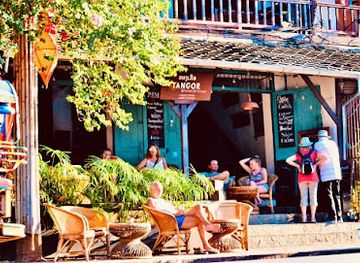
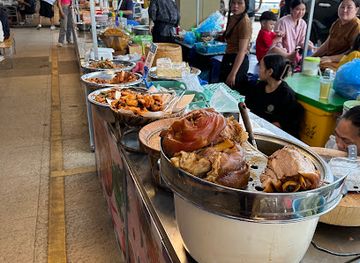
Dining in the Lao Golden Triangle is centred on northern Lao cooking, everyday market food and the practical needs of a busy border town. Sticky rice is commonly accompanied by grilled chicken or pork, river fish, fresh herbs, chilli relishes and vegetable dishes, while noodle soups and simple rice meals are widely available in Houayxay. Food may reflect neighbouring Thai influences, particularly in the use of herbs, sour flavours and chilli, but meals in Laos retain their own preparation and serving traditions. Riverside restaurants and guesthouse dining rooms tend to provide straightforward Lao and South-East Asian fare, while the commercial zone near Ton Pheung offers more internationally oriented options. Markets are useful for fruit, snacks and local produce, although visitors should choose busy stalls with good turnover and take normal care with untreated water. Northern Lao coffee and locally available beer can accompany meals, but menus, opening arrangements and payment methods are variable outside the town centre.
-
Laotian
Manda de Laos
Experience authentic Laotian cuisine at Manda de Laos in Luang Prabang – a cultural feast for the senses with stunning ambiance.
-
Restaurant
Bamboo Garden Restaurant
Discover authentic Laotian flavors at Bamboo Garden Restaurant in Luang Prabang – an affordable culinary oasis surrounded by nature's beauty.
-
Restaurant
BOUANG Asian Eatery
Experience authentic Asian cuisine at BOUANG Asian Eatery in Luang Prabang, where every dish tells a story of rich flavors and cultural heritage.
-
Restaurant
Tangor Restaurant Bar & Lounge
Experience exquisite Asian fusion dining at Tangor Restaurant Bar & Lounge in Luang Prabang – where culture meets culinary excellence.
Best bars in Golden Triangle
Evening life in the Lao Golden Triangle is modest and concentrated mainly in Houayxay, where riverside restaurants, guesthouse bars and small local drinking places provide a more typical experience than a dedicated club scene. The pace is generally quiet, with conversation, food and views of the Mekong more important than late-night entertainment. Some establishments serve Lao beer and regional spirits, but visitors should drink responsibly and avoid wandering unfamiliar roads after dark. The Golden Triangle Special Economic Zone near Ton Pheung has a different commercial atmosphere, with casino-related hospitality and entertainment, yet it should not be mistaken for a representative picture of local Lao nightlife. Forest excursions usually involve early starts and structured evening arrangements rather than nightlife. Travellers seeking live music, larger bars or a wider choice of late venues generally need a larger regional centre outside the immediate Lao Golden Triangle.
-
Irish pub
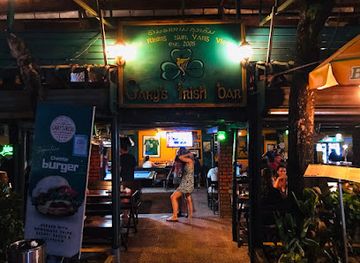
Gary's Irish Bar - The Rising Sun
Discover the vibrant atmosphere of Gary's Irish Bar in Vang Vieng, where authentic Irish cuisine meets local charm and entertainment.
-
Irish pub
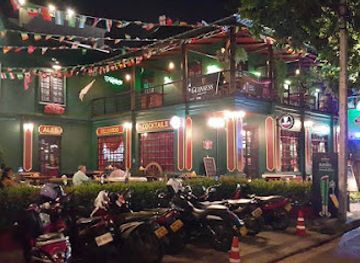
Tully's Irish Pub
Discover the authentic Irish pub experience at Tully's, a vibrant spot by Thatluang lake in Vientiane, offering delicious food, drinks, and live entertainment.
-
Belgian
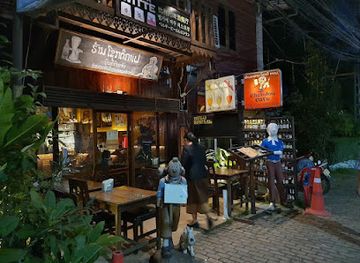
Chokdee Café Belgian Beer Bar
Experience the best of Belgian cuisine and a vast selection of beers at Chokdee Café Belgian Beer Bar in Vientiane, a must-visit for food and beer lovers.
-
Bar
Go Dunk
Discover the heartbeat of Vientiane's nightlife at Go Dunk, a lively bar with live music, refreshing drinks, and a friendly atmosphere.

Best nightclubs in Golden Triangle
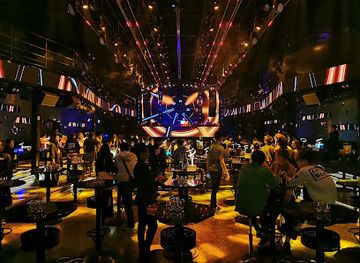
Evening life in the Lao Golden Triangle is modest and concentrated mainly in Houayxay, where riverside restaurants, guesthouse bars and small local drinking places provide a more typical experience than a dedicated club scene. The pace is generally quiet, with conversation, food and views of the Mekong more important than late-night entertainment. Some establishments serve Lao beer and regional spirits, but visitors should drink responsibly and avoid wandering unfamiliar roads after dark. The Golden Triangle Special Economic Zone near Ton Pheung has a different commercial atmosphere, with casino-related hospitality and entertainment, yet it should not be mistaken for a representative picture of local Lao nightlife. Forest excursions usually involve early starts and structured evening arrangements rather than nightlife. Travellers seeking live music, larger bars or a wider choice of late venues generally need a larger regional centre outside the immediate Lao Golden Triangle.
-
Bar
What's Club
Discover the pulsating nightlife of Vientiane at What's Club, a top destination for dancing and enjoying signature cocktails in a vibrant atmosphere.
-
Night club
Club DPlus
Experience the electrifying nightlife at Club DPlus in Vientiane, where music and energy create unforgettable nights.
-
Bar
Icon Klub
Experience the vibrant nightlife of Luang Prabang at Icon Klub, where fantastic drinks and a welcoming atmosphere await.
-
Night club
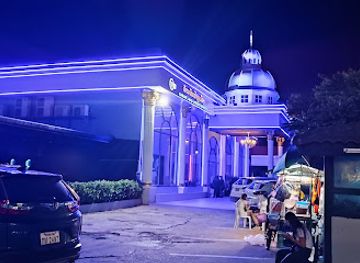
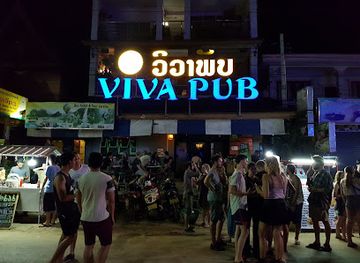
Viva Pub
Discover the electrifying nightlife at Viva Pub in Vang Vieng, where vibrant music and refreshing drinks create unforgettable party experiences.

Best shops in Golden Triangle
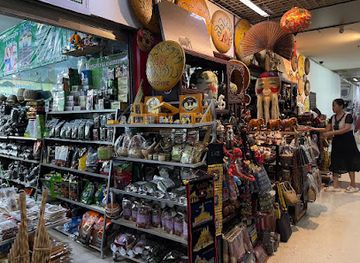
Shopping in the Lao Golden Triangle is practical and local in Houayxay, with small markets, food stalls, convenience shops and modest independent retailers serving residents, boat passengers and border travellers. Look for Lao coffee, tea, dried foods, chilli products, woven textiles and other regional produce, while checking provenance and quality rather than assuming every item is locally made. Markets are generally more useful for snacks and everyday goods than for a large range of formal souvenirs. Handicrafts may reflect the varied communities of northern Laos, but visitors should buy respectfully and avoid antiques, religious artefacts, wildlife products or anything that may require export permission. The commercial area around the Golden Triangle Special Economic Zone has a more international, casino-oriented retail character, though it is not a substitute for traditional Lao market culture. Houayxay's shops may close early or accept cash only, so plan purchases before travelling into rural areas.
-
Shopping mall
Talat Sao Morning Market
Explore the vibrant Talat Sao Morning Market in Vientiane, where local culture, delicious food, and unique shopping come together.
-
Shopping mall
ITECC Mall
Discover a mix of shopping, dining, and entertainment at ITECC Mall, the premier shopping destination in Vientiane.
-
Shopping mall
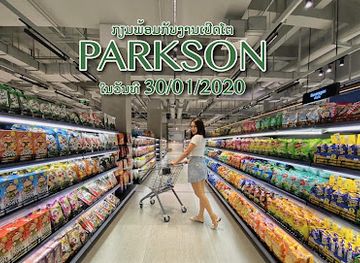
Parkson Laos
Experience modern shopping and local flavors at Parkson Laos, a vibrant destination in Vientiane for tourists and residents alike.
-
Department store
Home Ideal
Explore the vibrant shopping experience at Home Ideal, Vientiane's premier department store offering a wide variety of products for every need.
Get your free copy of our complete guide to Golden Triangle, delivered straight to you.
Everything on this page, from attractions and restaurants to essentials and local phrases, in one PDF you can read offline, print or share.
Already have an account? Sign in
Your Golden Triangle guide is ready.
We'll send it to · Not you? Sign out

Getting your guide ready…
We are putting together a fresh copy of the Golden Triangle guide. This can take up to a minute.
This can take a few moments. If your browser asks, choose Allow so the download can start. You'll find the guide in your Downloads folder.
Nothing happened? Download it again
Sorry, the guide is taking longer than usual. Please try again in a minute, or get it by email instead.
Golden Triangle essentials
Currency and Payment
Safety
Emergency Situations
Do's and Don'ts
Local Tips
From Eve
Local phrases worth knowing
You don't need to get them perfect. A few words go a long way, and locals appreciate the effort.
Basics
| English | Local | Say it |
|---|---|---|
| Hello | ສະບາຍດີ | [sabaidee] |
| Goodbye | ລາຍກັບ | [laai gap] |
| Yes | ແມ່ນ | [maen] |
| No | ບໍ່ | [baw] |
| Please/You're welcome | ແມ່ນກະລຸນາ | [maen kaluna] |
| Thank you | ຂອບໃຈ | [khob chai] |
| Excuse me/Sorry | ອະໄພ | [aphai] |
| How are you? | ສະບາຍດີແນ່? | [sabaidee nae?] |
| Fine. And you? | ສະບາຍດີ. ແລ້ວເຈົ້າລະ? | [sabaidee. laew jao la?] |
| Do you speak English? | ເຈົ້າສຽງພາສາອັງກິດໄດ້ບໍ? | [jao siang phasa angkit dai baw?] |
| I don't understand | ຂໍອະໄພ, ຂໍອະໄພບໍ່ເຂົ້າໃຈ | [khaw aphai, khaw aphai baw khaw jai] |
Eating & Drinking
| English | Local | Say it |
|---|---|---|
| I'd like to see the menu, please | ຂໍແອບເຈັອນແນ່ | [khaw aepp jaen nae] |
| I don't eat meat | ຂໍແອບບໍ່ບິນ | [khaw aepp baw bin] |
| Cheers! | ສະບາຍດີ! | [sabaidee!] |
| I would like to pay, please | ຂໍຈ່າຍເອົາ | [khaw jai ao] |
Emergencies
| English | Local | Say it |
|---|---|---|
| Help! | ຊ່ອຍ! | [saw!] |
| Go away! | ໄປເຢັນ! | [pai yen!] |
| Call the Police! | ໂທສະຕິດຕາງ! | [tho satit tang!] |
| Call a doctor! | ໂທກະຈັນ! | [tho kajan!] |
| I'm lost | ຂໍດິ້ມ | [khaw dim] |
| I'm ill | ຂໍເປັນປ່ອນ | [khaw pen pon] |
Shopping
| English | Local | Say it |
|---|---|---|
| I'd like to buy... | ຂໍຊື້... | [khaw si] |
| I'm just looking | ຂໍເບິ່ງແຕ່ | [khaw beng tae] |
| How much is it? | ເປັນເທົ່າໃດ? | [pen thao dai?] |
| That's too expensive | ນັ້ນແພງເກີນໄປ | [nan phaeng kern pai] |
| Can you lower the price? | ເຈົ້າສາມາດລົງລາຄາໄດ້ບໍ? | [jao samad long laka dai baw?] |
Time & Numbers
| English | Local | Say it |
|---|---|---|
| What time is it? | ເວລາແມ່ນໄລຍະໃດ? | [wela maen laiyada?] |
| It's one o'clock | ແມ່ນເວລາໜຶ່ງ | [maen wela neung] |
| Half past (10) | ເປັນກາງສິບ | [pen kang sip] |
| Morning | ເຊົ້າ | [sao] |
| Afternoon | ບ່າຍ | [bai] |
| Evening | ແລງ | [laeng] |
| Yesterday | ມື້ສຽງ | [meu siang] |
| Today | ມື້ນີ້ | [meu ni] |
| Tomorrow | ມື້ໜ້າ | [meu na] |
| 1 | ໜຶ່ງ | [neung] |
| 2 | ສອງ | [song] |
| 3 | ສາມ | [sam] |
| 4 | ສີ | [si] |
| 5 | ປ່ານ | [pan] |
| 6 | ຫໍມ | [hom] |
| 7 | ເຈັດ | [jet] |
| 8 | ແປດ | [paed] |
| 9 | ເກົ້າ | [kao] |
| 10 | ສິບ | [sip] |
Transport & Directions
| English | Local | Say it |
|---|---|---|
| Where's a/the...? | ເບິ່ງໃສ່? | [beng sai?] |
| What's the address? | ອາທິບານແມ່ນຫຍັງ? | [athiban maen nyang?] |
| Can you show me (on the map)? | ເຈົ້າຈະແກ່ບາດໃຫ້ຂໍໃຈ? | [jao ja kae bat hai khaw jai?] |
| When's the next (bus)? | ເວລາຕໍ່ໄປແມ່ນໃດ? | [wela tor pai maen dai?] |
| A ticket (to ....) | ບັດໃຫ້ແລກໄດ້ | [bat hai laek dai] |
History of Golden Triangle
Early Mekong and Highland Communities
Long before modern borders, the river valleys and uplands of north-western Laos were inhabited by communities with diverse languages, beliefs and farming systems. The Mekong served as a route for movement and exchange, while tributary valleys supported rice cultivation, gathering and trade between lowland and upland settlements. Tai-speaking communities became especially influential in the region, alongside Khmu and other peoples whose cultural presence remains important in Bokeo. The landscape was never an empty frontier: its forests, rivers and passes formed a connected social and commercial world that later states attempted to control.
Lan Xang and Northern Lao Polities
The region was connected to the wider political world of Lan Xang, the Lao kingdom founded in the fourteenth century, although authority in the northern uplands was often layered and negotiated rather than uniformly administered. Settlements along the Mekong gained importance as places of worship, river transport and political communication. Houayxay's position opposite the modern Thai town of Chiang Khong placed it on a route linking Lao territories with communities to the west. Buddhist temples and local traditions preserve elements of this long history of northern Lao cultural exchange.
Mekong Trade and the Colonial Frontier
During the nineteenth century, Siamese and Lao political influence overlapped across the Mekong, while European powers increasingly pressed into mainland South-East Asia. The Franco-Siamese crisis of 1893 led to the transfer of territories east of the Mekong into the French colonial sphere, helping create the international boundary that shapes travel in the region today. Houayxay became part of French Indochina, and colonial administration reinforced the town's role as a strategic river settlement. Fortifications and administrative traces reflect the wider contest over control of the Mekong corridor.
War, Isolation and the Opium Economy
The mountains of the Lao Golden Triangle were affected by the conflicts that shook Laos and mainland South-East Asia during the twentieth century. Remote terrain, limited state control and proximity to several international borders contributed to the growth of opium cultivation and trafficking across parts of the wider Golden Triangle, although the term encompasses areas in several countries and should not be treated as a description of all Lao communities. War and political upheaval disrupted transport and livelihoods. Later development programmes sought to reduce reliance on opium through alternative agriculture, infrastructure and conservation initiatives.
The Opening of Cross-Border Travel
Laos's gradual economic opening and improved regional connections transformed Bokeo from a relatively isolated frontier into an increasingly accessible travel area. River crossings, roads and the Fourth Thai-Lao Friendship Bridge strengthened links between Houayxay and northern Thailand, while guesthouses, restaurants and transport services expanded around the border town. Tourism also encouraged interest in Mekong landscapes, Buddhist heritage and forest excursions. This change did not erase older patterns of river trade or rural life, but it placed them alongside a growing international visitor economy.
Conservation and Special Economic Development
Two contrasting modern developments now shape perceptions of the Lao Golden Triangle. In the forests of Bokeo, protected-area projects and the Gibbon Experience have promoted conservation-based tourism and awareness of threatened wildlife. Around Ton Pheung, the Golden Triangle Special Economic Zone has introduced casinos, hotels, roads and commercial construction under a different model of cross-border investment. The coexistence of protected forest, village landscapes, river trade and a heavily developed zone illustrates the rapid economic and environmental change taking place in the region.
Golden Triangle in Photos
Browse through our photo collection highlighting the charm and character of the destination.
Neighbouring regions of Golden Triangle
The closest regions to Golden Triangle, if you have time for more than one.
-

-

-

-

-


Swipe for more regions
Explore more

Explore more of Laos
Discover Laos: A tranquil escape with breathtaking landscapes, rich culture, and warm hospitality. Perfect for adventure seekers and those craving serene beauty.
Explore Laos