

Plain of Jars, Laos Travel Guide
Discover the enigmatic Plain of Jars in Laos, an archaeological wonder shrouded in mystery, surrounded by beautiful landscapes and rich local culture.
Nestled in the heart of Laos, the Plain of Jars is a captivating archaeological landscape that has intrigued historians and travelers alike. This enigmatic site is home to thousands of large stone jars, scattered across the rolling plains of the Xiangkhoang Plateau. The origins and purpose of these jars, some weighing up to several tons, remain a mystery, adding to the allure and mystique of the area. The jars, believed to be over 2,000 years old, are thought to have been used in ancient burial practices or for storing food and water. As you wander through the fields, you can't help but marvel at the skill and effort it must have taken to create and transport these massive stone structures. The surrounding landscape, with its lush greenery and gentle hills, provides a serene backdrop that contrasts with the mystery of the jars. Visiting the Plain of Jars offers a unique opportunity to explore and reflect on the ancient culture and practices of the region. The site is also surrounded by charming local villages where you can experience traditional Laotian hospitality and cuisine. Don't miss the chance to delve into this fascinating and lesser-known chapter of human history.

Know before you go
Hi, I'm Eve. Here are a few practical things to know before exploring Plain of Jars.
- The best time to visit is during the dry season (November to April) to avoid the monsoon rains.
- Hire a local guide to gain deeper insights into the history and significance of the jars.
- Wear sturdy shoes as the terrain can be uneven and sometimes muddy.
- Visit the local UXO (Unexploded Ordnance) Information Center to understand the impact of war in the region and current demining efforts.
- Respect the local customs and traditions, especially when visiting nearby villages.
Top City Travel Guides in Plain of Jars
The cities of Plain of Jars, and the easiest places to base yourself.


Destinations in Plain of Jars
Resorts, valleys and scenic spots worth a trip of their own.


Explore Plain of Jars: Things to Do, Places to Eat, Hotels & More
Handpicked recommendations for top attractions, local dining, accommodations, and more

Top Attractions & Sightseeing in Plain of Jars
Top-rated picks
Best Attractions

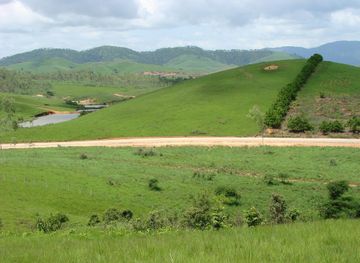
Plain of Jars Site 3
Unravel the mysteries of the ancient world at the breathtaking Plain of Jars Site 3, a UNESCO World Heritage treasure in Laos.

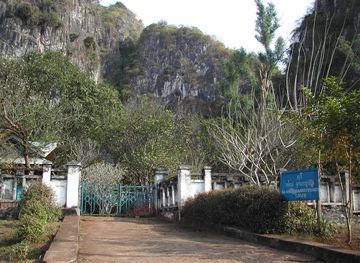
Tham Piew Cave
Discover the mesmerizing beauty of Tham Piew Cave in Muang Kham, Laos, where stunning limestone formations and rich history await your exploration.

Best landmarks in Plain of Jars
Top-rated picks
Best Landmarks

Pak Ou Caves
Explore the mystical Pak Ou Caves in Luang Prabang, home to thousands of Buddha images nestled in stunning limestone cliffs.

Plain Of Jars Visitor Center
Explore the mysteries of the Plain of Jars, a UNESCO World Heritage site with thousands of ancient stone jars scattered across the Xieng Khouang Plateau.

Plain of Jars Site 3
Explore the enigmatic Plain of Jars Site 3, where ancient stone vessels meet stunning Lao landscapes. A journey through history and mystery.

Plain of Jars Site 2
Explore the enigmatic Plain of Jars Site 2 in Laos, where ancient stone jars dot a landscape steeped in mystery and history.

Best restaurants in Plain of Jars
Top-rated picks
Best Restaurants

Manda de Laos
Experience authentic Laotian cuisine at Manda de Laos in Luang Prabang - a must-visit culinary destination for every traveler.

Dyen Sabai Restaurant
Experience authentic Lao cuisine at Dyen Sabai Restaurant in Luang Prabang—where tradition meets taste along the Mekong River.

Simmary
Experience authentic Laotian cuisine at Simmary in Phonsavan – where every dish tells a story.

Mekong Sunset View Restaurant
Discover authentic Laotian cuisine at Mekong Sunset View Restaurant while enjoying breathtaking river views in Luang Prabang.

Best bars in Plain of Jars
Top-rated picks
Best Bars

Fullmoon karaoke
Experience the vibrant nightlife at Fullmoon Karaoke in Luang Prabang, where locals and tourists unite to sing and celebrate in a lively atmosphere.

Redbul Sport bar
Discover the lively ambiance of Redbul Sport Bar in Luang Prabang, where thrilling sports and exquisite Pan-Asian flavors come together for an unforgettable experience.

Icon Klub
Discover the vibrant nightlife at Icon Klub, a must-visit bar in Luang Prabang for exceptional drinks and a welcoming atmosphere.

Artisan Bar
Discover the vibrant cocktails and retro vibe of Artisan Bar in Luang Prabang, where every sip tells a story.

Best nightclubs in Plain of Jars
Top-rated picks
Best Nightclubs

Club DPlus
Discover the vibrant nightlife of Vientiane at Club DPlus, where electrifying music and a lively atmosphere await every night.

Icon Klub
Experience the essence of Luang Prabang nightlife at Icon Klub, where unique cocktails meet a vibrant atmosphere in a cozy bar setting.

Artisan Bar
Discover Artisan Bar in Luang Prabang, where local flavors meet elegant cocktails in a cozy, inviting atmosphere.

Marina Night Club
Discover the vibrant nightlife of Vientiane at Marina Night Club, where music, dance, and fun come together for an unforgettable night out.

Best shops in Plain of Jars
Top-rated picks
Best Shops

Plain of Jars Site 3
Explore the ancient mysteries of the Plain of Jars Site 3 in Laos, a UNESCO World Heritage site rich in history and natural beauty.

Plain of Jars Site 2
Uncover the ancient secrets of the Plain of Jars Site 2 in Laos, a UNESCO World Heritage site filled with enigmatic stone jars and breathtaking landscapes.

Pathana Boupha Antique House
Explore the rich heritage of Laos at Pathana Boupha Antique House, where timeless treasures and local craftsmanship come together.

klao care xkh
Explore Klao Care XKH Shopping Mall in Pek, where shopping meets local culture and delicious cuisine in a vibrant atmosphere.

Explore Plain of Jars on the Map
A handpicked selection of must-see spots in Plain of Jars, mapped for you.
Plain of Jars Essentials
-
The Plain of Jars is located in the Xieng Khouang province of Laos. The nearest airport is Phonsavan's Xieng Khouang Airport (XKH), which has regular flights from Vientiane, the capital of Laos. From the airport, you can take a taxi or a tuk-tuk to Phonsavan, the main town serving as a base for exploring the Plain of Jars. Alternatively, you can also reach Phonsavan by bus from Vientiane or Luang Prabang, though the journey can be long and bumpy.
-
In Phonsavan, you can find various modes of transportation. Tuk-tuks and taxis are common for short distances. For visiting the Plain of Jars sites, you can hire a local guide with a vehicle or rent a motorbike if you are comfortable with riding on rural roads. Some guesthouses and hotels also offer organized tours to the different jar sites. Bicycles can be another eco-friendly option to explore nearby areas at your own pace.
-
The official currency in Laos is the Lao Kip (LAK). While Phonsavan has a few ATMs, it's advisable to carry enough cash as card payment options are limited, especially at smaller establishments and in rural areas. U.S. dollars and Thai baht are sometimes accepted, but it's best to use the local currency for most transactions. Make sure to exchange money at authorized exchange counters or banks.
-
Phonsavan and the Plain of Jars are generally safe for tourists. However, it's important to be cautious and follow local guidelines. Some areas around the Plain of Jars sites are still affected by unexploded ordnance (UXO) from past conflicts, so always stay on marked paths and follow guides' instructions. Petty theft can occur, so keep an eye on your belongings. There are no specific high-crime areas targeting tourists, but it's always best to stay vigilant.
-
In case of emergency, you can contact local authorities by dialing 1191 for police assistance or 1195 for medical emergencies. Phonsavan has a small hospital and a few clinics for medical issues, but for serious conditions, evacuation to a larger city like Vientiane may be necessary. It's highly recommended to have travel insurance that covers medical emergencies and evacuation. For minor ailments, there are pharmacies where you can buy over-the-counter medications.
-
Fashion: Do dress modestly, especially when visiting temples or local villages. Avoid wearing revealing clothing. Religion: Do respect local customs and traditions. Always remove your shoes before entering a temple and dress conservatively. Public Transport: Do be polite and respectful to drivers and other passengers. Don't expect exact schedules as timings can be flexible. Greetings: Do greet people with a 'sabai dee' and a slight bow. Avoid touching someone's head, as it is considered disrespectful. Eating & Drinking: Do try local foods and accept invitations to share meals with locals. Don't waste food or leave large amounts uneaten, as it is considered disrespectful.
-
To experience the Plain of Jars like a local, visit the morning market in Phonsavan where you can buy fresh produce and local snacks. Engage with locals, who are often friendly and willing to share stories about the history and culture of the area. Don't miss the MAG Visitor Centre to learn about the efforts to clear UXO and the history of the region. For a unique experience, consider visiting nearby villages to witness traditional Hmong or Khmu ways of life. Always ask for permission before taking photographs of people.
When is the best time to visit Plain of Jars?
Useful Local Phrases for Plain of Jars
You don't need to speak the language perfectly. Even learning a few simple words can make conversations warmer—and locals usually appreciate the effort.
— Eve

Here are the phrases I use most often in Plain of Jars. Try a few—you'll be surprised how far they go! 😊
❤️
-
- Helloສະບາຍດີ
[sabaidee] - Goodbyeລາສະເລີຍ
[lasaloy] - Yesແມ່ນ
[maen] - Noບໍ່
[bo] - Please/You're welcomeກະລຸນາ
[kaluna] - Thank youຂອບໃຈ
[khob chai] - Excuse me/Sorryອະໄພ
[aphai] - How are you?ສະບາຍດີບໍ?
[sabaidee bo?] - Fine. And you?ສະບາຍດີ. ອີກລະ?
[sabaidee. iik la?] - Do you speak English?ເຈົ້າໃສ່ພາສາອັງກິດບໍ?
[jao sai phasa angkit bo?] - I don't understandຂໍອະໄພ, ຂໍແຈ້ງແດ່
[kho aphai, kho jaeng dae]
- Helloສະບາຍດີ
-
- I'd like to see the menu, pleaseຂໍເບິ່ງເນູທີ່ສະບາຍດີ
[kho beung menu thi sabaidee] - I don't eat meatຂໍອະໄພ, ຂໍບໍ່ກິນເລືອດ
[kho aphai, kho bo kin leuat] - Cheers!ຂອບໃຈ!
[khob chai!] - I would like to pay, pleaseຂໍຈ່າຍເງິນ, ກະລຸນາ
[kho jaai ngin, kaluna]
- I'd like to see the menu, pleaseຂໍເບິ່ງເນູທີ່ສະບາຍດີ
-
- Help!ຊ່ອຍ!
[sai!] - Go away!ໄປເອີຍ!
[pai eiy!] - Call the Police!ໂທໃຫ້ຕຳລວດ!
[tho hai tamluat!] - Call a doctor!ໂທໃຫ້ແຖບສາດ!
[tho hai thaesat!] - I'm lostຂໍອະໄພ, ຂໍສູນແສດ
[kho aphai, kho sun saed] - I'm illຂໍອະໄພ, ຂໍເປັນບໍ່ດີ
[kho aphai, kho pen bo dee]
- Help!ຊ່ອຍ!
-
- I'd like to buy...ຂໍຊື້...
[kho su...] - I'm just lookingຂໍເບິ່ງສາດ
[kho beung sad] - How much is it?ລາຄາເບິ່ງໃດ?
[lakha beung dai?] - That's too expensiveນັ້ນແພງເກີນໄປ
[nan phaeng kuean pai] - Can you lower the price?ເຈົ້າສາມາດລົງລາຄາໄດ້ບໍ?
[jao samat long lakha dai bo?]
- I'd like to buy...ຂໍຊື້...
-
- What time is it?ເວລາແມ່ນໃດ?
[wela maen dai?] - It's one o'clockແມ່ນໜຶ່ງນາທີ
[maen nueng nati] - Half past (10)ເດິກຄັນສິ່ງ
[dek khan sing] - Morningເຊົ້າ
[sao] - Afternoonບ່າຍ
[bay] - Eveningແລງ
[laeng] - Yesterdayມື້ແລ່ນ
[mue laen] - Todayມື້ນີ້
[mue ni] - Tomorrowມື້ໜ້າ
[mue na] - 1ໜຶ່ງ
[nueng] - 2ສອງ
[song] - 3ສາມ
[sam] - 4ໃນ
[sai] - 5ຫໍ່
[ho] - 6ຫົກ
[hok] - 7ເຈັດ
[jet] - 8ແປດ
[paed] - 9ເກົ້າ
[kao] - 10ສິບ
[sip]
- What time is it?ເວລາແມ່ນໃດ?
-
- Where's a/the...?ແທດໃສ່...?
[thae sa...?] - What's the address?ທີ່ຢູ່ແມ່ນໃດ?
[thi yu maen dai?] - Can you show me (on the map)?ເຈົ້າໃສ່ແຜນທີ່ໃຫ້ຂໍເບິ່ງ?
[jao sai phan thi hai kho beung?] - When's the next (bus)?ຄັນແມ່ນຄັນໜ້າ?
[khan maen khan na?] - A ticket (to ....)ບັດລົດສູ່...
[bat lot su...]
- Where's a/the...?ແທດໃສ່...?
History of Plain of Jars
-
The Plain of Jars is home to thousands of large stone jars scattered across the Xieng Khouang Plateau in Laos. These jars, dating back to the Iron Age (500 BCE to 500 CE), are believed to have been used for funerary practices. Archaeological evidence suggests that the jars were associated with burial rituals, where human remains were placed inside the jars and then covered with lids. The jars vary in size, with some weighing up to several tons, and are made from sandstone, granite, and limestone.
-
The first systematic study of the Plain of Jars was conducted by French archaeologist Madeleine Colani in the 1930s. Colani's work was groundbreaking as she meticulously documented the locations and dimensions of the jars, and hypothesized their use in burial practices. Her two-volume study, 'Mégalithes du Haut-Laos,' remains a seminal work on the subject and laid the foundation for future research.
-
During the Vietnam War, the Plain of Jars was heavily bombed by the United States as part of the Secret War in Laos. The region's strategic location made it a focal point for military operations, and it suffered extensive damage. Unexploded ordnance (UXO) remains a significant hazard in the area, with many sites still awaiting clearance. This period of intense conflict has left a lasting impact on the landscape and the local population.
-
In 2019, the Plain of Jars was inscribed as a UNESCO World Heritage Site, recognizing its outstanding universal value. The designation aims to protect and preserve the archaeological sites, promote sustainable tourism, and support local communities. The UNESCO status has also brought international attention to the need for ongoing efforts to clear UXO and ensure the safety of visitors and residents.
-
The Plain of Jars is steeped in local legends and myths that add to its mystique. One popular legend suggests that the jars were created by a race of giants to brew and store vast quantities of rice wine to celebrate a great victory in battle. Another tale speaks of Khun Cheung, an ancient king who ordered the jars to be made to store rainwater for his thirsty troops. These stories, passed down through generations, provide a cultural context that enriches the experience of visiting the site.
-
Recent archaeological efforts have focused on excavating and studying the surrounding burial sites and habitation areas. These studies aim to gain a deeper understanding of the people who created the jars, their social structures, and their cultural practices. Modern technology, such as ground-penetrating radar and advanced dating techniques, has provided new insights and continues to reveal the complex history of the Plain of Jars.
Neighbouring Regions of Plain of Jars
The closest regions to Plain of Jars, if you have time for more than one.


Your all‑in‑one travel companion app
Explore expert travel guides, compare and book tours, experiences, hotels, and more—all from the palm of your hand. Download now for seamless trip planning wherever your wanderlust takes you.


Explore More of Laos

Looking beyond Plain of Jars? Discover Laos for broader travel guides, local hot-spots, and regional highlights.
Explore LaosPlain of Jars in Photos
Browse through our photo collection highlighting the charm and character of the destination.

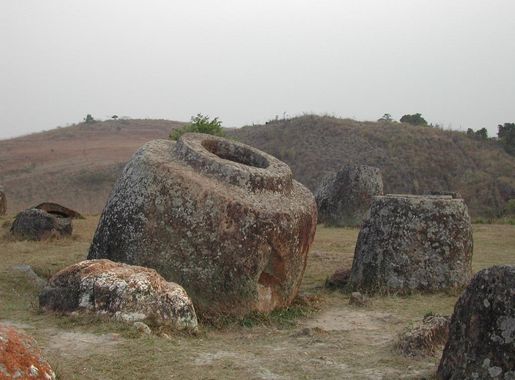


The Mysterious Plain of Jars in Laos
Nestled in the heart of Laos, the Plain of Jars is a captivating archaeological landscape that has intrigued historians and travelers alike. This enigmatic site is home to thousands of large stone jars, scattered across the rolling plains of the Xiangkhoang Plateau. The origins and purpose of these jars, some weighing up to several tons, remain a mystery, adding to the allure and mystique of the area. The jars, believed to be over 2,000 years old, are thought to have been used in ancient burial practices or for storing food and water. As you wander through the fields, you can't help but marvel at the skill and effort it must have taken to create and transport these massive stone structures. The surrounding landscape, with its lush greenery and gentle hills, provides a serene backdrop that contrasts with the mystery of the jars. Visiting the Plain of Jars offers a unique opportunity to explore and reflect on the ancient culture and practices of the region. The site is also surrounded by charming local villages where you can experience traditional Laotian hospitality and cuisine. Don't miss the chance to delve into this fascinating and lesser-known chapter of human history.