

Free Baabda Travel Guide & Mobile App
Explore Baabda with free travel guides. Discover regional history, expert tips, proposed trips, and audio guides on web or mobile app.


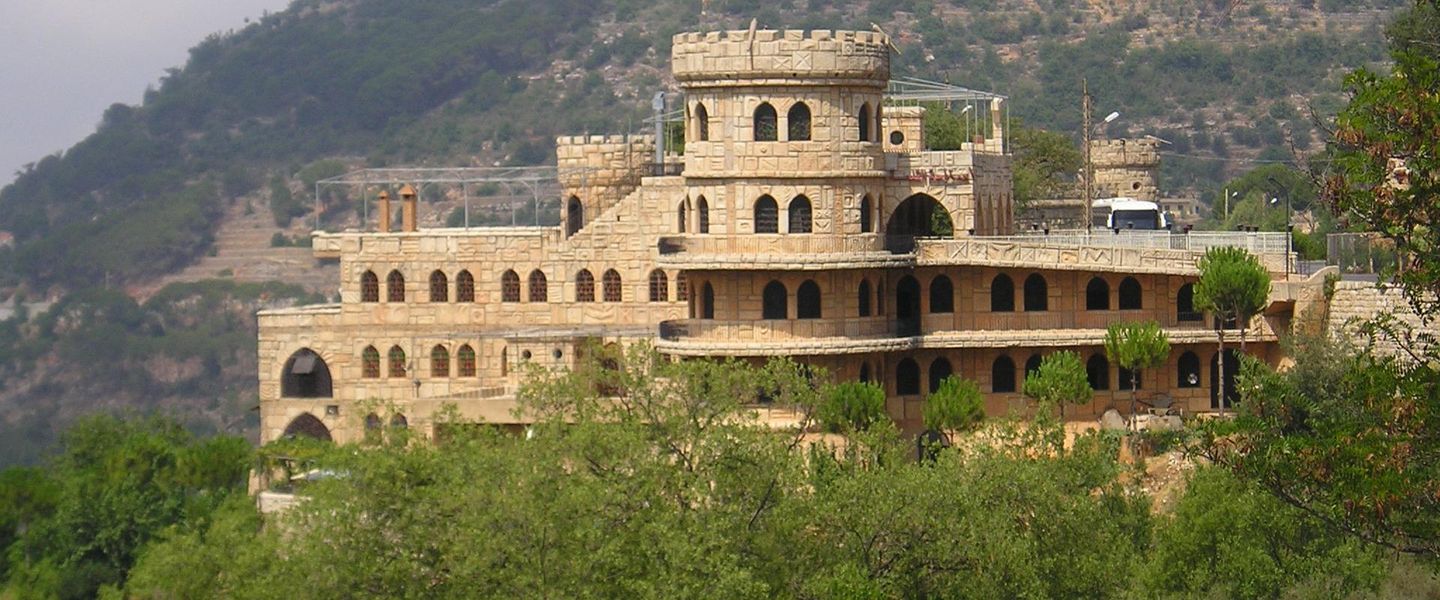


Explore Baabda in Mount Lebanon for Roman heritage, pine-clad hills, village restaurants and cool mountain retreats near Beirut.
Read more about Baabda
When is the best time to visit Baabda?
Best: May–June, October · 24–28°C| Month | High (°C) | Rainfall (mm) |
|---|---|---|
| January | 14 | 150 |
| February | 15 | 130 |
| March | 17 | 110 |
| April | 20 | 70 |
| May (best) | 24 | 40 |
| June (best) | 28 | 20 |
| July | 31 | 10 |
| August | 32 | 10 |
| September | 29 | 20 |
| October (best) | 25 | 60 |
| November | 20 | 100 |
| December | 15 | 130 |
Getting to and around Baabda
How to get there
Transportation
Top city travel guides in Baabda
The cities of Baabda, and the easiest places to base yourself.
-
-

-


Swipe for more cities
Destinations in Baabda
Resorts, valleys and scenic spots worth a trip of their own.
-

-


Swipe for more destinations
Best attractions in Baabda
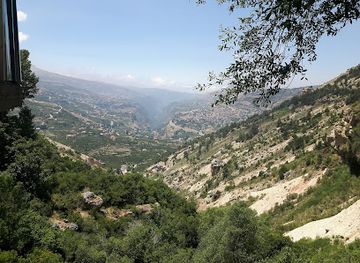
Baabda’s attractions are spread across an urban foothill belt and a series of higher mountain settlements. The district’s political identity is represented by Baabda Palace and the surrounding institutional quarter, although access to official buildings is restricted and should not be assumed. For history, the archaeological and religious remains at Deir el-Qalaa in Beit Mery are especially important, combining traces of an ancient sanctuary with later Christian use. Beit Mery’s monasteries, churches and old village setting provide further opportunities to explore Mount Lebanon’s religious heritage. Broummana and Dhour El Choueir appeal more for their pine-covered slopes, cooler climate, hotels, cafés and long-established summer-resort atmosphere than for large formal museums. Short walks, viewpoints and village lanes are the principal outdoor experiences, with the character of the landscape changing as dense suburban development gives way to woodland and open hills. Dining, bakeries and cafés are integral to the visit, particularly in the upper towns. Baabda is not a national-park destination, and visitors should not expect extensive marked wilderness trails; its strengths are accessible heritage, mountain scenery, architecture and the contrast between the capital’s metropolitan fringe and Lebanon’s settled uplands.
-
Tourist attraction
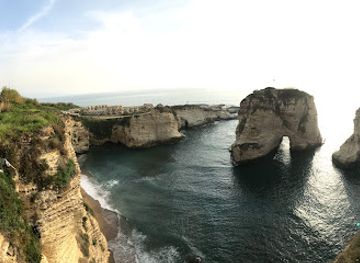
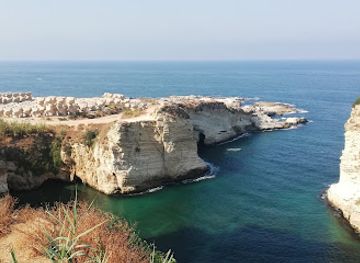
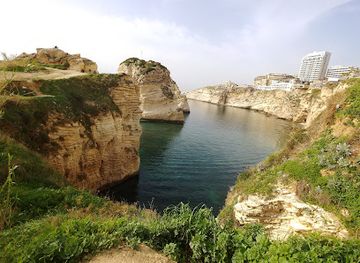
Al Raouche Rocks
Discover the breathtaking Al Raouche Rocks, a must-visit natural landmark in Beirut, blending stunning scenery with rich cultural history.
-
Historical landmark
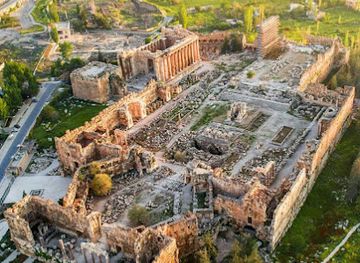
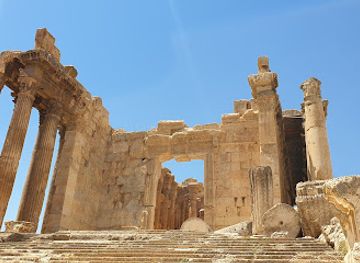
Baalbek Roman Ruins
Explore the Baalbek Roman Ruins, a UNESCO World Heritage Site showcasing ancient Roman architecture and history in Lebanon's stunning Bekaa Valley.
-
Nature preserve
Cedars of God Bsharri
Discover the ancient beauty of the Cedars of God in Bsharri, a UNESCO World Heritage site and a serene escape into Lebanon's natural wonders.
-
National museum
National Museum of Beirut
Explore Lebanon's rich history at the National Museum of Beirut, home to exquisite archaeological treasures and captivating exhibits.
Best landmarks in Baabda
Baabda Palace is the district’s most recognisable modern landmark and the official residence of Lebanon’s president. It is primarily a working state institution, so its significance is political and symbolic rather than one of normal public access. In Beit Mery, Deir el-Qalaa is the principal historic landmark: its elevated site preserves the remains of an ancient sanctuary and later Christian buildings, illustrating the long religious continuity of Mount Lebanon. The surrounding monasteries and churches add a second layer of architectural interest, with stone construction and mountain siting characteristic of the region. In Broummana and Dhour El Choueir, the most distinctive landmarks are less monumental: villas, hotels, churches and public buildings associated with the development of the mountain resort tradition. The wooded ridges and elevated viewpoints themselves function as geographical landmarks, marking the transition from Beirut’s dense metropolitan plain to the settled slopes of Mount Lebanon. Together these places express Baabda’s unusual blend of republican symbolism, ancient religious history, village architecture and resort landscapes.
-
Promenade
Zaituna Bay
Experience Beirut's vibrant waterfront at Zaitunay Bay: upscale dining, stunning views, and a lively marina atmosphere.
-
Tourist attraction
Jeita Grotto
Discover Lebanon's natural crown jewel: Explore the mesmerizing Jeita Grotto, a subterranean world of stunning stalactites, serene waters, and ancient history.
-
Tourist attraction
Al Raouche Rocks
Iconic limestone formations rising from the Mediterranean Sea, offering breathtaking views and a glimpse into Beirut's rich history.
-
Historical landmark
Baalbek Roman Ruins
Explore the awe-inspiring Baalbek Roman Ruins, a UNESCO World Heritage Site showcasing monumental Roman temples and architecture in Lebanon's Beqaa Valley.
Explore Baabda on the map
Plan your trip on one map. See where the top cities, national parks and sights are, and book hotels and experiences in a few clicks.
Best hotels in Baabda
Best restaurants in Baabda
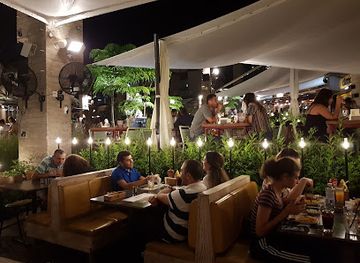
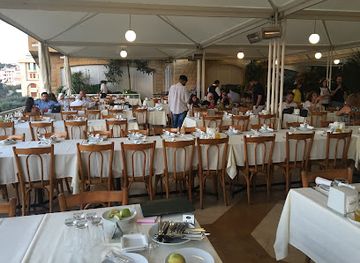
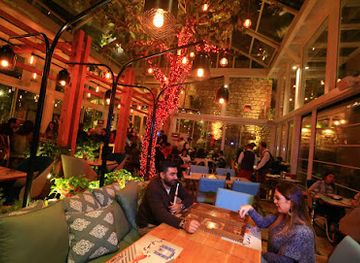
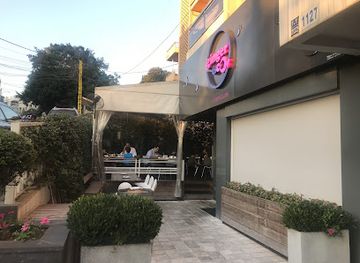
Dining in Baabda reflects the district’s position between Beirut and the Mount Lebanon countryside. In Hazmieh and the lower suburbs, restaurants range from Lebanese grills and mezze establishments to bakeries, cafés and international-style venues serving office workers and residents. The hill towns, particularly Beit Mery and Broummana, are associated with leisurely meals in cooler surroundings, with menus commonly featuring hummus, tabbouleh, kibbeh, grilled meats, stuffed vegetables and freshly baked bread. Mountain produce, olives, pickles, herbs, fruit preserves and dairy products appear in home-style cooking and seasonal offerings, while Lebanese pastries and strong coffee are natural accompaniments to an afternoon stop. Visitors may also encounter arak, Lebanon’s anise-flavoured spirit, though drinking is a personal choice rather than a requirement of local dining. Prices, menus and payment practices vary considerably, so confirm arrangements before ordering, especially in smaller village establishments. For a more local experience, look beyond enclosed hotel dining rooms to family-run restaurants, old-style bakeries and cafés where meals unfold slowly and the setting is part of the appeal.
-
Restaurant
Bartartine - The Backyard, Hazmieh
Experience the essence of Lebanese cuisine at Bartartine - The Backyard in Hazmieh, where vibrant flavors meet a welcoming atmosphere.
-
Lebanese
Mounir
Discover the authentic taste of Lebanon at Mounir in Broumana - where tradition meets elegance amidst stunning mountain views.
-
Lebanese
El Denye Hek
Experience authentic Lebanese flavors at El Denye Hek in Fihra – where every dish tells a story.
-
Japanese
Ginger&Co
Discover the essence of Japanese cuisine at Ginger&Co in Hazmieh, offering an unforgettable dining experience with exquisite sushi and more.
Best bars in Baabda
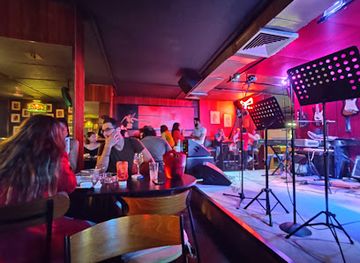
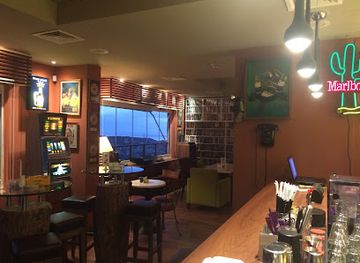
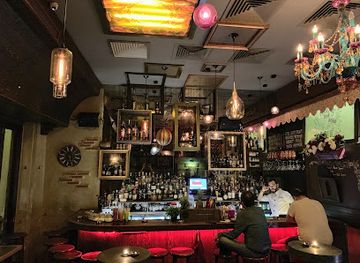
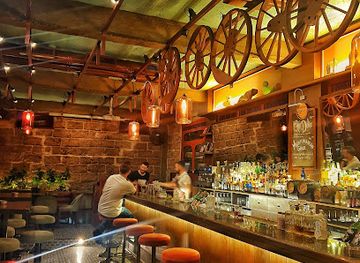
Nightlife in Baabda is dispersed rather than concentrated in one large entertainment district. Hazmieh and the lower urban areas have the broadest choice of cafés, restaurants and evening venues, while Beit Mery and Broummana are known for restaurants, hotel lounges, terraces and bars that become busier during the warmer months. Traditional Lebanese cafés and pubs provide quieter alternatives to clubs, and some venues feature background music or occasional live performances. The upper towns’ resort history means that evening activity is often shaped by the season, weekends and private gatherings rather than a fixed year-round programme. Visitors should arrange reliable transport back to Beirut or between hill villages, as late-night public transport is limited and roads can be winding. Check current opening arrangements locally, since Lebanon’s nightlife businesses and operating patterns can change with economic and security conditions.
-
Pub
Quadrangle
Experience the vibrant nightlife of Baabda at Quadrangle, a unique pub offering a lively atmosphere and an extensive drink selection.
-
Restaurant
House Of Music HQ Cafe/Bar
Discover a melodic retreat at House Of Music HQ Cafe/Bar, where delicious food, cocktails, and live music create unforgettable moments.
-
Bar
The Bohemian Bar
Experience the vibrant nightlife of Beirut at The Bohemian Bar, featuring eclectic drinks, lively music, and a welcoming atmosphere for all.
-
Cocktail bar
Central Station Boutique Bar
Experience Beirut's vibrant nightlife at Central Station Boutique Bar, where exquisite cocktails meet eclectic decor in a lively atmosphere.
Best nightclubs in Baabda
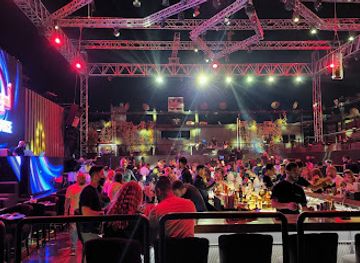
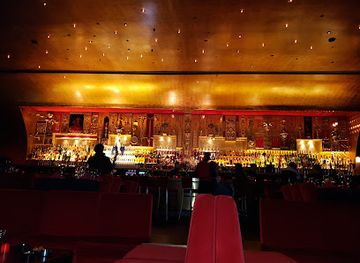
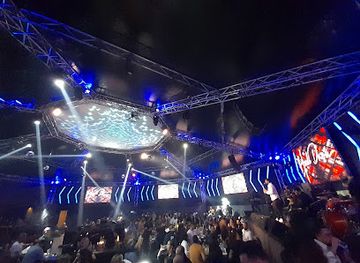
Nightlife in Baabda is dispersed rather than concentrated in one large entertainment district. Hazmieh and the lower urban areas have the broadest choice of cafés, restaurants and evening venues, while Beit Mery and Broummana are known for restaurants, hotel lounges, terraces and bars that become busier during the warmer months. Traditional Lebanese cafés and pubs provide quieter alternatives to clubs, and some venues feature background music or occasional live performances. The upper towns’ resort history means that evening activity is often shaped by the season, weekends and private gatherings rather than a fixed year-round programme. Visitors should arrange reliable transport back to Beirut or between hill villages, as late-night public transport is limited and roads can be winding. Check current opening arrangements locally, since Lebanon’s nightlife businesses and operating patterns can change with economic and security conditions.
-
Night club
Bazaar Beirut
Discover the electrifying nightlife of Bazaar Beirut, a premier club featuring thrilling music and a vibrant atmosphere along the seaside.
-
Night club
MusicHall Starco
Discover the exhilarating nightlife of Beirut at MusicHall Starco, where captivating performances and a vibrant atmosphere await you.
-
Night club
Mine Beirut
Discover the electrifying nightlife at Mine Beirut, a premier night club and live music venue by the picturesque seaside in Daoura.
-
Disco club
Kult
Experience the vibrant nightlife of Beirut at Kult, where music, dancing, and unforgettable memories come together in a lively disco club atmosphere.

Best shops in Baabda
Shopping in Baabda is divided between the commercial corridors of Hazmieh and the more local high streets of the upper towns. Hazmieh offers the broadest selection of supermarkets, fashion, household goods, bakeries and everyday services, while Beit Mery and Broummana are better for cafés, small boutiques, gift shops and seasonal resort shopping. Visitors seeking regional products should look for Lebanese olive oil, za’atar, preserves, sweets, coffee, wine or arak from reputable retailers, checking labelling and transport restrictions before buying. Small bakeries and delicatessens can be more useful than souvenir shops for edible gifts. Independent craft and jewellery shops appear in some village centres, but stock and opening arrangements vary. There is no single district-wide market that defines Baabda’s identity; shopping is largely practical and neighbourhood-based, with the character changing from busy suburban retail to modest mountain-town commerce.
-
Shopping mall
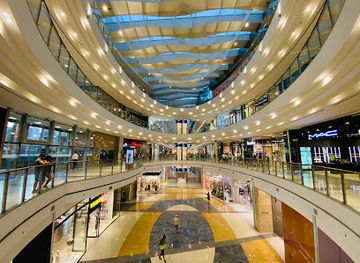
City Centre Beirut
Discover the vibrant shopping experience at City Centre Beirut, where luxury meets everyday elegance in the heart of Lebanon.
-
Men's clothing store
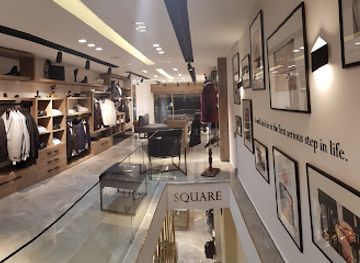
Square - Men’s Clothing Store
Explore Square - Men’s Clothing Store in Baabda for stylish jeans, t-shirts, and shoes, all in a welcoming atmosphere with exceptional service.
-
Women's clothing store
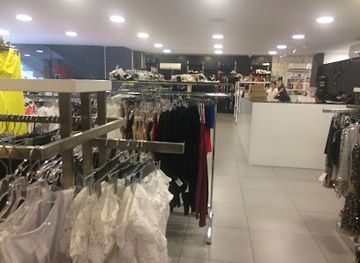
Vertico Baabda Fashion
Explore the latest women's fashion trends at Vertico Baabda Fashion, a stylish store in Hazmieh offering unique apparel with a local flair.
-
Clothing store
Pop Up Concepts Flagship
Explore a world of fashion, art, and unique collectibles at Pop Up Concepts Flagship in Beirut, where creativity meets culture.
Get your free copy of our complete guide to Baabda, delivered straight to you.
Everything on this page, from attractions and restaurants to essentials and local phrases, in one PDF you can read offline, print or share.
Already have an account? Sign in
Your Baabda guide is ready.
We'll send it to · Not you? Sign out

Getting your guide ready…
We are putting together a fresh copy of the Baabda guide. This can take up to a minute.
This can take a few moments. If your browser asks, choose Allow so the download can start. You'll find the guide in your Downloads folder.
Nothing happened? Download it again
Sorry, the guide is taking longer than usual. Please try again in a minute, or get it by email instead.
Baabda essentials
Currency and Payment
Safety
Emergency Situations
Do's and Don'ts
Local Tips
From Eve
Local phrases worth knowing
You don't need to get them perfect. A few words go a long way, and locals appreciate the effort.
Basics
| English | Local | Say it |
|---|---|---|
| Hello | مرحبا | [Marhaba] |
| Goodbye | وداعا | [Wada'an] |
| Yes | نعم | [Na'am] |
| No | لا | [La] |
| Please/You’re welcome | من فضلك | [Min fadlik] |
| Thank you | شكرا | [Shukran] |
| Excuse me/Sorry | عذرا | [Udhru] |
| How are you? | كيف حالك؟ | [Kayfa halak?] |
| Fine. And you? | بخير. وأنت؟ | [Bikhayr. Wa anta?] |
| Do you speak English? | هل تتحدث الإنجليزية؟ | [Hal tatahaddath al-Ingliziyya?] |
| I don't understand | لا أفهم | [La afham] |
Eating & Drinking
| English | Local | Say it |
|---|---|---|
| I’d like to see the menu, please | أود رؤية القائمة، من فضلك | [Awad ru'yat al-qaimah, min fadlik] |
| I don’t eat meat | لا أكل اللحم | [La akul al-lahm] |
| Cheers! | في صحتك! | [Fi sihtak!] |
| I would like to pay, please | أود الدفع، من فضلك | [Awad al-daf', min fadlik] |
Emergencies
| English | Local | Say it |
|---|---|---|
| Help! | مساعدة! | [Musa'ada!] |
| Go away! | ابتعد! | [Ibt'id!] |
| Call the Police! | اتصل بالشرطة! | [Ittasil bil-shurta!] |
| Call a doctor! | اتصل بطبيب! | [Ittasil bi-tabeeb!] |
| I’m lost | أنا ضائع | [Ana da'i'] |
| I’m ill | أنا مريض | [Ana marid] |
Shopping
| English | Local | Say it |
|---|---|---|
| I’d like to buy... | أود شراء... | [Awad shira'] |
| I’m just looking | أنا فقط أبحث | [Ana faqat abhas] |
| How much is it? | كم ثمنه؟ | [Kam thamanuh?] |
| That’s too expensive | هذا غالي جدا | [Hatha ghali jidan] |
| Can you lower the price? | هل يمكنك تخفيض السعر؟ | [Hal yumkinuka takhfid al-si'r?] |
Time & Numbers
| English | Local | Say it |
|---|---|---|
| What time is it? | كم الساعة؟ | [Kam al-sa'a?] |
| It’s one o’clock | الساعة الواحدة | [Al-sa'a al-wahidah] |
| Half past (10) | نصف بعد (10) | [Nisf ba'd (10)] |
| Morning | صباح | [Sabah] |
| Afternoon | بعد الظهر | [Ba'd al-zuhur] |
| Evening | مساء | [Masa'] |
| Yesterday | أمس | [Ams] |
| Today | اليوم | [Al-yawm] |
| Tomorrow | غدا | [Ghad] |
| 1 | واحد | [Wahid] |
| 2 | اثنان | [Ithnan] |
| 3 | ثلاثة | [Thalatha] |
| 4 | أربعة | [Arba'a] |
| 5 | خمسة | [Khamsa] |
| 6 | ستة | [Sitta] |
| 7 | سبعة | [Sab'a] |
| 8 | ثمانية | [Thamaniya] |
| 9 | تسعة | [Tis'a] |
| 10 | عشرة | [Ashara] |
Transport & Directions
| English | Local | Say it |
|---|---|---|
| Where's a/the...? | أين يوجد...؟ | [Ayn yujad...?] |
| What's the address? | ما هو العنوان؟ | [Ma huwa al-'unwan?] |
| Can you show me (on the map)? | هل يمكنك أن تريني (على الخريطة)؟ | [Hal yumkinuka an turini (ala al-kharita)?] |
| When's the next (bus)? | متى تأتي (الحافلة) التالية؟ | [Mata tati (al-hafila) al-talia?] |
| A ticket (to ....) | تذكرة (إلى ....) | [Tadhkira (ila....)] |
History of Baabda
Roman and Byzantine Mount Lebanon
The hills around modern Baabda formed part of the wider cultural landscape of Roman Phoenicia and later Byzantine Lebanon. Roads, settlements and sanctuaries connected the coast with the interior, while Christianity became increasingly established during the Byzantine period. At Beit Mery, the remains associated with Deir el-Qalaa preserve evidence of successive religious buildings, including a Roman temple complex and later Christian structures. These fragments demonstrate how sacred places were adapted across centuries rather than belonging to only one historical period.
Maronite Settlement in the Mountain
During the medieval period, Mount Lebanon became an important centre of Maronite Christian settlement. Monasteries, village churches and family networks helped communities occupy the mountain valleys and slopes, while agriculture was organised around terraces, orchards and woodland. The settlements that developed in and around Beit Mery and the upper Baabda hills reflect this long relationship between religious institutions, village life and difficult terrain. Many later churches and monasteries stand on sites shaped by these earlier patterns of habitation.
The Ottoman Era and Local Administration
Under Ottoman rule, the mountain was governed through changing arrangements involving local notable families, village communities and, later, more formal administrative structures. Baabda and the surrounding settlements maintained links with Beirut while remaining part of the political and social world of Mount Lebanon. Silk production, agriculture and seasonal movement influenced the economy of the region. The nineteenth century brought stronger European commercial connections and helped some mountain villages develop reputations as healthier summer locations than the crowded coastal plain.
The Mount Lebanon Mutasarrifate
After the sectarian conflict of 1860, the Ottoman authorities established the Mount Lebanon Mutasarrifate, an autonomous administrative entity with a Christian governor appointed from outside the province. The arrangement reshaped administration and encouraged new political and commercial relationships across the mountain. Baabda later became associated with the governance of Mount Lebanon and its expanding connection to Beirut. The period also saw improvements in roads, schools and communications, helping transform several hill settlements into more accessible residential and summer destinations.
Mandate-Era Roads and Mountain Resorts
During the French Mandate after the First World War, road building and administrative reorganisation strengthened the links between Beirut and the Mount Lebanon uplands. Places such as Broummana and Beit Mery developed further as summer resorts, attracting residents and visitors seeking cooler air, gardens and mountain scenery. Hotels, villas, schools and religious institutions added new layers to older villages. This resort culture continued after independence and remains visible in the architecture and seasonal character of the upper district.
Baabda in the Lebanese Republic
Since Lebanon’s independence in 1943, Baabda has held an important place in the country’s political geography. The presidential palace and other state institutions have made the town a recognised centre of national government, while Hazmieh and neighbouring suburbs have become increasingly integrated into metropolitan Beirut. Civil conflict, post-war reconstruction and rapid urban expansion altered the lower district, bringing dense construction and traffic alongside older villages. The result is a region where political symbolism, suburban growth and mountain resort traditions coexist within a relatively small area.
Baabda in Photos
Browse through our photo collection highlighting the charm and character of the destination.
Neighbouring regions of Baabda
The closest regions to Baabda, if you have time for more than one.
-

-

-

-

-


Swipe for more regions
Explore more

Explore more of Lebanon
Discover Lebanon: A land of ancient history, vibrant culture, stunning landscapes, and delicious cuisine, nestled on the Mediterranean coast.
Explore Lebanon