

Mount Lebanon, Lebanon Travel Guide
Discover the beauty of Mount Lebanon: Nature's paradise with ancient cedar forests, charming villages, and thrilling outdoor adventures.
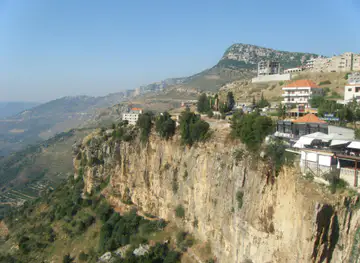
Mount Lebanon, a rugged mountain range stretching across Lebanon, offers breathtaking views and a rich cultural experience. Known for its stunning landscapes, the region boasts lush forests, terraced fields, and picturesque villages that seem to cling to the mountainsides. Whether you're an adventure seeker or a nature lover, Mount Lebanon provides a perfect escape from the hustle and bustle of city life. The region is home to several nature reserves, including the famous Cedar of God forests, where ancient cedar trees stand tall and proud. Hiking trails crisscross the mountains, offering opportunities to explore hidden valleys, waterfalls, and stunning viewpoints. In winter, the mountains transform into a snowy wonderland, attracting skiers and snowboarders to its well-equipped resorts. Mount Lebanon is also rich in history and culture. The area is dotted with ancient monasteries, churches, and ruins that tell stories of Lebanon's diverse heritage. Visitors can explore charming villages like Deir al-Qamar and Beit ed-Dine, with their well-preserved Ottoman architecture and vibrant local markets. The region's cuisine is a delightful mix of traditional Lebanese flavors, with mountain specialties that are a must-try.

Know before you go
Hi, I'm Eve. Here are a few practical things to know before exploring Mount Lebanon.
- Pack layers of clothing, as temperatures can vary greatly between day and night.
- Visit the Cedars of God early in the morning to avoid crowds and enjoy the serenity.
- Hire a local guide for hiking to explore off-the-beaten-path trails and discover hidden gems.
- Try local mountain dishes like kibbeh nayeh and arak to experience authentic Lebanese flavors.
- Check the weather forecast before planning a winter trip, as heavy snowfall can affect travel plans.
Top City Travel Guides in Mount Lebanon
The cities of Mount Lebanon, and the easiest places to base yourself.


Destinations in Mount Lebanon
Resorts, valleys and scenic spots worth a trip of their own.


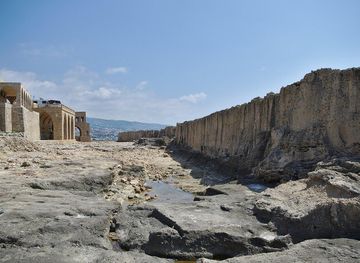
Explore Mount Lebanon: Things to Do, Places to Eat, Hotels & More
Handpicked recommendations for top attractions, local dining, accommodations, and more

Top Attractions & Sightseeing in Mount Lebanon
Top-rated picks
Best Attractions

Al Raouche Rocks
Discover the breathtaking Al Raouche Rocks in Beirut, a stunning natural landmark offering spectacular views and rich cultural history.

Mohammad Al Amin Mosque
Discover the enchanting beauty of Mohammad Al Amin Mosque in Beirut, a stunning blend of architecture and spirituality that captures the essence of Lebanon.

National Museum of Beirut
Explore the National Museum of Beirut, a cultural gem showcasing Lebanon's rich archaeological history and vibrant heritage.

Umayyad City Ruins
Discover the Umayyad City Ruins in Aanjar, Lebanon – a UNESCO World Heritage site showcasing stunning architecture and rich history.

Best landmarks in Mount Lebanon
Top-rated picks
Best Landmarks

Al Raouche Rocks
Experience the breathtaking beauty of Al Raouche Rocks, a natural landmark and historical treasure in Beirut's stunning coastline.

Jeita Grotto
Explore Jeita Grotto, Lebanon's stunning limestone caves with crystal-clear waters and breathtaking geological formations—an unforgettable natural wonder.

Cedars of God Bsharri
Explore the breathtaking beauty of the Cedars of God in Bsharri, a UNESCO World Heritage site showcasing Lebanon's natural treasures.

Byblos Citadel
Discover the Byblos Citadel, an archaeological gem showcasing Lebanon's rich history and stunning coastal views, perfect for every traveler.

Best restaurants in Mount Lebanon
Top-rated picks
Best Restaurants

Mounir
Experience authentic Lebanese flavors at Mounir in Broumana - where tradition meets exquisite taste amidst breathtaking views.

Amaleen Cafe & Restaurant
Discover authentic Lebanese flavors at Amaleen Cafe & Restaurant in Zahlé - where every meal tells a story.

T-Marbouta
Discover authentic Lebanese flavors at T-Marbouta in Beirut's vibrant Hamra Square - where every dish tells a story.

Swiss Butter - Gemmayze
Experience the best steaks in Beirut at Swiss Butter - Gemmayze's premier steakhouse offering gourmet dishes in a vibrant setting.

Best bars in Mount Lebanon
Top-rated picks
Best Bars

Iris
Experience the vibrant nightlife of Beirut at Iris, where stunning views meet exceptional cocktails in an unforgettable setting.

Le Montagnou
Experience the authentic taste of Lebanon at Le Montagnou, a grill restaurant set against the stunning backdrop of Ouyoun el Simane's mountains.

Frozen Cherry
Experience the vibrant nightlife at Frozen Cherry, a top bar in Mtein, perfect for sipping cocktails and enjoying stunning mountain views.

House Of Music HQ Cafe/Bar
Experience the perfect fusion of coffee, cocktails, and live music at House Of Music HQ Cafe/Bar in Ain Saade.

Best nightclubs in Mount Lebanon
Top-rated picks
Best Nightclubs

Mine Beirut
Experience the vibrant nightlife at Mine Beirut, a premier night club and live music venue along the beautiful coastline of Lebanon.

Kult
Experience the vibrant nightlife of Beirut at Kult, a premier disco club known for its electrifying atmosphere and eclectic music.

BAHAY
Experience the vibrant nightlife of Baouchriyeh at Bahay, where music and culture collide in an unforgettable atmosphere.

Vault Night Club
Dive into the vibrant nightlife of Sarba at Vault Night Club, where electrifying music and lively atmosphere create unforgettable memories.

Best shops in Mount Lebanon
Top-rated picks
Best Shops

ABC Verdun
Experience the ultimate shopping and dining destination at ABC Verdun in Beirut, where modernity meets leisure and excitement.

LeMall
Explore LeMall in Beirut for an unparalleled shopping experience with diverse retail, delightful dining, and vibrant entertainment options.

The Spot Choueifat
Discover unique shopping and dining experiences at The Spot Choueifat in Chouaifet El Qoubbeh, a vibrant hub for all your needs.

Cascada
Discover the vibrant shopping experience at Cascada in Taanayel, where fashion, dining, and entertainment blend seamlessly.

Explore Mount Lebanon on the Map
A handpicked selection of must-see spots in Mount Lebanon, mapped for you.
Mount Lebanon Essentials
-
Mount Lebanon is well-connected and can be accessed from Beirut, the capital of Lebanon. Beirut–Rafic Hariri International Airport (BEY) is the nearest international gateway, located about 30 kilometers from the heart of Mount Lebanon. From the airport, you can take a taxi, rent a car, or use ride-sharing apps to reach Mount Lebanon. Public buses also operate between Beirut and various towns in Mount Lebanon, making travel relatively straightforward.
-
Transportation within Mount Lebanon is varied. Taxis and ride-sharing services like Uber and Careem are widely available and convenient. Public buses and minibuses (known locally as 'service taxis') connect major towns and cities. Renting a car offers more flexibility, especially if you plan on exploring rural areas and remote villages. However, be aware that traffic can be heavy, and road conditions may vary.
-
The official currency of Lebanon is the Lebanese Pound (LBP), although US Dollars (USD) are also widely accepted. Credit cards are commonly used in cities and larger towns, but it's advisable to carry cash for smaller establishments and rural areas. ATMs are plentiful, especially in urban centers, but do ensure you have enough cash before venturing into more remote areas.
-
Mount Lebanon is generally safe for tourists, but standard precautions should be taken. Avoid walking alone at night in unfamiliar areas and keep your belongings secure, especially in crowded places. Certain areas may have higher crime rates targeting tourists, particularly in some parts of larger cities. Always stay informed about the local situation and follow advice from local authorities and your embassy.
-
In case of emergency, dial 112 for police assistance or 140 for medical emergencies. Hospitals and clinics are available throughout Mount Lebanon, with major facilities located in larger towns. It’s advisable to have travel insurance that includes medical coverage. Pharmacies are widely available for minor health issues, and many pharmacists speak English or French.
-
Fashion: Do dress modestly, especially in rural areas and religious sites. Avoid overly revealing clothing. Religion: Do respect local customs and traditions. When visiting mosques or churches, dress conservatively and cover your head if required. Public Transport: Do be respectful and give up your seat for elderly passengers. Don’t eat or drink on public transport. Greetings: Do greet people with a handshake or a slight nod. In some areas, a kiss on each cheek is a common greeting among friends. Eating & Drinking: Do try local dishes and accept hospitality graciously. Don’t refuse food or drink offerings, as this may be considered impolite.
-
To experience Mount Lebanon like a local, visit local souks (markets) for fresh produce and traditional goods. Engage with locals, who are often friendly and eager to share stories about their region. Don’t miss visiting historical and natural sites like the Chouf Cedar Reserve, Jeita Grotto, and the ancient ruins in Byblos. For a unique dining experience, try a traditional Lebanese mezze in a local restaurant.
When is the best time to visit Mount Lebanon?
Useful Local Phrases for Mount Lebanon
You don't need to speak the language perfectly. Even learning a few simple words can make conversations warmer—and locals usually appreciate the effort.
— Eve

Here are the phrases I use most often in Mount Lebanon. Try a few—you'll be surprised how far they go! 😊
❤️
-
- Helloمرحبا
[Marhaba] - Goodbyeمع السلامة
[Ma'a as-salama] - Yesنعم
[Na'am] - Noلا
[La] - Please/You're welcomeمن فضلك
[Min fadlik] - Thank youشكرا
[Shukran] - Excuse me/Sorryعفوا
[Afwan] - How are you?كيف حالك؟
[Kayfa halak?] - Fine. And you?أنا بخير. وأنت؟
[Ana bekhayr. Wa anta?] - Do you speak English?هل تتحدث الإنجليزية؟
[Hal tatahaddath al-ingliziya?] - I don't understandلا أفهم
[La afham]
- Helloمرحبا
-
- I'd like to see the menu, pleaseأود أن أرى القائمة، من فضلك
[Awad an ara al-qa'ima, min fadlik] - I don't eat meatلا أتناول اللحم
[La atanawal al-lahm] - Cheers!للصحة!
[Lil-sihha!] - I would like to pay, pleaseأود أن أدفع، من فضلك
[Awad an adfa', min fadlik]
- I'd like to see the menu, pleaseأود أن أرى القائمة، من فضلك
-
- Help!نجدة!
[Najda!] - Go away!ابتعد!
[Ibt'id!] - Call the Police!اتصل بالشرطة!
[Ittasil bil-shurta!] - Call a doctor!اتصل بالطبيب!
[Ittasil bil-tabeeb!] - I'm lostأنا ضائع
[Ana da'i'] - I'm illأنا مريض
[Ana marid]
- Help!نجدة!
-
- I'd like to buy...أود أن أشتري...
[Awad an ashtari...] - I'm just lookingأنا فقط أبحث
[Ana faqat abhath] - How much is it?كم ثمنه؟
[Kam thamano?] - That's too expensiveهذا غالي جدا
[Hatha ghali jidan] - Can you lower the price?هل يمكنك تخفيض السعر؟
[Hal yumkinuka takhfid as-si'r?]
- I'd like to buy...أود أن أشتري...
-
- What time is it?كم الساعة؟
[Kam as-saa'a?] - It's one o'clockالساعة واحدة
[As-saa'a wahida] - Half past (10)نصف الساعة (10)
[Nisf as-saa'a (10)] - Morningصباحا
[Sabahan] - Afternoonبعد الظهر
[Ba'd az-zuhur] - Eveningمساء
[Masa'a] - Yesterdayأمس
[Ams] - Todayاليوم
[Al-yawm] - Tomorrowغدا
[Ghadan] - 1واحد
[Wahid] - 2اثنان
[Ithnan] - 3ثلاثة
[Thalatha] - 4أربعة
[Arba'a] - 5خمسة
[Khamsa] - 6ستة
[Sitta] - 7سبعة
[Sab'a] - 8ثمانية
[Thamaniya] - 9تسعة
[Tis'a] - 10عشرة
[Ashara]
- What time is it?كم الساعة؟
-
- Where's a/the...?أين هو/هي...؟
[Ayn huwa/hiya...?] - What's the address?ما هو العنوان؟
[Ma huwa al-‘unwan?] - Can you show me (on the map)?هل يمكنك أن تريني (على الخريطة)؟
[Hal yumkinuka an turini (ala al-kharita)?] - When's the next (bus)?متى تكون الحافلة القادمة؟
[Mata takun al-hafila al-qadima?] - A ticket (to ....)تذكرة (إلى ....)
[Tadhkirah (ila ....)]
- Where's a/the...?أين هو/هي...؟
History of Mount Lebanon
-
Mount Lebanon's history stretches back to ancient times when it was part of the Phoenician civilization. The towering cedar trees of Mount Lebanon were highly prized for shipbuilding, and the area became a hub for maritime trade and cultural exchange. The Phoenicians established several prosperous cities along the coast, such as Byblos and Sidon, which thrived due to their strategic locations and abundant resources.
-
Following the decline of the Roman Empire, Mount Lebanon came under Byzantine control. During this era, Christianity spread throughout the region, and numerous monasteries and churches were built. In the 7th century, the area experienced the Islamic conquests, leading to a period of Arab rule. The diverse religious landscape of Mount Lebanon began to take shape during this time, as different communities coexisted and influenced each other's cultural and architectural developments.
-
Mount Lebanon played a significant role during the Crusades, serving as a strategic location for both Crusader and Muslim forces. The region saw numerous battles and the construction of fortified castles, such as the famous Beaufort Castle. The Crusader presence left a lasting impact on the local architecture and cultural heritage, blending European and Middle Eastern influences.
-
The 11th century marked the emergence of the Druze and Maronite communities in Mount Lebanon. The Druze, a religious sect with roots in Ismaili Islam, sought refuge in the mountainous terrain, establishing a stronghold in the region. The Maronites, a Christian group with ties to the Eastern Catholic Church, also found sanctuary in Mount Lebanon. Over the centuries, these two communities developed distinct cultural identities and played crucial roles in the area's history, often navigating complex relationships with neighboring powers.
-
Mount Lebanon became part of the Ottoman Empire in the early 16th century. The Ottomans recognized the unique socio-political landscape of the region and allowed a degree of autonomy to local leaders, particularly the Druze and Maronites. This period saw the rise of influential families such as the Ma'an and Shihab dynasties, who governed Mount Lebanon as semi-independent entities. The area experienced relative stability and economic growth, fostering a rich cultural and artistic heritage.
-
The 19th century was marked by significant upheaval in Mount Lebanon, culminating in the Mount Lebanon Civil War of 1860. Tensions between the Druze and Maronite communities erupted into violent conflict, resulting in widespread destruction and loss of life. The war drew international attention and led to European intervention, ultimately resulting in the establishment of the Mutasarrifate of Mount Lebanon, a semi-autonomous administrative unit under Ottoman oversight.
-
Following World War I and the collapse of the Ottoman Empire, Mount Lebanon became part of the French Mandate for Syria and Lebanon. The French administration implemented several reforms, including the establishment of Greater Lebanon in 1920, which laid the groundwork for the modern Lebanese state. Mount Lebanon remained a cultural and political center during this period, contributing to the burgeoning sense of Lebanese national identity. Lebanon gained independence from French rule in 1943, with Mount Lebanon continuing to play a vital role in the country's development.
-
In contemporary times, Mount Lebanon remains a symbol of Lebanon's rich cultural and historical heritage. The region is renowned for its picturesque landscapes, historic sites, and vibrant communities. Visitors can explore ancient ruins, majestic cedar forests, and charming villages that reflect the area's diverse cultural tapestry. Mount Lebanon's history is a testament to the resilience and enduring spirit of its people, making it a must-visit destination for those seeking to understand Lebanon's past and present.
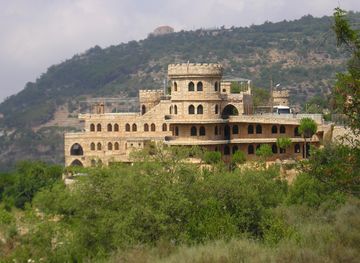
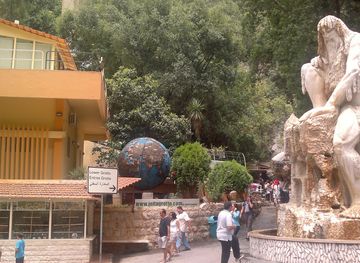
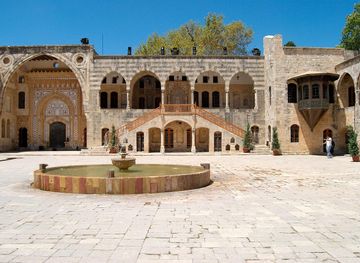
Neighbouring Regions of Mount Lebanon
The closest regions to Mount Lebanon, if you have time for more than one.


Your all‑in‑one travel companion app
Explore expert travel guides, compare and book tours, experiences, hotels, and more—all from the palm of your hand. Download now for seamless trip planning wherever your wanderlust takes you.


Explore More of Lebanon

Looking beyond Mount Lebanon? Discover Lebanon for broader travel guides, local hot-spots, and regional highlights.
Explore LebanonMount Lebanon in Photos
Browse through our photo collection highlighting the charm and character of the destination.




Majestic Mount Lebanon: A Scenic Marvel
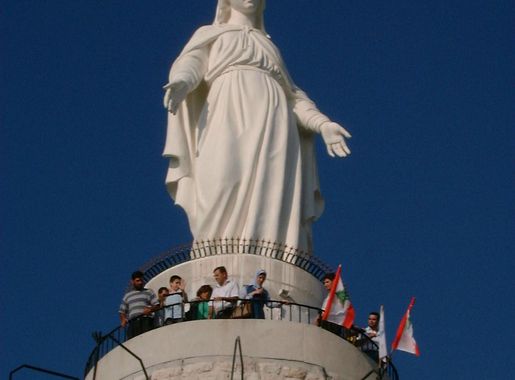
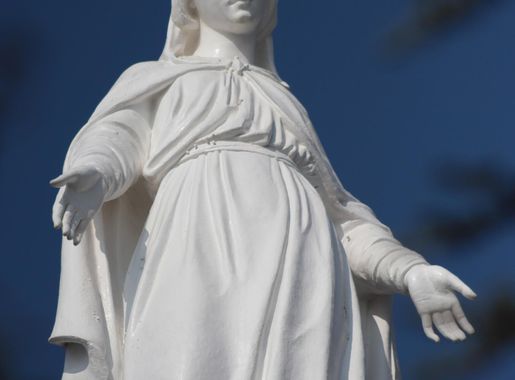
Mount Lebanon, a rugged mountain range stretching across Lebanon, offers breathtaking views and a rich cultural experience. Known for its stunning landscapes, the region boasts lush forests, terraced fields, and picturesque villages that seem to cling to the mountainsides. Whether you're an adventure seeker or a nature lover, Mount Lebanon provides a perfect escape from the hustle and bustle of city life. The region is home to several nature reserves, including the famous Cedar of God forests, where ancient cedar trees stand tall and proud. Hiking trails crisscross the mountains, offering opportunities to explore hidden valleys, waterfalls, and stunning viewpoints. In winter, the mountains transform into a snowy wonderland, attracting skiers and snowboarders to its well-equipped resorts. Mount Lebanon is also rich in history and culture. The area is dotted with ancient monasteries, churches, and ruins that tell stories of Lebanon's diverse heritage. Visitors can explore charming villages like Deir al-Qamar and Beit ed-Dine, with their well-preserved Ottoman architecture and vibrant local markets. The region's cuisine is a delightful mix of traditional Lebanese flavors, with mountain specialties that are a must-try.