

Free Jbeil Travel Guide & Mobile App
Explore Jbeil with free travel guides. Discover regional history, expert tips, proposed trips, and audio guides on web or mobile app.


Explore Jbeil in Lebanon for Byblos antiquities, Mediterranean coastlines, historic villages, Levantine food and mountain landscapes.
Read more about Jbeil
When is the best time to visit Jbeil?
Best: May–June, August · 24–30°C| Month | High (°C) | Rainfall (mm) |
|---|---|---|
| January | 16 | 141 |
| February | 17 | 121 |
| March | 18 | 101 |
| April | 20 | 51 |
| May (best) | 24 | 31 |
| June (best) | 28 | 11 |
| July | 30 | 1 |
| August (best) | 30 | 1 |
| September | 28 | 21 |
| October | 25 | 61 |
| November | 21 | 101 |
| December | 18 | 131 |
Getting to and around Jbeil
How to get there
Transportation
Top city travel guides in Jbeil
The cities of Jbeil, and the easiest places to base yourself.
-

-

-


Swipe for more cities
Destinations in Jbeil
Resorts, valleys and scenic spots worth a trip of their own.
-

-

-

-


Swipe for more destinations
Best attractions in Jbeil
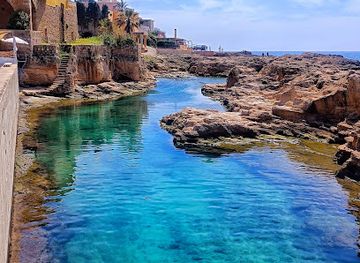
Jbeil's attractions combine an exceptionally deep archaeological site with a living coastal town and a broad mountain hinterland. Byblos is the natural starting point, bringing together Phoenician remains, Roman structures, a Crusader castle, medieval walls, the old souk and a harbour that remains central to the town's identity. The coastline around Byblos and Amchit adds promenades, swimming areas and restaurants, while historic houses and churches provide a quieter architectural counterpoint to the archaeological centre. Inland, the district changes rapidly into valleys, wooded slopes and highland villages, with Laqlouq offering a cooler setting for walking, seasonal outdoor activities and scenic drives. Religious buildings, traditional domestic architecture and small local collections reward slower exploration, although access and opening arrangements can vary. Jbeil is also a useful base for understanding Lebanon's relationship with the sea, cedar-bearing mountains and ancient trade routes; the strongest itinerary allows time for both the famous historic core and the less concentrated landscapes beyond it.
-
Castle
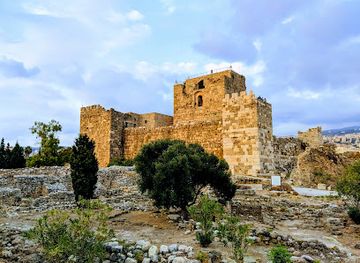
Byblos Citadel
Discover the breathtaking Byblos Citadel, a historic fortress revealing the rich tapestry of Lebanon's past amidst stunning Mediterranean views.
-
Market
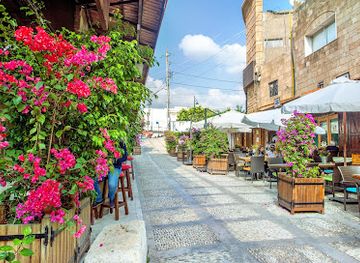
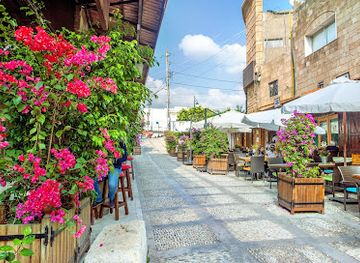
The Old Souq
Explore Byblos' Old Souq: A historic marketplace with crafts, food, and vibrant atmosphere in one of the world's oldest cities.
-
Historical landmark
Batroun Old Souk
Explore Batroun Old Souk: A vibrant marketplace where Lebanese culture comes to life through history, crafts, and culinary delights.
-
Monastery
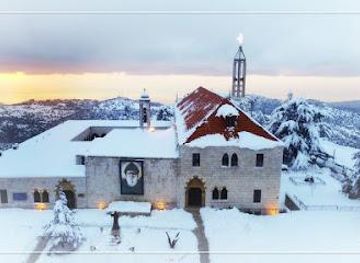
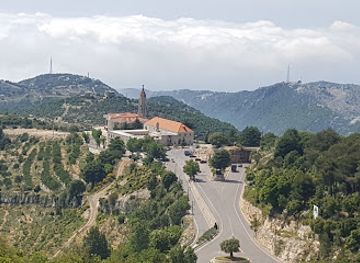
Monastery Saint Maroun
Explore the serene Monastery Saint Maroun in Aannaya, a spiritual sanctuary offering breathtaking views and a deep connection to Lebanese heritage.

Best landmarks in Jbeil
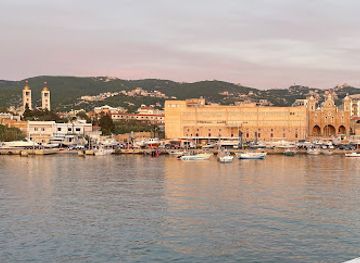
The most recognisable landmark in Jbeil is the Byblos archaeological site, where layers of settlement extend from prehistoric occupation through the Phoenician, Roman, Byzantine and medieval periods. The Crusader castle, built largely from earlier stone and commanding the historic core, is the district's defining medieval structure. Nearby, the ancient harbour and surviving sections of the old town express Byblos's continuing relationship with the sea, while the narrow streets and stone buildings of the souk preserve the scale of the historic settlement. The Roman colonnade and theatre area add a distinctly imperial layer to the site, and the Obelisks Temple is a major reminder of the ancient religious complex. In Amchit, traditional stone houses and historic churches form a different kind of landmark: not monumental ruins, but an enduring coastal village landscape. Inland, the forested slopes and open highlands around Laqlouq provide Jbeil with natural landmarks that contrast sharply with its warm Mediterranean shore.
-
Castle
Byblos Citadel
Discover the historical grandeur of Byblos Citadel, a UNESCO World Heritage site steeped in ancient history and breathtaking coastal views.
-
Market
The Old Souq
Explore the vibrant Old Souq of Byblos, where history, culture, and local craftsmanship come together in an unforgettable market experience.
-
Historical landmark
Batroun Old Souk
Discover the rich cultural heritage and vibrant life of Batroun Old Souk, a historical landmark in Lebanon, perfect for an immersive travel experience.
-
Christian church
Saint Charbel Church
Discover the spiritual beauty of Saint Charbel Church in Byblos, a historic gem that embodies Lebanon's rich Christian heritage and architectural elegance.
Explore Jbeil on the map
Plan your trip on one map. See where the top cities, national parks and sights are, and book hotels and experiences in a few clicks.
Best hotels in Jbeil
Best restaurants in Jbeil
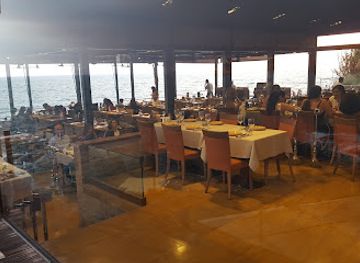
Dining in Jbeil ranges from waterfront restaurants and cafés in Byblos to family-run establishments, bakeries and village eateries serving the broader Lebanese culinary tradition. Expect mezze such as hummus, tabbouleh, moutabbal and kibbeh, alongside grilled meats, flatbreads, seasonal salads and fruit from the surrounding countryside. Coastal restaurants commonly feature fish and other seafood, although availability depends on the catch and season; inland menus may give greater prominence to grilled meats, dairy, vegetables, pulses and mountain produce. Lebanese pastries, maamoul and other sweets are widely available, while coffee and tea remain part of everyday hospitality. The region is also well placed for sampling olive oil, pickles, honey, fresh bread and locally produced wine from Lebanon's wider wine-growing areas. Prices, payment methods and menus can change, so confirm the currency and any service charge before ordering.
-
Lebanese
Feniqia
Savor exquisite Lebanese flavors at Feniqia in Byblos - where tradition meets taste.
-
Seafood
Babel Bahr
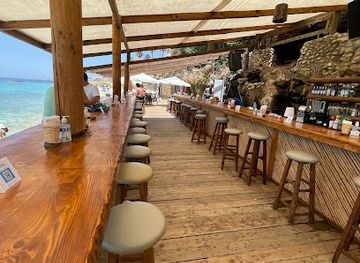
Discover authentic Lebanese seafood at Babel Bahr in Aamchit - where every dish tells a story of tradition and flavor.
-
Restaurant
Pierre & Friends
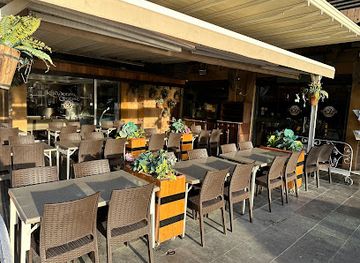
Experience authentic Lebanese cuisine and stunning sea views at Pierre & Friends in Batroun.
-
Restaurant
Al Kaddoum Restaurant - مطعم القدّوم
Experience authentic Lebanese flavors at Al Kaddoum Restaurant in Byblos—where every dish tells a story.
Best bars in Jbeil
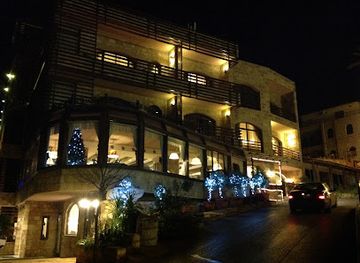
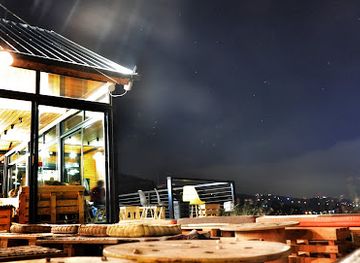
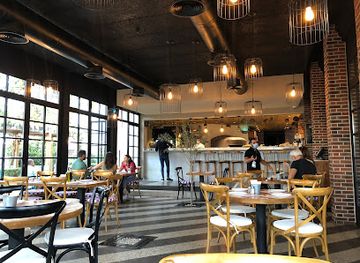
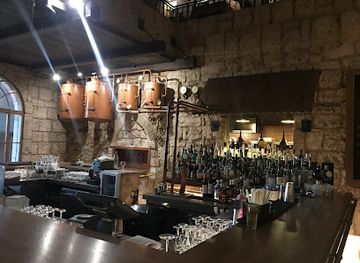
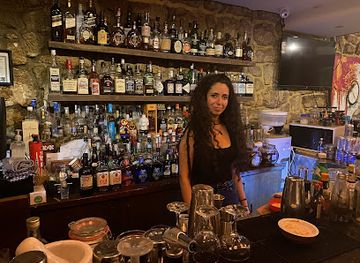
Jbeil's evening life is concentrated mainly in Byblos and, to a lesser extent, along the coast near Amchit. The old town and harbour area offer restaurants, cafés, pubs and bars where evenings tend to revolve around food, conversation and sea views rather than a single concentrated club district. During the warmer months, some coastal venues extend their evening activity, while live music and occasional cultural programming may add to the atmosphere; arrangements are seasonal and should be checked locally. Byblos can become lively at weekends, but the district's mountain villages generally settle into a quieter rhythm centred on restaurants, informal gatherings and family hospitality. Visitors should not assume that every venue accepts cards or operates late, and should arrange reliable transport when returning from rural or coastal locations after dark.
-
Lebanese
Feniqia
Discover Feniqia, where exquisite Lebanese flavors and stunning views of Byblos create an unforgettable dining experience.
-
Bar
Haven - The Cabin
Experience the essence of Byblos at Haven - The Cabin, where delicious food and drinks meet a cozy atmosphere.
-
Italian
Sapori E Vini
Experience the heart of Italy at Sapori E Vini in Byblos, where every dish is a celebration of authentic flavors and culinary artistry.
-
Restaurant
Locanda A La Granda
Experience the flavors of Lebanon at Locanda A La Granda, a culinary gem in Byblos with exquisite dishes and a charming atmosphere.
Best nightclubs in Jbeil
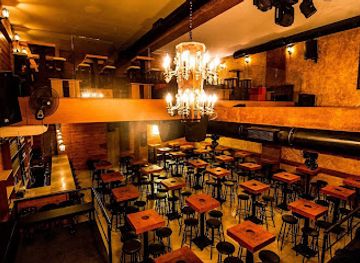
Jbeil's evening life is concentrated mainly in Byblos and, to a lesser extent, along the coast near Amchit. The old town and harbour area offer restaurants, cafés, pubs and bars where evenings tend to revolve around food, conversation and sea views rather than a single concentrated club district. During the warmer months, some coastal venues extend their evening activity, while live music and occasional cultural programming may add to the atmosphere; arrangements are seasonal and should be checked locally. Byblos can become lively at weekends, but the district's mountain villages generally settle into a quieter rhythm centred on restaurants, informal gatherings and family hospitality. Visitors should not assume that every venue accepts cards or operates late, and should arrange reliable transport when returning from rural or coastal locations after dark.
-
Night club
NEOM Rooftop
Discover the electrifying nightlife of Batroun at NEOM Rooftop, where stunning views and vibrant beats create an unforgettable experience.
-
Pub
Archive The Club
Discover the lively nightlife at Archive The Club in Byblos, where music, drinks, and vibrant socializing come together for an unforgettable experience.
-
Bar
Ashtar - Jazz Bar
Discover the enchanting Ashtar - Jazz Bar in Byblos, where live jazz meets vibrant nightlife in a historical setting.
-
Disco club
Void nightclub
Discover Batroun's electrifying nightlife at Void Nightclub, where music and dance create unforgettable experiences in Lebanon.


Best shops in Jbeil
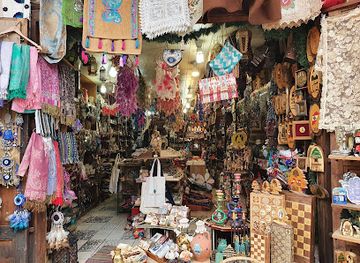
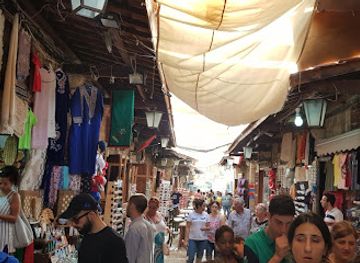
Shopping in Jbeil is strongest in the old town of Byblos, where small shops and galleries occupy or line the historic souk near the archaeological area and harbour. Visitors will find Lebanese sweets, olive oil, soaps, spices, ceramics, jewellery, books, textiles and craft items, although quality and provenance vary and should be considered carefully. Local bakeries and food shops are useful for gifts that travel well, including packaged sweets, coffee, preserves and regional produce. Amchit and the coastal towns have a more everyday retail character, while inland villages offer fewer dedicated visitor shops but may provide access to seasonal farm products and small-scale crafts. Bargaining is not appropriate everywhere, so ask politely whether a price is fixed before negotiating. Because Lebanon's retail conditions and payment systems can change, carry cash for smaller businesses and check the currency of a quoted price.
-
Market
The Old Souq
Explore The Old Souq in Byblos, a historic market where vibrant culture meets timeless tradition, offering unique crafts, local cuisine, and unforgettable experiences.
-
Jewelry store
Antoine Saliba World of Jewelry
Explore the exquisite craftsmanship of Antoine Saliba World of Jewelry in Byblos, where tradition and elegance combine in every unique piece.
-
Bakery
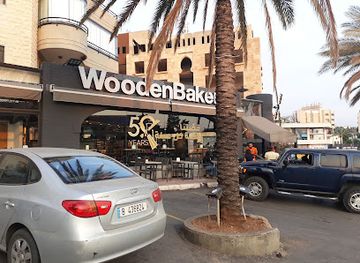
Wooden Bakery Jbeil
Experience the charm of Wooden Bakery Jbeil in Byblos, where fresh pastries meet authentic Lebanese flavors in a delightful setting.
-
Clothing store
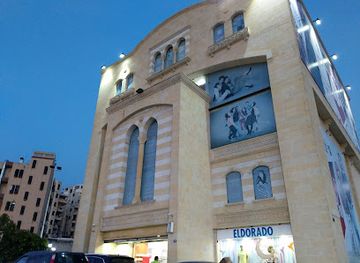
Eldorado Shopping Center
Discover the vibrant shopping scene at Eldorado Shopping Center in Byblos, where fashion meets local charm and unique finds await.
Get your free copy of our complete guide to Jbeil, delivered straight to you.
Everything on this page, from attractions and restaurants to essentials and local phrases, in one PDF you can read offline, print or share.
Already have an account? Sign in
Your Jbeil guide is ready.
We'll send it to · Not you? Sign out

Getting your guide ready…
We are putting together a fresh copy of the Jbeil guide. This can take up to a minute.
This can take a few moments. If your browser asks, choose Allow so the download can start. You'll find the guide in your Downloads folder.
Nothing happened? Download it again
Sorry, the guide is taking longer than usual. Please try again in a minute, or get it by email instead.
Jbeil essentials
Currency and Payment
Safety
Emergency Situations
Do's and Don'ts
Local Tips
From Eve
Local phrases worth knowing
You don't need to get them perfect. A few words go a long way, and locals appreciate the effort.
Basics
| English | Local | Say it |
|---|---|---|
| Hello | Hello | [Hello] |
| Goodbye | Goodbye | [Goodbye] |
| Yes | Yes | [Yes] |
| No | No | [No] |
| Please/You're welcome | Please/You're welcome | [Please/You're welcome] |
| Thank you | Thank you | [Thank you] |
| Excuse me/Sorry | Excuse me/Sorry | [Excuse me/Sorry] |
| How are you? | How are you? | [How are you?] |
| Fine. And you? | Fine. And you? | [Fine. And you?] |
| Do you speak English? | Do you speak English? | [Do you speak English?] |
| I don't understand | I don't understand | [I don't understand] |
Eating & Drinking
| English | Local | Say it |
|---|---|---|
| I'd like to see the menu, please | I'd like to see the menu, please | [I'd like to see the menu, please] |
| I don't eat meat | I don't eat meat | [I don't eat meat] |
| Cheers! | Cheers! | [Cheers!] |
| I would like to pay, please | I would like to pay, please | [I would like to pay, please] |
Emergencies
| English | Local | Say it |
|---|---|---|
| Help! | Help! | [Help!] |
| Go away! | Go away! | [Go away!] |
| Call the Police! | Call the Police! | [Call the Police!] |
| Call a doctor! | Call a doctor! | [Call a doctor!] |
| I'm lost | I'm lost | [I'm lost] |
| I'm ill | I'm ill | [I'm ill] |
Shopping
| English | Local | Say it |
|---|---|---|
| I'd like to buy... | I'd like to buy... | [I'd like to buy...] |
| I'm just looking | I'm just looking | [I'm just looking] |
| How much is it? | How much is it? | [How much is it?] |
| That's too expensive | That's too expensive | [That's too expensive] |
| Can you lower the price? | Can you lower the price? | [Can you lower the price?] |
Time & Numbers
| English | Local | Say it |
|---|---|---|
| What time is it? | What time is it? | [What time is it?] |
| It's one o'clock | It's one o'clock | [It's one o'clock] |
| Half past (10) | Half past (10) | [Half past (10)] |
| Morning | Morning | [Morning] |
| Afternoon | Afternoon | [Afternoon] |
| Evening | Evening | [Evening] |
| Yesterday | Yesterday | [Yesterday] |
| Today | Today | [Today] |
| Tomorrow | Tomorrow | [Tomorrow] |
| 1 | 1 | [1] |
| 2 | 2 | [2] |
| 3 | 3 | [3] |
| 4 | 4 | [4] |
| 5 | 5 | [5] |
| 6 | 6 | [6] |
| 7 | 7 | [7] |
| 8 | 8 | [8] |
| 9 | 9 | [9] |
| 10 | 10 | [10] |
Transport & Directions
| English | Local | Say it |
|---|---|---|
| Where's a/the...? | Where's a/the...? | [Where's a/the...?] |
| What's the address? | What's the address? | [What's the address?] |
| Can you show me (on the map)? | Can you show me (on the map)? | [Can you show me (on the map)?] |
| When's the next (bus)? | When's the next (bus)? | [When's the next (bus)?] |
| A ticket (to ....) | A ticket (to ....) | [A ticket (to ....)] |
History of Jbeil
Neolithic Byblos and the Early Settlement
The site of Byblos preserves evidence of settlement stretching back to the Neolithic period, making it one of the eastern Mediterranean's most important archaeological locations. Its position beside a sheltered coast, with access to water, timber and fertile hinterlands, helped support a permanent community. Excavations have revealed successive layers rather than a single founding moment, showing how the settlement changed over millennia. This deep archaeological sequence is the foundation of Jbeil's modern historical importance and explains why the town's ancient remains sit directly beside a functioning Lebanese community.
Phoenician Byblos and Egyptian Trade
During the Bronze Age and Iron Age, Byblos became a major port of the Phoenician coast and maintained particularly close commercial and cultural links with ancient Egypt. Egyptian objects and inscriptions found at the site reflect this relationship, while the town exported cedar wood and other Levantine goods. The name Byblos later became associated with papyrus and books through Greek usage, although the port's role was broader than that linguistic legacy. The temple areas, royal tombs and harbour remains illustrate the political and commercial significance of the ancient city.
Hellenistic, Roman and Byzantine Centuries
After the conquests of Alexander the Great, Byblos entered a Hellenistic political and cultural world before becoming part of the Roman sphere. Public buildings, roads, temples and a theatre altered the physical form of the settlement, while local religious traditions continued alongside imported practices. In the Byzantine period, Christianity reshaped the town's institutions and architecture. The archaeological site contains traces of these overlapping eras, demonstrating that Jbeil was repeatedly adapted rather than abandoned as power shifted across the eastern Mediterranean.
The Crusader Port and Medieval Byblos
In the twelfth century, Crusader forces established control over Byblos, known to them as Gibelet, and developed the fortified town that remains one of the region's most recognisable historical features. The Crusader castle incorporated earlier stone and stood within a wider defensive settlement near the harbour. Medieval Byblos was connected to the political and military networks of the Levantine coast, although its fortunes changed as regional power moved between competing states. The castle, old walls and churches preserve the strongest visible evidence of this period.
Ottoman Rule and Coastal Village Life
Jbeil formed part of the Ottoman Empire for several centuries, during which the coastal town and surrounding villages were integrated into wider administrative, agricultural and trading systems. Stone houses, churches, mosques, presses and rural paths from later centuries reflect a society organised around farming, seafaring, craft production and family networks. Amchit and other settlements developed their own architectural and religious identities during this period. Ottoman rule did not erase earlier layers; instead, it added the domestic and village landscapes that visitors encounter beyond the ancient centre.
Lebanon's Mandate and Independence
Following the First World War, the territory of present-day Lebanon came under the French Mandate before the country's independence in 1943. Roads, schools, administrative systems and new forms of urban development connected Jbeil more closely with Beirut and other coastal centres. The district's traditional villages gradually became part of a more mobile and interconnected society, while Byblos increasingly attracted archaeological attention and visitors. This period helped establish the modern relationship between Jbeil's historic identity, national institutions and expanding coastal settlement.
Heritage, Tourism and Contemporary Jbeil
In the modern era, Byblos has become one of Lebanon's most prominent heritage destinations, and its archaeological remains were inscribed on the UNESCO World Heritage List in 1984. Tourism has expanded around the old town, harbour and cultural events, while much of the wider district remains residential, agricultural and mountainous. Jbeil's contemporary story also includes the pressures affecting Lebanon as a whole: economic difficulty, infrastructure strain, changing patterns of migration and the need to protect historic buildings and landscapes while maintaining them as living places.
Jbeil in Photos
Browse through our photo collection highlighting the charm and character of the destination.
Neighbouring regions of Jbeil
The closest regions to Jbeil, if you have time for more than one.
-

-

-

-

-


Swipe for more regions
Explore more

Explore more of Lebanon
Discover Lebanon: A land of ancient history, vibrant culture, stunning landscapes, and delicious cuisine, nestled on the Mediterranean coast.
Explore Lebanon